تركيب القوقعة الصناعية في كوريا الجنوبية — احصل على 3 عيادات مطابقة مع التكاليف


تمت مراجعة المقالة طبيا من قبل
فهد مولود
ما هي تكلفة تركيب القوقعة الصناعية في كوريا الجنوبية؟ اكتشف الآن
تتراوح تكلفة زراعة القوقعة في جمهورية كوريا بين $28,000 و $36,000 في المتوسط. يعتمد السعر النهائي على التقنية الجراحية، ونوع القوقعة، وموقع العيادة. تشمل التكاليف عادةً فحص الرنين المغناطيسي، وتخطيط السمع، والجهاز، والجراحة، وإقامة في المستشفى لمدة 3 إلى 5 أيام.
- اختيار نوع القوقعة: عادة ما تكون الأجهزة المتميزة، مثل MED-EL Synchrony 2، أغلى من الموديلات القياسية.
- موقع المستشفى: ترتفع الأسعار في عيادات سيول غالباً مقارنة بالمرافق الموجودة في المدن الإقليمية الأصغر.
- خبرة الجراح: قد يتقاضى كبار الأستاذة في المستشفيات الجامعية الكبرى أتعاباً جراحية أعلى مقابل مهارتهم.
- تعقيد التشخيص: قد تؤدي الصور المتقدمة قبل الجراحة أو البروتوكولات الخاصة بالأطفال إلى زيادة التكلفة الإجمالية الأولية.
رأي خبراء Bookimed: تقدم كوريا قيمة استثنائية عبر مستشفياتها الجامعية عالية الكفاءة، مثل مركز أسوان الطبي. يُجري هذا المركز أكثر من 65,000 عملية سنوياً مع التركيز على الحالات المعقدة. يضمن اختيار المراكز المعتمدة من JCI، مثل مستشفى سيفيرانس، تطبيق معايير السلامة الدولية. غالباً ما يجد المرضى أن الباقات المتوسطة في سيول توفر نفس التقنيات المتقدمة الموجودة في الخيارات الفاخرة. تخدم هذه المراكز ملايين المرضى، وتوفر مستوى من الخبرة السريرية يؤكد مكانتها في قطاع الرعاية المتميزة.
المزايا الرئيسية
لماذا يختار المرضى جمهورية كوريا لزراعة القوقعة؟
- عيادات معتمدة: المستشفيات المعتمدة من JCI تقدم رعاية تتوافق مع المعايير المعترف بها دوليًا.
- أحدث التقنيات: تُستخدم تقنيات مثل زراعة القوقعة بأقل تدخل جراحي. تُختار علامات تجارية مثل Cochlear Nucleus 7 وMED-EL Synchrony لتحسين نتائج المرضى.
- نسب نجاح عالية: تتميز زراعة القوقعة في كوريا بنجاح مثير للإعجاب بنسبة 95% في تحسين قدرات السمع في مختلف الحالات.
- جراحون خبراء: أطباء الأنف والأذن والحنجرة الرائدون، المعتمدون من الجمعية الكورية لأمراض الأنف والأذن والحنجرة، قد أجروا أكثر من 500 عملية زراعة قوقعة. يضمن ذلك مستويات عالية من الخبرة ورضا المرضى.
احصل على حلول متقدمة لزراعة القوقعة في عيادات موثوقة من $28,000.
| كوريا الجنوبية | تركيا | إسبانيا | |
|---|---|---|---|
| تركيب القوقعة الصناعية | ≈ $28,000 | من $14,000 | من $22,000 |
| استئصال الركابي | ≈ $5,200 | من $6,200 | ≈ $3,200 |
مزاياك وضماناتك مع Bookimed
أسعار مباشرة
Bookimed لا يضيف رسوماً إضافية على أسعار تركيب القوقعة الصناعية. الأسعار مأخوذة من قوائم الأسعار الرسمية للعيادات. تدفع مباشرة في العيادة مقابل تركيب القوقعة الصناعية عند وصولك.
عيادات وأطباء معتمدون فقط
Bookimed ملتزم بسلامتك. نحن نعمل فقط مع المؤسسات الطبية التي تحافظ على معايير دولية عالية في تركيب القوقعة الصناعية ولديها التراخيص اللازمة لخدمة المرضى الدوليين في جميع أنحاء العالم.
مساعدة مجانية على مدار الساعة
Bookimed يقدم مساعدة خبراء مجانية. منسق طبي شخصي يدعمك قبل وأثناء وبعد العلاج، ويحل أي مشاكل. لن تكون وحيداً أبداً في رحلة تركيب القوقعة الصناعية.

منسقك الطبي الشخصي في Bookimed
- يدعمك في كل مرحلة
- المساعدة في اختيار العيادة الطبية المناسبة والطبيب المناسب
- يضمن الوصول السريع والمريح إلى المعلومات
اكتشف أفضل تركيب القوقعة الصناعية العيادات في كوريا الجنوبية: 4 خيارات معتمدة والأسعار
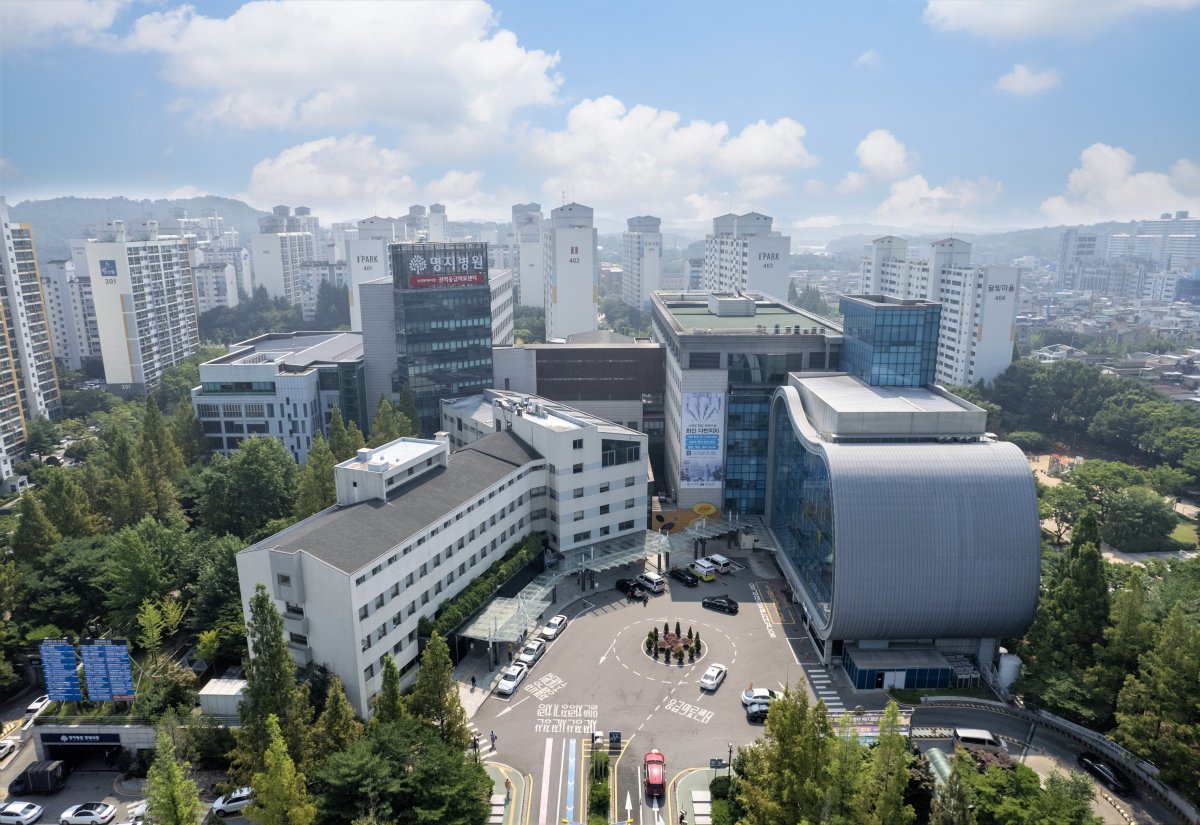










نظرة عامة على تركيب القوقعة الصناعية في كوريا الجنوبية
- تركيب القوقعة الصناعية - من $28,000
يتم من خلال العملية إدخال جهاز إلكتروني لتحفيز النهايات العصبية ، مما يساعد الأشخاص الذين يعانون من ضعف شديد في السمع.
- استئصال الركابي - من $5,200
تساعد هذه العملية في استعادة السمع عن طريق استبدال عظم صغير في الأذن بطرف اصطناعي.
اليوم 1
- الوصول إلى المطار في الدولة.
- نقل إلى الفندق للراحة.
اليوم الثاني
- الانتقال من الفندق إلى العيادة.
- استشارة طبيب الأنف والأذن والحنجرة.
- إجراء الفحوصات الطبية اللازمة.
يوم 3
- التحضير لوضع غرسة القوقعة الصناعية.
- اخضع لعملية زراعة قوقعة الأذن والتي تستمر من 2 إلى 4 ساعات.
- يتعافى في العيادة بعد الجراحة.
اليوم الرابع
- فحص ما بعد الجراحة من قبل الجراح.
- البدء بالمراحل الأولية لإعادة التأهيل في العيادة.
الأسبوع 1
- إعادة تأهيل وتعديل الزرع بشكل مستمر.
- المتابعة المنتظمة مع الجراح وأخصائي السمعيات.
الأسبوع 2-4
- العودة التدريجية إلى الأنشطة العادية.
- استمرار التعديلات وإعادة التأهيل.
الأسبوع الخامس
- العودة إلى العمل والأنشطة الرياضية.
- المتابعات والتعديلات المستمرة حسب الحاجة.
الأسبوع السادس وما بعده
- تم إجراء التعديلات النهائية على غرسة القوقعة الصناعية.
- رؤية النتيجة النهائية والتحسينات في السمع.
يرجى ملاحظة أن تجربة كل مريض قد تختلف ، والجدول الزمني المقدم هو تقدير بناءً على الحالات النموذجية.
- إيداع Bookimed: 200 دولار أو 200 يورو.
- وديعة العيادة: ادفع نسبة محددة مقدمًا.
قصص فيديو من مرضى Bookimed
مشاركة المحتوى
 Anna Leonova
أسئلة متكررة حول تركيب القوقعة الصناعية في كوريا الجنوبية
ما هو معدل نجاح زراعة القوقعة في كوريا الجنوبية؟
تصل معدلات نجاح زراعة القوقعة في كوريا الجنوبية إلى 95% في تحسين السمع. تظهر البيانات السريرية معدل بقاء الجهاز لمدة 10 سنوات يصل إلى 96%. تفيد المراكز الكبرى مثل مركز أسوان الطبي (Asan Medical Center) أن 94% من المرضى البالغين يحققون درجات تمييز جمل تتجاوز 80% بعد الجراحة.
- استقرار الجهاز: تتراوح معدلات بقاء الأجهزة على المدى الطويل بين 95.8% و 96.0%.
- نتائج الأطفال: غالبًا ما يكتسب الأطفال الذين خضعوا للزراعة قبل سن الثانية مهارات لغوية طبيعية في غضون 3 سنوات.
- اتساق الاستخدام: يستمر أكثر من 91% من المتلقين في استخدام أجهزتهم بعد 5 سنوات من الجراحة.
- انخفاض معدل المراجعة: تظل معدلات جراحات المراجعة منخفضة، وعادة ما تتراوح بين 4.2% و 7.6% سنوياً.
رؤية خبير Bookimed: ينبع النجاح الكبير في كوريا الجنوبية من المراكز ذات الكثافة العالية مثل مستشفى سيفيرانس (Severance Hospital) ومركز أسوان الطبي. تستخدم هذه المرافق نهجاً متعدد التخصصات يجمع بين الدقة الجراحية والتخطيط الرقمي الفوري. تشير البيانات إلى أن معدل المراجعة لديهم البالغ 1% لأقطاب الجيل الأحدث يتفوق على العديد من المعايير الدولية.
إجماع المرضى: يبلغ العديد من الآباء عن وصول أطفالهم إلى التحدث بجمل كاملة في غضون عامين. غالباً ما يصف البالغون استعادة السمع بأنها متفوقة على معيناتهم السمعية المتطورة السابقة.
ما هي أفضل المستشفيات لزراعة القوقعة في كوريا الجنوبية؟
تشمل أفضل المستشفيات لزراعة القوقعة في كوريا الجنوبية مستشفى سيفيرانس (Severance Hospital)، ومركز أسون الطبي (Asan Medical Center)، ومستشفى جامعة سيول الوطنية (Seoul National University Hospital). تقود هذه المراكز الثالثية الموجودة في سيول المجال بفضل اعتماد JCI، وأحجام جراحية عالية تتجاوز 3000 حالة، وبرامج إعادة تأهيل تعتمد على الذكاء الاصطناعي لاستعادة السمع لدى الأطفال والبالغين.
- مستشفى سيفيرانس: رائد وطني مع أكثر من 3000 جراحة سمع ورعاية متخصصة في الأنف والأذن والحنجرة معتمدة من JCI.
- مركز أسون الطبي: يتميز بفريق إعادة تأهيل متخصص يستخدم الذكاء الاصطناعي للتنبؤ بدقة النتائج بنسبة 95%.
- مستشفى جامعة سيول الوطنية في بوندانغ: أول مستشفى رقمي في كوريا يستخدم نظام BESTcare لزيادة سلامة الإجراءات إلى أقصى حد.
- معايير الخبرة: تتطلب المراكز من الدرجة الأولى عادةً أن يقوم الجراحون بإجراء أكثر من 50 حالة قوقعة سنويًا.
رؤية خبراء Bookimed: بينما تنتظر العديد من البلدان حتى سن 12 شهرًا، غالبًا ما تقوم المراكز الكورية الجنوبية مثل سيفيرانس بإجراء عمليات زراعة للرضع الذين تقل أعمارهم عن 6 أشهر. يتم دعم هذا التدخل المبكر من خلال برامج عائلية مكثفة وفرق سمعيات ذات حجم كبير تدير أكثر من 1.6 مليون مريض خارجي سنويًا. بالنسبة للمرضى الدوليين، توفر هذه المستشفيات الجامعية الخمس الكبرى متابعة أفضل من العيادات الصغيرة.
إجماع المرضى: يقدر المرضى استخدام أحدث تقنيات MED-EL ويذكرون أن أوقات انتظار المرضى الخصوصيين أقصر بكثير مما هي عليه
ما هي مدة الإقامة المطلوبة في المستشفى والوقت الإجمالي في كوريا الجنوبية؟
تتطلب زراعة القوقعة في كوريا الجنوبية عادةً من 0 إلى ليلة واحدة في المستشفى. يجب على المرضى التخطيط لإقامة إجمالية تتراوح بين 7 إلى 14 يومًا لإجراء التصوير قبل الجراحة، والجراحة، وتعديلات التعيين (mapping) الأولية الأساسية في المراكز المعتمدة من JCI مثل مستشفى سيفيرانس في سيول.
- الإقامة في المستشفى: ينتقل معظم المرضى إلى الرعاية الخارجية في غضون 24 ساعة بعد هذه الجراحة التي تستغرق 2-3 ساعات.
- الفترة قبل الجراحة: يجب الوصول قبل يومين إلى 3 أيام لإجراء فحوصات الرنين المغناطيسي والأشعة المقطعية والاستشارات الإلزامية مع الجراح.
- المدة الإجمالية: تخصيص 10 إلى 14 يومًا يضمن الشفاء الآمن وتوفير الوقت لتفعيل الجهاز الأولي.
- تصريح السفر: عادةً ما يسمح الجراحون للمرضى بالسفر في رحلات طويلة بعد 7 إلى 10 أيام من الإجراء.
رؤية خبير Bookimed: بينما تتراوح التكاليف الأساسية بين $28,000 و $36,000، فإن القيمة الحقيقية في كوريا الجنوبية هي سرعة التشخيص. تستخدم عيادات مثل مستشفى جامعة سيول الوطنية في بوندانغ أنظمة رقمية متكاملة لإكمال تصوير الأذن الداخلية المتخصص والتحضير الجراحي في غضون 48 ساعة فقط.
إجماع المرضى: يوصي المسافرون بحجز رحلات عودة مرنة لاستيعاب جلسات التعيين المخصصة. يقترح الكثيرون إحضار وسادة رقبة عالية الجودة للراحة أثناء رحلة العودة بعد الخروج من المستشفى.
هل تتوفر برامج إعادة تأهيل متخصصة بعد الجراحة؟
تتوفر إعادة التأهيل المتخصصة لزراعة القوقعة على نطاق واسع في كوريا الجنوبية من خلال مراكز معتمدة من قبل اللجنة الدولية المشتركة (JCI) مثل مستشفى سيفيرانس. تركز البرامج على العلاج السمعي اللفظي وبرمجة الجهاز (Mapping) لاستعادة السمع. في حين أن إعادة التأهيل المكثفة في المستشفيات شائعة للأطفال، غالبًا ما يستعين البالغون بأخصائيي نطق خاصين للتعافي على المدى الطويل.
- جلسات البرمجة (Mapping): يقوم أخصائيو السمع بضبط أقطاب الغرسة خلال 3-4 زيارات أولية للعيادة.
- العلاج السمعي اللفظي: يساعد المعالجون المتخصصون المرضى على تفسير الإشارات الصوتية الإلكترونية الجديدة.
- الدعم للأطفال: توفر مراكز الأطفال المخصصة في مركز أسان الطبي تنمية لغوية غامرة.
- التكامل الرقمي: تستخدم أفضل العيادات في سيول أنظمة BESTcare لتتبع تقدم إعادة التأهيل على المدى الطويل.
رؤية خبير Bookimed: يتميز مستشفى سيفيرانس بأنه يدير مراكز إعادة تأهيل متخصصة إلى جانب قسم الأنف والأذن والحنجرة. تظهر بياناتنا أنه على الرغم من أن تكاليف الجراحة تتراوح بين $28,000 و $36,000، فإن النتائج الأكثر نجاحًا تأتي من المرضى الذين يخصصون ميزانية لعلاج النطق الخاص. تركز معظم المستشفيات الكبرى على البرمجة التقنية بدلاً من التدريب الصوتي اليومي.
إجماع المرضى: غالبًا ما يجد المرضى أنه على الرغم من كفاءة المتابعة في المستشفى، فإن الاستعانة بمعلمي نطق مستقلين ضرورية للتعافي المكثف. قد يكون العثور على معالجين يتحدثون الإنجليزية أمرًا صعبًا خارج المراكز الطبية ا
هل يغطي التأمين الصحي في كوريا الجنوبية زراعة القوقعة للمرضى الدوليين؟
يغطي التأمين الصحي الوطني (NHIS) في كوريا الجنوبية زراعة القوقعة للمقيمين الدوليين الذين عاشوا في البلاد لمدة 6 أشهر على الأقل ويحملون بطاقة تسجيل أجنبي صالحة. لا يتأهل السياح الطبيون لفترات قصيرة للحصول على التغطية العامة ويجب عليهم دفع التكاليف بالكامل من جيبهم الخاص.
- شرط الإقامة: يجب أن يحمل بطاقة تسجيل أجنبي (ARC) مع إقامة مستمرة لمدة 6 أشهر.
- التسجيل الإلزامي: يتم تسجيل المقيمين لفترات طويلة والموظفين تلقائيًا في نظام NHIS.
- المعايير الطبية: تتطلب التغطية فقدان سمع حسي عصبي متماثل بمقدار 70 ديسيبل أو أكثر.
- التكاليف الشخصية: يدفع غير المقيمين من $28,000 إلى $36,000 بدون تأمين أو تغطية خاصة.
رؤية خبير Bookimed: على الرغم من أن التسجيل في NHIS يوفر خصومات كبيرة، إلا أن التنقل في عمليات تدقيق عتبة السمع معقد للأجانب. تظهر البيانات من مستشفى سيفيرانس ومركز أسان الطبي أنهم متخصصون في طب الأنف والأذن والحنجرة المعقد. غالبًا ما توفر هذه المرافق من الدرجة الأولى أسعارًا مجمعة للمرضى الدوليين الذين يدفعون نقدًا. يمكن أن يعوض هذا نقص التأمين العام لأولئك الذين يبقون أقل من 6 أشهر.
إجماع المرضى: يؤكد المرضى أن الزوار لفترات قصيرة لا يحصلون على أي تغطية من NHIS ويجب عليهم الاستعداد للتصنيف الاختياري. ينصح الكثيرون بتخصيص ميزانية لصيانة المعالج الخارجي، حيث نادرًا ما يغطي التأمين هذه الاستبدالات المتكررة عالية التكلفة.
ما هي العلامات التجارية لزراعة القوقعة المستخدمة في كوريا الجنوبية؟
تستخدم المراكز الطبية في كوريا الجنوبية بشكل أساسي علامات تجارية دولية لزراعة القوقعة، بما في ذلك Cochlear Ltd. من أستراليا، وMED-EL من النمسا، وAdvanced Bionics من الولايات المتحدة الأمريكية. كما يوفر المصنعون المحليون المبتكرون مثل TODOC وNurobiosys بدائل عالية التقنية من خلال المستشفيات الجامعية الكبرى والعيادات المتخصصة في سيول.
- قادة السوق العالمية: تحافظ شركة Cochlear Ltd. على أقوى حضور بأجهزة سلسلة Nucleus.
- الخيارات الأوروبية الأساسية: تقدم MED-EL طرازي Synchrony وSONATA 2 في مراكز من الدرجة الأولى.
- التكنولوجيا الأمريكية المتقدمة: توفر Advanced Bionics غرسات HiRes Ultra 3D ومعالجات Naída.
- الابتكار الكوري المحلي: طورت TODOC نظام SULLIVAN، وهو أول نظام قوقعة صناعية بـ 32 قناة.
- المستشفيات المزودة الرئيسية: يقود مركز سامسونج الطبي ومستشفى سيفيرانس توزيع الأجهزة.
رؤية خبير Bookimed: على الرغم من هيمنة العلامات التجارية العالمية، فإن مدى دراية الجراح غالبًا ما يملي التوصية النهائية. أجرت العيادات الرائدة في سيول مثل مستشفى سيفيرانس آلاف عمليات الزرع الناجحة. تشير بياناتنا إلى اختيار علامة تجارية لديها مراكز صيانة محلية راسخة. وهذا يضمن وصولاً أسرع إلى قطع الغيار وجلسات البرمجة.
إجماع المرضى: يعطي المرضى الأولوية للدعم طويل الأجل وتوافر قطع الغيار على سمعة العلامة التجارية وحدها. يقترح الكثيرون تأكيد التكاليف الإجمالية للمعالجات وجلسات الصيانة على مدى خمس سنوات.