البتر في كوريا الجنوبية — احصل على 3 عيادات مطابقة مع التكاليف


تمت مراجعة المقالة طبيا من قبل
فهد مولود
ما هي تكلفة البتر في كوريا الجنوبية؟ اكتشف الآن
تتراوح تكلفة جراحة بتر الأطراف في جمهورية كوريا بين $6,500 و $12,000. تؤثر عوامل عدة على السعر النهائي، مثل تعقيد الجراحة ومستوى المستشفى، والحاجة إلى جراحات ترميمية أو مجهرية. تشمل التكاليف عادةً الإجراء الجراحي، والتخدير، والإقامة الأولية بعد الجراحة في مراكز طبية رئيسية بمدينتي سول وإنشيون.
- تعقيد الجراحة: تتطلب عمليات إعادة الزرع المجهرية تكلفة أعلى من بتر الأطراف العادي نظراً لطول مدتها.
- عمليات أصابع القدم أو اليد: تبدأ تكلفة جراحات الأطراف الصغرى عادةً عند الحد الأدنى من النطاق السعري.
- الحاجة للترميم: تزيد الحالات المعقدة التي تستدعي إصلاحاً واسعاً للأنسجة من إجمالي الفاتورة الطبية.
- مستوى المنشأة: قد تكون التكاليف في المستشفيات الجامعية المرموقة والحاصلة على اعتماد JCI في سول أعلى بنسبة 15-20 %.
رأي خبراء Bookimed: يوفر اختيار منشأة رقمية رائدة مثل مستشفى جامعة سول الوطنية في بوندانغ (SNUBH) قيمة فائقة. يعتمد المستشفى نظام BESTcare لتقليل الأخطاء الطبية أثناء حالات الإصابات العظمية المعقدة. تتميز المستشفيات الجامعية في سول بمعدلات نجاح عالية واعتماد JCI يضمن السلامة رغم ارتفاع أسعارها الأساسية. ولمن يبحث عن جراحات بتر متقدمة مرتبطة بالأورام، يقدم متخصصون مثل سونغ ووك سيو في مركز سامسونج الطبي خبرة عالمية المستوى.
المزايا الرئيسية
لماذا يختار المرضى جمهورية كوريا لإجراء عمليات البتر؟
- العيادات المعتمدة: المستشفيات المعتمدة من JCI تقدم رعاية عالية الجودة تتوافق مع المعايير الدولية.
- أحدث التقنيات: الأجهزة التعويضية مثل Genium X3 من Ottobock وRHEO KNEE XC من Össur توفر حركة أفضل وتكيفاً أكبر للمبتورين.
- نسب نجاح عالية: عمليات البتر في كوريا الجنوبية تحقق فعالية بنسبة 95% في تحسين حركة المرضى وجودة حياتهم.
- جراحون خبراء: يتمتع جراحو العظام الرائدون، المعتمدون من الجمعية الكورية لجراحة العظام، بخبرة في إجراء أكثر من 5,000 عملية بتر. يضمنون رعاية دقيقة ومتخصصة.
احصل على حلول متقدمة للبتر في عيادات موثوقة من $6,500.
| كوريا الجنوبية | تركيا | إسبانيا | |
|---|---|---|---|
| البتر | ≈ $6,500 | من $1,800 | ≈ $6,500 |
مزاياك وضماناتك مع Bookimed
أسعار مباشرة
Bookimed لا يضيف رسوماً إضافية على أسعار البتر. الأسعار مأخوذة من قوائم الأسعار الرسمية للعيادات. تدفع مباشرة في العيادة مقابل البتر عند وصولك.
عيادات وأطباء معتمدون فقط
Bookimed ملتزم بسلامتك. نحن نعمل فقط مع المؤسسات الطبية التي تحافظ على معايير دولية عالية في البتر ولديها التراخيص اللازمة لخدمة المرضى الدوليين في جميع أنحاء العالم.
مساعدة مجانية على مدار الساعة
Bookimed يقدم مساعدة خبراء مجانية. منسق طبي شخصي يدعمك قبل وأثناء وبعد العلاج، ويحل أي مشاكل. لن تكون وحيداً أبداً في رحلة البتر.

منسقك الطبي الشخصي في Bookimed
- يدعمك في كل مرحلة
- المساعدة في اختيار العيادة الطبية المناسبة والطبيب المناسب
- يضمن الوصول السريع والمريح إلى المعلومات
اكتشف أفضل البتر العيادات في كوريا الجنوبية: 6 خيارات معتمدة والأسعار
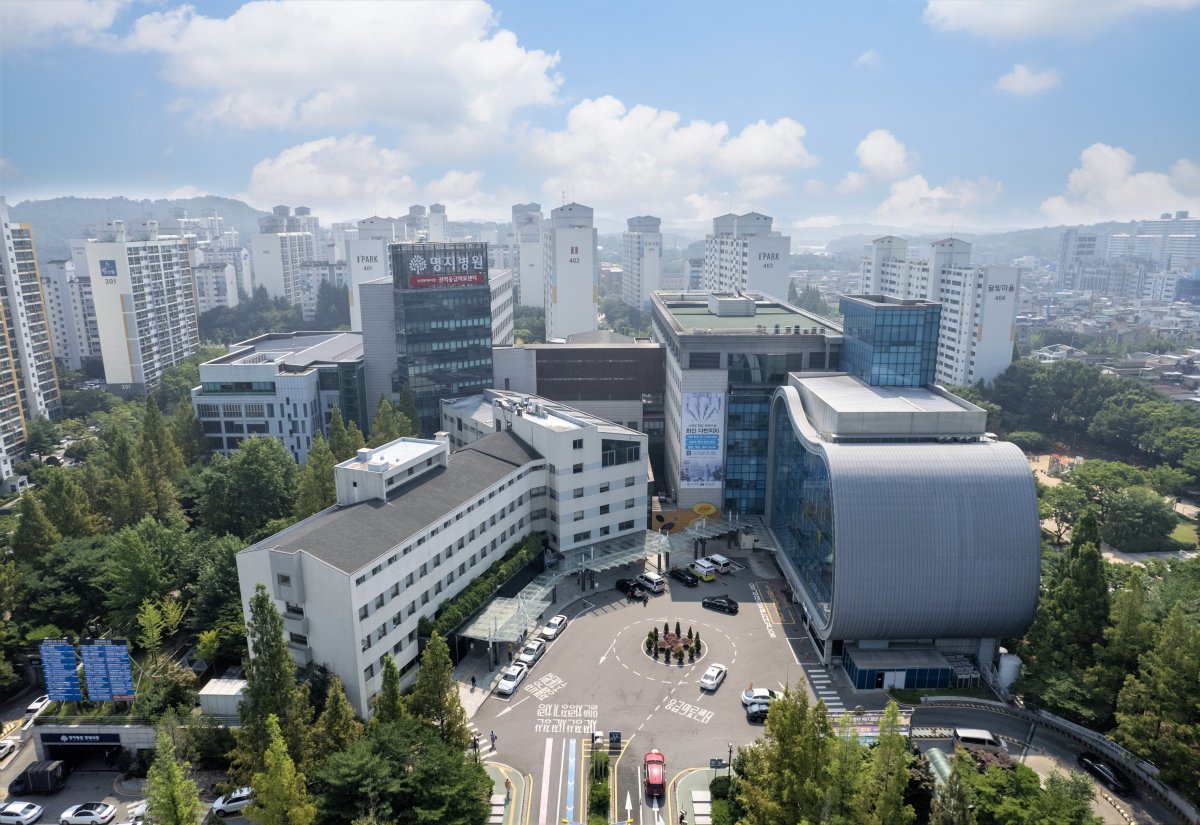




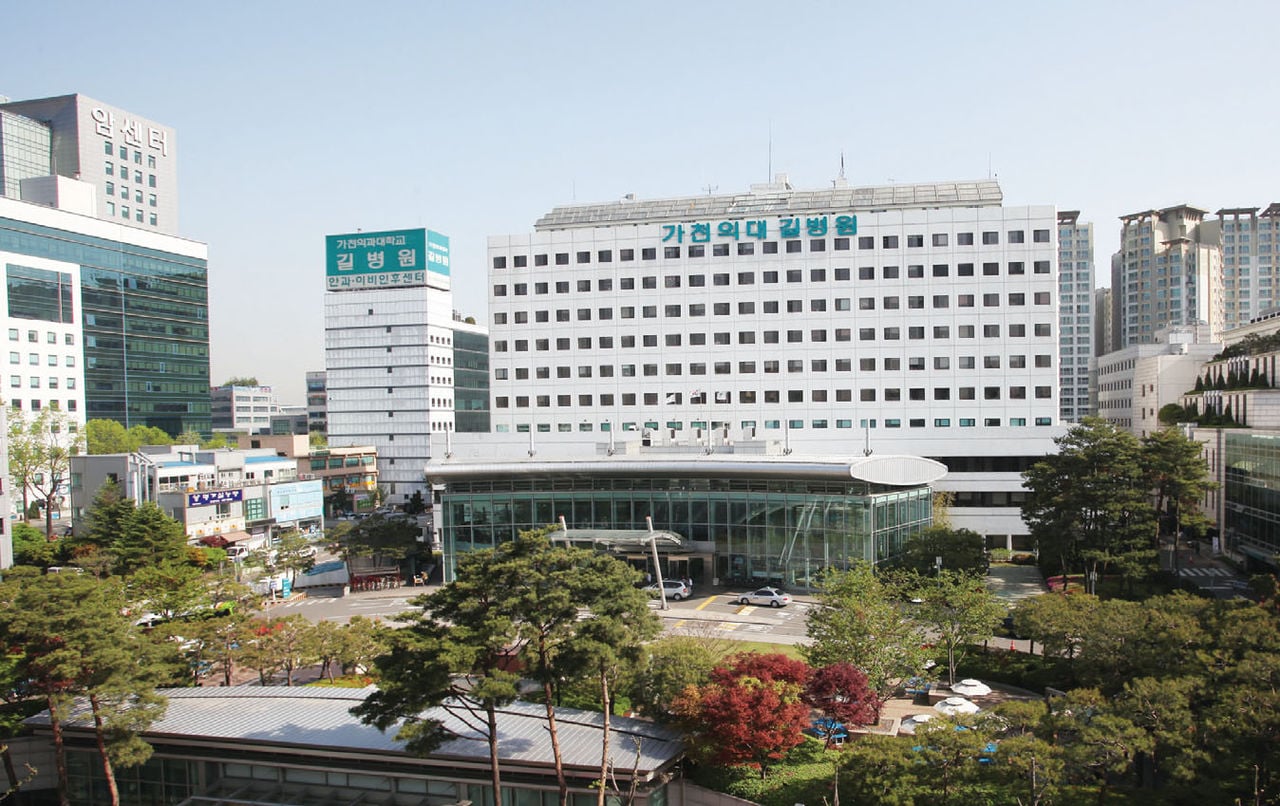






نظرة عامة على البتر في كوريا الجنوبية
تُصلح العملية انتفاخًا بالقرب من السرة ، مما يقلل الانزعاج ويمنع حدوث مضاعفات خطيرة.
- استئصال المعدة - من $15,000
يتضمن الإجراء إزالة جزء من المعدة لعلاج حالات مثل السرطان ، مما يوفر نتائج علاجية محتملة.
- البتر - من $6,500
يتضمن الإجراء إزالة جزء من الجسم لإنقاذ الأرواح أو تخفيف الألم أو معالجة تقدم المرض.
- جراحة الفتق الإربي - من $4,100
يعالج هذا الإجراء انتفاخًا في منطقة الفخذ عن طريق دفعه للخلف وتقوية جدار البطن.
- إصلاح فتق الحجاب الحاجز - من $5,500
يقوم الإجراء بإصلاح نتوءات أنسجة البطن من خلال الحجاب الحاجز ، مما يحسن الهضم ويقلل الانزعاج.
- استئصال المرارة بالمنظار - من $5,400
تزيل العملية المرارة لعلاج حصوات المرارة والالتهابات والسرطان مع تندب أقل وشفاء أسرع.
- الجراحة - من $7,000
يتضمن الإجراء تصحيح عيوب الجسم أو الأمراض من خلال العمليات اليدوية ، وعادة ما تكون تحت التخدير.
- Atherectomy - من $6,500
يزيل هذا الإجراء الترسبات من الشرايين ، ويحسن تدفق الدم ، ويقلل من مخاطر الإصابة بأمراض القلب ، مع إجراء جراحات طفيفة التوغل.
اليوم الأول - الوصول:
- الوصول إلى المنشأة الطبية للقبول.
- قابل طبيب الرعاية الأولية والجراح.
- اخضع لفحوصات طبية قبل الجراحة.
اليوم 2 - ما قبل العملية:
- استشر طبيب التخدير.
- ناقش تفاصيل الإجراء مع الجراح.
- اخضع لأي إجراءات إضافية إذا لزم الأمر.
اليوم الثالث - البتر:
- تستغرق الجراحة عادة 2-4 ساعات.
- يتم إعطاء التخدير العام.
- يقوم الجراح بعملية البتر.
اليوم 4-7 - بعد العملية:
- التعافي في العيادة تحت إشراف طبي.
- ابدأ تمارين العلاج الطبيعي الأولية.
- استشر أخصائي الأطراف الاصطناعية إن أمكن.
الأسبوع 1-4 - إعادة التأهيل:
- استمر في تمارين العلاج الطبيعي.
- لائقا وتعلم كيفية استخدام طرف اصطناعي.
- العودة تدريجيًا إلى الأنشطة اليومية.
الأسبوع 4-8 - إعادة التأهيل:
- استمر في العلاج الطبيعي.
- ابدأ بالعودة إلى العمل إن أمكن.
- زيادة مستويات النشاط تدريجيًا.
الأسبوع الثامن وما بعده - النتائج النهائية:
- استمر في التكيف مع الحياة بعد بتر.
- العودة إلى الأنشطة الرياضية إن أمكن.
- انظر النتيجة النهائية لإعادة تأهيلك.
يرجى ملاحظة أن الجدول الزمني للشفاء وعملية كل مريض فريدة ويمكن أن تختلف بناءً على عدد من العوامل ، بما في ذلك نوع البتر والصحة العامة للفرد وسرعة شفائه.
- إيداع Bookimed: 200 دولار أو 200 يورو.
- وديعة العيادة: ادفع نسبة محددة مقدمًا.
احصل على تقييم طبي لـ البتر في كوريا الجنوبية: اختر أخصائيك من بين الأفضل في هذا المجال
عرض جميع الأطباء
Sung Wook Seo
جراح عظام متخصص في الحالات المعقدة في مركز سامسونج الطبي.
- مدرب على تقنيات جراحية متقدمة
- عضو في جمعيات العظام الرائدة
- يركز على خطط علاج مخصصة للمرضى
قصص فيديو من مرضى Bookimed
المراجعات
جميع المراجعاتمشاركة المحتوى
 Anna Leonova
أسئلة متكررة حول البتر في كوريا الجنوبية
ما هو المعدل السنوي لحالات البتر وكم عدد مبتوري الأطراف الذين يعيشون في جمهورية كوريا؟
يوجد في جمهورية كوريا حوالي 175,315 شخصاً من مبتوري الأطراف بناءً على بيانات وزارة الصحة والرعاية الاجتماعية لعام 2020. يتجاوز المعدل السنوي 10,000 حالة ناتجة عن الحوادث والأمراض. وهذا يعكس معدل حدوث يبلغ حوالي 38.3 حالة بتر لكل 100,000 نسمة.
- التركيبة السكانية: يمثل الرجال 76.7% من سكان مبتوري الأطراف، بمتوسط عمر 62.6 عاماً.
- الأسباب الرئيسية: تمثل الصدمات 72.3% من الحالات، على الرغم من أن عمليات البتر المرتبطة بالأمراض آخذة في الارتفاع حالياً.
- الانتشار التشريحي: تشكل عمليات بتر الأطراف العلوية 71.6% من السكان، ومعظمها تحت الرسغ.
- بيانات الأطراف السفلية: تمثل حالات الأطراف السفلية 28.4% من إجمالي مبتوري الأطراف في جمهورية كوريا.
رؤية خبير Bookimed: في حين تظل الصدمات هي السبب الرئيسي تاريخياً، تظهر الاتجاهات السريرية الحالية في المرافق المعتمدة من اللجنة الدولية المشتركة (JCI) مثل مستشفى سيفيرانس تحولاً. يقوم الجراحون بشكل متزايد بإدارة الحالات الوعائية والسكري بدلاً من مجرد الإصابات الحادة.
إجماع المرضى: يؤكد المرضى على الاستفادة من التأمين الصحي الوطني في وقت مبكر لتأمين تركيبات الأطراف الصناعية بشكل أسرع مما هو عليه في الأنظمة الغربية. تسلط تحذيرات المجتمع الضوء على أن الإدارة القوية لمرض السكري والسلامة على الطرق هي أكثر التدابير الوقائية فعالية ضد المزيد من الإجراءات.
ما هي الأسباب الرئيسية للبتر في كوريا؟
تعد الصدمات العرضية السبب الرئيسي للبتر في كوريا، حيث تمثل أكثر من 72% من حالات الأطراف السفلية. ومع ذلك، فإن الحالات المزمنة مثل مرض السكري وأمراض الأوعية الدموية الطرفية تتزايد بسرعة. تساهم هذه الأسباب الطبية الآن في حوالي 70-80% من جميع عمليات بتر الأطراف السفلية في جميع أنحاء البلاد.
- الإصابات الرضحية: تسبب الحوادث الصناعية وحوادث الطرق أكثر من 90% من عمليات بتر الأطراف العلوية.
- مضاعفات السكري: تعد قرح القدم المهملة وتعفن الدم من المحركات الرئيسية لفقدان الأطراف السفلية.
- أمراض الأوعية الدموية: تؤثر حالات مثل مرض بورغر بشكل غير متناسب على الرجال الكوريين الشباب المدخنين.
- الاتجاهات الديموغرافية: تشمل حوالي 80% من الحالات ذكوراً، وغالباً ما يكون ذلك بسبب الأدوار الصناعية عالية المخاطر.
رؤية خبير Bookimed: تستخدم المراكز المتخصصة في كوريا مثل مستشفى جامعة سيول الوطنية نظام BESTcare الرقمي لتقليل الأخطاء الجراحية. يستفيد المرضى من التركيز العالي للمرافق المعتمدة من قبل JCI في سيول. تدير هذه المستشفيات أحجاماً هائلة، حيث يخدم مستشفى سيفيرانس 1.6 مليون مريض خارجي سنوياً. تؤدي هذه الخبرة السريرية الواسعة إلى بروتوكولات بتر وإعادة تأهيل متطورة للغاية.
إجماع المرضى: يندم العديد من المرضى على تأخير زيارات المستشفى لإصابات القدم، حيث تتفاقم العدوى بسرعة. تعتبر فحوصات الأوعية الدموية المنتظمة والرعاية الطبية الفورية للقرح الصغيرة أمراً حيوياً للحفاظ على الأطراف.
أي طرف يتم بتره بشكل متكرر؟
الأطراف السفلية هي الأكثر عرضة للبتر، حيث تمثل 85% إلى 91% من الحالات. تهيمن الإجراءات المحددة مثل إزالة أصابع القدم وجراحات تحت الركبة (عبر الظنبوب) على السجلات السريرية. تشمل الأسباب الرئيسية في جمهورية كوريا أمراض الأوعية الدموية والمضاعفات المرتبطة بمرض السكري لدى كبار السن.
- نوع الطرف السائد: تمثل إجراءات الأطراف السفلية أكثر من 80% من جميع عمليات البتر الجراحية.
- تكرار البتر الصغير: إزالة أصابع القدم هي الأكثر شيوعاً، حيث تمثل 33% إلى 39% من الحالات.
- البتر الرئيسي الرائد: تمثل إجراءات تحت الركبة (عبر الظنبوب) أكثر من 50% من حالات فقدان الأطراف الرئيسية.
- عوامل خطر الجنس: يخضع الرجال لهذه الإجراءات بشكل متكرر، حيث يمثلون حوالي 69% إلى 75% من المرضى.
رؤية خبير Bookimed: تتفوق البنية التحتية الطبية في كوريا الجنوبية، التي تضم مراكز معتمدة من اللجنة الدولية المشتركة (JCI) مثل مستشفى سيفيرانس، في إنقاذ الأطراف. في حين أن عمليات البتر تحت الركبة شائعة، فإن دمج الأنظمة الرقمية المتقدمة في مستشفى جامعة سيول الوطنية بوندانغ (SNUBH) يساعد في تتبع صحة الأوعية الدموية. غالباً ما يمنع هذا الرصد عالي التقنية تفاقم مشاكل أصابع القدم البسيطة إلى عمليات بتر كبيرة في الساق.
إجماع المرضى: يؤكد العديد من المرضى أن الفحوصات الوعائية المبكرة داخل النظام الصحي الكوري أمر حيوي. غالباً ما يلاحظ أولئك الذين يخضعون لإجراءات متعلقة بالصدمات كفاءة مراكز إعادة التأهيل العظمي المتخصصة في سيول.
أين يمكن للمرضى الحصول على رعاية تعويضية وتأهيلية متطورة؟
يتلقى المرضى رعاية تعويضية وتأهيلية متطورة في مراكز كورية جنوبية مثل مستشفى سيفيرانس ومستشفى جامعة سيول الوطنية. تدمج هذه المرافق الأطراف الصناعية العضلية الكهربائية، والأطراف البيونية، وهياكل ReWalk الخارجية. تستخدم الفرق المتخصصة مقابس تجريبية مطبوعة ثلاثية الأبعاد وتدريب المشي بالواقع الافتراضي لتسريع التعافي الوظيفي.
- التكنولوجيا المتقدمة: تتميز العيادات بوجود قدم Össur Proprio، ومكونات Ottobock، ومقابس من ألياف الكربون.
- التكامل الجراحي: يقوم الجراحون بإجراء عمليات نقل الأعصاب والتكامل العظمي داخل مراكز متعددة التخصصات معتمدة من JCI.
- بروتوكولات التأهيل: تشمل البرامج المكثفة العلاج في المسبح وتدريب المشي بمساعدة الروبوتات المتخصصة.
- معالم التعافي: يحقق المرضى عادةً المشي دون مساعدة في غضون 6 أشهر لحالات بتر ما تحت الركبة.
رؤية خبير Bookimed: توفر مستشفيات سيول الخمس الكبرى، بما في ذلك سيفيرانس وSNUH، نظامًا بيئيًا رقميًا حيث يعمل الذكاء الاصطناعي والسجلات الصحية الإلكترونية على تبسيط تعديلات الأطراف الصناعية. في حين أن التأمين الوطني يغطي الأجهزة الأساسية، فإن اختيار خيارات الدفع الخاص في هذه المراكز من الدرجة الأولى يمنح وصولاً أسرع إلى المكونات البيونية المتميزة. تضمن هذه البيئة ذات الحجم الكبير أن الجراحين، مثل أولئك الموجودين في سيفيرانس، يحافظون على مستويات كفاءة قابلة للمقارنة بالمؤسسات الغربية الرائدة.
إجماع المرضى: يؤكد المرضى أنه على الرغم من أن التكنولوجيا تطابق أعلى المعايير العالمية، فإن استخدام تطبي
ما هي تقنيات إعادة التأهيل المتقدمة المتاحة؟
تستخدم إعادة التأهيل المتقدمة بعد البتر في جمهورية كوريا أطرافاً صناعية يتم التحكم فيها بواسطة معالجات دقيقة، ومستشعرات كهرومغناطيسية عضلية، وأجهزة تدريب المشي الروبوتية لاستعادة القدرة على الحركة. تدمج المراكز المعتمدة من قبل JCI في سيول التشخيص القائم على الذكاء الاصطناعي وتقنيات التكامل العظمي مع علامات تجارية مثل Ottobock و Össur لتحسين النتائج الوظيفية والراحة.
- الأجهزة البيونية: تتكيف ركبتي المعالج الدقيق مثل Ottobock C-Leg في الوقت الفعلي مع سرعات المشي.
- التحكم الكهرومغناطيسي العضلي: تستخدم الأطراف الصناعية للأطراف العلوية التعرف على الأنماط لترجمة إشارات العضلات إلى حركة.
- المساعدة الروبوتية: تسهل بدلات المشي مثل Ekso Bionics و Lokomat إعادة تدريب المشي المكثف.
- تكامل الغرسات: توفر الأطراف الصناعية المثبتة عظمياً ارتباطاً مباشراً بالعظام، مما يلغي عدم الراحة الناتج عن المقابس التقليدية.
رؤية خبير Bookimed: بينما تحظى الأطراف ذات المعالجات الدقيقة عالية التقنية بأكبر قدر من الاهتمام، توفر البنية التحتية للمستشفيات الرقمية في كوريا ميزة محددة. تستخدم مرافق مثل مستشفى جامعة سيول الوطنية في بوندانغ نظام BESTcare لمزامنة البيانات الجراحية مع تقدم إعادة التأهيل. يضمن هذا النهج القائم على البيانات إجراء تعديلات محاذاة الأطراف الصناعية بشكل أسرع مما هو عليه في العيادات التقليدية القائمة على الورق.
إجماع المرضى: يؤكد المرضى أنه على الرغم من أن الأطراف البيونية المتقدمة مثيرة للإعجاب، فإن جودة ملاءمة المقبس وكثافة الع
ما هي المخاطر النفسية المصاحبة لعمليات البتر في كوريا؟
ينطوي البتر في كوريا الجنوبية على مخاطر عالية للإصابة بالاكتئاب السريري والقلق واضطراب ما بعد الصدمة. غالبًا ما يواجه المرضى خللًا في صورة الجسم وآلام الطرف الوهمي. وتتفاقم هذه التحديات في كثير من الأحيان بسبب الوصمات الثقافية المحلية المحيطة بالإعاقات المرئية ونقاط الضعف الوظيفية المحددة بين القوى العاملة.
- خطر الاكتئاب: تظهر الدراسات الوطنية معدل إصابة بالاكتئاب أعلى بكثير مقارنة بعلاجات الحفاظ على الأطراف.
- ضعف النوع الاجتماعي: تواجه النساء في كوريا إحصائيًا معدلات أعلى من اضطرابات الاكتئاب بعد البتر.
- الألم المزمن: يعاني ما يصل إلى 95% من المرضى من آلام الطرف الوهمي، مما يسبب ضائقة شديدة.
- تأثير التوظيف: يواجه العمال الذين يعتمدون على العمل البدني ضغوطًا نفسية شديدة بسبب فترات البطالة الطويلة.
رؤية خبير Bookimed: في حين توفر المرافق رفيعة المستوى مثل مستشفى جامعة سيول الوطنية أنظمة رقمية متقدمة، فإن الجدول الزمني للتعافي النفسي يمتد غالبًا من 1 إلى 3 سنوات. تشير البيانات إلى أن العلاج المستنير بالصدمات وتوجيه الأقران أكثر فعالية من الأدوية وحدها للتكيف على المدى الطويل. يجب على المرضى إعطاء الأولوية للعيادات التي تضم فرقًا متعددة التخصصات تقدم فحصًا نفسيًا اجتماعيًا مبكرًا قبل الإجراء.
إجماع المرضى: يشعر الكثيرون أن الاستشارة قبل الجراحة ضئيلة مقارنة بالمعايير الدولية، مما يؤدي إلى العزلة الاجتماعية. يعد الدعم الأسري القوي أمرًا حيويًا، حيث تحمل الأشهر الستة إلى الاثني عشر الأولى أعلى مخاطر عاطفية.
هل لدى النساء المبتورات احتياجات دعم طبي فريدة؟
تحتاج النساء المبتورات إلى دعم طبي متخصص يعالج المخاطر الفسيولوجية المميزة، والتقلبات الهرمونية، والاختلافات الميكانيكية الحيوية. تشمل الاحتياجات الرئيسية مراقبة كثافة العظام للوقاية من هشاشة العظام، وإدارة تعديلات الأطراف الصناعية المتعلقة بالحمل، والوصول إلى تصميمات أجهزة خاصة بالجنس تتناسب مع الهياكل العظمية الأضيق وعروض الحوض المتغيرة الموجودة عادة لدى النساء.
- صحة العظام: تواجه المريضات مخاطر أعلى للإصابة بهشاشة العظام مما يتطلب إجراء فحوصات استباقية لكثافة العظام (DEXA).
- الدورات الهرمونية: تسبب تقلبات الإستروجين تورمًا في الطرف المتبقي، مما يستلزم تعديلات متكررة في مقبس الطرف الصناعي.
- رعاية الأمومة: يتطلب الحمل محاذاة متخصصة للأطراف الصناعية وشقوقًا قيصرية مرتفعة لراحة المقبس.
- التصميم الميكانيكي الحيوي: غالبًا ما تسبب الأطراف الصناعية القياسية الموجهة للرجال آلام الظهر بسبب محاذاة الحوض الأنثوي الأوسع.
رؤية خبير Bookimed: تُظهر البيانات الواردة من مراكز رائدة في كوريا الجنوبية مثل مستشفى سيفيرانس ومستشفى جامعة سيول الوطنية تحولًا نحو إعادة التأهيل متعدد التخصصات. بينما تستخدم العديد من العيادات عالميًا مكونات قياسية للرجال، تستخدم أفضل المرافق الكورية أنظمة رقمية وعيادات متخصصة للنساء لتحسين ملاءمة الأطراف الصناعية. يجب على المريضات طلب تقييمات خاصة بالجنس في وقت مبكر لتجنب معدلات الرفض الأعلى المرتبطة بالأجهزة الضخمة ذات التصميم الذكوري.
إجماع المريضات: تذكر العديد من النساء أن مقابس الأطراف الصناعية القياس