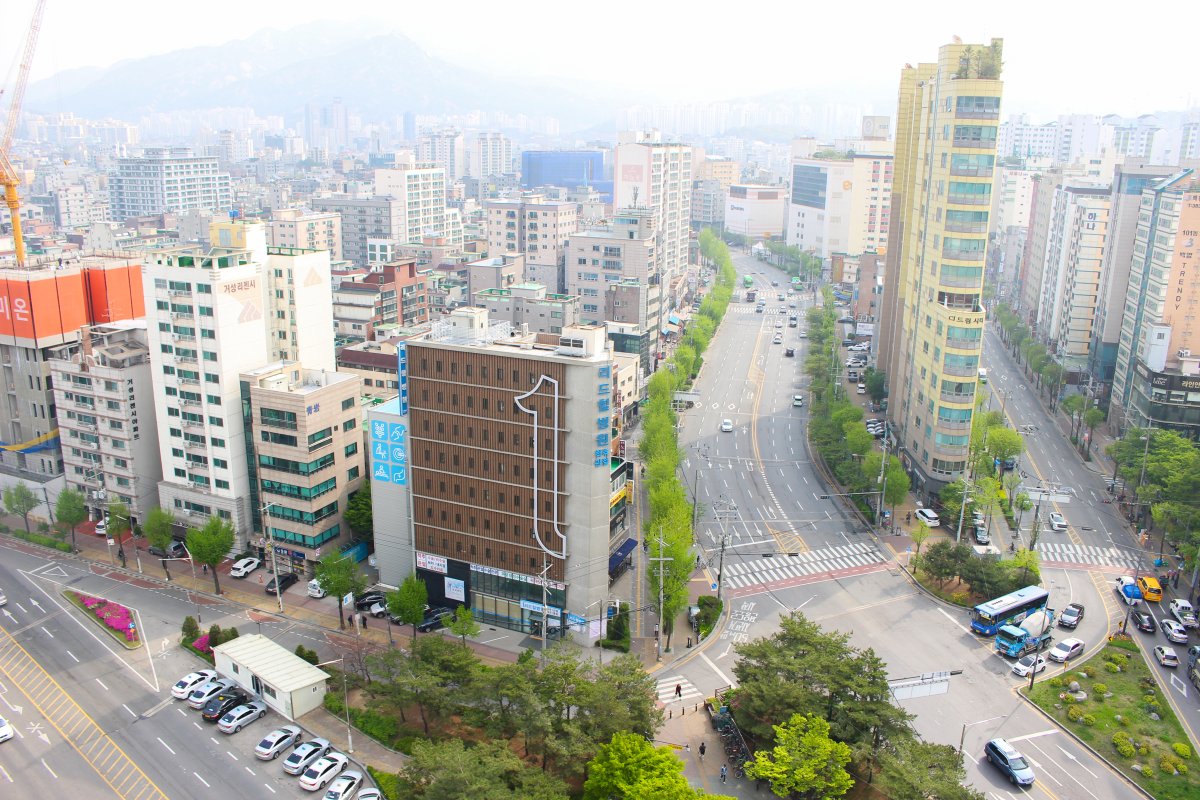
عيادة العمود الفقري والمفاصل Leadheal
كوريا الجنوبية, سول


تمت مراجعة المقالة طبيا من قبل
فهد مولود
| كوريا الجنوبية | تركيا | إسبانيا | |
|---|---|---|---|
| تنظير المفصل | ≈ $3,800 | من $4,500 | ≈ $3,600 |
Bookimed لا يضيف رسوماً إضافية على أسعار علاج هشاشة العظام في الكتف. الأسعار مأخوذة من قوائم الأسعار الرسمية للعيادات. تدفع مباشرة في العيادة مقابل علاجك عند وصولك إلى البلد.
Bookimed ملتزم بسلامتك. نحن نعمل فقط مع المؤسسات الطبية التي تحافظ على معايير دولية عالية في علاج هشاشة العظام في الكتف ولديها التراخيص اللازمة لخدمة المرضى الدوليين في جميع أنحاء العالم.
Bookimed يقدم مساعدة خبراء مجانية. منسق طبي شخصي يدعمك قبل وأثناء وبعد العلاج، ويحل أي مشاكل. لن تكون وحيداً أبداً في رحلة علاج هشاشة العظام في الكتف.

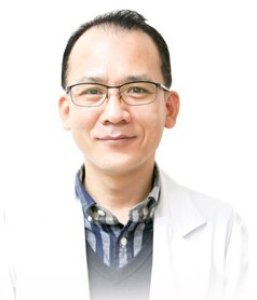
الدكتور لي دونغيوب جرّاح عظام متخصص في تنظير المفاصل واستبدال المفاصل. يجري جراحة تنظير المفاصل (المنظار المفصلي) واستبدال مفصل الركبة الكلي. ويعالج اضطرابات الكتف والإصابات الرياضية وحالات الركبة المزمنة.
المؤهلات: برنامج مشترك MD-PhD بكلية الدراسات العليا للطب في الجامعة الكاثوليكية في كوريا. سنة الامتياز وبرنامج الإقامة في جراحة العظام بالمركز الطبي الكاثوليكي التابع للجامعة الكاثوليكية في كوريا. مُدرّس سريري (زميل) في مستشفى سانت ماري في سيول، الجامعة الكاثوليكية في كوريا.
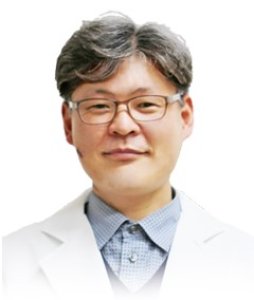
الدكتور يانغ يونغجون جرّاح عظام متخصص في رعاية المفاصل وتنظيرها. يعالج اضطرابات الركبة والكتف، ويُجري الجراحة التنظيرية للمفاصل واستبدال المفاصل (رأب المفصل). كما يعالج الرضوض والحالات المرتبطة بالرياضة، بما في ذلك إصابات الرياضيين، ومشكلات القدم والكاحل، ومتلازمة النفق الرسغي، والكسور.
أكمل برنامج الإقامة في جراحة العظام بالمركز الطبي الكاثوليكي، ثم زمالة في مستشفى سانت بول التابع للمركز نفسه. وهو عضو عامل في جمعية التنظير المفصلي الكورية، وجمعية الركبة الكورية، وجمعية الكتف والمرفق ا
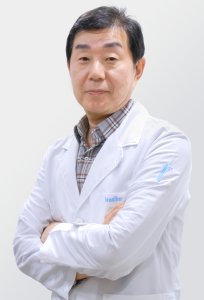
الدكتور جانغ هيو كيم جرّاح عظام يركّز على الحفاظ على المفاصل وإعادة البناء المعقّدة. يختص بمناظير المفاصل للكتف والركبة والكاحل والمرفق والمعصم. يُجري استبدال مفاصل الكتف والركبة والكاحل والمرفق والورك. يشمل عمله في العمود الفقري تثبيت ودمج الفقرات العنقية والقطنية. كما يُجري استئصال القرص، واستئصال الصفيحة الفقرية، وترميم الأعصاب، ورأب الفقرة. وتشمل ممارسته علاج الكسور وإصلاح العضلات والأربطة.
هو أستاذ منتسب في جامعة كيونغ هي، ويشغل منصب مدير مركز المفاصل في مستشفى فيري غود. وشغل سابق
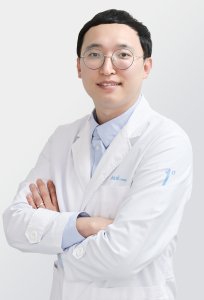
الدكتور وو كيونغ كواك جرّاح عظام يختص بجراحات القدم والكاحل طفيفة التوغل (MICA لعلاج إبهام القدم الأروح). يعالج أيضًا إصابات الرياضيين ويُجري الاستبدال الكلي لمفصل الركبة، إضافةً إلى التنظير المفصلي المتقدّم للكتف والركبة.
حصل على درجتي الطب (MD) والماجستير (MS) من جامعة تشونّام الوطنية، وأكمل زمالة في مستشفى جامعة تشونّام الوطنية. شغل منصب رئيس قسم جراحة العظام في مستشفى القوات المسلحة بدايجون، وكان عضوًا رفيعًا في لجنة التحقيق الطبي بوزارة الدفاع الوطني.
هو عضو عامل في الجمعيا
 Anna Leonova
توفر كوريا الجنوبية علاجات متقدمة غير جراحية للكتف تشمل حقن الكولاجين، وعلاج البلازما الغنية بالصفائح الدموية (PRP)، وتجديد الخلايا الجذعية. تستخدم المراكز المتخصصة الحقن الموجه بالموجات فوق الصوتية للدقة. تهدف هذه العلاجات إلى إعادة بناء الأنسجة التالفة واستعادة حركة المفاصل دون الحاجة إلى تدخل جراحي.
رؤية خبراء Bookimed: يخدم مستشفى Leadheal في سيول أكثر من 44,000 مريض سنويًا. المتخصصون مثل الدكتور سيونغ هيون كيم هم أعضاء في الجمعية الكورية للكتف والمرفق. غالبًا ما يؤدي هذا الحجم الكبير من المرضى إلى بروتوكولات حقن أكثر دقة. تجمع العيادات بشكل متكرر بين هذه العلاجات المتقدمة وعلاج TPI (حقن نقاط الزناد) لإدارة الألم بشكل شامل.
إجماع المرضى: يلاحظ المرضى أن الحقن الموجه بالموجات فوق الصوتية يوفر راحة أفضل من الإجراءات العمياء. يقترح الكثيرون تنسيق هذه العلاجات مع العلاج الطبيعي المكثف للحفاظ على نطاق حركة الكتف على المدى الطويل.
يستهدف العلاج التجديدي في كوريا الجنوبية لالتهاب المفاصل العظمي في الكتف إصلاح الأنسجة بدلاً من مجرد كبت الأعراض. تستخدم هذه العلاجات البيولوجية خلايا جذعية ذاتية أو خلايا غضروفية متخصصة لتحفيز التئام المفاصل. يهدف هذا النهج غير الجراحي إلى استعادة القدرة على الحركة وربما عكس الضرر في المرافق المعتمدة من قبل JCI.
رؤية خبراء Bookimed: يدير مستشفى Leadheal في سيول أكثر من 44,000 مريض سنويًا مع التركيز على التعافي العظمي المخصص. تشير بياناتنا إلى أن كبار المتخصصين مثل البروفيسور سيونغ هيون كيم يدمجون غالبًا أكثر من 30 عامًا من الخبرة في هذه البروتوكولات البيولوجية. إن اختيار مرفق بهذا الحجم يضمن إتقان الفريق الطبي لتقنيات الحقن الدقيقة للمفاصل المعقدة.
إجماع المرضى: يقدر المرضى هذه الخيارات البيولوجية كطريقة لتأخير أو تجنب الجراحة الكبرى. يؤكد الكثيرون على أهمية التأكد من نوع الخلية المستخدم بدقة قبل بدء العلاج.
تحقق جراحة مفصل الكتف في كوريا معدل فعالية يصل إلى 95%، حيث يستعيد معظم المرضى وظائفهم بشكل كبير. يتطلب التعافي الأولي أسبوعاً إلى أسبوعين من التثبيت. يستغرق التعافي الوظيفي الكامل عادةً من 6 إلى 12 شهراً. تستخدم مراكز العظام المتخصصة في سيول تقنيات متقدمة لنمو العظام لضمان استقرار المفصل على المدى الطويل.
رؤية خبير Bookimed: ترتبط جودة النتائج في سيول بحجم الجراحات المرتفع. يخدم مستشفى Leadheal وحده أكثر من 44,000 مريض سنوياً. يتمتع جراحون مثل الدكتور سيونغ هيون كيم بأكثر من 30 عاماً من الخبرة. يسمح هذا التدفق الهائل للمرضى للمتخصصين الكوريين بصقل تقنيات طفيفة التوغل قد تقوم العيادات القياسية بإجرائها بشكل أقل تكراراً.
إجماع المرضى: يلاحظ المرضى أن تخفيف الألم هو النتيجة الأكثر موثوقية، على الرغم من أن استعادة الحركة الكاملة فوق الرأس تستغرق وقتاً أطول. يجد الكثيرون أن النوم في وضع مستقيم خلال الأسابيع الأولى أكثر صعوبة من الجراحة نفسها.
تستضيف كوريا الجنوبية مراكز تقويم عظام متخصصة في تنظير مفصل الكتف وإعادة بناء المفاصل. تستخدم المرافق في سيول، بما في ذلك مستشفى Leadheal ومستشفى Severance، تقنيات تصوير عالية الدقة وتقنيات طفيفة التوغل. غالبًا ما يحمل الجراحون شهادات من الجمعية الكورية للكتف والمرفق لضمان الخبرة السريرية.
رؤية خبير Bookimed: غالباً ما يجمع المتخصصون الكوريون الجنوبيون مثل الدكتور وو كيونغ كواك بين الممارسة السريرية والبحث. وهو يعمل كمراجع لمجلات Springer Nature أثناء ممارسته في مستشفى Leadheal. يشير هذا الانخراط الأكاديمي إلى أن المرضى يتلقون رعاية تعتمد على المعايير الدولية الحالية لتقويم العظام. ابحث عن جراحين ذوي عضويات مدى الحياة في الجمعية الكورية للكتف والمرفق للحصول على خبرة عالية الحجم.
إجماع المرضى: يشير المرضى إلى أهمية التأكد من أن الجراح يتعامل بانتظام مع مشاكل الكتف المحددة مثل الانحشار والتغيرات المفصلية التنكسية. يعد التنسيق الموثوق باللغة الإنجليزية أمراً ضرورياً لإدارة الرعاية في المستشفيات الكورية الكبرى.
توفر كوريا الجنوبية رعاية شاملة وطويلة الأمد لالتهاب مفاصل الكتف من خلال مستشفيات العظام المتخصصة وإطار التأمين الوطني. يصل المرضى إلى مراكز ذات حجم عمل كبير تُجري آلاف العمليات سنوياً. يشمل العلاج جراحة تنظير المفاصل المتقدمة، وعلاجات تجديد الغضاريف، وبرامج إدارة الألم المستهدفة داخل المرافق المعتمدة.
رؤية خبير Bookimed: تخدم عيادات العظام في كوريا الجنوبية مثل مستشفى ليدهيل أكثر من 44,000 مريض سنوياً على الرغم من وجود 40 سريراً فقط. يشير هذا الدوران العالي إلى نظام عيادات خارجية عالي الكفاءة. يجب على المرضى الدوليين البحث عن أطباء مثل الدكتور وو كيونغ كواك الذين يحملون عضويات مدى الحياة في الجمعية الكورية للكتف والمرفق. وهذا يضمن الوصول إلى أحدث بروتوكولات الرعاية الطولية للحالات التنكسية.
إجماع المرضى: يلاحظ المرضى أنه على الرغم من أن المهارة التقنية الجراحية لا تضاهى، إلا أنه يجب عليك طلب خطط علاج طبيعي منظمة بشكل فعال. من المفيد التأكد مسبقاً مما إذا كان التصوير وإعادة التأهيل يتمان داخل نفس نظام المست