علاج احتقان الأنف في كوريا الجنوبية — احصل على 3 عيادات مختارة خصيصاً لك


تمت مراجعة المقالة طبيا من قبل
فهد مولود
كيف نعمل؟
ما هي تكلفة احتقان الأنف إجراءات التشخيص والعلاج في كوريا الجنوبية؟ اعرف الآن
اكتشف أفضل احتقان الأنف العيادات في كوريا الجنوبية: 2 خيارات معتمدة والأسعار


احصلوا على تقييم طبي لـ احتقان الأنف في كوريا الجنوبية: استشيروا أطباء ذوي خبرة الآن
عرض جميع الأطباء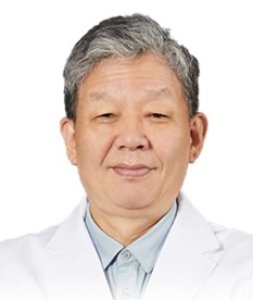
Kim Gyeonrae
الدكتور كيم غيون ري، MD، PhD، اختصاصي أنف وأذن وحنجرة (ENT). يشغل منصب المدير الطبي الفخري في قسم طب الأنف والأذن والحنجرة بمستشفى نايون. تتركز خبرته السريرية على أمراض الأنف، التهاب الأنف والجيوب الأنفية والتهاب الجيوب الأنفية المزمن، التهاب الأنف التحسسي، وجراحة الجيوب الأنفية بالمنظار الوظيفي (FESS).
المؤهلات: ماجستير في الطب (MMed)، جامعة هانيانغ. دكتوراه في الطب، جامعة وونغوانغ. تدريب زمالة في كلية الطب بجورجيا وكلية طب جامعة ولاية أوهايو (الولايات المتحدة). رئيس سابق لقسم طب الأن
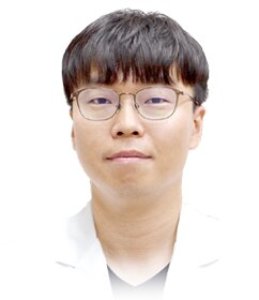
Kim Geonho
الدكتور كيم غونهو أخصائي ورئيس قسم الأنف والأذن والحنجرة في مستشفى نايون. يعالج أمراض اللوزتين واللحمية، والتهاب الجيوب الأنفية، والتهاب الأنف، كما يتعامل مع الشخير وانقطاع النفس أثناء النوم، وتغيرات الصوت الناجمة عن اضطرابات الأحبال الصوتية، وأمراض الغدد اللعابية واضطرابات الغدة الدرقية.
تخرّج من كلية الطب في جامعة هانيانغ، وأتمّ الامتياز والإقامة والزمالة السريرية في طب الأنف والأذن والحنجرة بمستشفى جامعة هانيانغ. شغل سابقاً منصب نائب مدير عيادة بارو (أنف وأذن وحنجرة). أكمل تدريباً م
مشاركة المحتوى
قصص فيديو من مرضى Bookimed
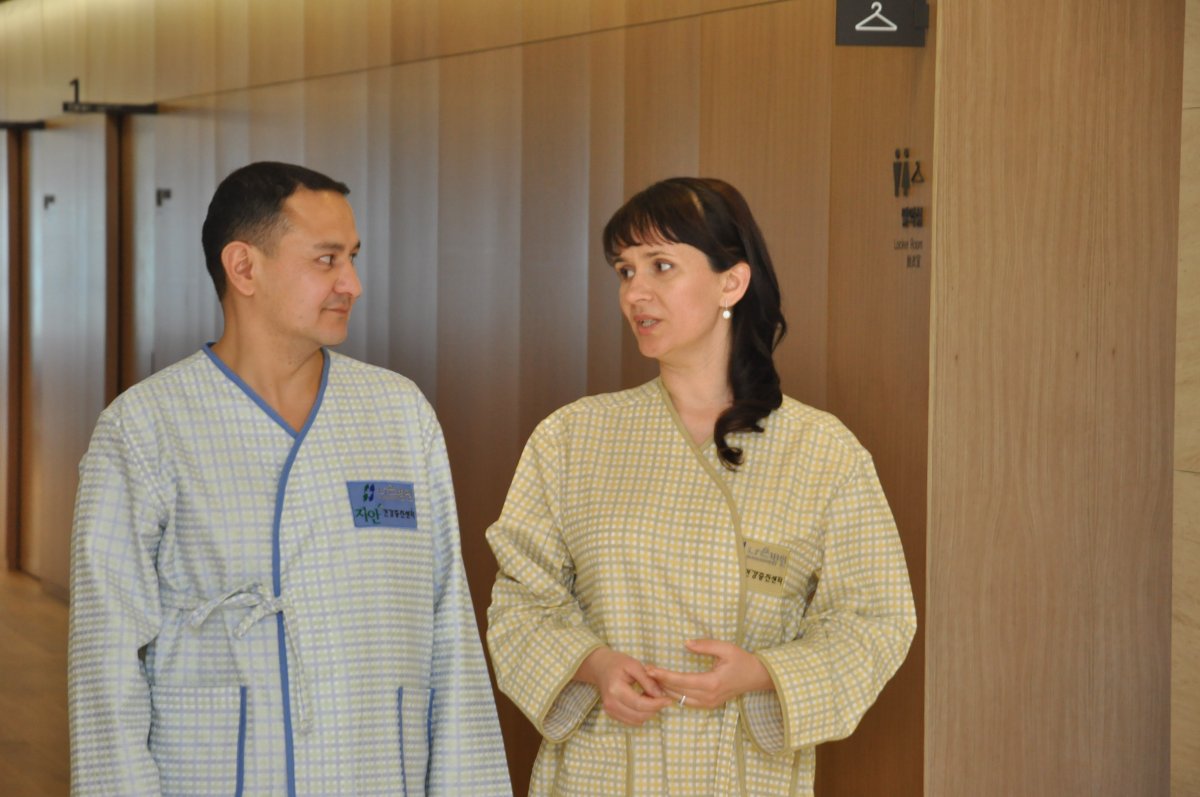
 Anna Leonova
أسئلة متكررة حول علاج احتقان الأنف في كوريا الجنوبية
ما هي الأسباب الشائعة لاحتقان الأنف التي يتم علاجها في كوريا؟
تشمل الأسباب الشائعة لاحتقان الأنف في كوريا التهاب الأنف التحسسي الناجم عن حبوب لقاح البلوط والبتولا. كما تسبب العوامل البيئية مثل الغبار الناعم والجسيمات تورماً مزمناً. غالباً ما يتم علاج المشاكل الهيكلية مثل انحراف الحاجز الأنفي والتهاب الأنف الضخامي في عيادات سيول باستخدام التنظير المتقدم.
- العوامل البيئية: يسبب التعرض للغبار الأصفر والتلوث الحضري التهاباً كبيراً في الغشاء المخاطي.
- مسببات الحساسية الموسمية: تثير حبوب لقاح الأشجار في الربيع وحبوب لقاح الأعشاب في الخريف التهاب الأنف التحسسي الشديد.
- التشوهات الهيكلية: يسبب انحراف الحاجز الأنفي انسداداً فيزيائياً للمجرى الهوائي والتنفس المزمن من الفم.
- الالتهاب المزمن: يؤدي التهاب الأنف الضخامي والتهاب الجيوب الأنفية إلى تورم مستمر وتراكم المخاط.
رؤية خبير بوكيميد (Bookimed): غالباً ما تتخصص العيادات الكورية مثل "في جي للجراحة التجميلية" (VG Plastic Surgery) في جراحة تجميل الأنف الوظيفية. يعالج هذا النهج مشاكل التنفس والمخاوف الجمالية في وقت واحد. وبينما يبحث العديد من المرضى عن تغييرات تجميلية، يعطي الجراحون الأولوية للإصلاحات الهيكلية مثل جراحة الحاجز الأنفي. يضمن هذا النهج المزدوج تدفق هواء أفضل إلى جانب التحسينات البصرية للمرضى الدوليين.
إجماع المرضى: يشير المرضى إلى أن الاحتقان غالباً ما يبدو مزيجاً من التشريح والالتهاب. يقترح الكثيرون السؤال عما إذا كان الانسداد ناتجاً عن الحاجز الأنفي أو تورم القرينات قبل إجراء الجراحة.
ما هي علاجات الخط الأول التي يستخدمها الأطباء الكوريون لعلاج احتقان الأنف المزمن المرتبط بالتهاب الأنف التحسسي؟
يعالج الأطباء الكوريون احتقان الأنف المزمن بشكل أساسي باستخدام مضادات الهيستامين الفموية والستيرويدات الأنفية. غالباً ما يجمع المتخصصون بين هذه العوامل للحصول على نتائج أفضل. تحافظ المراكز الطبية الكورية على معايير جودة صارمة مع اعتماد KOIHA. وهذا يضمن حصول المرضى على بروتوكولات علاجية آمنة ومبنية على الأدلة.
- مضادات الهيستامين الفموية: يستخدمها أطباء الباطنة والأطفال الكوريون كعلاج أولي الأكثر شيوعاً.
- الستيرويدات الأنفية: هي عامل الخط الأول المفضل للاحتقان من قبل العديد من المتخصصين الكوريين.
- مضادات الهيستامين الأنفية: غالباً ما يفضل أخصائيو الأنف والأذن والحنجرة هذه البخاخات الأنفية كعلاج أولي.
- مضادات الليوكوترين: يصفها أطباء الأطفال بشكل متكرر جنباً إلى جنب مع أدوية أخرى لإدارة أعراض الأنف المستمرة.
- مغليات الأعشاب: تستخدم مؤسسات الطب الكوري التقليدي "سوتشونغريونغ-تانغ" كعلاج أساسي من الخط الأول.
رؤية خبير بوكيميد (Bookimed): يتجاهل معظم الناس أن العيادات في سيول مثل "في جي للجراحة التجميلية" (VG Plastic Surgery) يجب أن تفي بمعايير اعتماد KOIHA. يؤكد هذا الاعتماد أن المرافق الكورية تتبع قواعد السلامة الدولية. كما يضمن رعاية عالية الجودة للمرضى الباحثين عن حلول طبية في كوريا. تعني هذه الرقابة الصارمة أن بروتوكولات العلاج تتوافق مع المعايير الطبية العالمية.
هل يتم وصف الأدوية العشبية لعلاج احتقان الأنف في كوريا؟
يصف الأطباء المعتمدون في الطب الكوري مغليات الأعشاب مثل "سوتشونغريونغ-تانغ" بشكل متكرر لعلاج احتقان الأنف. تعمل هذه العلاجات التقليدية كعلاج أولي لالتهاب الأنف التحسسي. وغالباً ما يتم تصميمها خصيصاً لتناسب بنية جسم المريض وأعراضه المحددة. هذه الممارسة منظمة من قبل وزارة الصحة والرعاية الاجتماعية.
- المغليات المخصصة: يقوم الأطباء بتعديل تركيبات الأعشاب بناءً على أعراض المريض وبنيته الجسدية.
- مشروع تجريبي حكومي: يغطي مشروع تجريبي للتأمين الوطني مغليات الأعشاب لعلاج التهاب الأنف التحسسي.
- الوصفات التقليدية: "سوتشونغريونغ-تانغ" هي تركيبة مستخدمة على نطاق واسع للاحتقان وسيلان الأنف.
- الإدارة السريرية: توفر عيادات الطب الكوري المتخصصة هذه العلاجات بدلاً من الصيدليات العادية.
- الرقابة التنظيمية: تحافظ مرافق مثل "في جي للجراحة التجميلية" (VG Plastic Surgery) على اعتماد KOIHA لمعايير السلامة الدولية.
رؤية خبير بوكيميد (Bookimed): غالباً ما يستخدم المرضى في كوريا نهجاً مزدوجاً لمشاكل الجيوب الأنفية. فهم يسعون للحصول على الطب الغربي لتخفيف الأعراض بشكل فوري، لكنهم ينتقلون إلى الطب الكوري للإدارة المزمنة. اختيار عيادة معتمدة من KOIHA يضمن أن طرق التشخيص التقليدية تلبي معايير السلامة السريرية الدولية.
إجماع المرضى: يشير المرضى إلى أن العلاجات العشبية هي الأفضل للاحتقان المزمن طويل الأمد. ويوصون بالسؤال تحديداً عن أساليب "هانبانغ" إذا لم توفر البخاخات القياسية أو مضادات الهيستامين راحة دائمة.
ما هي العلاجات سريعة المفعول الفعالة لاحتقان الأنف في كوريا؟
تشمل العلاجات سريعة المفعول في كوريا بخاخات مزيلة للاحتقان بدون وصفة طبية مثل Otrivin والمحاليل الملحية مفرطة التوتر. توفر الصيدليات المحلية هذه المنتجات لتقليل التورم بشكل فوري. بالنسبة للمشاكل الهيكلية أو المزمنة، تقدم العيادات المتخصصة في سيول تقييماً متقدماً وراحة طويلة الأمد من خلال إجراءات متخصصة.
- بخاخات مزيلة للاحتقان: يوفر Otrivin الراحة في غضون دقائق عن طريق تضييق الأوعية الدموية في الأنف.
- المحلول الملحي مفرط التوتر: يستخدم Fess Natural Spray تركيز ملح بنسبة 3% لتقليل تورم الغشاء.
- حد الاستخدام: يوصي الأطباء بالتوقف عن استخدام بخاخات مزيلة للاحتقان بعد 7 أيام لتجنب تأثير الارتداد.
- التقييم السريري: توفر المراكز المعتمدة من قبل KOIHA مثل VG Plastic Surgery تشخيصات مهنية لمشاكل التنفس.
رؤية خبير Bookimed: بينما تقدم الصيدليات حلولاً سريعة، تحافظ المراكز الطبية الكورية على معايير سلامة KOIHA الصارمة. تخدم عيادات مثل VG Plastic Surgery مرضى من 47 دولة. وغالباً ما يعالجون انسداد الأنف كجزء من جراحة تجميل الأنف الوظيفية. وهذا يجمع بين تحسين التنفس والتحسين الجمالي كحل دائم.
إجماع المرضى: يبدأ المرضى عادةً بغسول المحلول الملحي لتنظيف المخاط بشكل آمن وفوري. ويقترحون زيارة طبيب أنف وأذن وحنجرة محلي إذا لم تنجح البخاخات في غضون أيام قليلة.
هل يوصي الأطباء الكوريون بغسول الأنف الملحي لاحتقان الأنف؟
يوصي الأطباء الكوريون بشدة بغسول الأنف الملحي كعلاج خط أول لاحتقان الأنف. تؤيد الجمعية الكورية للأنف هذه الطريقة لعلاج التهاب الأنف والجيوب الأنفية المزمن والتهاب الأنف التحسسي. فهي تغسل المواد المسببة للحساسية والمخاط بفعالية لتحسين التنفس. وتُعد هذه الممارسة الآمنة بروتوكولاً قياسياً بعد جراحات الأنف في كوريا.
- علاج الخط الأول: تعطي الإرشادات الطبية الكورية الأولوية للري لعلاج مشاكل الجيوب الأنفية المزمنة.
- رعاية ما بعد الجراحة: يصف الجراحون الغسول بعد جراحة الحاجز الأنفي أو تجميل الأنف لمنع تكون القشور.
- السيطرة على الالتهاب: تقلل المحاليل الملحية من تورم بطانة الأنف دون استخدام أدوية قوية.
- السلامة السريرية: الغسول هو وسيلة طبيعية لإزالة البكتيريا والمهيجات البيئية.
رؤية خبير Bookimed: تحافظ العيادات الكورية مثل VG Plastic Surgery على اعتماد KOIHA، مما يعكس معايير السلامة الدولية الصارمة. غالباً ما يتلقى المرضى بروتوكولات ري مفصلة بعد جراحة تجميل الأنف الوظيفية. يميل الأطباء عادةً إلى إعطاء الأولوية لهذه الغسولات الطبيعية لأنها تقلل من الحاجة إلى مزيلات الاحتقان على المدى الطويل. يفسر هذا النهج سبب التوصية بالري في وقت مبكر من خطط العلاج.
إجماع المرضى: يجد المرضى أن غسول الأنف الملحي ضروري لتخفيف آثار الغبار والحساسية. يشير الكثيرون إلى أهمية إتقان التقنية لتجنب أي انزعاج بسيط أثناء العملية.
أين يمكن للمرضى العثور في كوريا على عيادات متخصصة لعلاج احتقان الأنف؟
يجد المرضى عيادات متخصصة لاحتقان الأنف في مناطق سيول مثل غانغنام وجونغ. توفر هذه المراكز علاجات متقدمة لانحراف الحاجز الأنفي والتهاب الجيوب الأنفية المزمن. غالباً ما تحمل المرافق اعتماد KOIHA. وهذا يضمن اتباع الرعاية الطبية لمعايير السلامة الدولية المعترف بها.
- موقع العيادة: تعمل معظم المراكز المتخصصة في منطقتي غانغنام أو جونغ.
- تركيز العلاج: تعالج العيادات التهاب الأنف المزمن، وانحراف الحاجز الأنفي، وتضخم القرينات الأنفية.
- أدوات التشخيص: يستخدم المتخصصون التصوير المقطعي ثلاثي الأبعاد وتنظير الأنف للتشخيص.
- خيارات جراحية: تشمل الإجراءات رأب الحاجز الأنفي وتجميل الأنف الوظيفي لتحسين التنفس.
رؤية خبير Bookimed: تجمع العديد من المراكز الكورية مثل VG Plastic Surgery بين جراحة الأنف الوظيفية والتقنيات التجميلية. تظهر البيانات أن هذه المرافق تتعامل مع أكثر من 1000 عملية جراحية سنوياً. يشير هذا الحجم إلى خبرة عالية في موازنة تحسين التنفس مع تصحيح شكل الأنف. يجب على المرضى التحقق مما إذا كان الجراحون متخصصين معتمدين لضمان السلامة.
إجماع المرضى: يؤكد المرضى على أهمية العثور على عيادات تعطي الأولوية لتدفق الهواء على المظهر التجميلي. يوصي الكثيرون بالبدء بتنظير الأنف لتأكيد السبب الجسدي للاحتقان.