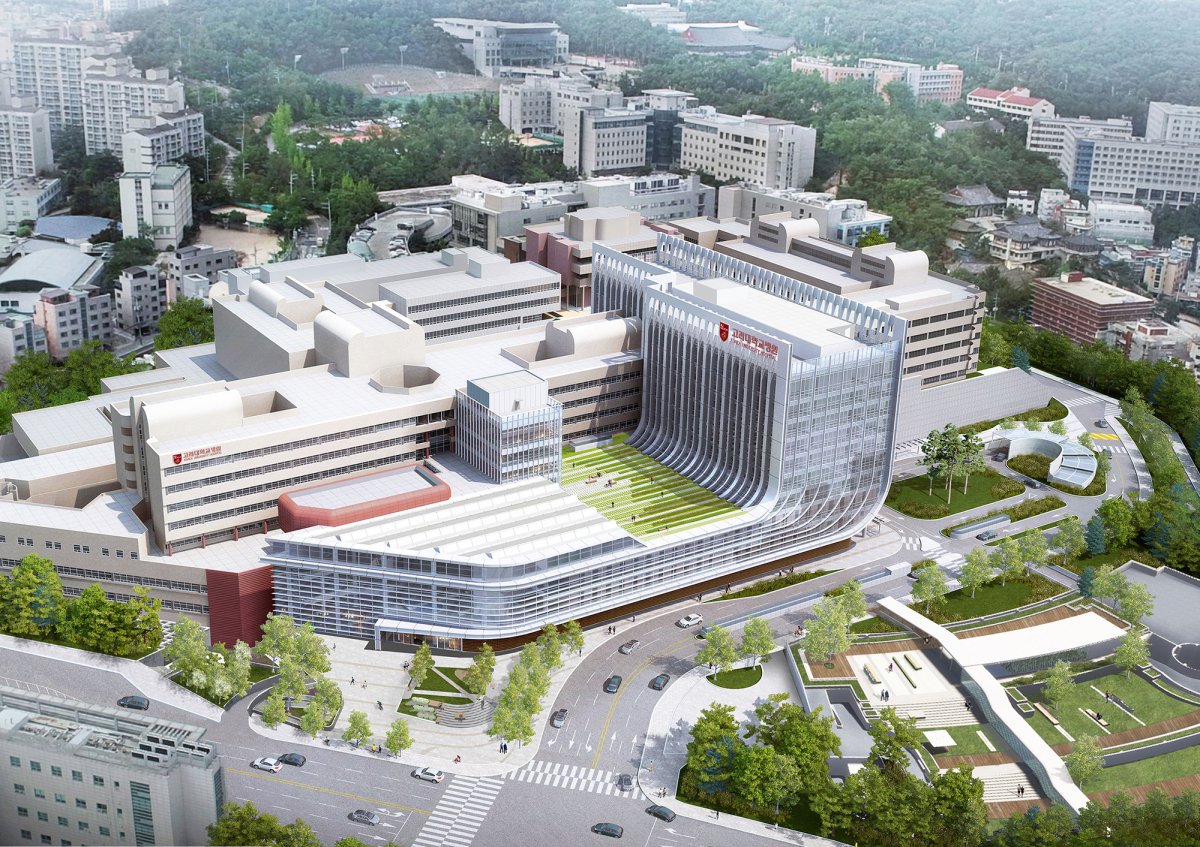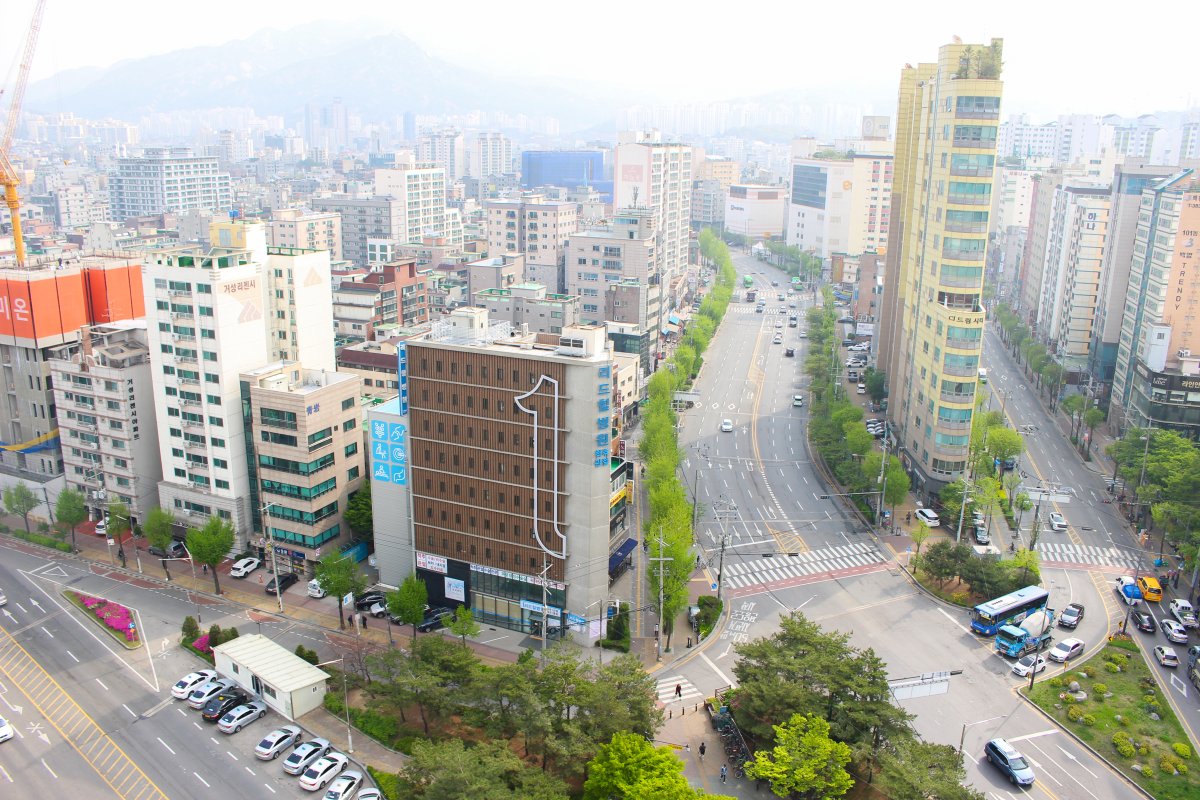
عيادة العمود الفقري والمفاصل Leadheal
كوريا الجنوبية, سول


تمت مراجعة المقالة طبيا من قبل
فهد مولود
| كوريا الجنوبية | تركيا | إسبانيا | |
|---|---|---|---|
| جراحة إعادة بناء اليد | ≈ $4,500 | من $11,700 | ≈ $4,800 |
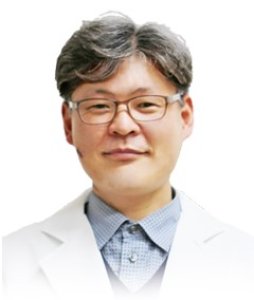
الدكتور يانغ يونغجون جرّاح عظام متخصص في رعاية المفاصل وتنظيرها. يعالج اضطرابات الركبة والكتف، ويُجري الجراحة التنظيرية للمفاصل واستبدال المفاصل (رأب المفصل). كما يعالج الرضوض والحالات المرتبطة بالرياضة، بما في ذلك إصابات الرياضيين، ومشكلات القدم والكاحل، ومتلازمة النفق الرسغي، والكسور.
أكمل برنامج الإقامة في جراحة العظام بالمركز الطبي الكاثوليكي، ثم زمالة في مستشفى سانت بول التابع للمركز نفسه. وهو عضو عامل في جمعية التنظير المفصلي الكورية، وجمعية الركبة الكورية، وجمعية الكتف والمرفق ا
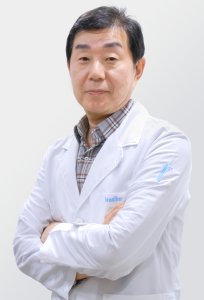
الدكتور جانغ هيو كيم جرّاح عظام يركّز على الحفاظ على المفاصل وإعادة البناء المعقّدة. يختص بمناظير المفاصل للكتف والركبة والكاحل والمرفق والمعصم. يُجري استبدال مفاصل الكتف والركبة والكاحل والمرفق والورك. يشمل عمله في العمود الفقري تثبيت ودمج الفقرات العنقية والقطنية. كما يُجري استئصال القرص، واستئصال الصفيحة الفقرية، وترميم الأعصاب، ورأب الفقرة. وتشمل ممارسته علاج الكسور وإصلاح العضلات والأربطة.
هو أستاذ منتسب في جامعة كيونغ هي، ويشغل منصب مدير مركز المفاصل في مستشفى فيري غود. وشغل سابق

رئيس قسم جراحة العظام في مستشفى نانوري، متخصص في جراحة اليد مع التركيز على الحالات المعقدة.

يتخصص الدكتور كوانغيال لي في جراحة اليد مع خلفية قوية في جراحة العظام في مستشفى نانوري.
 Anna Leonova
تعتبر جراحة اليد في كوريا الجنوبية آمنة للغاية للمرضى الدوليين بفضل البنية التحتية المتطورة لجراحة العظام. تحافظ مرافق مثل مستشفى جامعة كوريا أنام (Korea University Anam Hospital) على اعتماد اللجنة الدولية المشتركة (JCI). يعالج جراحون متخصصون مثل الدكتور يانغ يونغ جون في مستشفى نا-أون (Na-Eun Hospital) الحالات المعقدة باستخدام جراحة اليد المجهرية الدقيقة وتقنيات تنظير المفاصل.
رؤية خبير Bookimed: تشير بيانات حجم المرضى إلى وجود فجوة خبرة كبيرة بين المستشفيات العامة والمراكز المتخصصة. يدير مستشفى ليدهيل (Leadheal Hospital) أكثر من 44,000 مريض سنويًا بوجود 5 أطباء فقط. اختيار المراكز التي تتمتع بنسبة أعلى من الأطباء لكل مريض أو تلك التي تركز بشكل خاص على المفاصل والعمود الفقري، مثل مستشفى كانغ دونغ (Kang Dong Hospital)، يضمن غالبًا مراقبة أكثر تفانيًا بعد الجراحة لإجراءات اليد الدقيقة.
إجماع المرضى: يشير المرضى إلى أنه على الرغم من أن التكنولوجيا الجراحية ممتازة، إلا أن التخطيط لإقامة أطول أمر حيوي. يوصي الكثيرو
يجب أن يحمل جراحو اليد الكوريون المؤهلون شهادة تخصص فرعي من الجمعية الكورية لجراحة اليد. يحصلون أولاً على شهادة البورد الأساسية في جراحة العظام أو الجراحة التجميلية. يكمل كبار المتخصصين زمالات مكثفة لمدة عام أو عامين ويحافظون على عضويتهم في الجمعية الكورية للجراحة المجهرية.
رؤية خبير Bookimed: بينما تتعامل المراكز الكبرى مثل مركز أسان الطبي مع أكبر أحجام من المرضى في كوريا، تقدم العيادات المتخصصة مثل مستشفى نانوري رعاية تقويمية أكثر تركيزًا. تظهر البيانات أن جراحي النخبة، بما في ذلك الدكتور يانغ يونغ جون في مستشفى نا-إيون، غالبًا ما يحملون تخصصات فرعية متعددة في الجراحة المجهرية لليد وعلاج النفق الرسغي. يجب على المرضى البحث عن أطباء يمارسون عملهم في مرافق معتمدة من KOIHA أو JCI لضمان تلبية معايير السلامة الدولية أثناء عمليات الترميم المعقدة.
إجماع المرضى: يؤكد المرضى على أهمية العثور على جراحين تدربوا في الولايات المتحدة أو اليابان للحصول على مهارات متقدمة في الجراحة المجهرية. ويقترحون التحقق من مواقع المستشفيات بحثًا عن أكثر من 10,000 حالة
تقدم كوريا الجنوبية جراحة يد متخصصة من خلال مرافق مثل مركز أسان الطبي، ومستشفى جامعة سيول الوطنية، ومستشفى جامعة كوريا أنام. تستخدم هذه المؤسسات الجراحة المجهرية وأنظمة المرضى الرقمية لعلاج الصدمات والتشوهات الخلقية وإصابات الأعصاب. يوفر معظمها دعمًا دوليًا مخصصًا للمرضى الأجانب.
رؤية خبير Bookimed: غالبًا ما ترتبط مؤشرات الجودة لجراحة اليد في كوريا بحجم المرضى وشهادات محددة. تدير بعض المستشفيات، مثل Leadheal، أكثر من 44,000 مريض سنويًا وتستوعب جنسيات مختلفة. يجب على المرضى إعطاء الأولوية للمرافق الحاصلة على اعتماد اللجنة الدولية المشتركة (JCI) أو KOIHA لضمان معايير السلامة الدولية.
إجماع المرضى: يشير المرضى إلى أنه من الضروري التأكد من حجم الحالات المحدد للجراح في الجراحة المجهرية من خلال الصور. غالبًا ما تكون الترجمة الاحترافية مطلوبة لضمان التواصل الواضح فيما يتعلق بإعادة التأهيل ورعاية المتابعة.
يجب على المرضى التخطيط للبقاء في كوريا الجنوبية لمدة تتراوح بين 7 إلى 14 يوماً بعد جراحة اليد. قد تسمح إجراءات الأنسجة الرخوة البسيطة بالسفر بعد 5 أيام. غالباً ما تتطلب عمليات تثبيت العظام المعقدة إقامة كاملة لمدة أسبوعين. تضمن هذه الفترة استقرار الجرح وإزالة الغرز بأمان.
رؤية خبير Bookimed: بينما تعالج المراكز الرائدة مثل مركز أسان الطبي ومستشفى جامعة كوريا أنام آلاف الحالات المعقدة، غالباً ما تعتمد لوجستيات التعافي على تخصص العيادة. على سبيل المثال، مستشفى نانوري معتمد من الحكومة لخبرته في العمود الفقري والمفاصل، ويلبي احتياجات التعافي العظمي بشكل خاص. اختيار منشأة بها وحدات إعادة تأهيل مخصصة يمكن أن يقلل من الحاجة إلى إقامات فندقية طويلة من خلال توفير علاج مكثف في المرحلة المبكرة.
إجماع المرضى: يؤكد المرضى أن العيادات الكورية صارمة للغاية بشأن شهادة «اللياقة للطيران» (fit to fly). ويوصون بترتيب المساعدة في المطار مسبقاً لأن رفع أي أثقال ممنوع تماماً أثناء رحلة العودة.
عادةً ما تجمع باقات جراحة اليد في كوريا الجنوبية بين أتعاب الجراح، واستخدام المرافق، والتخدير. غالبًا ما تتضمن هذه الترتيبات الشاملة فحوصات ما قبل الجراحة والرعاية الموضعية بعد الجراحة داخل المستشفيات المعتمدة من قبل اللجنة الدولية المشتركة (JCI). يتلقى المرضى دعمًا منسقًا للخدمات اللوجستية مثل المساعدة باللغة الإنجليزية ومراقبة التعافي الأساسية أثناء إقامتهم.
رؤية خبير Bookimed: غالبًا ما تتخصص مراكز العظام ذات الحجم الكبير في كوريا الجنوبية، مثل مستشفى نانوري الذي يعالج 58,000 مريض سنويًا، في الجراحة المجهرية لتنميل اليد. تُظهر البيانات أن `مراكز المفاصل` المتخصصة في المستشفيات متعددة التخصصات الأكبر حجمًا تقدم عادةً معدات إعادة تأهيل أكثر قوة من العيادات الخاصة الأصغر. إذا كنت تخضع لإصلاح معقد للأعصاب أو الأوتار، فإن اختيار مرفق به أقسام مخصصة لإعادة التأهيل العظمي قد يحسن النتائج الوظيفية.
إجماع المرضى: يؤكد المرضى على ضرورة طلب قائمة مفصلة باللغة الإنجليزية للتحقق مما إذا كانت الأدوية وجلسات علاج اليد مشمولة. يقترح مع
عادة ما تكون ندبات جراحة اليد في كوريا طفيفة جداً وغالباً ما تكون غير ملحوظة بعد ثمانية عشر شهراً من الشفاء. تستخدم العيادات المتخصصة تقنيات الخياطة المجهرية والإغلاق التجميلي. تخفي هذه الطرق الشقوق داخل ثنايا الجلد الطبيعية. يهدف الجراحون إلى تقليل التوتر لمنع التوسع أو بروز الأنسجة.
رؤية خبير Bookimed: كان مستشفى جامعة كوريا أنام رائداً في التقنيات الروبوتية التي تقلل حجم الندبة إلى عُشر الطرق التقليدية. على الرغم من أنها معروفة في الغالب بإعادة البناء الكبرى، إلا أن عقلية الدقة هذه تؤثر على جميع متخصصي اليد الكوريين. تظهر بياناتنا أن مستشفيات مثل Leadheal وNanoori تعالج أكثر من 100,000 مريض مجتمعين سنوياً. هذا الحجم الكبير يعني أن الجراحين مدربون بشكل استثنائي على تقليل وضوح موقع المانح والشق.
إجماع المرضى: يلاحظ المرضى أن ندبات النفق الرسغي التنظيرية غالباً ما تبدو كتجاعيد بيضاء رقيقة بعد عام. ويؤكدون أن الترطيب واستخدام واقي الشمس بانتظام أمر حيوي للحصول على أفضل نتيجة تجميلية.
غالبًا ما يتم تضمين العلاج اليدوي المتزامن في بروتوكولات إعادة التأهيل الكورية بعد العمليات الجراحية الثنائية. وهو يبدأ تغييرات في المرونة العصبية لتسريع التعافي الوظيفي. غالبًا ما يرى المرضى الذين يستخدمون هذه الطريقة جنبًا إلى جنب مع المساعدة الروبوتية تحسنًا في قوة القبضة وفترات شفاء إجمالية أقصر.
رؤية خبير Bookimed: يدير مستشفى Leadheal في سيول أكثر من 44,000 مريض سنويًا. يشير حجمهم الكبير إلى أن المراكز الكورية الكبيرة تدمج إعادة التأهيل مباشرة في الإقامة الجراحية. يضمن هذا الهيكل بدء العلاج فورًا بعد الجراحة. يعد هذا التوقيت أمرًا بالغ الأهمية لزيادة المرونة العصبية وضمان حركة اليد على المدى الطويل.
إجماع المرضى: يلاحظ المرضى أن ممارسة التمارين بكلتا اليدين في وقت واحد تبدو أكثر طبيعية. وغالبًا ما يذكرون أن بدء العلاج في نفس أسبوع الجراحة ساعدهم على العودة إلى المهام اليومية في وقت أقرب.