إلتهاب الجلد العلاج في كوريا الجنوبية - التكاليف 2026


تمت مراجعة المقالة طبيا من قبل
فهد مولود
ما هي تكلفة إلتهاب الجلد إجراءات التشخيص والعلاج في كوريا الجنوبية؟ اعرف الآن
مزاياك وضماناتك مع Bookimed
أسعار مباشرة
Bookimed لا يضيف رسوماً إضافية على أسعار علاج إلتهاب الجلد. الأسعار مأخوذة من قوائم الأسعار الرسمية للعيادات. تدفع مباشرة في العيادة مقابل علاجك عند وصولك إلى البلد.
عيادات وأطباء معتمدون فقط
Bookimed ملتزم بسلامتك. نحن نعمل فقط مع المؤسسات الطبية التي تحافظ على معايير دولية عالية في علاج إلتهاب الجلد ولديها التراخيص اللازمة لخدمة المرضى الدوليين في جميع أنحاء العالم.
مساعدة مجانية على مدار الساعة
Bookimed يقدم مساعدة خبراء مجانية. منسق طبي شخصي يدعمك قبل وأثناء وبعد العلاج، ويحل أي مشاكل. لن تكون وحيداً أبداً في رحلة علاج إلتهاب الجلد.

منسقك الطبي الشخصي في Bookimed
- يدعمك في كل مرحلة
- المساعدة في اختيار العيادة الطبية المناسبة والطبيب المناسب
- يضمن الوصول السريع والمريح إلى المعلومات
اكتشف أفضل إلتهاب الجلد العيادات في كوريا الجنوبية: 3 خيارات معتمدة والأسعار
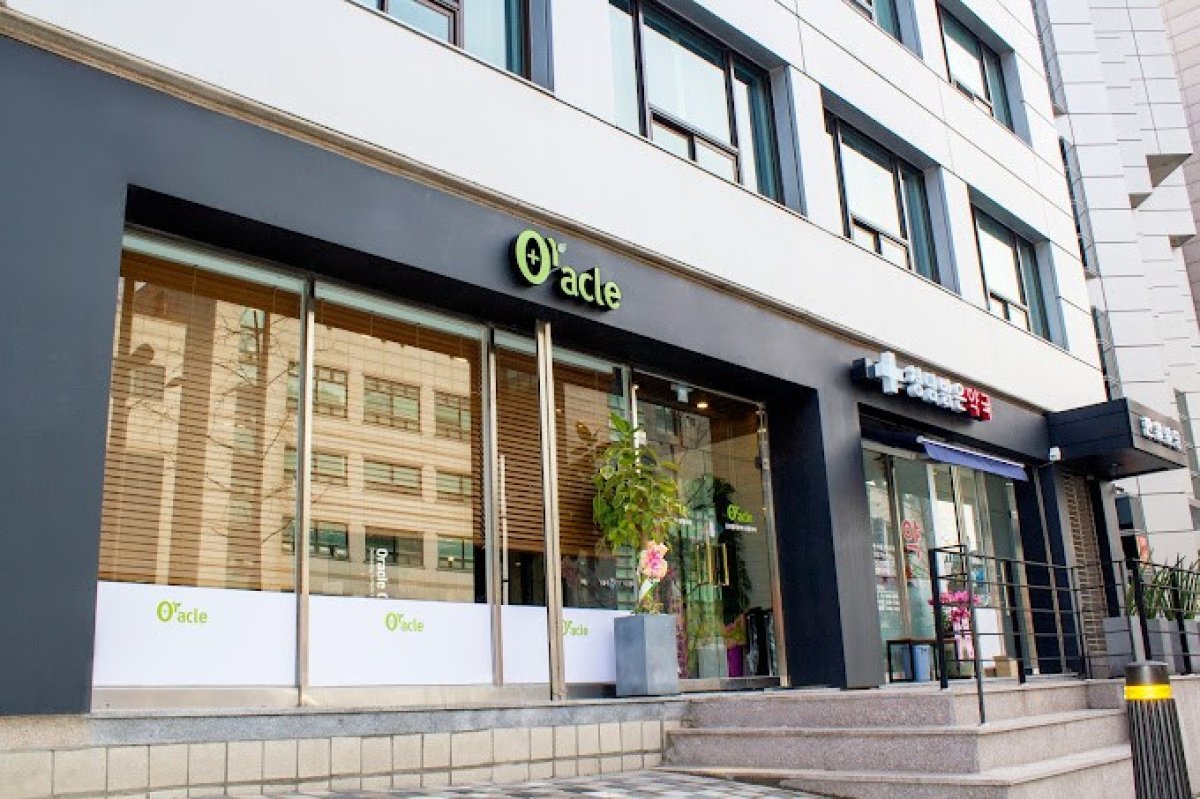
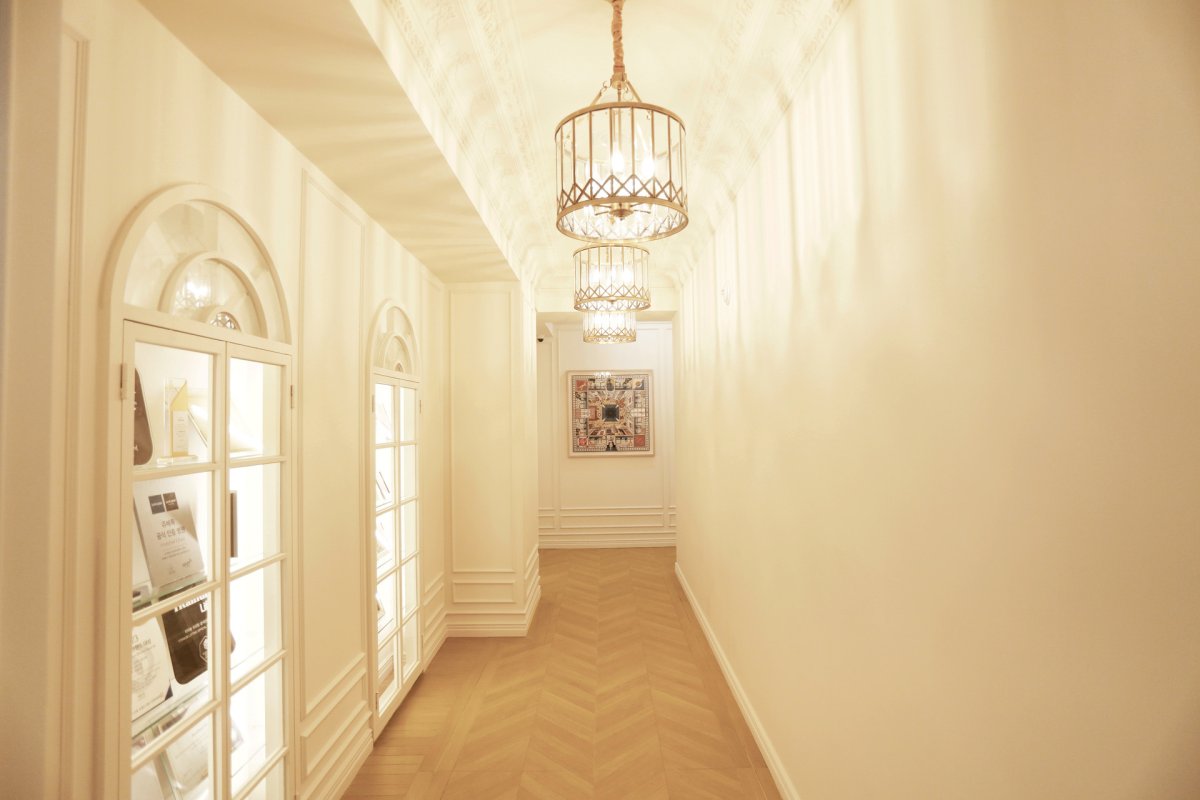
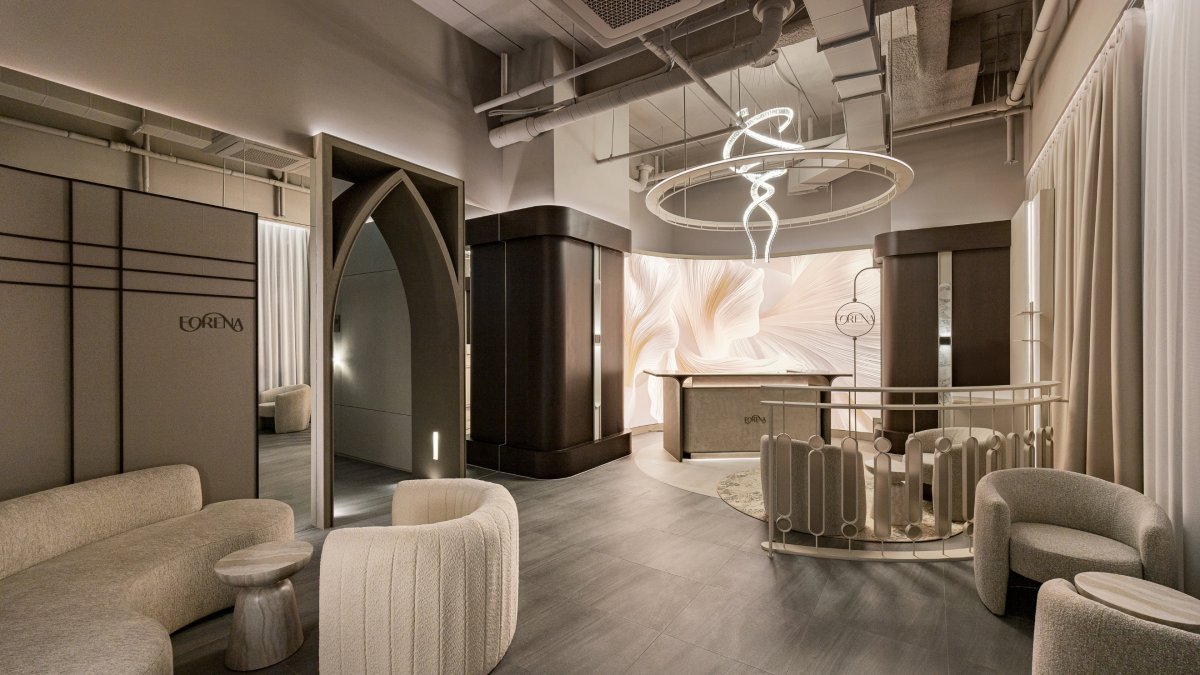
Laurel Clinic

احصل على تقييم طبي لـ في كوريا الجنوبية. استشر الآن 6 أطباء ذوي الخبرة.
عرض جميع الأطباء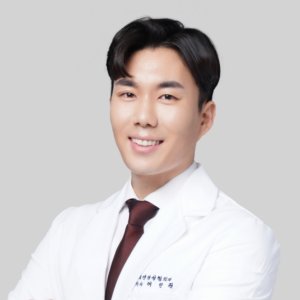
Yeo In Gwon
الدكتور يو إن غوون طبيب أمراض جلدية حاصل على البورد ويعمل في مركز لينجانغ للجراحة التجميلية والأمراض الجلدية في سيول. تخرّج في كلية الطب بجامعة تشونغ-أنغ، وأتمّ إقامة تخصص الجلدية في مستشفى جامعة تشونغ-أنغ. حصل على دكتوراه في الأمراض الجلدية من كلية الطب بجامعة تشونغ-أنغ.
وهو عضو في الجمعية الكورية للأمراض الجلدية، والجمعية الكورية لحبّ الشباب والوردية، والجمعية الكورية لجراحة الليزر الجلدية، والجمعية الكورية لجراحة الجلد، والجمعية الكورية لطب الجلد المضاد للشيخوخة. يتركّز عمله السريري
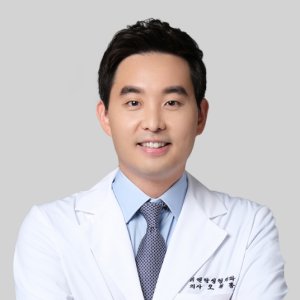
Oh Won Jong
الدكتور أو وون جونغ طبيب أمراض جلدية معتمد في مركز لينجانغ لجراحة التجميل والأمراض الجلدية في سيول. أكمل برنامج الإقامة في الأمراض الجلدية في مستشفى جامعة تشونغ-أنغ. شمل تدريبه تشخيص وعلاج طيف واسع من أمراض الجلد والطب الجلدي التجميلي.
هو عضو في الجمعية الكورية للأمراض الجلدية، والجمعية الكورية لحب الشباب والوردية، والجمعية الكورية لجراحة الليزر الجلدية. وهو أيضًا عضو في الجمعية الكورية لجراحة الجلد والجمعية الكورية لطب الجلد لمكافحة الشيخوخة. تساعده هذه العضويات على مواكبة المعايير ال

Ro Youngwoo
الطبيب هو طبيب أمراض جلدية معتمد ويتمتع بخبرة واسعة في طب الأمراض الجلدية السريري والتجميلي. بفضل خلفيته المهنية القوية، شغل الطبيب منصب مدير فرع Oracle Dermatology في أبغوجيونغ ويشغل حالياً منصب مدير فرع Oracle Dermatology في تشونغدام.
يحتفظ الطبيب بعضوية نشطة في العديد من المنظمات الطبية المرموقة، بما في ذلك الأكاديمية الكورية للأمراض الجلدية، والجمعية الكورية لجراحي الأمراض الجلدية، والجمعية الكورية لليزر، والجمعية الكورية للأمراض الجلدية التجميلية، مما يعكس الالتزام بالمعايير العالي

Jang Hansol
الطبيب خريج كلية الطب بجامعة سونتشونهيانغ ويمارس حاليًا عمله في فرع عيادة أوراكل للأمراض الجلدية في تشونغدام. مع تركيز متخصص على الطب التجميلي، أكمل الطبيب دورة الماجستير المتقدمة Thermage FLX Solta Medical Academy TTT.
تقديرًا لخبرته المهنية، عمل الطبيب كطبيب تجميل رسمي لقمة الرؤساء التنفيذيين لمنتدى التعاون الاقتصادي لدول آسيا والمحيط الهادئ (APEC) في كوريا 2025، وكان متحدثًا رئيسيًا في حدث إطلاق Elogio Educate APAC Malaysia 10Therma. يحتفظ الطبيب بعضويات نشطة في الجمعية الكورية لجراح
مشاركة المحتوى
قصص فيديو من مرضى Bookimed
 Anna Leonova
أسئلة متكررة حول علاج إلتهاب الجلد في كوريا الجنوبية
ما هي علاجات التهاب الجلد الأكثر شيوعاً المتوفرة في كوريا الجنوبية؟
يتبع علاج التهاب الجلد في كوريا الجنوبية نهجاً متعدد الوسائط يجمع بين التحكم الموضعي في النوبات، وإجراءات الجلد المتخصصة، والعلاجات الجهازية. تستخدم العيادات الكورتيكوستيرويدات الموضعية لتخفيف الالتهاب بسرعة إلى جانب مثبطات الكالسينيورين الموفرة للستيرويد. تدمج المراكز المتخصصة أنظمة الليزر المتقدمة والعلاج بالضوء الأحمر لإدارة التهاب الجلد التأتبي والدهني المزمن.
- العلاجات الموضعية: يصف الأطباء الكورتيكوستيرويدات أو مثبطات الكالسينيورين مثل بيميكروليموس للمناطق الحساسة في الوجه.
- الإجراءات المتقدمة: تقدم العيادات المتخصصة علاجات تبريد مهدئة وعلاجاً بالضوء الأحمر للجلد الملتهب.
- الخيارات الجهازية: يستخدم الأطباء مضادات الهيستامين الفموية لتخفيف الحكة أو مثبطات المناعة للحالات المتوسطة إلى الشديدة.
- الطب التجديدي: توفر المرافق الراقية علاج الغلوبولين المناعي الذاتي أو حقن الخلايا الجذعية الشريانية لالتهاب الجلد المزمن.
رؤية خبير Bookimed: بينما يركز العديد من الباحثين عن العلاج على الأدوية، يتميز مشهد الأمراض الجلدية في كوريا الجنوبية بحجم المرضى. تعالج عيادة Oracle Clinic Cheongdam وحدها 25,000 مريض سنوياً. يسمح هذا النطاق الهائل للمتخصصين المعتمدين مثل الدكتور رو يونغ وو برؤية حالات مزمنة أكثر من معظم نظرائهم الغربيين. كما تقدم العيادات المتخصصة رعاية عالية المستوى من خلال قصر الاستقبال اليومي على مريضين فقط للعلاجات التجديدية المكثفة.
إجماع المرضى: يلاحظ المرضى أن الاستخدام المستمر للمرطبات المصلحة للحاجز الجلدي أم
كيف يحدد أطباء الجلد الكوريون مسبب التهاب الجلد ويخصصون الرعاية؟
يحدد أطباء الجلد الكوريون مسببات التهاب الجلد من خلال مراجعات مفصلة للعادات، واختبارات الرقعة، والفحص المناعي. يستخدم المتخصصون في مرافق مثل عيادة أوراكل تشيونغدام أدوات تشخيصية حديثة للتمييز بين ردود الفعل التحسسية والتهاب الجلد التماسي التحسسي. تركز الرعاية الشخصية على السلالم العلاجية واستعادة حاجز الجلد.
- الاختبارات التشخيصية: تحدد اختبارات الرقعة مسببات الحساسية في مستحضرات التجميل، وصبغات الشعر، والمواد الحافظة.
- التقييم السريري: يميز الأطباء بين الإكزيما والالتهابات الفطرية مثل سعفة اليد باستخدام اختبارات الجلد.
- الفحص المناعي: تساعد قياسات IgE في المصل على تحديد الاستعدادات التأتبية وفرط الحساسية من النوع الأول.
- العلاج المخصص: تشمل الخيارات المتقدمة علاج الغلوبولين المناعي الذاتي باستخدام بلازما المريض نفسه.
رؤية خبير Bookimed: تظهر البيانات من عيادة أوراكل تشيونغدام، التي تخدم 25,000 مريض سنوياً، أن طب الجلد الكوري يؤكد على الدقة التشخيصية عالية الحجم. بينما تستخدم العديد من العيادات الدولية بروتوكولات قياسية، غالباً ما يجمع المتخصصون الكوريون المعتمدون مثل الدكتور سانغ يول يون بين التدريب على مستوى مايو كلينك والخبرة الخاصة بالسوق الآسيوية. وهذا يسمح لهم بتحديد مسببات الحساسية من مكونات العناية بالبشرة المحلية أو الحساسية بعد الليزر التي قد يغفل عنها الآخرون.
إجماع المرضى: يلاحظ المرضى أن الأطباء الكوريين يعطون الأولوية أولاً لـ "روتين لطيف" مبسط لمعرفة كيفية تفاعل الجلد قبل طلب فحوصات مخبرية باهظة الثمن.
ما هو علاج الغلوبولين المناعي الذاتي، ومن يمكنه الاستفادة منه؟
يتضمن علاج الغلوبولين المناعي الذاتي معالجة دم المريض نفسه لعزل بروتينات مناعية محددة لإعادة حقنها. يستهدف هذا النهج التجريبي التهاب الجلد المزمن وخلل التنظيم المناعي. يُستخدم بشكل أساسي للإكزيما المقاومة للعلاج عندما تفشل الستيرويدات والمرطبات ومضادات الهيستامين القياسية في السيطرة على النوبات.
- المرضى المستهدفون: الأفراد المصابون بالتهاب الجلد التأتبي المزمن والشديد الذين لا يستجيبون للعلاجات التقليدية.
- آلية العمل: يقوم العلاج بتعديل جهاز المناعة لتقليل الحكة والالتهاب.
- التطبيق السريري: غالبًا ما يُستخدم كعلاج مساعد ضمن خطط إدارة أوسع.
- معايير التقييم: تُلاحظ الفوائد في الغالب لدى المرضى الذين لديهم محفزات حساسية قوية.
رؤية خبير Bookimed: في حين أن العلاجات الذاتية متخصصة، تركز المراكز الكورية مثل RE:YOUTH على الأساليب التجديدية للأمراض المزمنة. نرى اتجاهًا حيث تحد العيادات من الاستقبال إلى مريضين يوميًا لضمان معالجة عالية الجودة. هذا التركيز الشخصي أمر بالغ الأهمية للعلاجات التجريبية التي تتضمن منتجات مشتقة من الدم.
إجماع المرضى: يشير المرضى إلى أن هذا العلاج هو خيار الملاذ الأخير للحكة المستعصية. يؤكد الكثيرون أنه يعمل بشكل أفضل كجزء من خطة كاملة، وليس كعلاج مستقل.
هل توجد عيادات مخصصة لالتهاب الجلد المزمن أو الشديد، وكيف تختلف عن عيادات الأمراض الجلدية العامة؟
تتخصص العيادات المخصصة لالتهاب الجلد المزمن في الحالات المستعصية أو الشديدة أو النادرة. تستخدم هذه المراكز فرقاً متعددة التخصصات وتشخيصات متقدمة مثل اختبارات الرقعة. وهي تختلف عن العيادات العامة بتركيزها على إدارة المرض على المدى الطويل، والعلاجات الجهازية، وتحديد مسببات معينة بيئية أو مناعية ذاتية.
- خبرة متخصصة: تركز فرق عالية المهارة على الحالات المقاومة للعلاج والأسباب الجهازية.
- عمق التشخيص: يشمل التقييم اختبارات مفصلة للحساسية والنظام الغذائي والمسببات البيئية.
- علاجات متقدمة: توفر المرافق خيارات متخصصة مثل العلاج بالضوء أو حقن الخلايا الجذعية الشريانية.
- التركيز على الإدارة: تعطي المراكز الأولوية لخطط التحكم طويلة المدى بدلاً من تخفيف الأعراض على المدى القصير.
رؤية خبير Bookimed: غالباً ما يشير حجم المرضى إلى مكان وجود الخبرة السريرية الأكثر تنوعاً. على سبيل المثال، تتعامل عيادة Oracle Clinic Cheongdam مع 25,000 مريض سنوياً مع فريق كبير من المتخصصين. يشير هذا الحجم الكبير إلى أنهم يديرون طيفاً واسعاً من حالات التهاب الجلد المستعصية التي نادراً ما يراها الممارسون العامون.
إجماع المرضى: يلاحظ المرضى أن العيادات المتخصصة تقضي وقتاً أطول بكثير في تقديم استشارات العناية بالبشرة وتحديد المسببات. يوصون بالانتقال إلى هذه المراكز إذا كانت علاجات الستيرويد الأولية توفر راحة مؤقتة فقط للنوبات المستمرة.
ما هو التأثير الذي يمكن أن يحدثه علاج التهاب الجلد الحديث في كوريا على أنشطة الحياة اليومية؟
تعمل علاجات التهاب الجلد الحديثة في كوريا على استعادة وظيفة حاجز الجلد وتقليل تكرار النوبات. تعمل هذه التطورات على تحسين جودة النوم عن طريق القضاء على الحكة واللسع المستمرين. يشهد المرضى إنتاجية أعلى في العمل والمدرسة. تعالج المراكز المتخصصة مثل عيادة أوراكل تشيونغدام 25000 مريض سنويًا باستخدام أدوات تشخيص حديثة.
- الإنتاجية اليومية: يسمح تقليل الالتهاب للمرضى بالتركيز دون إزعاج جسدي مستمر أو تشتت.
- الرفاهية النفسية: بشرة أكثر صفاءً تقلل من القلق والخجل أثناء التفاعلات الاجتماعية والأنشطة الخارجية.
- إدارة الأعراض: تقلل العلاجات الضوئية المتقدمة وخطط العناية بالبشرة المصممة خصيصًا من الوقت المستغرق في الصيانة اليومية.
- تحسين النوم: يؤدي التحكم في الحكة الليلية إلى راحة أفضل وزيادة مستويات الطاقة أثناء النهار.
رؤية خبير Bookimed: بينما يبحث الكثيرون عن حلول تجميلية سريعة، تدير مراكز كبيرة مثل عيادة أوراكل تشيونغدام حجمًا هائلاً يبلغ 25000 مريض سنويًا. يسمح تدفق المرضى المرتفع هذا لأطباء مثل الدكتور رو يونغ وو بتحسين البروتوكولات عبر أنواع البشرة المتنوعة. يضمن اختيار هذه العيادات ذات الحجم الكبير استفادتك من مسارات علاجية دقيقة وموحدة قد تفتقر إليها الممارسات الأصغر.
إجماع المرضى: يلاحظ المرضى أن الراحة اليومية تتحسن بسرعة مع تلاشي الحكة والاحمرار. يشعرون بثقة أكبر في الخروج دون مكياج ثقيل، لكنهم يحذرون من أن بعض العلاجات تسبب جفافًا مؤقتًا أثناء التعافي.
كيف يمكن للسياح الطبيين تحديد أفضل عيادات الأمراض الجلدية في كوريا بكفاءة؟
يمكن للسياح الطبيين تحديد أفضل عيادات الأمراض الجلدية في كوريا بكفاءة من خلال التحقق من أوراق اعتماد أطباء الجلد المعتمدين. ابحث عن علامة أخصائي الأمراض الجلدية الحمراء لضمان الخبرة الطبية. أعط الأولوية للمنشآت المعتمدة من قبل اللجنة الدولية المشتركة (JCI) أو تلك المعترف بها من قبل الجمعية الكورية لليزر الأمراض الجلدية وعلم الشعر (KALDAT) لضمان معايير سلامة عالية.
- التحقق من الأخصائيين: العيادات التي تضم أطباء جلدية معتمدين فقط هي التي يمكنها استخدام "عيادة الأمراض الجلدية" في اسمها الرسمي.
- علامات الاعتماد: ابحث عن شهادات KALDAT أو معهد كوريا لاعتماد المستشفيات (KOIHA) لضمان الجودة.
- التركيز التشخيصي: اختر المراكز التي تقدم اختبارات الرقعة والتحقيق في المسببات بدلاً من العيادات التي تقدم الليزر التجميلي فقط.
- بروتوكول الاستشارة: تأكد من أن العيادة توفر استشارات مباشرة مع أخصائيي الأمراض الجلدية بدلاً من المنسقين غير الطبيين.
رؤية خبير Bookimed: غالبًا ما يشير حجم المرضى إلى مستوى البنية التحتية الدولية. تتعامل عيادة Oracle Clinic Cheongdam مع 25,000 مريض سنويًا وتحتفظ بفريق مكون من 6 أخصائيين. يرتبط هذا الحجم الكبير عادةً بدعم أقوى باللغة الإنجليزية وخدمات لوجستية إدارية أكثر سلاسة للزوار الأجانب مقارنة بالممارسات المحلية الأصغر.
إجماع المرضى: يلاحظ المرضى أنه من الضروري التمييز بين مراكز التجميل والعيادات الطبية. ويجدون أن الممارسات الأصغر التي تركز على الطب غالبًا ما تقدم تفسيرات أكثر تفصيلاً للمسببات وخدمات تشخيص