علاج تضييق مجرى الهواء في كوريا الجنوبية: 1 مستشفى


تمت مراجعة المقالة طبيا من قبل
فهد مولود
ما هي تكلفة تضييق مجرى الهواء إجراءات التشخيص والعلاج في كوريا الجنوبية؟ اعرف الآن
مزاياك وضماناتك مع Bookimed
أسعار مباشرة
Bookimed لا يضيف رسوماً إضافية على أسعار علاج تضييق مجرى الهواء. الأسعار مأخوذة من قوائم الأسعار الرسمية للعيادات. تدفع مباشرة في العيادة مقابل علاجك عند وصولك إلى البلد.
عيادات وأطباء معتمدون فقط
Bookimed ملتزم بسلامتك. نحن نعمل فقط مع المؤسسات الطبية التي تحافظ على معايير دولية عالية في علاج تضييق مجرى الهواء ولديها التراخيص اللازمة لخدمة المرضى الدوليين في جميع أنحاء العالم.
مساعدة مجانية على مدار الساعة
Bookimed يقدم مساعدة خبراء مجانية. منسق طبي شخصي يدعمك قبل وأثناء وبعد العلاج، ويحل أي مشاكل. لن تكون وحيداً أبداً في رحلة علاج تضييق مجرى الهواء.

منسقك الطبي الشخصي في Bookimed
- يدعمك في كل مرحلة
- المساعدة في اختيار العيادة الطبية المناسبة والطبيب المناسب
- يضمن الوصول السريع والمريح إلى المعلومات
اكتشف أفضل تضييق مجرى الهواء العيادات في كوريا الجنوبية: 1 خيار معتمدة والأسعار

احصلوا على تقييم طبي لـ تضييق مجرى الهواء في كوريا الجنوبية: استشيروا أطباء ذوي خبرة الآن
عرض جميع الأطباء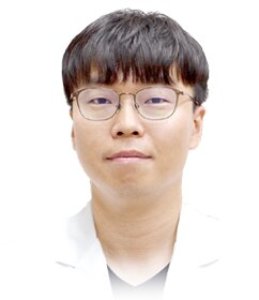
Kim Geonho
الدكتور كيم غونهو أخصائي ورئيس قسم الأنف والأذن والحنجرة في مستشفى نايون. يعالج أمراض اللوزتين واللحمية، والتهاب الجيوب الأنفية، والتهاب الأنف، كما يتعامل مع الشخير وانقطاع النفس أثناء النوم، وتغيرات الصوت الناجمة عن اضطرابات الأحبال الصوتية، وأمراض الغدد اللعابية واضطرابات الغدة الدرقية.
تخرّج من كلية الطب في جامعة هانيانغ، وأتمّ الامتياز والإقامة والزمالة السريرية في طب الأنف والأذن والحنجرة بمستشفى جامعة هانيانغ. شغل سابقاً منصب نائب مدير عيادة بارو (أنف وأذن وحنجرة). أكمل تدريباً م
مشاركة المحتوى
قصص فيديو من مرضى Bookimed
 Anna Leonova
أسئلة متكررة حول علاج تضييق مجرى الهواء في كوريا الجنوبية
ما هي أفضل المستشفيات في كوريا الجنوبية لعلاج تضيق المسالك الهوائية؟
تشمل أفضل المستشفيات الكورية لعلاج تضيق المسالك الهوائية مركز أسون الطبي (Asan Medical Center) ومركز سامسونج الطبي (Samsung Medical Center). توفر هذه المرافق توسيعاً بالبالون التنظيري ووضع الدعامات المتقدمة. تقدم فرق متعددة التخصصات رعاية متخصصة في مستشفى جامعة سيول الوطنية. يستخدم جراحو الصدر المتخصصون أنظمة روبوتية لإجراء عمليات إعادة بناء القصبة الهوائية المعقدة.
- طرق العلاج: تستخدم العيادات التوسيع بالبالون التنظيري ووضع الدعامات المعدنية أو السيليكونية.
- الخبرة الجراحية: يقوم جراحو الصدر بإجراء استئصال معقد للمسالك الهوائية وإعادة بناء القصبة الهوائية بمساعدة الروبوت.
- التشخيص المتقدم: يستخدم مستشفى جامعة سيول الوطنية تنظير القصبات عالي الدقة والتصوير ثلاثي الأبعاد لرسم خرائط دقيقة.
- تخصص المركز: يوفر مركز أسون الطبي طب الرئة التداخلي المتخصص لانسدادات المسالك الهوائية المركزية.
رؤية خبير Bookimed: تركز مؤشرات الجودة لتضيق المسالك الهوائية في كوريا على التعاون متعدد التخصصات. في حين أن العديد من المستشفيات لديها أقسام لأمراض الرئة، فإن المراكز الجامعية الكبرى في سيول هي فقط التي تدمج بين جراحة الأنف والأذن والحنجرة وجراحة الصدر. هذا النهج الموحد حيوي لحالات التضيق التي تتطلب سرعة في الانتقال للجراحة. يشير الحجم الكبير للحالات المعقدة في مركز أسون الطبي إلى خبرة تقنية متفوقة في وضع الدعامات.
إجماع المرضى: يؤكد المرضى على أهمية العثور على مستشفى يضم فريقاً متخصصاً في المسالك الهوائية بدلاً من قسم عام. ويشيرون إلى
ما هي طرق العلاج المستخدمة لتضيق مجرى الهواء في كوريا؟
تعالج المراكز الطبية الكورية تضيق مجرى الهواء باستخدام طب الرئة التداخلي وجراحة الصدر المعقدة. تستخدم الفرق المتخصصة تنظير القصبات الصلب لإجراء استئصال الغشاء المخاطي. كما يطبقون توسيع البالون ووضع دعامات مجرى الهواء. تخفف هذه الطرق بفعالية من انسدادات مجرى الهواء المركزي وتستعيد أنماط التنفس الطبيعية.
- تنظير القصبات التداخلي: يستخدم الجراحون مناظير صلبة للإزالة الدقيقة للأورام أو تنظيف الأنسجة الندبية.
- دعامة مجرى الهواء: يدخل المتخصصون دعامات السيليكون أو المعدن للحفاظ على ممرات القصبات الهوائية مفتوحة.
- الاستئصال بالليزر: يستخدم الأطباء ليزر Nd:YAG لإزالة الأنسجة المعيقة التي تسبب التضيق.
- إعادة البناء الجراحي: يقوم الجراحون بإجراء استئصال الرغامي لإزالة التضيق الشديد وإعادة توصيل الأنسجة السليمة.
رؤية خبير Bookimed: غالباً ما تتضمن مؤشرات الجودة لعلاج مجرى الهواء في كوريا اعتماد المنشأة. تمتلك VG Plastic Surgery في سيول اعتماد KOIHA، مما يؤكد الالتزام بمعايير السلامة الدولية. وعلى الرغم من تخصصهم في التجميل، إلا أن أنظمة السلامة عالية التقنية لديهم تعكس البنية التحتية الصارمة المطلوبة لأي تدخل طبي كوري معقد.
إجماع المرضى: يؤكد المرضى على ضرورة مناقشة التحكم في الندبات على المدى الطويل. وغالباً ما يسألون عن احتمالية تكرار الإجراءات بسبب احتمالية تكرار الحالة.
ما مدى نجاح جراحة تضيق الرغامي في كوريا الجنوبية؟
تحقق جراحة تضيق الرغامي في كوريا الجنوبية معدل نجاح يصل إلى 93.1% لحالات ما بعد التنبيب. يقوم الجراحون المتخصصون بإجراء استئصال الرغامي ومفاغرة طرف بطرف. تقلل هذه التقنيات المعيارية الذهبية من تكرار الحالة بشكل كبير. وتُبلغ المراكز الكورية المتقدمة عن نسبة 69% لسالكية مجرى الهواء بعد إزالة الدعامة في حالات التضيق المعقدة.
- الاستئصال الجراحي: يحقق نجاحاً بنسبة 75.8% إلى 93.1% في منع التكرار طويل الأمد.
- التوسيع بالمنظار: يوفر تحسناً كبيراً لـ 46.3% من المرضى الذين يعانون من تضيق خفيف.
- دعامة مجرى الهواء: تحافظ على مجرى الهواء مفتوحاً لـ 69% من المرضى بعد إزالة دعامة السيليكون.
- نتائج طب الأطفال: تظهر انخفاضاً قابلاً للقياس في قطر مجرى الهواء في غضون شهرين من العملية.
رؤية خبير Bookimed: تحتفظ المرافق الطبية في كوريا الجنوبية مثل VG Plastic Surgery باعتماد KOIHA. يضمن هذا البرنامج تلبية العيادات لمعايير السلامة الدولية للجراحات المعقدة. تعطي المبادئ التوجيهية الوطنية للرعاية الصحية في كوريا الأولوية للجراحين ذوي الخبرة العالية. ويدير معظم كبار المتخصصين أكثر من 1000 إجراء سنوياً لضمان السلامة القصوى.
إجماع المرضى: يشير المرضى إلى أن الجراحة المفتوحة غالباً ما توفر راحة أكثر ديمومة من التوسيعات المتكررة. ويؤكدون أنه على الرغم من أن التعافي يتضمن سعالاً مؤقتاً أو تغيرات في الصوت، إلا أن تحسن التنفس يغير الحياة.
هل سأحتاج إلى دعامة أو جراحة مفتوحة لتضيق مجرى الهواء؟
يعتمد الاختيار بين الدعامة والجراحة على طول التضيق وسببه. يستخدم الأطباء الدعامات لتحقيق الاستقرار المؤقت في مجرى الهواء أو في حالات الانسدادات الخبيثة. ويقوم الجراحون بإجراء استئصال الرغامي كحل دائم للندبات الحميدة الشديدة. وتستخدم المراكز الكورية المتخصصة تنظير القصبات الصلب لتشخيص دقيق.
- الاستئصال الجراحي: يزيل الأجزاء الضيقة من أجل إصلاح نهائي طويل الأمد للتضيق الحميد.
- دعامة مجرى الهواء: توفر راحة فورية للمرضى الذين يعانون من ضعف شديد لا يسمح بإجراء جراحة الصدر المفتوح.
- معايير النجاح: تعتمد على موقع التضيق، وطول الجزء، ووجود التهاب.
- الاعتماد الكوري: تلبي المنشآت المعتمدة من KOIHA المعايير الدولية للسلامة والجودة الجراحية.
رؤية خبير Bookimed: غالباً ما تعتمد جودة الحياة على اختيار مادة الدعامة. يقوم المتخصصون الكوريون غالباً بتقييم وضع الدعامة بشكل شخصي لتقليل تراكم المخاط. يساعد هذا النهج الاستباقي المرضى على تجنب المشكلات الشائعة مثل السعال المستمر وتكرار تنظير القصبات بشكل متكرر.
إجماع المرضى: يجد العديد من المرضى أن العيش بدعامة أصعب مما كان متوقعاً بسبب الإفرازات. وغالباً ما يقترحون السؤال عما إذا كان العلاج بالمنظار جسراً قابلاً للتطبيق قبل الالتزام بالجراحة المفتوحة.
كيف يمكنني العثور على متخصصين يتحدثون الإنجليزية في كوريا الجنوبية؟
يتواجد المتخصصون الذين يتحدثون الإنجليزية في كوريا الجنوبية بشكل أساسي داخل مراكز الرعاية الصحية الدولية في المستشفيات الجامعية الكبرى. توفر مرافق مثل مستشفى جامعة سيول الوطنية ومركز أسان الطبي منسقين مخصصين. يدير هؤلاء الخبراء حالات معقدة لتضيق المسالك الهوائية. يستخدمون اللغة الإنجليزية في الاستشارات والسجلات الطبية.
- الأقسام الدولية: اتصل بمكاتب المرضى الدوليين بالمستشفيات مباشرة للوصول إلى موظفين يتحدثون الإنجليزية بسرعة.
- اختيار المتخصص: اطلب متخصصين فرعيين في طب الحنجرة، أو أمراض الرئة، أو جراحة الصدر لحالات تضيق المسالك الهوائية.
- التحقق من اللغة: تأكد من أن المتخصص يتحدث الإنجليزية بطلاقة لشرح المخاطر الجراحية مباشرة.
- الوثائق الطبية: أحضر تقارير التنظير والتصوير السابقة المكتوبة باللغة الإنجليزية لتشخيص دقيق.
رؤية خبير Bookimed: غالباً ما تتغلب المرافق المعتمدة من قبل KOIHA على حاجز اللغة بشكل أكثر فعالية من العيادات غير المعتمدة. على سبيل المثال، تحتفظ VG Plastic Surgery بموظفين متعددي اللغات لخدمة المرضى من 47 دولة. يضمن هذا الاعتماد أن التواصل السريري يلبي معايير السلامة الدولية للإجراءات المعقدة للمسالك الهوائية. عادة ما يكون لدى المستشفيات التي تستقبل عدداً كبيراً من المرضى الدوليين بروتوكولات أكثر تبسيطاً باللغة الإنجليزية.
إجماع المرضى: يؤكد المرضى أنه على الرغم من أن المنسقين يترجمون، إلا أنه يجب عليك إعطاء الأولوية للأطباء الذين يشرحون التشريح مباشرة. كما يقترحون إحضار جدول زمني مطبوع للأعراض للمساع
ما هي المدة التي يجب أن أخطط للبقاء فيها في كوريا لعلاج تضيق المسالك الهوائية والتعافي؟
خطط لإقامة تتراوح من 14 إلى 21 يوماً لعلاج تضيق المسالك الهوائية في كوريا الجنوبية. تسمح هذه الفترة بإجراء الفحوصات الحاسمة قبل الجراحة، والإجراء، والمراقبة الأساسية. تعطي العيادات المعتمدة من قبل KOIHA في سيول الأولوية لاستقرار المريض. يجب أن تتأكد من زوال تورم المسالك الهوائية قبل القيام برحلات جوية طويلة.
- التعافي الأولي: غالباً ما تتطلب الأيام القليلة الأولى رعاية مركزة لمراقبة التنفس.
- فحوصات المتابعة: يقوم الجراحون بإجراء فحوصات بالمنظار بعد 7 إلى 14 يوماً من الإجراء.
- سلامة الطيران: يستغرق استقرار المسالك الهوائية أسبوعين لتجنب المخاطر أثناء السفر جواً.
- مدة متغيرة: تتطلب عمليات الترميم المعقدة أو وضع الدعامات عادةً 3 أسابيع أو أكثر.
رؤية خبير Bookimed: يضمن اعتماد KOIHA في المرافق الكورية أن معايير السلامة تطابق البروتوكولات الدولية. تدير عيادات مثل VG Plastic Surgery في سيول 1000 مريض سنوياً بأنظمة سلامة متقدمة. حتى بالنسبة للتوسيعات البسيطة، توصي هذه المراكز ذات الحجم الكبير بتخصيص هامش احتياطي لمدة 3 أيام. وهذا يمنع تأخير السفر إذا حدثت إفرازات أو تورم غير متوقع في المسالك الهوائية بعد الإجراء.
إجماع المرضى: يؤكد المرضى على انتظار الفحص النهائي قبل حجز رحلات العودة. يشير الكثيرون إلى أن التغيرات في التنفس بعد العلاج تجعل الإقامة الطويلة أكثر أماناً بكثير.