تصغير التوربينات في بولندا: 2 عيادتين


تمت مراجعة المقالة طبيا من قبل
فهد مولود
ما هي تكلفة تصغير التوربينات في بولندا؟ اكتشف الآن
من $7,900. تتأثر الأسعار بتقنية الجراحة ونوع التخدير والمركز الطبي المختار. تشمل التكاليف القياسية عادةً الاستشارة الأولية وأجور الجراح وزيارات المتابعة بعد الجراحة.
- تقنية التردد الراديوي: غالباً ما تكون تكلفة هذا الإجراء طفيف التوغل أقل بنحو 15-20% من الجراحة التقليدية.
- عملية رأب الحاجز الأنفي المدمجة: تؤدي إضافة تصحيح الحاجز عادةً إلى زيادة إجمالية في رسوم الجراحة بنسبة 40-60%.
- استخدام الليزر أو الميكرودبريدر: قد يضيف استخدام المعدات المتخصصة تكلفة إضافية مقارنة بالتقنيات اليدوية الأساسية.
- موقع المدينة: غالباً ما تكون التكاليف في وارسو أعلى منها في المراكز الإقليمية مثل يلينيا غورا.
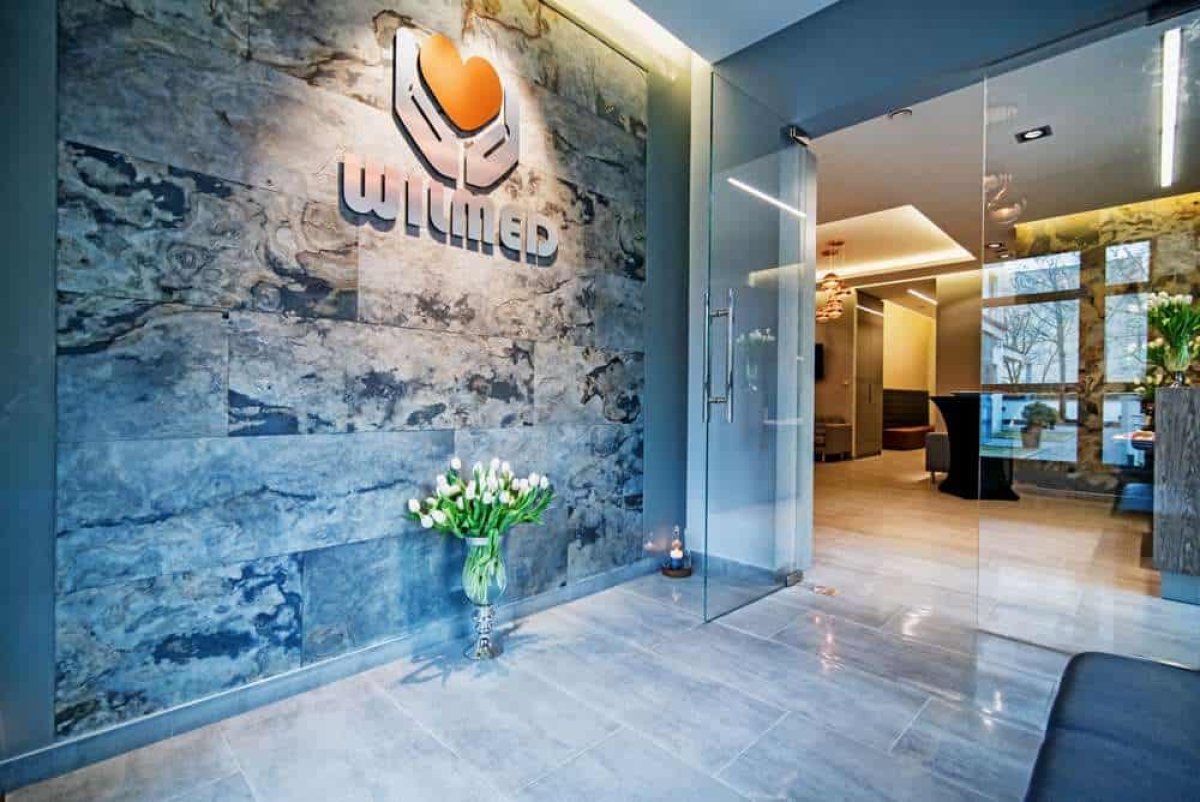
رأي خبراء Bookimed: يتيح اختيار بولندا الوصول إلى مرافق طب رياضي نخبوية بجزء بسيط من تكاليف المملكة العربية السعودية. يُعد مستشفى كارولينا في وارسو مركزاً طبياً معتمداً من FIFA للتميز. تثبت هذه المكانة حفاظهم على معايير عالمية لجراحات مجرى الهواء الأنفي. يجد العديد من المرضى قيمة في المراكز الشريكة للجان الأولمبية الوطنية. توفر هذه العيادات رعاية عالية الأداء مخصصة للرياضيين المحترفين عادةً.
| بولندا | تركيا | تايلاند | |
|---|---|---|---|
| تصغير التوربينات | من $7,900 | من $2,400 | من $5,800 |
مزاياك وضماناتك مع Bookimed
أسعار مباشرة
Bookimed لا يضيف رسوماً إضافية على أسعار تصغير التوربينات. الأسعار مأخوذة من قوائم الأسعار الرسمية للعيادات. تدفع مباشرة في العيادة مقابل تصغير التوربينات عند وصولك.
عيادات وأطباء معتمدون فقط
Bookimed ملتزم بسلامتك. نحن نعمل فقط مع المؤسسات الطبية التي تحافظ على معايير دولية عالية في تصغير التوربينات ولديها التراخيص اللازمة لخدمة المرضى الدوليين في جميع أنحاء العالم.
مساعدة مجانية على مدار الساعة
Bookimed يقدم مساعدة خبراء مجانية. منسق طبي شخصي يدعمك قبل وأثناء وبعد العلاج، ويحل أي مشاكل. لن تكون وحيداً أبداً في رحلة تصغير التوربينات.

منسقك الطبي الشخصي في Bookimed
- يدعمك في كل مرحلة
- المساعدة في اختيار العيادة الطبية المناسبة والطبيب المناسب
- يضمن الوصول السريع والمريح إلى المعلومات
اكتشف أفضل تصغير التوربينات العيادات في بولندا: 2 خيارات معتمدة والأسعار


نظرة عامة على تصغير التوربينات في بولندا
- Septoplasty - من $1,800
يعمل هذا الإجراء على تصحيح انحراف الحاجز الأنفي وتحسين تدفق الهواء وتقليل الشخير ودعم وظيفة الأنف الصحية.
- رأب الجيوب الأنفية بالبالون - من $2,300
هذا الإجراء هو علاج غير جراحي لالتهاب الجيوب الأنفية ، باستخدام بالون صغير لتوسيع ممرات الجيوب الأنفية الملتهبة.
- تصغير التوربينات - من $7,900
يساعد هذا الإجراء في تخفيف الاحتقان عن طريق إعادة تشكيل الهياكل الأنفية ، وتحسين تدفق الهواء بأقل قدر من التدخل الجراحي ووقت التوقف عن العمل.
- جراحة رأب الحاجز الأنفي بالمنظار - من $4,100
تعمل هذه العملية على تصحيح انحراف الحاجز الأنفي ، وتحسين مشاكل التنفس والجيوب الأنفية مع الحد الأدنى من الشقوق والشفاء السريع.
- تصحيح الرحم بالمنظار - من $1,500
يتم إجراء عملية رأب الحاجز الأنفي باستخدام منظار داخلي ، والذي يسمح بإجراء جميع التلاعبات من خلال شقوق مصغرة. يمكن لهذا الإجراء تصحيح انحراف الحاجز وتحسين التنفس الأنفي.
- رأب التوربينات - من $1,800
يعمل هذا العلاج على إعادة تشكيل الممرات الأنفية للمساعدة في التنفس وتحسين النوم وتقليل الشخير بكفاءة وبأقل قدر من التدخل الجراحي.
اليوم الأول - الوصول
- تحقق في العيادة المخصصة.
- استكمال الأوراق اللازمة للقبول.
اليوم 2 - ما قبل العملية
- استشر طبيب أنف وأذن وحنجرة حول الإجراء.
- الخضوع لفحوصات الدم ودراسات التصوير وتنظير الأنف.
- مراجعة ومناقشة خطة الجراحة.
اليوم 3 - العملية
- الحصول على تخدير موضعي أو عام.
- الخضوع لعملية تصغير التربينة (1-2 ساعة).
- التعافي من التخدير في وحدة رعاية ما بعد التخدير.
اليوم 4 - بعد العملية
- البقاء في العيادة للمراقبة والتعافي.
- تلقي تعليمات إدارة الألم والعناية به.
الأسبوع الأول - إعادة التأهيل
- الراحة والتعافي في المنزل.
- اتبع تعليمات الدواء والعناية.
الأسبوع 2 - المتابعة
- احضر موعد المتابعة مع أخصائي أنف وأذن وحنجرة.
- ناقش تقدم الاسترداد وعالج أي مخاوف.
الأسبوع 3 - العودة إلى الأنشطة العادية
- استئناف العمل والأنشطة الخفيفة الأخرى.
- استمر في تجنب النشاط البدني الشاق.
الأسبوع 6 - الشفاء التام
- استأنف جميع الأنشطة العادية ، بما في ذلك الرياضة.
- جرب النتيجة النهائية لتقليل التوربينات.
يرجى ملاحظة أن رحلة الشفاء لكل مريض فردية وأن الجدول الزمني أعلاه هو دليل عام.
- إيداع Bookimed: 200 دولار أو 200 يورو.
- وديعة العيادة: ادفع نسبة محددة مقدمًا.
احصل على تقييم طبي لـ تصغير التوربينات في بولندا: اختر أخصائيك من بين الأفضل في هذا المجال
عرض جميع الأطباء
Maciej Kuczynski
قصص فيديو من مرضى Bookimed
المراجعات
جميع المراجعات
مشاركة المحتوى
 Anna Leonova
أسئلة متكررة حول تصغير التوربينات في بولندا
ما هي المخاطر طويلة المدى لعملية تصغير القرينات الأنفية؟
تشمل المخاطر طويلة المدى لعملية تصغير القرينات متلازمة الأنف الفارغ (ENS)، وجفاف الأنف المزمن، والتهاب الأنف الضموري. على الرغم من ندرتها، تنشأ هذه المضاعفات إذا قام الجراحون بإزالة أنسجة زائدة. قد يعاني المرضى من انسداد متناقض، أو ضيق في التنفس، أو تكون قشور مستمرة على الرغم من خلو الممرات الأنفية جسديًا.
- متلازمة الأنف الفارغ: حالة نادرة تسبب ضيق التنفس، والجفاف، وانسدادًا أنفيًا متناقضًا حادًا.
- التهاب الأنف الضموري: ترقق بطانة الأنف مما يؤدي إلى إفرازات كريهة الرائحة وتكون قشور مزمنة.
- تكرار التضخم: إمكانية نمو أنسجة القرينات مرة أخرى إذا استمرت الحساسية أو الالتهاب المزمن.
- التصاقات الأنف: تكون أنسجة ندبية بين القرينة والحاجز الأنفي، مما يعيق تدفق الهواء.
رؤية خبراء Bookimed: غالبًا ما ترتبط مؤشرات الجودة في بولندا بإدارة الجودة الحديثة. يحمل مستشفى كارولينا في وارسو شهادة ISO 9001:2015. يشير هذا إلى معايير صارمة تساعد في تقليل الأخطاء الجراحية. اختيار العيادات ذات الشهادات المماثلة يضمن غالبًا نتائج أكثر أمانًا وقابلية للتنبؤ للمرضى.
إجماع المرضى: يؤكد العديد من المرضى على اختيار الطرق تحت المخاطية أو الترددات الراديوية بدلاً من الاستئصال الكلي. ويحذرون من أن أعراض متلازمة الأنف الفارغ قد تظهر فقط بعد أشهر من الإجراء. غالبًا ما يصبح الاستخدام المستمر لبخاخات المحلول الملحي وأجهزة ترطيب الهواء ضرورة مدى الحياة للبعض.
كم تستغرق فترة التعافي بعد عملية تصغير القرينات؟
تسمح فترة التعافي بعد عملية تصغير القرينات للمرضى باستئناف روتينهم اليومي في غضون 3 إلى 7 أيام. يكتمل الشفاء الداخلي في غضون 4 إلى 6 أسابيع. يصل الاحتقان إلى ذروته خلال أول 72 ساعة. يتحسن التنفس بشكل ملحوظ بعد الأسبوع الثاني مع زوال القشور الأنفية.
- الأنشطة اليومية: العودة إلى العمل المكتبي أو المدرسة بعد يوم إلى 3 أيام من الجراحة.
- المجهود البدني: استئناف المشي الخفيف بعد أسبوع واحد. تجنب رفع الأشياء الثقيلة لمدة 14 يوماً.
- العناية بالجيوب الأنفية: ابدأ بغسول المحلول الملحي في اليوم الأول لتنظيف المخاط ومنع العدوى.
- السفر جواً: تأجيل الرحلات الجوية لمدة أسبوعين إلى 3 أسابيع حتى تستقر الممرات الأنفية تماماً.
رؤية خبير Bookimed: على الرغم من شيوع التصغير الجراحي، فإن اختيار التصغير بمساعدة تقنية الكوبليشن (Coblation) في مرافق مثل مستشفى كارولينا في وارسو غالباً ما يقلل من الانزعاج الأولي. غالباً ما تدمج المراكز البولندية هذا مع بروتوكولات معتمدة من ISO 9001. وهذا يضمن إزالة دقيقة للأنسجة وتعافياً أسرع من طرق الاستئصال التقليدية.
إجماع المرضى: توقع أن يزداد الاحتقان سوءاً في اليوم الرابع تقريباً بسبب ذروة تكوّن القشور. يعد استخدام جهاز ترطيب الهواء وغسول المحلول الملحي المتكرر أدوات أساسية للتعامل مع هذه الانزعاجات الأولية.
ما هي التقنيات الجراحية المستخدمة لتقليص القرينات في بولندا؟
يستخدم الجراحون في بولندا تقنيات طفيفة التوغل مثل الاستئصال بالترددات الراديوية (RFTA)، وتقنية الكوبليشن (Coblation)، واستئصال الغشاء المخاطي باستخدام الميكرودبريدر لتقليل انسداد الأنف. تركز هذه الطرق على تقليص الأنسجة المتضخمة مع الحفاظ على بطانة الغشاء المخاطي لضمان تدفق هواء صحي ومنع الجفاف المزمن.
- الاستئصال بالترددات الراديوية: يستخدم موجات عالية التردد لتقليص الأنسجة مع الحد الأدنى من تلف السطح.
- تقنية الكوبليشن: تذيب الأنسجة المتورمة في درجات حرارة منخفضة لتقليل الألم بعد الجراحة.
- استئصال الميكرودبريدر: يستخدم أداة حلاقة متخصصة لإزالة العظام أو الأنسجة الرخوة بدقة.
- النهج تحت المخاطي: يعطي الأولوية لتقليل الأنسجة الداخلية لحماية طبقة الغشاء المخاطي الحيوية.
رؤية خبير Bookimed: تركز عيادات مثل مستشفى كارولينا في وارسو على الدقة من خلال تجنب استئصال القرينات الكلي. تمنع هذه الاستراتيجية متلازمة الأنف الفارغ. تظهر بياناتنا أن معظم المرضى يختارون الترددات الراديوية بسبب فترة التعافي التي تبلغ 48 ساعة. هذا أسرع بكثير من الطرق الجراحية التقليدية.
إجماع المرضى: يفضل المرضى الترددات الراديوية للعودة السريعة إلى العمل والحد الأدنى من الانزعاج. يقترح الكثيرون طلب اختبارات تدفق الهواء قبل وبعد الجراحة لقياس التحسن في التنفس بشكل موضوعي.
هل عملية تصغير القرينات الأنفية مؤلمة؟
تعتبر عملية تصغير القرينات الأنفية غير مؤلمة بشكل عام بفضل التخدير الموضعي أو العام. يشعر معظم المرضى بضغط خفيف بدلاً من ألم حاد. يتضمن التعافي شعوراً بعدم الراحة يمكن السيطرة عليه، يشبه أعراض التهاب الجيوب الأنفية. تصل أعراض مثل الاحتقان وضغط الوجه إلى ذروتها خلال الأيام الثلاثة الأولى بعد الجراحة.
- خيارات التخدير: يستخدم الجراحون التخدير الموضعي أو العام لضمان تجربة خالية من الألم.
- الإحساس أثناء التعافي: تشبه المشاعر بعد العملية نزلة برد شديدة مع انسداد أنفي كبير.
- إدارة الألم: يزول معظم الألم باستخدام الأسيتامينوفين. ينصح الأطباء بتجنب الأسبرين لمنع النزيف.
- عملية الشفاء: يحدث تكون قشور داخلية لمدة 3 أسابيع وقد تشعر بضيق أو عدم ارتياح.
- الإجراءات المشتركة: قد يزداد الألم إذا تم إجراؤها جنباً إلى جنب مع عملية رأب الحاجز الأنفي في عيادات مثل مستشفى كارولينا.
رؤية خبير Bookimed: غالباً ما تستخدم العيادات في وارسو تقنيات الترددات الراديوية أو الليزر لهذا الإجراء. تسبب هذه الطرق صدمة أقل للأنسجة مقارنة بالقطع التقليدي. تظهر البيانات أن هذا يساعد المرضى على تجنب الحشوات الأنفية الداخلية. تقليل الحشوات يقلل بشكل كبير من الضغط بعد الجراحة ويبسط عملية التعافي في أول 48 ساعة.
هل يمكن دمج عملية تصغير القرينات مع جراحات الأنف الأخرى؟
غالبًا ما يتم دمج عملية تصغير القرينات مع جراحات الأنف الأخرى في بولندا لعلاج انسداد التنفس. يجمع الجراحون غالبًا بينها وبين عملية رأب الحاجز الأنفي لإصلاح انحراف الحاجز الأنفي. تشمل المجموعات الشائعة الأخرى تجميل الأنف للتغييرات الجمالية أو جراحة الجيوب الأنفية بالمنظار لحل مشاكل التهاب الجيوب الأنفية المزمن.
- الاقتران مع رأب الحاجز الأنفي: تقويم العظام والغضاريف مع تقليل الأنسجة الرخوة للحصول على أقصى تدفق للهواء.
- دمج تجميل الأنف: تحسين وظيفة التنفس أثناء إعادة تشكيل الأنف التجميلي أو التحسين الهيكلي.
- جراحة الجيوب الأنفية: تعزيز التصريف وفتح ممرات الجيوب الأنفية أثناء علاجات الالتهاب المزمن.
- فترة تعافي واحدة: دمج التخدير ووقت الشفاء في فترة واحدة تتراوح من 10 إلى 14 يومًا.
رؤية خبير Bookimed: أصبحت بولندا مركزًا طبيًا رائدًا. فهي تلبي أكثر من 1000 طلب دولي لهذه الإجراءات سنويًا. تتعامل عيادات مثل مستشفى كارولينا في وارسو مع الحالات المعقدة. وهي تحافظ على معايير ISO 9001 لإدارة الجودة عالية المستوى. غالبًا ما يكون الجمع بين الجراحات هنا أكثر كفاءة. فهي تستخدم أقسام الأنف والأذن والحنجرة المتخصصة التي تعالج البالغين والأطفال على حد سواء.
كم من الوقت يجب أن أبقى في بولندا لإجراء جراحة تصغير القرينات؟
يجب على معظم المرضى البقاء في بولندا لمدة 7 إلى 10 أيام بعد جراحة تصغير القرينات. تسمح هذه المدة بإجراء العملية، والتعافي الأولي من حشوات الأنف، والمتابعة الإلزامية. يحتاج المسافرون الدوليون إلى هذه الفترة لضمان استقرار الأنسجة الداخلية قبل التعرض لتغيرات ضغط مقصورة الطائرة.
- مدة الإجراء: تستغرق طرق الترددات الراديوية من 10 إلى 20 دقيقة، بينما تستغرق العمليات الجراحية المعقدة ساعتين.
- المراقبة في المستشفى: تتطلب معظم العيادات الإقامة ليلة واحدة في حالة استخدام التخدير العام.
- المتابعة السريرية: عادةً ما يحدد الجراحون موعداً للمراجعة الحيوية بعد 7 أيام من الإجراء.
- سلامة السفر الجوي: يجب على المرضى الانتظار لمدة 7 أيام على الأقل لمنع حدوث نزيف الأنف بعد العملية.
رؤية خبير Bookimed: بينما تركز العديد من العيادات البولندية مثل مستشفى كارولينا في وارسو على التعافي بمستوى رياضي، فإن استقرار الطيران هو العائق الحقيقي. نرى العديد من المرضى يجمعون هذا بنجاح مع جراحة الحاجز الأنفي. غالباً ما يوفر هذا نتائج تنفس أفضل على المدى الطويل خلال فترة تعافي واحدة.
ما هي الفحوصات قبل الجراحة المطلوبة قبل تصغير القرينات في بولندا؟
تشمل الفحوصات قبل الجراحة المطلوبة لتصغير القرينات في بولندا تعداد الدم الكامل، وملف التخثر، ولوحة الإلكتروليتات. عادة ما يكمل المرضى هذه الفحوصات قبل 14 يوماً من الجراحة. كما يطلب الجراحون تنظيراً للأنف ومسحة أنفية لضمان إجراء آمن وخالٍ من العدوى.
- تحليل الدم: يقيس تعداد الدم الكامل مستويات الهيموجلوبين ويتحقق من وجود عدوى محتملة.
- ملف التخثر: تقيم اختبارات APTT و INR قدرة الدم على التجلط لمنع النزيف.
- التصوير التشريحي: يساعد تنظير الأنف أو الأشعة المقطعية في تصور التضخم وتوجيه الخطة الجراحية.
- سلامة التخدير: يضمن تخطيط القلب واختبار الجلوكوز الاستقرار القلبي الوعائي أثناء التخدير العام.
رؤية خبير Bookimed: تتجاوز مؤشرات الجودة في بولندا المختبرات القياسية. في وارسو، تمتلك مرافق رائدة مثل مستشفى كارولينا شهادات ISO من TÜV NORD. وغالباً ما يطلبون مسحات أنفية متخصصة للكشف عن المكورات العنقودية الذهبية. تساعد هذه الخطوة الإضافية في الحفاظ على تصنيفات السلامة العالية لديهم بين المرضى الدوليين.
إجماع المرضى: يقدر المرضى كيفية تنسيق العيادات البولندية لهذه الفحوصات في يوم واحد. تقلل هذه الكفاءة من أوقات الانتظار قبل إجراء عملية تصغير القرينات الفعلي.
ما مدى جودة جراحة الأعصاب في بولندا؟
تُقدم جراحة الأعصاب في بولندا رعاية عالية الجودة في مرافق معتمدة من قبل اللجنة الدولية المشتركة (JCI) والمنظمة الدولية للمعايير (ISO). يلتزم جراحو الأعصاب البولنديون بمعايير تدريب صارمة معتمدة من قبل الاتحاد الأوروبي. وقد أكمل العديد منهم زمالات في الولايات المتحدة أو ألمانيا. وتتوفر التقنيات المتقدمة، مثل جهاز سايبر نايف وجهاز جاما نايف والأنظمة الروبوتية، على نطاق واسع في المراكز الخاصة.
- المؤهلات التخصصية: غالباً ما يكون الأطباء أعضاء في الرابطة الأوروبية لجمعيات جراحة الأعصاب.
- التقنيات المتقدمة: تستخدم العيادات أنظمة CyberKnife والموجات فوق الصوتية المركزة الموجهة بالرنين المغناطيسي لعلاج الدماغ غير الجراحي.
- الحجم السريري: تعالج المراكز الرائدة مثل مستشفى الجامعة في كراكوف أكثر من 455000 مريض سنوياً.
- جراحون ذوو خبرة: أجرى الدكتور ماسيج بوجكو من مستشفى كارولينا أكثر من 2500 عملية جراحية بمفرده.
رأي خبراء بوكيمد: تُظهر البيانات وجود علاقة وثيقة بين تخصص العيادة وأصول مرضاها. تعالج عيادة KCM أكثر من 700 مريض دولي سنويًا، وهي متخصصة في جراحة العمود الفقري طفيفة التوغل. يُمكّنها هذا الحجم من العمل من تقديم باقات خدمات متخصصة، تشمل غالبًا حواجز تشخيصية وزرعات محددة،
ما هي مؤهلات جراحي الأعصاب البولنديين؟
يُعدّ جراحو الأعصاب البولنديون متخصصين ذوي كفاءة عالية، إذ أتموا ما لا يقل عن 13 عامًا من التدريب الطبي المكثف. يشمل ذلك ست سنوات من الدراسة في كلية الطب، و13 شهرًا من التدريب العملي، وست سنوات من الإقامة. ويجب عليهم اجتياز امتحان التخصص الحكومي (PES)، وغالبًا ما يحصلون على شهادة من الجمعية الأوروبية لجمعيات جراحة الأعصاب (EANS).
- التعليم: يتلقى الأطباء تعليمهم الطبي (الطب) بعد 6 سنوات من الدراسة في الجامعة.
- التخصص: تشمل الإقامة 6 سنوات من التدريب المعياري في جراحة الأعصاب السريرية وعلم الأشعة العصبية.
- حجم العمليات الجراحية: غالبًا ما يقوم الأطباء المقيمون بإجراء أكثر من 1000 عملية جراحية، وهو ما يتجاوز متوسط حجم التدريب في المناطق الأخرى.
- الشهادات: العديد من المتخصصين أعضاء في منظمة AO Spine أو الجمعية البولندية لجراحة العمود الفقري.
رأي خبراء بوكيميد: تشير البيانات إلى أن جراحي الأعصاب البولنديين غالبًا ما يتخصصون في تقنيات بالغة التخصص، مثل نظام ApiFix أو نظام SED-YESS لتنظير الفقرات القطنية. ويجمع أخصائيون مثل الدكتور ستانيسواف كويك من عيادة KCM بين أبحاث ما بعد الدكتوراه والممارسة الجراحية النشطة. هذا المزيج من المعرفة الأكاديمية المتعمقة والخبرة الجراحية الوا
ما هي أفضل عيادات جراحة الأعصاب في بولندا؟
من بين أفضل عيادات جراحة الأعصاب في بولندا مستشفى كارولينا، وعيادة KCM، ومراكز أكاديمية رائدة مثل مستشفى جامعة كراكوف. تقدم هذه المؤسسات علاجات متطورة لأمراض العمود الفقري والدماغ، مطابقة لمعايير الجودة ISO، وتضم أخصائيين أعضاء في منظمات دولية مثل AO Spine.
- مستشفى كارولينا: مركز التميز الطبي التابع للفيفا، والمتخصص في جراحات العمود الفقري المعقدة ذات التدخل الجراحي المحدود.
- عيادة KCM: معترف بها دوليًا لجودة إجراءات تنظير العمود الفقري، وتخدم أكثر من 700 مريض دولي سنويًا.
- مستشفى جامعة كراكوف: مركز متعدد التخصصات كبير يقوم بإجراء أكثر من 800 عملية جراحية عصبية سنوياً منذ عام 1788.
- لوكسميد: مركز طبي خاص مرموق في وارسو متخصص في جراحة العمود الفقري المتقدمة للمرضى الدوليين.
رأي خبراء بوكيمد: بينما يتجه الكثيرون إلى أكبر المستشفيات، تُظهر البيانات أن عيادات مثل مستشفى كارولينا تُقدم كفاءة أعلى في العمليات الجراحية الاختيارية. فمع وجود أكثر من 40 طبيباً متخصصاً في هذه المنشأة التي تضم 30 سريراً، تكون نسبة الأطباء إلى المرضى أعلى بكثير مما هي عليه في المراكز الجامعية الحكومية. وهذا يعني رعاية ما بعد الجراحة أكثر عناية، وجدولة أسرع بكثير لإجراءات مثل علاج الانزلاق الغضروفي