جراحة استبدال الركبة الروبوتية في بولندا — احصل على 3 عيادات مطابقة مع التكاليف


تمت مراجعة المقالة طبيا من قبل
فهد مولود
ما هي تكلفة جراحة استبدال الركبة الروبوتية في بولندا؟ اكتشف الآن
تتراوح تكلفة جراحة استبدال الركبة الروبوتية في بولندا عادةً بين $9,500 و $13,500. يعتمد السعر النهائي على النظام الروبوتي المستخدم وموقع العيادة ونوع الغرسة. تشمل الحزم عادةً رسوم الجراحة والتخدير والتصوير التشخيصي والرعاية التمريضية والعلاج الطبيعي الأولي خلال الإقامة.
- النظام الروبوتي المستخدم: تؤثر تقنيات متخصصة مثل أنظمة CORI أو MAKO على إجمالي رسوم الجراحة.
- موقع المدينة: تزيد التكاليف في مراكز وارسو الطبية بنسبة 15-20% مقارنةً بالمدن الإقليمية.
- محتوى الباقات: تشمل الباقات المتقدمة غالباً تحاليل ما بعد الجراحة وبرامج الوجبات وإقامة لعدة أيام.
- نوع الغرسة: تؤثر الأطراف الصناعية المتميزة من شركات عالمية مثل Zimmer Biomet أو Smith & Nephew على التسعير.
رأي خبراء Bookimed: تقدم بولندا رعاية تقويم عظام متميزة بأسعار متوسطة. على سبيل المثال، يُعد مستشفى كارولينا مركزاً طبياً معتمداً من FIFA. يوفر المستشفى جراحة روبوتية باستخدام نظام Cori بحوالي 14,400 $. تشمل هذه الباقة إقامة كاملة واستشارات مع أخصائيي العظام. يضمن اختيار عيادة حاصلة على شهادة ISO 9001:2015 الالتزام بمعايير الجودة الدولية. يجد العديد من المرضى أفضل قيمة في وارسو نظراً لخبرتها الكبيرة في الجراحات الروبوتية.
المزايا الرئيسية
لماذا تختار بولندا لجراحة استبدال الركبة بالروبوت؟
- عيادات معتمدة: تحتضن بولندا مستشفيات معتمدة من CMJ. تلتزم هذه المرافق بمعايير دولية صارمة، مما يضمن رعاية عالية الجودة وسلامة المرضى.
- أحدث التقنيات: تستخدم العيادات أنظمة متطورة مثل نظام Mako Robotic-Arm Assisted Surgery ونظام ROSA Knee. تُعرف هذه الأنظمة بدقتها ونتائجها المحسنة في عمليات استبدال الركبة.
- نسب نجاح عالية: تتمتع جراحات استبدال الركبة بالروبوت في بولندا بمعدل فعالية مذهل يبلغ 95%. يلاحظ المرضى تحسنًا كبيرًا في الحركة وتقليل الألم.
- جراحون خبراء: يقوم كبار جراحي العظام، المعتمدين في تقنيات الجراحة بمساعدة الروبوت، بإجراء أكثر من 5,000 عملية استبدال ركبة ناجحة. خبرتهم وتجربتهم موثقة جيدًا.
احصل على حلول متقدمة لجراحة استبدال الركبة بالروبوت في عيادات موثوقة من $9,500.
| بولندا | تركيا | إسبانيا | |
|---|---|---|---|
| جراحة استبدال الركبة الروبوتية | ≈ $9,500 | من $14,500 | من $28,000 |
مزاياك وضماناتك مع Bookimed
أسعار مباشرة
Bookimed لا يضيف رسوماً إضافية على أسعار جراحة استبدال الركبة الروبوتية. الأسعار مأخوذة من قوائم الأسعار الرسمية للعيادات. تدفع مباشرة في العيادة مقابل جراحة استبدال الركبة الروبوتية عند وصولك.
عيادات وأطباء معتمدون فقط
Bookimed ملتزم بسلامتك. نحن نعمل فقط مع المؤسسات الطبية التي تحافظ على معايير دولية عالية في جراحة استبدال الركبة الروبوتية ولديها التراخيص اللازمة لخدمة المرضى الدوليين في جميع أنحاء العالم.
مساعدة مجانية على مدار الساعة
Bookimed يقدم مساعدة خبراء مجانية. منسق طبي شخصي يدعمك قبل وأثناء وبعد العلاج، ويحل أي مشاكل. لن تكون وحيداً أبداً في رحلة جراحة استبدال الركبة الروبوتية.

منسقك الطبي الشخصي في Bookimed
- يدعمك في كل مرحلة
- المساعدة في اختيار العيادة الطبية المناسبة والطبيب المناسب
- يضمن الوصول السريع والمريح إلى المعلومات
اكتشف أفضل جراحة استبدال الركبة الروبوتية العيادات في بولندا: 2 خيارات معتمدة والأسعار





نظرة عامة على جراحة استبدال الركبة الروبوتية في بولندا
- إيداع Bookimed: 200 دولار أو 200 يورو.
- وديعة العيادة: ادفع نسبة محددة مقدمًا.
احصل على تقييم طبي لـ جراحة استبدال الركبة الروبوتية في بولندا: اختر أخصائيك من بين الأفضل في هذا المجال
عرض جميع الأطباء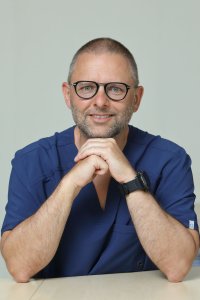
Mikolaj Wrobel
متخصص في استبدال مفصل الركبة بمساعدة الروبوت، حيث يدمج الروبوتات والطباعة ثلاثية الأبعاد لتحقيق الدقة. يجري العمليات في مستشفى كارولينا.
- يعالج حالات مفاصل الركبة والكاحل والقدم
- خبير في جراحات المناظير وإعادة بناء الأربطة
- يجري جراحات المراجعة المعقدة عند الحاجة
- يستخدم تقنيات متقدمة لإصلاح وزراعة الغضروف المفصلي
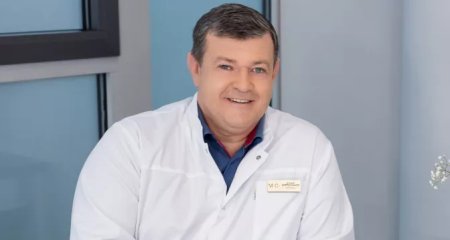
Andrzej Suwara
المراجعات
جميع المراجعات
مشاركة المحتوى
قصص فيديو من مرضى Bookimed
 Anna Leonova
أسئلة متكررة حول جراحة استبدال الركبة الروبوتية في بولندا
ما هي فوائد الجراحة بمساعدة الروبوت مقارنة بالطرق التقليدية؟
توفر الجراحة بمساعدة الروبوت دقة فائقة من خلال التصوير ثلاثي الأبعاد ودقة دون المليمتر. يستخدم هذا النهج طفيف التوغل شقوقاً أصغر من الطرق التقليدية، مما يؤدي إلى حركة أسرع في غضون 24 إلى 48 ساعة. يعاني المرضى من فقدان دم أقل، ومخاطر عدوى أقل، وانخفاض كبير في الاعتماد على مسكنات الألم بعد الجراحة.
- دقة محسنة: تستخدم أنظمة مثل Smith & Nephew Cora التصوير ثلاثي الأبعاد لدقة دون المليمتر.
- تعافي سريع: غالباً ما يحقق المرضى الحركة الكاملة بحلول الأسبوع الثالث بدلاً من أشهر.
- صدمة أقل: تؤدي الشقوق الأصغر إلى تورم أقل وأقل قدر من تلف الأنسجة الرخوة.
- عمر أطول للغرسة: يساعد المحاذاة الدقيقة في تقليل معدلات المراجعة إلى أقل من 5% على المدى الطويل.
رؤية خبير Bookimed: على الرغم من أن التكنولوجيا الروبوتية متقدمة، تظل خبرة الجراح هي المحرك الأساسي للنجاح. في مستشفى كارولينا في وارسو، يدمج جراحون مثل ميكولاي وروبيل الروبوتات مع الطباعة ثلاثية الأبعاد. هذا المزيج مفيد بشكل خاص للحالات المعقدة أو المرضى الذين يعانون من مؤشر كتلة جسم مرتفع حيث يصعب المحاذاة اليدوية. يضمن اختيار مركز طبي متميز تابع للفيفا أن المنشأة تتعامل مع الحجم الكبير اللازم للحفاظ على معدلات النجاح هذه.
إجماع المرضى: يصف الكثيرون التعافي بأنه فرق شاسع مقارنة بالجراحة التقليدية. إنهم يقدرون القدرة على المشي في غضون ساعات من الإجراء والعودة إلى العمل قبل أشهر مما كان متوقعاً.
ما هي المستشفيات المعتمدة في بولندا التي تقدم استبدال الركبة الروبوتي؟
تقدم المستشفيات المعتمدة في بولندا، بما في ذلك مستشفى كارولينا وعيادة KCM، استبدال الركبة بمساعدة الروبوت باستخدام أنظمة CORI وNAVIO. تستخدم هذه المرافق الحاصلة على شهادة ISO 9001 الدقة الروبوتية لتحسين محاذاة الغرسة وتسريع التعافي، حيث تعمل العديد من العيادات كمراكز طبية متميزة تابعة للفيفا.
- التكنولوجيا المتاحة: يستخدم الجراحون أنظمة CORI أو NAVIO للملاحة في الوقت الفعلي والمحاذاة الدقيقة للمفاصل.
- معايير الاعتماد: تحافظ المرافق على شهادات ISO 9001:2015 والاعتراف من الجمعية البولندية للسياحة الطبية.
- جراحو العظام الخبراء: يتخصص الدكتور ميكولاي وروبل في مستشفى كارولينا في تقويم مفصل الركبة الكامل بمساعدة الروبوت.
- جدول التعافي: يحقق المرضى عادةً القدرة على الحركة في غضون 48 ساعة ويمشون دون مساعدة في غضون أسبوعين.
رؤية خبير Bookimed: بينما تضمن الأنظمة الروبوتية الدقة، يتميز مستشفى كارولينا بدمج الطباعة ثلاثية الأبعاد في التخطيط الجراحي. هذا المزيج من الروبوتات والنمذجة ثلاثية الأبعاد المخصصة نادر. وهذا يفسر سبب كونهم الشريك المفضل للجنة الأولمبية البولندية.
إجماع المرضى: يؤكد المرضى على اختيار العيادات الخاصة بدلاً من المستشفيات العامة للحصول على وصول أفضل إلى التكنولوجيا. يوصي الكثيرون بحجز العلاج الطبيعي المحلي مبكرًا لأن الخروج من المستشفى قد يبدو سريعًا.
ما هي المدة التي يحتاجها المرضى الدوليون عادةً للبقاء في بولندا بعد جراحة الركبة الروبوتية؟
عادةً ما يبقى المرضى الدوليون في بولندا لمدة 14 يوماً بعد جراحة الركبة الروبوتية. تغطي هذه الفترة إقامة في المستشفى لمدة 3 أيام للمراقبة و11 يوماً للتعافي المحلي. يطلب الجراحون هذا الإطار الزمني لضمان التئام الجروح، وبدء العلاج الطبيعي، والحصول على التصريح الطبي للسفر الجوي الآمن.
- الإقامة في المستشفى: يقضي المرضى عادةً 3 أيام في عيادات مثل مستشفى كارولينا للتعافي الفوري.
- فترة التعافي: يوصي الجراحون بالبقاء لمدة 14 يوماً في بولندا لمراقبة المضاعفات مثل تجلط الأوردة العميقة.
- بدء العلاج: غالباً ما يبدأ العلاج الطبيعي المهني في غضون 24 ساعة للوصول إلى مراحل الحركة المبكرة بأمان.
- تصريح الطيران: يقدم معظم الأطباء تصاريح السفر الطبي فقط بعد 10 إلى 14 يوماً من العملية.
رؤية خبير Bookimed: بينما تسرع الأنظمة الروبوتية مثل نظام Smith & Nephew Cori في مستشفى كارولينا من الدقة، تظل مدة الإقامة ثابتة من أجل السلامة. تفرض معظم المراكز البولندية عالية المستوى 14 يوماً لأن إعادة التأهيل المكثف المبكر يقلل بشكل كبير من مخاطر المراجعة طويلة الأمد. تتوافق هذه المدة مع معايير مركز التميز الطبي للفيفا (FIFA Medical Centre of Excellence) التي تلتزم بها أفضل المرافق في وارسو.
إجماع المرضى: يؤكد المرضى على أهمية تخصيص ميزانية لإقامة كاملة لمدة 14 يوماً لإدارة ذروة التورم وإكمال تدريب المشي. يندم الكثيرون على العودة إلى المنزل مبكراً، مشيرين إلى أن المساعدة المهنية في الضغط والعناية بالجروح أمر حيوي قبل الرحلات الطويلة.
ما مدى جودة جراحة الأعصاب في بولندا؟
تُقدم جراحة الأعصاب في بولندا رعاية عالية الجودة في مرافق معتمدة من قبل اللجنة الدولية المشتركة (JCI) والمنظمة الدولية للمعايير (ISO). يلتزم جراحو الأعصاب البولنديون بمعايير تدريب صارمة معتمدة من قبل الاتحاد الأوروبي. وقد أكمل العديد منهم زمالات في الولايات المتحدة أو ألمانيا. وتتوفر التقنيات المتقدمة، مثل جهاز سايبر نايف وجهاز جاما نايف والأنظمة الروبوتية، على نطاق واسع في المراكز الخاصة.
- المؤهلات التخصصية: غالباً ما يكون الأطباء أعضاء في الرابطة الأوروبية لجمعيات جراحة الأعصاب.
- التقنيات المتقدمة: تستخدم العيادات أنظمة CyberKnife والموجات فوق الصوتية المركزة الموجهة بالرنين المغناطيسي لعلاج الدماغ غير الجراحي.
- الحجم السريري: تعالج المراكز الرائدة مثل مستشفى الجامعة في كراكوف أكثر من 455000 مريض سنوياً.
- جراحون ذوو خبرة: أجرى الدكتور ماسيج بوجكو من مستشفى كارولينا أكثر من 2500 عملية جراحية بمفرده.
رأي خبراء بوكيمد: تُظهر البيانات وجود علاقة وثيقة بين تخصص العيادة وأصول مرضاها. تعالج عيادة KCM أكثر من 700 مريض دولي سنويًا، وهي متخصصة في جراحة العمود الفقري طفيفة التوغل. يُمكّنها هذا الحجم من العمل من تقديم باقات خدمات متخصصة، تشمل غالبًا حواجز تشخيصية وزرعات محددة،
ما هي مؤهلات جراحي الأعصاب البولنديين؟
يُعدّ جراحو الأعصاب البولنديون متخصصين ذوي كفاءة عالية، إذ أتموا ما لا يقل عن 13 عامًا من التدريب الطبي المكثف. يشمل ذلك ست سنوات من الدراسة في كلية الطب، و13 شهرًا من التدريب العملي، وست سنوات من الإقامة. ويجب عليهم اجتياز امتحان التخصص الحكومي (PES)، وغالبًا ما يحصلون على شهادة من الجمعية الأوروبية لجمعيات جراحة الأعصاب (EANS).
- التعليم: يتلقى الأطباء تعليمهم الطبي (الطب) بعد 6 سنوات من الدراسة في الجامعة.
- التخصص: تشمل الإقامة 6 سنوات من التدريب المعياري في جراحة الأعصاب السريرية وعلم الأشعة العصبية.
- حجم العمليات الجراحية: غالبًا ما يقوم الأطباء المقيمون بإجراء أكثر من 1000 عملية جراحية، وهو ما يتجاوز متوسط حجم التدريب في المناطق الأخرى.
- الشهادات: العديد من المتخصصين أعضاء في منظمة AO Spine أو الجمعية البولندية لجراحة العمود الفقري.
رأي خبراء بوكيميد: تشير البيانات إلى أن جراحي الأعصاب البولنديين غالبًا ما يتخصصون في تقنيات بالغة التخصص، مثل نظام ApiFix أو نظام SED-YESS لتنظير الفقرات القطنية. ويجمع أخصائيون مثل الدكتور ستانيسواف كويك من عيادة KCM بين أبحاث ما بعد الدكتوراه والممارسة الجراحية النشطة. هذا المزيج من المعرفة الأكاديمية المتعمقة والخبرة الجراحية الوا
ما هي أفضل عيادات جراحة الأعصاب في بولندا؟
من بين أفضل عيادات جراحة الأعصاب في بولندا مستشفى كارولينا، وعيادة KCM، ومراكز أكاديمية رائدة مثل مستشفى جامعة كراكوف. تقدم هذه المؤسسات علاجات متطورة لأمراض العمود الفقري والدماغ، مطابقة لمعايير الجودة ISO، وتضم أخصائيين أعضاء في منظمات دولية مثل AO Spine.
- مستشفى كارولينا: مركز التميز الطبي التابع للفيفا، والمتخصص في جراحات العمود الفقري المعقدة ذات التدخل الجراحي المحدود.
- عيادة KCM: معترف بها دوليًا لجودة إجراءات تنظير العمود الفقري، وتخدم أكثر من 700 مريض دولي سنويًا.
- مستشفى جامعة كراكوف: مركز متعدد التخصصات كبير يقوم بإجراء أكثر من 800 عملية جراحية عصبية سنوياً منذ عام 1788.
- لوكسميد: مركز طبي خاص مرموق في وارسو متخصص في جراحة العمود الفقري المتقدمة للمرضى الدوليين.
رأي خبراء بوكيمد: بينما يتجه الكثيرون إلى أكبر المستشفيات، تُظهر البيانات أن عيادات مثل مستشفى كارولينا تُقدم كفاءة أعلى في العمليات الجراحية الاختيارية. فمع وجود أكثر من 40 طبيباً متخصصاً في هذه المنشأة التي تضم 30 سريراً، تكون نسبة الأطباء إلى المرضى أعلى بكثير مما هي عليه في المراكز الجامعية الحكومية. وهذا يعني رعاية ما بعد الجراحة أكثر عناية، وجدولة أسرع بكثير لإجراءات مثل علاج الانزلاق الغضروفي
ما هي أكثر العمليات الجراحية العصبية شيوعاً في بولندا؟
في بولندا، يركز طب جراحة الأعصاب بشكل أساسي على جراحات العمود الفقري واستئصال أورام الدماغ. وتُجري المستشفيات بشكل متكرر عمليات استئصال القرص المجهرية، ودمج الفقرات، وتحفيز الدماغ العميق. وتستخدم مراكز مثل مستشفى كارولينا وعيادة كي سي إم تقنيات طفيفة التوغل لعلاج الانزلاق الغضروفي، وإصابات العمود الفقري، والاضطرابات العصبية المعقدة.
- جراحة العمود الفقري: يعتبر استئصال القرص واستئصال الصفيحة الفقرية من العلاجات الشائعة لانزلاق القرص.
- علم الأورام العصبية: يقوم الأخصائيون بإجراء عمليات جراحية لإزالة أورام الدماغ باستخدام معدات حديثة مثل تقنية سايبر نايف.
- جراحة الأعصاب الوظيفية: يستخدم التحفيز العميق للدماغ (DBS) على نطاق واسع لعلاج اضطرابات الحركة.
- التقنيات طفيفة التوغل: يستخدم الجراحون تقنيات التنظير الداخلي لتخفيف الضغط عن العمود الفقري وعلاج أورام الغدة النخامية.
رأي خبراء بوكيميد: أصبحت بولندا مركزًا متخصصًا في تثبيت العمود الفقري. تتعاون عيادات مثل مستشفى كارولينا مع الفرق الرياضية الوطنية، مما يعكس خبرتها العالية في علاج إصابات العمود الفقري المعقدة. تُظهر بياناتنا أن هذه المؤسسات غالبًا ما تُدمج إعادة التأهيل مباشرةً في العلاج الجراحي. هذا الدمج يقلل من خطر الم
هل تتوفر خدمات إعادة التأهيل العصبي؟
تتوفر خدمات إعادة التأهيل العصبي على نطاق واسع في بولندا من خلال مراكز متخصصة ومستشفيات متعددة التخصصات. وتشمل هذه البرامج التعافي بعد السكتة الدماغية، وإصابات الحبل الشوكي، والأمراض التنكسية. وتقدم مؤسسات مثل مستشفى كارولينا في وارسو وعيادة KCM علاجًا تحت إشراف طبي. وتتضمن معظم برامج جراحة الأعصاب تقييمًا أوليًا لإعادة التأهيل بعد العملية.
- العلاجات المتاحة: تشمل البرامج العلاج الطبيعي العصبي، والعلاج الوظيفي، وعلاج النطق.
- المؤسسات الرائدة: يقدم مستشفى كارولينا والمركز الطبي ENEL-MED في وارسو خدمات إعادة التأهيل.
- طاقم مؤهل: يعمل أخصائيو العلاج الطبيعي العصبي المتخصصون مع جراحي الأعصاب لوضع خطط علاج فردية.
- النطاق: تهدف إعادة التأهيل إلى استعادة الحركة والتوازن والوظائف الإدراكية بعد التدخلات الجراحية المعقدة.
رأي خبراء بوكيمد: تشير البيانات إلى أن العيادات التي تستقبل أعدادًا كبيرة من المرضى الدوليين، مثل عيادة KCM، غالبًا ما تُدرج إعادة التأهيل الأساسية ضمن برامجها الجراحية. تُعد هذه ميزة هامة، إذ قد يكون تنسيق إعادة التأهيل العصبي بشكل مستقل في بولندا أمرًا صعبًا. يضمن اختيار عيادة تضم أخصائي إعادة تأهيل متواجدًا فيها بدء التعافي في غضون 24 ساعة بعد الجراحة، وهو
من هم أفضل جراحي الأعصاب في بولندا؟
من أبرز جراحي الأعصاب البولنديين الدكتور يوري كسينيوك والدكتور ماتشي بويكو من مستشفى كارولينسكا في وارسو. يتخصص هذان الطبيبان في جراحة العمود الفقري طفيفة التوغل وتقنيات التنظير الداخلي. وهما حاصلان على شهادات دولية وعضوان في الجمعية البولندية لجراحة العمود الفقري ومنظمة يوروسباين.
- الدكتور يوري كسينيوك: خبير في جراحة العمود الفقري بالمنظار في مستشفى كارولينا. حائز على جائزة مسابقة فيكسيم الدولية مرتين.
- الدكتور ماتشي بوجكو: مدرب دولي في مجال التنظير الداخلي في مستشفى كارولينا. وقد أجرى أكثر من 2500 عملية جراحية، بما في ذلك استئصال أورام الدماغ.
- الأستاذ ستانيسلاف كفيك: أخصائي في عيادة KCM. يتمتع بخبرة تزيد عن 30 عامًا في مجال تخفيف الضغط بالليزر الحديث.
- الدكتور رادوسلاف ميشاليك: أخصائي في زراعة الأقراص الاصطناعية وأورام العمود الفقري في مستشفى كارولينا.
رأي خبراء بوكيمد: تُظهر البيانات وجود تركيز عالٍ من الأخصائيين ذوي الكفاءة العالية في وارسو. فمستشفى كارولينا وحده يوظف أكثر من 40 أخصائيًا حاصلين على شهادات مزدوجة في جراحة الأعصاب وجراحة العظام. هذا النهج متعدد التخصصات نادر، ويتيح علاجًا أكثر دقة للحالات المعقدة التي تشمل الأعصاب والعظام معًا.
هل يستطيع المرضى الأجانب الحصول على الرعاية الطبية بسهولة؟
يُمكن للمرضى الدوليين الحصول على رعاية جراحية عصبية مُيسّرة في بولندا من خلال مراكز خاصة مُتخصصة في وارسو وجيلينيا غورا. تُتيح هذه المراكز الوصول المُباشر إلى أحدث الإجراءات الجراحية، مثل جراحة سايبر نايف وجراحة العمود الفقري بالمنظار. تُسهّل المستشفيات المُعتمدة من قِبل اللجنة الدولية المشتركة (JCI) والمنظمة الدولية للمعايير (ISO) الإجراءات على المرضى الدوليين من خلال توفير خدمات تنسيق ودعم لغوي مُخصصة.
- الرعاية المتخصصة: تقدم عيادات مثل مستشفى كارولينا خدماتها للمرضى الدوليين من أوروبا وأمريكا الشمالية.
- التقنيات المتقدمة: تقدم العيادات عمليات جراحية معقدة للعمود الفقري باستخدام أنظمة الجراحة الروبوتية مثل CyberKnife و Gamma Knife.
- التنسيق المخصص: غالبًا ما تشمل الرحلات السياحية المنظمة خدمات النقل من وإلى المطار والإقامة المحلية، مما يجعل السفر لتلقي العلاج أسهل.
- جراحون ذوو خبرة: يقوم أطباء مثل الدكتور يوري كسينيوك بإجراء عمليات جراحية دقيقة للغاية وبأقل قدر من التدخل الجراحي في العمود الفقري.
رأي خبراء بوكيميد: تتمتع مراكز جراحة الأعصاب الخاصة في بولندا بميزة مزدوجة: تدفق كبير للمرضى وخبرة متخصصة. فعلى سبيل المثال، يعالج مستشفى جامعة كراكوف أكثر من 450 ألف مريض