استبدال الصمام الأبهري في بولندا — احصل على 3 عيادات مطابقة مع التكاليف


تمت مراجعة المقالة طبيا من قبل
فهد مولود
ما هي تكلفة استبدال الصمام الأبهري في بولندا؟ اكتشف الآن
من $10,500. يعتمد السعر النهائي على الأسلوب الجراحي، ونوع الصمام، وموقع العيادة. تشمل هذه التكاليف عادةً العملية الجراحية، والإقامة في المستشفى، والرسوم الطبية.
- تقنية TAVI طفيفة التوغل: غالباً ما تكون تكلفتها أعلى بسبب استخدام تقنيات صمامات متخصصة.
- نوع الصمام: قد تختلف أسعار الصمامات النسيجية الحيوية عن صمامات القلب الميكانيكية.
- موقع المدينة: ترتفع الأسعار في وارسو بنسبة 15-20% مقارنة بالمراكز الإقليمية مثل أوسترون.
- مستوى المنشأة: تتقاضى مستشفيات القلب المتخصصة رسوماً أعلى، لكنها تحقق معدلات نجاح تقارب 99%.
رأي خبراء Bookimed: تقدم بولندا خياراً قيماً لجراحات القلب بمعدلات نجاح تقارب 100%. تخدم مستشفيات أمريكان هارت أوف بولاند أكثر من 60,000 مريض سنوياً وهي حاصلة على شهادة ISO. يبلغ معدل نجاح عملياتها 99.7%، وهو ما يتجاوز المعايير في العديد من دول أوروبا الغربية. تدرب معظم أطبائهم البالغ عددهم 500 طبيب في الولايات المتحدة أو أوروبا الغربية. يوفر اختيار المراكز الإقليمية مثل أوسترون الكثير من التكاليف مقارنة بالعواصم الكبرى. يضمن هذا الإقبال الكبير حفاظ الجراحين على مستويات مهارة فائقة في استبدال الصمامات المعقدة.
المزايا الرئيسية
لماذا تختار بولندا لاستبدال الصمام الأورطي؟
- عيادات معتمدة: المستشفيات في بولندا معتمدة من قبل مركز مراقبة الجودة في الرعاية الصحية. يضمن هذا الاعتماد الالتزام بمعايير عالية للرعاية الطبية.
- أحدث التقنيات: تستخدم بولندا طرقًا مثل استبدال الصمام الأورطي عبر القسطرة (TAVR) وتستخدم أجهزة مثل أنظمة Edwards SAPIEN 3 وMedtronic CoreValve. هذه الأجهزة مشهورة بمتانتها وأدائها العالي.
- نسب نجاح عالية: فعالية إجراءات استبدال الصمام الأورطي في بولندا مثيرة للإعجاب. تصل نسب النجاح إلى 98%، خاصة لدى المرضى الذين يعانون من تضيق الصمام الأورطي الشديد.
- جراحون خبراء: يعتبر جراحو القلب البارزون في بولندا، والعديد منهم يحملون شهادات المجلس الأوروبي لجراحة الصدر والقلب والأوعية الدموية، قد أجروا أكثر من 500 عملية استبدال للصمام الأورطي. وهذا يظهر خبرتهم الواسعة ومهارتهم العالية.
احصل على حلول متقدمة لاستبدال الصمام الأورطي في عيادات موثوقة من $10,500.
| بولندا | تركيا | إسبانيا | |
|---|---|---|---|
| استبدال الصمام الأبهري | من $10,500 | من $13,100 | من $33,500 |
مزاياك وضماناتك مع Bookimed
أسعار مباشرة
Bookimed لا يضيف رسوماً إضافية على أسعار استبدال الصمام الأبهري. الأسعار مأخوذة من قوائم الأسعار الرسمية للعيادات. تدفع مباشرة في العيادة مقابل استبدال الصمام الأبهري عند وصولك.
عيادات وأطباء معتمدون فقط
Bookimed ملتزم بسلامتك. نحن نعمل فقط مع المؤسسات الطبية التي تحافظ على معايير دولية عالية في استبدال الصمام الأبهري ولديها التراخيص اللازمة لخدمة المرضى الدوليين في جميع أنحاء العالم.
مساعدة مجانية على مدار الساعة
Bookimed يقدم مساعدة خبراء مجانية. منسق طبي شخصي يدعمك قبل وأثناء وبعد العلاج، ويحل أي مشاكل. لن تكون وحيداً أبداً في رحلة استبدال الصمام الأبهري.

منسقك الطبي الشخصي في Bookimed
- يدعمك في كل مرحلة
- المساعدة في اختيار العيادة الطبية المناسبة والطبيب المناسب
- يضمن الوصول السريع والمريح إلى المعلومات
اكتشف أفضل استبدال الصمام الأبهري العيادات في بولندا: 1 خيار معتمدة والأسعار


نظرة عامة على استبدال الصمام الأبهري في بولندا
- استبدال صمام القلب - من $9,500
تستبدل هذه الجراحة صمامات القلب التالفة ، وتحسن تدفق الدم ووظيفة القلب لحياة أكثر صحة.
- الجراحة التجميلية لصمام القلب - من $20,000
تعدل العملية صمامات القلب لتحسين تدفق الدم ، باستخدام تقنيات طفيفة التوغل للتعافي السريع.
- زرع الصمام الأبهري عبر القثطار (TAVI) - من $25,000
يستبدل الإجراء صمام القلب الفاشل باستخدام قسطرة ، مما يقلل من وقت الغزو والتعافي.
- استبدال الصمام الأبهري - من $10,500
تستبدل العملية صمام قلب معطل بصمام صحي ، مما يعزز تدفق الدم ووظيفة القلب.
- استبدال الصمام التاجي للأطفال - من $17,000
تهدف العملية التي تستهدف صحة القلب إلى استبدال الصمام التاجي المعيب للطفل ، وتحسين تدفق الدم.
- استبدال الصمام الأورطي للأطفال - من $16,000
تحل هذه العملية محل صمام قلب الطفل التالف ، مما يحسن تدفق الدم ووظيفة القلب بشكل عام.
- رأب الصمام - من $9,500
هذا العلاج يصلح صمامات القلب ، ويعزز تدفق الدم. إنها طفيفة التوغل وأقل خطورة وتنطوي على تعافي أسرع.
اليوم 1
- الوصول والانتقال إلى الفندق.
- الراحة والتأقلم.
اليوم الثاني
- التحويل للعيادة.
- استشارة جراح قلب.
- الفحوصات الطبية: تخطيط القلب ، أشعة الصدر ، تحاليل الدم.
يوم 3
- إجراءات إضافية إذا لزم الأمر.
- التحضير للجراحة.
اليوم الرابع
- جراحة استبدال الصمام الأورطي.
- يستخدم التخدير العام.
- مدة الجراحة: من 3 إلى 5 ساعات.
يوم 5-7
- رعاية ما بعد الجراحة في العيادة.
- فحوصات منتظمة من قبل الطاقم الطبي.
الأسبوع 2
- الخروج من العيادة.
- الانتقال إلى الفندق.
الأسبوع 3-6
- إعادة التأهيل مع العلاج الطبيعي.
- فحوصات القلب الدورية.
الأسبوع السابع
- العودة إلى الأعمال الخفيفة والأنشطة.
الأسبوع الثامن
- العودة إلى الرياضة والأنشطة الشاقة.
الأسبوع الثاني عشر
- تستطيع أن ترى النتيجة النهائية.
يرجى ملاحظة أن حالة كل مريض فردية وقد تختلف.
- إيداع Bookimed: 200 دولار أو 200 يورو.
- وديعة العيادة: ادفع نسبة محددة مقدمًا.
بصفتنا المنصة العالمية الرائدة في مجال السياحة العلاجية ، فإننا نتحمل مسؤولية كبيرة أمام عملائنا - المرضى والمراكز الطبية على حد سواء. جميع المعلومات المقدمة على Bookimed.com المتعلقة باستبدال الصمام الأبهري في بولندا تستند إلى البحث والتبصر والخبرة وتفي بالاهتمام الكبير المتعلق بالمنتج وما يلي:
نظام التصنيف التلقائي الذكي
نحن نشكل قوائمنا للعيادات والأطباء مع لوائح صارمة لنظام التصنيف التلقائي الذكي الخاص بنا. يعتمد النظام على معدلات Bookimed الحقيقية للمرضى لتوفير المعلومات الأكثر موضوعية وشفافية حول العيادات والخدمات الطبية المتعلقة باستبدال الصمام الأبهري في بولندا هناك.
يجمع عالم البيانات ذو الخبرة لدينا البيانات يوميًا ، ويراقب ويحسن نظام التصنيف باستخدام التعلم الآلي والذكاء الاصطناعي لضمان تحديث نظام التصنيف وتقديم نتائج دقيقة.
تجربة الناس الحقيقية فقط
نحن نجمع آراء عملاء Bookimed فقط بعد الحصول على خبرة طبية مع العيادة - لذلك يمكن للجميع على المنصة الوثوق بالمنشأة التي يختارونها والمتعلقة باستبدال الصمام الأبهري في بولندا. نحن نسعى جاهدين لجعل المحتوى على منصتنا مفيدًا قدر الإمكان ونضمن حرية التعبير عن الآراء النقدية. وبالتالي ، ننشر مراجعات إيجابية وسلبية ، بهدف أن نكون مصدرًا لاتخاذ قرارات مستنيرة لعملائنا في المستقبل.
مواضيع ذات مستويات عالية من الخبرة والسلطة والجدارة بالثقة
على موقع Bookimed.com المتعلق باستبدال الصمام الأبهري في بولندا ، قد تجد الاختيار والراحة للعثور على أفضل الحلول الطبية من كبار مزودي الخدمات الطبية في مكان واحد فقط ، وغالبًا بأسعار تنافسية. للتأكد من تقديم أحدث المعلومات ، يقوم ممثلو العيادة بتحديث السير الذاتية للأطباء ، وقدرات العيادات ، والصور قبل وبعد ، والأسعار ، والحزم ، والعروض الخاصة بأنفسهم قريبًا. يمكنك مقابلة ممثل العيادة والتحقق من تاريخ المحتوى المحدث في صفحة كل عيادة للتأكد من مصداقيتها.
تم إنشاء مدونتنا والقطع الداعمة المتعلقة باستبدال الصمام الأبهري في بولندا من قبل مؤلفين محترفين يتمتعون بخبرة لا تقل عن 3 سنوات في الكتابة الطبية وتحريرها من قبل متخصصين طبيين ذوي خبرة إكلينيكية وبحثية ذات صلة - تم تعيينهم جميعًا بعناية في الفريق. نحن نسعى جاهدين لتعزيز وصول المريض إلى المعلومات الصحية ، مما يجعلها خبيرة ولكن يسهل فهمها. تتبع جميع القطع إرشادات التحرير الخاصة بـ Bookimed.
القيم المحجوزة
نحن مصنوعون من الناس ومن أجلهم - وهذه هي قيمتنا الأساسية. هذا هو السبب في أن جميع البيانات المقدمة على المنصة يتم جمعها وتحريرها ومراجعتها وتحديثها بانتظام من قبل مرضانا وعياداتنا الشريكة وفريقنا ، بما في ذلك المجلس الاستشاري الطبي Bookimed ، الذي يتكون من أطباء مشهورين عالميًا يتمتعون بخبرة قيمة في أكثر من 20 عاما من الممارسة وسمعة طيبة. تعلم المزيد عنا وعن مهمتنا .
في حال وجدت أي خطأ أو كان لديك أي أسئلة حول المعلومات المقدمة على Bookimed.com المتعلقة باستبدال الصمام الأبهري في بولندا ، فلا تتردد في الاتصال بنا على marketing@bookimed.com .
قصص فيديو من مرضى Bookimed
مشاركة المحتوى
 Anna Leonova
حقائق سريعة عن استبدال الصمام الأبهري
استبدال الصمام الأبهري
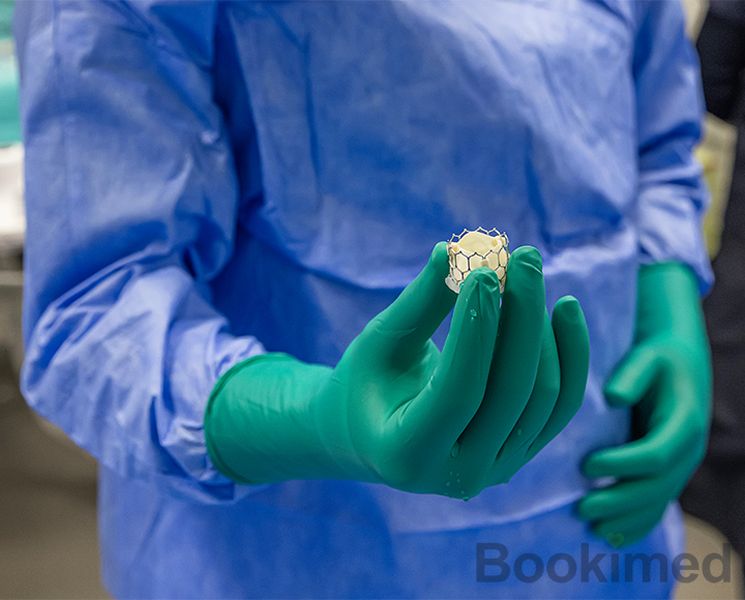
ينطوي هذا الإجراء على استبدال الصمام الأبهري المريض بصمام ميكانيكي أو صمام اصطناعي حيوي لتحسين وظيفة القلب.
أسئلة متكررة حول استبدال الصمام الأبهري في بولندا
ما هي المخاطر الرئيسية والمضاعفات المحتملة لاستبدال الصمام الأبهري؟
ينطوي استبدال الصمام الأبهري على مخاطر مثل عدم انتظام ضربات القلب المؤقت، والنزيف، وجلطات الدم. تحافظ المراكز المتخصصة في بولندا على معايير سلامة عالية. تحدث مضاعفات كبيرة مثل السكتة الدماغية أو العدوى في نسبة صغيرة من الحالات. تصل معدلات نجاح عمليات القلب إلى 99.7% في شبكات القلب والأوعية الدموية البولندية الرائدة.
- إيقاع القلب: قد تتطلب حالات عدم انتظام ضربات القلب أو الرجفان الأذيني جهاز تنظيم ضربات القلب مؤقتًا أو دائمًا.
- النزيف الحاد: ينطوي الاستبدال الجراحي على خطر فقدان دم كبير بنسبة 3-5%.
- الأحداث العصبية: تحدث السكتة الدماغية أو الارتباك لدى 2-5% من المرضى أثناء التعافي.
- عدوى الصمام: يصيب التهاب الشغاف 1-2% من المرضى ويتطلب علاجًا مكثفًا بالمضادات الحيوية.
- الوصول الوعائي: تزيد التقنيات طفيفة التوغل مثل TAVR من خطر إصابات شرايين الساق.
رؤية خبير Bookimed: تظهر البيانات من المراكز البولندية الكبرى مثل American Heart of Poland معدل نجاح قدره 99.7%. غالبًا ما ينبع هذا الأداء العالي من وضعها كأكبر شبكات القلب والأوعية الدموية الخاصة في أوروبا. تدير هذه العيادات أكثر من 60,000 مريض سنويًا. يضمن هذا الحجم احتفاظ الجراحين بأقصى درجات الكفاءة التقنية، مما يقلل بشكل مباشر من معدلات الخطأ الجراحي.
إجماع المرضى: يؤكد المرضى على أهمية إكمال فحوصات الأسنان قبل الجراحة لمنع التهابات الصمامات. يلاحظ الكثيرون أن التعب بعد الجراحة يستمر من 3 إلى 6 أشهر، وهو ما يتجاوز غالبًا توقعاتهم الأولية.
كيف يتم إجراء استبدال الصمام الأبهري وما هي الأساليب الجراحية المستخدمة؟
يقوم الجراحون بإجراء استبدال الصمام الأبهري باستخدام ثلاث طرق رئيسية: استبدال الصمام الأبهري الجراحي (SAVR) عبر بضع القص، الجراحة طفيفة التوغل، أو استبدال الصمام الأبهري عبر القسطرة (TAVR). تستبدل هذه التقنيات الصمامات المريضة بأطراف صناعية ميكانيكية أو بيولوجية لاستعادة تدفق الدم المناسب عبر القلب.
- الاستبدال الجراحي (SAVR): يستخدم الجراحون شقاً بطول 15-25 سم بينما تدعم آلة القلب والرئة الدورة الدموية.
- SAVR طفيف التوغل: تقلل الشقوق الصغيرة على شكل حرف J أو بضع الصدر عبر الضلوع وقت التعافي إلى 4-6 أسابيع.
- نهج القسطرة (TAVR): يوجه الأطباء قسطرة عبر الشريان الفخذي لنشر صمام يعتمد على الدعامة.
- الجراحة بمساعدة الروبوت: تستخدم المراكز المتخصصة أنظمة روبوتية لإجراء بضع الصدر المصغر بدقة، مما يقلل بشكل كبير من الندبات بعد الجراحة.
رؤية خبير Bookimed: تقدم بولندا معدل نجاح جراحي بنسبة 99.7% في المراكز الكبرى مثل American Heart of Poland. ينبع هذا الأداء العالي من حجم هائل يبلغ 60,000 مريض سنوياً. غالباً ما يقوم الجراحون ذوو الخبرة هنا بإجراء أكثر من 50 عملية استبدال صمام كل عام. هذا الحجم هو مؤشر رئيسي للسلامة والدقة الجراحية.
إجماع المرضى: يقدر المرضى سرعة التعافي من TAVR، وغالباً ما يغادرون المستشفى بعد يومين. يوصي أولئك الذين يختارون الصمامات الميكانيكية بالاستعداد لصوت نقر خفيف وتناول الأدوية مدى الحياة.
ما هو نوع الصمام البديل (نسيجي مقابل ميكانيكي) الذي يجب أن أختاره وكم تدوم مدة صلاحيته؟
تدوم الصمامات الميكانيكية عادةً من 20 إلى 30 عاماً أو أكثر. غالباً ما تخدم مدى الحياة ولكنها تتطلب مميعات دم دائمة. الصمامات النسيجية، المصنوعة من خلايا حيوانية، تدوم عادةً من 10 إلى 20 عاماً. تتجنب هذه الصمامات الأدوية مدى الحياة ولكنها غالباً ما تتطلب جراحة استبدال في المستقبل.
- المتانة الميكانيكية: تتجاوز عادةً 20 عاماً. الأفضل للمرضى الذين تقل أعمارهم عن 50 عاماً.
- عمر النسيج: يبلغ متوسطه 10 إلى 20 عاماً. مفضل للمرضى الذين تزيد أعمارهم عن 65 عاماً.
- متطلبات الدواء: تتطلب الصمامات الميكانيكية مضادات تخثر مدى الحياة. هذا يمنع تجلط الدم.
- إعادة الجراحة مستقبلاً: قد تحتاج الصمامات النسيجية المتدهورة إلى استبدال. غالباً ما يتم استخدام TAVI.
- التخصص البولندي: غالباً ما تحافظ المراكز الكبيرة على معدلات نجاح تصل إلى 99.7% للعمليات.
رؤية خبير Bookimed: بينما تتجنب الصمامات النسيجية مميعات الدم، تظهر بياناتنا أن المرضى الأصغر سناً غالباً ما يندمون على هذا الاختيار. يواجه أولئك في الثلاثينيات من عمرهم غالباً إعادة الجراحة في غضون 5 إلى 10 سنوات. في بولندا، توفر العيادات الخاصة مثل American Heart of Poland وصولاً أسرع إلى الخيارات الميكانيكية. غالباً ما تستخدم هذه العيادات جراحين مدربين في أوروبا الغربية لحالات الصمامات المعقدة.
إجماع المرضى: يعطي المرضى الأكبر سناً الأولوية للصمامات النسيجية لتجنب عناء إدارة مميعات الدم. يقدر المرضى الأصغر سناً طبيعة الصمامات الميكانيكية التي تُركب مرة واحدة رغم الح
كم تستغرق فترة التعافي وما الذي يمكنني توقعه أثناء الإقامة في المستشفى وفي المنزل؟
يستغرق التعافي الأولي بعد استبدال الصمام الأورطي في بولندا من 6 إلى 12 أسبوعاً. عادة ما يبقى المرضى في المستشفى لمدة 4 إلى 7 أيام. يقوم المتخصصون في مرافق مثل American Heart of Poland بمراقبة العلامات الحيوية عن كثب قبل السماح للمرضى بالخروج بمجرد قدرتهم على المشي والتحكم في الألم.
- المراقبة في المستشفى: تتم المراقبة في وحدة العناية المركزة مع وجود أنابيب وتصريفات خلال اليومين الأولين.
- الحركة المبكرة: يبدأ المشي في الممرات عادةً في اليوم الرابع لمنع حدوث جلطات دموية.
- القيود في المنزل: لا يُسمح بالقيادة أو رفع أثقال تزيد عن 5 أرطال (حوالي 2.3 كجم) لمدة 4 إلى 6 أسابيع.
- إدارة الأعراض: توقع إرهاقاً كبيراً وتنملاً حول منطقة الجرح لعدة أشهر.
- الشفاء طويل الأمد: تُستأنف الأنشطة الكاملة والعمل البدني عادةً في غضون 3 إلى 4 أشهر.
رؤية خبير Bookimed: توفر بولندا ميزة أمان عالية حيث تحمل العديد من العيادات شهادة "مستشفى بلا ألم". يضمن هذا المعيار بروتوكولات تخدير متخصصة وإدارة قوية للألم بعد الجراحة. تُظهر إحصائيات American Heart of Poland معدل نجاح جراحي بنسبة 99.7%، مما يؤكد أن إعادة التأهيل القلبي المنظمة هنا تضاهي جودة المستوى الأول في أوروبا الغربية.
إجماع المرضى: غالباً ما يكون الألم الجسدي محتملاً، لكن العبء العاطفي والإرهاق الشديد في الأسبوع الثالث قد يكون مفاجئاً. استخدام وسادة إسفينية للنوم وضم وسادة إلى الصدر عند السعال أمر ضروري للراحة.
كيف أعرف ما إذا كنت مرشحاً مناسباً لإجراء طفيف التوغل أو استبدال الصمام الأبهري عبر القسطرة (TAVI) بدلاً من الجراحة التقليدية؟
يركز الملاءمة الطبية لزراعة الصمام الأبهري عبر القسطرة (TAVI) على المرضى الذين يعانون من مخاطر جراحية عالية، أو وهن متقدم، أو أمراض مصاحبة شديدة. عادة ما يشمل المرشحون أولئك الذين تزيد أعمارهم عن 75 عاماً ويعانون من تكلس الشريان الأبهري أو أمراض الرئة. تتطلب الأهلية المثلى وجود شرايين فخذية سليمة للوصول عبر القسطرة وتشريح أبهري محدد يتم تأكيده عبر تصوير الأوعية المقطعي.
- ملف المخاطر الجراحية: يناسب TAVI المرضى الذين لديهم درجات مخاطر STS عالية أو تلف شديد في الأعضاء.
- المتطلبات التشريحية: هناك حاجة إلى شرايين ساق كبيرة وسليمة لتوصيل القسطرة بأمان إلى القلب.
- هيكل الصمام: يفضل استخدام الصمامات ثلاثية الشرفات؛ غالباً ما تتطلب الصمامات ثنائية الشرفات جراحة قلب مفتوح تقليدية.
- اعتبارات العمر: غالباً ما يختار المرضى الذين تقل أعمارهم عن 70 عاماً الجراحة بسبب متانة الصمام المثبتة لمدة 20 عاماً.
رؤية خبير Bookimed: تحافظ مراكز القلب الرائدة في بولندا، مثل American Heart of Poland، على معدل نجاح 99.7% في عمليات القلب. بينما يسعى الكثيرون للحصول على TAVI بسبب تعافيها الأسرع، تظهر بياناتنا أن العيادات تعطي الأولوية للتصوير التشريحي على العمر. يعد تصوير الأوعية المقطعي المفصل أهم عامل لأهلية TAVI في مراكز وارسو أو كراكوف.
إجماع المرضى: يجد العديد من المرضى أن تشريحهم الجسدي، وخاصة صحة الشرايين الطرفية، يملي الإجراء أكثر من التفضيلات الشخصية. يؤكد معظمهم على أهمية الحصول على تصوير عالي الدقة في وقت مبكر للتأكد مما إذا كان يمكن ل
ما هي المستشفيات الجامعية أو المراكز ذات الحجم الكبير في بولندا المتخصصة في جراحة الصمام الأورطي وما هي المؤهلات التي يجب أن أبحث عنها؟
تجري بولندا جراحات الصمام الأورطي ذات الحجم الكبير في مراكز مثل American Heart of Poland، والتي تحقق معدل نجاح جراحي بنسبة 99.7%. تشمل المرافق الرئيسية مركز سيليزيا لأمراض القلب ومستشفى جامعة جوراش. ابحث عن جراحين حاصلين على شهادة EBCTS ومرافق حاصلة على اعتماد ISO 9001.
- أهم المراكز: American Heart of Poland ومستشفى جامعة جوراش هما الرائدان في حجم استبدال الصمامات.
- مؤهلات الجراح: ابحث عن شهادة المجلس الأوروبي لجراحة القلب والصدر (EBCTS) وأكثر من 500 عملية ناجحة.
- معايير المرافق: أعط الأولوية للعيادات التي تحتوي على غرف عمليات هجينة وأنظمة إدارة الجودة ISO 9001.
- مراقبة الجودة: تحقق من الاعتراف من المركز البولندي لمراقبة الجودة في الرعاية الصحية.
رؤية خبير Bookimed: بينما توفر المستشفيات الجامعية عمقاً أكاديمياً، تدير الشبكات الخاصة مثل American Heart of Poland 60,000 مريض سنوياً. يساهم هذا الحجم الهائل في معدل نجاحهم البالغ 99.7%. غالباً ما يضمن اختيار المراكز ذات الحجم الكبير الوصول إلى أحدث غرف العمليات الهجينة وفرق التخدير المتخصصة.
إجماع المرضى: يؤكد المرضى على أهمية التحقق من أن المركز يجري أكثر من 150 عملية استبدال للصمام الأورطي سنوياً. يوصي الكثيرون بطلب تقييم مخاطر EuroSCORE II وتأكيد دعم ECMO في الموقع قبل تحديد موعد الجراحة.
كيف يجب أن أستعد في الأسابيع التي تسبق جراحة صمام القلب الأورطي في بولندا وما الذي يجب أن أحضره معي؟
تتطلب الاستعداد لجراحة صمام القلب الأورطي في بولندا التوقف عن التدخين قبل 4 أسابيع وتنسيق الوثائق الطبية مع عيادتك. يجب على المرضى إحضار أغراض للراحة الجسدية، مثل الملابس التي تُفتح من الأمام، بالإضافة إلى أدوات تناول الطعام الشخصية والوجبات الخفيفة الغنية بالبروتين لتكملة معايير تقديم الطعام في المستشفيات البولندية.
- التصريح الطبي: قم بتحسين مستويات ضغط الدم وسكر الدم قبل أسبوعين من الجراحة للمساعدة في الشفاء.
- صحة الأسنان: قم بزيارة طبيب الأسنان للقضاء على البكتيريا الفموية التي تسبب مضاعفات قلبية بعد الجراحة.
- أساسيات الجناح: أحضر طبقًا وكوبًا وأدوات مائدة لأن المستشفيات عادة لا توفرها.
- الملابس: احزم ملابس علوية تُفتح من الأمام لتناسب أسلاك مراقبة القلب وموقع شق جراحة الصدر.
رؤية خبير Bookimed: غالبًا ما يتمتع كبار المتخصصين في بولندا، مثل أولئك الموجودين في مستشفيات American Heart of Poland، بتدريب في أوروبا الغربية. بينما تقدم العيادات الخاصة معدل نجاح يصل إلى 99.7%، فإنها تتبع بروتوكولات نظافة محددة. يجب على المرضى إحضار مخفوقات بروتين عالية الجودة للمساعدة في التعافي إذا كان البلع صعبًا بعد الجراحة.
إجماع المرضى: يقترح العديد من المرضى إحضار وسادة شخصية لأن خيارات المستشفى غالبًا ما تكون رقيقة. يؤكد معظمهم على استخدام تطبيق ترجمة للتواصل بسرعة مع طاقم الجناح أثناء التعافي.
ما مدى جودة جراحة الأعصاب في بولندا؟
تُقدم جراحة الأعصاب في بولندا رعاية عالية الجودة في مرافق معتمدة من قبل اللجنة الدولية المشتركة (JCI) والمنظمة الدولية للمعايير (ISO). يلتزم جراحو الأعصاب البولنديون بمعايير تدريب صارمة معتمدة من قبل الاتحاد الأوروبي. وقد أكمل العديد منهم زمالات في الولايات المتحدة أو ألمانيا. وتتوفر التقنيات المتقدمة، مثل جهاز سايبر نايف وجهاز جاما نايف والأنظمة الروبوتية، على نطاق واسع في المراكز الخاصة.
- المؤهلات التخصصية: غالباً ما يكون الأطباء أعضاء في الرابطة الأوروبية لجمعيات جراحة الأعصاب.
- التقنيات المتقدمة: تستخدم العيادات أنظمة CyberKnife والموجات فوق الصوتية المركزة الموجهة بالرنين المغناطيسي لعلاج الدماغ غير الجراحي.
- الحجم السريري: تعالج المراكز الرائدة مثل مستشفى الجامعة في كراكوف أكثر من 455000 مريض سنوياً.
- جراحون ذوو خبرة: أجرى الدكتور ماسيج بوجكو من مستشفى كارولينا أكثر من 2500 عملية جراحية بمفرده.
رأي خبراء بوكيمد: تُظهر البيانات وجود علاقة وثيقة بين تخصص العيادة وأصول مرضاها. تعالج عيادة KCM أكثر من 700 مريض دولي سنويًا، وهي متخصصة في جراحة العمود الفقري طفيفة التوغل. يُمكّنها هذا الحجم من العمل من تقديم باقات خدمات متخصصة، تشمل غالبًا حواجز تشخيصية وزرعات محددة،
ما هي مؤهلات جراحي الأعصاب البولنديين؟
يُعدّ جراحو الأعصاب البولنديون متخصصين ذوي كفاءة عالية، إذ أتموا ما لا يقل عن 13 عامًا من التدريب الطبي المكثف. يشمل ذلك ست سنوات من الدراسة في كلية الطب، و13 شهرًا من التدريب العملي، وست سنوات من الإقامة. ويجب عليهم اجتياز امتحان التخصص الحكومي (PES)، وغالبًا ما يحصلون على شهادة من الجمعية الأوروبية لجمعيات جراحة الأعصاب (EANS).
- التعليم: يتلقى الأطباء تعليمهم الطبي (الطب) بعد 6 سنوات من الدراسة في الجامعة.
- التخصص: تشمل الإقامة 6 سنوات من التدريب المعياري في جراحة الأعصاب السريرية وعلم الأشعة العصبية.
- حجم العمليات الجراحية: غالبًا ما يقوم الأطباء المقيمون بإجراء أكثر من 1000 عملية جراحية، وهو ما يتجاوز متوسط حجم التدريب في المناطق الأخرى.
- الشهادات: العديد من المتخصصين أعضاء في منظمة AO Spine أو الجمعية البولندية لجراحة العمود الفقري.
رأي خبراء بوكيميد: تشير البيانات إلى أن جراحي الأعصاب البولنديين غالبًا ما يتخصصون في تقنيات بالغة التخصص، مثل نظام ApiFix أو نظام SED-YESS لتنظير الفقرات القطنية. ويجمع أخصائيون مثل الدكتور ستانيسواف كويك من عيادة KCM بين أبحاث ما بعد الدكتوراه والممارسة الجراحية النشطة. هذا المزيج من المعرفة الأكاديمية المتعمقة والخبرة الجراحية الوا
ما هي أفضل عيادات جراحة الأعصاب في بولندا؟
من بين أفضل عيادات جراحة الأعصاب في بولندا مستشفى كارولينا، وعيادة KCM، ومراكز أكاديمية رائدة مثل مستشفى جامعة كراكوف. تقدم هذه المؤسسات علاجات متطورة لأمراض العمود الفقري والدماغ، مطابقة لمعايير الجودة ISO، وتضم أخصائيين أعضاء في منظمات دولية مثل AO Spine.
- مستشفى كارولينا: مركز التميز الطبي التابع للفيفا، والمتخصص في جراحات العمود الفقري المعقدة ذات التدخل الجراحي المحدود.
- عيادة KCM: معترف بها دوليًا لجودة إجراءات تنظير العمود الفقري، وتخدم أكثر من 700 مريض دولي سنويًا.
- مستشفى جامعة كراكوف: مركز متعدد التخصصات كبير يقوم بإجراء أكثر من 800 عملية جراحية عصبية سنوياً منذ عام 1788.
- لوكسميد: مركز طبي خاص مرموق في وارسو متخصص في جراحة العمود الفقري المتقدمة للمرضى الدوليين.
رأي خبراء بوكيمد: بينما يتجه الكثيرون إلى أكبر المستشفيات، تُظهر البيانات أن عيادات مثل مستشفى كارولينا تُقدم كفاءة أعلى في العمليات الجراحية الاختيارية. فمع وجود أكثر من 40 طبيباً متخصصاً في هذه المنشأة التي تضم 30 سريراً، تكون نسبة الأطباء إلى المرضى أعلى بكثير مما هي عليه في المراكز الجامعية الحكومية. وهذا يعني رعاية ما بعد الجراحة أكثر عناية، وجدولة أسرع بكثير لإجراءات مثل علاج الانزلاق الغضروفي