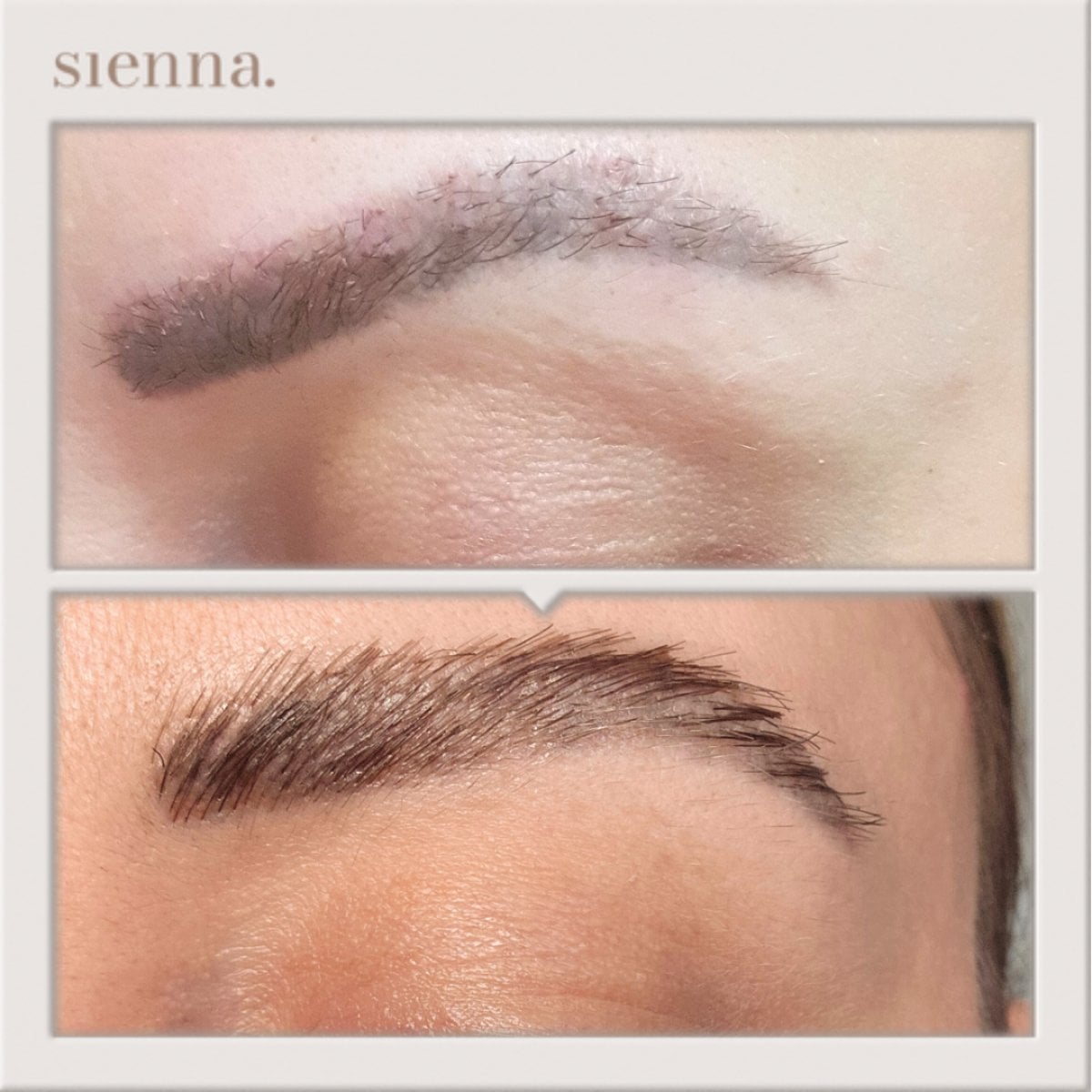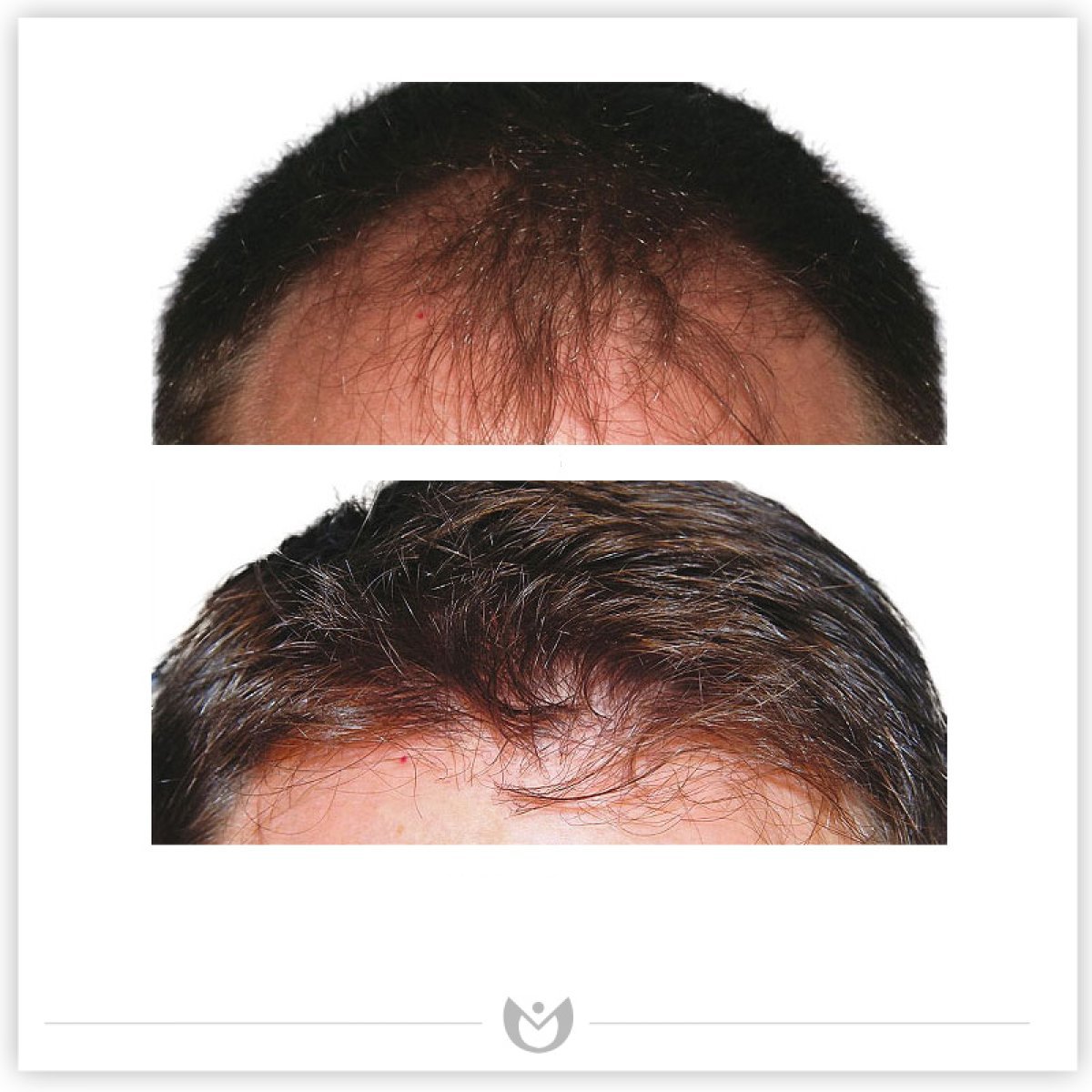
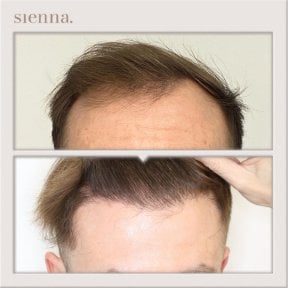
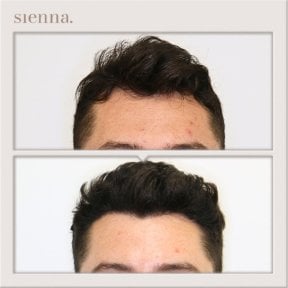
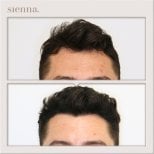
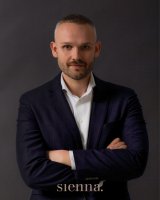
يقود الدكتور أنتوني كراييفسكي دورات زراعة الشعر بتقنية FUE بالتعاون مع مركز تعليم طبي، حيث يشارك خبراته المتخصصة. قد تتراوح تكلفة الإجراءات بين 2500 دولار و11100 دولار. يقوم بتدريب الآخرين على تقنية FUE ويركز على راحة المريض مع معايير سلامة عالية.


تمت مراجعة المقالة طبيا من قبل
فهد مولود
تتراوح تكلفة زراعة الشعر في بولندا عادةً ما بين $2,300 و $3,800. تختلف الأسعار بناءً على تقنية الاستخراج وعدد البصيلات وموقع العيادة في مدن مثل وارسو أو فروتسواف أو كاتوفيتسه. تشمل الباقات المعتادة الاستشارة والفحوصات قبل العملية والتخدير الموضعي وزيارات المتابعة.
رأي خبراء Bookimed: تقدم بولندا خياراً قيّماً يجمع بين المراكز الاقتصادية والعيادات الغربية الفاخرة. أجرى الدكتور أرتور سانديليفسكي في مركز سان ميديكال أكثر من 1,600 عملية FUE. غالباً ما يؤدي هذا المستوى العالي من الخبرة إلى الحصول على خط شعر طبيعي المظهر. تضمن العيادات المعتمدة من ISHRS جودة تضاهي المعايير الأمريكية. ويجد المرضى الدوليون رعاية ذات تصنيف 5 نجوم في مدن مثل بييلسكو-بيالا أو ييلينيا غورا.
| بولندا | تركيا | تايلاند | |
|---|---|---|---|
| زراعة الشعر | من $2,300 | من $1,500 | من $2,400 |
| زرع الشعر للنساء | من $2,300 | من $1,700 | من $3,000 |
| زرع الشعر بتقنية FUT | ≈ $2,800 | من $1,500 | من $3,800 |
| زرع الشعر بتقنية FUE | من $3,500 | من $1,500 | من $2,400 |
| زرع الشعر بتقنية DHI | ≈ $2,600 | من $1,800 | من $3,000 |
يقود الدكتور أنتوني كراييفسكي دورات زراعة الشعر بتقنية FUE بالتعاون مع مركز تعليم طبي، حيث يشارك خبراته المتخصصة. قد تتراوح تكلفة الإجراءات بين 2500 دولار و11100 دولار. يقوم بتدريب الآخرين على تقنية FUE ويركز على راحة المريض مع معايير سلامة عالية.
تلتزم Bookimed، وهي منصة عالمية رائدة في مجال السياحة الطبية، بمساعدة العملاء الذين يبحثون عن زراعة الشعر في بولندا من خلال تقديم مساعدة الخبراء والحلول الطبية الجديرة بالثقة لكل حالة. يُستخدم نظام التصنيف التلقائي الذكي لإنشاء قوائم عيادات شفافة، ويتم صيانتها بدقة بواسطة عالم بيانات يستخدم الذكاء الاصطناعي للتأكد من دقتها. تضمن المنصة الأصالة من خلال نشر مراجعات من مرضى حقيقيين بعد علاجهم. يقدم Bookimed حلولاً طبية شاملة، مع تحديثات من العيادات لضمان الثقة. المحتوى الخاص بزراعة الشعر في بولندا، والذي وضعه مؤلفون طبيون ذوو خبرة ومراجعته من قبل متخصصين، يلتزم بإرشادات التحرير الخاصة بـ Bookimed ، مما يعكس التزام المنصة بتقديم معلومات صحية واضحة وعالية الجودة. لمزيد من التفاصيل أو الاستفسارات، لا تتردد في الاتصال بنا على Marketing@bookimed.com أو معرفة المزيد عنا وعن مهمتنا عن Bookimed .
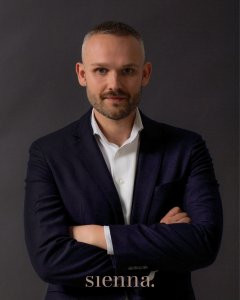
يتخصص الدكتور أنتوني كرايفسكي في زراعة الشعر بتقنية FUE، ويقوم بتدريس هذه التقنية في مركز لوكس ميد للتعليم الطبي.
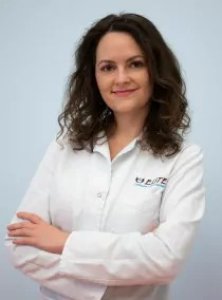
الدكتورة أوليفيا زيايا تطوّر مهاراتها في الطب التجميلي عبر تدريبات وورش عمل مستمرة. تلتزم بالمعايير الحديثة والأساليب المثبتة، وتركّز ممارستها على نتائج طبيعية وسلامة المريض. يُخصَّص كل إجراء بحيث يشعر المرضى بالثقة والراحة ويبدون بمظهر متناغم.
في العيادة، تُجري الدكتورة زيايا أيضاً عمليات زراعة الشعر. يتطلّب هذا العمل دقّة وصبراً، وهي توفّر رعاية شاملة قبل الإجراء وبعده. الهدف هو مساعدة المرضى على استعادة كثافة الشعر، والثقة بالنفس، والمظهر الطبيعي.
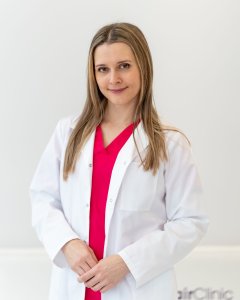
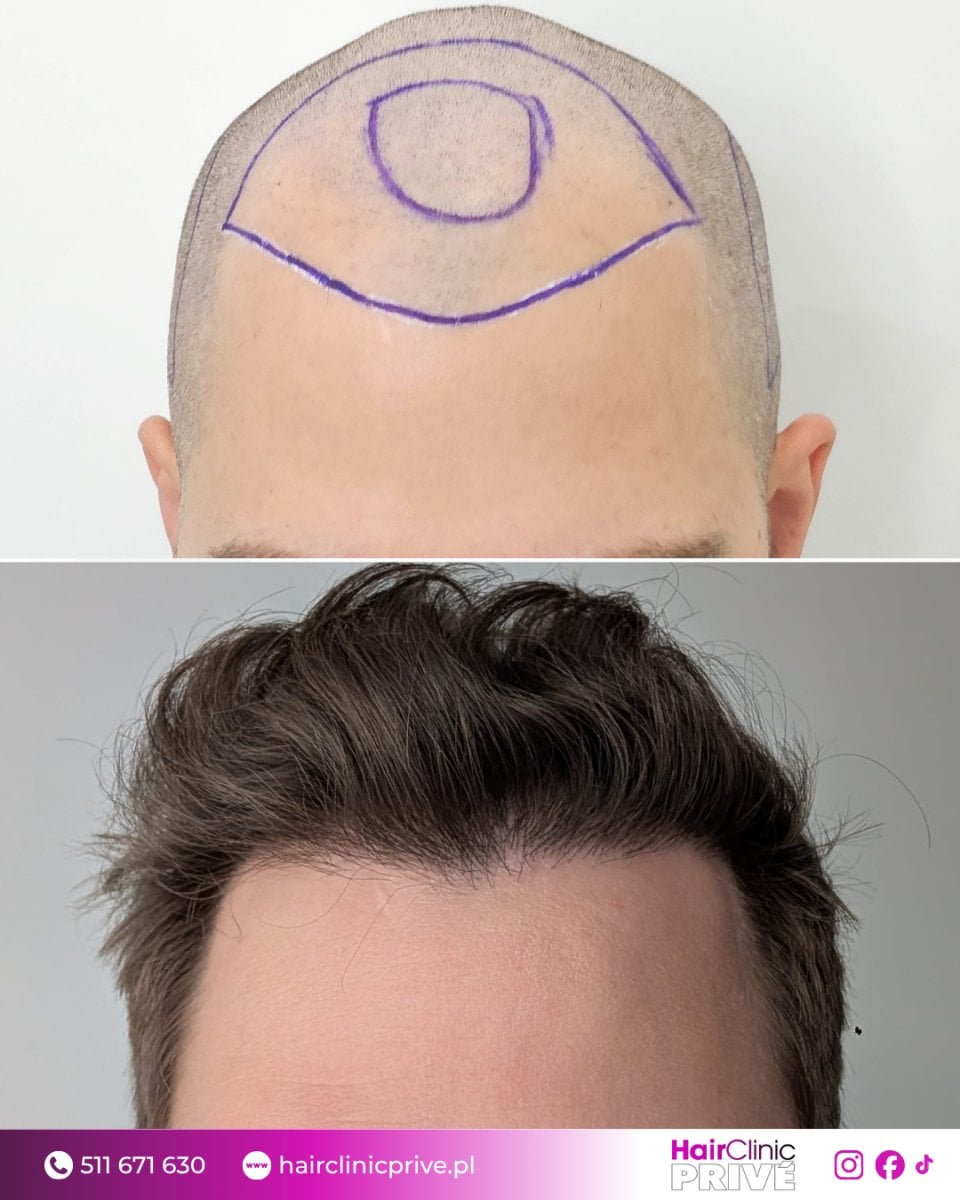
الدكتورة ماريا زابلافا هي أخصائية زراعة شعر في عيادة Hair Clinic PRIVÉ في غدانسك. تدمج خلفيتها في التخدير لإجراء عمليات استعادة شعر غير مؤلمة. تركز على تصميم خط شعر طبيعي وكثافة شعر مثالية. يضمن تدريبها الطبي معايير سلامة عالية خلال كل جلسة جراحية.


كتب بواسطة Kateryna Zamkovska

كتب بواسطة Kateryna Zamkovska

كتب بواسطة Kateryna Zamkovska

كتب بواسطة Anna Leonova

كتب بواسطة Anna Leonova
 Anna Leonova
A hair transplant in Poland costs $2,400 to $6,500 – 60% to 70% less than the same operation in the US, and the clinics above show what each one charges. Price is the easy part to compare. The bigger decisions come next: whether the timing is right for you, how to plan grafts that last a lifetime, who operates, and what recovery looks like.
A hair transplant suits adults whose hair loss has settled into a stable pattern. It works best when you still have enough healthy hair at the back and sides to move. What counts as enough is something a surgeon measures, not something judged by eye: they count how many follicular units still grow per square centimeter in that permanent band, and set that reserve against the area you want covered. Dermatologists reduce it to two conditions that have to hold together – enough healthy hair on your scalp to move, and a thinning area that can still grow hair.
Before agreeing a plan, a surgeon checks your health, the cause of your thinning, and your donor supply. Not everyone is ready at the first visit. A clinic should tell you so plainly.
Some situations are better treated or brought under control before surgery. In these cases a surgeon asks you to wait:
Two things keep recovery on track: a surgeon leads every step, and the clinic works under clean, sterile conditions. Before surgery, the clinic screens who the procedure fits and sets honest expectations about coverage and density.
The published record backs that up. In one series of nearly 2,900 patients followed over ten years, no complication was life-threatening, and what did occur was minor:
Screening is what keeps that list short. Past it, the effects to expect are the ordinary ones – temporary swelling, small crusts, brief numbness – and they settle as the scalp heals.
There is a safe ceiling on how many grafts you can have, set by your donor area. This is the band of permanent hair at the back and sides. Your surgeon plans within it.
The hair roots at the back and sides keep growing for life. Once they are moved, though, they do not grow back. That makes them a one-time resource to use carefully.
The exact number depends on your own donor area. That reserve of permanent hair is limited, and once it is moved it does not renew. A surgeon plans conservatively to protect your coverage for the future.
In one session, a surgeon harvests only about 10% to 20% of the follicular units growing in any one patch of the donor area – for a donor density of 80 units per square centimeter, that is 8 to 16 units. The back of your head still looks full afterward.
The donor area heals with mild, short-lived tightness and numbness that settle as the skin recovers. Polish clinics take grafts one small group at a time through very fine punches. Spacing out the extraction this way protects the donor area.
An honest plan you can build on over time is what protects your donor area.
In Poland's clinics, a licensed doctor performs the key steps in person. That means planning your hairline, taking the grafts, and making the channels they go into.
These are the steps that professional surgical guidelines say a doctor should carry out in person. Motorized or robotic tools guide the doctor's hand while the surgeon still performs the step.
Poland's clinics tend to keep small, surgeon-led lists with only a few patients a day. The named surgeon you choose is the one who operates on you.
For example, OT.CO Clinic keeps a deliberately small list of up to 170 transplants a year. Its lead surgeon, Dr. Piotr Turkowski, is a member of the International Society of Hair Restoration Surgery (ISHRS).
It is fair to ask any clinic, in writing, to confirm a few basics in advance. The ISHRS patient-safety checklist includes these questions to ask:
A Bookimed coordinator can help you put these questions to the clinic. Patients comparing Poland with Turkey weigh this hands-on, surgeon-led care and Poland's place in the European Union.
Every doctor licensed to practice in Poland is listed in a public national register kept by the country's medical chamber. Patients used to strict medical oversight at home can check that register themselves.
You can confirm a surgeon's standing by matching their full name and license number against that register. A Bookimed coordinator can ask the clinic for the license number so you can look it up.
Surgeons who focus on aesthetic and reconstructive work can also be listed by Poland's plastic-surgery society. That is a second public record of their credentials.
For example, San-Medical Clinic holds accreditation from the ISHRS, the international body named above.
As a European Union member, Poland applies shared EU rules on medical-record protection, device safety, and patient complaint routes. These give you the same baseline legal protections you would expect at home.
PRP is linked to better healing and earlier growth after a transplant. Polish clinics commonly offer it as an add-on.
PRP is short for platelet-rich plasma. A small amount of your own blood is spun down to concentrate its natural growth factors. These are then applied around the newly placed grafts. There, they encourage new blood supply and help the grafts settle in.
Two kinds of study back it up:
The extra benefit is modest but consistent across studies, so PRP is a reasonable, evidence-backed addition to a transplant.
You see your final result for the front hairline about 12 months after surgery. The crown fills in more slowly and can take up to around 18 months. Once it grows in, transplanted hair is a permanent restoration.
In the first few weeks the transplanted hairs shed. This early shedding is normal: the root stays anchored under the skin and grows a fresh hair later. Around weeks two to four, the visible transplanted hairs fall out. Nearby native hairs can thin briefly before recovering.
Months one to three look close to how you started while the roots rest. Fine new hairs start breaking through from about month four. By month six, most grafts are growing.
The crown takes longer than the hairline because it has a slower blood supply. Its swirl pattern is also harder to fill evenly. Polish clinics tend to offer scalp imaging at follow-up, so you can track regrowth objectively over these months.
It is best to wait a couple of days before flying home. Give the new grafts a week to ten days to settle before any real friction on the scalp.
A few simple steps keep pressure and friction off the new grafts on the way home:
Standard recovery advice is to avoid heavy lifting and strenuous activity in the early days while the scalp heals. If you are unsure about timing, a Bookimed coordinator can help you check the clinic's fly-home advice for your case.
تعد بولندا وجهة آمنة ومنظمة للغاية للسياحة العلاجية. وبصفتها عضواً في الاتحاد الأوروبي، فإنها تتبع بروتوكولات صحية صارمة. غالباً ما تحصل العيادات على اعتماد ISO 9001 أو JCI. يخضع الأطباء لتدريب صارم ويجتازون الامتحان الطبي الوطني لضمان معايير سريرية عالية وسلامة المرضى.
رؤية خبير Bookimed: ترتبط السلامة في بولندا بالرعاية التي يقودها الجراحون. على سبيل المثال، يقوم الدكتور أنطوني كراييفسكي في عيادة سيينا بتدريب الأطباء الآخرين شخصياً على تقنيات FUE. يضمن هذا المستوى من القيادة الأكاديمية أن بروتوكولات المرضى تتجاوز المتطلبات التجارية القياسية.
إجماع المرضى: يسلط المرضى الضوء بشكل متكرر على احترافية الطاقم الطبي وإتقانهم للغة الإنجليزية. إنهم يقدرون الشعور بالحماية القانونية والرعاية الطبية الجيدة طوال فترة إقامتهم.
تقوم عيادات زراعة الشعر في بولندا بإجراء اقتطاف الوحدات البصيلية (FUE)، وزراعة الشعر المباشرة (DHI)، وزراعة الوحدات البصيلية (FUT). كما توفر المرافق المتخصصة تقنيات متقدمة مثل Sapphire FUE، والمساعدة الروبوتية ARTAS، وتقنيات NeoGraft لضمان كثافة طبيعية وأقل قدر من الندبات للمرضى الدوليين.
رؤية خبير Bookimed: أصبحت بولندا مركزاً أوروبياً لاستعادة الشعر المتخصصة، حيث تم خدمة أكثر من 39,000 طلب. بينما تركز العديد من الدول فقط على FUE، تحافظ العيادات البولندية مثل مركز San-Medical لزراعة الشعر على أحجام كبيرة في BHT وDHI بدون حلاقة. يسمح هذا التنوع للجراحين مثل الدكتور أرتور سانديليفسكي بتكييف الطرق للمرضى الذين لديهم شعر مانح محدود.
إجماع المرضى: يقدر المرضى دقة FUE اليدوية وغالباً ما يختارون DHI خصيصاً لتجنب حلاقة رؤوسهم. يوصي معظمهم بالبقاء لمدة 3 أيام بعد العملية لضمان استقرار الطعوم قبل السفر إلى المنزل.
تتضمن باقات زراعة الشعر في بولندا عادةً الإجراء الجراحي، والتخدير الموضعي، والاستشارات الطبية، والأدوية الأساسية بعد العملية.
رؤية خبير Bookimed: بينما تركز العديد من المراكز الأوروبية على الجلسات ذات الحجم الكبير التي يقودها فنيون، تؤكد العيادات البولندية مثل San-Medical على الرعاية التي يقودها الأطباء. أجرى الدكتور أرتور سانديليفسكي شخصيًا أكثر من 1600 إجراء FUE، مما يضمن مسؤولية طبية أعلى مما توفره فرق الفنيين القياسية.
إجماع المرضى: يقدر المرضى طبيعة هذه البرامج الشاملة، وخاصة ضمانات بقاء البصيلات. يوصي الكثيرون بطلب تفصيل مكتوب لعدد البصيلات ومدة الرعاية اللاحقة لتجنب التكاليف المحلية غير المتوقعة.
يجب على المرضى البقاء في بولندا لمدة 3 إلى 7 أيام بعد زراعة الشعر. على الرغم من أن الإجراء يستخدم التخدير الموضعي، إلا أن البقاء يسمح بإزالة الضمادات الحيوية والتنظيف الأولي لفروة الرأس. يقدم الجراحون شهادة لياقة للطيران بعد متابعة شخصية يتم جدولتها عادةً بعد 48 ساعة من العملية.
رؤية خبير Bookimed: تظهر البيانات أن العديد من المرضى يختارون عيادات مثل عيادة سيينا (Sienna Clinic) في وارسو لتوصياتها بالإقامة في الفندق لمدة 3 أيام. أجرى جراحون خبراء مثل الدكتور أرتور سانديليفسكي في مركز سان-ميديكال لزراعة الشعر أكثر من 1600 إجراء FUE. تشير خبرتهم إلى أن البقاء حتى اليوم الثالث يضمن حدوث مرحلة الشفاء الأكثر أهمية تحت إشراف مهني.
إجماع المرضى: يفضل العديد من المرضى البقاء لمدة 10 إلى 14 يوماً لراحة البال التامة. وهذا يسمح لهم بحضور فحوصات القشور شخصياً بدلاً من الاعتماد على التوثيق الفوتوغرافي من المنزل.
تعد وارسو وفروتسواف وبييلسكو-بياوا المدن البولندية الرائدة في مجال استعادة الشعر. توفر هذه المراكز الطبية جراحين معتمدين دولياً، بما في ذلك أعضاء الجمعية الدولية لجراحة استعادة الشعر (ISHRS)، وتقنيات متقدمة مثل أنظمة الروبوت ARTAS.
رؤية خبراء Bookimed: بينما تحظى عيادات وارسو مثل Sienna Clinic بشعبية بسبب الراحة، توفر بييلسكو-بياوا خبرة متخصصة للغاية. أجرى الدكتور أرتور سانديليفسكي في مركز San-Medical لزراعة الشعر أكثر من 1600 عملية FUE. هذه الخبرة المحددة مع جلسات فردية لـ 3000 بصيلة تجعل المدن الصغيرة خياراً استراتيجياً للاستعادة المكثفة.
إجماع المرضى: يفضل المرضى وارسو لسمعتها ونتائج الكثافة الطبيعية، وغالباً ما يبلغون عن أكثر من 3500 بصيلة. يوصي الكثيرون بإجراء تحاليل الدم قبل السفر لضمان سير الإجراء دون أي تأخير في المواعيد.
تُقدم جراحة الأعصاب في بولندا رعاية عالية الجودة في مرافق معتمدة من قبل اللجنة الدولية المشتركة (JCI) والمنظمة الدولية للمعايير (ISO). يلتزم جراحو الأعصاب البولنديون بمعايير تدريب صارمة معتمدة من قبل الاتحاد الأوروبي. وقد أكمل العديد منهم زمالات في الولايات المتحدة أو ألمانيا. وتتوفر التقنيات المتقدمة، مثل جهاز سايبر نايف وجهاز جاما نايف والأنظمة الروبوتية، على نطاق واسع في المراكز الخاصة.
رأي خبراء بوكيمد: تُظهر البيانات وجود علاقة وثيقة بين تخصص العيادة وأصول مرضاها. تعالج عيادة KCM أكثر من 700 مريض دولي سنويًا، وهي متخصصة في جراحة العمود الفقري طفيفة التوغل. يُمكّنها هذا الحجم من العمل من تقديم باقات خدمات متخصصة، تشمل غالبًا حواجز تشخيصية وزرعات محددة،
يُعدّ جراحو الأعصاب البولنديون متخصصين ذوي كفاءة عالية، إذ أتموا ما لا يقل عن 13 عامًا من التدريب الطبي المكثف. يشمل ذلك ست سنوات من الدراسة في كلية الطب، و13 شهرًا من التدريب العملي، وست سنوات من الإقامة. ويجب عليهم اجتياز امتحان التخصص الحكومي (PES)، وغالبًا ما يحصلون على شهادة من الجمعية الأوروبية لجمعيات جراحة الأعصاب (EANS).
رأي خبراء بوكيميد: تشير البيانات إلى أن جراحي الأعصاب البولنديين غالبًا ما يتخصصون في تقنيات بالغة التخصص، مثل نظام ApiFix أو نظام SED-YESS لتنظير الفقرات القطنية. ويجمع أخصائيون مثل الدكتور ستانيسواف كويك من عيادة KCM بين أبحاث ما بعد الدكتوراه والممارسة الجراحية النشطة. هذا المزيج من المعرفة الأكاديمية المتعمقة والخبرة الجراحية الوا
من بين أفضل عيادات جراحة الأعصاب في بولندا مستشفى كارولينا، وعيادة KCM، ومراكز أكاديمية رائدة مثل مستشفى جامعة كراكوف. تقدم هذه المؤسسات علاجات متطورة لأمراض العمود الفقري والدماغ، مطابقة لمعايير الجودة ISO، وتضم أخصائيين أعضاء في منظمات دولية مثل AO Spine.
رأي خبراء بوكيمد: بينما يتجه الكثيرون إلى أكبر المستشفيات، تُظهر البيانات أن عيادات مثل مستشفى كارولينا تُقدم كفاءة أعلى في العمليات الجراحية الاختيارية. فمع وجود أكثر من 40 طبيباً متخصصاً في هذه المنشأة التي تضم 30 سريراً، تكون نسبة الأطباء إلى المرضى أعلى بكثير مما هي عليه في المراكز الجامعية الحكومية. وهذا يعني رعاية ما بعد الجراحة أكثر عناية، وجدولة أسرع بكثير لإجراءات مثل علاج الانزلاق الغضروفي
في بولندا، يركز طب جراحة الأعصاب بشكل أساسي على جراحات العمود الفقري واستئصال أورام الدماغ. وتُجري المستشفيات بشكل متكرر عمليات استئصال القرص المجهرية، ودمج الفقرات، وتحفيز الدماغ العميق. وتستخدم مراكز مثل مستشفى كارولينا وعيادة كي سي إم تقنيات طفيفة التوغل لعلاج الانزلاق الغضروفي، وإصابات العمود الفقري، والاضطرابات العصبية المعقدة.
رأي خبراء بوكيميد: أصبحت بولندا مركزًا متخصصًا في تثبيت العمود الفقري. تتعاون عيادات مثل مستشفى كارولينا مع الفرق الرياضية الوطنية، مما يعكس خبرتها العالية في علاج إصابات العمود الفقري المعقدة. تُظهر بياناتنا أن هذه المؤسسات غالبًا ما تُدمج إعادة التأهيل مباشرةً في العلاج الجراحي. هذا الدمج يقلل من خطر الم
تتوفر خدمات إعادة التأهيل العصبي على نطاق واسع في بولندا من خلال مراكز متخصصة ومستشفيات متعددة التخصصات. وتشمل هذه البرامج التعافي بعد السكتة الدماغية، وإصابات الحبل الشوكي، والأمراض التنكسية. وتقدم مؤسسات مثل مستشفى كارولينا في وارسو وعيادة KCM علاجًا تحت إشراف طبي. وتتضمن معظم برامج جراحة الأعصاب تقييمًا أوليًا لإعادة التأهيل بعد العملية.
رأي خبراء بوكيمد: تشير البيانات إلى أن العيادات التي تستقبل أعدادًا كبيرة من المرضى الدوليين، مثل عيادة KCM، غالبًا ما تُدرج إعادة التأهيل الأساسية ضمن برامجها الجراحية. تُعد هذه ميزة هامة، إذ قد يكون تنسيق إعادة التأهيل العصبي بشكل مستقل في بولندا أمرًا صعبًا. يضمن اختيار عيادة تضم أخصائي إعادة تأهيل متواجدًا فيها بدء التعافي في غضون 24 ساعة بعد الجراحة، وهو
جميع المحتوى الطبي في هذه الصفحة أعده مؤلفون من ذوي المؤهلات الطبية المتخصصة وتمت مراجعته من قبل أطباء معتمدين في المجال ذي الصلة. تمت مراجعة المحتوى الطبي من قبل فهد مولود، محرر طبي وعالم بيانات.
آخر تحديث: 10/09/2026.
جميع البيانات المقدمة هي لأغراض إعلامية عامة فقط وقد لا تعكس النتائج أو التجارب الفردية.