Rmed Kopernika
بولندا,


تمت مراجعة المقالة طبيا من قبل
فهد مولود
من $150. يعتمد السعر الإجمالي على تقنية الإزالة وعدد الشامات. يفضل المرضى مراكز مثل وودج لإجراء الجراحات الجلدية التخصصية.
رأي خبراء Bookimed: تعد بولندا خياراً ممتازاً يجمع بين المعايير الجراحية العالية والتكلفة المناسبة. تستقبل العيادات متعددة التخصصات مثل آرميد كوبرنيكا في وودج أكثر من 6,000 مريض سنوياً. وتخدم هذه العيادات أعداداً كبيرة من الزوار الدوليين من جميع أنحاء أوروبا. يضمن اختيار عيادة تضم أقساماً للنسائية والجراحة تحقيق أفضل النتائج التجميلية. توفر هذه المرافق رعاية متخصصة للبالغين والأطفال على حد سواء.
| بولندا | تركيا | إسبانيا | |
|---|---|---|---|
| إزالة الشامة التناسلية | من $150 | ≈ $450 | ≈ $750 |
| إزالة الشامات غير النمطية في الأعضاء التناسلية | ≈ $350 | ≈ $450 | ≈ $750 |
| إزالة الشامات بالليزر من الأعضاء التناسلية الأنثوية | من $150 | ≈ $350 | ≈ $350 |
Bookimed لا يضيف رسوماً إضافية على أسعار إزالة الشامة التناسلية. الأسعار مأخوذة من قوائم الأسعار الرسمية للعيادات. تدفع مباشرة في العيادة مقابل إزالة الشامة التناسلية عند وصولك.
Bookimed ملتزم بسلامتك. نحن نعمل فقط مع المؤسسات الطبية التي تحافظ على معايير دولية عالية في إزالة الشامة التناسلية ولديها التراخيص اللازمة لخدمة المرضى الدوليين في جميع أنحاء العالم.
Bookimed يقدم مساعدة خبراء مجانية. منسق طبي شخصي يدعمك قبل وأثناء وبعد العلاج، ويحل أي مشاكل. لن تكون وحيداً أبداً في رحلة إزالة الشامة التناسلية.

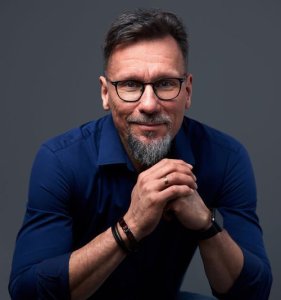
Rafał Kuźlik، حاصل على درجتي الطب والدكتوراه، اختصاصي أمراض النساء والتوليد. يحظى باعتراف واسع في الجراحة النسائية التجميلية والترميمية والوظيفية. يُقسم عمله بين وارسو ودبي. لديه خبرة تتجاوز 30 عامًا في الطب وأكثر من 25 عامًا من الممارسة السريرية. شغل منصب رئيس قسم أمراض النساء والتوليد في مستشفى EMC سانت آن بين 2012 و2020. وهو عضو هيئة تدريس في الجامعة الطبية في وارسو. أكمل تدريبًا في جراحة الثدي في Helios Klinikum بألمانيا من 2003 إلى 2010.
هو مبتكر تقنيات One Cut وLinear Z وDouble O

 Anna Leonova
تستخدم إزالة الشامات التناسلية الاستئصال الجراحي، والإزالة بالحلاقة، والعلاج بالليزر، والكي بالترددات الراديوية. يختار أطباء الجلد في بولندا الطرق بناءً على حجم الآفة وموقعها وخطر الإصابة بالخباثة. يظل الاستئصال الجراحي هو المعيار الذهبي للشامات غير النمطية لأنه يسمح بإجراء خزعة وفحص باثولوجي لاحق.
رؤية خبير Bookimed: على الرغم من أن الإزالة بالليزر شائعة لأغراض تجميلية، إلا أن المتخصصين البولنديين يوجهون المرضى بشكل متكرر نحو الاستئصال الجراحي. ينطبق هذا حتى على الآفات التي تبدو حميدة في البداية. تدير مراكز مثل RMED Kopernika في لودز أعدادًا كبيرة من المرضى من خلال دمج الخبرة النسائية والجراحية. يضمن اختيار الاستئصال بدلاً من التدمير توفر عينة من الأنسجة للتحقق الباثولوجي.
إجماع المرضى: يؤكد المرضى أن أي آفة تتغير أو تنزف تتطلب تقييمًا مهنيًا فوريًا. يوصي الكثيرون بإعطاء الأولوية لخزعة كاملة على الطرق التجميلية الأسرع لراحة البال.
يقوم الجراحون في بولندا بشكل روتيني بإجراء خزعة على الأنسجة التي تمت إزالتها أثناء إزالة الشامات التناسلية. يضمن هذا الفحص النسيجي المرضي أن الآفة حميدة. تتضمن العملية استئصالاً دقيقاً، مع الحفاظ على بنية الأنسجة قبل أن يقوم أخصائي علم الأمراض بتحليل الخلايا تحت مجهر متخصص.
رؤية خبير Bookimed: على الرغم من توفر الإزالة بالليزر، يظل الاستئصال الجراحي هو الخيار المفضل في بولندا للآفات المشتبه في كونها غير نمطية. تحافظ عيادات مثل RMED Kopernika على حجم كبير من المرضى، مما يسمح بتبسيط الخدمات اللوجستية مع مختبرات علم الأمراض. اختيار الاستئصال بدلاً من التدمير يضمن حصولك على تشخيص نهائي وراحة البال.
إجماع المرضى: يجد العديد من المرضى أن الطبيعة الروتينية لعلم الأمراض مطمئنة. وغالباً ما يشيرون إلى أن الأنسجة تُرسل للاختبار كإجراء احترازي، حتى بالنسبة للآفات التي تبدو حميدة.
تعتبر إزالة الشامات التناسلية في بولندا خالية من الألم عادةً أثناء الإجراء. يستخدم الأطباء التخدير الموضعي لتخدير المنطقة الحساسة تمامًا. ستظل مستيقظًا ولكنك ستشعر فقط بضغط خفيف أو أحاسيس شد أثناء عمل الجراح. تضمن التقنيات الحديثة أن الموقع لا يستجيب للألم.
رؤية خبير Bookimed: بينما يركز الكثيرون على الألم الجسدي، يظهر حجم المرضى الكبير في مراكز مثل RMED Kopernika أن الراحة النفسية هي المفتاح. غالبًا ما تقدم العيادات البولندية شرحًا خطوة بخطوة لتقليل القلق. هذا أمر حيوي لأن جلد الأعضاء التناسلية حساس عاطفيًا. اختيار عيادة متعددة التخصصات يضمن الخبرة الجمالية والجراحية.
إجماع المرضى: يشعر معظمهم أن وخزة التخدير الأولية هي اللحظة الحادة الوحيدة. التحدي الرئيسي هو الاحتكاك بعد الإجراء عند المشي أو الجلوس خلال الأيام القليلة الأولى.
يستغرق التعافي بعد إزالة الشامة التناسلية في بولندا عادةً من أسبوع إلى 3 أسابيع للوصول إلى الراحة البدنية الكاملة. يستأنف معظم المرضى العمل المكتبي الخفيف في غضون يوم إلى 3 أيام. تتطلب الأنشطة التي تنطوي على احتكاك، مثل ممارسة الرياضة أو الجماع، عمومًا من 10 إلى 14 يومًا للشفاء.
رؤية خبير Bookimed: بينما تجري عيادات مثل RMED Kopernika آلاف الإجراءات سنويًا، غالبًا ما تعتمد سرعة التعافي على التقنية. تلتئم الإزالة بالحلاقة بشكل أسرع من الاستئصال لأنها تتجنب توتر الأنسجة العميقة. إذا كانت وظيفتك تتطلب الجلوس، فاختر تقنية تقلل من الغرز لتقليل الانزعاج الناتج عن الاحتكاك.
إجماع المرضى: التحدي الأكبر هو إدارة الرطوبة والاحتكاك الناتج عن الملابس بدلاً من الألم الجراحي. يوصي العديد من المرضى بارتداء ملابس فضفاضة وتقليل المشي خلال الأيام الثلاثة الأولى لتسريع الشفاء.
تركز الرعاية اللاحقة لإزالة الشامات التناسلية على التحكم في الرطوبة والراحة الجسدية. ابدأ بالحفاظ على الجرح جافًا لمدة 24 إلى 48 ساعة. يجب على المرضى تجنب النشاط الجنسي والتمارين الشاقة والسباحة حتى يؤكد الجراح الشفاء التام. تساعد الملابس القطنية الفضفاضة في منع الاحتكاك والمضاعفات.
رؤية خبير Bookimed: على الرغم من أن الكثيرين يعتقدون أن الإزالة بالليزر سريعة، إلا أن المواقع التناسلية تلتئم ببطء أكثر من المناطق الأخرى. تعالج عيادات مثل RMED Kopernika في لودز 6000 مريض سنويًا وتؤكد على مخاطر الاحتكاك العالي. حتى لو بدا السطح مغلقًا، تستغرق الأنسجة الداخلية وقتًا أطول للاستقرار بسبب الرطوبة الطبيعية.
إجماع المرضى: أفاد المرضى أن تجنب الحلاقة وارتداء ملابس تسمح بمرور الهواء هي الخطوات الأكثر أهمية. أولئك الذين استأنفوا النشاط الجنسي في وقت مبكر جدًا عانوا غالبًا من نزيف أو تأخير مؤلم في تعافيهم.
يمكن لمعظم المرضى السفر جواً بأمان في غضون 24 إلى 48 ساعة بعد إزالة الشامات التناسلية الصغيرة تحت التخدير الموضعي. بالنسبة للاستئصال الأكبر الذي يتطلب غرزاً، يوصي الجراحون في بولندا عموماً بالانتظار لمدة 7 أيام. يسمح هذا للجرح بالاستقرار ويضمن زوال التورم الأولي قبل السفر.
رؤية خبير Bookimed: بينما تستقبل العيادات الصغيرة مثل RMED Kopernika 6000 مريض سنوياً، فإنها غالباً ما تعطي الأولوية لإزالة الشامات في العيادات الخارجية. تظهر بيانات الأنماط أن المرضى الذين يسافرون إلى لودز يقيمون عادةً 3 ليالٍ. تغطي هذه الفترة الإجراء والمتابعة في اليوم التالي للتحقق من وجود نزيف. هذا اليوم الإضافي هو أفضل دفاع ضد المضاعفات أثناء الطيران.
إجماع المرضى: غالباً ما يذكر المسافرون أن إدارة النظافة الشخصية وتغيير الضمادات في مقصورات الطائرات الضيقة هي التحدي الأكبر. يقترح معظمهم ارتداء ملابس فضفاضة لمنع التهيج والتأكد من حصولك على تعليمات رعاية واضحة ومكتوبة قبل المغادرة.
تُقدم جراحة الأعصاب في بولندا رعاية عالية الجودة في مرافق معتمدة من قبل اللجنة الدولية المشتركة (JCI) والمنظمة الدولية للمعايير (ISO). يلتزم جراحو الأعصاب البولنديون بمعايير تدريب صارمة معتمدة من قبل الاتحاد الأوروبي. وقد أكمل العديد منهم زمالات في الولايات المتحدة أو ألمانيا. وتتوفر التقنيات المتقدمة، مثل جهاز سايبر نايف وجهاز جاما نايف والأنظمة الروبوتية، على نطاق واسع في المراكز الخاصة.
رأي خبراء بوكيمد: تُظهر البيانات وجود علاقة وثيقة بين تخصص العيادة وأصول مرضاها. تعالج عيادة KCM أكثر من 700 مريض دولي سنويًا، وهي متخصصة في جراحة العمود الفقري طفيفة التوغل. يُمكّنها هذا الحجم من العمل من تقديم باقات خدمات متخصصة، تشمل غالبًا حواجز تشخيصية وزرعات محددة،
يُعدّ جراحو الأعصاب البولنديون متخصصين ذوي كفاءة عالية، إذ أتموا ما لا يقل عن 13 عامًا من التدريب الطبي المكثف. يشمل ذلك ست سنوات من الدراسة في كلية الطب، و13 شهرًا من التدريب العملي، وست سنوات من الإقامة. ويجب عليهم اجتياز امتحان التخصص الحكومي (PES)، وغالبًا ما يحصلون على شهادة من الجمعية الأوروبية لجمعيات جراحة الأعصاب (EANS).
رأي خبراء بوكيميد: تشير البيانات إلى أن جراحي الأعصاب البولنديين غالبًا ما يتخصصون في تقنيات بالغة التخصص، مثل نظام ApiFix أو نظام SED-YESS لتنظير الفقرات القطنية. ويجمع أخصائيون مثل الدكتور ستانيسواف كويك من عيادة KCM بين أبحاث ما بعد الدكتوراه والممارسة الجراحية النشطة. هذا المزيج من المعرفة الأكاديمية المتعمقة والخبرة الجراحية الوا
من بين أفضل عيادات جراحة الأعصاب في بولندا مستشفى كارولينا، وعيادة KCM، ومراكز أكاديمية رائدة مثل مستشفى جامعة كراكوف. تقدم هذه المؤسسات علاجات متطورة لأمراض العمود الفقري والدماغ، مطابقة لمعايير الجودة ISO، وتضم أخصائيين أعضاء في منظمات دولية مثل AO Spine.
رأي خبراء بوكيمد: بينما يتجه الكثيرون إلى أكبر المستشفيات، تُظهر البيانات أن عيادات مثل مستشفى كارولينا تُقدم كفاءة أعلى في العمليات الجراحية الاختيارية. فمع وجود أكثر من 40 طبيباً متخصصاً في هذه المنشأة التي تضم 30 سريراً، تكون نسبة الأطباء إلى المرضى أعلى بكثير مما هي عليه في المراكز الجامعية الحكومية. وهذا يعني رعاية ما بعد الجراحة أكثر عناية، وجدولة أسرع بكثير لإجراءات مثل علاج الانزلاق الغضروفي
في بولندا، يركز طب جراحة الأعصاب بشكل أساسي على جراحات العمود الفقري واستئصال أورام الدماغ. وتُجري المستشفيات بشكل متكرر عمليات استئصال القرص المجهرية، ودمج الفقرات، وتحفيز الدماغ العميق. وتستخدم مراكز مثل مستشفى كارولينا وعيادة كي سي إم تقنيات طفيفة التوغل لعلاج الانزلاق الغضروفي، وإصابات العمود الفقري، والاضطرابات العصبية المعقدة.
رأي خبراء بوكيميد: أصبحت بولندا مركزًا متخصصًا في تثبيت العمود الفقري. تتعاون عيادات مثل مستشفى كارولينا مع الفرق الرياضية الوطنية، مما يعكس خبرتها العالية في علاج إصابات العمود الفقري المعقدة. تُظهر بياناتنا أن هذه المؤسسات غالبًا ما تُدمج إعادة التأهيل مباشرةً في العلاج الجراحي. هذا الدمج يقلل من خطر الم