تجديد عظام الأسنان في بولندا: 2 عيادتين


تمت مراجعة المقالة طبيا من قبل
فهد مولود
ما هي تكلفة تجديد عظام الأسنان في بولندا؟ اكتشف الآن
تتراوح تكلفة تجديد عظام الأسنان في بولندا عادةً بين السعر عند الطلب و السعر عند الطلب. يعتمد السعر النهائي على نوع المادة الرابطة، واستخدام الغشاء، وتعقيد منطقة الترميم. تشمل معظم العيادات البولندية فحوصات ثلاثية الأبعاد وزيارات المتابعة ضمن أسعار خدماتها القياسية.
- نوع المادة: تُعد الطعوم الصناعية أو البقرية أقل تكلفة بطبيعتها من استخلاص العظم من جسم المريض نفسه.
- استخدام الغشاء: عادة ما تؤدي إضافة غشاء كولاجيني لحماية موقع الطعم إلى زيادة التكاليف.
- التباينات الإقليمية: غالباً ما تكون الأسعار في المراكز الكبرى مثل وارسو أو كراكوف أعلى بنسبة 10-20% مقارنة بالمدن الصغيرة.
- تعقيد التقنية: تزيد تكلفة ترميم الحيد الأفقي أو العمودي بشكل كبير عن تكلفة الحفاظ على سنخ السن الواحد.
رأي خبراء Bookimed: غالباً ما يتيح اختيار مراكز متخصصة في كاتوفيتسه أو كراكوف الوصول إلى خبرات سريرية من الطراز الأول. على سبيل المثال، يستخدم متخصصون مثل دانيال تشابينسكي في عيادة دنتوم تقنيات باترفلاي المتطورة لرفع الجيوب الأنفية. وعلى الرغم من ارتفاع النفقات التشغيلية في المدن الكبرى، تعالج هذه العيادات أكثر من 1,500 مريض دولي سنوياً. يضمن هذا الإقبال الكبير الحفاظ على معايير فئة 5 نجوم واستخدام أنظمة زراعة موجهة بالكامل. تؤمن التكلفة الإضافية بنسبة 15% في هذه المراكز تقنيات عالمية المستوى غير متوفرة في العيادات الريفية.
مزاياك وضماناتك مع Bookimed
أسعار مباشرة
Bookimed لا يضيف رسوماً إضافية على أسعار تجديد عظام الأسنان. الأسعار مأخوذة من قوائم الأسعار الرسمية للعيادات. تدفع مباشرة في العيادة مقابل تجديد عظام الأسنان عند وصولك.
عيادات وأطباء معتمدون فقط
Bookimed ملتزم بسلامتك. نحن نعمل فقط مع المؤسسات الطبية التي تحافظ على معايير دولية عالية في تجديد عظام الأسنان ولديها التراخيص اللازمة لخدمة المرضى الدوليين في جميع أنحاء العالم.
مساعدة مجانية على مدار الساعة
Bookimed يقدم مساعدة خبراء مجانية. منسق طبي شخصي يدعمك قبل وأثناء وبعد العلاج، ويحل أي مشاكل. لن تكون وحيداً أبداً في رحلة تجديد عظام الأسنان.

منسقك الطبي الشخصي في Bookimed
- يدعمك في كل مرحلة
- المساعدة في اختيار العيادة الطبية المناسبة والطبيب المناسب
- يضمن الوصول السريع والمريح إلى المعلومات
اكتشف أفضل تجديد عظام الأسنان العيادات في بولندا: 2 خيارات معتمدة والأسعار

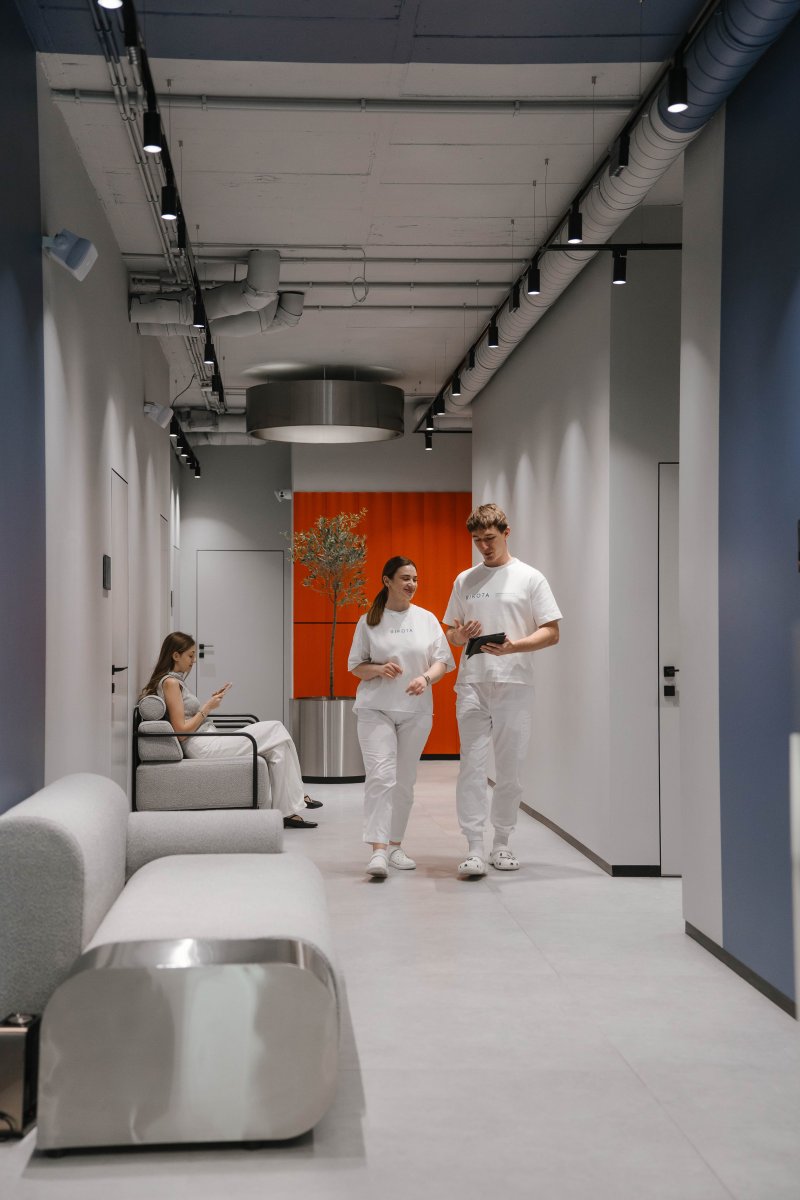
RIKOTA Dental Clinic
نظرة عامة على تجديد عظام الأسنان في بولندا
- تقويم العظام - من $350
يقوم هذا العلاج بإعادة تشكيل العظام أو إصلاحها ، بما في ذلك الهندسة الجراحية. يوفر حركة معززة وتسكين الآلام.
- تطعيم عظمي - من $200
يستبدل هذا العلاج العظام المفقودة أو يصلحها ، باستخدام مواد طبيعية أو اصطناعية ، مما يعزز الشفاء والقوة.
- طعم عظم ذاتي - من $680
يستخدم هذا العلاج عظام المريض لإصلاح أو إعادة بناء أو استبدال أنسجة العظام التالفة أو المفقودة.
- طعم عظم مزروع - من $700
يقوم هذا الإجراء بزراعة أنسجة العظام لإصلاح وإعادة بناء العظام المريضة أو التالفة.
- طعم عظم محلول - من $1,500
يحفز الإجراء نمو العظام باستخدام محلول قائم على البروتين ، مما يساعد في عملية الشفاء بعد العمليات الجراحية للهيكل العظمي.
- طعم عظم طبقي - من $1,500
يقوم هذا العلاج بزرع العظام لتعزيز الشفاء والاستقرار والدعم حيث يحدث فقدان العظام أو في الكسور.
- طعم عظم ترقيعي - من $250
يتضمن الإجراء استخدام قطع صغيرة من العظام للمساعدة في تجديد المناطق المتضررة ، وتعزيز الشفاء بشكل أسرع وأكثر فعالية.
- طعم عظم اصطناعي - من $350
يعيد هذا العلاج تكوين العظام التالفة باستخدام بدائل نمت في المختبر ، مما يساعد على نمو العظام الطبيعي والشفاء السريع والفعال.
اليوم الأول: الوصول
- الوصول إلى المطار.
- يتم توفير النقل إلى الفندق 3 نجوم.
اليوم الثاني: ما قبل العملية
- التشاور مع أخصائي طب الأسنان.
- إجراء الفحوصات الطبية اللازمة.
- مناقشة الإجراء والتخدير.
اليوم الثالث: تجديد عظام الأسنان
- الوصول إلى العيادة.
- إعطاء التخدير الموضعي.
- بدء عملية تجديد عظام الأسنان.
- تستغرق العملية ما يقرب من 2 إلى 3 ساعات.
- مراقبة ما بعد العملية لبضع ساعات.
اليوم الرابع: ما بعد العملية
- فحص ما بعد الجراحة في العيادة.
- مناقشة بخصوص رعاية ما بعد الجراحة وإعادة التأهيل.
الأسبوع 1-3: إعادة التأهيل
- استرح وتجنب الأنشطة الشاقة.
- حافظ على نظافة منطقة الفم واتبع روتين الأدوية.
الأسبوع 4-6: استمرار إعادة التأهيل
- العودة التدريجية إلى النظام الغذائي والروتين الطبيعي.
- استشارة متابعة مع أخصائي طب الأسنان.
كل حالة فردية وقد يختلف الجدول الزمني بناءً على استجابة المريض للإجراء ومدى تعقيد الحالة.
- إيداع Bookimed: 200 دولار أو 200 يورو.
- وديعة العيادة: ادفع نسبة محددة مقدمًا.
احصل على تقييم طبي لـ تجديد عظام الأسنان في بولندا: اختر أخصائيك من بين الأفضل في هذا المجال
عرض جميع الأطباء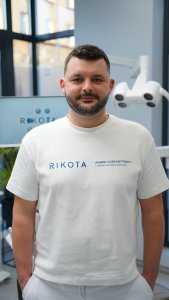
Andrii Vodianytski
يتخصص الدكتور فوديانوتسكي في تجديد العظام في عيادة ريكوتا للأسنان، مع التركيز على استعادة صحة عظام الفك.
- خبير في تقنيات التطعيم المتقدمة لضمان الاندماج العظمي الأمثل
- يعمل بمواد عالية الجودة لتعزيز الشفاء والمتانة
- يعطي الأولوية لراحة المريض ونتائج ذات مظهر طبيعي

Daniel Ciapinski
متخصص في تجديد العظام، عمودياً وأفقياً – كان الدكتور تشابينسكي رائداً في تقنية رفع الجيوب الأنفية FLY-SAFE وطور طريقة حماية الغشاء المخاطي 'BUTTERFLY'.
- المدير الطبي لعيادة DENTRUM في كاتوفيتسه
- حاصل على درجة الدكتوراه مع التركيز على الفيبرين الغني بالصفائح الدموية للشفاء بعد الخلع
- أول من استخدم الملاحة الكاملة في زراعات Thommen Medical في بولندا
- محاضر ومدرب دولي في تقنيات تجديد العظام
- عضو في المجلس الاستشاري لشركة Thommen Medical
قصص فيديو من مرضى Bookimed
المراجعات
جميع المراجعات


مشاركة المحتوى
 Anna Leonova
أسئلة متكررة حول تجديد عظام الأسنان في بولندا
هل تجديد عظام الأسنان مؤلم؟
تجديد عظام الأسنان غير مؤلم تقريبًا أثناء الإجراء بفضل التخدير الموضعي أو التخدير الوريدي. على الرغم من أن التقنيات السريرية مثل رفع الجيوب الأنفية بتقنية FLY-SAFE تقلل من صدمة الأنسجة، إلا أن المرضى عادة ما يعانون من ألم خفيف لمدة 3 إلى 7 أيام بعد الجراحة، وهو ما يشبه خلع الأسنان.
- خيارات التخدير: يستخدم الجراحون التخدير الموضعي أو التخدير الوريدي لضمان الراحة الكاملة أثناء التطعيم.
- ألم ما بعد الجراحة: عادة ما يصل الانزعاج إلى ذروته في غضون 24 إلى 72 ساعة بعد زوال مفعول التخدير.
- حماية الأنسجة: تحمي طرق مثل تقنية BUTTERFLY الأغشية المخاطية لتقليل الالتهاب الجراحي.
- إدارة الألم: تتحكم مسكنات الألم القياسية التي لا تستلزم وصفة طبية بفعالية في الحساسية والتورم الطفيف في الوجه.
رؤية خبير Bookimed: اختيار متخصص مثل الدكتور دانيال سيابينسكي في عيادة Dentrum يوفر ميزة أمان كبيرة. تم تصميم تقنياته الحصرية FLY-SAFE و BUTTERFLY خصيصًا لتقليل الصدمات أثناء عمليات رفع الجيوب الأنفية المعقدة. غالبًا ما تؤدي هذه الدقة إلى شفاء أسرع مقارنة بطرق التطعيم التقليدية الأكثر توغلاً.
إجماع المرضى: يبلغ المرضى عن عدم وجود ألم أثناء الجلوس على كرسي الأسنان، خاصة مع التخدير. يصف معظمهم التعافي بأنه ألم يمكن التحكم فيه، يشبه الكدمة، ويتطلب التزامًا صارمًا بنظام غذائي لين ووضع الثلج.
كم تستغرق عملية اندماج الطعم العظمي والتعافي العام؟
يتطلب اندماج الطعم العظمي عادةً من 3 إلى 12 شهرًا لتحقيق الاندماج العظمي الكامل. بينما يشعر المرضى بالتعافي في غضون أسبوع إلى أسبوعين، يستغرق الاندماج البيولوجي وقتًا أطول. تستخدم العيادات البولندية فحوصات الأشعة المقطعية المخروطية (CBCT) المتقدمة في الشهر الثالث والسادس للتأكد من الاستقرار الهيكلي قبل وضع غرسات الأسنان.
- الشفاء الأولي: يزول الألم والتورم في غضون 7 إلى 14 يومًا بعد الجراحة.
- اندماج الأنسجة: تلتئم أنسجة اللثة فوق الموقع خلال الأسابيع من 2 إلى 6.
- تكون العظام: تستبدل الخلايا العظمية مادة الطعم بعظم حي خلال الأشهر من 3 إلى 6.
- النضج الكامل: غالبًا ما تتطلب الإجراءات المعقدة مثل رفع الجيوب الأنفية من 6 إلى 12 شهرًا.
رؤية خبير Bookimed: تظهر البيانات أن المتخصصين البولنديين مثل الدكتور دانييل سيابينسكي في عيادة Dentrum يستخدمون تقنيات محددة مثل FLY-SAFE و BUTTERFLY لحماية الأغشية. تساعد هذه الأساليب المتقدمة في الحفاظ على حجم الطعم خلال مرحلة الشفاء التي تستغرق 6 أشهر. اختيار العيادات ذات قدرات التشخيص بالأشعة المقطعية ثلاثية الأبعاد يضمن للجراحين مراقبة النضج بدقة قبل تحميل الغرسات.
إجماع المرضى: يؤكد العديد من المرضى أن فحوصات الشهر الثالث والسادس توفر دليلًا أساسيًا على الشفاء. وغالبًا ما يقترحون التخطيط لأخذ إجازة لمدة أسبوع من العمل لإدارة التورم الأولي بفعالية.
ما هو معدل نجاح زراعة العظام في بولندا؟
تحافظ زراعة العظام في بولندا على معدل نجاح نهائي يتراوح بين 80% و95%. وتتجاوز مراكز طب الأسنان المتخصصة في كثير من الأحيان نسبة 90% في دمج الطعم العظمي. ويحقق الأطباء معدلات بقاء للزرعات تصل إلى 97.8% في العظام المجددة، مما يطابق أداء مواقع العظام الطبيعية من خلال دقة التصوير المقطعي المحوسب ثلاثي الأبعاد (CBCT).
- النجاح حسب الموقع: تصل إجراءات الفك السفلي إلى نجاح بنسبة 98% بسبب كثافة العظام العالية.
- دمج الطعم: تبلغ العيادات المتخصصة عن فشل في الدمج في 5% إلى 10% فقط من الحالات.
- الحماية المتقدمة: يستخدم جراحون مثل الدكتور دانيال سيابينسكي طرق غشاء الفراشة (Butterfly) لزيادة الاستقرار.
- الدقة الجراحية: تقلل تقنيات رفع الجيوب الأنفية (Fly-Safe) من المضاعفات وتعزز جودة تجديد العظام.
رؤية خبير Bookimed: النجاح في بولندا مدفوع بحجم العمليات والتقنيات المتخصصة التي تم تطويرها محلياً. كان الدكتور دانيال سيابينسكي في عيادة Dentrum رائداً في طريقة الفراشة. هذا الغشاء الواقي الخاص يقلل من مخاطر فشل الطعم. اختيار مراكز ذات حجم عمل كبير مثل HALDENT، التي تعالج 1500 مريض سنوياً، يضمن خبرة فنية متمرسة.
إجماع المرضى: يظهر الواقع أن النظافة الصارمة هي العامل الأكبر للنجاح. يواجه المدخنون مخاطر فشل أعلى بنسبة 10-20%، لذا يقترح العديد من المرضى الإقلاع عن التدخين قبل شهرين من الجراحة.
ما هي مواد التطعيم المستخدمة في العيادات البولندية؟
تستخدم عيادات الأسنان البولندية مواد تطعيم متنوعة بما في ذلك العظام الذاتية، والطُعوم الخيفية البشرية المعالجة، والطُعوم المغايرة المشتقة من الأبقار. كما توفر المرافق المتقدمة مركبات حيوية اصطناعية مثل FlexiOss وتقنية عظام الأسنان الذاتية (ATB) المبتكرة. تسهل هذه المواد تجديد العظام العمودي والأفقي المعقد للتحضير لزراعة الأسنان.
- العظام الذاتية: يتم الحصول عليها من فك المريض أو ذقنه لتحقيق أقصى قدر من التوافق الحيوي.
- الطُعوم المغايرة: عظام طبيعية من الأبقار أو الخنازير تُستخدم كمادة سقالة مستقرة.
- المركبات الحيوية الاصطناعية: يوفر FlexiOss المطور في بولندا بديلاً للمواد التقليدية المشتقة من الحيوانات.
- عظام الأسنان الذاتية: تعمل أسنان المريض المستخرجة والمطحونة كأنسجة تطعيم فعالة للغاية.
رؤية خبير Bookimed: برزت بولندا كمركز لتقنيات التجديد الخاصة. طور الدكتور دانيال سيابينسكي في عيادة Dentrum طرق FLY-SAFE و BUTTERFLY. تعمل هذه التقنيات المتخصصة على تحسين كيفية وضع الأغشية والطُعوم. غالبًا ما توفر هذه الخبرة المحلية نتائج أفضل من الأساليب العامة الموجودة في أماكن أخرى.
ما هي المدن البولندية الموصى بها لسياحة زراعة العظام في الأسنان؟
تعد كراكوف ووارسو الوجهتين الأوليين في بولندا لسياحة زراعة العظام، حيث توفران كثافة عالية من المتخصصين الناطقين بالإنجليزية ومرافق بمعايير JCI. كما برزت كاتوفيتسه كمركز حيوي لتجديد العظام العمودي والأفقي المعقد تحت إشراف باحثين في زراعة الأسنان مشهورين عالمياً.
- كراكوف: وجهة رئيسية للمرضى الدوليين، وتضم عيادات مثل HALDENT التي تخدم 1500 شخص سنوياً.
- وارسو: توفر العاصمة أعلى تركيز لجراحي الأسنان المتخصصين والمرافق الفاخرة.
- كاتوفيتسه: موطن لباحثين من حملة الدكتوراه المتخصصين في الفيبرين الغني بالصفائح الدموية والإجراءات المتقدمة الموجهة بالملاحة.
- الخدمات اللوجستية: توفر كل من كراكوف ووارسو رحلات دولية مباشرة وبنية تحتية قوية للسياحة العلاجية.
رؤية خبير Bookimed: بينما تحظى وارسو وكراكوف بشعبية كبيرة، تقدم كاتوفيتسه خبرة جراحية فائقة غالباً بأسعار أقل. يقوم الدكتور دانيال سيابينسكي في عيادة Dentrum بإجراء عمليات زراعة عمودية معقدة باستخدام أنظمة ملاحة حصرية. تمثل هذه المدينة أفضل قيمة للمرضى الذين يحتاجون إلى إعادة بناء كبيرة للعظام قبل زراعة الأسنان.
إجماع المرضى: يوصي المرضى بإجراء مسح CBCT قبل السفر لتأكيد متطلبات الزراعة. يجد معظمهم أن أفضل العيادات في المراكز الرئيسية توفر تواصلاً سلساً باللغة الإنجليزية وخططاً واضحة للمضادات الحيوية.
ما مدى جودة جراحة الأعصاب في بولندا؟
تُقدم جراحة الأعصاب في بولندا رعاية عالية الجودة في مرافق معتمدة من قبل اللجنة الدولية المشتركة (JCI) والمنظمة الدولية للمعايير (ISO). يلتزم جراحو الأعصاب البولنديون بمعايير تدريب صارمة معتمدة من قبل الاتحاد الأوروبي. وقد أكمل العديد منهم زمالات في الولايات المتحدة أو ألمانيا. وتتوفر التقنيات المتقدمة، مثل جهاز سايبر نايف وجهاز جاما نايف والأنظمة الروبوتية، على نطاق واسع في المراكز الخاصة.
- المؤهلات التخصصية: غالباً ما يكون الأطباء أعضاء في الرابطة الأوروبية لجمعيات جراحة الأعصاب.
- التقنيات المتقدمة: تستخدم العيادات أنظمة CyberKnife والموجات فوق الصوتية المركزة الموجهة بالرنين المغناطيسي لعلاج الدماغ غير الجراحي.
- الحجم السريري: تعالج المراكز الرائدة مثل مستشفى الجامعة في كراكوف أكثر من 455000 مريض سنوياً.
- جراحون ذوو خبرة: أجرى الدكتور ماسيج بوجكو من مستشفى كارولينا أكثر من 2500 عملية جراحية بمفرده.
رأي خبراء بوكيمد: تُظهر البيانات وجود علاقة وثيقة بين تخصص العيادة وأصول مرضاها. تعالج عيادة KCM أكثر من 700 مريض دولي سنويًا، وهي متخصصة في جراحة العمود الفقري طفيفة التوغل. يُمكّنها هذا الحجم من العمل من تقديم باقات خدمات متخصصة، تشمل غالبًا حواجز تشخيصية وزرعات محددة،
ما هي مؤهلات جراحي الأعصاب البولنديين؟
يُعدّ جراحو الأعصاب البولنديون متخصصين ذوي كفاءة عالية، إذ أتموا ما لا يقل عن 13 عامًا من التدريب الطبي المكثف. يشمل ذلك ست سنوات من الدراسة في كلية الطب، و13 شهرًا من التدريب العملي، وست سنوات من الإقامة. ويجب عليهم اجتياز امتحان التخصص الحكومي (PES)، وغالبًا ما يحصلون على شهادة من الجمعية الأوروبية لجمعيات جراحة الأعصاب (EANS).
- التعليم: يتلقى الأطباء تعليمهم الطبي (الطب) بعد 6 سنوات من الدراسة في الجامعة.
- التخصص: تشمل الإقامة 6 سنوات من التدريب المعياري في جراحة الأعصاب السريرية وعلم الأشعة العصبية.
- حجم العمليات الجراحية: غالبًا ما يقوم الأطباء المقيمون بإجراء أكثر من 1000 عملية جراحية، وهو ما يتجاوز متوسط حجم التدريب في المناطق الأخرى.
- الشهادات: العديد من المتخصصين أعضاء في منظمة AO Spine أو الجمعية البولندية لجراحة العمود الفقري.
رأي خبراء بوكيميد: تشير البيانات إلى أن جراحي الأعصاب البولنديين غالبًا ما يتخصصون في تقنيات بالغة التخصص، مثل نظام ApiFix أو نظام SED-YESS لتنظير الفقرات القطنية. ويجمع أخصائيون مثل الدكتور ستانيسواف كويك من عيادة KCM بين أبحاث ما بعد الدكتوراه والممارسة الجراحية النشطة. هذا المزيج من المعرفة الأكاديمية المتعمقة والخبرة الجراحية الوا
ما هي أفضل عيادات جراحة الأعصاب في بولندا؟
من بين أفضل عيادات جراحة الأعصاب في بولندا مستشفى كارولينا، وعيادة KCM، ومراكز أكاديمية رائدة مثل مستشفى جامعة كراكوف. تقدم هذه المؤسسات علاجات متطورة لأمراض العمود الفقري والدماغ، مطابقة لمعايير الجودة ISO، وتضم أخصائيين أعضاء في منظمات دولية مثل AO Spine.
- مستشفى كارولينا: مركز التميز الطبي التابع للفيفا، والمتخصص في جراحات العمود الفقري المعقدة ذات التدخل الجراحي المحدود.
- عيادة KCM: معترف بها دوليًا لجودة إجراءات تنظير العمود الفقري، وتخدم أكثر من 700 مريض دولي سنويًا.
- مستشفى جامعة كراكوف: مركز متعدد التخصصات كبير يقوم بإجراء أكثر من 800 عملية جراحية عصبية سنوياً منذ عام 1788.
- لوكسميد: مركز طبي خاص مرموق في وارسو متخصص في جراحة العمود الفقري المتقدمة للمرضى الدوليين.
رأي خبراء بوكيمد: بينما يتجه الكثيرون إلى أكبر المستشفيات، تُظهر البيانات أن عيادات مثل مستشفى كارولينا تُقدم كفاءة أعلى في العمليات الجراحية الاختيارية. فمع وجود أكثر من 40 طبيباً متخصصاً في هذه المنشأة التي تضم 30 سريراً، تكون نسبة الأطباء إلى المرضى أعلى بكثير مما هي عليه في المراكز الجامعية الحكومية. وهذا يعني رعاية ما بعد الجراحة أكثر عناية، وجدولة أسرع بكثير لإجراءات مثل علاج الانزلاق الغضروفي
ما هي أكثر العمليات الجراحية العصبية شيوعاً في بولندا؟
في بولندا، يركز طب جراحة الأعصاب بشكل أساسي على جراحات العمود الفقري واستئصال أورام الدماغ. وتُجري المستشفيات بشكل متكرر عمليات استئصال القرص المجهرية، ودمج الفقرات، وتحفيز الدماغ العميق. وتستخدم مراكز مثل مستشفى كارولينا وعيادة كي سي إم تقنيات طفيفة التوغل لعلاج الانزلاق الغضروفي، وإصابات العمود الفقري، والاضطرابات العصبية المعقدة.
- جراحة العمود الفقري: يعتبر استئصال القرص واستئصال الصفيحة الفقرية من العلاجات الشائعة لانزلاق القرص.
- علم الأورام العصبية: يقوم الأخصائيون بإجراء عمليات جراحية لإزالة أورام الدماغ باستخدام معدات حديثة مثل تقنية سايبر نايف.
- جراحة الأعصاب الوظيفية: يستخدم التحفيز العميق للدماغ (DBS) على نطاق واسع لعلاج اضطرابات الحركة.
- التقنيات طفيفة التوغل: يستخدم الجراحون تقنيات التنظير الداخلي لتخفيف الضغط عن العمود الفقري وعلاج أورام الغدة النخامية.
رأي خبراء بوكيميد: أصبحت بولندا مركزًا متخصصًا في تثبيت العمود الفقري. تتعاون عيادات مثل مستشفى كارولينا مع الفرق الرياضية الوطنية، مما يعكس خبرتها العالية في علاج إصابات العمود الفقري المعقدة. تُظهر بياناتنا أن هذه المؤسسات غالبًا ما تُدمج إعادة التأهيل مباشرةً في العلاج الجراحي. هذا الدمج يقلل من خطر الم
هل تتوفر خدمات إعادة التأهيل العصبي؟
تتوفر خدمات إعادة التأهيل العصبي على نطاق واسع في بولندا من خلال مراكز متخصصة ومستشفيات متعددة التخصصات. وتشمل هذه البرامج التعافي بعد السكتة الدماغية، وإصابات الحبل الشوكي، والأمراض التنكسية. وتقدم مؤسسات مثل مستشفى كارولينا في وارسو وعيادة KCM علاجًا تحت إشراف طبي. وتتضمن معظم برامج جراحة الأعصاب تقييمًا أوليًا لإعادة التأهيل بعد العملية.
- العلاجات المتاحة: تشمل البرامج العلاج الطبيعي العصبي، والعلاج الوظيفي، وعلاج النطق.
- المؤسسات الرائدة: يقدم مستشفى كارولينا والمركز الطبي ENEL-MED في وارسو خدمات إعادة التأهيل.
- طاقم مؤهل: يعمل أخصائيو العلاج الطبيعي العصبي المتخصصون مع جراحي الأعصاب لوضع خطط علاج فردية.
- النطاق: تهدف إعادة التأهيل إلى استعادة الحركة والتوازن والوظائف الإدراكية بعد التدخلات الجراحية المعقدة.
رأي خبراء بوكيمد: تشير البيانات إلى أن العيادات التي تستقبل أعدادًا كبيرة من المرضى الدوليين، مثل عيادة KCM، غالبًا ما تُدرج إعادة التأهيل الأساسية ضمن برامجها الجراحية. تُعد هذه ميزة هامة، إذ قد يكون تنسيق إعادة التأهيل العصبي بشكل مستقل في بولندا أمرًا صعبًا. يضمن اختيار عيادة تضم أخصائي إعادة تأهيل متواجدًا فيها بدء التعافي في غضون 24 ساعة بعد الجراحة، وهو