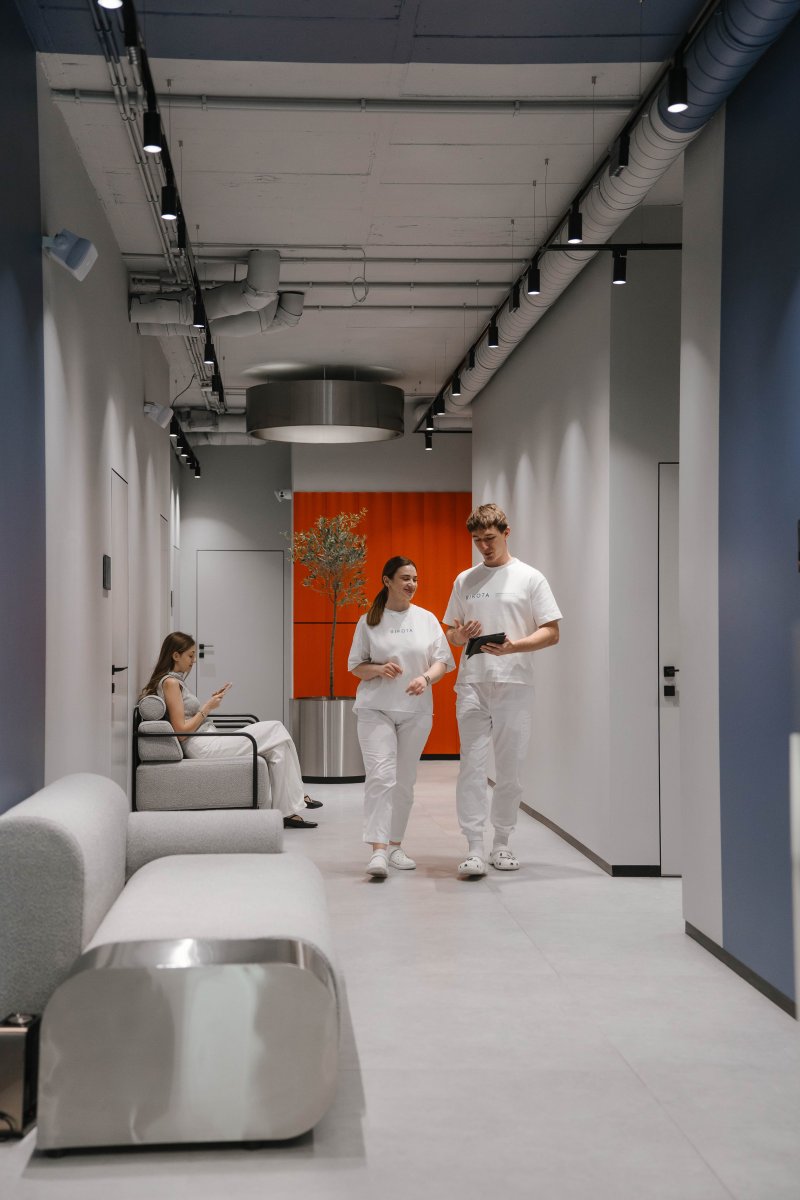
RIKOTA Dental Clinic
بولندا, وارسو


تمت مراجعة المقالة طبيا من قبل
فهد مولود
من $140. قد تختلف الأسعار حسب العيادة، مؤهلات طبيب الأسنان، عدد الأسنان أو الأرباع التي يتم علاجها، وما إذا كان التخدير مطلوبًا.
تشمل العيادات البولندية عادةً الاستشارة الأولية، تنظيف وتنعيم الجذور لكامل الفم، التخدير الموضعي، وزيارة متابعة واحدة. في ألمانيا، غالبًا ما يتم احتساب التخدير، زيارات المتابعة، والعلاجات الإضافية مثل التلميع بشكل منفصل. يجب دائمًا التأكد من تفاصيل ما يتضمنه خطة العلاج في كل عيادة.
| بولندا | تركيا | تايلاند | |
|---|---|---|---|
| تنظيف عميق (تنظيف الجير وتخطيط الجذور) | من $140 | من $160 | من $60 |
Bookimed لا يضيف رسوماً إضافية على أسعار تنظيف عميق (تنظيف الجير وتخطيط الجذور). الأسعار مأخوذة من قوائم الأسعار الرسمية للعيادات. تدفع مباشرة في العيادة مقابل تنظيف عميق (تنظيف الجير وتخطيط الجذور) عند وصولك.
Bookimed ملتزم بسلامتك. نحن نعمل فقط مع المؤسسات الطبية التي تحافظ على معايير دولية عالية في تنظيف عميق (تنظيف الجير وتخطيط الجذور) ولديها التراخيص اللازمة لخدمة المرضى الدوليين في جميع أنحاء العالم.
Bookimed يقدم مساعدة خبراء مجانية. منسق طبي شخصي يدعمك قبل وأثناء وبعد العلاج، ويحل أي مشاكل. لن تكون وحيداً أبداً في رحلة تنظيف عميق (تنظيف الجير وتخطيط الجذور).

الإجراء عبارة عن علاج للأسنان لإزالة البلاك والجير وتحسين صحة اللثة ومنع تسوس الأسنان.
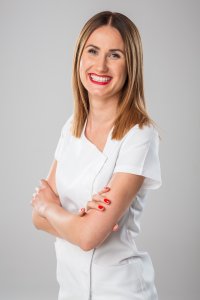
مؤلفة كتاب "فن تنظيف الأسنان" – أنيتا فالزاك لديها 11 سنة من الخبرة في تحسين بروتوكولات نظافة الأسنان.
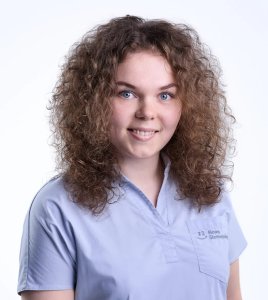
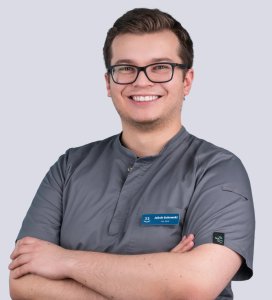
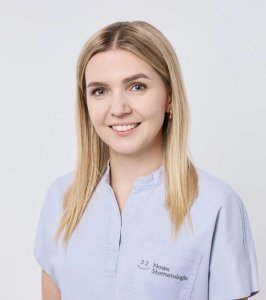


 Anna Leonova
التنظيف العميق غير مؤلم بشكل عام بفضل التخدير الموضعي وهلام التخدير المستخدم في العيادات البولندية. يشعر معظم المرضى بالضغط والاهتزازات بدلاً من الألم الحاد. من الطبيعي الشعور بوجع طفيف في اللثة وحساسية في الأسنان لمدة تتراوح بين 24 إلى 72 ساعة بعد الإجراء.
رؤية خبير Bookimed: في حين أن التنظيف الأساسي هو إجراء روتيني، يستخدم أطباء مثل الدكتورة أنيتا والزاك بروتوكولات متخصصة تقلل من الحساسية. تخدم العيادات البولندية غالبًا عددًا كبيرًا من المرضى الدوليين، حيث يصل عددهم إلى 60,000 سنويًا في المراكز الرئيسية. تضمن هذه الخبرة تحسين تقنيات التخدير لأولئك الذين يعانون من لثة حساسة أو أمراض اللثة المتقدمة.
إجماع المرضى: يجد العديد من المرضى أن الانتظار لمدة 15 دقيقة حتى يبدأ مفعول التخدير بالكامل يجعل العملية أسهل بكثير. يقترحون تجنب الأطعمة الصلبة لعدة أيام لمنع تهيج أنسجة اللثة المعالجة حديثًا.
يعد التنظيف العميق ضرورياً طبياً للمرضى الذين تم تشخيص إصابتهم بالتهاب دواعم السن، والذي يتميز بوجود جيوب لثوية بعمق 4 مم أو أكثر مع وجود عدوى نشطة. يوقف هذا الإجراء العلاجي فقدان العظام وفقدان الالتصاق عن طريق إزالة الجير الموجود تحت اللثة والبكتيريا التي لا يمكن لعمليات التنظيف الوقائية القياسية الوصول إليها تحت خط اللثة.
رؤية خبير Bookimed: تقدم بولندا تخصصاً متميزاً في الوقاية من أمراض الأسنان، حيث أجرى خبراء مثل الدكتورة أنيتا والتشاك أكثر من 12,000 إجراء. من $140. يجب على المرضى التحقق من أن طبيب الأسنان يستخدم بروتوكولات فحص محددة قبل الموافقة على هذا التدخل العلاجي.
إجماع المرضى: يؤكد العديد من المرضى أن فقدان العظام المرئي في الأشعة السينية هو العلامة الحاسمة التي تشير إلى حاجتهم إلى تدخل احترافي. ويوصون بتتبع قياسات عمق الجيب بدقة لضمان أن الإجراء علاجي حقاً
التنظيف الروتيني هو إجراء وقائي يستهدف البلاك فوق خط اللثة للمرضى الأصحاء. التنظيف العميق، أو كشط وتنعيم الجذور، هو علاج علاجي. فهو يزيل الجير من جيوب اللثة العميقة وينعم الجذور لعلاج أمراض اللثة النشطة.
رؤية خبير Bookimed: بولندا هي مركز لمراكز الوقاية ذات الحجم الكبير مثل عيادة RIKOTA للأسنان. إنهم يخدمون 60,000 مريض سنويًا. يستخدم أخصائيو الصحة الخبراء مثل الدكتورة أنيتا والتشاك بروتوكولات متقدمة. تساعد هذه البروتوكولات المرضى على تجنب الجراحة الغازية. اختيار العيادات التي تضم متخصصين في أمراض اللثة يضمن نتائج متفوقة لإعادة ارتباط اللثة.
إجماع المرضى: يفيد المرضى أنه على الرغم من أن التنظيف العميق يبدو أكثر كثافة، إلا أن التخدير يجعله محتملًا. يشعر معظمهم براحة فورية من تورم اللثة ورائحة الفم الكريهة المستمرة بعد العلاج.
يتطلب التنظيف العميق في بولندا عادةً من 2 إلى 4 زيارات على مدار 4 إلى 8 أسابيع. تركز كل جلسة على أرباع محددة باستخدام تقنيات كشط وتنعيم الجذور. تتضمن العملية إزالة البلاك وتنعيم جذور الأسنان تحت التخدير الموضعي لتعزيز إعادة التصاق اللثة.
رؤية خبير Bookimed: بينما تقدم العديد من العيادات نهجاً قياسياً لكل ربع، تستخدم المراكز ذات الكثافة العالية مثل عيادة RIKOTA للأسنان فرقاً مهنية لتبسيط العملية. غالباً ما يضمن البحث عن متخصصين مثل الدكتورة أنيتا والتشاك، التي وضعت بروتوكولات الوقاية السريرية، زيارات أكثر كفاءة. تشير خبرتها في 12,000 إجراء إلى أن التقنية المتخصصة يمكن أن تقلل بشكل كبير من وقت الجلوس على الكرسي أثناء تنعيم الجذور المعقد.
إجماع المرضى: يبلغ المرضى عن شعور أولي بالألم لمدة تصل إلى 48 ساعة بعد الجلسة الأولى. يلاحظ معظمهم انخفاضاً في النزيف ولثة أكثر صحة بحلول الزيارة الثانية أو الثالثة إذا التزموا بدقة بالعناية المنزلية.
يستغرق التعافي من إجراء تنظيف الأسنان العميق (Scaling and Root Planing) في بولندا عادةً من 3 إلى 7 أيام. قد تشعر بحساسية في اللثة، ونزيف طفيف، وحساسية تجاه درجات الحرارة. بينما تلتئم معظم اللثة في غضون أسبوع، قد تتطلب الحالات المتقدمة من أمراض اللثة ما يصل إلى 6 أسابيع لإعادة ارتباط الأنسجة بالكامل.
رؤية خبير Bookimed: تجذب بولندا أكثر من 60,000 مريض أسنان سنويًا لأن متخصصين مثل الدكتورة أنيتا والتشاك يطورون بروتوكولات رعاية خاصة. غالبًا ما توفر العيادات المتقدمة في وارسو مواد هلامية (جيل) متخصصة لتقليل الحساسية بعد العلاج. توفر هذه الخيارات الاحترافية عادةً راحة فورية أكثر من معجون الأسنان العادي المتاح في الصيدليات لعلاج حساسية التنظيف العميق.
إجماع المرضى: غالبًا ما يصف المرضى الحساسية بعد الإجراء بأنها أحاسيس حادة أو كهربائية تتقلب لعدة أسابيع. وجد الكثيرون أن استخدام المشروبات بدرجة حرارة الغرفة ووضع كمادات باردة على الفك يقلل بشكل كبير من الانزعاج الأولي.
تُقدم جراحة الأعصاب في بولندا رعاية عالية الجودة في مرافق معتمدة من قبل اللجنة الدولية المشتركة (JCI) والمنظمة الدولية للمعايير (ISO). يلتزم جراحو الأعصاب البولنديون بمعايير تدريب صارمة معتمدة من قبل الاتحاد الأوروبي. وقد أكمل العديد منهم زمالات في الولايات المتحدة أو ألمانيا. وتتوفر التقنيات المتقدمة، مثل جهاز سايبر نايف وجهاز جاما نايف والأنظمة الروبوتية، على نطاق واسع في المراكز الخاصة.
رأي خبراء بوكيمد: تُظهر البيانات وجود علاقة وثيقة بين تخصص العيادة وأصول مرضاها. تعالج عيادة KCM أكثر من 700 مريض دولي سنويًا، وهي متخصصة في جراحة العمود الفقري طفيفة التوغل. يُمكّنها هذا الحجم من العمل من تقديم باقات خدمات متخصصة، تشمل غالبًا حواجز تشخيصية وزرعات محددة،
يُعدّ جراحو الأعصاب البولنديون متخصصين ذوي كفاءة عالية، إذ أتموا ما لا يقل عن 13 عامًا من التدريب الطبي المكثف. يشمل ذلك ست سنوات من الدراسة في كلية الطب، و13 شهرًا من التدريب العملي، وست سنوات من الإقامة. ويجب عليهم اجتياز امتحان التخصص الحكومي (PES)، وغالبًا ما يحصلون على شهادة من الجمعية الأوروبية لجمعيات جراحة الأعصاب (EANS).
رأي خبراء بوكيميد: تشير البيانات إلى أن جراحي الأعصاب البولنديين غالبًا ما يتخصصون في تقنيات بالغة التخصص، مثل نظام ApiFix أو نظام SED-YESS لتنظير الفقرات القطنية. ويجمع أخصائيون مثل الدكتور ستانيسواف كويك من عيادة KCM بين أبحاث ما بعد الدكتوراه والممارسة الجراحية النشطة. هذا المزيج من المعرفة الأكاديمية المتعمقة والخبرة الجراحية الوا
من بين أفضل عيادات جراحة الأعصاب في بولندا مستشفى كارولينا، وعيادة KCM، ومراكز أكاديمية رائدة مثل مستشفى جامعة كراكوف. تقدم هذه المؤسسات علاجات متطورة لأمراض العمود الفقري والدماغ، مطابقة لمعايير الجودة ISO، وتضم أخصائيين أعضاء في منظمات دولية مثل AO Spine.
رأي خبراء بوكيمد: بينما يتجه الكثيرون إلى أكبر المستشفيات، تُظهر البيانات أن عيادات مثل مستشفى كارولينا تُقدم كفاءة أعلى في العمليات الجراحية الاختيارية. فمع وجود أكثر من 40 طبيباً متخصصاً في هذه المنشأة التي تضم 30 سريراً، تكون نسبة الأطباء إلى المرضى أعلى بكثير مما هي عليه في المراكز الجامعية الحكومية. وهذا يعني رعاية ما بعد الجراحة أكثر عناية، وجدولة أسرع بكثير لإجراءات مثل علاج الانزلاق الغضروفي
في بولندا، يركز طب جراحة الأعصاب بشكل أساسي على جراحات العمود الفقري واستئصال أورام الدماغ. وتُجري المستشفيات بشكل متكرر عمليات استئصال القرص المجهرية، ودمج الفقرات، وتحفيز الدماغ العميق. وتستخدم مراكز مثل مستشفى كارولينا وعيادة كي سي إم تقنيات طفيفة التوغل لعلاج الانزلاق الغضروفي، وإصابات العمود الفقري، والاضطرابات العصبية المعقدة.
رأي خبراء بوكيميد: أصبحت بولندا مركزًا متخصصًا في تثبيت العمود الفقري. تتعاون عيادات مثل مستشفى كارولينا مع الفرق الرياضية الوطنية، مما يعكس خبرتها العالية في علاج إصابات العمود الفقري المعقدة. تُظهر بياناتنا أن هذه المؤسسات غالبًا ما تُدمج إعادة التأهيل مباشرةً في العلاج الجراحي. هذا الدمج يقلل من خطر الم
تتوفر خدمات إعادة التأهيل العصبي على نطاق واسع في بولندا من خلال مراكز متخصصة ومستشفيات متعددة التخصصات. وتشمل هذه البرامج التعافي بعد السكتة الدماغية، وإصابات الحبل الشوكي، والأمراض التنكسية. وتقدم مؤسسات مثل مستشفى كارولينا في وارسو وعيادة KCM علاجًا تحت إشراف طبي. وتتضمن معظم برامج جراحة الأعصاب تقييمًا أوليًا لإعادة التأهيل بعد العملية.
رأي خبراء بوكيمد: تشير البيانات إلى أن العيادات التي تستقبل أعدادًا كبيرة من المرضى الدوليين، مثل عيادة KCM، غالبًا ما تُدرج إعادة التأهيل الأساسية ضمن برامجها الجراحية. تُعد هذه ميزة هامة، إذ قد يكون تنسيق إعادة التأهيل العصبي بشكل مستقل في بولندا أمرًا صعبًا. يضمن اختيار عيادة تضم أخصائي إعادة تأهيل متواجدًا فيها بدء التعافي في غضون 24 ساعة بعد الجراحة، وهو