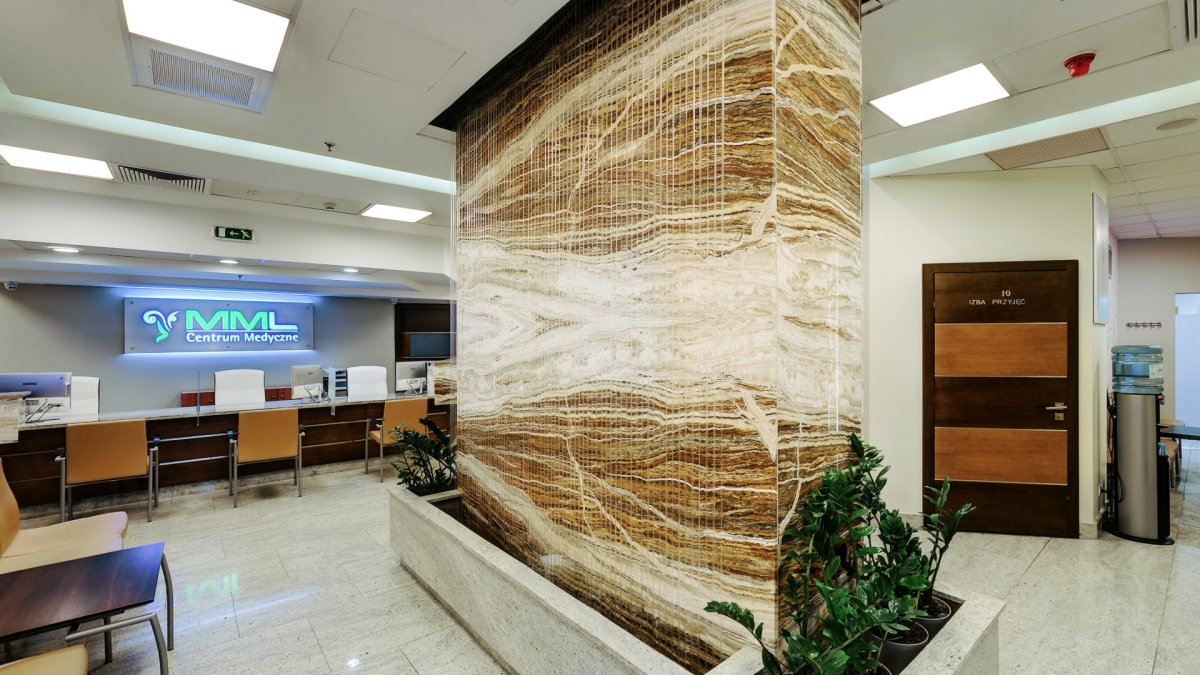
Rmed Kopernika
بولندا,


تمت مراجعة المقالة طبيا من قبل
فهد مولود
من $130. يعتمد السعر الإجمالي على أسلوب الاستئصال وحجم الآفة والمدينة. تشمل التكلفة عادةً الجراحة التحليل النسيجي المرضي الإلزامي لضمان السلامة.
رأي خبراء Bookimed: يوفر اختيار عيادات في مدن متوسطة الحجم مثل لودز قيمة كبيرة للمرضى الدوليين. على سبيل المثال، يعالج مركز RMED Kopernika سنوياً 6,000 مريض ويستقبل العديد من الزوار الأوروبيين. تحافظ عمليات إزالة الشامات في هذه المراكز على معايير عالية وتنافسية في الأسعار. تدرج معظم المرافق البولندية الخزعة الإلزامية ضمن سعر واحد وشفاف. يسهل هذا وضع الميزانية للمرضى الذين يحتاجون إلى إزالة عدة شامات خلال زيارة واحدة.
| بولندا | تركيا | تايلاند | |
|---|---|---|---|
| إزالة الشامة غير النمطية | من $130 | من $2,300 | ≈ $450 |
Bookimed لا يضيف رسوماً إضافية على أسعار إزالة الشامة غير النمطية. الأسعار مأخوذة من قوائم الأسعار الرسمية للعيادات. تدفع مباشرة في العيادة مقابل إزالة الشامة غير النمطية عند وصولك.
Bookimed ملتزم بسلامتك. نحن نعمل فقط مع المؤسسات الطبية التي تحافظ على معايير دولية عالية في إزالة الشامة غير النمطية ولديها التراخيص اللازمة لخدمة المرضى الدوليين في جميع أنحاء العالم.
Bookimed يقدم مساعدة خبراء مجانية. منسق طبي شخصي يدعمك قبل وأثناء وبعد العلاج، ويحل أي مشاكل. لن تكون وحيداً أبداً في رحلة إزالة الشامة غير النمطية.

يقضي هذا الإجراء على نمو الجلد ، ويعزز المظهر الجمالي ويمنع تطورات السرطان.
يزيل هذا العلاج النمو غير المعتاد للجلد ، مما يساعد على تقليل مخاطر الإصابة بالسرطان من خلال الاستئصال الجراحي أو تقنية الليزر.
يقضي هذا العلاج على الشامات باستخدام ضوء مكثف لتفكيكها ، مما يؤدي إلى تقليل التندب والتعافي السريع.
اليوم الأول - الوصول
اليوم 2 - ما قبل العملية
اليوم الثالث - إزالة الشامة اللانمطية
اليوم 4 - بعد العملية
الأسبوع الأول - إعادة التأهيل
الأسبوع الثاني - إعادة التأهيل
الأسبوع الثالث - إعادة التأهيل
يرجى ملاحظة أن الجدول الزمني للتعافي لكل مريض قد يختلف بناءً على الظروف الفردية وخصائص إجراء إزالة الشامة.

 Anna Leonova
تعد إزالة الشامات غير النمطية في بولندا آمنة وتتبع بروتوكولات الاتحاد الأوروبي الموحدة. يستخدم الجراحون خزعة الاستئصال مع الهوامش لضمان الإزالة الكاملة للآفة. تستخدم المرافق الخاصة مثل RMED Kopernika تكنولوجيا حديثة. يظل الفحص النسيجي المرضي هو الإجراء القياسي للتحقق من نظافة الهوامش واستبعاد الأورام الخبيثة.
رؤية خبير Bookimed: على الرغم من أن بولندا تحتل المرتبة الثالثة عالمياً في طلباتنا الطبية، إلا أن البنية التحتية لعياداتها الخاصة تتسم بالكفاءة الاستثنائية. تخدم RMED Kopernika 6000 مريض سنوياً بطاقم مكون من 30 طبيباً. غالباً ما يؤدي هذا الحجم الكبير من المرضى إلى سرعة أكبر في نتائج المختبر للخزعات. النتائج السريعة ضرورية لراحة بال المريض أثناء فحوصات الأنسجة غير النمطية. اختيار مركز يقدم خدمات علم الأمراض المتكاملة غالباً ما يقلل من فترة الانتظار للحصول على النتائج النهائية.
إجماع المرضى: يقدر المرضى معايير السلامة العالية في المراكز الخاصة. ويؤكدون على طلب خزعة استئصال كاملة بدلاً من الإزالة السطحية (الحلاقة) للآفات غير النمطية. يوصي الكثيرون بالعيادات في المدن الكبرى لتوفر أحدث المعدات الجراحية.
أي إجراء يكسر سطح الجلد يسبب شكلاً من أشكال الندبات. تعتمد الرؤية على التقنية وحجم الشامة والموقع التشريحي. يستخدم أطباء الجلد البولنديون طرق الليزر المتقدمة أو الحلاقة أو الاستئصال الجراحي. هذه تقلل العلامات إلى خطوط بيضاء صغيرة أو بقع مسطحة ناقصة التصبغ على مدى عدة أشهر.
رؤية خبير Bookimed: تستقبل العيادات البولندية مثل RMED Kopernika 6000 مريض سنوياً وتركز على الدقة المرضية. بالنسبة للشامات غير النمطية، أعط الأولوية لخزعات Punch على علاجات الليزر. هذا يضمن هوامش واضحة على الرغم من ندبة أكبر قليلاً من الطرق السطحية. الهوامش الدقيقة أكثر أهمية من تقليل العلامة الأولية للصحة على المدى الطويل.
إجماع المرضى: يجد الكثيرون أن الندبة الرقيقة الناتجة أكثر جمالية من الشامة الأصلية. يمكن أن يؤدي وضع شرائح السيليكون من اليوم الأول إلى تقليل رؤية الندبة الإجمالية بنسبة تقارب 50%.
تعد إزالة الشامات غير النمطية في بولندا إجراءً غير مؤلم يتم تحت التخدير الموضعي. يستخدم الجراحون الاستئصال الجراحي لإزالة الشامة مع هامش أمان. يتم بعد ذلك إغلاق الموقع بغرز دقيقة. ستشعر بالضغط أو الشد، ولكن لن تشعر بأي أحاسيس حادة أثناء العملية.
رؤية خبير Bookimed: صعدت بولندا إلى المركز الثالث في تصنيفاتنا العالمية للطلبات الطبية. ويرجع ذلك إلى أن عيادات مثل RMED Kopernika تدير حجمًا كبيرًا من المرضى يصل إلى 6000 مريض سنويًا. وغالبًا ما يقوم جراحوهم بإجراء هذه الإزالات يوميًا. يساعد هذا التكرار العالي في ضمان نتائج تجميلية دقيقة وبروتوكولات تعافي فعالة للزوار الدوليين.
تتطلب إزالة الشامة غير النمطية في بولندا عادةً من 10 إلى 14 يومًا للشفاء السطحي الأولي. يستغرق إعادة تشكيل الأنسجة الداخلية بالكامل من 6 إلى 8 أسابيع. تتضمن الرعاية اللاحقة الحفاظ على جفاف الموقع لمدة 48 ساعة وتجنب النشاط الشاق لمنع فتح الجرح.
رؤية خبير Bookimed: تعد بولندا واحدة من أفضل 3 وجهات للطلبات الطبية على منصتنا. تدير عيادات مثل RMED Kopernika 6000 مريض سنويًا. يعني حجم المرضى المرتفع أن أطباء الجلد البولنديين غالبًا ما يكتشفون السمات غير النمطية بشكل أسرع. يستخدمون عادةً الاستئصال الجراحي بدلاً من الحلاقة. وهذا يضمن هوامش واضحة ويحسن دقة التشخيص أثناء الخزعة.
إجماع المرضى: يؤكد المرضى أنه على الرغم من أن الإجراء سريع، فإن الحفاظ على جفاف المنطقة في البداية هو التحدي الأكبر. يشعر معظمهم بالارتياح بمجرد أن تؤكد نتائج الخزعة وجود هوامش واضحة.
المرشحون المثاليون لإزالة الشامات غير النمطية في بولندا هم الأفراد الذين يعانون من آفات تظهر عليها علامات ABCDE: عدم التماثل، حواف غير منتظمة، تباين في اللون، أو قطر يزيد عن 6 مم. يجب على المرضى الذين لديهم تاريخ شخصي أو عائلي للإصابة بسرطان الجلد أو متلازمة الشامات الخلالية المتعددة إعطاء الأولوية لإزالة النمو المشبوه.
رؤية خبير Bookimed: أصبحت بولندا واحدة من أفضل 3 وجهات عالمية للإجراءات الجلدية بسبب الحجم السريري المرتفع. يعالج مركز RMED Kopernika في لودز وحده 6000 مريض سنويًا على الرغم من وجود 30 طبيبًا فقط. غالبًا ما تترجم هذه النسبة العالية من المرضى إلى الأطباء إلى جراحين يرون حالات غير نمطية أكثر تعقيدًا يوميًا مقارنة بالأخصائيين العامين في أماكن أخرى.
إجماع المرضى: يؤكد المرضى أنه لا يجب عليك إزالة الشامات لأسباب تجميلية بحتة بسبب احتمالية حدوث ندبات. يقترحون إعطاء الأولوية للبقع الكبيرة أو المتغيرة ويؤكدون على استخدام الحماية من الشمس على الندبات لمنع ظهور شامات غير نمطية جديدة.
يمكنك الجمع بين فحص الشامات لكامل الجسم والإزالة في زيارة واحدة في بولندا. يستخدم أطباء الجلدية تنظير الجلد لفحص جميع الشامات أولاً. وغالباً ما يقومون بإجراء استئصال أو خزعة فورية لأي آفات مشبوهة أو غير نمطية يتم تحديدها خلال نفس الموعد.
رؤية خبير Bookimed: بولندا هي وجهة ذات حجم كبير تضم 86 عيادة بما في ذلك مراكز متخصصة مثل RMED Kopernika التي تخدم 6000 مريض سنوياً. في حين أن الفحص والإزالة غالباً ما يحدثان معاً، فإن النتائج المرضية عادة ما تستغرق من 7 إلى 14 يوماً. إذا كنت مسافراً، فتأكد من أن العيادة يمكنها تقديم تقارير علم الأمراض الرقمية عبر البريد الإلكتروني لتجنب رحلة ثانية.
إجماع المرضى: يقدر العديد من المرضى توفير وقت السفر من خلال الجمع بين الفحص والإزالة. وينصحون بالتأكد مما إذا كانت العيادة تحاسب على الفحص والإجراء الجراحي بشكل منفصل قبل وصولك.
تحتفظ مستشفيات الأورام البولندية الكبرى والمراكز الخاصة الكبيرة بوحدات للأنسجة المرضية في الموقع. ومع ذلك، تقوم العديد من العيادات الخارجية بجمع عينات الخزعة ونقلها إلى مختبرات خارجية. توفر مرافق مثل مركز فييلكوبولسكا للسرطان (Wielkopolska Cancer Centre) تشخيصات أثناء الجراحة، بينما تستخدم العيادات الأصغر شبكات مركزية مثل Diagnostyka Consilio لتحليل الأنسجة.
رؤية خبير Bookimed: بينما يبحث المرضى غالبًا عن مختبرات في الموقع من أجل السرعة، يظل وقت التسليم القياسي في بولندا من 7 إلى 14 يومًا. تُظهر سجلاتنا أن العيادات في مدن مثل وودج تخدم 6000 مريض سنويًا من خلال الاعتماد على لوجستيات مختبرية خارجية راسخة. يجب عليك إعطاء الأولوية لخبرة الجراح على موقع المختبر، حيث غالبًا ما تقدم المختبرات المركزية تخصصًا تشخيصيًا أعلى.
إجماع المرضى: توقع انتظارًا من أسبوع إلى أسبوعين للحصول على النتائج عندما تقوم العيادات بالاستعانة بمصادر خارجية للعينات إلى مختبرات مركزية. يوصي ال
تُقدم جراحة الأعصاب في بولندا رعاية عالية الجودة في مرافق معتمدة من قبل اللجنة الدولية المشتركة (JCI) والمنظمة الدولية للمعايير (ISO). يلتزم جراحو الأعصاب البولنديون بمعايير تدريب صارمة معتمدة من قبل الاتحاد الأوروبي. وقد أكمل العديد منهم زمالات في الولايات المتحدة أو ألمانيا. وتتوفر التقنيات المتقدمة، مثل جهاز سايبر نايف وجهاز جاما نايف والأنظمة الروبوتية، على نطاق واسع في المراكز الخاصة.
رأي خبراء بوكيمد: تُظهر البيانات وجود علاقة وثيقة بين تخصص العيادة وأصول مرضاها. تعالج عيادة KCM أكثر من 700 مريض دولي سنويًا، وهي متخصصة في جراحة العمود الفقري طفيفة التوغل. يُمكّنها هذا الحجم من العمل من تقديم باقات خدمات متخصصة، تشمل غالبًا حواجز تشخيصية وزرعات محددة،
يُعدّ جراحو الأعصاب البولنديون متخصصين ذوي كفاءة عالية، إذ أتموا ما لا يقل عن 13 عامًا من التدريب الطبي المكثف. يشمل ذلك ست سنوات من الدراسة في كلية الطب، و13 شهرًا من التدريب العملي، وست سنوات من الإقامة. ويجب عليهم اجتياز امتحان التخصص الحكومي (PES)، وغالبًا ما يحصلون على شهادة من الجمعية الأوروبية لجمعيات جراحة الأعصاب (EANS).
رأي خبراء بوكيميد: تشير البيانات إلى أن جراحي الأعصاب البولنديين غالبًا ما يتخصصون في تقنيات بالغة التخصص، مثل نظام ApiFix أو نظام SED-YESS لتنظير الفقرات القطنية. ويجمع أخصائيون مثل الدكتور ستانيسواف كويك من عيادة KCM بين أبحاث ما بعد الدكتوراه والممارسة الجراحية النشطة. هذا المزيج من المعرفة الأكاديمية المتعمقة والخبرة الجراحية الوا
من بين أفضل عيادات جراحة الأعصاب في بولندا مستشفى كارولينا، وعيادة KCM، ومراكز أكاديمية رائدة مثل مستشفى جامعة كراكوف. تقدم هذه المؤسسات علاجات متطورة لأمراض العمود الفقري والدماغ، مطابقة لمعايير الجودة ISO، وتضم أخصائيين أعضاء في منظمات دولية مثل AO Spine.
رأي خبراء بوكيمد: بينما يتجه الكثيرون إلى أكبر المستشفيات، تُظهر البيانات أن عيادات مثل مستشفى كارولينا تُقدم كفاءة أعلى في العمليات الجراحية الاختيارية. فمع وجود أكثر من 40 طبيباً متخصصاً في هذه المنشأة التي تضم 30 سريراً، تكون نسبة الأطباء إلى المرضى أعلى بكثير مما هي عليه في المراكز الجامعية الحكومية. وهذا يعني رعاية ما بعد الجراحة أكثر عناية، وجدولة أسرع بكثير لإجراءات مثل علاج الانزلاق الغضروفي