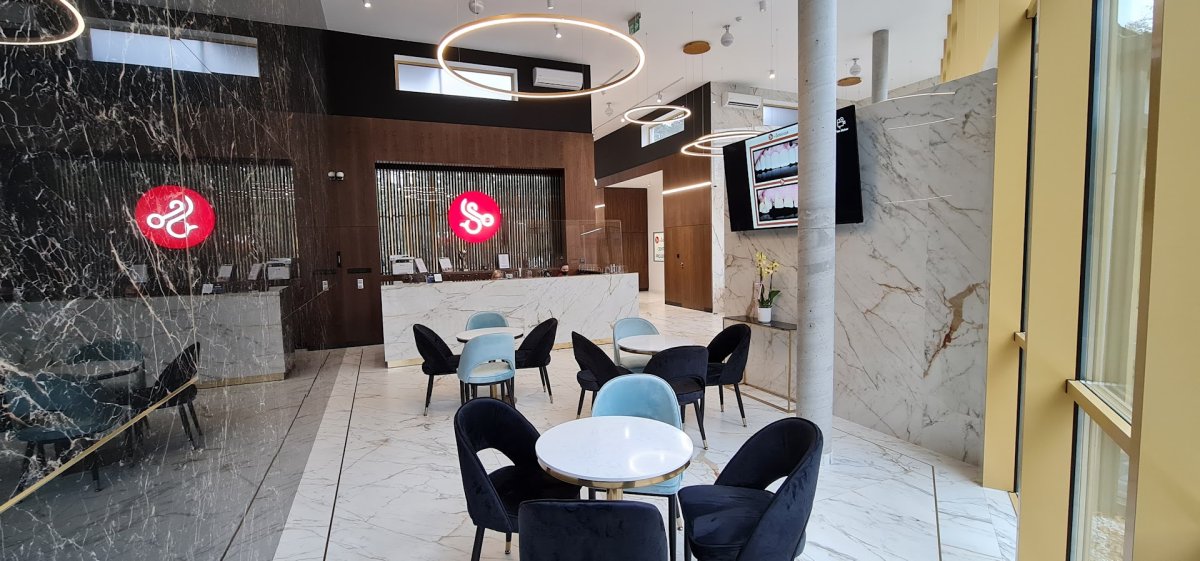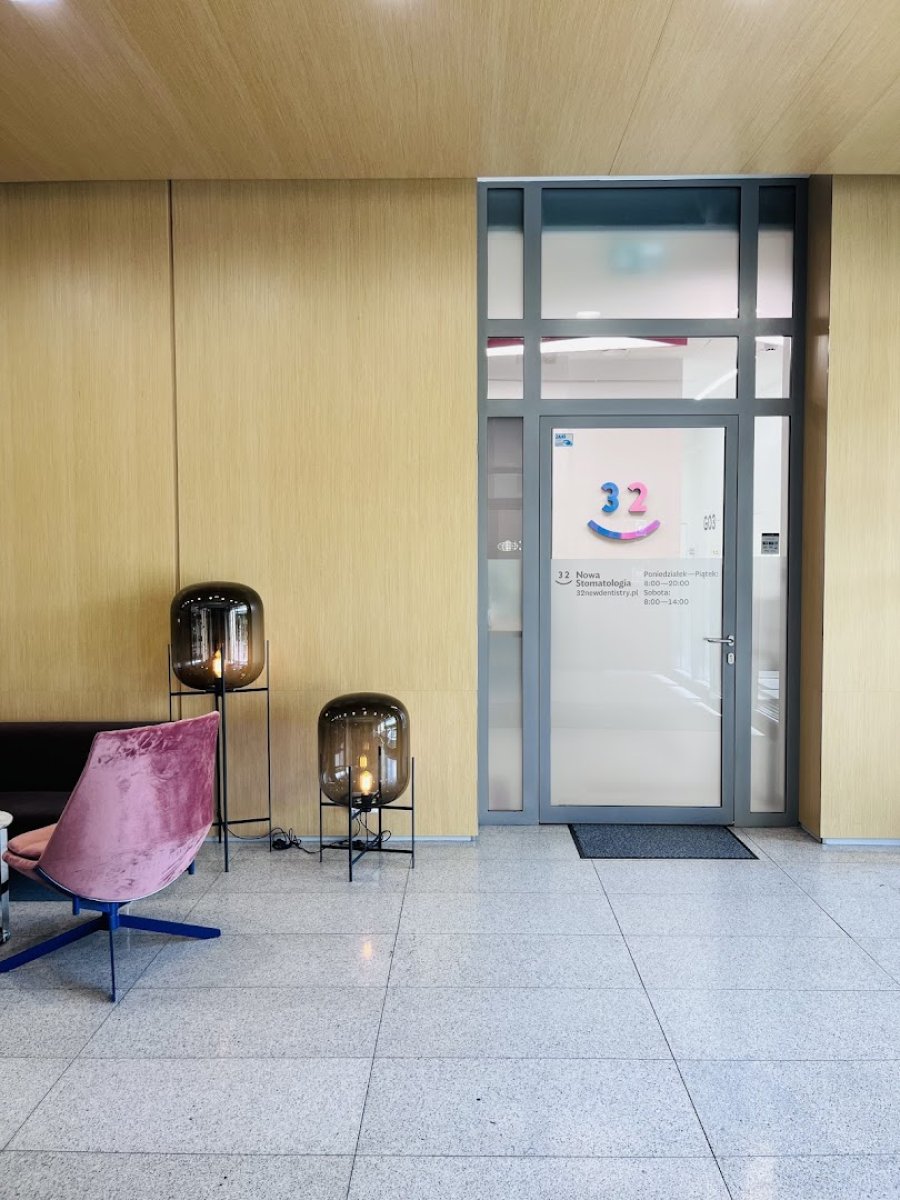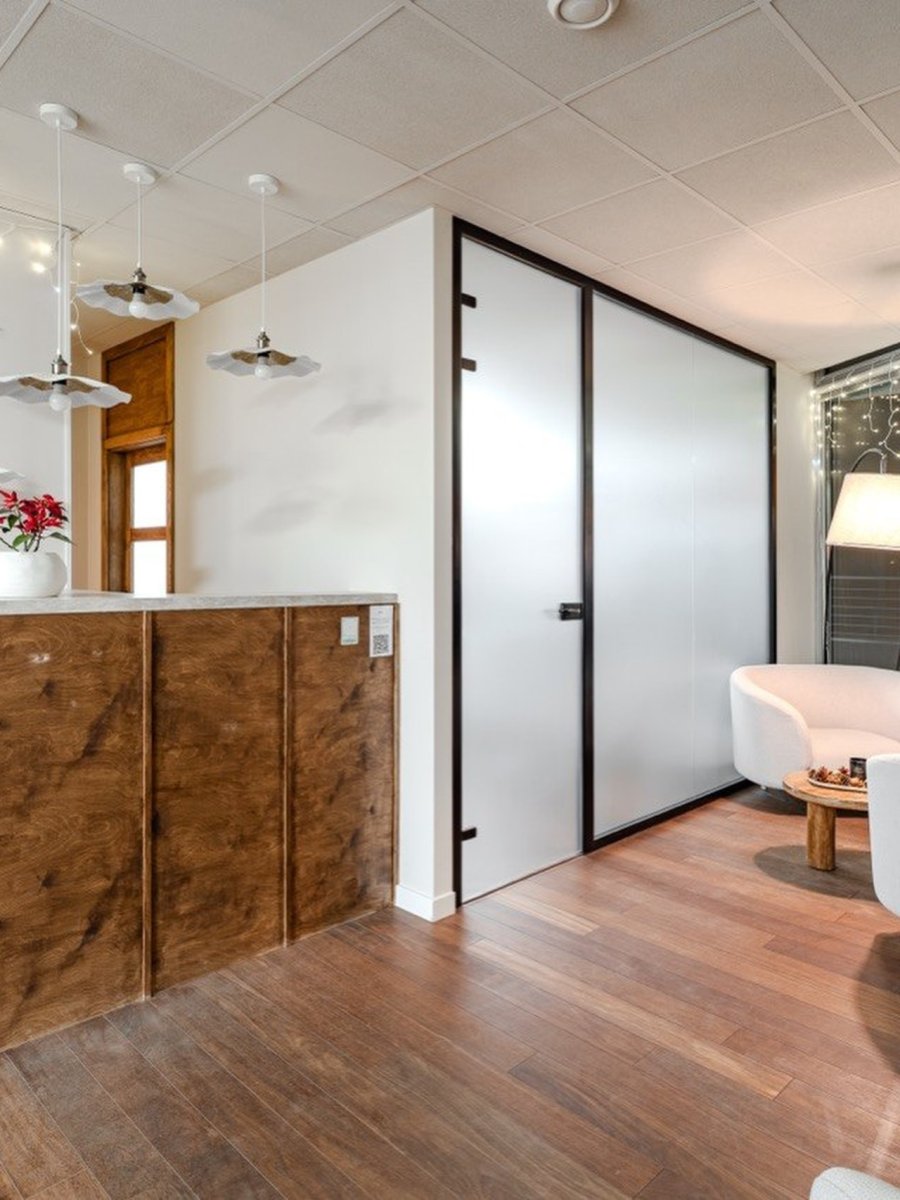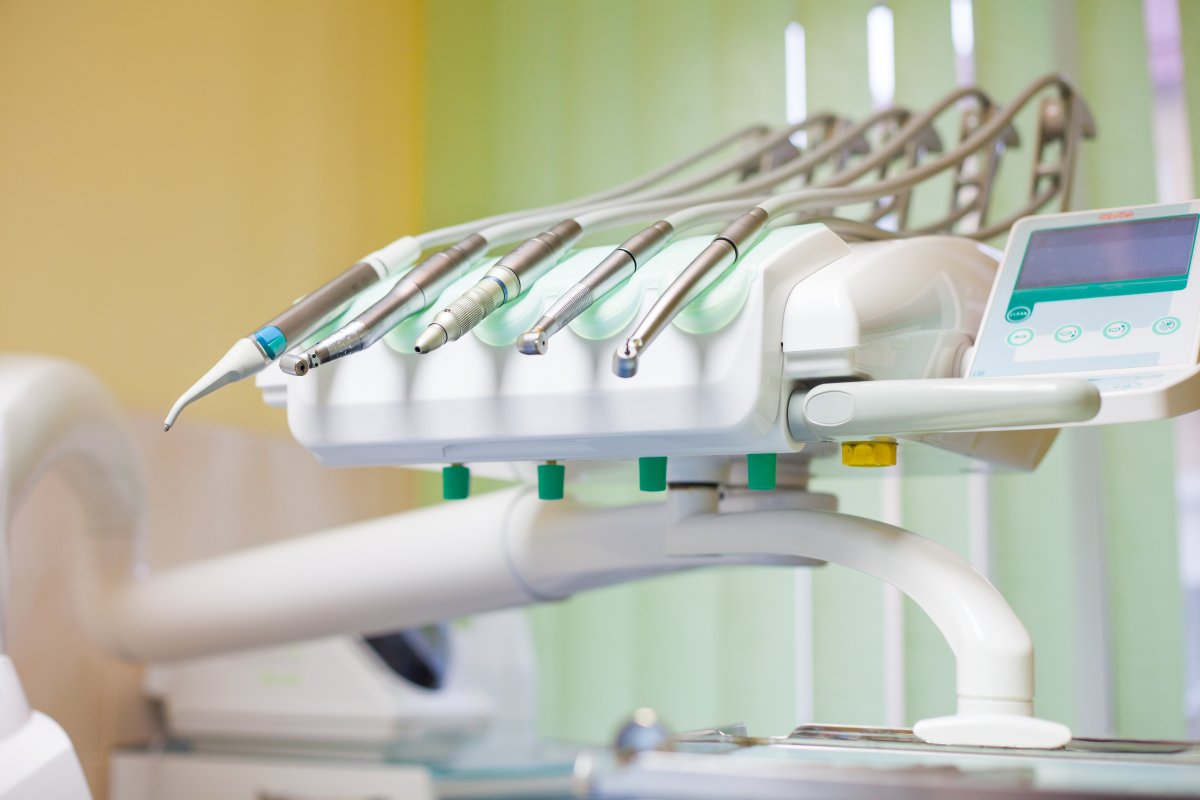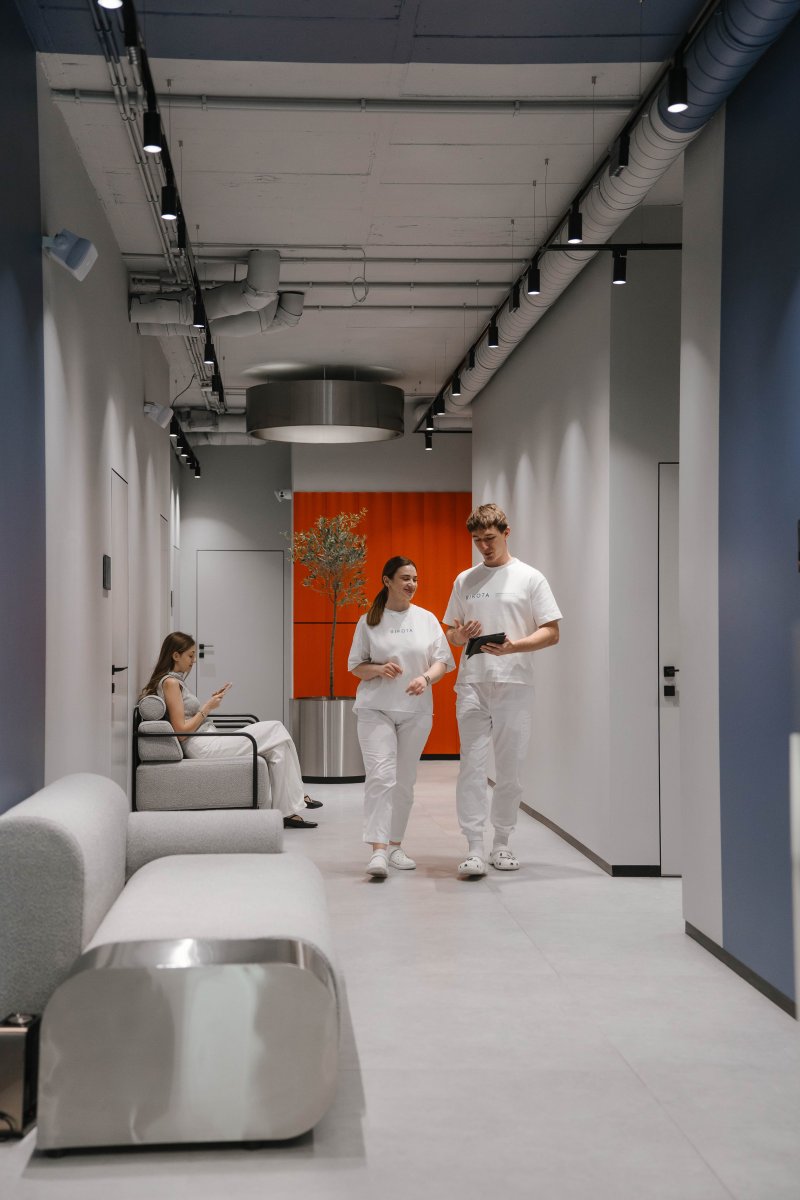
RIKOTA Dental Clinic
بولندا, وارسو


تمت مراجعة المقالة طبيا من قبل
فهد مولود
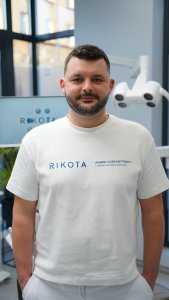
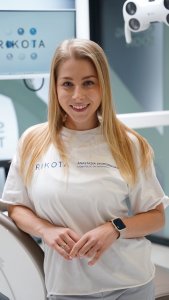
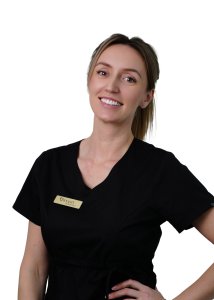
الدكتورة تيتيانا بيريرفا هي أخصائية تقويم أسنان في عيادة Dynasty Stomatology في كراكوف. تركز على النظام الفكي لضمان تصحيح مستقر للعضة. تعالج الدكتورة بيريرفا الأطفال والبالغين على حد سواء. تستخدم بروتوكولات التصوير الرقمي لكل حالة. يساعد عملها في منع التشوهات الخطيرة في مرحلة الطفولة المبكرة.
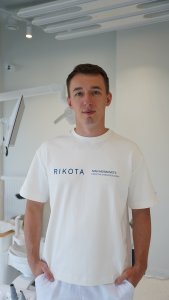
 Anna Leonova
تتضمن استشارة التهاب دواعم السن الأولية في بولندا تقييماً تشخيصياً شاملاً لصحة اللثة. يستخدم المتخصصون مجسات دواعم السن لقياس تراجع الأنسجة. وتُستخدم التشخيصات الرقمية مثل الأشعة المقطعية والأشعة السينية البانورامية لتقييم كثافة العظام. تضع هذه المواعيد التي تستغرق من 30 إلى 60 دقيقة خطة مخصصة لعلاج اللثة.
رؤية خبير Bookimed: تركز مراكز طب الأسنان البولندية الحديثة على التشخيص الشامل قبل بدء أي علاج للثة. تبدأ الدكتورة تيتيانا بيريرفا في عيادة Dynasty Stomatology كل حالة بتحليل كامل للجهاز المضغي. وهذا يضمن أن خطة العلاج تعالج وظيفة الفك الأساسية بدلاً من مجرد الالتهاب السطحي. يوفر اختيار المراكز التي تضم أكثر من 60 متخصصاً مثل عيادة RIKOTA للأسنان إمكانية الوصول إلى فرق متكاملة لتجديد العظام المعقد.
إجماع المرضى: يشير المرضى إلى أنه من المهم أن تتعامل العيادات البولندية مع جميع التشخيصات في مكان واحد. يقدر معظمهم أن الأطباء يشرحون تقدير التكلفة وخطوات النظافة طويلة المدى خلال الزيارة الأولى.
يعد التدخل الجراحي لالتهاب دواعم السن ضرورياً عندما يفشل التنظيف غير الجراحي (كشط وتنعيم الجذور) في القضاء على العدوى العميقة. وهو ضروري للجيوب التي يزيد عمقها عن 5 مم والالتهاب المستمر. تعمل الجراحة على إصلاح فقدان العظام الكبير أو انحسار اللثة الشديد لتثبيت الأسنان ومنع فقدانها.
رؤية خبير Bookimed: غالباً ما يشير حجم المرضى إلى الموثوقية السريرية في بولندا. تخدم عيادة RIKOTA للأسنان في وارسو أكثر من 60,000 مريض سنوياً. غالباً ما تقدم المراكز ذات الحجم الكبير تشخيصات متكاملة مثل بروتوكولات الصور والأشعة المقطعية. يساعد هذا المتخصصين مثل الدكتورة تيتيانا بيريرفا على ضمان نتائج يمكن التنبؤ بها لحالات دواعم السن المعقدة.
إجماع المرضى: يشير المرضى إلى أن الجراحة ليست علاجاً نهائياً، بل وسيلة لجعل الأسنان أسهل في التنظيف. يؤكد الكثيرون أن العناية المنزلية الدقيقة والإقلاع عن التدخين أمران حيويان لنجاح أي إجراء جراحي على المدى الطويل.
يحتاج معظم المرضى للبقاء في بولندا لمدة تتراوح بين 3 إلى 7 أيام بعد جراحة اللثة. يعتمد الإطار الزمني الدقيق على مدى تعقيد الإجراء والمتابعة المطلوبة. تتطلب حالات تقليل الجيوب البسيطة من 2 إلى 3 أيام. أما عمليات تجديد العظام أو التطعيم المعقدة فتتطلب عادةً أسبوعاً كاملاً لضمان السلامة.
رؤية خبير Bookimed: تخدم المراكز ذات الحجم الكبير مثل عيادة RIKOTA للأسنان 60,000 مريض سنوياً. يشير هذا النطاق الضخم إلى بروتوكولات ما بعد الجراحة عالية الكفاءة. غالباً ما توفر العيادات الكبيرة تشخيصات شاملة بما في ذلك الأشعة المقطعية في الموقع. وهذا يسرع من الحصول على التصريح النهائي للسفر مقارنة بالعيادات الصغيرة.
إجماع المرضى: يؤكد المرضى على أهمية الحفاظ على جدول زمني مرن لأن الأيام الثلاثة الأولى غالباً ما تكون غير متوقعة. يقترح الكثيرون التأكد مما إذا كانت الغرز قابلة للذوبان قبل العودة إلى المنزل لتجنب المواعيد الإضافية.
تعطي علاجات التهاب دواعم السن غير الجراحية في بولندا الأولوية لإزالة الغشاء الحيوي (البلاك) والسيطرة على الالتهاب. تستخدم مراكز طب الأسنان البولندية تقشير الأسنان وكشط الجذور كمعيار ذهبي أساسي للتدخل. تشمل الخيارات المتقدمة علاج Vector وGuided Biofilm Therapy للقضاء على البكتيريا تحت اللثة واستعادة صحة اللثة.
رؤية خبير Bookimed: تضم عيادة RIKOTA للأسنان في وارسو فريقاً من 60 متخصصاً لإدارة 60,000 مريض سنوياً. غالباً ما توفر العيادات الكبيرة مثل هذه خيارات غير جراحية أكثر شمولاً في موقع واحد. يضمن هذا الحجم الكبير من المرضى عادةً أن الأطباء لديهم خبرة واسعة في بروتوكولات صيانة دواعم السن المعقدة.
إجماع المرضى: يشير المرضى إلى أن التنظيف المهني الشامل هو مجرد الخطوة الأولى. يعتمد النجاح بشكل كبير على تغييرات لا غنى عنها في الرعاية المنزلية وزيارات الصيانة المنتظمة لمنع عودة الم
يمكن إجراء علاج اللثة في بولندا تحت أشكال مختلفة من التخدير للتحكم في قلق الأسنان وضمان الراحة. توفر العيادات البولندية المرخصة أكسيد النيتروز، والتخدير الوريدي (IV)، والخيارات الدوائية الفموية. تُستخدم هذه الطرق بشكل متكرر للإجراءات المعقدة مثل التنظيف العميق، وتطعيم اللثة، وإعادة البناء الجراحي.
رؤية خبير Bookimed: نمت بولندا لتصبح مركزًا رئيسيًا لطب الأسنان، حيث تخدم 60,000 مريض سنويًا في مراكز ذات سعة عالية مثل عيادة RIKOTA للأسنان. تُظهر بياناتنا أن المرافق الحديثة في كراكوف ووارسو تعطي الأولوية للتشخيص الشامل، وغالبًا ما تتعامل مع الأشعة المقطعية والتوثيق الفوتوغرافي في الموقع قبل إجراءات التخدير. هذا التكامل يبسط العملية للمرضى الدوليين الذين يحتاجون إلى إكمال العلاج في عدد أقل من الزيارات.
إجماع المرضى: يشير المرضى إلى أن التخدير أكثر شيوعًا لجراحات اللثة أو تطعيم اللثة منه للتنظيف الروتيني. من المهم التأكد مما إذا كانت العيادة توفر التخدير الوريدي أو الأدوية الفموية فقط قب
تجنب الأكل حتى يزول مفعول التخدير الموضعي لمنع إصابات اللسان أو الخد. لمدة 24 إلى 48 ساعة، تجنب استخدام الماصات (الشفاطات) والأطعمة الساخنة لحماية جلطات الدم التي تلتئم. التزم بالأطعمة الفاترة واللينة مع المضغ فقط على الجانب غير المعالج من فمك.
رؤية خبير Bookimed: يسلط حجم المرضى في المراكز الكبرى مثل عيادة RIKOTA لطب الأسنان، التي تخدم 60,000 مريض سنوياً، الضوء على أهمية الرعاية اللاحقة الموحدة. في حين أن تكلفة العيادات في بولندا أقل بنحو 40% إلى 50% مقارنة بالدول الاسكندنافية، تظل البروتوكولات السريرية للتعافي متطابقة. اختيار منشأة بها تشخيص في الموقع، مثل عيادة Dynasty Stomatology، يضمن أن طبيب اللثة الخاص بك يمكنه مراقبة التئام الأنسجة بدقة أثناء المتابعة.
إجماع المرضى: يشير المرضى إلى أن أكبر خطأ هو العودة إلى النظام الغذائي الطبيعي في وقت مبكر جداً. يوصي معظمهم بإعداد قائمة طعام لينة من الزبادي والبطاطس المهروسة قبل الإجراء لتجنب إغراء الوجبات الخفيفة المقرمشة.
تُقدم جراحة الأعصاب في بولندا رعاية عالية الجودة في مرافق معتمدة من قبل اللجنة الدولية المشتركة (JCI) والمنظمة الدولية للمعايير (ISO). يلتزم جراحو الأعصاب البولنديون بمعايير تدريب صارمة معتمدة من قبل الاتحاد الأوروبي. وقد أكمل العديد منهم زمالات في الولايات المتحدة أو ألمانيا. وتتوفر التقنيات المتقدمة، مثل جهاز سايبر نايف وجهاز جاما نايف والأنظمة الروبوتية، على نطاق واسع في المراكز الخاصة.
رأي خبراء بوكيمد: تُظهر البيانات وجود علاقة وثيقة بين تخصص العيادة وأصول مرضاها. تعالج عيادة KCM أكثر من 700 مريض دولي سنويًا، وهي متخصصة في جراحة العمود الفقري طفيفة التوغل. يُمكّنها هذا الحجم من العمل من تقديم باقات خدمات متخصصة، تشمل غالبًا حواجز تشخيصية وزرعات محددة،
يُعدّ جراحو الأعصاب البولنديون متخصصين ذوي كفاءة عالية، إذ أتموا ما لا يقل عن 13 عامًا من التدريب الطبي المكثف. يشمل ذلك ست سنوات من الدراسة في كلية الطب، و13 شهرًا من التدريب العملي، وست سنوات من الإقامة. ويجب عليهم اجتياز امتحان التخصص الحكومي (PES)، وغالبًا ما يحصلون على شهادة من الجمعية الأوروبية لجمعيات جراحة الأعصاب (EANS).
رأي خبراء بوكيميد: تشير البيانات إلى أن جراحي الأعصاب البولنديين غالبًا ما يتخصصون في تقنيات بالغة التخصص، مثل نظام ApiFix أو نظام SED-YESS لتنظير الفقرات القطنية. ويجمع أخصائيون مثل الدكتور ستانيسواف كويك من عيادة KCM بين أبحاث ما بعد الدكتوراه والممارسة الجراحية النشطة. هذا المزيج من المعرفة الأكاديمية المتعمقة والخبرة الجراحية الوا
من بين أفضل عيادات جراحة الأعصاب في بولندا مستشفى كارولينا، وعيادة KCM، ومراكز أكاديمية رائدة مثل مستشفى جامعة كراكوف. تقدم هذه المؤسسات علاجات متطورة لأمراض العمود الفقري والدماغ، مطابقة لمعايير الجودة ISO، وتضم أخصائيين أعضاء في منظمات دولية مثل AO Spine.
رأي خبراء بوكيمد: بينما يتجه الكثيرون إلى أكبر المستشفيات، تُظهر البيانات أن عيادات مثل مستشفى كارولينا تُقدم كفاءة أعلى في العمليات الجراحية الاختيارية. فمع وجود أكثر من 40 طبيباً متخصصاً في هذه المنشأة التي تضم 30 سريراً، تكون نسبة الأطباء إلى المرضى أعلى بكثير مما هي عليه في المراكز الجامعية الحكومية. وهذا يعني رعاية ما بعد الجراحة أكثر عناية، وجدولة أسرع بكثير لإجراءات مثل علاج الانزلاق الغضروفي
في بولندا، يركز طب جراحة الأعصاب بشكل أساسي على جراحات العمود الفقري واستئصال أورام الدماغ. وتُجري المستشفيات بشكل متكرر عمليات استئصال القرص المجهرية، ودمج الفقرات، وتحفيز الدماغ العميق. وتستخدم مراكز مثل مستشفى كارولينا وعيادة كي سي إم تقنيات طفيفة التوغل لعلاج الانزلاق الغضروفي، وإصابات العمود الفقري، والاضطرابات العصبية المعقدة.
رأي خبراء بوكيميد: أصبحت بولندا مركزًا متخصصًا في تثبيت العمود الفقري. تتعاون عيادات مثل مستشفى كارولينا مع الفرق الرياضية الوطنية، مما يعكس خبرتها العالية في علاج إصابات العمود الفقري المعقدة. تُظهر بياناتنا أن هذه المؤسسات غالبًا ما تُدمج إعادة التأهيل مباشرةً في العلاج الجراحي. هذا الدمج يقلل من خطر الم