التهاب الأوتار التكلسي العلاج في بولندا - التكاليف 2026


تمت مراجعة المقالة طبيا من قبل
فهد مولود
ما هي تكلفة التهاب الأوتار التكلسي إجراءات التشخيص والعلاج في بولندا؟ اعرف الآن
مزاياك وضماناتك مع Bookimed
أسعار مباشرة
Bookimed لا يضيف رسوماً إضافية على أسعار علاج التهاب الأوتار التكلسي. الأسعار مأخوذة من قوائم الأسعار الرسمية للعيادات. تدفع مباشرة في العيادة مقابل علاجك عند وصولك إلى البلد.
عيادات وأطباء معتمدون فقط
Bookimed ملتزم بسلامتك. نحن نعمل فقط مع المؤسسات الطبية التي تحافظ على معايير دولية عالية في علاج التهاب الأوتار التكلسي ولديها التراخيص اللازمة لخدمة المرضى الدوليين في جميع أنحاء العالم.
مساعدة مجانية على مدار الساعة
Bookimed يقدم مساعدة خبراء مجانية. منسق طبي شخصي يدعمك قبل وأثناء وبعد العلاج، ويحل أي مشاكل. لن تكون وحيداً أبداً في رحلة علاج التهاب الأوتار التكلسي.

منسقك الطبي الشخصي في Bookimed
- يدعمك في كل مرحلة
- المساعدة في اختيار العيادة الطبية المناسبة والطبيب المناسب
- يضمن الوصول السريع والمريح إلى المعلومات
اكتشف أفضل التهاب الأوتار التكلسي العيادات في بولندا: 3 خيارات معتمدة والأسعار
احصلوا على تقييم طبي لـ التهاب الأوتار التكلسي في بولندا: استشيروا أطباء ذوي خبرة الآن
عرض جميع الأطباء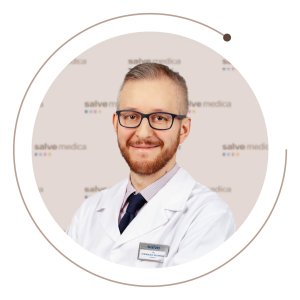
Stanislaw Klosinski
الدكتور ستانيسواف كلوسينسكي متخصص في جراحة العظام وطبّ إصابات الجهاز العضلي الهيكلي. تخرّج من جامعة بوزنان للعلوم الطبية عام 2013، ونال درجة الدكتوراه في العلوم الطبية عام 2021. أتمّ إقامته الطبية في جامعة لودز الطبية. يعمل جرّاحًا ضمن الطاقم ومحاضرًا في المستشفى التعليمي المركزي (CSK CKD)، ويجري عمليات متقدمة.
يعالج البالغين والأطفال، ويقدّم رعاية غير جراحية وأساليب جراحية حديثة، واستشارات بلغتين. تشمل اهتماماته السريرية تشوّهات القدم والكاحل، والفُصال العظمي في الركبة والورك، وإصابات
مشاركة المحتوى
قصص فيديو من مرضى Bookimed
 Anna Leonova
أسئلة متكررة حول علاج التهاب الأوتار التكلسي في بولندا
ما هي العلاجات غير الجراحية الأكثر شيوعاً لالتهاب الأوتار التكلسي في العيادات البولندية؟
تعد العلاج بالموجات التصادمية من خارج الجسم والغسيل بالإبر الموجه بالموجات فوق الصوتية هي الطرق غير الجراحية الأساسية في بولندا. يستخدم المتخصصون هذه التقنيات لتفتيت ترسبات الكالسيوم وتحفيز الشفاء. غالباً ما تحل هذه الأساليب محل الجراحة. تعطي معظم العيادات الأولوية للإجراءات طفيفة التوغل مثل "باربوتاج" (barbotage) لتخفيف الألم فوراً.
- العلاج بالموجات التصادمية: تعمل الموجات الصوتية المركزة على تفتيت بلورات الكالسيوم وتحسين تدفق الدم.
- الغسيل بالإبر: يقوم الأطباء بغسل الترسبات باستخدام محلول ملحي تحت توجيه مستمر بالموجات فوق الصوتية.
- التحليل الكهربائي عن طريق الجلد: يؤدي التيار الجلفاني المطبق عبر الإبر إلى تحلل كيميائي للأنسجة.
- علاج البلازما الغنية بالصفائح الدموية (PRP): تعمل حقن عوامل النمو المركزة على تسريع إعادة تشكيل الأوتار بيولوجياً.
رؤية خبير Bookimed: تدير المراكز البولندية مثل RMED Kopernika أعداداً كبيرة من المرضى بفضل طاقم متخصص. بينما تقدم العديد من العيادات العلاج بالموجات التصادمية، غالباً ما تأتي النتائج الأكثر كفاءة من الجمع بين التصوير والتدخل. اختيار منشأة تجري إجراءات موجهة بالموجات فوق الصوتية يضمن استهداف ترسب الكالسيوم بدقة بدلاً من علاج المنطقة بشكل عام.
إجماع المرضى: يشير المرضى إلى أنه على الرغم من أن الراحة والأدوية تساعد في إدارة نوبات الألم، إلا أنها لا تزيل الكالسيوم. يجد الكثيرون أن العلاج الطبيعي يعمل بشكل أفضل بمجرد انحسار الألم الشديد، وليس خلال مرحلة الالتهاب الحادة.
متى يوصي الأخصائيون البولنديون بالجراحة بالمنظار بدلاً من العلاجات التحفظية؟
يوصي الأخصائيون البولنديون بالجراحة بالمنظار لعلاج التهاب الأوتار التكلسي عندما يستمر الألم المزمن بعد 3 إلى 6 أشهر من العلاج التحفظي. تشمل المؤشرات انسداد المفصل الميكانيكي، أو وجود رواسب متصلبة كبيرة، أو فقدان وظيفي حاد. يتم إعطاء الأولوية للجراحة عندما يفشل الغسيل الموجه بالموجات فوق الصوتية أو حقن الستيرويد في توفير راحة دائمة.
- فشل العلاج التحفظي: يُنصح بالجراحة إذا فشل العلاج الطبيعي المكثف في تثبيت المفصل.
- الانسداد الميكانيكي: يوصي الأخصائيون بالمنظار عندما تسبب التكلسات قفلاً أو تعثراً فعلياً في المفصل.
- القيود الوظيفية: يشار إلى الإجراءات إذا كان المرضى لا يستطيعون النوم أو أداء المهام اليومية بشكل مريح.
- الضرر الهيكلي: يُفضل المنظار عندما تتعايش الرواسب مع متلازمة الانحشار أو تمزق الكفة المدورة.
رؤية خبير Bookimed: تؤكد مراكز العظام البولندية مثل RMED Kopernika في لودز على التعافي الوظيفي أكثر من نتائج التصوير وحدها. على الرغم من أن الرواسب قد تبدو كبيرة في الأشعة السينية، إلا أن الأخصائيين غالباً ما يؤجلون الجراحة إذا ظلت الحركة عالية. يعكس هذا النهج توجهاً وطنياً لاستخدام المنظار كحل ميكانيكي دقيق بدلاً من كونه استجابة أولية.
إجماع المرضى: يشير المرضى إلى أن الأطباء يقترحون عادةً تجربة الغسيل بالإبرة أو حقن الأعصاب المتخصصة أولاً. يصف الكثيرون الجراحة بأنها الخيار الأخير بعد فشلهم في العثور على الراحة من خلال العلاج الطبيعي المخصص أو الحقن.
كيف يبدو الجدول الزمني لإعادة التأهيل بعد الجراحة في بولندا؟
يتبع التعافي بعد الجراحة لالتهاب الأوتار التكلسي في بولندا جدولاً زمنياً منظماً مدته 24 أسبوعاً. يبدأ معظم جراحي العظام البولنديين العلاج الطبيعي المبكر جداً في غضون 24 ساعة. يحقق المرضى عادةً الاستقلالية الوظيفية بين 3 و 6 أشهر. تعتمد سرعة التعافي على ما إذا كان الجراحون قد أجروا أيضاً تنظيفاً للكفة المدورة.
- المرحلة 1 (الأيام 1–7): التركيز على السيطرة على التورم باستخدام العلاج بالتبريد. يعطي الجراحون الأولوية لفحوصات موقع الجراحة.
- المرحلة 2 (الأسابيع 2–6): الهدف الرئيسي هو نطاق الحركة السلبي. غالباً ما يبدأ المرضى بحركات البندول.
- المرحلة 3 (الأسابيع 6–12): يبدأ التقوية النشطة لعكس ضمور العضلات. التماثل الوظيفي هو الهدف.
- المرحلة 4 (الأشهر 3–6): يستعيد المرضى قدرة التحميل الديناميكي المكثف. تسمح هذه المرحلة بالعودة إلى ممارسة الرياضة.
رؤية خبير Bookimed: تخدم العيادات البولندية مثل RMED Kopernika أكثر من 6000 مريض سنوياً. نلاحظ أن البروتوكولات الأوروبية لتعافي الكتف غالباً ما تكون أكثر تحفظاً من المعايير الأمريكية. اختيار منشأة ذات إعادة تأهيل متكاملة يتجنب نافذة الإحالة لمدة 30 يوماً الشائعة في الرعاية العامة.
إجماع المرضى: يجد العديد من المرضى صعوبة في النوم في البداية. يوصون باستخدام وسائد إسفينية أو كراسي استرخاء. ارتداء الملابس والقيادة أصعب بكثير مما كان متوقعاً خلال الأسبوعين الأولين.
هل يمكنني السفر جوًا إلى المنزل مباشرة بعد الخضوع لإجراء طبي؟
تعتمد جداول السفر بعد علاج التهاب الأوتار التكلسي في بولندا على نوع الإجراء. غالبًا ما تسمح عمليات الوخز طفيفة التوغل الموجهة بالموجات فوق الصوتية بالسفر في غضون 24 ساعة. يحتاج المرضى الذين يخضعون لجراحة بالمنظار عمومًا إلى 3 إلى 7 أيام قبل الطيران. يساعد وقت الانتظار هذا في إدارة تغيرات ضغط المقصورة وتجنب جلطات الدم.
- التدخلات البسيطة: انتظر 24 ساعة بعد إجراء الغسيل أو حقن الستيرويد قبل السفر إلى المنزل.
- الجراحة بالمنظار: خطط للبقاء من 3 إلى 7 أيام لالتئام الجرح الأولي.
- التعافي الجراحي: يحتاج معظم المرضى إلى 72 ساعة حتى يخرج التخدير تمامًا من الجسم.
- الوقاية من جلطات الدم: تتطلب الرحلات القصيرة تحريك الذراعين والساقين للحفاظ على الدورة الدموية.
رؤية خبير Bookimed: تخدم العيادات في بولندا مثل RMED Kopernika آلاف المرضى الدوليين سنويًا. في حين أن التصريح الطبي للغسيل البسيط يحدث غالبًا في نفس اليوم، توصي العديد من العيادات بفترة انتظار مدتها 48 ساعة. تسمح هذه الفترة بتهدئة الالتهاب الأولي قبل المرور عبر أمن المطار. غالبًا ما يصف أطباء العظام البولنديون أدوية مضادة للالتهابات محددة لرحلة العودة.
إجماع المرضى: يشير المرضى إلى أنه حتى مع الحصول على تصريح طبي، فإن لوجستيات المطار صعبة مع وجود كتف معالج. ينصحون بشدة بحجز المساعدة وتجنب استخدام خزائن الأمتعة العلوية لمنع حدوث إصابة مفاجئة مرة أخرى.
ما هي أفضل المدن والمرافق الطبية للعلاج التقويمي في بولندا؟
تعد وارسو وكراكوف وجيلينيا غورا مراكز تقويم العظام الرائدة في بولندا. تستضيف هذه المدن مرافق حاصلة على اعتمادات JCI وISO. وهي تقدم علاجات متقدمة مثل الجراحة الروبوتية والإجراءات الموجهة بالموجات فوق الصوتية. توفر مراكز مثل مركز كارولينا الطبي (Carolina Medical Center) وعيادة KCM رعاية متخصصة للحالات العضلية الهيكلية المعقدة.
- وارسو: المدينة الرئيسية للطب الرياضي والجراحات المتقدمة بمساعدة الروبوت.
- عيادة KCM: مركز تميز Zimmer Biomet في جيلينيا غورا للإجراءات طفيفة التوغل.
- المستشفى الجامعي: مرفق ضخم في كراكوف يدير الإصابات المعقدة وحالات تقويم العظام متعددة التخصصات.
- مركز كارولينا الطبي: مركز طبي متميز معتمد من FIFA يقع في وارسو للرياضيين النخبة.
رؤية خبير Bookimed: تشير بيانات حجم المرضى إلى أن العيادات البولندية من الدرجة الأولى تخدم أكثر من 6000 مريض سنويًا. بينما تركز المرافق عالية التقنية مثل مركز كارولينا الطبي على أنظمة الركبة الروبوتية، تعطي مراكز مثل AllMedica الأولوية للحركة السريعة. بالنسبة لالتهاب الأوتار التكلسي، فإن اختيار العيادات التي تقدم التصوير وإعادة التأهيل في موقع واحد يضمن عادةً أوقات تعافي أسرع.
إجماع المرضى: يؤكد المرضى على أهمية العثور على أخصائي كتف يقوم بإجراءات موجهة بالموجات فوق الصوتية. يلاحظ الكثيرون أن وجود التصوير والعلاج الطبيعي في نفس العيادة يجعل العملية أسهل بكثير.
ما مدى جودة جراحة الأعصاب في بولندا؟
تُقدم جراحة الأعصاب في بولندا رعاية عالية الجودة في مرافق معتمدة من قبل اللجنة الدولية المشتركة (JCI) والمنظمة الدولية للمعايير (ISO). يلتزم جراحو الأعصاب البولنديون بمعايير تدريب صارمة معتمدة من قبل الاتحاد الأوروبي. وقد أكمل العديد منهم زمالات في الولايات المتحدة أو ألمانيا. وتتوفر التقنيات المتقدمة، مثل جهاز سايبر نايف وجهاز جاما نايف والأنظمة الروبوتية، على نطاق واسع في المراكز الخاصة.
- المؤهلات التخصصية: غالباً ما يكون الأطباء أعضاء في الرابطة الأوروبية لجمعيات جراحة الأعصاب.
- التقنيات المتقدمة: تستخدم العيادات أنظمة CyberKnife والموجات فوق الصوتية المركزة الموجهة بالرنين المغناطيسي لعلاج الدماغ غير الجراحي.
- الحجم السريري: تعالج المراكز الرائدة مثل مستشفى الجامعة في كراكوف أكثر من 455000 مريض سنوياً.
- جراحون ذوو خبرة: أجرى الدكتور ماسيج بوجكو من مستشفى كارولينا أكثر من 2500 عملية جراحية بمفرده.
رأي خبراء بوكيمد: تُظهر البيانات وجود علاقة وثيقة بين تخصص العيادة وأصول مرضاها. تعالج عيادة KCM أكثر من 700 مريض دولي سنويًا، وهي متخصصة في جراحة العمود الفقري طفيفة التوغل. يُمكّنها هذا الحجم من العمل من تقديم باقات خدمات متخصصة، تشمل غالبًا حواجز تشخيصية وزرعات محددة،
ما هي مؤهلات جراحي الأعصاب البولنديين؟
يُعدّ جراحو الأعصاب البولنديون متخصصين ذوي كفاءة عالية، إذ أتموا ما لا يقل عن 13 عامًا من التدريب الطبي المكثف. يشمل ذلك ست سنوات من الدراسة في كلية الطب، و13 شهرًا من التدريب العملي، وست سنوات من الإقامة. ويجب عليهم اجتياز امتحان التخصص الحكومي (PES)، وغالبًا ما يحصلون على شهادة من الجمعية الأوروبية لجمعيات جراحة الأعصاب (EANS).
- التعليم: يتلقى الأطباء تعليمهم الطبي (الطب) بعد 6 سنوات من الدراسة في الجامعة.
- التخصص: تشمل الإقامة 6 سنوات من التدريب المعياري في جراحة الأعصاب السريرية وعلم الأشعة العصبية.
- حجم العمليات الجراحية: غالبًا ما يقوم الأطباء المقيمون بإجراء أكثر من 1000 عملية جراحية، وهو ما يتجاوز متوسط حجم التدريب في المناطق الأخرى.
- الشهادات: العديد من المتخصصين أعضاء في منظمة AO Spine أو الجمعية البولندية لجراحة العمود الفقري.
رأي خبراء بوكيميد: تشير البيانات إلى أن جراحي الأعصاب البولنديين غالبًا ما يتخصصون في تقنيات بالغة التخصص، مثل نظام ApiFix أو نظام SED-YESS لتنظير الفقرات القطنية. ويجمع أخصائيون مثل الدكتور ستانيسواف كويك من عيادة KCM بين أبحاث ما بعد الدكتوراه والممارسة الجراحية النشطة. هذا المزيج من المعرفة الأكاديمية المتعمقة والخبرة الجراحية الوا
ما هي أفضل عيادات جراحة الأعصاب في بولندا؟
من بين أفضل عيادات جراحة الأعصاب في بولندا مستشفى كارولينا، وعيادة KCM، ومراكز أكاديمية رائدة مثل مستشفى جامعة كراكوف. تقدم هذه المؤسسات علاجات متطورة لأمراض العمود الفقري والدماغ، مطابقة لمعايير الجودة ISO، وتضم أخصائيين أعضاء في منظمات دولية مثل AO Spine.
- مستشفى كارولينا: مركز التميز الطبي التابع للفيفا، والمتخصص في جراحات العمود الفقري المعقدة ذات التدخل الجراحي المحدود.
- عيادة KCM: معترف بها دوليًا لجودة إجراءات تنظير العمود الفقري، وتخدم أكثر من 700 مريض دولي سنويًا.
- مستشفى جامعة كراكوف: مركز متعدد التخصصات كبير يقوم بإجراء أكثر من 800 عملية جراحية عصبية سنوياً منذ عام 1788.
- لوكسميد: مركز طبي خاص مرموق في وارسو متخصص في جراحة العمود الفقري المتقدمة للمرضى الدوليين.
رأي خبراء بوكيمد: بينما يتجه الكثيرون إلى أكبر المستشفيات، تُظهر البيانات أن عيادات مثل مستشفى كارولينا تُقدم كفاءة أعلى في العمليات الجراحية الاختيارية. فمع وجود أكثر من 40 طبيباً متخصصاً في هذه المنشأة التي تضم 30 سريراً، تكون نسبة الأطباء إلى المرضى أعلى بكثير مما هي عليه في المراكز الجامعية الحكومية. وهذا يعني رعاية ما بعد الجراحة أكثر عناية، وجدولة أسرع بكثير لإجراءات مثل علاج الانزلاق الغضروفي
ما هي أكثر العمليات الجراحية العصبية شيوعاً في بولندا؟
في بولندا، يركز طب جراحة الأعصاب بشكل أساسي على جراحات العمود الفقري واستئصال أورام الدماغ. وتُجري المستشفيات بشكل متكرر عمليات استئصال القرص المجهرية، ودمج الفقرات، وتحفيز الدماغ العميق. وتستخدم مراكز مثل مستشفى كارولينا وعيادة كي سي إم تقنيات طفيفة التوغل لعلاج الانزلاق الغضروفي، وإصابات العمود الفقري، والاضطرابات العصبية المعقدة.
- جراحة العمود الفقري: يعتبر استئصال القرص واستئصال الصفيحة الفقرية من العلاجات الشائعة لانزلاق القرص.
- علم الأورام العصبية: يقوم الأخصائيون بإجراء عمليات جراحية لإزالة أورام الدماغ باستخدام معدات حديثة مثل تقنية سايبر نايف.
- جراحة الأعصاب الوظيفية: يستخدم التحفيز العميق للدماغ (DBS) على نطاق واسع لعلاج اضطرابات الحركة.
- التقنيات طفيفة التوغل: يستخدم الجراحون تقنيات التنظير الداخلي لتخفيف الضغط عن العمود الفقري وعلاج أورام الغدة النخامية.
رأي خبراء بوكيميد: أصبحت بولندا مركزًا متخصصًا في تثبيت العمود الفقري. تتعاون عيادات مثل مستشفى كارولينا مع الفرق الرياضية الوطنية، مما يعكس خبرتها العالية في علاج إصابات العمود الفقري المعقدة. تُظهر بياناتنا أن هذه المؤسسات غالبًا ما تُدمج إعادة التأهيل مباشرةً في العلاج الجراحي. هذا الدمج يقلل من خطر الم
هل تتوفر خدمات إعادة التأهيل العصبي؟
تتوفر خدمات إعادة التأهيل العصبي على نطاق واسع في بولندا من خلال مراكز متخصصة ومستشفيات متعددة التخصصات. وتشمل هذه البرامج التعافي بعد السكتة الدماغية، وإصابات الحبل الشوكي، والأمراض التنكسية. وتقدم مؤسسات مثل مستشفى كارولينا في وارسو وعيادة KCM علاجًا تحت إشراف طبي. وتتضمن معظم برامج جراحة الأعصاب تقييمًا أوليًا لإعادة التأهيل بعد العملية.
- العلاجات المتاحة: تشمل البرامج العلاج الطبيعي العصبي، والعلاج الوظيفي، وعلاج النطق.
- المؤسسات الرائدة: يقدم مستشفى كارولينا والمركز الطبي ENEL-MED في وارسو خدمات إعادة التأهيل.
- طاقم مؤهل: يعمل أخصائيو العلاج الطبيعي العصبي المتخصصون مع جراحي الأعصاب لوضع خطط علاج فردية.
- النطاق: تهدف إعادة التأهيل إلى استعادة الحركة والتوازن والوظائف الإدراكية بعد التدخلات الجراحية المعقدة.
رأي خبراء بوكيمد: تشير البيانات إلى أن العيادات التي تستقبل أعدادًا كبيرة من المرضى الدوليين، مثل عيادة KCM، غالبًا ما تُدرج إعادة التأهيل الأساسية ضمن برامجها الجراحية. تُعد هذه ميزة هامة، إذ قد يكون تنسيق إعادة التأهيل العصبي بشكل مستقل في بولندا أمرًا صعبًا. يضمن اختيار عيادة تضم أخصائي إعادة تأهيل متواجدًا فيها بدء التعافي في غضون 24 ساعة بعد الجراحة، وهو