
Holistic Bio Spa®
المكسيك, بويرتو فالارتا


تمت مراجعة المقالة طبيا من قبل
فهد مولود
تتراوح تكلفة علاج الإدمان في المكسيك عادةً بين $5,500 و $5,500. تعتمد الأسعار على نوع العلاج، ومرافق العيادة، وموقعها في مدن مثل بويرتو فالارتا أو مونتيري. تشمل البرامج غالباً بروتوكولات متخصصة للتخلص من السموم، وعلاجات بديلة، وإقامة داخلية.
رأي خبراء Bookimed: يتيح اختيار المكسيك الوصول إلى علاجات تجديدية مبتكرة قد لا تتوفر في مراكز إعادة التأهيل التقليدية بالولايات المتحدة. على سبيل المثال، يدمج مركز Holistic Bio Spa® في بويرتو فالارتا بين NAD+ والعلاج بـ PEMF لنحو 2,500 مريض سنوياً. يركز هذا النهج الشمولي على إصلاح الخلايا بدلاً من الاكتفاء بالدعم السلوكي فقط. كما يوفر رعاية طبية عالية القيمة لمن يسعون للترميم البيولوجي إلى جانب التعافي التقليدي.
| المكسيك | تركيا | إسبانيا | |
|---|---|---|---|
| علاج إدمان المخدرات | ≈ $5,500 | من $11,000 | من $13,300 |
Bookimed لا يضيف رسوماً إضافية على أسعار علاج إدمان المخدرات. الأسعار مأخوذة من قوائم الأسعار الرسمية للعيادات. تدفع مباشرة في العيادة مقابل علاج إدمان المخدرات عند وصولك.
Bookimed ملتزم بسلامتك. نحن نعمل فقط مع المؤسسات الطبية التي تحافظ على معايير دولية عالية في علاج إدمان المخدرات ولديها التراخيص اللازمة لخدمة المرضى الدوليين في جميع أنحاء العالم.
Bookimed يقدم مساعدة خبراء مجانية. منسق طبي شخصي يدعمك قبل وأثناء وبعد العلاج، ويحل أي مشاكل. لن تكون وحيداً أبداً في رحلة علاج إدمان المخدرات.

يساعد الإجراء في التغلب على إدمان المواد ، واستخدام العلاج ، والأدوية ، ودعم التغيرات الحياتية.
يساعد هذا العلاج في التغلب على إدمان الكحول من خلال إزالة السموم وتقديم المشورة والأدوية والدعم طويل الأمد.
اليوم الأول - الوصول
اليوم 2 - ما قبل المعالجة
من اليوم الثالث إلى اليوم الثلاثين - العلاج
من الأسبوع الرابع إلى الأسبوع الثاني عشر - بعد العلاج
الأسبوع 12 وما بعده - إعادة التأهيل
يرجى ملاحظة أن رحلة كل مريض نحو الشفاء فريدة وقد يختلف الجدول الزمني.
 Anna Leonova
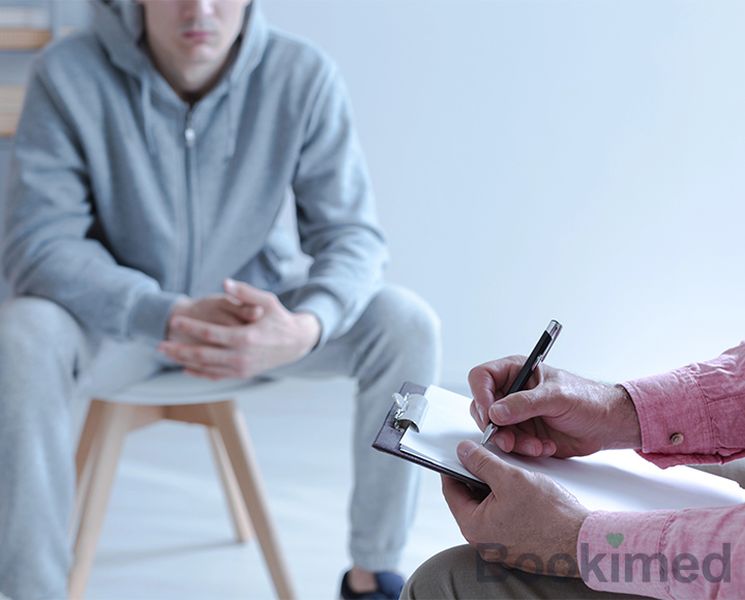
ينطوي هذا الإجراء على نهج شامل لمعالجة إدمان المخدرات من خلال التدخلات العلاجية والطبية المختلفة.
يواجه المواطنون المكسيكيون المحليون عوائق شديدة أمام علاج إدمان المخدرات، بما في ذلك أنظمة الصحة العامة المجزأة ونقص الموارد الكبير. يعاني الكثيرون من فترات انتظار طويلة للحصول على رعاية متخصصة ونقص مزمن في التمويل. كما تمنع المخاوف الأمنية المتعلقة بمراكز الاحتجاز القسري والوصمة الاجتماعية العائلات من طلب المساعدة المهنية في وقت مبكر.
رؤية خبير Bookimed: على الرغم من أن المكسيك وجهة عالمية رائدة للسياحة العلاجية، إلا أن هناك تبايناً صارخاً في إمكانية الوصول إلى المرافق. توفر العيادات الخاصة مثل Holistic Bio Spa علاجات متقدمة للمرضى الدوليين، بينما يعتمد المواطنون المحليون غالباً على القطاع العام الذي يعاني من نقص التمويل. وهذا يخلق نظاماً من مستويين حيث تظل علاجات الإدمان الأكثر ابتكاراً بعيدة المنال مالياً بالنسبة لغالبية السكان المحليين.
إجماع المرضى: تؤجل العديد من العائلات العلاج حتى وقوع أزمة بسبب الخجل من الإدمان
تنظم المكسيك مراكز إعادة التأهيل من خلال معايير فيدرالية تديرها اللجنة الوطنية للصحة العقلية والإدمان (CONASAMA). يحدد الإطار القانوني الأساسي، NOM-028، متطلبات إلزامية للبنية التحتية والنظافة والموظفين السريريين. فقط المرافق المعتمدة هي التي تلبي هذه الإرشادات الطبية وحقوق الإنسان الصارمة.
رؤية خبير Bookimed: تخدم العيادات المهنية المعتمدة في مدن مثل بويرتو فالارتا غالبًا أكثر من 2500 مريض دولي سنويًا. تتجاوز هذه المرافق غالبًا معايير NOM-028 المكسيكية لتلبية التوقعات الدولية. وغالبًا ما تدمج علاجات تجديدية متقدمة مثل علاجات الإكسوسوم أو الببتيد. تضمن هذه الخبرة ذات الحجم الكبير عادةً إشرافًا طبيًا أكثر موثوقية من المراكز المحلية الأصغر.
إجماع المرضى: تختلف الجودة بشكل كبير بين المرافق الطبية المهنية والمراكز منخفضة التكلفة ذات الإشراف الأدنى. توصي العائلات بالتحقق من المؤهلات الطبية المحددة وبروتوكولات الطوارئ قبل إدخال أحد الأحباء.
يعتمد الفرق الرئيسي على التنظيم الطبي وطاقم العمل. العيادات المهنية هي مرافق رعاية صحية تضم أطباء مرخصين وعلاجات قائمة على الأدلة. أما "الأنيكسوس" فهي دور تعافي غير رسمية يديرها المجتمع. بينما توفر العيادات إزالة السموم الطبية والدعم النفسي، تعتمد "الأنيكسوس" على الانضباط بقيادة الأقران وروتين الخطوات الاثنتي عشرة.
رؤية خبير Bookimed: تركز العيادات المهنية في المكسيك، مثل تلك الموجودة في بويرتو فالارتا، على الاستقرار الطبي أولاً. على الرغم من أن "الأنيكسوس" منخفضة التكلفة، إلا أنها غالبًا ما تفتقر إلى المعدات اللازمة للانسحاب الحاد من الكحول أو المواد الأفيونية. يضمن اختيار عيادة مرخصة الوصول إلى البروتوكولات الطبية الطارئة التي لا يمكن للمنازل غير الرسمية توفيرها.
إجماع المرضى: تشعر العديد من العائلات أن "الأنيكسوس" توفر مستويات عالية من دعم الأقران ولكنها تقلق بشأن نقص النظافة المهنية. يفضل المرضى العيادات الطبية عندما يحتاجون إلى الوقاية من الانتكاس على المدى الطويل وعلاج التشخيص المزدوج.
يسافر المرضى الدوليون إلى المكسيك لتلقي علاج الإيبوجين لأن المادة غير خاضعة للرقابة ويتم إدارتها قانونياً من قبل أطباء مرخصين. تتناقض هذه الإمكانية مع الولايات المتحدة، حيث يظل الإيبوجين مادة من الجدول الأول، مما يمنع الاستخدام السريري والبحث الطبي الأساسي.
رؤية خبير Bookimed: تُظهر بيانات حجم المرضى أن المكسيك مركز عالمي رئيسي لرعاية الإدمان البديلة. تُظهر عيادات مثل Holistic Bio Spa كيف تقود المكسيك في الجمع بين التقنيات المتقدمة مثل PEMF والعلاجات التقليدية. غالباً ما يوفر هذا النظام البيئي المتخصص خيارات تعافي معقدة غير موجودة في الأسواق الغربية شديدة التنظيم.
إجماع المرضى: يرى الكثيرون أن هذا هو الملاذ الأخير بعد انتكاسات متكررة في أماكن أخرى. يؤكدون أنه على الرغم من أنه يقطع الرغبة الشديدة، فإن النجاح على المدى الطويل يتطلب فحص القلب والرعاية اللاحقة.
توظف معظم العيادات المكسيكية المتخصصة في علاج الإدمان أطباء يتحدثون الإنجليزية وموظفين سريريين ثنائيي اللغة لخدمة المرضى الدوليين. تلبي مرافق مثل Holistic Bio Spa في بويرتو فالارتا احتياجات المقيمين في الولايات المتحدة وكندا وأستراليا بشكل خاص. يحافظ الأطباء الكبار عمومًا على كفاءة عالية في اللغة الإنجليزية لجلسات الاستشارة والعلاج.
رؤية خبير Bookimed: تختلف طلاقة اللغة غالبًا حسب الوردية والدور داخل المنشأة. بينما تتمتع فرق القبول بطلاقة، قد يكون لدى ممرضات الوردية الليلية أو موظفي الدعم لغة إنجليزية محدودة. تأكد دائمًا مما إذا كان هناك طبيب يتحدث الإنجليزية متاحًا في الموقع على مدار الساعة طوال أيام الأسبوع لمناقشات الأدوية العاجلة أو إزالة السموم.
إجماع المرضى: يجد العديد من المرضى أن إزالة السموم يمكن إدارتها بالتواصل الأساسي. ومع ذلك، يؤكدون أن العمل العلاجي العميق يتطلب لغة إنجليزية بطلاقة لمناقشة المحفزات العاطفية المعقدة والصدمات بفعالية.
تستغرق برامج إعادة تأهيل مدمني المخدرات في المكسيك عادةً ما بين 30 إلى 90 يومًا. غالبًا ما تصل الإقامات السكنية قصيرة الأجل إلى علامة الـ 30 يومًا. البرامج الأكثر كثافة التي تركز على تغيير السلوك تمتد غالبًا إلى 90 يومًا. عادةً ما تتطلب عملية إزالة السموم بضعة أيام إلى أسبوع واحد فقط.
رؤية خبير Bookimed: بينما تعلن العديد من البرامج عن إقامة لمدة 30 يومًا، ابحث عن العيادات التي توفر رعاية لاحقة قوية. تركز المراكز ذات الحجم الكبير مثل Holistic Bio Spa على العافية الشاملة التي تدعم النجاح على المدى الطويل. يعتمد النجاح على هيكل البرنامج أكثر من مجرد عدد الأيام التي تقضيها في الداخل.
إجماع المرضى: يشعر الكثيرون أن أول 30 يومًا هي مجرد بداية المعركة. غالبًا ما يؤدي المغادرة دون خطة رعاية لاحقة واضحة أو حدود عائلية إلى انتكاسة سريعة.
توفر مراكز إعادة التأهيل المكسيكية علاجات بديلة فريدة من نوعها وغالباً ما تكون مقيدة في الولايات المتحدة، بما في ذلك علاج الإيبوجين، والقرصنة البيولوجية الخلوية، والطقوس الأصلية. تجمع هذه المرافق بين برامج الخطوات الاثنتي عشرة التقليدية والعلاجات البيولوجية المتقدمة مثل علاج NAD+ الوريدي والاحتفالات الشمولية لمعالجة الصدمات العاطفية العميقة.
رؤية خبير Bookimed: في حين تقدم المراكز الفاخرة قرصنة بيولوجية متطورة، يختلف العلاج بشكل كبير حسب نوع العيادة. تستقبل المرافق ذات الحجم الكبير مثل Holistic Bio Spa 2500 مريض سنوياً من خلال التركيز على التقنيات التجديدية. اختر العيادات المتخصصة في التشخيص المزدوج إذا كنت بحاجة إلى دعم نفسي، حيث تعطي بعض المراكز البديلة الأولوية لإعادة الضبط البيولوجي على العلاج النفسي التقليدي.
إجماع المرضى: غالباً ما يؤكد المرضى على قيمة المساءلة المكثفة بين الأقران والجلسات الجماعية اليومية. يجد الكثيرون أن الجداول الزمنية الصارمة ومشاركة الأسرة أمران حاسمان للحفاظ على الر
لا تقبل معظم مراكز إعادة التأهيل المكسيكية التأمين الصحي الأمريكي مباشرة كمقدمي خدمات داخل الشبكة. عادةً ما يدفع المرضى من جيوبهم الخاصة ويسعون للحصول على تعويض من خلال خطط PPO الدولية أو بوالص التأمين الطبي للسفر. تتطلب التغطية عادةً تفويضًا مسبقًا وملحقات تغطية دولية محددة لخدمات الصحة السلوكية.
رؤية خبير Bookimed: على الرغم من أن العديد من المراكز المكسيكية تدعي قبول التأمين، فإنها تعني عادةً أنها ستساعدك في تقديم مطالبة بدلاً من قبول الدفع المباشر من شركة التأمين. بناءً على خبرتي، توفر المراكز في المراكز الطبية مثل بويرتو فالارتا أو تيخوانا الوثائق الأكثر تفصيلاً للخصومات الضريبية الأمريكية أو تعويضات التأمين، ولكن يجب عليك مع ذلك وضع ميزانية للتكلفة الكاملة مقدمًا.
إجماع المرضى: يذكر المرضى كثيرًا أنه على الرغم من أن التكلفة الأولية من الجيب تمثل عقبة، فإن السعر الإجمالي أقل بكثير من الخصومات الأمريكية لرعاية فاخرة مماثلة. غالبًا ما تتجاوز الجودة التوقعات على الرغم من عدم وجود فواتير تأمين مباشرة.