تقليل السيلوليت في المكسيك — احصل على 3 عيادات مطابقة مع التكاليف


تمت مراجعة المقالة طبيا من قبل
فهد مولود
ما هي تكلفة تقليل السيلوليت في المكسيك؟ اكتشف الآن
من $590. يعتمد السعر النهائي على التقنية المستخدمة، وعدد مناطق الجسم المستهدفة، وموقع العيادة. تشمل معظم باقات العيادات المكسيكية الاستشارة الأولية، والمواد الطبية، والتخدير الموضعي.
- جراحة فصل الألياف: عادة ما تكون أعلى تكلفة من الخيارات غير الجراحية بسبب رسوم التخدير والمرافق.
- علاجات الليزر: تتطلب التقنيات المتقدمة المعتمدة على الطاقة تكلفة إضافية بنسبة 20-30 % مقارنة بالتقنيات اليدوية.
- الجلسات غير الجراحية: يحتاج العلاج بالترددات الراديوية أو الموجات الصوتية عادةً إلى جلسات متعددة للحصول على النتائج المرجوة.
- الاختلافات الإقليمية: تكون الأسعار في المراكز الكبرى مثل مدينة مكسيكو وتيخوانا أعلى منها في المدن الصغيرة.
رأي خبراء Bookimed: يتيح اختيار عيادات مدينة مكسيكو الوصول إلى أكبر تجمع للخبراء المعتمدين دولياً. على سبيل المثال، تمتلك عيادة DR. IRERI ASTEINZA اعتماد اللجنة الدولية المشتركة (JCI) وتستقبل أكثر من 47,000 مريض سنوياً. وبينما يقدم مركز VIDA الطبي في تيخوانا علاجات تبدأ من 1,950 $، فإن البحث عن اختصاصيين معتمدين من قبل ISAPS يضمن معايير سلامة مماثلة للمملكة العربية السعودية بتكلفة أقل.
المزايا الرئيسية
- احصل على تقليل السيلوليت في المكسيك بتكلفة أقل بنسبة 40-60% مقارنة بالسعودية وألمانيا.
- خيارات تقليل السيلوليت: علاج الموجات فوق الصوتية، العلاج بالليزر، والعلاج بالتدليك العميق.
- مراجعة الصور مجانًا من قبل طبيب لتحديد أفضل تقنية لتقليل السيلوليت لك.
- ضمان حماية البيانات والسرية بنسبة 100%.
- عروض حصرية من عيادات مكسيكية موثوقة من $590.
| المكسيك | تركيا | تايلاند | |
|---|---|---|---|
| تقليل السيلوليت | من $590 | من $3,200 | ≈ $650 |
مزاياك وضماناتك مع Bookimed
أسعار مباشرة
Bookimed لا يضيف رسوماً إضافية على أسعار تقليل السيلوليت. الأسعار مأخوذة من قوائم الأسعار الرسمية للعيادات. تدفع مباشرة في العيادة مقابل تقليل السيلوليت عند وصولك.
عيادات وأطباء معتمدون فقط
Bookimed ملتزم بسلامتك. نحن نعمل فقط مع المؤسسات الطبية التي تحافظ على معايير دولية عالية في تقليل السيلوليت ولديها التراخيص اللازمة لخدمة المرضى الدوليين في جميع أنحاء العالم.
مساعدة مجانية على مدار الساعة
Bookimed يقدم مساعدة خبراء مجانية. منسق طبي شخصي يدعمك قبل وأثناء وبعد العلاج، ويحل أي مشاكل. لن تكون وحيداً أبداً في رحلة تقليل السيلوليت.

منسقك الطبي الشخصي في Bookimed
- يدعمك في كل مرحلة
- المساعدة في اختيار العيادة الطبية المناسبة والطبيب المناسب
- يضمن الوصول السريع والمريح إلى المعلومات
اكتشف أفضل تقليل السيلوليت العيادات في المكسيك: 5 خيارات معتمدة والأسعار

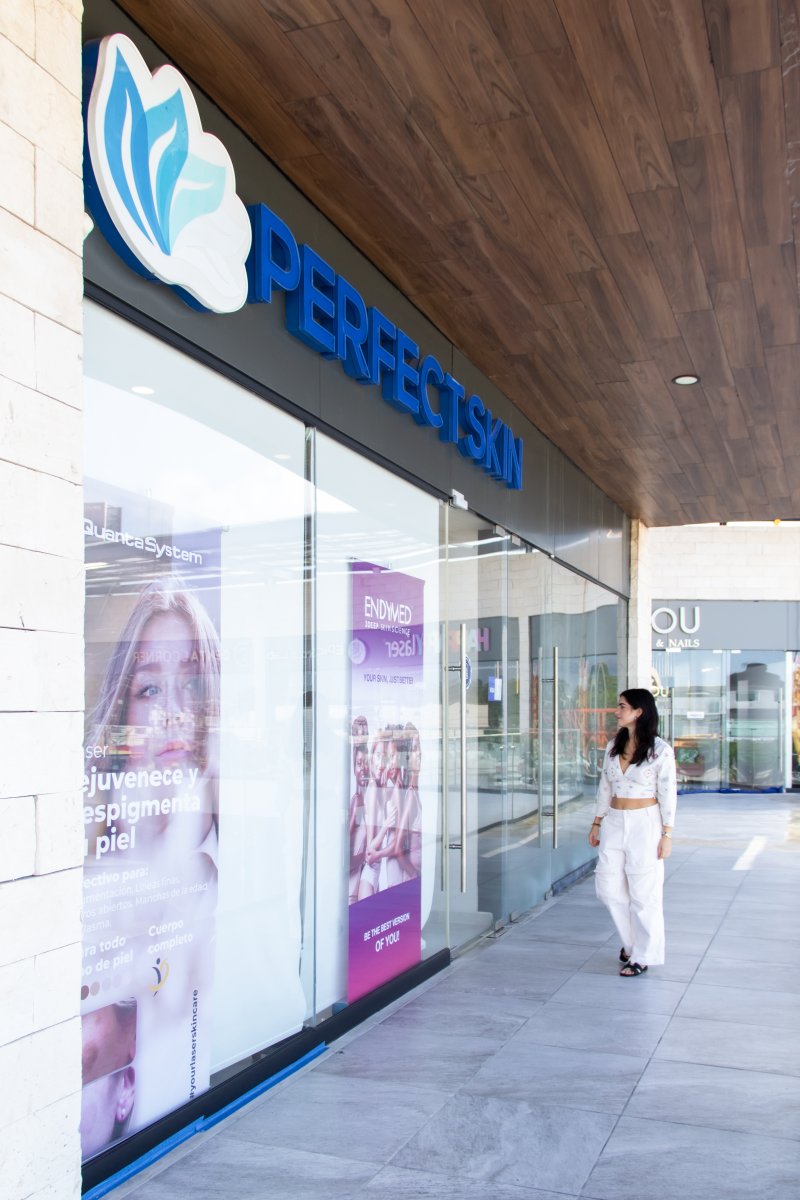
PERFECT SKIN CANCÚN


DR. IRERI ASTEINZA Clinic
Ireri Asteinza



Dr. Yazmin Sánchez Delgado
نظرة عامة على تقليل السيلوليت في المكسيك
- تقليل السيلوليت - من $590
يستهدف هذا العلاج نسيج الجلد غير الجذاب ، مما يعزز النعومة والمرونة من خلال العلاجات أو التمارين المختلفة.
اليوم الأول - الوصول
- وصل إلى البلد واستقر في مكان إقامتك.
- قم بزيارة العيادة للتقييم الأولي.
اليوم 2 - ما قبل العملية
- قابل طبيب الأمراض الجلدية للاستشارة.
- اخضع للفحوصات الطبية اللازمة ، مثل اختبار مرونة الجلد.
- ناقش خطة العلاج والنتائج المتوقعة مع الطبيب.
اليوم 3 - الإجراء
- الوصول إلى العيادة في الصباح الباكر.
- اخضع للتخدير الموضعي قبل العملية.
- يبدأ علاج تقليل السيلوليت ، وعادة ما يستمر من ساعة إلى ساعتين.
- يتضمن الإجراء استخدام الليزر أو أجهزة الترددات الراديوية.
- بعد العملية ، استرح في غرفة الإنعاش تحت الملاحظة.
اليوم 4 - بعد العملية
- العودة إلى العيادة لفحص المتابعة.
- سيقوم الطبيب بفحص المناطق المعالجة.
- تلقي تعليمات الرعاية بعد الإجراء.
الأسبوع الأول - إعادة التأهيل
- ضع الكريمات أو المواد الهلامية الموصوفة على المناطق المعالجة.
- تجنب الأنشطة الشاقة والتعرض لأشعة الشمس.
الأسبوع 2
- استمر في الأنشطة اللطيفة واستخدم واقيًا من الشمس.
- يمكن العودة إلى العمل ، حسب طبيعة الوظيفة.
الأسبوع السادس
- استأنف تدريجيًا الأنشطة والتمارين العادية.
- يمكن رؤية النتيجة النهائية للعلاج.
يرجى ملاحظة أن هذا دليل عام. قد تختلف التجارب الفردية اعتمادًا على خطة العلاج والظروف الصحية الشخصية.
- إيداع Bookimed: 200 دولار أو 200 يورو.
- وديعة العيادة: ادفع نسبة محددة مقدمًا.
احصل على تقييم طبي لـ تقليل السيلوليت في المكسيك: اختر أخصائيك من بين الأفضل في هذا المجال
عرض جميع الأطباء
Imelda Peraza Gregor
الدكتورة إيميلدا بيرازا غريغور هي المديرة الطبية في Perfect Skin كانكون. تتخصص في الطب التجميلي والتجديدي. تشرف على جميع العلاجات، وتلتزم بأعلى معايير السلامة، وتضع خططاً شخصية قائمة على الأدلة لصحة البشرة على المدى الطويل.
تلقت تدريباً متقدماً في الطب التجميلي، وتنسيق ملامح الوجه، ومكافحة الشيخوخة غير الجراحية. تُحدّث مهاراتها باستمرار عبر شهادات وطنية ودولية وورش عمل ومؤتمرات طبية. ولديها خبرة واسعة في تجديد الوجه والجسم غير الجراحي، إذ تجمع بين تقنيات وبروتوكولات متقدمة لتحقيق نتائج
Irwin Gonzalez Abad
يتخصص الدكتور إيروين غونزاليس أباد في الطب التجميلي والتجديدي، حيث يدمج تقنيات متقدمة مثل الخلايا الجذعية الحاصلة على براءة اختراع Dezawa MUSE للحصول على نتائج طبيعية.
- أكثر من 4 سنوات من الخبرة في الطب التجميلي وطب طول العمر
- حاصل على درجة الماجستير في الطب التجميلي وطب طول العمر
- تلقى تدريبًا شخصيًا من شركات تجميل رائدة
- يساعد جراحي التجميل في الإجراءات التجميلية
Diana Edith Hernandez Guerra
Ireri Asteinza
قصص فيديو من مرضى Bookimed
المراجعات
جميع المراجعاتمشاركة المحتوى
 Anna Leonova
أسئلة متكررة حول تقليل السيلوليت في المكسيك
هل علاجات السيلوليت في المكسيك آمنة ومنظمة؟
تعتبر علاجات السيلوليت في المكسيك آمنة ومنظمة عند إجرائها في العيادات التي تحمل ترخيص COFEPRIS. تلتزم المرافق رفيعة المستوى بالمعايير التي وضعها المجلس المكسيكي للجراحة التجميلية (CMCPER). يجب على المرضى التحقق من شهادات المجلس والاعتمادات المعترف بها دوليًا مثل JCI أو ASPS لضمان بروتوكولات سلامة عالية.
- الرقابة الحكومية: تنظم COFEPRIS جميع المرافق التجميلية ومعايير الآلات وبروتوكولات الصحة الفيدرالية.
- أوراق اعتماد الجراحين: يجب أن يحمل المتخصصون شهادة المجلس المكسيكي للجراحة التجميلية (CMCPER) أو الأمراض الجلدية.
- الاعتمادات العالمية: تحافظ العيادات الرائدة مثل مركز فيدا الطبي على عضويات دولية في QUADA و ISAPS.
- التكنولوجيا المتقدمة: تستخدم المراكز المعتمدة أجهزة معتمدة من إدارة الغذاء والدواء (FDA) بما في ذلك أنظمة الترددات الراديوية ومعدات القطع تحت الجلد الموجهة.
رؤية خبير Bookimed: على الرغم من أن العديد من العيادات تقدم هذه الخدمات، إلا أن الاستقرار المؤسسي هو أفضل إشارة للسلامة. تعمل مرافق مثل عيادة الدكتورة إيريري أستينزا ومعهد خوسيه كورتيس منذ عقود، وتخدم ما يصل إلى 47000 مريض سنويًا. غالبًا ما يرتبط اختيار العيادات الراسخة ذات الحجم الكبير من المرضى بنتائج أكثر قابلية للتنبؤ وبروتوكولات سلامة محسنة.
إجماع المرضى: يؤكد المرضى أن السلامة تعتمد على اختيار عيادات مرموقة ومعتمدة بدلاً من التركيز على الموقع. يوصون بتأكيد الجهاز المحدد المستخدم، حيث أن النتائج غالبًا ما تكون متواضعة وتتطلب صيانة.
ما هي إجراءات تقليل السيلوليت الأكثر شيوعاً والمثبتة سريرياً والمتاحة في المكسيك؟
يركز تقليل السيلوليت المثبت سريرياً في المكسيك على تحرير الحواجز الليفية وتحفيز الكولاجين. تشمل الإجراءات الشائعة التقشير الميكانيكي (Subcision) مثل Cellfina، وعلاج Cellulaze بمساعدة الليزر، والحقن الحيوية النشطة. تعطي العيادات الرائدة في تيخوانا ومكسيكو سيتي الأولوية للعلاجات الهيكلية على العلاجات الحرارية السطحية المؤقتة.
- التقشير الميكانيكي (Subcision): يقوم بقطع الأربطة المشدودة جسدياً باستخدام شفرات دقيقة متخصصة تحت التخدير الموضعي.
- العلاج بالليزر: يستخدم Cellulaze لإذابة الدهون وتحفيز الكولاجين للحصول على بشرة أكثر نعومة.
- المحفزات الحيوية: تعمل الحقن مثل Radiesse على زيادة سماكة المصفوفة الجلدية لإخفاء تأثيرات التعرجات.
- معايير السلامة: غالباً ما يكون الجراحون معتمدين من قبل المجلس المكسيكي للجراحة التجميلية (CMCPER).
رؤية خبير Bookimed: في حين أن علاجات النمط الواحد شائعة، غالباً ما تتخصص المراكز ذات الحجم الكبير مثل عيادة DR. IRERI ASTEINZA في الأساليب متعددة الأقسام. تشير البيانات إلى أن المرضى يحققون نتائج متفوقة من خلال الجمع بين التقشير الميكانيكي والمحفزات الحيوية مثل Sculptra. يعمل هذا النهج المزدوج على تحرير الرباط الجسدي أولاً قبل بناء سماكة الجلد. تعالج هذه الطريقة السبب الهيكلي وترهل الجلد في وقت واحد.
إجماع المرضى: يؤكد المرضى أن إجراءات نوع التقشير الميكانيكي تقدم أكثر النتائج أهمية للتعرجات العميقة. يوصي الكثيرون بالمكسيك للقدرة على الوصول إلى هذه العلاجات المركبة بتكلفة أقل مما هي عليه في الول
هل يعمل شفط الدهون على التخلص من السيلوليت؟
لا يعمل شفط الدهون على التخلص من السيلوليت لأنه يستهدف الدهون العميقة، بينما يتركز السيلوليت في طبقة الجلد السطحية. يمكن أن يؤدي شفط الدهون التقليدي عن غير قصد إلى إبراز التعرجات عن طريق إزالة حجم الدهون دون تحرير الأشرطة الليفية (الحواجز) التي تخلق ملمس قشر البرتقال المتجعد.
- العمق المستهدف: يزيل شفط الدهون التقليدي الدهون من الطبقات تحت الجلد العميقة، مما يترك السيلوليت السطحي كما هو.
- الأشرطة الليفية: ينتج السيلوليت عن أشرطة نسيج ضام مشدودة لا يمكن للشفط قطعها أو تغييرها.
- ترهل الجلد: تفريغ حجم الدهون دون شد السطح يمكن أن يجعل التعرجات الموجودة تبدو أكثر وضوحاً.
- بدائل فعالة: تعالج عمليات فصل الأنسجة (Subcision)، والعلاج بالليزر، وعلاجات الترددات الراديوية التصاقات الجلد وتحفز إنتاج الكولاجين.
رؤية خبير Bookimed: على الرغم من أن شفط الدهون لا يعالج السيلوليت، إلا أن العيادات المكسيكية مثل معهد خوسيه كورتيس ومركز فيدا الطبي تقدم بروتوكولات مدمجة. غالباً ما تجمع المراكز ذات الخبرة العالية بين شفط الدهون والترددات الراديوية أو التجويف بالموجات فوق الصوتية، وهي تقنيات تستخدمها الدكتورة إيسلي بيريز لتحسين مرونة الجلد. اختيار عيادة حاصلة على شهادة المجلس المكسيكي للجراحة التجميلية (CMCPER) يضمن أن يقدم لك الجراح تقييماً واقعياً لنتائج ملمس الجلد قبل الجراحة.
إجماع المرضى: يجد العديد من المرضى أنه على الرغم من تحسن محيط أجسامهم بشكل كبير، إلا أن التعرجات في الفخذين والأرداف غالباً ما تظل دون تغيير. يؤكد الجراحون ذوو الخب
ما هي الآثار الجانبية المتوقعة والجدول الزمني للتعافي بعد إجراءات السيلوليت الاحترافية في المكسيك؟
يعتمد التعافي على الطريقة المختارة، حيث لا تتطلب العلاجات غير الجراحية أي فترة توقف عن العمل، بينما تتطلب الخيارات طفيفة التوغل 48 ساعة من الراحة. تقدم العيادات المكسيكية في تيخوانا وكانكون رعاية معتمدة من اللجنة الدولية المشتركة (JCI) للتعامل مع الآثار الجانبية مثل الكدمات والتورم والخدر الموضعي المؤقت.
- الآثار الجانبية الأولية: يعاني المرضى عادةً من احمرار وتوهج خفيف في الجلد وتورم موضعي بعد الجلسات غير الجراحية.
- التعافي الجراحي: تسبب الإجراءات طفيفة التوغل كدمات وصلابة تحت الجلد تستمر من 2 إلى 4 أسابيع.
- قيود النشاط: يتم تأجيل التمارين الشاقة عمومًا لمدة 1 إلى 4 أسابيع بعد تحرير الأنسجة الداخلية.
- تخطيط السفر: تمنع فترة انتظار لمدة يومين في المكسيك حدوث جلطات وتصبغ جلدي قبل العودة إلى الوطن بالطائرة.
رؤية خبير Bookimed: بينما تقترح معظم العيادات العودة إلى العمل خلال 1 إلى 3 أيام، تشير بياناتنا إلى أن مرافق مثل مركز VIDA الطبي وعيادة الدكتورة إيريري أستينزا تعطي الأولوية للإقامات الطويلة. تستقبل هذه المراكز غالبًا 47,000 مريض سنويًا بفضل شهادات JCI وQUADA الخاصة بها. يضمن هذا الإشراف أن الصلابة الملموسة أو الأحاسيس الغريبة التي يتم الإبلاغ عنها غالبًا تتلاشى بالفعل قبل مغادرة المريض للبلاد.
إجماع المرضى: يصف العديد من المرضى الإحساس بعد الإجراء بأنه ألم عضلي عميق وليس ألمًا حادًا. ويؤكدون أن المناطق المعالجة غالبًا ما تبدو أسوأ خلال أول 72 ساعة بسبب الالتهاب قبل أن تتحسن.