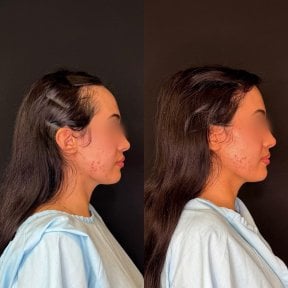
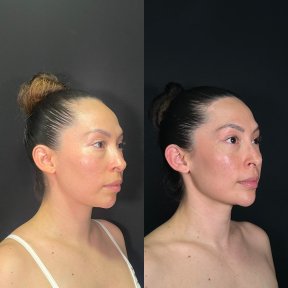
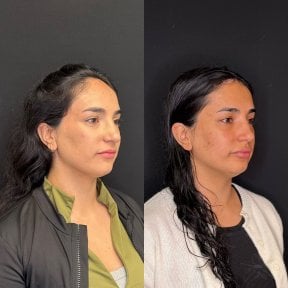
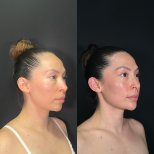
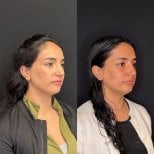

تتراوح تكلفة نحت الجبهة في المكسيك عادة ما بين $3,200 و $5,800. تختلف الأسعار بناءً على نوع الجراحة وموقع العيادة وخبرة الجراح. وفي المملكة العربية السعودية، تبلغ تكلفة إجراءات مماثلة حوالي _price_compare_SA_average_. يوفر المرضى ما يقارب _price_percent_discount_% مقارنة بالأسعار في السعودية. تشمل التكلفة عادة أجر الجراح والتخدير ومصاريف المنشأة الأساسية. تشمل الوجهات الرئيسية مدينة مكسيكو ومدينة تيخوانا وغوادالاخارا.
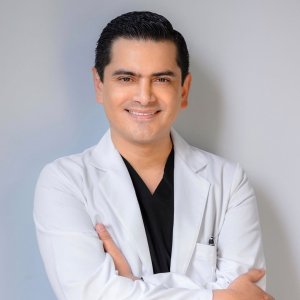
رأي خبراء Bookimed: اختيار مختص مثل الدكتور خوسيه كورتيس في مدينة مكسيكو يضمن خبرة عالية القيمة. يُعد الدكتور كورتيس رائدًا في تقنيات الموجات فوق الصوتية ويحمل عضويات ASPS و ISAPS. تحافظ العيادات المكسيكية الرائدة مثل معهد خوسيه كورتيس على معدلات نجاح تصل إلى 99 %. توفر هذه المراكز تخصصاً في جراحة القحف والوجه بجزء بسيط من تكاليف السعودية. التركيز على جراحين معتمدين في مدينة مكسيكو يضمن رعاية متميزة بأسعار تنافسية.
Bookimed لا يضيف رسوماً إضافية على أسعار تحديد محيط الجبهة. الأسعار مأخوذة من قوائم الأسعار الرسمية للعيادات. تدفع مباشرة في العيادة مقابل تحديد محيط الجبهة عند وصولك.
Bookimed ملتزم بسلامتك. نحن نعمل فقط مع المؤسسات الطبية التي تحافظ على معايير دولية عالية في تحديد محيط الجبهة ولديها التراخيص اللازمة لخدمة المرضى الدوليين في جميع أنحاء العالم.
Bookimed يقدم مساعدة خبراء مجانية. منسق طبي شخصي يدعمك قبل وأثناء وبعد العلاج، ويحل أي مشاكل. لن تكون وحيداً أبداً في رحلة تحديد محيط الجبهة.
أخصائي جراحة عامة في Hospital General de México. تخصص دقيق في جراحة التجميل والترميم في Hospital General Dr. Manuel Gea González. حاصل على درجة الطب من Universidad Anáhuac del Norte. تدريب متقدم في جراحة اليد في Hospital Ángeles del Pedregal. تدريب إضافي في جراحة الأعصاب الطرفية والشلل الوجهي في Hospital General Dr. Manuel Gea González.
استشاري جراحة التجميل والترميم في المعهد الوطني لطب الأطفال. رئيس لجنة التعليم الطبي المستمر في AMCPER (2016–حتى الآن). أستاذ مشارك في دورة تدريب الجراحة الميكروسكوبية التجريبية المنسّقة من قبل UNAM. منسّق مؤتمرات ومحاضر.
من الجوائز والتكريمات: منحة السفر الدولية لعام 2016 من الجمعية الأمريكية للجراحة الميكروسكوبية الترميمية. المركز الأول في مسابقة المقيمين الدولية التابعة لـ FILACP (2014). الفائز في مسابقة Gea Puis البحثية (يناير 2014). المركز الأول في المسابقة الوطنية للمقيمين الـ42 (د. فرناندو أورتيز موناستيريو) (2013).
يتخصص الدكتور بلاسكيز في جراحة تجميل الوجه المتقدمة، بما في ذلك تحديد جبهة الرأس، مع تدريب معتمد من مؤسسات رائدة في المكسيك.
يُعرف الدكتور خوسيه كورتيس كواحد من أفضل جراحي التجميل في مدينة مكسيكو، وهو متخصص في الجراحة التجميلية والترميمية.
To verify a plastic surgeon in Mexico, you must confirm two government-issued licenses and board certification by the Mexican Council of Plastic, Aesthetic, and Reconstructive Surgery (CMCPER). Check names in the official National Registry of Professionals database for specialty-specific credentials in plastic surgery.
Bookimed Expert Insight: For bone-shaping procedures like forehead contouring, look for surgeons with specific craniofacial subspecialties. Dr. Jose Cortes at José Cortés Institute holds a high specialty in Craniofacial Surgery. This extra credential ensures expertise in the facial bone anatomy required for safe contouring beyond soft tissue work.
Patient Consensus: Patients emphasize that clinic websites often claim certification without providing legal registration numbers. Real-world insights suggest cross-referencing license numbers through official government registries rather than trusting social media profiles or coordinator promises.
For forehead contouring in Mexico, prioritize facilities holding Joint Commission International (JCI) accreditation or the Mexican General Health Council (CSG) certification. These ensure safety standards match US levels. Verified clinics like Jose Cortes Institute also maintain affiliations with the American Society of Plastic Surgeons.
Bookimed Expert Insight: While many patients focus on surgeon fame, clinic data shows that top-rated centers in Mexico City and Mexicali prioritize dual-certification. Clinics like Hospital de la Familia combine Mexican CSG accreditation with a boutique 32-room setup. This balance provides hospital-grade safety with the specialized care typical of smaller private facilities.
Patient Consensus: Patients emphasize looking beyond cosmetic branding to verify if a facility has a dedicated, in-house anesthesia team. They recommend choosing hospitals with 24/7 physician coverage and ICU access for invasive bone work like forehead contouring.
Forehead bone contouring recovery involves 1 to 2 weeks for returning to routine activities. Full cosmetic results typically require 3 to 12 months as swelling resolves. Patients must manage inflammation through head elevation and specialized care while the facial skeleton and nerves heal from shaving or setbacks.
Bookimed Expert Insight: Surgeons at the José Cortés Institute often use craniofacial techniques that prioritize long-term nerve health. While many clinics offer bone shaving, our data shows that specialized craniofacial training is vital for sinus setbacks. Patients should confirm their surgeon holds Mexican Council of Plastic Surgery (CMCPER) certification to ensure safe facial skeleton remodeling.
Patient Consensus: Recovery is more about managing persistent swelling than controlling pain. Expect to wait at least 4 to 6 weeks before feeling socially comfortable, as results often look worse before they improve.
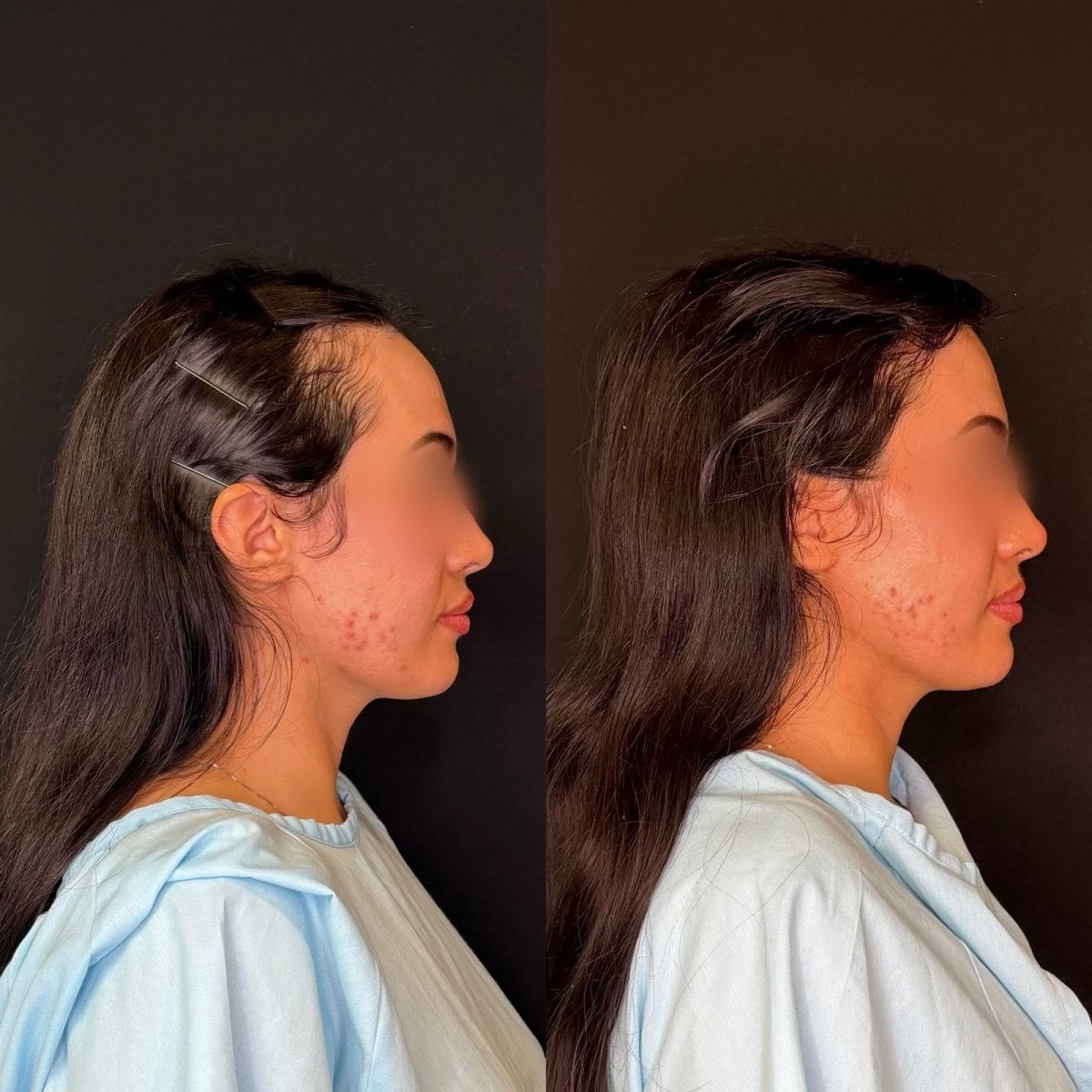
Forehead shaving reshapes the underlying frontal bone to smooth a prominent brow ridge, while hairline lowering removes forehead skin to physically move the scalp forward. These procedures target different anatomical layers, bone versus soft tissue, to address profile projection or vertical forehead height.
Bookimed Expert Insight: Patients often prioritize hairline lowering for front-facing results, but the most balanced outcomes in Mexico come from specific specialists like Dr. Jose Cortes. His advanced training in craniofacial surgery allows for deeper frontal sinus contouring that standard surgeons may avoid. Choosing a dual-specialized surgeon in Mexico City ensures that both skin tension and bone thickness are managed safely in one session.
Patient Consensus: Many patients find that lowering the hairline looks more dramatic from the front, but shaving is essential for a softer side profile. Combining both helps avoid an unnatural look if the forehead remains too convex after the scalp is moved.
Skilled surgeons in Mexico strategically place forehead contouring incisions within the hair or along the hairline to prevent visible facial scarring. Most procedures leave no permanent marks on the face. Advanced techniques like trichophytic beveling allow hair to grow through scars, making them virtually undetectable.
Bookimed Expert Insight: Mexico is a global hub for craniofacial expertise. Surgeons like Dr. Jose Cortes at the Jose Cortes Institute hold specialized qualifications in craniofacial surgery, not just general plastics. Our data shows these specialists prioritize structural bone work through scalp-entry points. This approach avoids facial incisions entirely unless a hairline lowering is specifically requested.
Patient Consensus: Many patients find that keeping their hair density high is more important than the scar itself. While the mark is hidden, some notice temporary hair thinning near the incision during early healing.
Mexican medical tourism packages for forehead contouring typically include surgeon fees, anesthesia, operating room charges, and diagnostic 3D imaging. These bundles offer substantial savings, costing $3,200 to $5,800, which is roughly 70% less than the $15,000 average in the United States.
Bookimed Expert Insight: High-volume centers like José Cortés Institute emphasize craniofacial expertise, as surgeons here often hold additional specializations in bone reconstruction. When comparing quotes, verify if the package covers actual bone contouring or just soft-tissue brow work. Bone-based procedures always require a formal CT scan, which top Mexican clinics typically bundle into the initial price.
Patient Consensus: Patients value the concierge-style service but emphasize getting an itemized quote to confirm if prescriptions and revision care are covered. Many recommend staying in a dedicated recovery house to manage healing comfortably after significant facial bone work.
Patients should plan to stay in Mexico for 7 to 14 days after forehead contouring. This timeframe allows for monitoring peak swelling and professional removal of sutures or drains. Staying locally ensures access to your surgeon should any post-operative facial adjustments or wound care be necessary.
Bookimed Expert Insight: For many patients, choosing a clinic like Hospital de la Familia in Mexicali simplifies recovery logistics. Its location steps from the California-Mexico border allows patients to recover in local private rooms and potentially drive home. This avoids airplane cabin pressure risks entirely during the critical first week of healing.
Patient Consensus: Many note that feeling ready to fly is different from being medically cleared for pressure changes. Building in a 3-day buffer prevents rushing through essential post-operative checks and drain removals.