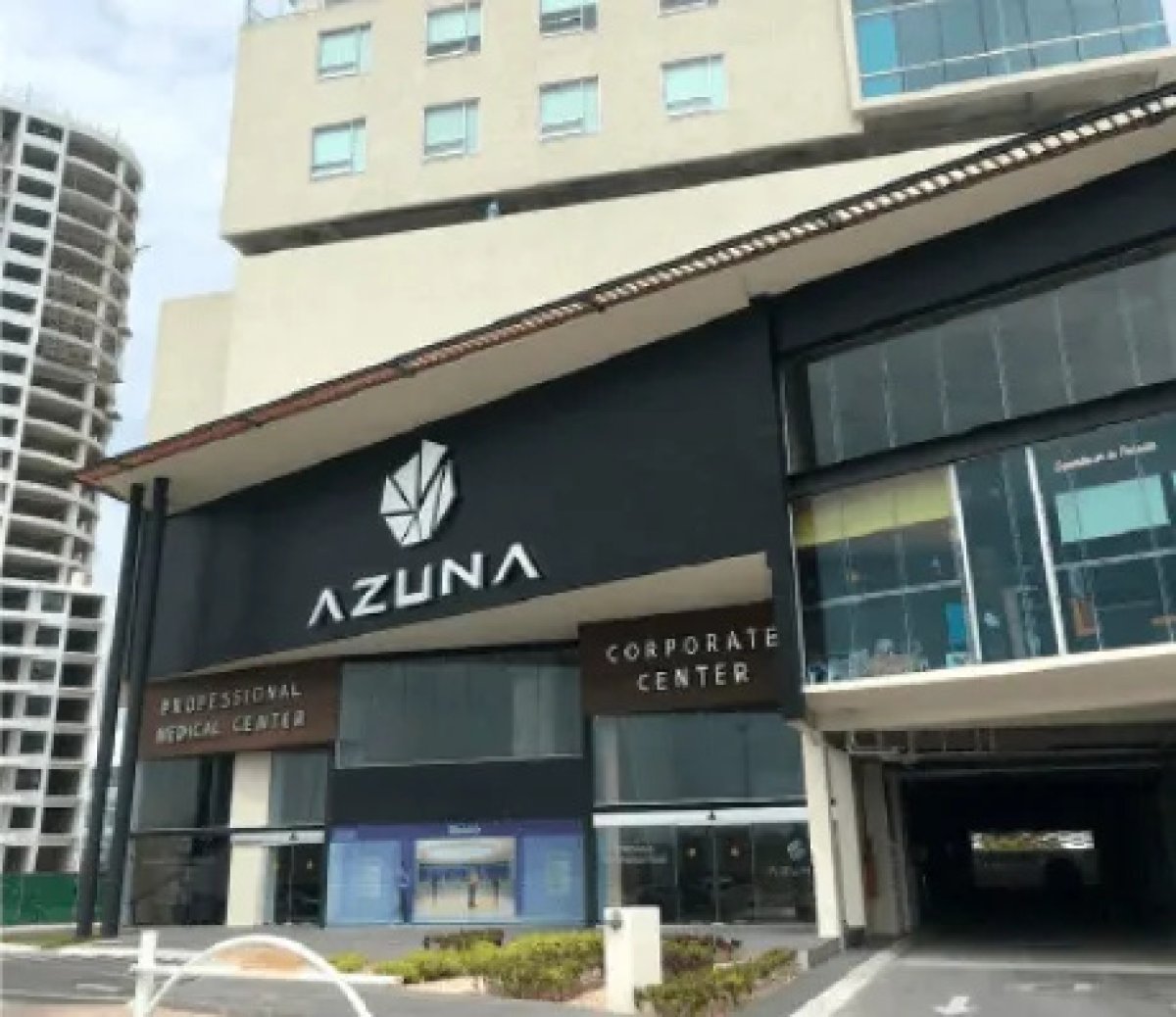
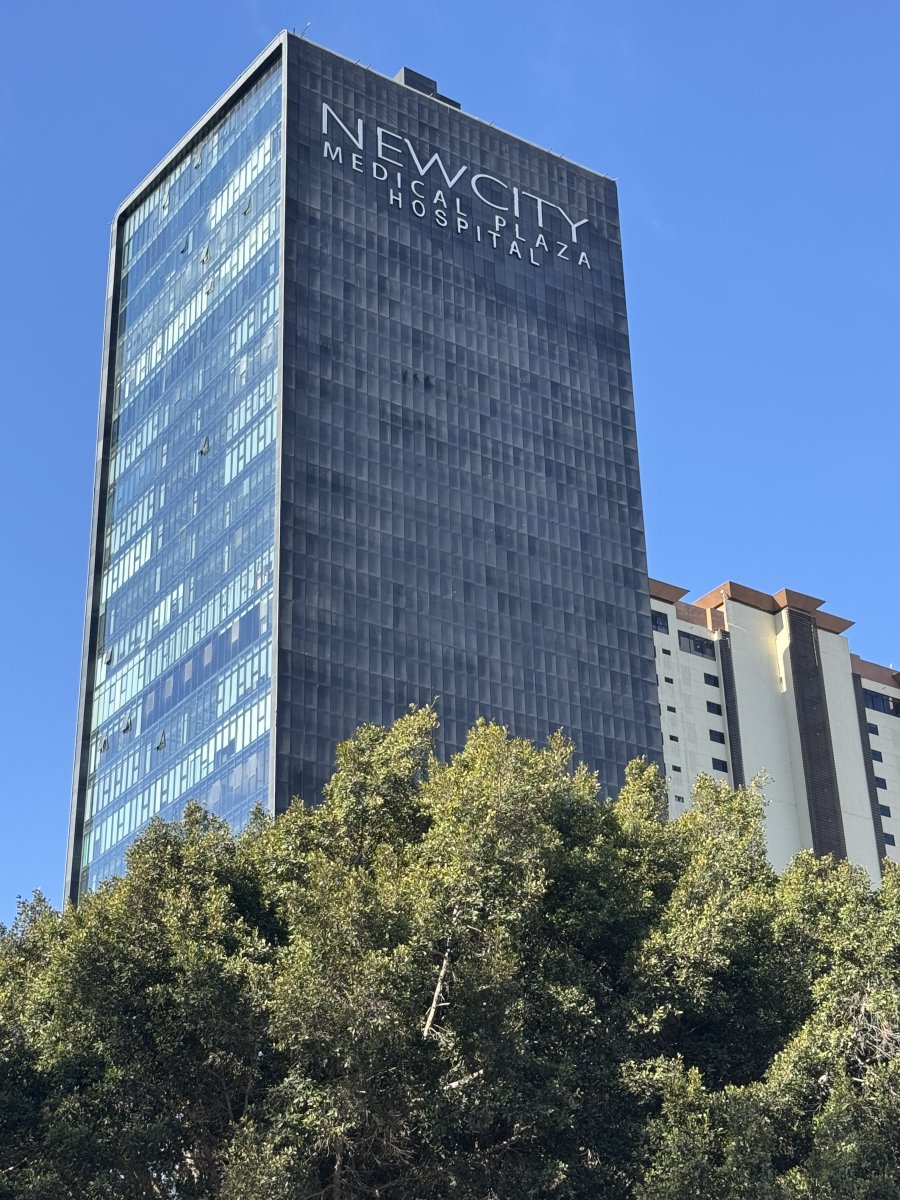
Hospital de la Familia
المكسيك, ميكسيكالي
Joaquin Ayala Del Muro
33سنة خبره ١٦ سنة

العيادة معتمدة من قبل : 



تمت مراجعة المقالة طبيا من قبل
فهد مولود
من $6,500. يعتمد السعر الإجمالي على عدد الإجراءات المدمجة، وخبرة الجراح، والمدينة المختارة. تشمل الباقات غالباً أجور الجراحة، والتخدير، والإقامة بالمستشفى، والتنقلات الأرضية في مدن مثل تيخوانا وكانكون ومكسيكو سيتي.
رأي خبراء Bookimed: توفر المكسيك خبرة جراحية فائقة تتجاوز التوقعات التقليدية. على سبيل المثال، يسجل معهد خوسيه كورتيس في مكسيكو سيتي معدل نجاح يصل إلى 95-99 % لجراحات تجميل الأنف الأنثوي. يضمن اختيار جراح معتمد من ISAPS أو ASPS معايير أمان عالية. يستخدم الدكتور إسرائيل فيلالوبوس في مستشفى إينوفاري غرف عمليات متطورة للحالات المعقدة. تمنح هذه المؤهلات جودة تضاهي المستوى الأمريكي بتكلفة أقل بكثير.
| المكسيك | تركيا | تايلاند | |
|---|---|---|---|
| جراحة تأنيث الوجه | من $6,500 | من $5,000 | من $9,300 |
Bookimed لا يضيف رسوماً إضافية على أسعار جراحة تأنيث الوجه. الأسعار مأخوذة من قوائم الأسعار الرسمية للعيادات. تدفع مباشرة في العيادة مقابل جراحة تأنيث الوجه عند وصولك.
Bookimed ملتزم بسلامتك. نحن نعمل فقط مع المؤسسات الطبية التي تحافظ على معايير دولية عالية في جراحة تأنيث الوجه ولديها التراخيص اللازمة لخدمة المرضى الدوليين في جميع أنحاء العالم.
Bookimed يقدم مساعدة خبراء مجانية. منسق طبي شخصي يدعمك قبل وأثناء وبعد العلاج، ويحل أي مشاكل. لن تكون وحيداً أبداً في رحلة جراحة تأنيث الوجه.






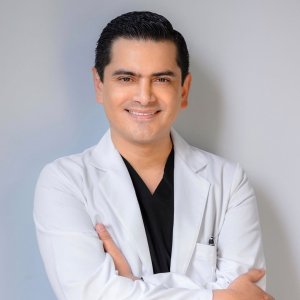
الدكتور فير كرافيوتو جرّاح تجميل وترميم معتمد، مقره في إنترلوماس، مدينة مكسيكو. يركّز على جراحات الجزء العلوي من الوجه وجراحات الثدي. تشمل إجراءاته الأساسية تصغير الجبهة، شد الحاجب، شد الوجه، تجميل الأنف، وتكبير الثدي.
يعتمد منهجية Premiere لتناغم ملامح الوجه، التي تمزج بين التخطيط الفردي والتحليل الشامل للوجه بزاوية 360°، وتهدف إلى نتائج طبيعية ومتوازنة. ويحصل المرضى الدوليون على دعم يمتد من الاستشارة الافتراضية حتى رعاية ما بعد الجراحة المنظَّمة في مدينة مكسيكو.
الاعتمادات: شه
الدكتور خواكين أيالا ديل مورو هو جراح تجميل معتمد في مستشفى دي لا فاميليا. يشتهر بإجراءات تجديد شباب الوجه المعقدة ونحت الجسم. أكمل الدكتور أيالا ديل مورو زمالة في البرازيل تحت إشراف الراحل إيفو بيتانجي. يحتفظ بسجل طبي خالٍ من أي دعاوى قضائية أو وفيات للمرضى.
متخصص في جراحة تأنيث الوجه (FFS) مع تدريب متقدم من الجمعية الدولية للجراحة التجميلية والترميمية ومستشفى Innovare، المكسيك.

الدكتور خوسيه كورتيس هو جراح تجميل بارز في مدينة مكسيكو، متخصص في جراحة تأنيث الوجه (FFS) في معهد خوسيه كورتيس.



كتب بواسطة Mariia Mytrofankina
 Anna Leonova
تعتبر جراحة تأنيث الوجه في المكسيك آمنة عند إجرائها من قبل جراحين معتمدين من قبل المجلس المكسيكي للجراحة التجميلية والترميمية (CMCPER). تحافظ مرافق مثل معهد خوسيه كورتيس ومستشفى إينوفاري على معايير سلامة عالية، وغالباً ما تتبع بروتوكولات الجمعية المهنية العالمية لصحة المتحولين جنسياً (WPATH).
رؤية خبير Bookimed: بينما يبحث الكثيرون عن أقل سعر، ترتبط السلامة في المكسيك غالباً ببيئات المستشفيات المتخصصة بدلاً من العيادات الخاصة. توفر عيادات مثل مستشفى إينوفاري في غوادالاخارا 10 غرف عمليات مخصصة و43 سريراً خاصاً، مما يضمن دعماً طبياً فورياً قد لا توفره العيادات الصغيرة.
إجماع المرضى: يؤكد المرضى أن إحضار صور مرجعية واضحة أمر حيوي لتحقيق الأهداف الجمالية المطلوبة. وغالباً ما يبلغون عن شعورهم بأمان أكبر في المراكز الطبية الكبرى مثل غوادالاخارا حيث يتمتع الموظفون بخبرة عالية في رعاية التعافي المتعلقة بتأكيد الجنس.
تحقق من جراح تأنيث الوجه المكسيكي من خلال التأكد من وجود ترخيصين صادرين عن الحكومة (Cédulas Profesionales) للطب العام والجراحة التجميلية. يجب أن يحمل الجراحون المعتمدون شهادة نشطة من المجلس المكسيكي للجراحة التجميلية والترميمية (CMCPER) وأن ينتموا إلى جمعيات مهنية مثل AMCPER أو ISAPS.
رؤية خبير Bookimed: ابحث عن جراحين ذوي تخصص عالٍ في جراحة القحف الوجهي، مثل الدكتور خوسيه كورتيس في معهد خوسيه كورتيس. بينما يقدم العديد من الجراحين عمليات الأنسجة الرخوة، تتطلب جراحة تأنيث الوجه (FFS) خبرة في إعادة تشكيل العظام. هذا التدريب المحدد نادر حتى بين جراحي التجميل المعتمدين وهو مؤشر رئيسي للسلامة لنحت الجبهة والفك.
إجماع المرضى: يؤكد المرضى على أهمية التحقق المتقاطع من الأسماء في قواعد البيانات الحكومية لضمان أن `جراحي التجميل` لا يقومون بإجراء جراحات FFS معقدة. يقترحون طلب صور غير مفلترة ومن زوايا متعددة لنتائج الجبهة لتأكيد المهارة التقنية في التعامل مع العظام.
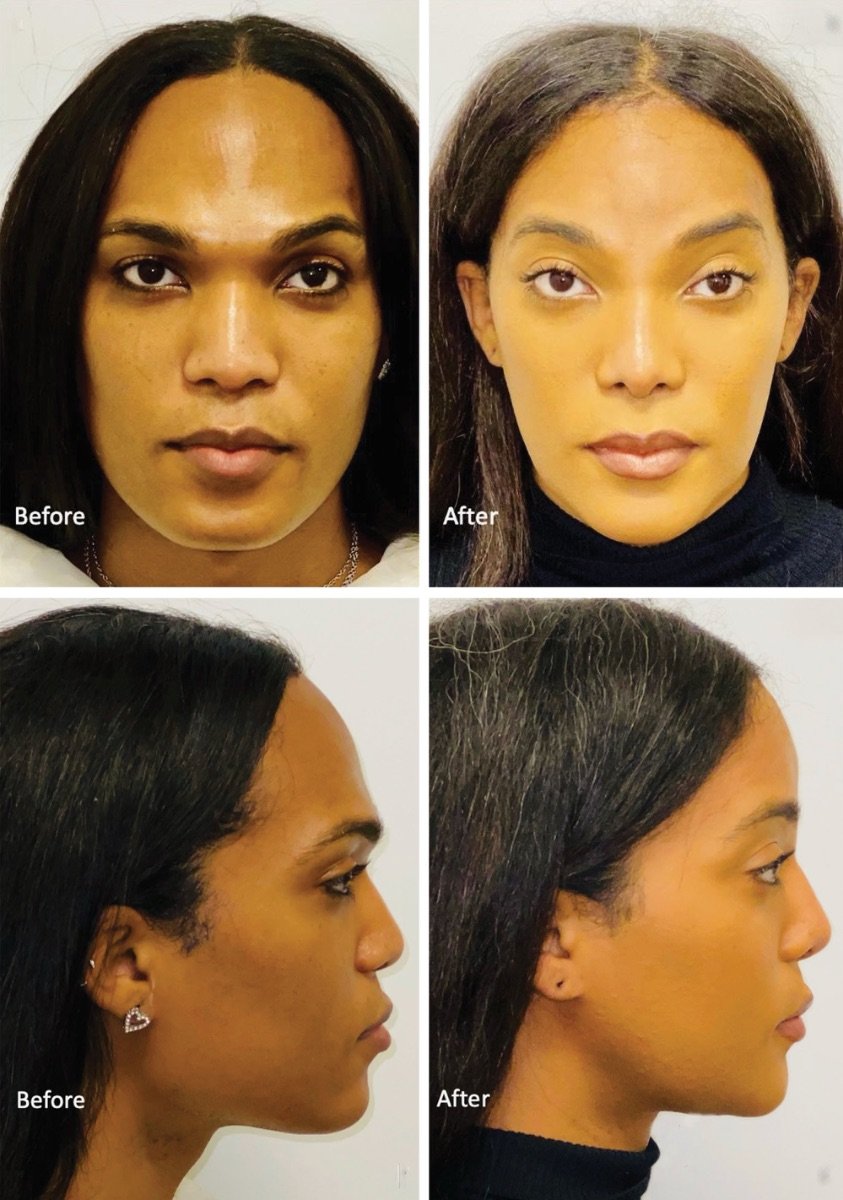
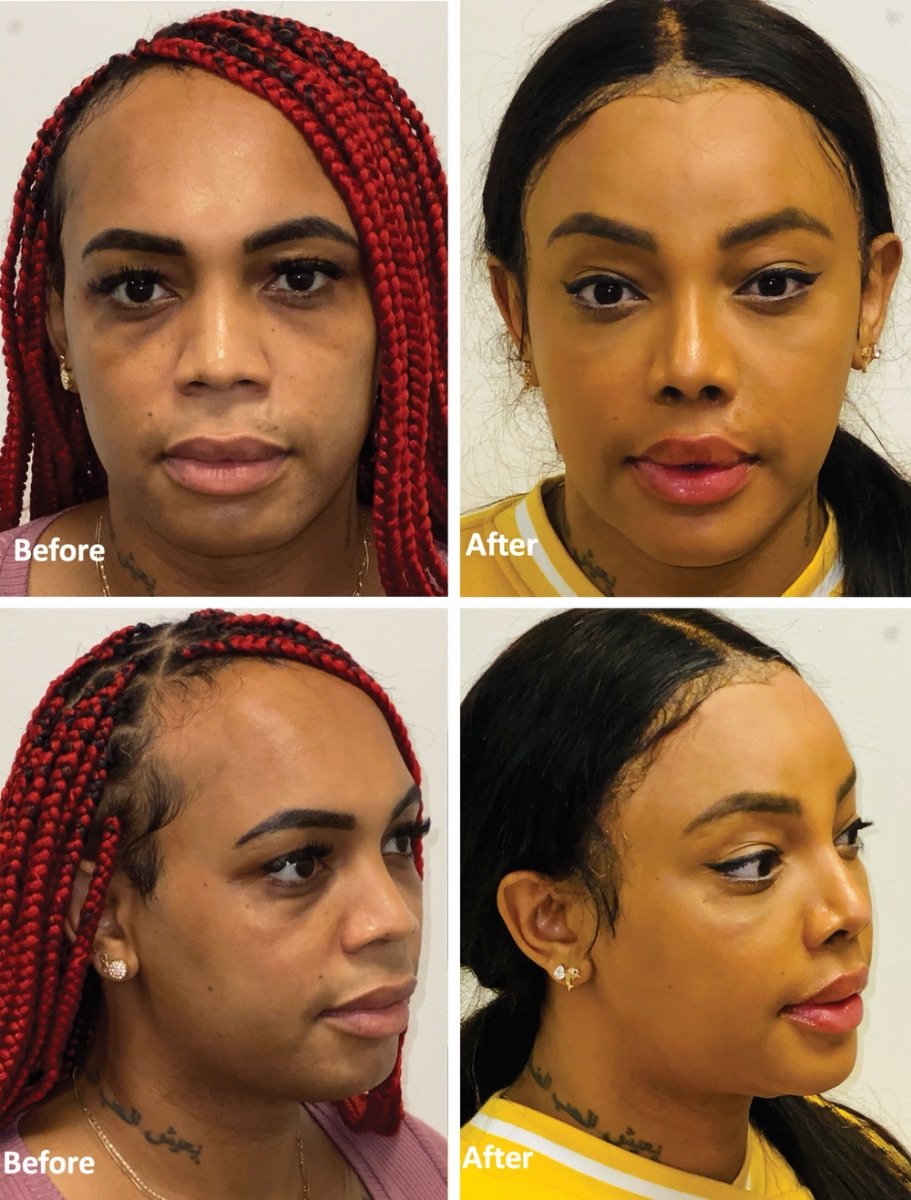
تتضمن جراحة تأنيث الوجه (FFS) القياسية في المكسيك مزيجًا مخصصًا من إعادة هيكلة العظام وإجراءات الأنسجة الرخوة. يستهدف الجراحون ثلاث مناطق في الوجه، تشمل عادةً إعادة تشكيل الجبهة، وتجميل الأنف الأنثوي، وتصغير الفك، وتقديم خط الشعر لتحويل الملامح الذكورية إلى مظهر أنثوي أكثر نعومة.
رؤية خبير Bookimed: يُظهر تحليل العروض السريرية في مستشفى Innovare ومعهد José Cortés اتجاهًا نحو جراحة القحف والوجه في مرحلة واحدة. غالبًا ما يستخدم كبار الجراحين المكسيكيين مسوحات 3D-CT لتحديد ما إذا كان تراجع الجيب الجبهي مطلوبًا. هذا النهج الدقيق هو عامل تميز رئيسي للعيادات التي تخدم أكثر من 2500 مريض دولي سنويًا.
إجماع المرضى: يؤكد المرضى أن إعادة تشكيل الجبهة غالبًا ما توفر التغيير الأكثر أهمية في إدراك الجنس. يقترح الكثيرون مناقشة مرونة فروة الرأس مع الجراحين في وقت مبكر إذا كنت تخطط لدمج خفض خط الشعر ورفع الحاجبين.
عادةً ما يسمح التعافي من جراحة تأنيث الوجه في المكسيك للمرضى بالعودة إلى ممارسة حياتهم اليومية في غضون 14 إلى 21 يومًا. وفي حين أن التورم والكدمات الأولية تهدأ بعد 3 أشهر، فإن إعادة تشكيل العظام النهائية وتحسين الأنسجة الرخوة يستمران لمدة 12 شهرًا قبل الوصول إلى النتيجة الهيكلية النهائية.
رؤية خبراء Bookimed: غالبًا ما يؤكد الجراحون في عيادات مثل مستشفى Innovare التابع للدكتور إسرائيل فيلالوبوس أن العظام تلتئم بشكل أسرع من تكيف الجلد. يلاحظ المرضى كثيرًا أن شكل الفك أو الجبهة يستمر في التحسن حتى الشهر العاشر. إن اختيار منشأة متخصصة مع رعاية تمريضية على مدار الساعة طوال أيام الأسبوع يضمن إدارة التورم بعد الجراحة بشكل احترافي خلال تلك الأيام الأولى الحرجة.
إجماع المرضى: توقع ذروة عاطفية مكثفة في الأسبوع الأول عندما يبدو التورم أسوأ مما تشعر به. يقترح العديد من المرضى البقاء في المكسيك لمدة 14 يومًا على الأقل لإكمال جميع فحوصات الجروح اللازمة.
يجب على المرضى التخطيط للبقاء في المكسيك لمدة تتراوح بين 7 إلى 12 يوماً بعد جراحة تأنيث الوجه. يسمح هذا الإطار الزمني للجراحين بمراقبة الشفاء الأولي، وإدارة تورم الوجه الكبير، وإزالة الغرز أو المصارف الضرورية قبل أن يتم التصريح لك طبياً بالسفر جواً.
رؤية خبير Bookimed: بينما تبدأ الباقات الأساسية من $6,500، تعتمد مدة الإقامة على عدد الإجراءات. توفر عيادات مثل مستشفى Innovare التابع للدكتور إسرائيل فيلالوبوس 43 غرفة خاصة مع رعاية تمريضية على مدار الساعة طوال أيام الأسبوع. هذا أمر حيوي لأن التأنيث المكثف، بما في ذلك عمل الفك والجبهة، يتطلب غالباً 14 يوماً لإدارة الضغط بشكل آمن.
إجماع المرضى: يؤكد المسافرون أن الإرهاق البدني وتغيرات الضغط تجعل الرحلات الجوية المبكرة صعبة. يوصي معظمهم بالسفر مع مرافق للمساعدة في المهام العملية خلال الأسبوع الأول من التعافي.