تكميم المعدة بالمنظار (ESG) في المكسيك — احصل على 3 عيادات مطابقة مع التكاليف


تمت مراجعة المقالة طبيا من قبل
فهد مولود
ما هي تكلفة تكميم المعدة بالمنظار (ESG) في المكسيك؟ اكتشف الآن
من $8,400. تختلف التكاليف تبعاً لخبرة الجراح، وتقنية الخياطة المستخدمة، وموقع العيادة. غالباً ما تشمل الباقات الأجور الطبية، والفحوصات التشخيصية، والتنقلات المحلية.
- أسعار المراكز الطبية: تقدم مدن مثل تيخوانا ومكسيكالي أسعاراً تنافسية بسبب كثافة أعداد المرضى.
- تكلفة التقنيات المتقدمة: قد يؤدي استخدام أنظمة متطورة مثل Apollo OverStitch™ إلى زيادة السعر النهائي.
- مستوى العيادة: تفرض المراكز الطبية المتخصصة ذات الغرف الخاصة رسوماً أعلى مقارنة بالعيادات الخارجية العادية.
- الخبرة التخصصية: قد يتقاضى أطباء الجهاز الهضمي ذوو الخبرة العالية ممن يجرون عدداً كبيراً من الجراحات أتعاباً متميزة.
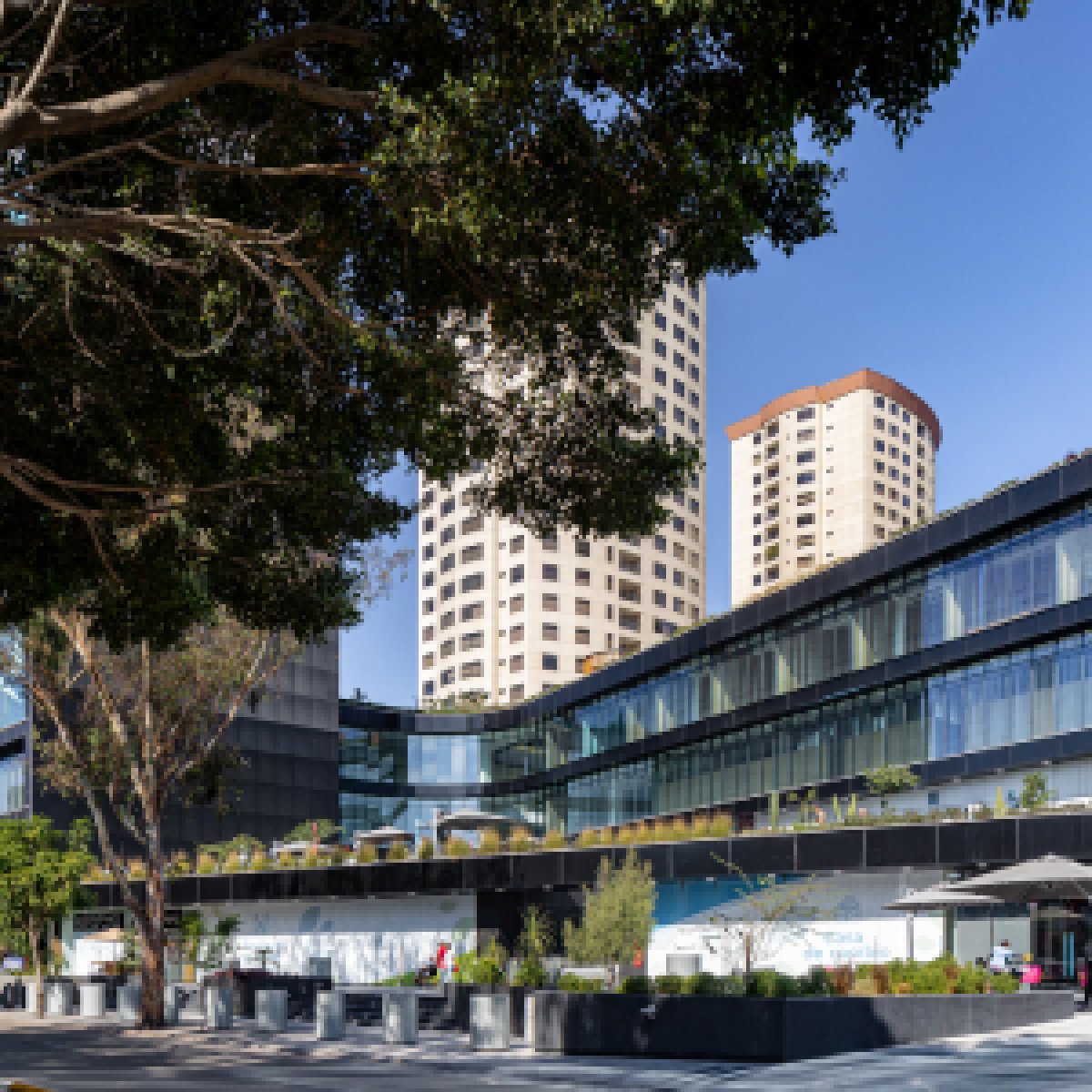
رأي خبراء Bookimed: يمكن اختيار مدينة حدودية مثل مكسيكالي لتوفير تكاليف اللوجستيات والحصول على رعاية فائقة الجودة. يُعد مستشفى دي لا فاميليا منشأة متخصصة ومعتمدة من مجلس الصحة العام CSG. يقع المستشفى على مقربة من الحدود الأمريكية المكسيكية، مما يجعله خياراً مريحاً للغاية. يوفر هذا المركز 32 غرفة خاصة، ويجمع بين الأمان الطبي وتجربة رعاية مخصصة للمرضى. يُنصح بالبحث عن منشآت حاصلة على اعتمادات دولية لضمان أفضل توازن بين التكلفة والجودة.
المزايا الرئيسية
- احصل على جراحة تكميم المعدة بالمنظار في المكسيك بتكلفة أقل بنسبة 60-70% من السعودية وألمانيا.
- خيارات الجراحة تشمل Apollo OverStitch™, Endomina®, وPOSE®.
- مراجعة مجانية للصور بواسطة طبيب متخصص لاختيار أفضل تقنية لتصغير المعدة بالمنظار لك.
- ضمان حماية البيانات والسرية بنسبة 100%.
- احصل على صفقات حصرية من عيادات موثوقة في المكسيك من $8,400.
| المكسيك | تركيا | تايلاند | |
|---|---|---|---|
| تكميم المعدة بالمنظار (ESG) | من $8,400 | من $5,400 | من $17,600 |
مزاياك وضماناتك مع Bookimed
أسعار مباشرة
Bookimed لا يضيف رسوماً إضافية على أسعار تكميم المعدة بالمنظار (ESG). الأسعار مأخوذة من قوائم الأسعار الرسمية للعيادات. تدفع مباشرة في العيادة مقابل تكميم المعدة بالمنظار (ESG) عند وصولك.
عيادات وأطباء معتمدون فقط
Bookimed ملتزم بسلامتك. نحن نعمل فقط مع المؤسسات الطبية التي تحافظ على معايير دولية عالية في تكميم المعدة بالمنظار (ESG) ولديها التراخيص اللازمة لخدمة المرضى الدوليين في جميع أنحاء العالم.
مساعدة مجانية على مدار الساعة
Bookimed يقدم مساعدة خبراء مجانية. منسق طبي شخصي يدعمك قبل وأثناء وبعد العلاج، ويحل أي مشاكل. لن تكون وحيداً أبداً في رحلة تكميم المعدة بالمنظار (ESG).

منسقك الطبي الشخصي في Bookimed
- يدعمك في كل مرحلة
- المساعدة في اختيار العيادة الطبية المناسبة والطبيب المناسب
- يضمن الوصول السريع والمريح إلى المعلومات
اكتشف أفضل تكميم المعدة بالمنظار (ESG) العيادات في المكسيك: 2 خيارات معتمدة والأسعار


نظرة عامة على تكميم المعدة بالمنظار (ESG) في المكسيك
- جراحة المجازة المعدية - من $6,700
تساعد هذه العملية على إنقاص الوزن عن طريق تغيير معالجة المعدة والأمعاء الدقيقة للطعام الذي تتناوله.
- عملية بالون المعدة - من $2,500
يتضمن هذا العلاج وضع بالون في معدتك ، مما يساعد على إنقاص الوزن عن طريق الحد من تناول الطعام وتقليل الجوع.
- جراحة الأيض الاستقلابية - من $6,600
هذا الإجراء ، للسمنة ومرض السكري ، يغير القناة الهضمية لتحسين أنظمة التمثيل الغذائي في الجسم وصحته.
- طيّ المعدة (انظر. تدبيس المعدة) - من $3,800
تقوم هذه العملية بتقليص حجم المعدة مما يساعد على إنقاص الوزن. إنه سريع وآمن نسبيًا وفعال بشكل ملحوظ.
- تحويل Biliopancreatic - من $6,500
العملية هي عملية جراحية لإنقاص الوزن تعيد توجيه عملية الهضم وتقلل من امتصاص السعرات الحرارية بشكل كبير.
- جراحة دافنشي لتغيير شرايين المعدة - من $10,000
تعمل هذه الجراحة على تعزيز فقدان الوزن عن طريق تقنية بمساعدة الروبوت ، وتقييد حجم المعدة وتغيير مسار الأمعاء الدقيقة.
- عملية تحويل مسار المعدة - من $6,400
تعمل هذه العملية على تقليل حجم المعدة وتغيير مسار الطعام لفقدان الوزن وتحسين المشكلات الصحية مثل مرض السكري.
- تكميم المعدة بالمنظار (ESG) - من $8,400
تقلل هذه العملية من حجم المعدة من خلال الخيوط الجراحية ، مما يعزز فقدان الوزن دون تدخل جراحي ، ويوفر فوائد التعافي السريع.
اليوم الأول - الوصول
- الوصول إلى البلاد.
- نقل من المطار إلى الفندق.
- الراحة والتأقلم مع البيئة الجديدة.
اليوم 2 - ما قبل العملية
- استشارة جراح السمنة.
- اخضع للفحوصات الطبية اللازمة مثل فحوصات الدم وتخطيط القلب.
- ناقش عملية ومخاطر جراحة تكميم المعدة بالمنظار (ESG).
اليوم الثالث - تكميم المعدة بالمنظار (ESG)
- الدخول إلى المستشفى.
- التحضير للجراحة (صيام ، تخدير).
- تستغرق العملية حوالي ساعة إلى ساعتين تحت تأثير التخدير العام.
- فترة نقاهة قصيرة في العيادة.
اليوم 4 - بعد العملية
- المراقبة والمراقبة في العيادة.
- تحكم في الألم بالأدوية إذا لزم الأمر.
- ابدأ في اتباع نظام غذائي سائل تحت إشراف اختصاصي التغذية.
اليوم الخامس - السابع
- الانتقال التدريجي إلى الأطعمة اللينة.
- الخروج من المستشفى والانتقال إلى الفندق.
- الراحة والانتعاش في الفندق.
الأسبوع 1 - 2
- تواصل مع النظام الغذائي الناعم.
- ابدأ أنشطة بدنية لطيفة مثل المشي.
الأسبوع 3 - 6
- الانتقال إلى نظام غذائي منتظم تحت إشراف اختصاصي التغذية.
- العودة التدريجية إلى الأنشطة العادية.
الأسبوع السابع وما بعده
- العودة إلى العمل والأنشطة البدنية العادية.
- استشارة متابعة مع الجراح.
يرجى ملاحظة أن حالة كل مريض يمكن أن تكون مختلفة وقد يختلف الجدول الزمني بناءً على معدلات الشفاء الفردية ونصيحة الجراح.
- إيداع Bookimed: 200 دولار أو 200 يورو.
- وديعة العيادة: ادفع نسبة محددة مقدمًا.
المراجعات
جميع المراجعات


مشاركة المحتوى
قصص فيديو من مرضى Bookimed
 Anna Leonova
حقائق سريعة عن تكميم المعدة بالمنظار (ESG)
جراحة المنظار لتقليل حجم المعدة (ESG)
إجراء لفقدان الوزن قليل التدخل يقلل من حجم المعدة باستخدام جهاز خياطة بالمنظار.
أسئلة متكررة حول تكميم المعدة بالمنظار (ESG) في المكسيك
ما هو تكميم المعدة بالمنظار (ESG) وكيف يعمل؟
تكميم المعدة بالمنظار (ESG) هو إجراء لفقدان الوزن بدون شقوق جراحية يقلل من حجم المعدة بنسبة 70% إلى 80% من خلال خياطة داخلية. يستخدم الجراحون منظاراً عبر الفم لطي المعدة إلى أنبوب ضيق، مما يوفر تقييداً دون ندبات خارجية أو إزالة للأنسجة.
- طريقة الإجراء: يستخدم المتخصصون جهاز خياطة لإنشاء طية تشبه الأكورديون داخل المعدة.
- آلية فقدان الوزن: السعة المخفضة تحد من حصص الطعام بينما يؤدي تأخر إفراغ المعدة إلى إطالة الشعور بالشبع بعد الوجبات.
- المدة المعتادة: يستغرق الإجراء الخارجي عادةً من 45 إلى 90 دقيقة تحت التخدير العام.
- فترة التعافي: يعود معظم المرضى إلى الأنشطة الخفيفة والعمل في غضون يومين إلى 5 أيام.
رؤية خبير Bookimed: في حين أن العديد من جراحات فقدان الوزن لا رجعة فيها، يؤكد الجراحون في المكسيك مثل الدكتور أرتورو مارتينيز أن ESG يحافظ على تشريح المعدة. تظهر البيانات السريرية من دراسات تعاونية مع جامعة كاليفورنيا في سان دييغو ملفات تعريف أمان ممتازة، بما في ذلك معدل وفيات يقارب الصفر في مجموعات كبيرة من المرضى. وهذا يجعله خياراً استراتيجياً للمرضى الذين لديهم مؤشر كتلة جسم 30+ والذين يفضلون تجنب إزالة الأنسجة الدائمة مع الحفاظ على معايير أمان عالية.
إجماع المرضى: يصف المرضى الإحساس بأنه خياطة للمعدة من الداخل حيث يحدث الشبع بعد بضع لقمات فقط. يعتمد النجاح بشكل كبير على إدارة الغثيان بعد العملية والالتزام الصارم بتدرج مراحل الطعام لضمان الحفاظ على الوزن على المدى الطويل.
هل ESG هو نفسه تكميم المعدة (VSG) التقليدي (بالمنظار)؟
تكميم المعدة بالمنظار الداخلي (ESG) هو إجراء بدون شقوق يستخدم الغرز لطي المعدة من الداخل. بينما يقوم تكميم المعدة التقليدي بالمنظار (VSG) بإزالة حوالي 80% من أنسجة المعدة بشكل دائم، يحافظ ESG على العضو بالكامل، مما يوفر بديلاً غير جراحي للمرضى الذين لديهم أهداف مؤشر كتلة جسم أقل.
- النهج الجراحي: يستخدم ESG منظاراً عبر الفم؛ بينما يتطلب VSG شقوقاً في البطن وتدبيساً.
- إزالة الأنسجة: لا يتم إزالة أي أنسجة أثناء ESG؛ بينما يتضمن VSG إزالة دائمة لقاع المعدة.
- التأثير الهرموني: يقلل VSG بشكل كبير من هرمونات الجوع مثل الجريلين؛ بينما يعتمد ESG بشكل أساسي على الحجم الميكانيكي التقييدي.
- وقت التعافي: يعود مرضى ESG إلى أنشطتهم في غضون 2-5 أيام؛ بينما يتطلب VSG من أسبوع إلى أسبوعين للتعافي.
رؤية خبير Bookimed: غالباً ما يعتمد الاختيار بين ESG و VSG على تاريخ الارتجاع الحمضي بدلاً من مؤشر كتلة الجسم فقط. تظهر بيانات Bookimed أن متخصصين مثل الدكتور أرييل أورتيز لارجادير يحافظون على معدلات اعتلال منخفضة للغاية من خلال مطابقة التشريح مع التقنية. إذا كان الارتجاع المعدي المريئي المزمن مصدر قلق، فقد يكون ESG مفضلاً لأنه نادراً ما يفاقم الارتجاع مقارنة بـ VSG التقليدي.
إجماع المرضى: يقدر المرضى ESG لعدم وجود ندبات مرئية والعودة السريعة للعمل. يؤكد أولئك الذين يختارون VSG التقليدي أن قمع الجوع الدائم الناتج عن إزالة الأنسجة يوفر تحكماً طويل الأمد أكثر قابلية للتنبؤ.
من هو المرشح المثالي لإجراء ESG في المكسيك؟
المرشح المثالي لعملية تكميم المعدة بالمنظار (ESG) في المكسيك هو شخص بالغ يتراوح مؤشر كتلة جسمه بين 27 و 40 ويسعى لإنقاص الوزن بطريقة غير جراحية. هذا الإجراء مناسب لأولئك الذين يحتاجون إلى نتائج مهمة دون إزالة دائمة للأنسجة أو شقوق خارجية، مما يوفر حلاً وسطاً بين الأدوية والجراحة التقليدية.
- نطاق مؤشر كتلة الجسم المحدد: تتخصص معظم العيادات المكسيكية في علاج المرضى الذين يتراوح مؤشر كتلة جسمهم بين 28 و 39.
- التفضيل الجراحي: مثالي للأفراد الذين يرغبون في بديل بدون شقوق جراحية لجراحة تكميم المعدة بالمنظار.
- الحالة الصحية: يجب ألا يعاني المرشحون من حالات معدية معوية حادة مثل الفتق الحجابي الكبير أو القرحة.
- احتياجات التعافي: الأفضل للمرضى الذين يحتاجون إلى أقل قدر من وقت التوقف عن العمل، حيث يعودون عادةً إلى العمل في غضون 3 أيام.
رؤية خبير Bookimed: غالباً ما تقبل مراكز جراحة السمنة المكسيكية المرضى الذين لا يستوفون معايير التأمين الأمريكية الصارمة. في حين أن شركات التأمين الأمريكية تطلب غالباً مؤشر كتلة جسم يزيد عن 35، فإن متخصصين مثل الدكتور أرييل أورتيز لاغادير في مستشفى CYNTAR يديرون آلاف الحالات لأولئك الذين يتراوح مؤشر كتلة جسمهم بين 27 و 33. تسمح هذه الإمكانية للمرضى بمعالجة السمنة قبل ظهور مضاعفات صحية ثانوية.
إجماع المرضى: يؤكد المرضى الناجحون أن الإجراء هو الأكثر فعالية لأولئك الذين يعانون من التحكم في حصص الطعام. تسلط التعليقات الواقعية الضوء على أنه على الرغم من سرعة التعافي، يجب على المرشحين الاستعداد للتعامل
ما هي المؤهلات التي يجب أن أبحث عنها عند اختيار طبيب لإجراء ESG في المكسيك؟
عند اختيار طبيب لإجراء تكميم المعدة بالمنظار (ESG) في المكسيك، أعط الأولوية للمتخصصين الحاصلين على Cédula de Especialidad في أمراض الجهاز الهضمي أو جراحة السمنة. تحقق من شهادة المجلس الصالحة من المجلس المكسيكي لأمراض الجهاز الهضمي أو الكلية المكسيكية لجراحة السمنة والتمثيل الغذائي لضمان السلامة.
- التراخيص الحكومية: يجب أن يحمل الأطباء Cédula de Médico Cirujano و Cédula de Especialidad.
- خبرة الخياطة: تأكد من وجود تدريب عملي على نظام Apollo Overstitch المستخدم أثناء إجراء ESG.
- اعتماد المستشفى: تأكد من أن المنشأة حاصلة على اعتماد CSG من المجلس العام للصحة في المكسيك.
- المعايير الدولية: ابحث عن اعترافات "جراح متميز" (Surgeon of Excellence) من مؤسسة مراجعة الجراحة (SRC).
رؤية خبير Bookimed: غالبًا ما تحقق المراكز ذات الحجم الكبير ملفات تعريف أمان أفضل. على سبيل المثال، ساهم الجراحون في مركز التحكم في السمنة (Obesity Control Center) في أبحاث تغطي أكثر من 19,000 إجراء مع الحد الأدنى من المضاعفات. إن اختيار جراح رئيسي يقوم بتدريب الآخرين بنشاط على التقنيات طفيفة التوغل هو مؤشر قوي على القيادة السريرية والمهارة التقنية.
إجماع المرضى: يؤكد المرضى على أهمية التحقق ممن يقوم فعليًا بإجراء الخياطة أثناء العملية. ويوصون باختيار العيادات التي توفر خطط متابعة منظمة طويلة الأمد مع أخصائيي التغذية لضمان نجاح فقدان الوزن.
ما مقدار الوزن الذي يمكنني توقع فقدانه بشكل واقعي بعد إجراء ESG؟
يفقد معظم المرضى بشكل واقعي ما بين 15% إلى 20% من إجمالي وزن أجسامهم في غضون 12 إلى 18 شهرًا بعد إجراء تكميم المعدة بالمنظار (ESG) في المكسيك. يؤدي هذا الإجراء طفيف التوغل عادةً إلى تقليل الوزن الزائد بنسبة 50% إلى 60% من خلال تقنيات خياطة داخلية متخصصة.
- الشهر الأول: يحدث فقدان سريع للوزن خلال مرحلة التعافي التي تعتمد على السوائل والأطعمة اللينة.
- علامة الثلاثة أشهر: يصل المرضى عادةً إلى فقدان 10% من إجمالي وزن الجسم عند هذه المرحلة.
- نتائج عام واحد: يستقر فقدان الوزن بشكل عام بين 15% و20% من وزنك الأولي.
- عوامل النجاح: يؤثر الالتزام بتتبع البروتين والتحكم في الحصص الغذائية بشكل كبير على النتائج النهائية.
رؤية خبير Bookimed: غالبًا ما تقرن مراكز جراحة السمنة المكسيكية إجراء ESG برعاية لاحقة شاملة تطابق المعايير الأمريكية بتكاليف أقل. على سبيل المثال، يساهم الدكتور أرييل أورتيز لاغادير في مستشفى CYNTAR في دراسات كبرى لجراحة السمنة تشمل أكثر من 19,000 إجراء. يشير هذا الحجم الكبير في عيادات تيخوانا إلى أن خبرة الجراح في شد الخيوط الجراحية هي عامل حاسم، وغالبًا ما يتم تجاهله، في منع استعادة الوزن المبكرة.
إجماع المرضى: يؤكد المرضى أن ESG يعمل كإعادة ضبط قوية لنمط الحياة بدلاً من كونه حلاً دائمًا. يذكر الكثيرون أن الالتزام بالنظام الغذائي السائل الأولي يحدد زخمهم على المدى الطويل.
هل عملية ESG قابلة للعكس إذا لم أكن راضيًا عن النتائج؟
تعتبر عملية تكميم المعدة بالمنظار (ESG) قابلة للعكس تقنيًا فقط خلال الأشهر القليلة الأولى. بعد عام واحد، تجعل الندوب الداخلية الإجراء دائمًا عادةً. يقوم الجراحون بإزالة الغرز في حالة حدوث مضاعفات طبية، على الرغم من أن المراجعات أو التحويل إلى تحويل مسار المعدة هي المعيار لنتائج فقدان الوزن غير المرضية.
- الإطار الزمني: لا يمكن إجراء العكس إلا قبل أن تربط الأنسجة الندبية الدائمة طيات المعدة.
- الأنسجة الندبية: تدمج الالتصاقات المتعمدة جدران المعدة معًا، مما يمنع العودة إلى الشكل الأصلي.
- خيارات التحويل: يمكن تحويل عملية ESG الفاشلة إلى استئصال المعدة بالمنظار أو تحويل مسار المعدة.
- الضرورة الطبية: العكس الحقيقي مخصص لحالات عدم التحمل الشديدة، وليس فقط لعدم رضا المريض.
رؤية خبير Bookimed: غالبًا ما يفضل الجراحون في المكسيك مثل الدكتور أرييل أورتيز لارجادير التحويل على العكس. تظهر البيانات أن تحويل ESG إلى خيار جراحي دائم يظل آمنًا للغاية. اختيار عيادة في تيخوانا تتمتع بعضوية النادي الدولي للسمنة (International Bariatric Club) يضمن أن جراحك يتعامل مع هذه التعقيدات. توصي معظم العيادات ذات الحجم الكبير بشد الغرز إذا توقف فقدان الوزن بعد السنة الأولى.
إجماع المرضى: يجد العديد من المرضى أن الادعاءات السريرية حول القابلية الكاملة للعكس مضللة بسبب الندوب الداخلية. تتضمن الإدارة الناجحة طويلة المدى عادةً إضافة علاجات طبية لفقدان الوزن بدلاً من العكس الجراحي.
ما هو الجدول الزمني النموذجي للتعافي بعد إجراء ESG؟
التعافي النموذجي بعد تكميم المعدة بالمنظار (ESG) في المكسيك سريع لأن الإجراء لا يتضمن أي شقوق خارجية. يحقق المرضى تعافيًا وظيفيًا في غضون يوم إلى 3 أيام. تلتئم أنسجة المعدة الداخلية تمامًا بحلول اليوم الثلاثين. يستأنف معظم الناس العمل المكتبي في غضون 5 أيام.
- الفترة الأولية: تتضمن الأيام الثلاثة الأولى التعامل مع الغثيان والانتفاخ وتشنجات البطن الشائعة.
- المراحل الغذائية: يتبع المرضى نظام السوائل الصافية لمدة 3 أيام قبل الانتقال إلى مخفوق البروتين.
- حدود النشاط: يُشجع على المشي فورًا، ولكن تجنب رفع الأثقال لمدة أسبوع واحد على الأقل.
- الشفاء طويل الأمد: تبدأ الأطعمة اللينة في الأسبوع الثاني، مع إعادة إدخال الأطعمة الصلبة بعد شهر واحد.
رؤية خبير Bookimed: يغفل العديد من المرضى أن الجفاف هو السبب الأكثر شيوعًا للإرهاق بعد إجراء ESG. تظهر البيانات أن مراكز السمنة المتخصصة في المكسيك، مثل مركز التحكم في السمنة (Obesity Control Center)، تؤكد على استخدام مؤقتات ترطيب محددة. استخدام تنبيهات كل 15 دقيقة لتناول رشفات الإلكتروليت يمنع أكثر انتكاسات التعافي شيوعًا التي تظهر في الأسبوع الأول.
إجماع المرضى: تشعر الأيام الثلاثة الأولى بضغط شديد أو ارتجاع، لكن النوم في وضع مستقيم يوفر راحة كبيرة. يعتمد النجاح في الشهر الأول على مقاومة الرغبة في تسريع مراحل الطعام بسرعة كبيرة.