إعادة تأهيل الأطفال المصابين بالشلل الدماغي في إيطاليا — احصل على 3 عيادات مطابقة مع التكاليف


تمت مراجعة المقالة طبيا من قبل
فهد مولود
ما هي تكلفة إعادة تأهيل الأطفال المصابين بالشلل الدماغي في إيطاليا؟ اكتشف الآن
تتراوح تكلفة إعادة تأهيل الأطفال المصابين بالشلل الدماغي في إيطاليا بين السعر عند الطلب و السعر عند الطلب. يعتمد السعر النهائي على مدة البرنامج، ومستوى العيادة، وأنواع العلاج المطلوبة. تتضمن البرامج عادةً تقييمات متخصصة من أطباء الأعصاب وخططاً علاجية طبيعية مخصصة.
- إعادة التأهيل العصبي المكثف: تزيد التكلفة بنسبة 30-50% عن المعايير العادية بسبب مشاركة فرق متعددة التخصصات.
- المراكز الطبية الرئيسية: تُعد مدينتا روما وميلانو أبرز مراكز الرعاية الطبية المتخصصة.
- إعادة التأهيل الروبوتي: ترفع التقنيات المتطورة مثل Lokomat من تكلفة الإقامة المكثفة.
- التقنيات التخصصية: تتطلب إجراءات مثل بضع الجذور الظهرية الانتقائي أو العلاج بالخلايا الجذعية نفقات إضافية كبيرة.
رأي خبراء Bookimed: يتيح اختيار عيادة في روما أو ميلانو الوصول إلى بنية تحتية طبية فائقة. عيادة فيلا ستيوارت في روما معتمدة من الاتحاد الدولي لكرة القدم FIFA. تقدم العيادة خبرات عالمية في الطب الرياضي يمكن الاستفادة منها في تصحيح المشي. بالنسبة للاحتياجات التقويمية المتقدمة، يُعد مستشفى غاليياتزي-سانت أمبروجيو في ميلانو خياراً مثالياً. يُجري المركز 75% من عمليات جراحة العظام التصحيحية في إيطاليا. تبدأ باقات العلاج في هذه المراكز المتميزة عادةً من 3,000 $ إلى 6,200 $.
المزايا الرئيسية
لماذا يجب النظر في إيطاليا لإعادة التأهيل للأطفال المصابين بالشلل الدماغي؟
- عيادات معتمدة: تحتضن إيطاليا مستشفيات معتمدة من JCI. تقدم هذه المرافق رعاية عالية الجودة وتلتزم بالمعايير الدولية.
- أحدث التقنيات: تستخدم إيطاليا نظام التدريب على المشي الروبوتي Lokomat وطريقة TheraSuit. تُستخدم هذه التقنيات لتعزيز المهارات الحركية وقوة العضلات لدى الأطفال المصابين بالشلل الدماغي.
- نسب نجاح عالية: أظهرت برامج إعادة التأهيل في إيطاليا فعالية تصل إلى 85%. تعمل هذه البرامج على تحسين الحركة ونوعية الحياة للأطفال الذين يعانون من حالات خفيفة إلى متوسطة.
- ممارسون خبراء: تفتخر إيطاليا بوجود متخصصين رائدين معتمدين في طب الأعصاب للأطفال وإعادة التأهيل. لقد أداروا أكثر من 2000 حالة، مما يضمن خطط علاج مخصصة وفعالة.
احصل على حلول متقدمة لإعادة التأهيل للأطفال المصابين بالشلل الدماغي في عيادات موثوقة .
مزاياك وضماناتك مع Bookimed
أسعار مباشرة
Bookimed لا يضيف رسوماً إضافية على أسعار إعادة تأهيل الأطفال المصابين بالشلل الدماغي. الأسعار مأخوذة من قوائم الأسعار الرسمية للعيادات. تدفع مباشرة في العيادة مقابل إعادة تأهيل الأطفال المصابين بالشلل الدماغي عند وصولك.
عيادات وأطباء معتمدون فقط
Bookimed ملتزم بسلامتك. نحن نعمل فقط مع المؤسسات الطبية التي تحافظ على معايير دولية عالية في إعادة تأهيل الأطفال المصابين بالشلل الدماغي ولديها التراخيص اللازمة لخدمة المرضى الدوليين في جميع أنحاء العالم.
مساعدة مجانية على مدار الساعة
Bookimed يقدم مساعدة خبراء مجانية. منسق طبي شخصي يدعمك قبل وأثناء وبعد العلاج، ويحل أي مشاكل. لن تكون وحيداً أبداً في رحلة إعادة تأهيل الأطفال المصابين بالشلل الدماغي.

منسقك الطبي الشخصي في Bookimed
- يدعمك في كل مرحلة
- المساعدة في اختيار العيادة الطبية المناسبة والطبيب المناسب
- يضمن الوصول السريع والمريح إلى المعلومات
اكتشف أفضل إعادة تأهيل الأطفال المصابين بالشلل الدماغي العيادات في إيطاليا: 2 خيارات معتمدة والأسعار





Clinic Villa Stuart
نظرة عامة على إعادة تأهيل الأطفال المصابين بالشلل الدماغي في إيطاليا
- العلاج الوظيفي باستخدام فأرة الكمبيوتر الرأسية - من $1,400
يعزز هذا العلاج المهارات الحركية والإدراك من خلال حركات الرأس الموجهة بالكمبيوتر.
- علاج سنوزلن - من $250
هذا العلاج عبارة عن تقنية تحفيز حسي تعزز الاسترخاء والفرح ، وغالبًا ما تستخدم للأشخاص ذوي الإعاقة.
- علاج فويتا - Vojta Therapy - من $650
يساعد هذا العلاج في تحسين المهارات الحركية من خلال حركات محددة ، ومناسبة للحالات العصبية ، مما يوفر تعافيًا أسرع وتنسيقًا أفضل.
- علاج بوباث الطبيعي - من $650
هذا العلاج هو نهج متخصص للحالات العصبية ، وتحسين القدرة على الحركة والوظيفة من خلال تمارين مخصصة.
- علاج غروس - من $1,200
يساعد هذا العلاج في تحسين المهارات الحركية من خلال تكرار الحركة وتدريب العضلات واللعب الإبداعي.
- إعادة تأهيل لمرض التصلب المتعدد - من $4,500
يساعد هذا العلاج في إدارة الأعراض وتحسين الوظيفة لدى المرضى الذين يعانون من اضطراب مزمن في الجهاز العصبي.
- إعادة التأهيل القلبي (لكل يوم واحد) - من $3,200
يساعد هذا العلاج مرضى القلب على استعادة قوتهم ومنع تطور الحالة وتحسين الصحة العامة.
يساعد العلاج في استعادة القدرات البدنية والمعرفية بعد السكتة الدماغية ، بما في ذلك جلسات تمارين وعلاج يومية مخصصة.
اليوم 1
- الوصول إلى مطار بلد المقصد.
- نقل من المطار إلى الفندق عن طريق خدمة العيادة.
اليوم الثاني
- استشارة أولية مع طبيب أعصاب الأطفال.
- الفحص البدني ومراجعة التاريخ الطبي.
- اختبارات مثل التصوير بالرنين المغناطيسي واختبارات الدم والأشعة السينية إذا لزم الأمر.
اليوم 3-7
- بدء جلسات إعادة التأهيل.
- يشمل العلاج العلاجات الفيزيائية والمهنية والكلام.
- تستمر كل جلسة لمدة 2-3 ساعات.
الأسبوع 2-4
- استمرار جلسات إعادة التأهيل اليومية.
- تقييم التقدم من قبل الفريق كل أسبوع.
- تعديلات على خطة العلاج إذا لزم الأمر.
الأسبوع الخامس
- نهاية الجزء المكثف من إعادة التأهيل.
- الخروج من المستشفى ببرنامج منزلي.
- الانتقال من الفندق إلى المطار عن طريق خدمة العيادة.
الأسبوع السادس وما بعده
- يستمر برنامج إعادة التأهيل المنزلي.
- زيارة المتابعة المجدولة بعد 3 أشهر.
- يمكن استئناف الأنشطة العادية بعد 6 أشهر.
يرجى ملاحظة أن برنامج إعادة التأهيل لكل طفل هو برنامج فردي وقد تختلف الأطر الزمنية المذكورة.
- إيداع Bookimed: 200 دولار أو 200 يورو.
- وديعة العيادة: ادفع نسبة محددة مقدمًا.
المراجعات
جميع المراجعاتمشاركة المحتوى
قصص فيديو من مرضى Bookimed
 Anna Leonova
حقائق سريعة عن إعادة تأهيل الأطفال المصابين بالشلل الدماغي
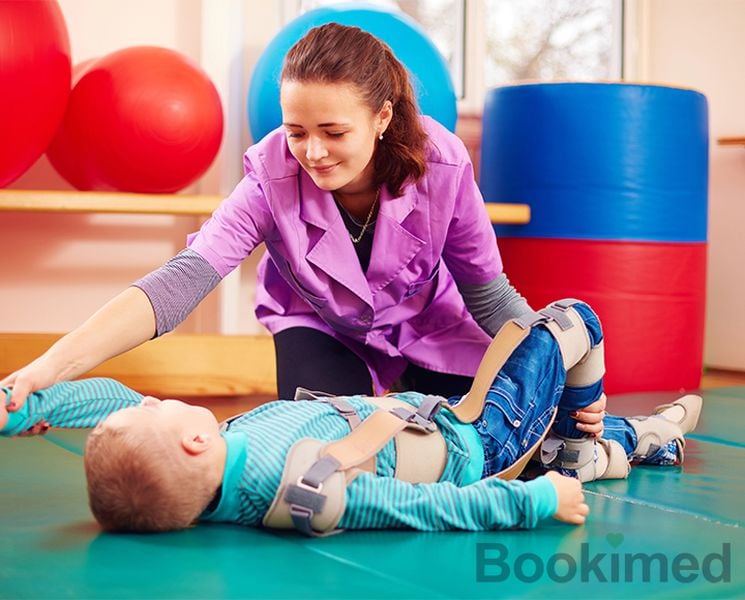
إعادة تأهيل الأطفال المصابين بالشلل الدماغي
يركز العلاج العصبي على تحسين المهارات الحركية والتواصل والقدرات المعرفية لدى الأطفال المصابين بالشلل الدماغي.
أسئلة متكررة حول إعادة تأهيل الأطفال المصابين بالشلل الدماغي في إيطاليا
ما هي المبادئ الأساسية لإعادة تأهيل الشلل الدماغي في إيطاليا؟
تتبع إعادة تأهيل الشلل الدماغي في إيطاليا إرشادات مشروع إعادة التأهيل الفردي (PRI) التي وضعتها SIMFER و SINPIA. يعطي هذا الإطار متعدد التخصصات الأولوية للتدخل المبكر، والمرونة العصبية، والمشاركة التي تركز على الأسرة باستخدام نهج نشط وموجه نحو الأهداف لتعزيز استقلالية الطفل والاندماج الاجتماعي في المنزل والمدرسة.
- التدخل المبكر: تبدأ العلاج في عمر 6 أشهر للاستفادة من المرونة العصبية للوظيفة الحركية.
- نموذج متعدد التخصصات: تشمل الفرق أطباء أعصاب، وأخصائيي علاج طبيعي، وأطباء عظام ينسقون الرعاية مع الأسرة.
- التكامل التكنولوجي: تستخدم العيادات تدريب المشي Lokomat والهياكل الخارجية للحركة عالية الكثافة القائمة على البيانات.
- التكيف السياقي: تعمل التعديلات البيئية والمهام الوظيفية على تقليل الإحباط مع تعزيز المشاركة الناجحة في المهارات.
رؤية خبير Bookimed: توفر المراكز الإيطالية الحاصلة على اعتماد IRCCS، مثل Ospedale Galeazzi - Sant'Ambrogio، ميزة فريدة من خلال الجمع بين الممارسة السريرية والبحث عالي المستوى. يضمن هذا الوضع للمرضى الوصول إلى بروتوكولات مبتكرة مثل العلاج بمساعدة الهيكل الخارجي وتقييمات المرونة العصبية المبكرة التي لم تصبح بعد معياراً في المستشفيات العادية.
إجماع المرضى: يسلط الآباء الضوء بشكل متكرر على أن عيادات شمال إيطاليا توفر أوقات انتظار أقصر وتكنولوجيا روبوتية متقدمة. تقدر العائلات تدريبها كمعالجين مشاركين لإدارة تمارين التمدد اليومية في المنزل بفعالية بين زيارات المركز.
ما هي أساليب إعادة التأهيل الحركي المتخصصة المستخدمة في إيطاليا للأطفال المصابين بالشلل الدماغي؟
تدمج إعادة التأهيل الحركي المتخصصة في إيطاليا للأطفال المصابين بالشلل الدماغي بين طريقة "بيرفيتي" (Perfetti) ذات الأصل الإيطالي والمعايير الدولية مثل علاج "بوباث" (Bobath) و"فويتا" (Vojta). تستخدم المراكز المتقدمة في ميلانو وروما أنظمة تدريب المشي الروبوتية مثل "لوكومات" (Lokomat) إلى جانب التعلم الحركي الوظيفي القائم على اللعب لتحسين التنسيق.
- طريقة بيرفيتي: تركز على العمليات المعرفية مثل الانتباه لتعزيز التعافي الحركي والمرونة العصبية.
- مفهوم بوباث: نهج فردي يحلل تنسيق الحركة والوضعية لتحسين المهارات الوظيفية اليومية.
- الأنظمة الروبوتية: تصحيح المشي عالي التقنية في مستشفى IRCCS Ospedale Galeazzi - Sant'Ambrogio باستخدام المساعدة الآلية.
- التدخلات المكثفة: يستهدف علاج الحركة المقيدة (CIMT) حالات الشلل النصفي عن طريق تقييد الطرف الأقوى.
رؤية خبير Bookimed: تتفوق إعادة التأهيل الإيطالية من خلال الجمع بين البحث السريري والخبرة العملية الواسعة. يعالج مستشفى IRCCS Ospedale Galeazzi - Sant'Ambrogio 343,500 مريض سنوياً ويحمل اعتماداً بحثياً متخصصاً. تضمن هذه البيئة الغنية بالأبحاث حصول الأطفال على بروتوكولات قائمة على الأدلة تتطور بشكل أسرع من الإرشادات السريرية القياسية.
إجماع المرضى: غالباً ما يعتمد النجاح على تنسيق حقن توكسين البوتولينوم مع كتل العلاج المكثف لتحقيق أقصى فائدة. يؤكد الأهالي أن التدريب الخاص بالمهام الذي يركز على أنشطة اللعب اليومية للطفل يحقق نتائج وظيفية أفضل من تقوية العضلات العامة.
من يشارك في فريق الرعاية متعدد التخصصات لإعادة تأهيل الشلل الدماغي لدى الأطفال في إيطاليا؟
تتبع إعادة تأهيل الشلل الدماغي لدى الأطفال في إيطاليا نهجاً متعدد الأبعاد بقيادة طبيب أعصاب نفسي للأطفال وطبيب فيزيائي. يضم هذا الفريق متخصصين فريدين مثل معالجي النمو النفسي الحركي، وأخصائيي العلاج الطبيعي، وأخصائيي العلاج الوظيفي. تضمن التعاونات مع منظمات مثل GIPCI بروتوكولات سريرية موحدة عبر المراكز الطبية الإيطالية.
- التنسيق الأساسي: يشرف أطباء الأعصاب النفسيون للأطفال على التطور العصبي والصحة النفسية.
- الطب الطبيعي: يركز الأطباء الفيزيائيون على الوظيفة الحركية، والوضعية، وإدارة التشنج.
- العلاج النفسي الحركي: يستخدم المتخصصون أنشطة مناسبة للعمر لعلاج الاضطرابات النفسية العصبية.
- خبراء الحركة: يوفر أخصائيو العلاج الطبيعي تدريباً على المشي ويمنعون تقلصات العضلات.
- خدمات الدعم: يعالج أخصائيو النطق واللغة مشاكل البلع وتطور التواصل.
- الدعم الاجتماعي: يساعد الأخصائيون الاجتماعيون العائلات في الحصول على إعانات الإعاقة والوصول إلى المعدات.
رؤية خبير Bookimed: يؤثر الموقع الجغرافي بشكل كبير على إمكانية الوصول إلى الرعاية للمرضى الأطفال في إيطاليا. غالباً ما توفر العيادات في المناطق الشمالية مثل ميلانو أو بولونيا أوقات انتظار أقصر. توفر مراكز مثل IRCCS Ospedale Galeazzi - Sant'Ambrogio خبرة تقويم عظام عالية المستوى. غالباً ما تجمع العائلات بين الخدمات العامة والمتخصصين الخواص لتسريع مواعيد بدء إعادة التأهيل.
إجماع المرضى: تتطلب إعادة التأهيل الفعالة من الآباء تنسيق التواصل ب
ما هي المنظمات التي تضع المبادئ التوجيهية الوطنية لإعادة التأهيل للأطفال في إيطاليا؟
تخضع المبادئ التوجيهية لإعادة تأهيل الأطفال في إيطاليا لإشراف المعهد العالي للصحة (ISS). يتم تطوير هذه المعايير من خلال جمعيات SINPIA (الطب النفسي العصبي) و SIMFER (الطب الطبيعي). معاً، يقومون بالتحقق من صحة البروتوكولات القائمة على الأدلة ضمن نظام المبادئ التوجيهية الوطني (SNLG) لضمان رعاية تنموية عالية الجودة.
- إشراف ISS: الهيئة الرئيسية التي تصادق على بروتوكولات إعادة تأهيل الأطفال الرسمية على الصعيد الوطني.
- الإطار السريري: تتعاون SINPIA و SIMFER لتحديد مسارات الرعاية العصبية الحركية.
- التكيف الإقليمي: تقوم الشبكات المحلية مثل ATS في لومبارديا بتكييف المبادئ التوجيهية الوطنية محلياً.
- جمعيات العلاج النفسي الحركي العصبي: تحدد ANUPI TNPEE المعايير المهنية للمعالجين النفسيين الحركيين العصبيين.
رؤية خبير Bookimed: غالباً ما تتبع جودة إعادة التأهيل الإيطالية تسلسلاً هرمياً إقليمياً بدلاً من مجرد قواعد وطنية. غالباً ما تحمل العيادات في ميلانو، مثل IRCCS Ospedale Galeazzi - Sant'Ambrogio، اعتماد IRCCS من وزارة الصحة. يعني هذا الوضع أنها تدمج البحث النشط مباشرة في رعاية المرضى. اختيار منشأة معتمدة من IRCCS يضمن غالباً الوصول إلى بروتوكولات تتجاوز الحد الأدنى الوطني العام.
إجماع المرضى: يوصي الآباء بالتحقق مما إذا كانت المراكز الخاصة تتبع معايير SIMFER لضمان الاتساق. يقترح الكثيرون الانضمام إلى مجموعات الدعم الإقليمية للتنقل بين الاختلافات في كيفية تطبيق المبادئ التوجيهية محلياً.
هل الرعاية المتمحورة حول الأسرة شائعة في إعادة تأهيل الشلل الدماغي في إيطاليا؟
تعد الرعاية المتمحورة حول الأسرة هي المعيار لإعادة تأهيل الشلل الدماغي في إيطاليا. منذ عام 2004، قامت منظمات مثل المجموعة الإيطالية للشلل الدماغي بدمج هذه المبادئ. تركز المراكز المتخصصة على الكرامة والشراكة بين المهنيين الطبيين والآباء لتحسين نتائج نمو الطفل.
- التدريب المهني: يتلقى المعالجون الإيطاليون تدريبًا محددًا لدمج العائلات في الممارسة السريرية.
- خطط فردية: يطور الأطباء خطط إعادة تأهيل فردية (PRI) بالتعاون الوثيق مع الآباء.
- تقديم الخدمات: تقدم المستشفيات الجامعية في المناطق الحضرية عادةً الرعاية الأكثر شمولاً.
- التركيز على الشراكة: تؤكد نماذج إعادة التأهيل على المعاملة المحترمة والتواصل الفعال بين جميع الأطراف.
رؤية خبير Bookimed: على الرغم من أن إعادة التأهيل الإيطالية تعاونية للغاية، إلا أن الأطباء عادة ما يقودون خارطة الطريق. يختلف هذا عن النماذج التي تقود فيها العائلات عملية صنع القرار المبكر. غالبًا ما تدير عيادات مثل فيلا ستيوارت حالات عصبية معقدة. يجب أن يتوقع المرضى نهجًا منظمًا يقوده الطبيب ويقدر بشدة مدخلات الوالدين أثناء التنفيذ.
إجماع المرضى: غالبًا ما يشيد الآباء بالمستوى العالي من الاحترام والكرامة الذي يتم إظهاره أثناء العلاج. يلاحظ الكثيرون أنه على الرغم من أن الرعاية السريرية ممتازة، إلا أن العثور على معلومات عامة قد يكون صعبًا.