استئصال الرحم بواسطة روبوت دا فنشي في إيطاليا — احصل على 3 عيادات مطابقة مع التكاليف


تمت مراجعة المقالة طبيا من قبل
فهد مولود
ما هي تكلفة استئصال الرحم بواسطة روبوت دا فنشي في إيطاليا؟ اكتشف الآن
تتراوح تكلفة عملية استئصال الرحم بروبوت دافنشي في إيطاليا ما بين $18,000 و $28,000. يعتمد السعر النهائي على تخصص العيادة، وموقع المدينة، ومدى تعقيد الجراحة. تغطي هذه التكلفة التقنية الروبوتية، والتخدير، والإقامة في المستشفى لعدة أيام.
- موقع المدينة: ترتفع التكاليف في مراكز رئيسية مثل روما وميلانو بنسبة 15-20 %.
- التخصص السريري: قد تفرض مستشفيات البحوث (IRCCS) رسوماً أعلى مقارنة بالمرافق الخاصة العامة.
- التقنية الروبوتية: تتطلب الأنظمة المتقدمة مثل Da Vinci Xi أدوات أحادية الاستخدام ذات تكلفة عالية.
- الفحوصات قبل الجراحة: تضيف الفحوصات الشاملة، بما في ذلك التصوير والتحاليل المخبرية، حوالي 1,100 $ إلى 1,350 $.
رأي خبراء Bookimed: يتيح اختيار مراكز مرموقة مثل Ospedale San Carlo di Nancy في روما الوصول إلى خبرة روبوتية حائزة على جوائز. تستخدم عيادة Ruesch في نابولي نظام Da Vinci Xi المتقدم لضمان دقة أعلى في الأداء. ورغم شعبية المدن الشمالية، توفر المرافق المعتمدة في باري أو نابولي جودة عالية بأسعار تنافسية. تُجري المراكز الإيطالية المتخصصة أكثر من 1,000 عملية سنوياً، مما يضمن كفاءة عالية في استخدام المنصة الروبوتية.
المزايا الرئيسية
لماذا تختار إيطاليا لإجراء عملية استئصال الرحم باستخدام روبوت دا فينشي؟
- عيادات معتمدة: المستشفيات المعتمدة من JCI تضمن معايير عالية من الرعاية الطبية وسلامة المرضى.
- أحدث التقنيات: يُعرف نظام الروبوت دا فينشي Xi بدقته ونهجه الجراحي الأقل تدخلاً. يُستخدم على نطاق واسع في العيادات الإيطالية، مما يوفر رؤية محسنة ومرونة أثناء الجراحة.
- نسب نجاح عالية: تُبلغ فعالية استئصال الرحم باستخدام روبوت دا فينشي بنسبة 95% للحالات الحميدة. هذه الطريقة تقلل بشكل كبير من وقت التعافي مقارنة بالطرق التقليدية.
- جراحون خبراء: غالبًا ما يحمل أطباء النساء الرائدون في إيطاليا شهادات في الجراحة بمساعدة الروبوت. وقد أجروا أكثر من 500 عملية استئصال رحم ناجحة باستخدام نظام دا فينشي.
احصل على حلول متقدمة لاستئصال الرحم باستخدام روبوت دا فينشي في عيادات موثوقة من $18,000.
| إيطاليا | تركيا | إسبانيا | |
|---|---|---|---|
| استئصال الرحم بواسطة روبوت دا فنشي | ≈ $18,000 | من $11,600 | من $21,600 |
مزاياك وضماناتك مع Bookimed
أسعار مباشرة
Bookimed لا يضيف رسوماً إضافية على أسعار استئصال الرحم بواسطة روبوت دا فنشي. الأسعار مأخوذة من قوائم الأسعار الرسمية للعيادات. تدفع مباشرة في العيادة مقابل استئصال الرحم بواسطة روبوت دا فنشي عند وصولك.
عيادات وأطباء معتمدون فقط
Bookimed ملتزم بسلامتك. نحن نعمل فقط مع المؤسسات الطبية التي تحافظ على معايير دولية عالية في استئصال الرحم بواسطة روبوت دا فنشي ولديها التراخيص اللازمة لخدمة المرضى الدوليين في جميع أنحاء العالم.
مساعدة مجانية على مدار الساعة
Bookimed يقدم مساعدة خبراء مجانية. منسق طبي شخصي يدعمك قبل وأثناء وبعد العلاج، ويحل أي مشاكل. لن تكون وحيداً أبداً في رحلة استئصال الرحم بواسطة روبوت دا فنشي.

منسقك الطبي الشخصي في Bookimed
- يدعمك في كل مرحلة
- المساعدة في اختيار العيادة الطبية المناسبة والطبيب المناسب
- يضمن الوصول السريع والمريح إلى المعلومات
اكتشف أفضل استئصال الرحم بواسطة روبوت دا فنشي العيادات في إيطاليا: 3 خيارات معتمدة والأسعار



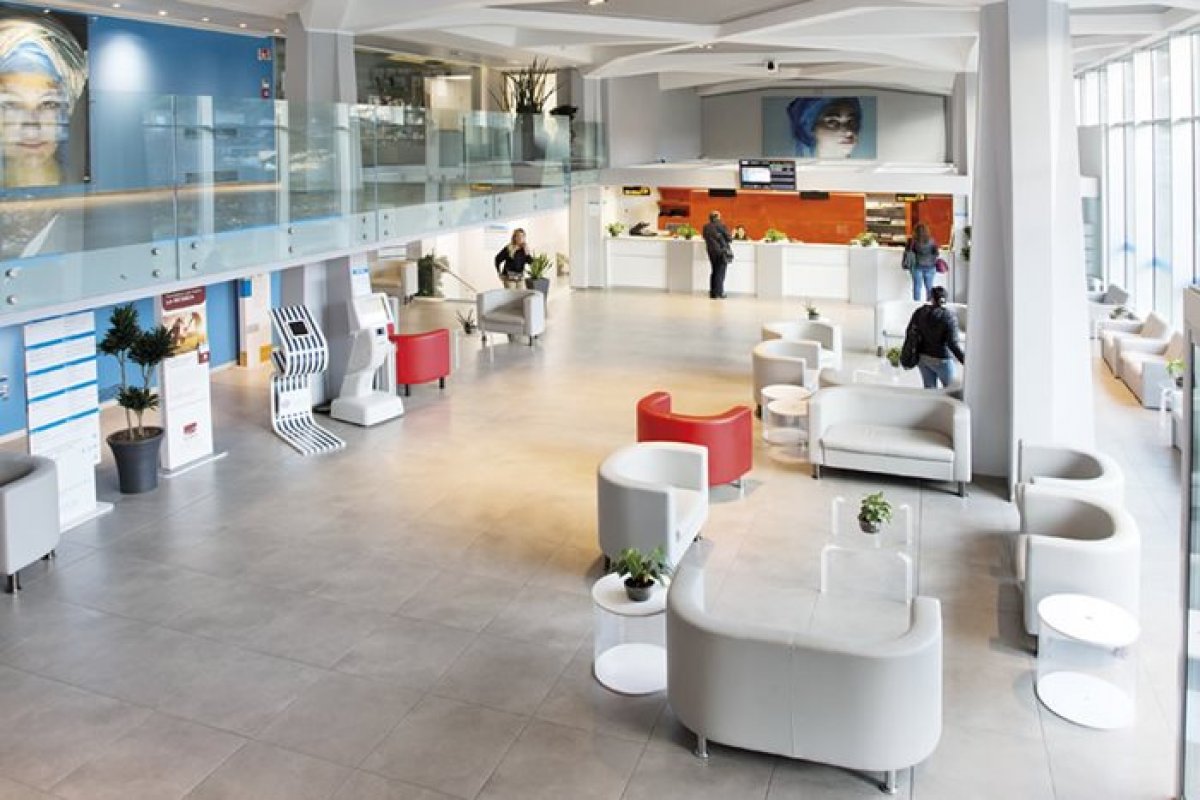


Ruesch Clinic
نظرة عامة على استئصال الرحم بواسطة روبوت دا فنشي في إيطاليا
- استئصال الرحم - من $7,500
تقوم هذه الجراحة بإزالة رحم المرأة ، وتنهي الدورة الشهرية والقدرة على الحمل ، وذلك لمعالجة المشاكل الصحية.
- استئصال الورم العضلي مع Robot دافنشي - من $7,800
الإجراء عبارة عن جراحة دقيقة بمساعدة الروبوت لإزالة الأورام الليفية الرحمية وتقليل الألم ووقت الشفاء.
- استئصال الرحم بواسطة روبوت دا فنشي - من $18,000
تستخدم هذه الجراحة أداة روبوتية لإزالة الرحم ، مما يوفر الدقة ، والحد الأدنى من التندب ، والتعافي السريع.
- استئصال الرحم بالمنظار - من $6,800
تتضمن العملية إزالة الرحم طفيفة التوغل ، عبر شقوق صغيرة في البطن ، مما يوفر تعافيًا سريعًا.
اليوم الأول - الوصول
- الوصول إلى البلاد لإجراء العملية.
- تسجيل الوصول في المنشأة الطبية المعينة.
اليوم 2 - ما قبل العملية
- استشارة طبيب نسائي وطبيب تخدير.
- إجراء فحوصات الصحة العامة وفحوصات الدم.
- قم بإجراء فحص بالموجات فوق الصوتية أو الأشعة المقطعية إذا لزم الأمر.
- مراجعة الخطة الجراحية وتوقيع نماذج الموافقة.
اليوم 3 - العملية
- استخدم التخدير العام قبل الإجراء.
- إجراء عملية استئصال الرحم باستخدام روبوت دافينشي ، ما يقرب من ساعة إلى ساعتين.
- نقل المريض إلى غرفة الإنعاش للمراقبة.
من اليوم الرابع إلى اليوم السابع - ما بعد العملية
- مراقبة العلامات الحيوية للمريض وموقع الجراحة.
- تحكم في الألم بالأدوية حسب الحاجة.
- ابدأ نشاطًا بدنيًا خفيفًا كما هو مسموح به.
- الخروج من المستشفى عادة في غضون 2-3 أيام بعد العملية.
الأسبوع الثاني - إعادة التأهيل
- الراحة والتعافي في المنزل ، وتجنب الأنشطة الشاقة.
- حضور موعد المتابعة مع طبيب أمراض النساء.
من الأسبوع الثالث إلى الأسبوع السادس
- زيادة الأنشطة البدنية تدريجيًا على النحو الذي يسمح به.
- العودة إلى العمل ، اعتمادًا على نوع الوظيفة وتقدم الاسترداد.
الأسبوع السابع وما بعده
- استأنف الأنشطة العادية ، بما في ذلك الرياضة.
- يمكن رؤية النتيجة النهائية في هذه المرحلة.
يرجى ملاحظة أن الجدول الزمني للتعافي لكل مريض قد يختلف بناءً على الظروف الصحية الفردية وخصائص الجراحة. من المهم اتباع إرشادات وتعليمات طبيبك.
- إيداع Bookimed: 200 دولار أو 200 يورو.
- وديعة العيادة: ادفع نسبة محددة مقدمًا.
احصل على تقييم طبي لـ استئصال الرحم بواسطة روبوت دا فنشي في إيطاليا: اختر أخصائيك من بين الأفضل في هذا المجال
عرض جميع الأطباء
Pasquale Totaro
يشرف الدكتور توتارو على أحد مراكز الإنجاب المساعد طبيًا الرائدة في إيطاليا، حيث يجري أكثر من 1000 إجراء سنويًا في مستشفى سانتا ماريا.
- متخصص في أمراض النساء والتوليد مع خبرة 33 سنة
- عضو نشط في ESHRE وSIGO وغيرها من الجمعيات النسائية الرائدة
- مؤلف لأكثر من 30 منشورًا علميًا في هذا المجال
- أكمل تدريبًا متقدمًا في المراقبة البيوفيزيائية للجنين وعلم الجنس السريري

جوزيبي سورينتي
الدكتور جوزيبي سورينتي هو طبيب أمراض نساء في مستشفى سان كارلو دي نانسي في روما. يعالج الدكتور سورينتي حالات بطانة الرحم المهاجرة (إندومتريوز)، وتكيسات المبيض، وتكيس المبايض. يجري الدكتور عمليات جراحية معقدة تشمل استئصال الرحم بالمنظار وبمساعدة الروبوت، كما يستخدم نظام دافنشي (DaVinci) الروبوتي لضمان الدقة أثناء الإجراءات الجراحية النسائية.
يعمل الطبيب في مستشفى سان كارلو دي نانسي، وهي منشأة تستقبل 14,000 مريض سنوياً. تمتلك العيادة اعتماداً مؤسسياً من منطقة لاتسيو، وتعد وجهة مفضلة للمرضى
قصص فيديو من مرضى Bookimed
المراجعات
جميع المراجعات


مشاركة المحتوى
 Anna Leonova
أسئلة متكررة حول استئصال الرحم بواسطة روبوت دا فنشي في إيطاليا
من يتحكم في روبوت دافنشي أثناء الجراحة؟
يحافظ الجراح على تحكم كامل ومستمر في روبوت دافنشي خلال كل خطوة جراحية. هذا النظام هو أداة للجراحة عن بعد، وليس جهازاً مستقلاً. يقوم بترجمة حركات اليد اليدوية على وحدة تحكم متخصصة إلى إجراءات دقيقة وفورية بواسطة الأدوات الروبوتية داخل جسم المريض.
- وحدة تحكم الجراح: يقوم الجراح الرئيسي بالعمل من محطة بعيدة باستخدام أدوات تحكم باليد والقدم.
- أجهزة التحكم اليدوية: تقوم هذه الأجهزة بمحاكاة حركات الأصابع والمعصم، مما يوفر دقة عالية في التعامل مع الأدوات الجراحية.
- التصور ثلاثي الأبعاد: توفر شاشات العرض ثنائية العين عالية الدقة مناظر مكبرة لإدراك عمق ودقة فائقين.
- المساعدة بجانب السرير: يقوم فريق ثانوي بتبديل الأدوات يدوياً وإدارة المنافذ بينما يقوم الجراح بالعملية.
رؤية خبير Bookimed: غالباً ما تستخدم العيادات الإيطالية مثل عيادة Ruesch نظام Da Vinci Xi المتقدم لأمراض النساء المعقدة. يسمح هذا النموذج المحدد بإجراء جراحة متعددة الأرباع دون الحاجة إلى إعادة وضع الروبوت. بينما يوفر البرنامج الدقة، تظل خبرة الجراح هي العامل الحاسم. ابحث عن متخصصين مثل الدكتور باسكوالي توتارو الذين يدمجون الخبرة الروبوتية مع خلفية عميقة في أمراض النساء.
إجماع المرضى: يؤكد المرضى على راحة البال بمعرفة أن الروبوت لا يعمل بمفرده. يقترح الكثيرون التأكد من بقاء الجراح على وحدة التحكم طوال مدة الإجراء.
ما هي المزايا السريرية الرئيسية لاستئصال الرحم الروبوتي مقارنة بالجراحة المفتوحة؟
يوفر استئصال الرحم الروبوتي دقة فائقة من خلال التصور ثلاثي الأبعاد عالي الدقة وترشيح الاهتزازات. تقلل هذه التقنية طفيفة التوغل من فقدان الدم بنسبة 50 إلى 70 بالمائة مقارنة بالجراحة المفتوحة. تستفيد المريضات من شقوق أصغر، وإقامات أقصر في المستشفى، وعودة أسرع بكثير إلى الأنشطة اليومية.
- وقت التعافي: العودة إلى الأنشطة الطبيعية في غضون أسبوع إلى أسبوعين مقابل 6 إلى 8 أسابيع في الجراحة المفتوحة.
- الإقامة في المستشفى: معظم المريضات مؤهلات للخروج في نفس اليوم أو اليوم التالي بعد الإجراء.
- حجم الشق: يستخدم الجراحون 3-5 شقوق صغيرة بدلاً من شق بطني بطول 10-20 سم.
- الدقة الجراحية: توفر أنظمة Da Vinci Xi 7 درجات من الحركة لدقة تحافظ على الأعصاب.
رؤية خبير Bookimed: تتخصص المراكز الإيطالية مثل عيادة Ruesch ومستشفى Santa Maria في الرعاية الروبوتية ذات الحجم الكبير. تظهر البيانات أن الجراحة الروبوتية تستغرق من 2 إلى 4 ساعات، وهو وقت أطول من الجراحة المفتوحة. ومع ذلك، فإن تقليل الإقامة في المستشفى لمدة 3-4 أيام غالباً ما يعوض التكلفة الإجمالية وإجهاد التعافي. للحصول على أفضل النتائج، اختر جراحاً يجري أكثر من 50 حالة روبوتية سنوياً.
إجماع المرضى: تقدر العديد من المريضات الندبات غير الواضحة وتحسن وظيفة المثانة بعد الجراحة. وغالباً ما يؤكدن أن القدرة على الوقوف على أقدامهن في غضون أسبوع كانت أكبر مفاجأة.
ما هو الجدول الزمني المتوقع للتعافي بعد استئصال الرحم بتقنية دافنشي؟
يستغرق التعافي بعد استئصال الرحم الروبوتي بتقنية دافنشي عادةً من 3 إلى 6 أسابيع، وهو أسرع بكثير من الجراحة التقليدية. تعود المريضات عادةً إلى المنزل في غضون 24 ساعة. تستأنف معظم المريضات الأنشطة الخفيفة في غضون 3 أسابيع، بينما يكتمل الشفاء الداخلي الكامل ويتم السماح بممارسة التمارين الشاقة بحلول الأسبوع السادس.
- الخروج الفوري: تغادر معظم المريضات المستشفى في غضون يوم واحد من إجراء الجراحة الروبوتية.
- قيود النشاط: يُمنع رفع الأثقال التي تزيد عن 10 أرطال (4.5 كجم) لمدة 4 إلى 6 أسابيع.
- العودة للعمل: غالبًا ما يعود موظفو المكاتب للعمل بدوام جزئي بين الأسبوع الثاني والرابع.
- الشفاء الداخلي: يكتمل إغلاق المهبل وتقوية الأنسجة الداخلية في غضون 6 إلى 8 أسابيع.
رؤية خبراء Bookimed: تستخدم المراكز الإيطالية مثل مستشفى سان كارلو دي نانسي وعيادة رويش نظام دافنشي Xi المتقدم. تُظهر البيانات أن العيادات التي تجري أكثر من 3000 عملية جراحية سنويًا، مثل هذه المراكز، تحافظ على كفاءة أعلى في الدقة الروبوتية. غالبًا ما تؤدي هذه الخبرة إلى وصول المريضات إلى مستويات طاقة بنسبة 80% بشكل أسرع من المعيار القياسي البالغ 6 أسابيع.
إجماع المريضات: توقعي أن يستمر التعب لفترة أطول من الألم الجسدي. توصي العديد من المريضات بترتيب مساعدة منزلية لمدة 30 يومًا على الأقل لتجنب استعجال عملية الشفاء الداخلي.
كم تستغرق العملية عادةً؟
تستغرق عملية استئصال الرحم بمساعدة الروبوت باستخدام نظام Da Vinci Xi عادةً من 1.5 إلى 3 ساعات في العيادات الإيطالية. يشمل هذا الإطار الزمني 20-45 دقيقة لرسو الروبوت الجراحي وإعداده، تليها 1 إلى 2 ساعة من التشغيل النشط لوحدة التحكم من قبل الجراح.
- إعداد النظام: يتطلب الرسو والتموضع الروبوتي عادةً من 20 إلى 45 دقيقة.
- وقت العملية: تستغرق مرحلة وحدة التحكم الجراحية النشطة عادةً من 60 إلى 120 دقيقة.
- تعقيد الحالة: يمكن أن تضيف الأورام الليفية الكبيرة أو الالتصاقات الجراحية السابقة من 30 إلى 60 دقيقة.
- عامل الخبرة: غالبًا ما تكمل الفرق الروبوتية ذات الحجم الكبير الإجراء في الإطار الزمني الأقصر.
رؤية خبير Bookimed: بينما يذكر الجراحون غالبًا وقت وحدة التحكم، يتعامل مستشفى Ospedale San Carlo di Nancy مع 15,000 حالة دخول سنويًا. يشير هذا الحجم الكبير إلى فرق محيطة بالجراحة مبسطة. يجب أن تحسب 3 ساعات من إجمالي وقت غرفة العمليات لتشمل التحضير وعكس التخدير.
إجماع المرضى: يوصي المرضى بتأكيد الحجم السنوي للعمليات الروبوتية للفريق الجراحي. كما يقترحون إبلاغ العائلة بتوقع نافذة زمنية مدتها 3 ساعات لمراعاة التحضير القياسي وتأخيرات التعافي.
ما هو معدل النجاح المبلغ عنه للحالات الحميدة؟
تتجاوز معدلات النجاح لاستئصال الرحم للحالات الحميدة باستخدام روبوت دافنشي في إيطاليا 95% للإجراءات التي تكتمل دون تحويل إلى جراحة مفتوحة. يضمن هذا النهج طفيف التوغل نتائج استثنائية للحالات غير السرطانية مثل الأورام الليفية وبطانة الرحم المهاجرة مع الحفاظ على معدل وفيات بنسبة 0%.
- التحكم الجراحي: يحقق الجراحون نجاحاً بنسبة 95% إلى 99% في إكمال الإجراءات الروبوتية دون تحويل إلى جراحة مفتوحة.
- البقاء على قيد الحياة على المدى الطويل: تُظهر الحالات الحميدة عادةً معدلات بقاء على قيد الحياة لمدة 5 سنوات بنسبة 95% عبر مختلف الحالات غير السرطانية.
- سرعة التعافي: غالباً ما يعود المرضى إلى العمل في غضون 7 أيام، مما يجنبهم أشهر التعافي من الجراحة المفتوحة.
- خطر المضاعفات: تظل المخاطر الرئيسية مثل إصابة الحالب منخفضة، حيث تظهر في حوالي 1% من الحالات.
رؤية خبير Bookimed: تشير البيانات الواردة من مراكز إيطالية مثل عيادة Ruesch ومستشفى Santa Maria إلى أن النجاح يعتمد بشكل كبير على حجم عمليات الجراح. يشرف منسقون ذوو أداء عالٍ، مثل باسكوالي توتارو، على مراكز تجري أكثر من 1000 إجراء سنوياً. غالباً ما يعاني المرضى الذين يختارون هذه المرافق ذات الحجم الكبير من مشاكل أقل في المثانة أو الأعصاب مقارنة بالعيادات الصغيرة.
إجماع المرضى: يصف العديد من المرضى نتائجهم بأنها نجاح بنسبة 100% بسبب الراحة الفورية من آلام الأورام الليفية المزمنة. ومع ذلك، يشير البعض إلى أن النجاح الحقيقي يبدو أقرب إلى 90% عند مراعاة بضعة أسابيع من التعب بعد الجراحة.
ما هي قيود النشاط بعد الجراحة التي تنطبق؟
يجب على المريضات اللاتي يتعافين من استئصال الرحم بمساعدة الروبوت في إيطاليا تجنب رفع أكثر من 10 أرطال (حوالي 4.5 كجم) لمدة 4 إلى 6 أسابيع. على الرغم من أن نظام Da Vinci Xi يسمح بشقوق أصغر، إلا أن الشفاء الداخلي يتطلب تقييد الأنشطة الشاقة، والحركات التي تجهد الجذع، والقيادة أثناء تناول مسكنات الألم المخدرة.
- حدود الرفع: تجنبي رفع أشياء تزيد عن 10 أرطال لمدة 4-6 أسابيع لمنع حدوث فتق في مكان الجرح.
- قيود التمارين: امتنعي عن ممارسة اليوغا أو الجري أو ركوب الدراجات لمدة 6 أسابيع على الأقل بعد الجراحة.
- سلامة القيادة: استأنفي القيادة بعد التوقف عن تناول المخدرات وعندما يكون الالتفات للتحقق من النقاط العمياء غير مؤلم.
- الأنشطة المائية: تجنبي الاستحمام والسباحة وأحواض الاستحمام الساخنة لمدة أسبوعين لحماية مواقع منافذ الروبوت.
رؤية خبير Bookimed: تتخصص المراكز الإيطالية مثل Ospedale San Carlo di Nancy في التقنيات الروبوتية التي غالباً ما تقلل من فترات الإقامة في المستشفى مقارنة بالجراحة التقليدية. ومع ذلك، غالباً ما تستهين المريضات بمهام مثل التنظيف بالمكنسة الكهربائية أو الوصول إلى الأرفف العالية. يمكن لهذه الحركات البسيطة للجذع أن تجهد الغرز الداخلية حتى لو بدت الشقوق الخارجية ملتئمة. احصلي على المساعدة في رعاية الحيوانات الأليفة والأعمال المنزلية خلال الأسابيع الأربعة الأولى لضمان تعافٍ سلس.
إجماع المريضات: تجد العديد من المريضات أن المشي لمدة 10-20 دقيقة يومياً ضروري لمنع الجلطات. وغالباً ما يحذرن من أن العودة إلى العمل ا