فيمتوثانية الليزر في إيطاليا — احصل على 3 عيادات مطابقة مع التكاليف


تمت مراجعة المقالة طبيا من قبل
فهد مولود
ما هي تكلفة فيمتوثانية الليزر في إيطاليا؟ اكتشف الآن
تتراوح تكلفة الليزر فائق السرعة في إيطاليا بين $1,900 و $3,300. تختلف الأسعار بناءً على نوع العملية، وموقع العيادة، وفئة المركز الطبي. تشمل عروض الأسعار القياسية الجراحة والاستشارة اللاحقة لعمليات تصحيح البصر أو إزالة المياه البيضاء.
- جراحة المياه البيضاء بالليزر فائق السرعة: من $1,900 إلى $3,300 لاستبدال العدسات المتقدم.
- تصحيح النظر باستخدام Femto-LASIK: من $1,900 إلى $3,300 لجراحات تصحيح الإبصار بدون شفرات.
- اختلافات المدن: تضم روما وفلورنسا مراكز متخصصة بأسعار قد تزيد بنسبة 15-20 %.
- التقييمات التشخيصية: عادة ما تضيف فحوصات العين قبل العملية حوالي 10 % إلى سعر الجراحة الأساسي.
رأي خبراء Bookimed: يوفر اختيار مراكز متعددة التخصصات مثل أوسبيدالي سان كارلو دي نانسي في روما قيمة فريدة. حيث تجمع هذه المراكز بين كثرة المراجعين وأنظمة الرعاية المتكاملة. وبينما تفرض عيادات فلورنسا تكاليف أعلى، تقدم المراكز الإقليمية تقنيات ممتازة بتكلفة أقل. يتيح ذلك الحصول على رعاية بمعايير JCI في إيطاليا بجزء بسيط من تكاليف المراكز في السعودية.
المزايا الرئيسية
لماذا تختار إيطاليا لإجراءات الليزر الفيمتوثانية؟
- عيادات معتمدة: المستشفيات المعتمدة من JCI توفر ضمانًا لمعايير الجودة العالية وسلامة المرضى.
- أحدث التقنيات: تقدم إيطاليا أجهزة ليزر فيمتوثانية مبتكرة مثل جهاز IntraLase FS Laser المعروف بدقته في جراحة القرنية. كما يتوفر جهاز Ziemer Femto LDV Z8، المشهور بتعدد استخداماته في الإجراءات العينية.
- نسب نجاح عالية: تتميز إجراءات الليزر الفيمتوثانية في إيطاليا بمعدل فعالية 98% لتصحيح الرؤية وجراحات القرنية، مما يضمن نتائج مثلى للمرضى.
- جراحون خبراء: أطباء العيون الإيطاليون الرائدون، المعتمدون من المجلس الأوروبي لطب العيون، قد أجروا أكثر من 5,000 عملية ليزر فيمتوثانية، مما يبرز خبرتهم الواسعة وكفاءتهم.
احصل على حلول ليزر فيمتوثانية متقدمة في عيادات موثوقة من $1,900.
مزاياك وضماناتك مع Bookimed
أسعار مباشرة
Bookimed لا يضيف رسوماً إضافية على أسعار فيمتوثانية الليزر. الأسعار مأخوذة من قوائم الأسعار الرسمية للعيادات. تدفع مباشرة في العيادة مقابل فيمتوثانية الليزر عند وصولك.
عيادات وأطباء معتمدون فقط
Bookimed ملتزم بسلامتك. نحن نعمل فقط مع المؤسسات الطبية التي تحافظ على معايير دولية عالية في فيمتوثانية الليزر ولديها التراخيص اللازمة لخدمة المرضى الدوليين في جميع أنحاء العالم.
مساعدة مجانية على مدار الساعة
Bookimed يقدم مساعدة خبراء مجانية. منسق طبي شخصي يدعمك قبل وأثناء وبعد العلاج، ويحل أي مشاكل. لن تكون وحيداً أبداً في رحلة فيمتوثانية الليزر.

منسقك الطبي الشخصي في Bookimed
- يدعمك في كل مرحلة
- المساعدة في اختيار العيادة الطبية المناسبة والطبيب المناسب
- يضمن الوصول السريع والمريح إلى المعلومات
اكتشف أفضل فيمتوثانية الليزر العيادات في إيطاليا: 2 خيارات معتمدة والأسعار



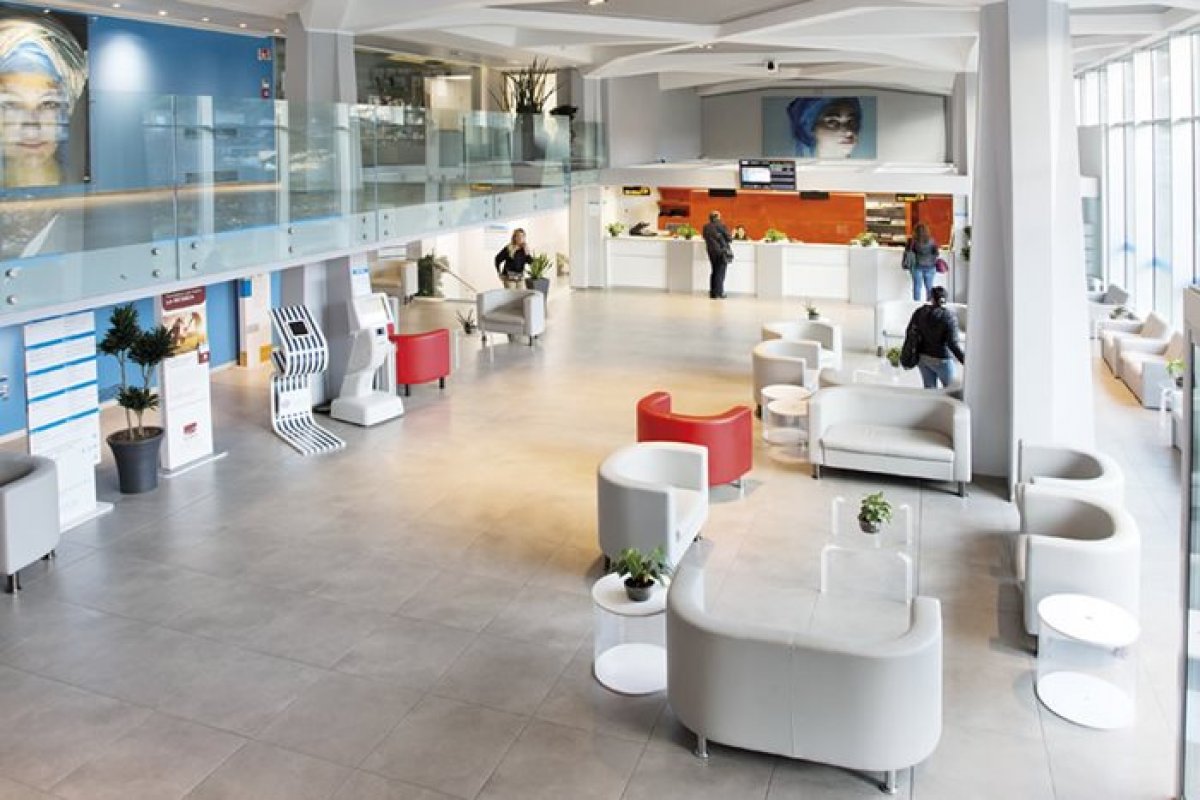

نظرة عامة على فيمتوثانية الليزر في إيطاليا
- جراحة العيون بالليزك - من $1,700
يصحح الإجراء الرؤية عن طريق إعادة تشكيل القرنية باستخدام الليزر ، مما يوفر نتائج سريعة ودائمة وغير مؤلمة.
- جراحة ReLEx SMILE للعين - من $3,000
تعمل العملية على تصحيح أخطاء الرؤية باستخدام الليزر ، مما يؤدي إلى إحداث شق صغير ، وبالتالي ضمان التعافي بشكل أسرع.
- جراحة العين بالليزر IntraLase - من $2,400
يستخدم الإجراء أشعة ليزر فائقة الدقة لتصحيح الرؤية ، مما يوفر نحتًا عالي الدقة للقرنية بدون شفرات.
- استئصال القرنية بالضوء - من $1,500
يصحح الإجراء الرؤية عن طريق إعادة تشكيل القرنية ، وتعزيز الانتعاش السريع والنتائج الدائمة بدقة الليزر.
- علاج الضمور البقعي - من $1,800
يهدف هذا العلاج إلى إبطاء فقدان البصر ، ويتضمن تعديلات غذائية ، وفيتامينات ، وربما حقن في العين.
- جراحة العيون بالليزر - من $1,500
هذا الإجراء يعيد تشكيل القرنية لتحسين الرؤية ، باستخدام الليزر ، طريقة غير جراحية وسريعة وغير مؤلمة مع شفاء سريع.
- جراحة العيون بالليزك - من $1,800
تعيد هذه العملية تشكيل القرنية باستخدام الليزر لتحسين الرؤية ، مع الحد الأدنى من الألم والتعافي السريع.
- فيمتوثانية الليزر - من $1,900
يستخدم هذا العلاج ضوء نابض فائق السرعة لتشكيل القرنية بدقة ، وتحسين الرؤية بأقصى درجات الدقة.
اليوم 1
- الوصول إلى البلد والتحقق من مكان إقامتك.
- استرح واستعد لاستشارة اليوم التالي.
اليوم الثاني
- قم بزيارة العيادة من أجل استشارتك.
- قابل طبيب العيون وناقش الإجراء.
- الخضوع لاختبارات ما قبل العملية الضرورية مثل فحص العين.
يوم 3
- راجع نتائج الاختبار مع المختص.
- تلقي التعليمات النهائية للجراحة.
- استعد عقليًا للعملية.
اليوم الرابع
- الوصول إلى العيادة لإجراء عملية الفيمتو ثانية بالليزر.
- تستغرق العملية حوالي 10-15 دقيقة لكل عين.
- يتم تطبيق التخدير الموضعي لضمان الراحة.
- ينتج الليزر سديلة رقيقة في القرنية.
- قد تتشوش رؤيتك أثناء العملية.
يوم 5
- العودة إلى العيادة لإجراء فحص ما بعد العملية.
- سيقوم الطبيب بتقييم الشفاء وتصحيح أي مشاكل.
الأسبوع 1
- استمر في الراحة وتجنب إجهاد عينيك.
- استخدم قطرات العين الموصوفة للوقاية من العدوى والالتهابات.
الأسبوع 2
- العودة تدريجيًا إلى الأنشطة اليومية غير المرهقة.
- تجنب رفع الأثقال والتمارين الشاقة.
الأسبوع الرابع
- يمكن لمعظم المرضى العودة إلى العمل واستئناف الأنشطة العادية.
- يجب أن تتحسن رؤيتك بشكل كبير.
تجربة كل مريض مع جراحة ليزر الفيمتو ثانية فريدة من نوعها. الجدول الزمني أعلاه هو دليل عام وقد تختلف أوقات التعافي الفردية. اتبع دائمًا نصيحة طبيبك.
- إيداع Bookimed: 200 دولار أو 200 يورو.
- وديعة العيادة: ادفع نسبة محددة مقدمًا.
قصص فيديو من مرضى Bookimed
المراجعات
جميع المراجعاتمشاركة المحتوى
 Anna Leonova
أسئلة متكررة حول فيمتوثانية الليزر في إيطاليا
ما هي التطبيقات السريرية الرئيسية لتقنية ليزر الفيمتو ثانية في إيطاليا؟
تعد تقنية ليزر الفيمتو ثانية في إيطاليا أداة أساسية لجراحات العيون بدون شفرات، بما في ذلك تصحيح الإبصار بتقنية SMILE و Femto-LASIK. تستخدم المراكز السريرية في روما وميلانو هذه الليزرات فائقة السرعة لإزالة المياه البيضاء بدقة، وزراعة القرنية، وعلاج الحالات المعقدة مثل القرنية المخروطية بدقة ميكرومترية.
- تصحيح الإبصار: توفر تقنيتا SMILE و Femto-LASIK تصحيحاً بدون شفرات أو بدون سديلة لقصر النظر والاستجماتيزم.
- جراحة المياه البيضاء: تقوم الليزرات بأتمتة شقوق القرنية وتفتيت العدسات المعتمة لحماية أنسجة العين الحساسة.
- زراعة القرنية: يقوم الجراحون بإجراء عملية نقب مخصصة، مما يخلق شقوقاً متعرجة (zig-zag) لتحسين استقرار الجرح والشفاء.
- علاج القرنية المخروطية: تقوم التقنية بنحت أنفاق دقيقة داخل السدى لزراعة الحلقات لإعادة تشكيل القرنية.
رؤية خبير Bookimed: غالباً ما تدمج مراكز طب العيون الإيطالية ليزر الفيمتو ثانية مع منصات تشخيصية بمساعدة الروبوت. تعطي المستشفيات مثل مستشفى Ospedale San Carlo di Nancy في روما الأولوية لإعادة التنظيم عالي التقنية لدعم هذه الجراحات المجهرية المتقدمة. يضمن هذا التركيز على البنية التحتية التكنولوجية هوامش أمان أعلى أثناء تفتيت العدسات المعقد.
إجماع المرضى: يقدر المرضى سرعة الإجراءات التي تتم بدون شفرات، وغالباً ما يسلطون الضوء على العودة السريعة للعمل اليومي. يبلغ الكثيرون عن انخفاض كبير في الانزعاج بعد العملية مقارنة بتقنيات الشفرات اليدوية التقليدية.
ما هي المزايا المثبتة لليزر الفيمتو ثانية مقارنة بجراحة الميكروكيراتوم الميكانيكي التقليدي "ذو الشفرة"؟
توفر تقنية ليزر الفيمتو ثانية دقة وقابلية تنبؤ فائقة في إنشاء سدائل القرنية مقارنة بالميكروكيراتوم التقليدي ذو الشفرة. تستخدم هذه الطريقة الخالية من الشفرات طاقة الأشعة تحت الحمراء لإنشاء سدائل مستوية وموحدة، مما يلغي فعلياً المضاعفات النادرة ولكن الخطيرة مثل الثقوب، أو السدائل غير المكتملة، أو الأغطية الحرة الشائعة مع الشفرات الميكانيكية.
- سُمك يمكن التنبؤ به: تُظهر السدائل التي يتم إنشاؤها بالليزر تباينًا في السُمك أقل بمرتين إلى 3 مرات من الطرق التي تستخدم الشفرات.
- بنية قابلة للتخصيص: يقوم الجراحون ببرمجة قطر السديلة والعمق وزوايا القطع الجانبي بدقة للحصول على التصاق أفضل.
- المرشحون ذوو القرنية الرقيقة: تسمح السدائل المستوية المتسقة بتصحيح الرؤية بأمان للمرضى الذين يعانون من قرنيات أرق.
- انخفاض معدلات المضاعفات: تكشف بيانات الجراحين أن مخاطر السديلة تنخفض إلى 0.1-0.5% مع تقنية الفيمتو ثانية.
رؤية خبير Bookimed: توفر العيادات الإيطالية مثل مستشفى سان كارلو دي نانسي بيئات تشخيصية متقدمة بالقرب من مدينة الفاتيكان. على الرغم من أن تقنية الفيمتو ثانية أكثر تكلفة، إلا أنها ضرورية للرياضيين أو المرضى الذين يعانون من حالات عينية عالية المخاطر. تعزز الحافة الموحدة استقرار السديلة بشكل أكثر أمانًا أثناء رياضات الاصطدام مقارنة بالقطع على شكل هلال الذي تنتجه الشفرات.
إجماع المرضى: يقدر المرضى راحة البال الناتجة عن التخلص من الشفرات الميكانيكية، مشيرين إلى أنها تقلل من المخاوف بشأن إزاحة السديلة. يبلغ الكثيرون عن أعراض أقل لج
ما هي المراكز الإيطالية المعترف بها دولياً لتقديم علاجات ليزر الفيمتو ثانية؟
تضم إيطاليا مراكز طب عيون عالمية النخبة تستخدم تقنية ليزر الفيمتو ثانية المتقدمة لجراحات SMILE وFemto-LASIK وإزالة المياه البيضاء. تشمل المرافق الرئيسية مركز CAMO Centro Ambrosiano Oftalmico في ميلانو، ومستشفى سان رافاييل، ومراكز GVM Care and Research المعتمدة من JCI التي تستخدم نظام IntraLase FS.
- CAMO ميلانو: بقيادة الدكتور لوسيو بوراتو، الرائد العالمي في ليزر قصر النظر والمياه البيضاء.
- مستشفى سان رافاييل: يجري 52,000 عملية سنوياً مع خبرة بحثية وأكاديمية أوروبية كبيرة.
- وحدة سان روسور: تضم ليزر VisuMax 800، المعيار الذهبي لجراحة تصحيح النظر SMILE.
- مستشفى سان كارلو: منشأة في روما معتمدة من JCI تحت مظلة GVM Care and Research تستخدم ليزر القرنية عالي الدقة.
رؤية خبير Bookimed: بينما تهم المكانة، انظر إلى نسب الحجم إلى النتائج. يخدم مستشفى Ospedale San Carlo di Nancy 15,000 مريض سنوياً. غالباً ما تحافظ المراكز ذات الحجم الكبير على سجلات سلامة أفضل مع أنظمة الفيمتو ثانية مثل IntraLase. ويرجع ذلك إلى المعايرة المستمرة للأجهزة وألفة الجراح. تحقق دائماً من جيل الليزر المحدد المتاح في فروع روما أو ميلانو.
إجماع المرضى: يؤكد المرضى على إعطاء الأولوية لسجلات الحالات الخاصة بالجراح بدلاً من شهرة العيادة العامة. يوصي الكثيرون بالتحقق من أحدث جيل من التكنولوجيا مثل VisuMax قبل الحجز لضمان أسرع تعافٍ.
هل يتم تعويض جراحة الليزر بالفيمتو ثانية ضمن النظام الصحي الوطني الإيطالي (SSN)؟
لا يقوم النظام الصحي الوطني الإيطالي (SSN) عمومًا بتعويض جراحة الليزر بالفيمتو ثانية الاختيارية لأخطاء الانكسار. يعتبر تصحيح الرؤية القياسي مثل الليزك تجميليًا. ومع ذلك، يغطي SSN الاحتياجات الطبية المحددة بما في ذلك إعتام عدسة العين (الكاتاراكت)، أو الاستجماتيزم الشديد، أو عتامة القرنية بموجب معايير صارمة لمستويات الرعاية الأساسية (LEA).
- معايير الضرورة الطبية: يغطي الاستجماتيزم أو تفاوت الانكسار عند 4 ديوبتر أو أكثر.
- تغطية جراحة إعتام عدسة العين: الإجراءات اليدوية القياسية مجانية؛ تتطلب ترقيات الفيمتو ثانية عادةً دفعًا خاصًا.
- الاختلافات الإقليمية: تختلف قواعد التغطية بين المقاطعات الشمالية والجنوبية من خلال السلطات الصحية المحلية (ASL).
- التكاليف الخاصة: تتراوح أسعار إجراءات الفيمتو ثانية من $1,900 إلى $3,300.
رؤية خبير Bookimed: في حين أن العيادات في شمال إيطاليا غالبًا ما تسهل استرداد جزء من تكاليف SSN للإجراءات المشتركة بين الليزر وإعتام عدسة العين، تظل المناطق الجنوبية عادةً خاصة تمامًا لترقيات التكنولوجيا. لتعظيم الفوائد، اختر مرافق مثل مستشفى Ospedale San Carlo di Nancy في روما المعتمدة مباشرة من قبل الخدمة الصحية الوطنية الإيطالية.
إجماع المرضى: يقترح العديد من المرضى الاتصال بـ ASL المحلي الخاص بك لتأكيد توافر القسائم الإقليمية. ويذكرون أنه على الرغم م