عيادات العلاج التأهيلي بعد اصابة الدماغ في إسرائيل


تمت مراجعة المقالة طبيا من قبل
فهد مولود
كيف نعمل؟
ما هي تكلفة العلاج التأهيلي بعد اصابة الدماغ في إسرائيل؟ اكتشف الآن
اكتشف أفضل العلاج التأهيلي بعد اصابة الدماغ العيادات في إسرائيل: 3 خيارات معتمدة والأسعار



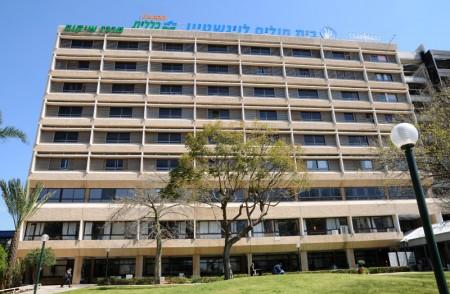
Loewenstein hospital Rehabilitation center

Reuth Rehabilitation Сenter
نظرة عامة على العلاج التأهيلي بعد اصابة الدماغ في إسرائيل
- العلاج الوظيفي باستخدام فأرة الكمبيوتر الرأسية - من $1,200
يعزز هذا العلاج المهارات الحركية والإدراك من خلال حركات الرأس الموجهة بالكمبيوتر.
- علاج سنوزلن - من $450
هذا العلاج عبارة عن تقنية تحفيز حسي تعزز الاسترخاء والفرح ، وغالبًا ما تستخدم للأشخاص ذوي الإعاقة.
- علاج فويتا - Vojta Therapy - من $1,300
يساعد هذا العلاج في تحسين المهارات الحركية من خلال حركات محددة ، ومناسبة للحالات العصبية ، مما يوفر تعافيًا أسرع وتنسيقًا أفضل.
- علاج بوباث الطبيعي - من $1,800
هذا العلاج هو نهج متخصص للحالات العصبية ، وتحسين القدرة على الحركة والوظيفة من خلال تمارين مخصصة.
- علاج غروس - من $2,800
يساعد هذا العلاج في تحسين المهارات الحركية من خلال تكرار الحركة وتدريب العضلات واللعب الإبداعي.
- إعادة تأهيل لمرض التصلب المتعدد - من $15,800
يساعد هذا العلاج في إدارة الأعراض وتحسين الوظيفة لدى المرضى الذين يعانون من اضطراب مزمن في الجهاز العصبي.
- إعادة التأهيل القلبي (لكل يوم واحد) - من $4,500
يساعد هذا العلاج مرضى القلب على استعادة قوتهم ومنع تطور الحالة وتحسين الصحة العامة.
- إعادة التأهيل بعد السكتة الدماغية (لكل يوم واحد) - من $1,500
يساعد العلاج في استعادة القدرات البدنية والمعرفية بعد السكتة الدماغية ، بما في ذلك جلسات تمارين وعلاج يومية مخصصة.
اليوم 1
- الوصول الى البلاد.
- نقل VIP للشقة.
اليوم 2-3
- استشارة طبيب أعصاب.
- إجراء الفحوصات الطبية اللازمة.
- إجراءات إضافية إذا لزم الأمر.
الأسبوع 1-3
- بدء عملية إعادة التأهيل.
- تفاصيل العملية ومدتها فردية.
- أنشطة مثل العلاج الطبيعي وعلاج النطق.
الأسبوع 4-6
- إعادة التأهيل المستمر.
- إمكانية العودة إلى واجبات العمل الخفيفة.
الأسبوع 7-9
- تقييم التقدم من قبل المتخصصين.
- تعديلات على العلاج إذا لزم الأمر.
الأسبوع 10-12
- نهاية إعادة التأهيل المكثف.
- العودة إلى الرياضة والأنشطة الأخرى.
- تقييم النتيجة النهائية.
يرجى ملاحظة أن كل حالة فردية وقد يختلف الجدول الزمني.
- إيداع Bookimed: 200 دولار أو 200 يورو.
- وديعة العيادة: ادفع نسبة محددة مقدمًا.
بصفتنا المنصة العالمية الرائدة في مجال السياحة العلاجية ، فإننا نتحمل مسؤولية كبيرة تجاه عملائنا - المرضى والمراكز الطبية على حدٍ سواء. جميع المعلومات المقدمة على موقع Bookimed.com تستند إلى البحث والاستبصار والخبرة وتفي باهتمام كبير يتعلق بإعادة التأهيل بعد إصابات الدماغ الرضحية في إسرائيل وما يلي:
نظام التصنيف التلقائي الذكي
نحن نشكل قوائمنا للعيادات والأطباء مع لوائح صارمة لنظام التصنيف التلقائي الذكي الخاص بنا. يعتمد النظام على معدلات Bookimed الحقيقية للمرضى لتوفير المعلومات الأكثر موضوعية وشفافية حول العيادات والخدمات الطبية هناك لإعادة التأهيل بعد إصابات الدماغ الرضية في إسرائيل.
يقوم عالم البيانات ذو الخبرة لدينا بجمع البيانات يوميًا ، ومراقبة وتحسين نظام التصنيف باستخدام التعلم الآلي والذكاء الاصطناعي لضمان تحديث نظام التصنيف وتوفير نتائج دقيقة لإعادة التأهيل بعد إصابة الدماغ الرضية في إسرائيل.
تجربة الناس الحقيقية فقط
نحن نجمع آراء عملاء Bookimed فقط بعد الحصول على خبرة طبية مع العيادة - لذلك يمكن للجميع على المنصة الوثوق بالمنشأة التي يختارونها. نحن نسعى جاهدين لجعل المحتوى على منصتنا مفيدًا قدر الإمكان ونضمن حرية التعبير عن الآراء النقدية. وبالتالي ، ننشر مراجعات إيجابية وسلبية ، بهدف أن نكون مصدرًا لاتخاذ قرارات مستنيرة لعملائنا المستقبليين فيما يتعلق بإعادة التأهيل بعد إصابات الدماغ الرضحية في إسرائيل.
مواضيع ذات مستويات عالية من الخبرة والسلطة والجدارة بالثقة
على موقع Bookimed.com ، قد تجد الخيار والراحة للعثور على أفضل الحلول الطبية من كبار مزودي الخدمات الطبية في مكان واحد فقط ، وغالبًا بأسعار تنافسية ، بما في ذلك إعادة التأهيل بعد إصابات الدماغ الرضحية في إسرائيل. للتأكد من تقديم أحدث المعلومات ، يقوم ممثلو العيادة بتحديث السير الذاتية للأطباء ، وقدرات العيادات ، والصور قبل وبعد ، والأسعار ، والحزم ، والعروض الخاصة بأنفسهم قريبًا. يمكنك مقابلة ممثل العيادة والتحقق من تاريخ المحتوى المحدث في صفحة كل عيادة للتأكد من مصداقيتها.
تم إنشاء مدونتنا والقطع الداعمة من قبل مؤلفين محترفين يتمتعون بخبرة لا تقل عن 3 سنوات في الكتابة الطبية ويتم تحريرها بواسطة متخصصين طبيين يتمتعون بخبرة إكلينيكية وبحثية ذات صلة - تم تعيينهم جميعًا بعناية في الفريق. نحن نسعى جاهدين لتعزيز وصول المريض إلى المعلومات الصحية ، مما يجعلها خبيرة ولكن يسهل فهمها. تتبع جميع القطع إرشادات التحرير الخاصة بـ Bookimed.
القيم المحجوزة
نحن مصنوعون من الناس ومن أجلهم - وهذه هي قيمتنا الأساسية. هذا هو السبب في أن جميع البيانات المقدمة على المنصة يتم جمعها وتحريرها ومراجعتها وتحديثها بانتظام من قبل مرضانا وعياداتنا الشريكة وفريقنا ، بما في ذلك المجلس الاستشاري الطبي Bookimed ، الذي يتكون من أطباء مشهورين عالميًا يتمتعون بخبرة قيمة في أكثر من 20 عاما من الممارسة وسمعة طيبة. تعلم المزيد عنا وعن مهمتنا .
في حال وجدت أي خطأ أو لديك أي أسئلة حول المعلومات المقدمة على Bookimed.com ، فلا تتردد في الاتصال بنا على marketing@bookimed.com .
احصل على تقييم طبي لـ العلاج التأهيلي بعد اصابة الدماغ في إسرائيل: اختر أخصائيك من بين الأفضل في هذا المجال
عرض جميع الأطباء
Diane Arensibia Czarna
حاصلة على شهادة البورد في طب الأعصاب وطب التأهيل – تتخصص الدكتورة تشارنا في مساعدة المرضى على التعافي من إصابات الدماغ الرضية في مركز لوفنشتاين لإعادة التأهيل.
- خبرة في علاج حالات التأهيل العصبي المعقدة
- التركيز على تحقيق أفضل النتائج الممكنة للمرضى
- الالتزام بتقديم رعاية ودعم شخصي

Dov Albukrek
يتخصص الدكتور ألبوكريك في العلاج التأهيلي وطب الأطفال، مع التركيز على التعافي الشامل في مركز ريوت للتأهيل.
- خبير في إعادة تأهيل الأطفال
- يعمل في مركز ريوت للتأهيل
- يجمع بين العلاج ورعاية الأطفال

Jean Jaque Vatin
يتخصص الدكتور فاتين في العلاج التأهيلي في مركز ريوت لإعادة التأهيل، مع التركيز على مساعدة المرضى على التعافي من إصابات الدماغ الرضية.
- خبرة في برامج إعادة التأهيل المصممة خصيصاً
- يعمل في مركز رائد لإعادة التأهيل
- مكرس لتحسين حركة المرضى واستقلاليتهم

Avi Orhi
يتخصص الدكتور آفي أورهي في العلاج التأهيلي في مركز ريوث لإعادة التأهيل، مع التركيز على مساعدة المرضى على التعافي من إصابات الدماغ الرضية.
- متخصص في العلاج التأهيلي
- يعمل في مركز ريوث لإعادة التأهيل
- يركز على التعافي من إصابات الدماغ الرضية
المراجعات
جميع المراجعاتمشاركة المحتوى
قصص فيديو من مرضى Bookimed
 Anna Leonova
حقائق سريعة عن العلاج التأهيلي بعد اصابة الدماغ
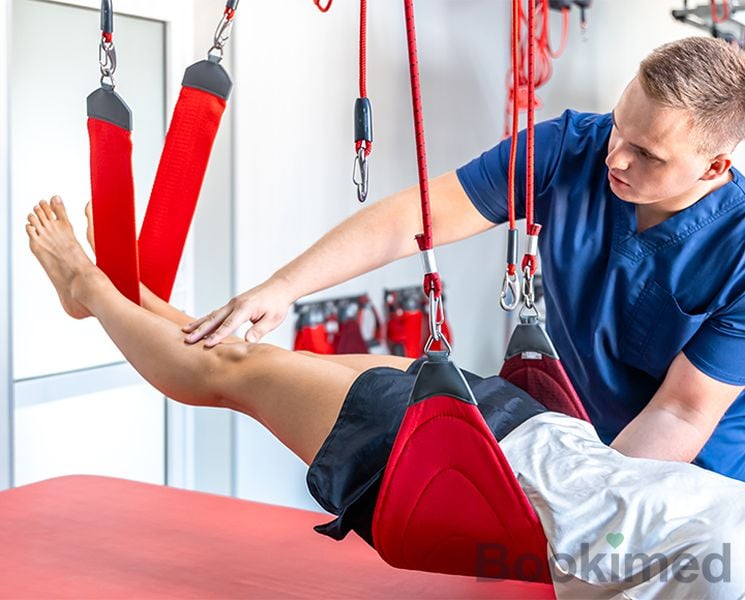
إعادة التأهيل بعد إصابات الدماغ الرضحية
تركز إعادة التأهيل العصبي على استعادة الوظيفة وتحسين نوعية الحياة بعد إصابة الدماغ الرضحية.
أسئلة متكررة حول العلاج التأهيلي بعد اصابة الدماغ في إسرائيل
ما الذي تتضمنه عملية إعادة التأهيل بعد إصابات الدماغ الرضية في إسرائيل؟
تدمج إعادة التأهيل بعد إصابات الدماغ الرضية في إسرائيل بين التكنولوجيا العصبية المتقدمة والفرق الطبية متعددة التخصصات. يحصل المرضى على برامج متخصصة في مرافق معتمدة من JCI مثل مركز سوراسكي الطبي. تجمع العملية بين التدريب على الحركة الروبوتية، والعلاج المعرفي، والرعاية التنفسية لاستعادة الوظائف العصبية والاستقلالية.
- الأنظمة الروبوتية: تستخدم العيادات هياكل ReWalk الخارجية وأجهزة المشي المضادة للجاذبية لتحسين الحركة.
- الفرق متعددة التخصصات: يتعاون متخصصون في جراحة الأعصاب، والعلاج الوظيفي، وعلم الجنس في عملية التعافي.
- معدلات النجاح: يشير مستشفى لوفنشتاين إلى عودة 56% من حالات إصابات الدماغ الرضية إلى الحياة الطبيعية.
- العلاجات الشمولية: تشمل البرامج العلاج بمساعدة الحيوانات، والعلاج بالموسيقى، وجلسات Snoezelen متعددة الحواس.
رؤية خبير Bookimed: تتميز مراكز التعافي الإسرائيلية بدمج بروتوكولات الصدمات العسكرية مع الرعاية المدنية. في حين تبدأ إعادة التأهيل العصبي القياسية من السعر عند الطلب، غالباً ما تتضمن برامج إصابات الدماغ الرضية المكثفة إنتاج تقويمات داخلية ودعم التهوية المزمن. تسمح هذه البنية التحتية للمراكز بعلاج الحالات المعقدة التي قد تجدها مناطق أخرى صعبة.
إجماع المرضى: يؤكد الكثيرون أن إعطاء الأولوية للنوم الجيد والتمارين القلبية الخفيفة يعزز شفاء الدماغ بشكل كبير. كما يقترح المرضى السعي للحصول على تمارين دهليزية وتمارين تتبع العين في وقت مبكر لمعالجة عجز المعالجة البصرية.
كم تستغرق فترة إعادة التأهيل بعد إصابات الدماغ الرضية عادةً؟
تعتمد جداول إعادة التأهيل على شدة الإصابة وتشمل عادةً مراحل مكثفة تستمر من 3 إلى 18 شهراً. وفي حين أن التعافي السريع يحدث غالباً في غضون 24 شهراً، فإن إعادة التأهيل العصبي في إسرائيل تركز على المرونة العصبية مدى الحياة، مع توثيق تحسينات وظيفية بشكل متكرر لمدة تتراوح بين 5 إلى 18 عاماً بعد الإصابة.
- مرحلة الإصابة الخفيفة: يستغرق التعافي عادةً من شهر إلى 3 أشهر في حالات الارتجاج وإصابات الدماغ الطفيفة.
- الجدول الزمني للإصابة المتوسطة: تستمر إعادة التأهيل المكثف عادةً من 6 إلى 12 شهراً مع دعم العلاج الخارجي.
- التعافي من الإصابات الشديدة: يستمر الاستعادة المعرفية والبدنية النشطة لمدة تتراوح بين سنتين إلى 5 سنوات كحد أدنى.
- المرونة العصبية طويلة المدى: يمكن أن تستمر إعادة توجيه المسارات العصبية والمكاسب الوظيفية لمدة تتراوح بين 10 إلى 18 عاماً أو أكثر.
رؤية خبير Bookimed: ركز على العيادات التي تستخدم تقنيات متقدمة مثل هيكل ReWalk الخارجي أو نظام Vector Gait في مركز Reuth لإعادة التأهيل. هذه الأدوات تسرع بشكل كبير أهداف الحركة. تظهر البيانات أن المراكز الإسرائيلية مثل Loewenstein تحقق معدل عودة بنسبة 80% لحالات ما بعد الصدمة من خلال التركيز على الاستقلالية بدلاً من الرعاية السلبية.
إجماع المرضى: التعافي هو رحلة غير خطية تتطلب تحديات معرفية مستمرة وعلاجاً بصرياً متخصصاً. تشير الرؤى الواقعية إلى أن الحفاظ على صحة القلب والأوعية الدموية والنوم الجيد هما أكثر العوامل فعالية لتسريع شفاء الدماغ على المدى الطويل.
كيف يتم التعامل مع المشكلات الإدراكية في إعادة التأهيل بعد إصابات الدماغ الرضية؟
تتم معالجة المشكلات الإدراكية بعد إصابات الدماغ الرضية من خلال علاج إعادة التأهيل الإدراكي الفردي (CRT)، الذي يجمع بين التمارين التصحيحية والاستراتيجيات التعويضية. تستخدم الفرق المتخصصة في إسرائيل الاختبارات النفسية العصبية، وعلاج Snoezelen متعدد الحواس، والارتجاع العصبي لتعزيز الذاكرة والتركيز والوظائف التنفيذية داخل المرافق المعتمدة من قبل JCI.
- النهج الاستراتيجي: تحدد الاختبارات النفسية العصبية عجز الدماغ المحدد قبل بدء العلاج الفردي المكثف.
- الوظيفة التنفيذية: يستخدم المعالجون المهنيون مهام العالم الحقيقي والتعلم الخالي من الأخطاء لاستعادة مهارات التخطيط.
- التقنيات المتقدمة: تستخدم العيادات غرف Snoezelen متعددة الحواس والارتجاع العصبي لتحفيز المسارات العصبية الخاملة.
- الدعم الدوائي: قد يصف المتخصصون منبهات أو مضادات اكتئاب لتحسين سرعة المعالجة واليقظة.
رؤية خبراء Bookimed: بينما تركز العديد من المراكز على الحركة البدنية، تعطي مستشفى لوفنشتاين ومركز ريوث لإعادة التأهيل الأولوية للنهج التحفيزي. تجبر هذه الاستراتيجية الدماغ على التكيف من خلال دمج التدريبات الإدراكية مع الأنظمة الروبوتية مثل ReWalk. تظهر البيانات أن أداء المهام العقلية أثناء استخدام مثبتات المشي يسرع التعافي العصبي بشكل أسرع من التمارين الإدراكية الثابتة وحدها.
إجماع المرضى: يعتمد النجاح غالبًا على استخدام وسائل مساعدة خارجية مثل التقويمات الرقمية وموزعات الأدوية لإدارة الروتين اليومي على الفور. يوصي المرضى بدمج التمارين الهوائية مع العلاج لتقليل ضبا
ما هي تقنيات العلاج الشائعة في إعادة تأهيل إصابات الدماغ الرضية؟
تستخدم تقنيات إعادة تأهيل إصابات الدماغ الرضية الشائعة خططاً متعددة التخصصات تشمل تدريب المشي باستخدام هياكل ReWalk الخارجية، وطب العيون العصبي للمشاكل البصرية والدهليزية، وعلاج Snoezelen متعدد الحواس. تركز هذه الأساليب على المرونة العصبية لاستعادة الحركة والمعالجة الإدراكية والاستقلالية من خلال بروتوكولات رعاية مخصصة للمرضى الداخليين والخارجيين.
- تدريب المشي الروبوتي: استخدام هياكل ReWalk الخارجية وأنظمة Vector Gait لاستعادة أنماط المشي الطبيعية.
- تمارين حركة العين العصبية: تعمل النظارات المنشورية وتدريبات طب العيون العصبي على حل الانفصال البصري الدهليزي.
- علاج التكامل الحسي: توفر غرف Snoezelen متعددة الحواس تحفيزاً خاضعاً للرقابة لتحسين الوعي الإدراكي.
- الاستعادة الحركية الوظيفية: تعمل أجهزة المشي المضادة للجاذبية والتدريب الدهليزي باستخدام كرات Bosu على تحسين التوازن.
رؤية خبير Bookimed: تؤكد مراكز إعادة التأهيل الإسرائيلية مثل Loewenstein وReuth على نهج تحفيزي صارم يحقق معدلات نجاح عالية. في حين أن العديد من البرامج القياسية تصل إلى مرحلة الاستقرار مبكراً، غالباً ما تستخدم العيادات هنا إجراءات ذات حمل إدراكي متزايد تعزز الشفاء بعد مرور عامين. التكنولوجيا المحددة مثل هيكل ReWalk الخارجي، الذي تم تطويره في إسرائيل، متاحة هنا بشكل أكبر بكثير مما هي عليه في العديد من المرافق الأوروبية.
إجماع المرضى: يعتمد النجاح غالباً على تطبيع إيقاعات الساعة البيولوجية وإعطاء الأولوية للنوم العميق جنباً إلى جنب مع العلاجات المهنية.
إلى أي مدى يجب أن يشارك أفراد الأسرة في عملية إعادة التأهيل؟
يعمل أفراد الأسرة كشركاء أساسيين في إعادة التأهيل من إصابات الدماغ الرضية من خلال توفير الدعم العاطفي والمساعدة الجسدية النشطة. في المراكز الإسرائيلية، يتعاونون مع فرق متعددة التخصصات لإدارة البيئات الحسية، وتحفيز الذاكرة العضلية من خلال الحركة السلبية، والدفاع عن المريض أثناء انتقالات التعافي المعقدة.
- الدفاع عن المريض: يجب على العائلات ضمان تلبية الاحتياجات من خلال التواصل النشط مع الفرق الطبية.
- التحفيز الجسدي: تشمل المشاركة اليومية تحريك الأطراف والتدليك للمساعدة في الحفاظ على الذاكرة العضلية.
- إدارة البيئة: التحكم في مستويات الضوء والضوضاء في غرف التعافي يدعم الاستقرار العصبي.
- التدريب على الاستقلالية: يساعد الموازنة بين الدعم والأساليب التحفيزية الصارمة المرضى على استعادة الوظائف اليومية الضرورية.
رؤية خبير Bookimed: تؤكد المراكز الإسرائيلية مثل مستشفى لوفنشتاين على نهج تحفيزي صارم نحو الاستقلالية. في حين أن مشاركة الأسرة أمر حيوي، فإن أنجح حالات التعافي تحدث عندما تنتقل العائلات من القيام بكل شيء للمريض إلى تشجيع الرعاية الذاتية. استخدم خبرة الموظفين المتخصصين مثل ديانا أرينسيبيا تشارنا لتحديد متى يجب التراجع.
إجماع المرضى: يتطلب النجاح غالبًا العمل كمدافع مستمر لتأمين أماكن للمرضى الداخليين وإدارة مناوبات الرعاية بين الأقارب. إن قبول الهوية الجديدة للمريض أكثر فعالية من التركيز على من كان قبل الإصابة.
هل تتوفر مساعدة للعودة إلى العمل أو الدراسة بعد إصابات الدماغ الرضية؟
توفر مراكز إعادة التأهيل الإسرائيلية دعماً شاملاً لإعادة الاندماج، باستخدام نهج تحفيزي لتعزيز الاستقلالية. تربط البرامج بين العلاج السريري والعودة المهنية من خلال تقنيات متقدمة مثل هياكل ReWalk الخارجية وأنظمة Vector Gait. تشمل التخصصات إعادة التدريب المعرفي وخططاً فردية لإدارة التعب والذاكرة والتركيز.
- معدلات النجاح: أفاد مستشفى لوفنشتاين عن معدل عودة بنسبة 56% خصيصاً لمرضى إصابات الدماغ.
- التكنولوجيا المتقدمة: تستخدم المرافق أجهزة المشي المضادة للجاذبية وعلاج Snoezelen لاستعادة القدرة المعرفية والبدنية.
- الخبرة المتخصصة: تقدم عيادات مثل Reuth Rehabilitation برامج مخصصة للأطفال تشمل العلاج بمساعدة الحيوانات والعلاج بالموسيقى.
- الرعاية المعتمدة: يحمل مركز سوراسكي الطبي اعتماد JCI ويعمل به أكثر من 2200 طبيب متخصص.
رؤية خبير Bookimed: تظهر البيانات فجوة كبيرة في الأداء بين العيادات العامة والمراكز المتخصصة مثل لوفنشتاين، التي تركز حصرياً على إعادة التأهيل العصبي. بينما تقدم المستشفيات العامة رعاية حادة ممتازة، تحقق هذه المرافق المتخصصة معدلات استقلالية أعلى من خلال دمج علم الجنس وإنتاج تقويم العظام في خطة التعافي.
إجماع المرضى: يعتمد النجاح على تأمين وثائق رسمية لإصابة الدماغ الرضية للوصول إلى الحماية القانونية والتسهيلات الأكاديمية. يؤكد المرضى أن فترة التعافي التدريجية التي تتراوح بين سنة إلى سنتين تمنع الإرهاق وتضمن تعافياً مستداماً على المدى الطويل.
أين يمكنني العثور على خدمات إعادة التأهيل من إصابات الدماغ الرضية في إسرائيل؟
تقدم إسرائيل خدمات متقدمة لإعادة التأهيل من إصابات الدماغ الرضية في مراكز مثل مستشفى ليفنشتاين، ومركز شيبا الطبي، ومركز ريوت لإعادة التأهيل. تستخدم هذه المرافق فرقاً متعددة التخصصات وتقنيات روبوتية مثل هيكل ReWalk الخارجي ونظام Vector Gait لعلاج العجز العصبي، والمشاكل الإدراكية، واضطرابات الوعي.
- مستشفى ليفنشتاين: يضم 287 سريراً و9 أقسام متخصصة في التعافي العصبي للأطفال والبالغين.
- مركز ريوت لإعادة التأهيل: يوفر علاجات متقدمة بما في ذلك أجهزة المشي المضادة للجاذبية والإنتاج الداخلي للأجهزة التقويمية المخصصة.
- مركز سوراسكي الطبي: يقدم إعادة تأهيل عصبي شاملة داخل منشأة معتمدة من اللجنة الدولية المشتركة (JCI) تخدم 1.8 مليون مريض سنوياً.
- التقنيات المتقدمة: يستخدم المتخصصون غرف Snoezelen متعددة الحواس، والعلاج بالموسيقى، وبرامج العلاج بمساعدة الحيوانات للتعافي الشامل.
رؤية خبير Bookimed: بينما يركز العديد من المرضى الدوليين على العلاج الطبيعي العام، تتميز المراكز الإسرائيلية الرائدة مثل ريوت بأقسام متخصصة للتهوية الميكانيكية المزمنة. وهذا يسمح لهم ببدء إعادة التأهيل العصبي المكثف في وقت مبكر للمرضى الذين لا يزالون بحاجة إلى دعم تنفسي، مما قد يحسن النتائج على المدى الطويل.
إجماع المرضى: يوصي المرضى بتقديم طلبات للحصول على إعانات العجز من خلال الضمان الاجتماعي في وقت مبكر، وغالباً ما يسعون للحصول على الدعم من تحالفات الصدمات للتعامل مع التحديات العاطفية للتعافي طويل الأمد.
لماذا تُعد إسرائيل واحدة من الوجهات الرائدة في جراحة الأعصاب؟
تُعدّ إسرائيل مركزًا رائدًا في جراحة الأعصاب بفضل مزيجها من التطورات الطبية عالية التقنية والخبرات الجراحية المتميزة. وتستخدم مرافق متطورة مثل مركز شيبا الطبي أنظمة ملاحة تعتمد على الذكاء الاصطناعي والتصوير بالرنين المغناطيسي أثناء الجراحة في الوقت الفعلي. وتشير المراكز المتخصصة إلى نسبة نجاح تصل إلى 98% في العمليات الجراحية المعقدة، بما في ذلك جراحة الدماغ مع اليقظة وعلاج اضطرابات الحركة.
- التكنولوجيا المتقدمة: تستخدم العيادات الموجات فوق الصوتية المركزة الموجهة بالرنين المغناطيسي (MRgFUS) والأنظمة الروبوتية لإجراء الشقوق.
- الخبرة الجراحية: يقود جراحون مثل الدكتور تسفي رام جمعيات دولية بخبرة تزيد عن 25 عامًا.
- الوصول السريع: يمكن للمرضى الدوليين عادةً تحديد مواعيد لإجراء عمليات جراحية معقدة في الدماغ أو العمود الفقري في غضون 2-4 أسابيع.
- الرعاية الطبية المعتمدة: المراكز الكبيرة مثل سوراسكي (إيشيلوف) وأسوتا معتمدة من قبل اللجنة الدولية المشتركة، مما يؤكد سلامتها.
رأي خبراء بوكيمد: تُظهر البيانات فرقًا واضحًا بين خيارات العلاج في القطاعين العام والخاص في إسرائيل. تُجري المراكز الخاصة، مثل مركز أسوتا الطبي، أكثر من 92,000 عملية جراحية سنويًا، وتتيح للمرضى اختيار جراح را
ما هي أنواع الأمراض العصبية التي يتم علاجها في إسرائيل؟
يعالج جراحو الأعصاب الإسرائيليون طيفاً واسعاً من الحالات، بدءاً من أورام الدماغ والحبل الشوكي وصولاً إلى الاضطرابات الوظيفية المعقدة. وتستخدم المراكز المتخصصة أحدث التقنيات، مثل جهاز جاما نايف، والتحفيز العميق للدماغ، والتصوير بالرنين المغناطيسي أثناء الجراحة، لتشخيص دقيق للغاية لحالات الصرع، ومرض باركنسون، وأمراض الأوعية الدموية الدماغية.
- الأمراض السرطانية: علاج الأورام الدبقية والأورام السحائية وأورام الغدة النخامية باستخدام استئصال قاعدة الجمجمة.
- الاضطرابات الوظيفية: علاج مرض باركنسون والرعاش الأساسي باستخدام التحفيز العميق للدماغ.
- أمراض العمود الفقري: تصحيح الجنف، وانزلاق الغضروف، وأورام العمود الفقري باستخدام الأنظمة الروبوتية.
- علاج أمراض الأوعية الدموية الدماغية: العلاج الجراحي لتمدد الأوعية الدموية الدماغية والتشوهات الشريانية الوريدية باستخدام التدخلات داخل الأوعية الدموية.
- جراحة الأعصاب للأطفال: رعاية متخصصة لاستسقاء الرأس والتشوهات الخلقية في مراكز طب الأطفال المتخصصة.
رأي خبراء بوكيمد: غالبًا ما تجمع المستشفيات الإسرائيلية بين تخصصات طبية متعددة لمعالجة الحالات المعقدة. ففي مركز سوراسكي ا
ما هي المستشفيات في إسرائيل التي تشتهر بأقسام جراحة الأعصاب فيها؟
تضم إسرائيل مراكز جراحة أعصاب عالمية المستوى، مثل مركز سوراسكي الطبي، ومركز شيبا الطبي، ومركز هداسا الطبي. وتُعدّ هذه المؤسسات رائدة عالميًا في علاج أورام الدماغ المعقدة، وأمراض العمود الفقري، واضطرابات الحركة. وتستخدم أحدث التقنيات، مثل جهاز جاما نايف، والأنظمة الروبوتية، والتصوير بالرنين المغناطيسي أثناء الجراحة.
- سوراسكي (إيخيلوف): يجري أكثر من 2500 عملية جراحية عصبية سنوياً في تل أبيب بنسبة نجاح تبلغ 98%.
- مركز شيبا الطبي: مصنف ضمن أفضل عشرة مستشفيات في العالم، حيث يعالج 1.9 مليون مريض سنوياً.
- مركز هداسا الطبي: مرشح لجائزة نوبل للسلام. رائد في جراحة الأعصاب للأطفال والعلاج الجيني.
- مركز أسوتا الطبي: أكبر منشأة طبية خاصة في إسرائيل. متخصص في جراحات العمود الفقري والدماغ طفيفة التوغل.
- مستشفى شنايدر للأطفال: مركز رائد في جراحة الأعصاب للأطفال، يعالج 275000 طفل سنوياً.
رأي خبراء بوكيمد: تُظهر بياناتنا أنه بينما يلجأ معظم المرضى للعلاج في تل أبيب، يُقدّم مركز رامبام الطبي في حيفا رعايةً فريدةً لإصابات الدماغ. فهو يضم وحدةً متخصصةً للعناية المركزة العصبية تُعالج ما يقارب مليون مريض سنويًا. وهذا ما يجعله