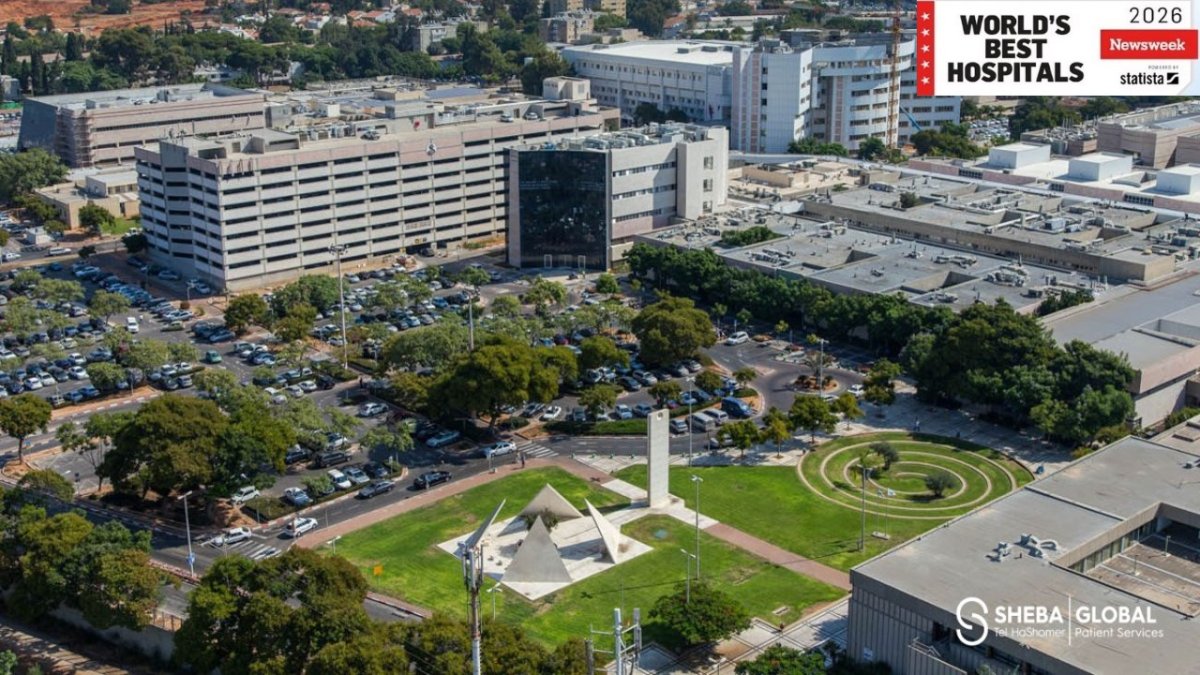
Sourasky Medical Center (Ichilov)
إسرائيل, Tel Aviv
Arnon Karni
41سنة خبره ١٦ سنة

العيادة معتمدة من قبل : 





تمت مراجعة المقالة طبيا من قبل
فهد مولود
لماذا يجب النظر في إسرائيل لعلاج التصلب المتعدد بالأدوية؟
احصل على حلول متقدمة لعلاج التصلب المتعدد بالأدوية في عيادات موثوقة من $9,000.
| إسرائيل | تركيا | إسبانيا | |
|---|---|---|---|
| العلاج الدوائي لمرض التصلب المتعدد | ≈ $9,000 | من $3,100 | ≈ $3,000 |
| دواء Ocrevus (ocrelizumab) | ≈ $16,500 | ≈ $4,500 | من $12,000 |
Bookimed لا يضيف رسوماً إضافية على أسعار العلاج الدوائي لمرض التصلب المتعدد. الأسعار مأخوذة من قوائم الأسعار الرسمية للعيادات. تدفع مباشرة في العيادة مقابل العلاج الدوائي لمرض التصلب المتعدد عند وصولك.
Bookimed ملتزم بسلامتك. نحن نعمل فقط مع المؤسسات الطبية التي تحافظ على معايير دولية عالية في العلاج الدوائي لمرض التصلب المتعدد ولديها التراخيص اللازمة لخدمة المرضى الدوليين في جميع أنحاء العالم.
Bookimed يقدم مساعدة خبراء مجانية. منسق طبي شخصي يدعمك قبل وأثناء وبعد العلاج، ويحل أي مشاكل. لن تكون وحيداً أبداً في رحلة العلاج الدوائي لمرض التصلب المتعدد.



يعالج هذا العلاج أعراض مرض التصلب العصبي المتعدد ، ويبطئ تقدم المرض ، عن طريق الحبوب أو الحقن أو الحقن لتحسين نوعية الحياة.
هذا العلاج هو دواء حيوي لمرض التصلب المتعدد ، ويقلل من معدلات الانتكاس ويبطئ تقدم المرض.
اليوم 1
اليوم الثاني
يوم 3
من اليوم الرابع إلى اليوم الرابع عشر
الأسبوع الثالث
الأسبوع الرابع
الأسبوع الخامس
ملاحظة: تختلف رحلة كل مريض مصاب بالتصلب المتعدد. هذه الخطة هي دليل عام ويمكن تعديلها بناءً على الاحتياجات الفردية.
يوفر Bookimed.com معلومات حول العلاج الدوائي لمرض التصلب المتعدد والمراكز الطبية في إسرائيل. بصفتنا المنصة العالمية الرائدة في مجال السياحة العلاجية ، فإننا نتحمل مسؤولية كبيرة أمام عملائنا - المرضى والمراكز الطبية على حد سواء. تستند جميع المعلومات المقدمة على Bookimed.com إلى البحث والاستبصار والخبرة وتفي بالاهتمام الكبير المتعلق بالمنتج وما يلي:
نحن نشكل قوائمنا للعيادات والأطباء مع لوائح صارمة لنظام التصنيف التلقائي الذكي الخاص بنا. يعتمد النظام على أسعار Bookimed الحقيقية للمرضى لتوفير المعلومات الأكثر موضوعية وشفافية حول العيادات والخدمات الطبية هناك.
يجمع عالم البيانات ذو الخبرة لدينا البيانات يوميًا ، ويراقب ويحسن نظام التصنيف باستخدام التعلم الآلي والذكاء الاصطناعي لضمان تحديث نظام التصنيف وتقديم نتائج دقيقة.
نحن نجمع آراء عملاء Bookimed فقط بعد الحصول على خبرة طبية مع العيادة - لذلك يمكن للجميع على المنصة الوثوق بالمنشأة التي يختارونها. نحن نسعى جاهدين لجعل المحتوى على منصتنا مفيدًا قدر الإمكان ونضمن حرية التعبير عن الآراء النقدية. وبالتالي ، ننشر مراجعات إيجابية وسلبية ، بهدف أن نكون مصدرًا لاتخاذ قرارات مستنيرة لعملائنا في المستقبل.
قد تجد على Bookimed.com الاختيار والراحة للعثور على أفضل الحلول الطبية للعلاج الدوائي لمرض التصلب المتعدد من كبار مزودي الخدمات الطبية في إسرائيل في مكان واحد فقط ، وغالبًا بأسعار تنافسية. للتأكد من تقديم أحدث المعلومات ، يقوم ممثلو العيادة بتحديث السير الذاتية للأطباء ، وقدرات العيادات ، والصور قبل وبعد ، والأسعار ، والحزم ، والعروض الخاصة بأنفسهم قريبًا. يمكنك مقابلة ممثل العيادة والتحقق من تاريخ المحتوى المحدث في صفحة كل عيادة للتأكد من مصداقيتها.
تم إنشاء مدونتنا والقطع الداعمة من قبل مؤلفين محترفين يتمتعون بخبرة لا تقل عن 3 سنوات في الكتابة الطبية ويتم تحريرها بواسطة متخصصين طبيين يتمتعون بخبرة إكلينيكية وبحثية ذات صلة - تم تعيينهم جميعًا بعناية في الفريق. نحن نسعى جاهدين لتعزيز وصول المريض إلى المعلومات الصحية ، مما يجعلها خبيرة ولكن يسهل فهمها. تتبع جميع القطع إرشادات التحرير الخاصة بـ Bookimed.
نحن مصنوعون من الناس ومن أجلهم - وهذه هي قيمتنا الأساسية. هذا هو السبب في أن جميع البيانات المقدمة على المنصة يتم جمعها وتحريرها ومراجعتها وتحديثها بانتظام من قبل مرضانا وعياداتنا الشريكة وفريقنا ، بما في ذلك المجلس الاستشاري الطبي Bookimed ، الذي يتكون من أطباء مشهورين عالميًا يتمتعون بخبرة قيمة في أكثر من 20 عاما من الممارسة وسمعة طيبة. تعلم المزيد عنا وعن مهمتنا .
في حال وجدت أي خطأ أو لديك أي أسئلة حول المعلومات المقدمة على Bookimed.com ، فلا تتردد في الاتصال بنا على marketing@bookimed.com .
يتخصص الدكتور أرنون كارني في علاج التصلب المتعدد في مركز سوراسكي الطبي، ولديه أبحاث مناعية من جامعة هارفارد.

يتخصص البروفيسور بن حور في علم المناعة العصبية والطب التجديدي في مركز هداسا الطبي - الرائد في علاج التصلب المتعدد.

أكثر من _doctor_2822_ عاماً من الخبرة في طب الأعصاب – يتخصص الدكتور لينيكي في اضطرابات الجهاز العصبي المعقدة في مركز هداسا الطبي.
يقود الدكتور ديميتريوس كاروسيس عيادة التصلب المتعدد متعددة التخصصات في مركز هداسا الطبي، متخصصاً في علم المناعة العصبية منذ 40 سنة.


 Anna Leonova
يركز علاج التصلب المتعدد في إسرائيل على علاجات تعديل المرض (DMTs) عالية الفعالية مثل Ocrevus وCopaxone وTysabri. يستخدم المتخصصون في المراكز المعتمدة من قبل JCI مثل "شيبا" و"هداسا" بروتوكولات الحقن الوريدي، والحقن تحت الجلد، والأدوية الفموية لتقليل معدلات الانتكاس. كما تتوفر خيارات متقدمة لتجديد الأعصاب، بما في ذلك العلاج بالخلايا الجذعية.
رؤية خبير Bookimed: تعطي مراكز الأعصاب الإسرائيلية الأولوية للتدخل المبكر عالي الفعالية باستخدام علاجات استنزاف الخلايا البائية مثل Ocrevus. تظهر البيانات أن مراكز مثل "هداسا" و"سوراسكي" تقود الأبحاث في مجال تجديد الأعصاب. وهذا يتيح للمرضى الوصول إلى بروتوكولات الخلايا الجذعية التجريبية عندما تفشل علاجات تعديل المرض القياسية في وقف التطور.
إجماع المرضى: غالباً ما يسلط المرضى الضوء على الأهمية المحلية لـ Copaxone وتوافر Ocrevus للأشكال المتقدمة. يشير الكثيرون إلى أن جلسات الستيرويد الوريدية القياسية تعالج الانتكاسات الحادة بفعالية أثناء إقامتهم.
تعمل العلاجات المعدلة للمرض (DMTs) على تقليل انتكاسات التصلب المتعدد بفعالية بنسبة تتراوح من 29% إلى أكثر من 60%، كما تبطئ بشكل كبير من تراكم الإعاقة عن طريق الحد من الآفات الدماغية الجديدة. يمكن للمرضى توقع استقرار طويل الأمد للمرض، على الرغم من أن هذه العلاجات تمنع الضرر الجديد في المقام الأول بدلاً من إصلاح العجز العصبي أو الندبات الموجودة.
رؤية خبراء Bookimed: تعطي بروتوكولات علم المناعة العصبية الإسرائيلية الأولوية للحقن الوريدية فائقة السرعة مثل Briumvi، والتي تستغرق ساعة واحدة فقط مرتين سنوياً. وبينما تحافظ العلاجات المعدلة للمرض القياسية على الصحة، فإن مركز هداسا الطبي ومركز شيبا الطبي يقودان أبحاث الخلايا الجذعية. وهذا يسمح للمرضى الذين يعانون من التصلب المتعدد العدواني بالوصول إلى علاجات غالباً ما تكون غير متاحة أو مقيدة في مناطق أخرى.
إجماع المرضى: يبلغ المرضى عن استقرار عالٍ مع عدم وجود آفات جديدة لمدة 5 سنوات أو أكثر باستخدام Ocrevus. ويؤكد معظمهم أن الحقن الشهرية أو الحقن ال
تستخدم أدوية التصلب المتعدد في إسرائيل بشكل أساسي علاجات تعديل المرض (DMTs) مثل Ocrevus (أوكريليزوماب) لتعديل الاستجابات المناعية. تشمل الآثار الجانبية الشائعة أعراضاً تشبه الإنفلونزا من الحقن، واضطرابات الجهاز الهضمي من العوامل الفموية، وتفاعلات مرتبطة بالتسريب. تشمل مخاوف السلامة الخطيرة زيادة خطر الإصابة بالعدوى والارتفاع المحتمل في إنزيمات الكبد مما يتطلب مراقبة منتظمة.
رؤية خبير Bookimed: بينما يخشى المرضى غالباً من قوائم الآثار الجانبية الطويلة، تظهر البيانات من مستشفيي شيبا وهداسا أن الحقن عالية الفعالية مثل Ocrevus غالباً ما تسبب اضطرابات يومية أقل من العلاجات الفموية. تؤكد المستشفيات في إسرائيل على إعادة الضبط المناعي، حيث يعطي متخصصون مثل الدكتور ديميتريوس كاروسيس الأولوية للسلامة طويلة المدى من خلال مراقبة مجموعات فرعية محددة من خلايا الدم البيضاء بدلاً من مجرد الأعداد العامة.
إجماع المرضى: أفاد معظم المرضى أن الآثار الجانبية الأولية مؤقتة ويمكن إدارتها من خلال تعديلات بسيطة في نمط الحياة. يتفق الكث
المرشحون المثاليون للعلاج المعدل لمسار المرض هم الأفراد المصابون بالتصلب المتعدد الانتكاسي التراجعي النشط أو المتلازمة السريرية المعزولة التي تظهر نشاطاً التهابياً. يجب أن يبدأ العلاج فور تأكيد التشخيص. التدخل المبكر خلال السنة الأولى أمر حيوي لمنع ضمور الدماغ الدائم وتطور العجز على المدى الطويل.
رؤية خبير Bookimed: إسرائيل هي رائدة عالمية في علم المناعة العصبية. يستخدم متخصصون مثل الدكتور أرنون كارني في مركز سوراسكي الطبي والدكتور ديميتريوس كاروسيس في هداسا بروتوكولات متقدمة تتجاوز الأدوية القياسية. في حين تتراوح تكلفة علاج Ocrevus القياسي من $16,500 إلى $22,800، غالباً ما تدمج المراكز الإسرائيلية الرائدة الطب التجديدي والعلاجات المناعية بمستوى التجارب السريرية غير المتوفرة في العديد من المناطق الأخرى.
إجماع المرضى: يؤكد المرضى أن انتظار تفاقم الأعراض هو خطأ. يوصي معظمهم بزيارة طبيب مناعة عصبية متخصص بدلاً من طبيب أعصاب عام للوصول إلى علاجات عالية الف
تتبع بروتوكولات التشخيص والمراقبة لمرض التصلب المتعدد في إسرائيل معايير ماكدونالد الصارمة لضمان سلامة الأدوية. قبل العلاج، يخضع المرضى لفحوصات عصبية، وتصوير بالرنين المغناطيسي للدماغ والعمود الفقري، وتحاليل دم للكشف عن عدوى مثل التهاب الكبد B وفيروس JC.
رؤية خبير Bookimed: غالبًا ما تجمع مراكز المناعة العصبية في إسرائيل، مثل هداسا، بين بروتوكولات الأدوية القياسية وأبحاث الخلايا الجذعية المتقدمة. تظهر البيانات أن عيادات مثل سوراسكي تستخدم تخطيط العضلات الكهربائي (EMG) وتخطيط الأعصاب الكهربائي المتخصص لتقييم تلف الأعصاب قبل بدء العلاج. يساعد هذا في تحديد جرعة العلاجات المكثفة مثل Ocrevus بدقة من اليوم الأول.
إجماع المرضى: يؤكد المرضى على ضرورة إحضار تصوير بالرنين المغناطيسي للعمود الفقري بالكامل تم إجراؤه خلال الأشهر الثلاثة الماضية. يوصي الكثيرون بالمطالبة بإجراء مسح للعمود الفقري العنقي والصدر إلى جانب تصوير الدماغ لمنع تأخير التشخيص.
يستمر العلاج الدوائي لمرض التصلب المتعدد في إسرائيل عادةً إلى أجل غير مسمى كعلاج صيانة طويل الأمد لمنع حدوث أضرار جديدة في الجهاز العصبي المركزي. وفي حين أن علاجات الصيانة تستمر مدى الحياة، توفر علاجات إعادة تكوين المناعة السيطرة بعد دورة علاجية مدتها سنتان. تعتمد تغييرات العلاج على ظهور آفات جديدة في التصوير بالرنين المغناطيسي، أو الانتكاسات السريرية، أو الآثار الجانبية غير المحتملة، أو التخطيط للحمل.
رؤية خبير Bookimed: تقود المراكز الإسرائيلية مثل مركز هداسا الطبي بروتوكولات متخصصة لاستنزاف الخلايا البائية والخلايا الجذعية. تظهر بياناتنا أن المراكز هنا تفضل التدخل المبكر والعدواني. يستخدم أطباء مثل ديميتريوس كاروسيس خبراتهم المتعددة لنقل المرضى من الصيانة القياسية إلى إعادة تكوين المناعة المتقدمة عندما تفشل الأدوية التقليدية.
إجماع المرضى: يؤكد المرضى أن بدء العلاج المبكر أمر حيوي للحفاظ على القدرة على الحركة على المدى الطويل. يجد الكثيرون أن مراقبة مستويات الخلايا البائية تساعد في تخصيص جداول التسري
متخصصو التصلب المتعدد في إسرائيل هم أطباء أعصاب معتمدون ولديهم تخصص فرعي في علم المناعة العصبية. عادةً ما يحمل هؤلاء الخبراء درجتي دكتوراه في الطب ودكتوراه في الفلسفة (MD-PhD) ويكملون زمالات دولية في مؤسسات مثل هارفارد. يمارس معظمهم عملهم في مراكز أكاديمية معتمدة من قبل اللجنة الدولية المشتركة (JCI) مثل شيبا أو سوراسكي، مع التركيز على العلاجات المتقدمة المعدلة للمرض وأبحاث الخلايا الجذعية.
رأي خبير Bookimed: يتميز متخصصو التصلب المتعدد الإسرائيليون في مستشفيات هداسا وشيبا بدمجهم النادر لزراعة نخاع العظم في بروتوكولات التصلب المتعدد. بينما يركز العديد من أطباء الأعصاب العالميين على الأدوية فقط، يحمل خبراء مثل الدكتور ديميتريوس كاروسيس مؤهلات أوروبية محددة لعلاج الخلايا الجذعية. تتيح هذه الخبرة المزدوجة للمرضى الوصول إلى خيارات تجديدية لا توجد عادةً في أقسام الأعصاب القياسية.
إجماع المرضى: يؤكد المرضى على أهمية البحث عن متخصصين في المستشفيات التابعة للجامعا
تُعدّ إسرائيل مركزًا رائدًا في جراحة الأعصاب بفضل مزيجها من التطورات الطبية عالية التقنية والخبرات الجراحية المتميزة. وتستخدم مرافق متطورة مثل مركز شيبا الطبي أنظمة ملاحة تعتمد على الذكاء الاصطناعي والتصوير بالرنين المغناطيسي أثناء الجراحة في الوقت الفعلي. وتشير المراكز المتخصصة إلى نسبة نجاح تصل إلى 98% في العمليات الجراحية المعقدة، بما في ذلك جراحة الدماغ مع اليقظة وعلاج اضطرابات الحركة.
رأي خبراء بوكيمد: تُظهر البيانات فرقًا واضحًا بين خيارات العلاج في القطاعين العام والخاص في إسرائيل. تُجري المراكز الخاصة، مثل مركز أسوتا الطبي، أكثر من 92,000 عملية جراحية سنويًا، وتتيح للمرضى اختيار جراح را
يعالج جراحو الأعصاب الإسرائيليون طيفاً واسعاً من الحالات، بدءاً من أورام الدماغ والحبل الشوكي وصولاً إلى الاضطرابات الوظيفية المعقدة. وتستخدم المراكز المتخصصة أحدث التقنيات، مثل جهاز جاما نايف، والتحفيز العميق للدماغ، والتصوير بالرنين المغناطيسي أثناء الجراحة، لتشخيص دقيق للغاية لحالات الصرع، ومرض باركنسون، وأمراض الأوعية الدموية الدماغية.
رأي خبراء بوكيمد: غالبًا ما تجمع المستشفيات الإسرائيلية بين تخصصات طبية متعددة لمعالجة الحالات المعقدة. ففي مركز سوراسكي ا
تضم إسرائيل مراكز جراحة أعصاب عالمية المستوى، مثل مركز سوراسكي الطبي، ومركز شيبا الطبي، ومركز هداسا الطبي. وتُعدّ هذه المؤسسات رائدة عالميًا في علاج أورام الدماغ المعقدة، وأمراض العمود الفقري، واضطرابات الحركة. وتستخدم أحدث التقنيات، مثل جهاز جاما نايف، والأنظمة الروبوتية، والتصوير بالرنين المغناطيسي أثناء الجراحة.
رأي خبراء بوكيمد: تُظهر بياناتنا أنه بينما يلجأ معظم المرضى للعلاج في تل أبيب، يُقدّم مركز رامبام الطبي في حيفا رعايةً فريدةً لإصابات الدماغ. فهو يضم وحدةً متخصصةً للعناية المركزة العصبية تُعالج ما يقارب مليون مريض سنويًا. وهذا ما يجعله