العلاج الإشعاعي الموضعي لسرطان البروستاتا في إسرائيل — احصل على ٣ خيارات مخصصة للعيادات


تمت مراجعة المقالة طبيا من قبل
فهد مولود
كيف نعمل؟
ما هي تكلفة العلاج الإشعاعي الموضعي لسرطان البروستاتا في إسرائيل؟ اكتشف الآن
المزايا الرئيسية
لماذا تختار إسرائيل للعلاج الإشعاعي الموضعي لسرطان البروستاتا؟
- عيادات معتمدة: المستشفيات الحاصلة على شهادة JCI توفر ضمانًا لمعايير طبية عالية الجودة وسلامة المرضى.
- أحدث التقنيات: استخدام تقنيات مثل العلاج الإشعاعي الموضعي بجرعة عالية (HDR) وأجهزة مثل GammaMedplus iX من Varian يضمن الدقة والفعالية في العلاج.
- معدلات نجاح عالية: يتميز العلاج الإشعاعي الموضعي لسرطان البروستاتا بمعدل فعالية يتراوح بين 85-95%. يوفر نتائج ممتازة لحالات السرطان الموضعية.
- جراحون خبراء: أخصائيو الأورام الرائدون، والعديد منهم حاصلون على شهادات مجلس، قد أجروا أكثر من 500 عملية علاج إشعاعي موضعي. يجلبون خبرة واسعة ومهارة عالية في رعاية المرضى.
احصل على حلول متقدمة للعلاج الإشعاعي الموضعي لسرطان البروستاتا في عيادات موثوقة من $18,000.
| إسرائيل | تركيا | إسبانيا | |
|---|---|---|---|
| العلاج الإشعاعي الموضعي لسرطان البروستاتا | من $18,000 | من $5,500 | من $9,200 |
اكتشف أفضل العلاج الإشعاعي الموضعي لسرطان البروستاتا العيادات في إسرائيل: 3 خيارات معتمدة والأسعار






Hadassah Medical Center
Auala Hubert




نظرة عامة على العلاج الإشعاعي الموضعي لسرطان البروستاتا في إسرائيل
- العلاج الإشعاعي الموضعي - من $9,500
يستخدم هذا العلاج الإشعاع الداخلي لعلاج السرطان ، ويقدم العلاج الموضعي والحد الأدنى من الآثار الجانبية والإجراءات غير الغازية.
- العلاج الإشعاعي الموضعي لسرطان البروستاتا - من $18,000
يقوم هذا العلاج بزرع بذور مشعة في البروستاتا لتدمير الخلايا السرطانية وتقديم علاج هادف وفعال.
- العلاج الإشعاعي الموضعي لسرطان الرحم - من $9,500
يضع هذا العلاج موادًا مشعة بالقرب من الورم ، وتحديداً علاج سرطان الرحم بآثار جانبية أقل.
اليوم الأول - الوصول
- الوصول إلى العيادة.
- تحقق في مع الاستقبال.
- توفير التاريخ الطبي اللازم.
اليوم 2 - ما قبل العملية
- التشاور مع طبيب الأورام.
- الخضوع لفحوصات الدم والتصوير الطبي.
- تلقي التعليمات الغذائية الخاصة بما قبل العملية.
اليوم الثالث - إجراء المعالجة الكثبية
- الوصول إلى العيادة.
- تخدير موضعي أو عام.
- اخضع للمعالجة الكثبية ، وهي عملية تستغرق من ساعة إلى ساعتين.
- توضع البذور المشعة في البروستاتا.
اليوم 4 - بعد العملية
- البقاء في العيادة للمراقبة.
- إدارة الألم الممكنة إذا لزم الأمر.
- الخروج من العيادة.
الأسبوع الأول - إعادة التأهيل
- استرح وتجنب الأنشطة الشاقة.
- اتبع النظام الغذائي الموصوف ونظام الأدوية.
الأسبوع الثاني - إعادة التأهيل
- العودة لاستشارة المتابعة.
- استئناف الأنشطة الخفيفة كما هو مسموح به.
الأسبوع الرابع - إعادة التأهيل
- العودة التدريجية إلى الأنشطة العادية والعمل.
- متابعة التصوير لفحص البذور المشعة.
الأسبوع السادس - إعادة التأهيل
- العودة إلى الرياضة والأنشطة الشاقة الأخرى.
- النتيجة النهائية للمعالجة الكثبية تظهر في التصوير الطبي.
يرجى ملاحظة أن الجدول الزمني والإجراءات قد تختلف وفقًا لظروف المريض الفردية وبروتوكولات العيادة.
- إيداع Bookimed: 200 دولار أو 200 يورو.
- وديعة العيادة: ادفع نسبة محددة مقدمًا.
بصفتها المنصة العالمية الرائدة للسياحة العلاجية ، فإن Bookimed.com يتحمل مسؤولية كبيرة أمام عملائنا - المرضى والمراكز الطبية على حد سواء. تستند جميع المعلومات المقدمة على Bookimed.com إلى البحث والبصيرة والخبرة وتفي باهتمام كبير فيما يتعلق بالمعالجة الكثبية لسرطان البروستاتا والخدمات الطبية في إسرائيل وهي التالية:
نظام التصنيف التلقائي الذكي
نحن نشكل قوائمنا للعيادات والأطباء مع لوائح صارمة لنظام التصنيف التلقائي الذكي الخاص بنا. يعتمد النظام على معدلات Bookimed الحقيقية للمرضى لتوفير المعلومات الأكثر موضوعية وشفافية حول المعالجة الكثبية لعيادات سرطان البروستاتا والخدمات الطبية في إسرائيل هناك.
يجمع عالم البيانات ذو الخبرة لدينا البيانات يوميًا ، ويراقب ويحسن نظام التصنيف باستخدام التعلم الآلي والذكاء الاصطناعي لضمان تحديث نظام التصنيف وتقديم نتائج دقيقة.
تجربة الناس الحقيقية فقط
نقوم بجمع آراء عملاء Bookimed فقط بعد الحصول على خبرة طبية مع العيادة - لذلك يمكن لكل شخص على المنصة الوثوق بالمنشأة التي يختارونها للعلاج الموضعي لسرطان البروستاتا في إسرائيل. نحن نسعى جاهدين لجعل المحتوى على منصتنا مفيدًا قدر الإمكان ونضمن حرية التعبير عن الآراء النقدية. وبالتالي ، ننشر مراجعات إيجابية وسلبية ، بهدف أن نكون مصدرًا لاتخاذ قرارات مستنيرة لعملائنا في المستقبل.
مواضيع ذات مستويات عالية من الخبرة والسلطة والجدارة بالثقة
قد تجد على Bookimed.com الاختيار والراحة للعثور على أفضل الحلول الطبية من كبار مزودي الخدمات الطبية للعلاج الموضعي لسرطان البروستاتا في إسرائيل في مكان واحد فقط ، وغالبًا بأسعار تنافسية. للتأكد من تقديم أحدث المعلومات ، يقوم ممثلو العيادة بتحديث السير الذاتية للأطباء ، وقدرات العيادات ، والصور قبل وبعد ، والأسعار ، والحزم ، والعروض الخاصة بأنفسهم قريبًا. يمكنك مقابلة ممثل العيادة والتحقق من تاريخ المحتوى المحدث في صفحة كل عيادة للتأكد من مصداقيتها.
تم إنشاء مدونتنا والقطع الداعمة من قبل مؤلفين محترفين يتمتعون بخبرة لا تقل عن 3 سنوات في الكتابة الطبية ويتم تحريرها بواسطة متخصصين طبيين يتمتعون بخبرة إكلينيكية وبحثية ذات صلة - تم تعيينهم جميعًا بعناية في الفريق. نحن نسعى جاهدين لتعزيز وصول المريض إلى المعلومات الصحية المتعلقة بالمعالجة الكثبية لسرطان البروستاتا في إسرائيل ، مما يجعله خبيرًا وسهل الفهم. تتبع جميع القطع إرشادات التحرير الخاصة بـ Bookimed.
القيم المحجوزة
نحن مصنوعون من الناس ومن أجلهم - وهذه هي قيمتنا الأساسية. هذا هو السبب في أن جميع البيانات المقدمة على المنصة يتم جمعها وتحريرها ومراجعتها وتحديثها بانتظام من قبل مرضانا وعياداتنا الشريكة وفريقنا ، بما في ذلك المجلس الاستشاري الطبي Bookimed ، الذي يتكون من أطباء مشهورين عالميًا يتمتعون بخبرة قيمة في أكثر من 20 عاما من الممارسة وسمعة طيبة. تعلم المزيد عنا وعن مهمتنا .
في حال وجدت أي خطأ أو لديك أي أسئلة حول المعلومات المقدمة على Bookimed.com ، فلا تتردد في الاتصال بنا على marketing@bookimed.com .
احصل على تقييم طبي لـ العلاج الإشعاعي الموضعي لسرطان البروستاتا في إسرائيل: اختر أخصائيك من بين الأفضل في هذا المجال
عرض جميع الأطباء
Ofer Merimsky
يتخصص البروفيسور ميريمسكي في العلاج الإشعاعي الموضعي المتقدم لسرطان البروستاتا في مركز سوراسكي الطبي، مع عقود من الخبرة في علم الأورام.
- أستاذ مشارك في علم الأورام بجامعة تل أبيب
- تدرب على العلاج الإشعاعي الموضعي للبروستاتا في مستشفى نورث ويست، سياتل
- عضو الجمعية الأمريكية لعلم الأورام السريري (ASCO)
- نشط في الأبحاث السريرية وله العديد من المنشورات في علم الأورام

Rabin Tatiana
تبحث الدكتورة رابين في كيفية استجابة خلايا سرطان البروستاتا للعلاج الإشعاعي - وهو عامل رئيسي في نجاح العلاج الإشعاعي الموضعي (براكيثيرابي). وهي تتعاون مع معهد وايزمان في هذا العمل الرائد.
- حاصلة على زمالة من مركز أندرسون للسرطان في هيوستن
- متخصصة في العلاج الإشعاعي الموضعي لسرطان البروستاتا والسرطانات النسائية
- عضو في ASTRO و ISCORT - الجمعيات الرائدة في طب الأورام الإشعاعي
- تم تكريمها كأفضل موظف في المستشفى للتميز السريري
Auala Hubert
36 سنة متخصص في الأورام والعلاج الإشعاعي – يقود الدكتور هوبرت مركز سرطان الجهاز الهضمي في مركز هداسا الطبي.
- حاصل على شهادة البورد في كل من الأورام والعلاج الإشعاعي
- طبيب أول في قسم الأورام بمستشفى هداسا الجامعي
- عضو في الجمعية الإسرائيلية للأورام السريرية وجمعية السرطان
- يتحدث الإنجليزية والعبرية بطلاقة للمرضى الدوليين
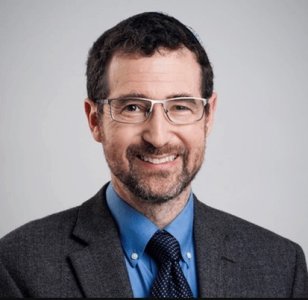
Yaacov Lawrence
الدكتور يعقوب لورانس، MA وMBBS وMRCP، رئيس قسم علاج الأورام بالإشعاع في مركز شيبا الطبي. يتمتع بما يقرب من 30 عامًا من الخبرة في طب الأورام الإشعاعي الدقيق وطب الأورام العصبية.
خبير في العلاج الإشعاعي المتقدم والجراحة الإشعاعية، ويجري الجراحة الإشعاعية التجسيمية لأورام الدماغ. يقود برنامج أورام الجهاز الهضمي في شيبا، ويقدّم رعاية دقيقة لحالات سرطان الرئة والبروستاتا. وكان رائدًا في الجراحة الإشعاعية للضفيرة البطنية لتخفيف الألم الشديد الناجم عن سرطان البنكرياس.
التدريب والمؤهلات
قصص فيديو من مرضى Bookimed
المراجعات
جميع المراجعاتمشاركة المحتوى
 Anna Leonova
أسئلة متكررة حول العلاج الإشعاعي الموضعي لسرطان البروستاتا في إسرائيل
هل سأكون مشعاً بعد العلاج الإشعاعي الموضعي (براكيثيرابي)؟
تعتمد مستويات النشاط الإشعاعي على طريقة العلاج الإشعاعي الموضعي المستخدمة. لا يصبح مرضى العلاج عالي الجرعة (HDR) مشعين أبداً بعد إزالة المصدر المؤقت. أما الغرسات الدائمة منخفضة الجرعة (LDR) فتبعث إشعاعاً منخفض المستوى لعدة أشهر، مما يتطلب احتياطات سلامة مؤقتة للأطفال والنساء الحوامل بعد الإجراء بفترة قصيرة.
- نشاط HDR الإشعاعي: لا يحمل المرضى أي إشعاع بمجرد إزالة المصدر الإشعاعي المؤقت.
- نشاط LDR الإشعاعي: تظل الغرسات الدائمة نشطة لأشهر لكن الإشعاع ينتقل لمسافات قصيرة.
- احتياطات السلامة: حافظ على مسافة 6 أقدام (حوالي مترين) من الرضع والنساء الحوامل لمدة 2-3 أشهر.
- نصائح السفر: يمكن أن تطلق غرسات LDR إنذارات أمن المطار؛ احمل دائماً وثائق الطبيب.
رؤية خبير Bookimed: تتعامل مراكز الأورام الإسرائيلية مثل مركز سوراسكي الطبي (إيخيلوف) مع أكثر من 40,000 مريض بالسرطان سنوياً. يعطي الجراحون الخبراء مثل الدكتور عوفر ميريمسكي الأولوية لـ HDR في العديد من الحالات للقضاء على النشاط الإشعاعي بعد الجراحة تماماً. إذا تلقيت غرسات LDR، تذكر استخدام مرشح للبول خلال الأيام العشرة الأولى لالتقاط أي غرسات نادرة قد تخرج.
إجماع المرضى: يقلق العديد من المرضى بشأن الحياة اليومية، لكن الأنشطة العادية مثل مشاركة الوجبات أو ركوب السيارة آمنة. يوصي معظمهم باستخدام الواقي الذكري أثناء اللقاءات الجنسية المبكرة لمنع أي طرد محتمل للغرسات.
ما هي الآثار الجانبية المحتملة للعلاج الإشعاعي الموضعي (براكيثيرابي) لسرطان البروستاتا؟
يتضمن العلاج الإشعاعي الموضعي لسرطان البروستاتا في إسرائيل استخدام إشعاع داخلي عبر بذور ذات معدل جرعة منخفض (LDR) أو غرسات ذات معدل جرعة مرتفع (HDR). تشمل الآثار الجانبية الشائعة إلحاح البول، والحرقان، والتبول الليلي المؤقت. قد تحدث تغيرات جنسية مثل القذف الجاف، بينما يكون تهيج الأمعاء عادةً خفيفاً ويزول في غضون شهرين.
- أعراض الجهاز البولي: غالباً ما يعاني المرضى من تكرار التبول، أو الإلحاح، أو الشعور بالحرقان أثناء التبول.
- الجدول الزمني للتعافي: عادةً ما تزول أعراض HDR في غضون 2–4 أسابيع؛ بينما تبلغ أعراض LDR ذروتها في غضون 2–4 أشهر.
- الوظيفة الجنسية: فقدان القذف الدائم أمر شائع جداً؛ وقد تتطور ضعف الانتصاب تدريجياً.
- صحة الأمعاء: قد يسبب التهاب المستقيم المؤقت غازات، أو برازاً ليناً، أو انزعاجاً طفيفاً في المستقيم.
رؤية خبراء Bookimed: يستفيد المتخصصون الإسرائيليون مثل الدكتور عوفر ميريمسكي في مركز سوراسكي الطبي من مسرعات خطية متطورة لتحسين دقة الإشعاع. تشير البيانات إلى أن عيادات مثل مركز أسوتا الطبي، وهو أول منشأة معتمدة من JCI في إسرائيل، تعطي الأولوية للإدارة المبكرة لأعراض الجهاز البولي. تدرج معظم المراكز أدوية حاصرات ألفا في بروتوكول علاجها لتقليل مخاطر احتباس البول بفعالية.
إجماع المرضى: يبلغ العديد من المرضى أن التبول الليلي هو العرض المبكر الأكثر استمراراً، حيث يضطرون للاستيقاظ 1–3 مرات ليلاً لعدة أسابيع. على الرغم من أن الإجراء غير مؤلم تحت التخدير، يجد معظم المرضى أن القسطرة بعد العملية هي المصدر الرئيس
من هو المرشح للعلاج الإشعاعي الموضعي (براكيثيرابي)؟
المرشحون المثاليون للعلاج الإشعاعي الموضعي هم الأفراد المصابون بسرطان البروستاتا الموضعي المحصور داخل الغدة، وتحديداً في المراحل السريرية T1 أو T2. يعتمد النجاح على مستويات PSA أقل من 20 نانوغرام/مل، ودرجات غليسون منخفضة إلى متوسطة، وحجم بروستاتا يمكن التحكم فيه ولا يعيق تدفق البول.
- توطين المرض: يجب أن يقتصر السرطان بدقة على البروستاتا دون الانتشار إلى الحويصلات المنوية.
- قيود الحجم: تتطلب المراكز الإسرائيلية الحديثة حجماً معتدلاً للبروستاتا لضمان وضع الإبرة بأمان.
- صحة المسالك البولية: يجب أن يعاني المرضى من الحد الأدنى من انسداد المسالك البولية لمنع احتباس البول أو المشاكل بعد الإجراء.
- العلاج المشترك: قد يتلقى المرضى ذوو المخاطر المتوسطة العلاج الإشعاعي الموضعي كتعزيز إلى جانب العلاج الإشعاعي الخارجي.
رؤية خبير Bookimed: تتطلب مراكز الأورام الإسرائيلية مثل مركز سوراسكي الطبي الآن إجراء مسح PSMA PET-CT قبل الموافقة على مرشحي العلاج الإشعاعي الموضعي. يضمن هذا التصوير عالي الحساسية أن السرطان موضعي حقاً. حتى مع درجة غليسون 8، قد يتأهل بعض المرضى إذا أكد هذا المسح أن المرض لم يصل إلى الغدد الليمفاوية.
إجماع المرضى: يقترح العديد من الناجين الاستعداد لبضعة أسابيع من حرقان البول المؤقت. وهم يرون أن التعافي الأسرع مقارنة بالجراحة الجذرية يمثل ميزة كبيرة لجودة الحياة.
هل العلاج الإشعاعي الموضعي (براكيثيرابي) فعال لسرطان البروستاتا؟
يعد العلاج الإشعاعي الموضعي علاجاً عالي الفعالية وأقل توغلاً لسرطان البروستاتا الموضعي، حيث تصل معدلات البقاء على قيد الحياة لمدة 10 سنوات إلى 97% - 99%. يوصل هذا الإشعاع الداخلي جرعات دقيقة مباشرة إلى الورم عبر بذور مشعة أو غرسات مؤقتة، مما يحمي الأنسجة والأعضاء السليمة المحيطة.
- معدلات النجاح: تظهر الدراسات طويلة المدى أن 95% من المرضى يعيشون لمدة 15 عاماً بعد العلاج بجرعات منخفضة.
- الدقة المستهدفة: يوفر الوضع الداخلي جرعات إشعاعية بيولوجية أعلى مقارنة بالإشعاع الخارجي التقليدي.
- التعافي السريع: يستأنف المرضى عادةً أنشطتهم الطبيعية في غضون 1.5 أسبوع بسبب الحد الأدنى من صدمات الأنسجة.
- الحفاظ على الوظائف: غالباً ما يحافظ الإشعاع الداخلي على الوظائف البولية والجنسية بشكل أفضل من استئصال البروستاتا الجراحي التقليدي.
رؤية خبير Bookimed: يستفيد المرضى في إسرائيل من نهج فريد قائم على البحث. يتعاون متخصصون مثل الدكتورة رابين تاتيانا في مركز سوراسكي الطبي مع معهد وايزمان في الأبحاث الجزيئية. يضمن هذا التكامل الأكاديمي عالي المستوى أن خطط علاج سرطان البروستاتا تستخدم أحدث البيانات الجينومية، والتي نادراً ما تتوفر في المستشفيات المجتمعية العادية.
إجماع المرضى: يقدر المرضى المصابون بالسرطان في مرحلة مبكرة هذا الخيار لانخفاض معدلات تكرار الإصابة وتجنب الندبات الجراحية. يؤكد الكثيرون على أهمية تتبع مستويات PSA لمدة تصل إلى 36 شهراً حيث تنخفض تدريجياً بعد العلاج.
ما هي الأنواع المختلفة للعلاج الإشعاعي الموضعي (براكيثيرابي) لسرطان البروستاتا؟
يعتمد العلاج الإشعاعي الموضعي لسرطان البروستاتا في إسرائيل بشكل أساسي على تقنيات الجرعات المنخفضة (LDR) والجرعات العالية (HDR). يقوم الجراحون في المراكز المعتمدة من قبل اللجنة الدولية المشتركة (JCI) مثل "سوراسكي" أو "أسوتا" بإدخال مصادر مشعة مباشرة في البروستاتا تحت التخدير العام أو النخاعي لعلاج الأورام الموضعية أو المتقدمة مع الحفاظ على الأنسجة السليمة.
- العلاج الإشعاعي الموضعي (LDR): يقوم الجراحون بزرع حوالي 100 حبة مشعة صغيرة بشكل دائم تطلق الإشعاع تدريجيًا.
- العلاج الإشعاعي الموضعي (HDR): يتم توصيل إشعاع عالي الكثافة مؤقتًا عبر قسطرة، وعادة ما يتطلب جلسة مدتها 4 ساعات.
- تعزيز HDR: غالبًا ما يجمع الأطباء بين العلاج الإشعاعي الموضعي المؤقت والعلاج الإشعاعي الخارجي للحالات المتقدمة موضعيًا.
- الجدول الزمني للتعافي: يعود معظم المرضى إلى حالتهم البدنية قبل العلاج بعد حوالي 3 أشهر من الإجراء.
رأي خبير Bookimed: تستفيد مراكز الأورام الإسرائيلية مثل مركز سوراسكي الطبي من أعداد المرضى الكبيرة، حيث تعالج 40,000 مريض بالسرطان سنويًا. يسمح هذا النطاق الهائل للمتخصصين مثل الدكتور عوفر ميريمسكي بتحسين تقنيات الدقة، مثل الجمع بين HDR وتقنية TrueBeam STx. غالبًا ما يتم تخصيص هذا النهج ثنائي النمط للحالات ذات المخاطر العالية حيث قد لا توفر غرسات الحبوب القياسية تغطية كافية.
إجماع المرضى: يشير الأفراد إلى أنه على الرغم من أن حبات LDR دائمة، إلا أن الإشعاع يتلاشى بعد 9 أشهر. يوصي الكثيرون بمناقشة استخدام فواصل الهلام (gel spacers)
ما هي فوائد اختيار العلاج الإشعاعي الموضعي (براكيثيرابي) في إسرائيل؟
يوفر العلاج الإشعاعي الموضعي في إسرائيل علاجاً عالي الدقة للسرطان باستخدام تقنيات متقدمة لدمج صور الرنين المغناطيسي مع الموجات فوق الصوتية عبر المستقيم (MRI-TRUS) والتصوير ثلاثي الأبعاد في الوقت الفعلي. يستفيد المرضى من تقنيات طفيفة التوغل مثل الغرسات المؤقتة عالية الجرعة (HDR) أو البذور الدائمة، والتي يتم إجراؤها في مرافق معتمدة من قبل اللجنة الدولية المشتركة (JCI) على يد أطباء أورام إشعاعيين حاصلين على شهادات البورد الأمريكي والأوروبي.
- دقة العلاج: تعمل الأنظمة المتقدمة الموجهة بالرنين المغناطيسي على زيادة تدمير الورم مع الحفاظ على الأنسجة السليمة المحيطة.
- سرعة التعافي: يعود معظم المرضى إلى أنشطتهم الطبيعية في غضون أسبوع إلى أسبوعين.
- كفاءة الإجراء: تحل الزيارات الخارجية ليوم واحد محل أسابيع من جلسات العلاج الإشعاعي الخارجي التقليدي.
- الحفاظ على الوظائف: يقلل الإشعاع الموضعي بشكل كبير من مخاطر سلس البول أو العجز الجنسي على المدى الطويل.
رؤية خبير Bookimed: بينما تقدم معظم المراكز العالمية البذور القياسية، تدمج العيادات الإسرائيلية مثل مركز سوراسكي الطبي (إيخيلوف) الاختبارات الجينية مثل Foundation One CDx. يسمح دمج هذه النتائج مع العلاج الإشعاعي الدقيق للمتخصصين بتخصيص جرعات الإشعاع بناءً على الملف الجزيئي المحدد للورم الخاص بك.
إجماع المرضى: يفضل الكثيرون العلاج الإشعاعي الموضعي عالي الجرعة (HDR) لأنه يتجنب ترك بذور دائمة في الجسم. يؤكد المرضى أن دقة وضع الإبرة هي العامل الأكثر أهمية لضمان نتيجة ناجحة.
ما هي مدة التعافي بعد العلاج الإشعاعي الموضعي (براكيثيرابي)؟
التعافي بعد العلاج الإشعاعي الموضعي للبروستاتا سريع، مما يسمح لمعظم المرضى بالعودة إلى العمل في غضون يوم إلى 3 أيام. يحدث التعافي الوظيفي الكامل عادةً في غضون 14 يومًا، على الرغم من أن أعراض المسالك البولية مثل الإلحاح أو التكرار قد تستمر لمدة شهرين إلى 3 أشهر مع بدء مفعول الإشعاع.
- الأنشطة اليومية: العودة إلى العمل بعد يوم إلى 3 أيام واستئناف النشاط الخفيف بعد 3 أيام.
- القيود البدنية: تجنب رفع الأثقال أو التمارين المكثفة أو ركوب الدراجات لمدة 7 إلى 14 يومًا.
- الصحة الجنسية: استئناف النشاط الجنسي بعد 10 إلى 14 يومًا من فترة الشفاء الأولية.
- المراقبة طويلة المدى: توقع أن يصل تهيج المسالك البولية إلى ذروته بين الشهرين الثاني والرابع قبل أن يتحسن تدريجيًا.
رؤية خبراء Bookimed: تُظهر البيانات الواردة من مراكز إسرائيلية رائدة مثل "سوراسكي" و"هداسا" فرقًا كبيرًا في سرعة التعافي بين التقنيات المستخدمة. يسمح العلاج الإشعاعي الموضعي عالي الجرعة (HDR) عادةً بحل أسرع لأعراض المسالك البولية مقارنةً بالبذور منخفضة الجرعة (LDR). على الرغم من أن تقنية LDR فعالة للغاية، إلا أن ذروة الانزعاج البدني غالبًا ما تصل بعد أشهر، مما يجعل تقنية HDR خيارًا مفضلاً للمرضى الذين يسعون للعودة بشكل أسرع إلى مستوى الراحة المعتاد.
إجماع المرضى: يوصي العديد من المرضى باستخدام وسادة دائرية (على شكل دونات) ومكملات التوت البري للتعامل مع الانزعاج الأولي. على الرغم من أن التعافي البدني يبدو فوريًا تقريبًا، إلا أنهم ينصحون بالاستعداد لبضعة أشهر من الشعور
لماذا تُعد إسرائيل واحدة من الوجهات الرائدة في جراحة الأعصاب؟
تُعدّ إسرائيل مركزًا رائدًا في جراحة الأعصاب بفضل مزيجها من التطورات الطبية عالية التقنية والخبرات الجراحية المتميزة. وتستخدم مرافق متطورة مثل مركز شيبا الطبي أنظمة ملاحة تعتمد على الذكاء الاصطناعي والتصوير بالرنين المغناطيسي أثناء الجراحة في الوقت الفعلي. وتشير المراكز المتخصصة إلى نسبة نجاح تصل إلى 98% في العمليات الجراحية المعقدة، بما في ذلك جراحة الدماغ مع اليقظة وعلاج اضطرابات الحركة.
- التكنولوجيا المتقدمة: تستخدم العيادات الموجات فوق الصوتية المركزة الموجهة بالرنين المغناطيسي (MRgFUS) والأنظمة الروبوتية لإجراء الشقوق.
- الخبرة الجراحية: يقود جراحون مثل الدكتور تسفي رام جمعيات دولية بخبرة تزيد عن 25 عامًا.
- الوصول السريع: يمكن للمرضى الدوليين عادةً تحديد مواعيد لإجراء عمليات جراحية معقدة في الدماغ أو العمود الفقري في غضون 2-4 أسابيع.
- الرعاية الطبية المعتمدة: المراكز الكبيرة مثل سوراسكي (إيشيلوف) وأسوتا معتمدة من قبل اللجنة الدولية المشتركة، مما يؤكد سلامتها.
رأي خبراء بوكيمد: تُظهر البيانات فرقًا واضحًا بين خيارات العلاج في القطاعين العام والخاص في إسرائيل. تُجري المراكز الخاصة، مثل مركز أسوتا الطبي، أكثر من 92,000 عملية جراحية سنويًا، وتتيح للمرضى اختيار جراح را
ما هي أنواع الأمراض العصبية التي يتم علاجها في إسرائيل؟
يعالج جراحو الأعصاب الإسرائيليون طيفاً واسعاً من الحالات، بدءاً من أورام الدماغ والحبل الشوكي وصولاً إلى الاضطرابات الوظيفية المعقدة. وتستخدم المراكز المتخصصة أحدث التقنيات، مثل جهاز جاما نايف، والتحفيز العميق للدماغ، والتصوير بالرنين المغناطيسي أثناء الجراحة، لتشخيص دقيق للغاية لحالات الصرع، ومرض باركنسون، وأمراض الأوعية الدموية الدماغية.
- الأمراض السرطانية: علاج الأورام الدبقية والأورام السحائية وأورام الغدة النخامية باستخدام استئصال قاعدة الجمجمة.
- الاضطرابات الوظيفية: علاج مرض باركنسون والرعاش الأساسي باستخدام التحفيز العميق للدماغ.
- أمراض العمود الفقري: تصحيح الجنف، وانزلاق الغضروف، وأورام العمود الفقري باستخدام الأنظمة الروبوتية.
- علاج أمراض الأوعية الدموية الدماغية: العلاج الجراحي لتمدد الأوعية الدموية الدماغية والتشوهات الشريانية الوريدية باستخدام التدخلات داخل الأوعية الدموية.
- جراحة الأعصاب للأطفال: رعاية متخصصة لاستسقاء الرأس والتشوهات الخلقية في مراكز طب الأطفال المتخصصة.
رأي خبراء بوكيمد: غالبًا ما تجمع المستشفيات الإسرائيلية بين تخصصات طبية متعددة لمعالجة الحالات المعقدة. ففي مركز سوراسكي ا
ما هي المستشفيات في إسرائيل التي تشتهر بأقسام جراحة الأعصاب فيها؟
تضم إسرائيل مراكز جراحة أعصاب عالمية المستوى، مثل مركز سوراسكي الطبي، ومركز شيبا الطبي، ومركز هداسا الطبي. وتُعدّ هذه المؤسسات رائدة عالميًا في علاج أورام الدماغ المعقدة، وأمراض العمود الفقري، واضطرابات الحركة. وتستخدم أحدث التقنيات، مثل جهاز جاما نايف، والأنظمة الروبوتية، والتصوير بالرنين المغناطيسي أثناء الجراحة.
- سوراسكي (إيخيلوف): يجري أكثر من 2500 عملية جراحية عصبية سنوياً في تل أبيب بنسبة نجاح تبلغ 98%.
- مركز شيبا الطبي: مصنف ضمن أفضل عشرة مستشفيات في العالم، حيث يعالج 1.9 مليون مريض سنوياً.
- مركز هداسا الطبي: مرشح لجائزة نوبل للسلام. رائد في جراحة الأعصاب للأطفال والعلاج الجيني.
- مركز أسوتا الطبي: أكبر منشأة طبية خاصة في إسرائيل. متخصص في جراحات العمود الفقري والدماغ طفيفة التوغل.
- مستشفى شنايدر للأطفال: مركز رائد في جراحة الأعصاب للأطفال، يعالج 275000 طفل سنوياً.
رأي خبراء بوكيمد: تُظهر بياناتنا أنه بينما يلجأ معظم المرضى للعلاج في تل أبيب، يُقدّم مركز رامبام الطبي في حيفا رعايةً فريدةً لإصابات الدماغ. فهو يضم وحدةً متخصصةً للعناية المركزة العصبية تُعالج ما يقارب مليون مريض سنويًا. وهذا ما يجعله