العودة إلى الصفحة الرئيسية
820К+ مريضًا حصلوا على المساعدة منذ عام 2014
50 دول
1,500 عيادات
6K+ تقييمات
3K+ طبيب مؤهل

ما هي تكلفة الطب النووي في الهند؟ اكتشف الآن

السعر يقدم بعد الطلب

مزاياك وضماناتك مع Bookimed

أسعار مباشرة

Bookimed لا يضيف رسوماً إضافية على أسعار علاج الطب النووي. الأسعار مأخوذة من قوائم الأسعار الرسمية للعيادات. تدفع مباشرة في العيادة مقابل علاجك عند وصولك إلى البلد.

عيادات وأطباء معتمدون فقط

Bookimed ملتزم بسلامتك. نحن نعمل فقط مع المؤسسات الطبية التي تحافظ على معايير دولية عالية في علاج الطب النووي ولديها التراخيص اللازمة لخدمة المرضى الدوليين في جميع أنحاء العالم.

مساعدة مجانية على مدار الساعة

Bookimed يقدم مساعدة خبراء مجانية. منسق طبي شخصي يدعمك قبل وأثناء وبعد العلاج، ويحل أي مشاكل. لن تكون وحيداً أبداً في رحلة علاج الطب النووي.

لماذا نحن؟

منسقك الطبي الشخصي في Bookimed

  • يدعمك في كل مرحلة
  • المساعدة في اختيار العيادة الطبية المناسبة والطبيب المناسب
  • يضمن الوصول السريع والمريح إلى المعلومات

مشاركة المحتوى

Twitter XLinkedinFacebookWhatsAppEmail
أحصل على الرابط

قصص فيديو من مرضى Bookimed

Dayana
جمعت بين إجازتي في أنطاليا والفحص الطبي.
إجراء: فحص صحة الإناث (انظر فحص النساء)
Igor
كان رائعاً! التنقلات والإقامة والعلاج - كل شيء مشمول.
إجراء: زرع الأسنان
مستشفى: WestDent Clinic
Marina
قام Bookimed بكل شيء من أجلي. لم أضطر للقلق بشأن أي شيء.
إجراء: فحص صحة الإناث (انظر فحص النساء)
مستشفى: Severance Hospital
محدث: 08/29/2023
تأليف
Anna Leonova
Anna Leonova
رئيس فريق تسويق المحتوى
محررة طبية معتمدة لديها خبرة تزيد عن 10 سنوات، طوّرت محتوى Bookimed الموثوق، مدعومة بماجستير في علم اللغة ومقابلات مع خبراء طبيين من جميع أنحاء العالم.
تمت المراجعة من قبل المستشار الطبي في Bookimed
فهد مولود
محرر طبي وعالم بيانات
طبيب عام. حاصل على 4 جوائز علمية. خدم في غرب آسيا. رئيس الفريق الطبي الناطق بالعربية سابقا ومسؤول عن معالجة البيانات ودقة المحتوى الطبي حاليا.
فهد مولود Linkedin
قد تحتوي هذه الصفحة على معلومات تتعلق بمختلف الحالات الطبية والعلاجات وخدمات الرعاية الصحية المتوفرة في بلدان مختلفة. يرجى العلم أن المحتوى مقدم لأغراض إعلامية فقط ولا ينبغي تفسيره على أنه نصيحة أو إرشادات طبية. يرجى استشارة طبيبك أو أخصائي طبي مؤهل قبل البدء أو تغيير العلاج الطبي.

أسئلة متكررة حول الطب النووي في الهند

هذه الأسئلة الشائعة مأخوذة من مرضى حقيقيين يبحثون عن رعاية طبية عبر Bookimed. يتم تقديم الإجابات من قبل منسقين طبيين ذوي خبرة وممثلين موثوقين من العيادات.

ما هي بروتوكولات السلامة المتبعة في مراكز الطب النووي الهندية؟

تتبع مراكز الطب النووي في الهند بروتوكولات سلامة صارمة مفروضة من قبل مجلس تنظيم الطاقة الذرية (AERB). تركز المنشآت على مبدأ ALARA لتقليل التعرض للإشعاع. تلتزم العيادات المعتمدة مثل Max Vaishali بالمعايير الوطنية للحماية، تدريب موظفين متخصصين، وإدارة صارمة للنفايات المشعة.

  • الإشراف التنظيمي: يفرض مجلس AERB وجود ضباط سلامة إشعاع مرخصين في كل منشأة.
  • الحماية الهيكلية: تستخدم المراكز جدران مبطنة بالرصاص ومختبرات ساخنة لمنع التسرب.
  • المراقبة الشخصية: يجب على الموظفين ارتداء شارات TLD لتتبع التعرض التراكمي للإشعاع.
  • إدارة النفايات: تتحلل النظائر قصيرة العمر في تخزين آمن قبل التخلص الآمن منها.
  • فحص المعدات: تخضع أنظمة التصوير لاختبارات الجودة من قبل وكالات معتمدة كل سنتين.

رؤية خبير Bookimed: تظهر بياناتنا أن المنشآت المعتمدة من NABH مثل Max Vaishali تحافظ باستمرار على شفافية أمان أعلى. غالبًا ما تعرض هذه المراكز تراخيص AERB الخاصة بها بشكل علني وتوفر سجلات إشعاع مفصلة. يجب على المرضى إعطاء الأولوية لهذه العيادات المعتمدة لضمان توفير أشمل توثيق لجرعاتهم المحقونة.

إجماع المرضى: يلاحظ المرضى أن الفنيين يستخدمون دروعاً رصاصية وجراميمتر بدقة أثناء الإجراءات. بالنسبة للعلاجات مثل استئصال الغدة الدرقية بالإشعاع، توقع فترات عزل تتراوح من 2-4 أيام في غرفة مخصصة مع فحوصات إشعاع يومية قبل الخروج.

من يقوم بتفسير الفحوصات وما هي مؤهلاتهم؟

تُفسر فحوصات الطب النووي في الهند من قبل أطباء متخصصين يحملون مؤهلات MD أو DNB. يكمل هؤلاء الخبراء 3 سنوات من الإقامة بعد التخرج في الأشعة أو الطب النووي. تتطلب المرافق المعتمدة من JCI وNABH هذه المؤهلات لضمان الدقة التشخيصية في الحالات المعقدة.

  • شهادة طبية متخصصة: يحمل المفسرون درجة MD أو DNB في الأشعة أو الطب النووي.
  • إقامة متخصصة: يُكمل الأطباء تدريباً مكثفاً لأكثر من 3 سنوات في التصوير الطبي.
  • فترة تدريب سريري: يُنهي المتخصصون دورة دوران سريرية إلزامية لمدة سنة قبل الإقامة المتقدمة.
  • اعتماد المنشأة: تفرض مراكز NABH مثل Max Vaishali مؤهلات صارمة لجميع موظفي التشخيص.

رؤية الخبراء في Bookimed: تتفاوت الجودة بشكل كبير بين أنواع المنشآت في الهند. تحافظ المراكز المتعددة التخصصات الكبيرة مثل Max Vaishali على أكثر من 370 سريراً وتستخدم مختبرات معتمدة من NABL. توظف هذه المراكز ذات المستوى الرفيع بشكل مستمر أخصائيين مكرسين في الطب النووي. غالباً ما تستخدم مراكز التشخيص الصغيرة أطباء أشعة عامين دون تدريب زمالة محدد لهذه الفحوصات.

إجماع المرضى: يشير المرضى إلى أن التفسيرات في سلاسل المستشفيات الكبرى تكون أكثر تفصيلاً. ينصحون بالتأكد مما إذا كان متخصص أو طبيب أشعة عام قد وقع على التقرير النهائي.

هل حظيت أجهزة PET-CT وSPECT-CT بالاعتماد للعمليات الدولية؟

الأجهزة على شكل PET-CT و SPECT-CT في الهند معتمدة من قبل الهيئة التنظيمية للطاقة الذرية (AERB). عادة ما تلبي هذه الأنظمة معايير الأداء العالمية من NEMA و IEC. المرافق الكبرى مثل ماكس فايشالي تتماشى مع البروتوكولات الدولية لضمان إنتاج تشخيصي متسق للتجارب السريرية العالمية.

  • الإشراف التنظيمي: تمنح AERB تراخيص لجميع أجهزة الطب النووي الهندية لضمان السلامة والأداء.
  • المعايير العالمية: تتبع الأنظمة عمومًا مواصفات NEMA NU 2 لدقة صورة PET.
  • هيئات الاعتماد: غالبًا ما تحمل المرافق شهادات NABH و NABL لضمان مراقبة الجودة.
  • بروتوكولات الصيانة: تستخدم المراكز الكبرى معايرة متوافقة مع IAEA لإدارة أعباء العمل الدولية الثقيلة.

وجهة نظر خبير في بوكيميد: تُظهر بياناتنا أن المحاور متعددة التخصصات مثل ماكس فايشالي تحافظ على استقرار تشغيلي أعلى. غالبًا ما تحتوي البيئات الطبية المتكاملة على فرق هندسية مخصصة في الموقع. وهذا يمنع 20% من التوقف عن العمل الذي يُلاحظ في العيادات الأصغر خلال ذروة الرطوبة الموسمية. اختيار مستشفى أكبر يضمن بقاء الجهاز على معايرة وفقا للمعايير الدولية طوال العام.

إجماع المرضى: يلاحظ المرضى أن التحقق من ترخيص AERB قبل الحجز أمر ضروري لضمان الجودة. يوصي الكثيرون بطلب الصور الخام للتأكد من عدم وجود شوائب عند طلب رأي ثانٍ.

كم يجب علي البقاء في الهند للحصول على دورة تصوير PET-CT أو العلاج النموذجية؟

فحص PET-CT في الهند هو إجراء خارجي يتطلب يومًا واحدًا. يبقى معظم المرضى من 1 إلى 3 أيام لأسباب تتعلق بتنظيم السفر. تتطلب علاجات الطب النووي مثل لو-177 PSMA أو اليود المشع (RAI) إقامة أطول. تتراوح عادة من 7 إلى 21 يومًا للعلاج ومراقبة السلامة.

  • توقيت PET-CT: إجمالي وقت التواجد في المرفق يتراوح من 2 إلى 4 ساعات. يستغرق الفحص 20 دقيقة.
  • العلاج بـ RAI: الخطة تتطلب من 7 إلى 14 يومًا بما في ذلك الاستشارة والعزل الإشعاعي الإجباري.
  • لو-177 PSMA: يبقى المرضى عادة من 10 إلى 21 يومًا للإعطاء والمراقبة بعد العلاج.
  • هامش الأمان: أضف من 2 إلى 3 أيام لإعادة اختبارات الدم أو تأخر التصوير.

رؤية خبير بوكيميد: المراكز ذات الحجم الكبير في مدن رئيسية مثل غازي آباد أو دلهي تعالج التصوير التشخيصي بشكل أسرع. على سبيل المثال، يستخدم ماكس فيشالي إعدادًا متعدد التخصصات مدمجًا مع أكثر من 250 طبيبًا. غالبًا ما يقلل هذا الإعداد من وقت الانتظار لفحوصات الدم الأولية والتقييمات المسبقة للعلاج. اختيار مثل هذه المرافق الكبيرة يمكن أن يقلل يومين من إجمالي مدة رحلتك.

إجماع المرضى: يؤكد المرضى أن تصريح السلامة الإشعاعية هو الذي يحدد متى يمكنك الطيران. يجب أن تؤكد فترة العزل مع العيادة قبل حجز رحلات العودة. يلاحظ كثيرون أن مستشعرات الأمن بالمطار قد تكتشف النشاط الإشعاعي لمدة 24 ساعة بعد الفحص.

هل أحتاج إلى تحضيرات خاصة أو قيود بعد العلاج بالنظائر المشعة؟

القيود بعد العلاج ضرورية لحماية الآخرين من الإشعاع. يجب على المرضى الحفاظ على مسافة 6 أقدام عن الناس لمدة 3-11 يوماً. تجنب الاتصال الوثيق مع الأطفال والحوامل. هذه الإجراءات حيوية لأن النظائر تخرج من الجسم عبر التعرق واللعاب.

  • بروتوكولات المسافة: البقاء على الأقل 2 متر من الآخرين لمدة 5-10 أيام بعد العلاج.
  • إجراءات النظافة: استخدام حمام منفصل وغسل المرحاض مرتين بعد كل استخدام.
  • سلامة المنزل: غسل الملابس بشكل منفصل وتجنب مشاركة فرشاة الأسنان أو أواني الطعام.
  • قيود السفر: تجنب وسائل النقل العامة لمدة 7 أيام لمنع تعريض الركاب الآخرين.

رأي خبير من Bookimed: يختار المرضى في منشآت مثل ماكس فيشالي العزلة داخل المستشفى غالباً للعلاجات بجرعات عالية. يُعتبر هذا القرار ذكياً إذا كان لديك أطفال صغار في المنزل. فإنه يزيل الضغط الناتج عن إدارة بروتوكولات النظافة والمسافات الصارمة في مكان مشترك.

توافق المريض: يشدد المرضى على الحاجة إلى حلوى الليمون لإدارة تورم الغدد اللعابية. الكثيرون يقترحون أيضاً ترتيب رعاية للأطفال لمدة أسبوعين لأن الاتصال المباشر مع الأطفال ممنوع بشدة.

ما هي المدن الهندية التي تقدم أزواج العلاج النفسي (التشخيص + العلاج) باستخدام عنصر اللوتيتيوم-177؟

تقدم مراكز الرعاية الصحية الهندية الكبرى بما في ذلك مومباي، دلهي، وبنغالور أزواجًا علاجية متقدمة من لوتيتيوم-177. تدمج هذه المراكز تشخيصات جاليوم-68 PET مع العلاج الإشعاعي المستهدف. تقدم مرافق مثل ماكس فايشالي في غازي آباد والمعاهد الرائدة في تشيناي أو كولكاتا خدمات الطب النووي المتخصصة هذه في مجال الأورام.

  • مراكز مومباي: تقدم تاتا ميموريال ونانافاتي ماكس إجراءات متكاملة لجاليوم-68 ولوتيتيوم-177.
  • شبكة دلهي: تقدم مرافق بما في ذلك ماكس سوبير سبيشالتي ساكيت أزواج علاجية شاملة من PSMA-Lutetium.
  • مرافق بنغالور: يستخدم كل من نارايانا هيلث ومستشفى مانيبال السيكلوترونات في الموقع لتسريع العلاج.
  • المراكز الإقليمية: تتوفر خدمات متخصصة في مراكز الأورام في جورجاون، تشيناي، حيدر أباد، وكولكاتا.

رأي خبير بوكيميد: تُظهر بيانات المرضى وجود ميزة جغرافية للعلاج في مومباي وبنغالور. تضم هذه المدن منشآت إنتاج رئيسية وسيكلوترونات في الموقع. غالباً ما يقلل هذا البنية التحتية من دورة العلاج النموذجية إلى أقل من أسبوعين. اختيار المراكز التي تحتوي على إنتاج داخلي للنظائر يساعد في تجنب التأخير الناتج عن شحن النويدات المشعة الطبية.

إجماع المرضى: يؤكد المرضى على أهمية التأكد من توفر كل من الفحص التشخيصي والعلاج في المنشأة نفسها. أفاد البعض بضرورة حجز فحوص PET قبل شهرين في مراكز دلهي ذات الطلب المرتفع.

ما هي التقارير الطبية وملفات التصوير التي سأحصل عليها لأخذها إلى المنزل؟

عادةً ما يتلقى المرضى في الهند تقرير الأشعة المطبوع وملخصاً مادياً للنتائج. توضح هذه المستندات المادة المشعة المستخدمة والتفسير الطبي. معظم المنشآت مثل ماكس فايشالي تقدم صوراً مطبوعة بدقة منخفضة. ملفات DICOM الرقمية على USB أو CD غالباً ما تتطلب طلباً خاصاً.

  • تقرير الأشعة: وثيقة مكتوبة تحتوي على التشخيص الرسمي والفحوصات التي أجراها أخصائي الأشعة.
  • الصور المطبوعة: أوراق مادية تظهر الصور الرئيسية، وغالباً ما تتضمن تفاصيل امتصاص المادة المشعة.
  • ملخص الخروج: سجل شامل للإجراء وأي تعليمات عناية فورية.
  • الوصول الرقمي: تقدم بعض المستشفيات الخاصة رموز QR لعرض الصور عبر البوابات الإلكترونية.

رؤية خبراء بوكيمد: تهم الاعتمادات لصلاحية التقرير الدولية. تتبع العيادات الحاصلة على شهادات NABH أو NABL، مثل ماكس فايشالي، صيغ تقارير موحدة. يكون من المرجح قبول هذه التقارير من قبل المتخصصين في الخارج. احرص دائماً على أن يحتوي تقريرك المطبوع على ختم رسمي من المستشفى للاستخدام الطبي في المستقبل.

إجماع المرضى: يلاحظ المرضى أن الملفات الرقمية عالية الدقة لا تُقدّم دائماً تلقائياً. من المفيد إحضار وحدة USB الخاصة بك وطلب ملفات DICOM أثناء الحجز الأولي.

What types of cancers does nuclear medicine treat in India?

Nuclear medicine in India treats thyroid cancer, advanced prostate cancer, and neuroendocrine tumours. It uses targeted radiopharmaceuticals. Specialists use isotopes like Iodine-131 and Lutetium-177 produced by the Bhabha Atomic Research Centre. These therapies target specific receptors on cancer cells while sparing healthy surrounding tissues.

  • Thyroid cancer: Radioiodine therapy treats malignant cells and manages Graves' disease effectively.
  • Prostate cancer: Lutetium-177 PSMA therapy specifically targets advanced, treatment-resistant prostate cancer cells.
  • Neuroendocrine tumours: Peptide Receptor Radionuclide Therapy (PRRT) treats tumours in the pancreas and adrenals.
  • Diagnostic staging: PET-CT scans provide precise metabolic mapping for early detection across most cancers.

Bookimed Expert Insight: Indian oncology hubs like Max Vaishali integrate nuclear medicine within large multidisciplinary teams. This hospital features 14 modular theatres and 128 critical care beds. Such infrastructure allows complex radionuclide therapies and major surgical cases, such as liver or kidney transplants.

Patient Consensus: Patients note it is essential to confirm tumours are receptor-positive before starting therapy. This confirmation requires PET-CT staging. They often find that oncologists in India coordinate closely with nuclear medicine departments. Together, they plan targeted radionuclide treatments.

What is theranostics (PRRT) and is it available in India?

Theranostics is a targeted treatment combining diagnosis and therapy. It is available in India. Specifically, PRRT (Peptide Receptor Radionuclide Therapy) uses radioactive isotopes like Lutetium-177. This destroys cancer cells in neuroendocrine tumours. This method minimises damage to nearby healthy organs.

  • Treatment method: Targeted molecules bond to somatostatin receptors on cancer cells.
  • Cancer types: Primarily treats gastroenteropancreatic neuroendocrine tumours and metastatic cases.
  • Advanced options: Major centres in Delhi and Bengaluru offer Alpha PRRT.
  • Facility standards: Specialised centres like Max Vaishali maintain NABH and NABL accreditations.

Bookimed Expert Insight: Indian nuclear medicine centres increasingly offer Alpha PRRT using Actinium-225. This specialised form is often available in major cities like Delhi. It provides a vital option when conventional Lutetium-177 therapy stops working. High-volume units typically have 120+ critical care beds for monitoring.

Patient Consensus: Patients note that a PET-CT scan is a vital first step. They recommend confirming the facility has the specific PRRT tracer before travelling to India. Many find the integration of diagnosis and treatment in one location very efficient.

What is nuclear medicine and is it safe in India?

Nuclear medicine uses radiopharmaceuticals to diagnose and treat diseases like cancer by assessing organ function. In India, it is safe and strictly monitored by the Atomic Energy Regulatory Board (AERB). Facilities like Max Vaishali follow rigorous safety protocols. As a result, radiation exposure is lower than that of many standard CT scans.

  • Regulatory oversight: The AERB enforces strict safety standards and professional licensing across India.
  • Specialist interpretation: Only certified nuclear medicine specialists legally interpret PET-CT scans and therapies.
  • Rapid elimination: Radiotracers used have short half-lives and typically leave the body within 24 hours.
  • Modern technology: Major Indian centres use modular theatres and high-end imaging for precise diagnosis.

Bookimed Expert Insight: Indian clinics like Max Vaishali concentrate nuclear medicine services in major cities to maintain high safety standards. These facilities integrate large critical care units and modular theatres. This structure allows specialists to manage complex radionuclide therapies and diagnostics within a single AERB-compliant environment.

Patient Consensus: Patients find the experience efficient and note the radiation levels are surprisingly low. They appreciate that specialists in India combine PET-CT imaging with functional diagnostics. This combination guides cancer treatment.

How do I prepare for a nuclear medicine scan (PET or bone scan) in India?

Preparing for Indian nuclear scans requires specific fasting, hydration, and activity changes for accurate imaging. Patients usually fast for six hours before PET scans. They must avoid heavy exercise for 24 hours. Bone scans allow normal eating but require drinking extra water before and after.

  • Fasting protocol: Fast for 4–6 hours before PET-CT scans to stabilise blood glucose.
  • Hydration requirement: Drink 1 litre of water post-scan to flush out radioactive tracers.
  • Activity limits: Restrict intense physical activity for 24 hours to prevent tracer uptake in muscles.
  • Medication review: Inform the specialist about diabetes medications or allergies before the injection.

Bookimed Expert Insight: Indian facilities like Max Vaishali maintain NABL accreditation for their labs. So the blood glucose tests required before a PET scan meet international standards. These high-end centres use modular theatres and diagnostic units to streamline the imaging process for international visitors.

Patient Consensus: Patients note that bringing Australian pathology reports in English helps Indian specialists verify the correct tracer dosage. They often highlight that drinking plenty of water makes the injection process easier and speeds up recovery.

What are the most common nuclear medicine treatments available in India?

Nuclear medicine in India focuses on targeted therapies for cancer and thyroid conditions. Leading centres like Max Vaishali use radionuclide treatments. Radioactive Iodine-131 therapy is the most frequent procedure. It effectively treats hyperthyroidism and thyroid cancer across over 150 high-dose radionuclide facilities.

  • Thyroid therapy: Iodine-131 treats Graves' disease and clears remaining cancer tissue after surgery.
  • Prostate treatment: Lutetium-177 PSMA targets metastatic prostate cancer not controlled by other therapies.
  • Neuroendocrine care: Peptide Receptor Radionuclide Therapy (PRRT) uses Lutetium-177 to manage specific tumours.
  • Pain management: Radioisotopes like Samarium-153 help reduce bone pain from metastatic breast cancer.

Bookimed Expert Insight: Indian nuclear medicine centres frequently use modular operating theatres and high-dependency units to manage therapy. Facilities like Max Vaishali integrate these with oncology and transplant units. This setup allows for complex, multi-stage treatment for patients with metastatic diseases.

Patient Consensus: Patients find Radio-iodine therapy highly accessible and note that Lutetium-177 PSMA is an option. Many patients say these revolutionary treatments for metastatic cancer are easier to access in India. They are more accessible than back home.

Do I need to be hospitalised for nuclear medicine therapy in India?

Hospitalisation in India for nuclear medicine depends on the radioactive dose administered. High-dose treatments like I-131 for thyroid cancer require 1–3 days in shielded rooms. Low-dose procedures for hyperthyroidism and radioligand therapies usually function as daycare treatments. Atomic Energy Regulatory Board (AERB) protocols dictate these safety rules.

  • Cancer treatment stay: Thyroid cancer patients usually spend 24–72 hours in specialised isolation wards.
  • Daycare procedures: Clinics like Max Vaishali handle many radioligand therapies as outpatient treatments.
  • Radiation clearance: Most excess radiation leaves the body through urine within 2–3 days.
  • Domestic isolation: Patients often move to home isolation for 3–14 days after discharge.

Bookimed Expert Insight: Indian hubs like Max Vaishali feature dedicated high-end modular theatre wings and 128 critical care beds. This infrastructure allows them to manage nuclear medicine as part of a broader oncology plan. Their high-dependency units provide a safety net. This is there if a patient needs extra monitoring during radioactive isolation.

Patient Consensus: Patients note that staying in a Delhi isolation ward for one night is standard practice. They suggest preparing for home isolation. This involves using a separate bathroom and flushing twice. These steps help manage radioactive fluids safely in India.

Do I need to stay in the hospital for nuclear medicine therapy in India?

Hospital stays for nuclear medicine in India depend on the radioactive dose. High-dose iodine-131 treatments usually require one to four days in isolation. Low-dose procedures and PSMA/Lu-177 therapies are often outpatient. Indian centres follow strict Atomic Energy Regulatory Board (AERB) safety protocols for discharge.

  • Isolation rooms: High-dose thyroid cancer treatments require stays in lead-lined isolation rooms.
  • Outpatient procedures: Lu-177 therapy for prostate cancer typically involves a same-day 2–4 hour visit.
  • Safety discharge: Patients leave only when radiation levels reach safe thresholds for public contact.
  • Home precautions: Specialists often recommend seven days of social distance following an inpatient stay.

Bookimed Expert Insight: Major Indian facilities like Max Vaishali maintain 100+ critical care beds and NABH accreditation. These centres integrate nuclear medicine within large oncology units. With this setup, specialised nursing teams manage radiation protocols. They also provide immediate medical backup if needed.

Patient Consensus: Patients note that high-dose iodine therapy feels like a short hotel stay in India. Most find the one-night isolation manageable. Those receiving PSMA therapy appreciate the quick outpatient process. Everyone suggests confirming dose levels early to plan their travel itinerary accurately.

What should I expect during a nuclear medicine appointment in India?

Nuclear medicine in India follows a structured process involving radioactive tracers for functional imaging. Patients should expect fasting for 4–6 hours before scans like a PET-CT. Accredited centres such as Max Vaishali utilise modular theatres and laboratories to provide precise diagnostics for oncology and cardiology.

  • Tracer administration: Specialists inject or provide oral tracers that target specific organs or tumours.
  • Waiting period: Patients wait 30–60 minutes in designated areas for the tracer to settle.
  • Imaging duration: Scans performed in ring-shaped machines usually take 20 to 60 minutes.
  • Post-scan hydration: Drinking water is essential to flush radioactive material from the system.

Bookimed Expert Insight: Major Indian medical hubs like Ghaziabad or Delhi house NABH-accredited facilities with high-end diagnostic infrastructure. These centres often feature NABL-accredited laboratories, which provide rapid and accurate processing of pathology results. Choosing a centre with integrated oncology and cardiac wings often simplifies the transfer of diagnostic data to specialists.

Patient Consensus: Patients mention the importance of bringing all prior medical results to the appointment. They suggest wearing comfortable clothing without metal and planning for a half-day stay in Indian hospitals.

How do I prepare for a PET scan in India?

Preparing for a PET scan in India requires strict fasting and dietary control for accurate imaging. Patients must fast for 4 to 6 hours and follow a low-carb diet for 24 hours prior. Indian clinics like Max Vaishali perform these scans using standard international protocols to track tracer metabolism.

  • Dietary restriction: Avoid sugar, bread, and pasta for 24 hours before the appointment.
  • Fasting protocol: Drink only plain water for 6 hours before the scan.
  • Activity limits: Stop strenuous exercise 24 hours before to prevent muscle glucose uptake.
  • Clothing choice: Wear comfortable clothes without metal zippers, snaps, or underwires.

Bookimed Expert Insight: Patients should request an early morning appointment at centres like Max Vaishali. Radioactive tracers have a short half-life. They are freshest at the start of the day. This timing also makes the 6-hour fasting period easier to manage overnight. Confirm blood sugar levels are below 200 mg/dL to avoid scan cancellation.

Patient Consensus: Patients find the preparation in India identical to Australian standards. They suggest bringing a high-protein snack for after the scan. They also suggest planning for a 6-hour total hospital stay. It is helpful to stay hydrated with plain water. This helps the tracer move through the body.

Where can I get the best nuclear medicine treatment in India?

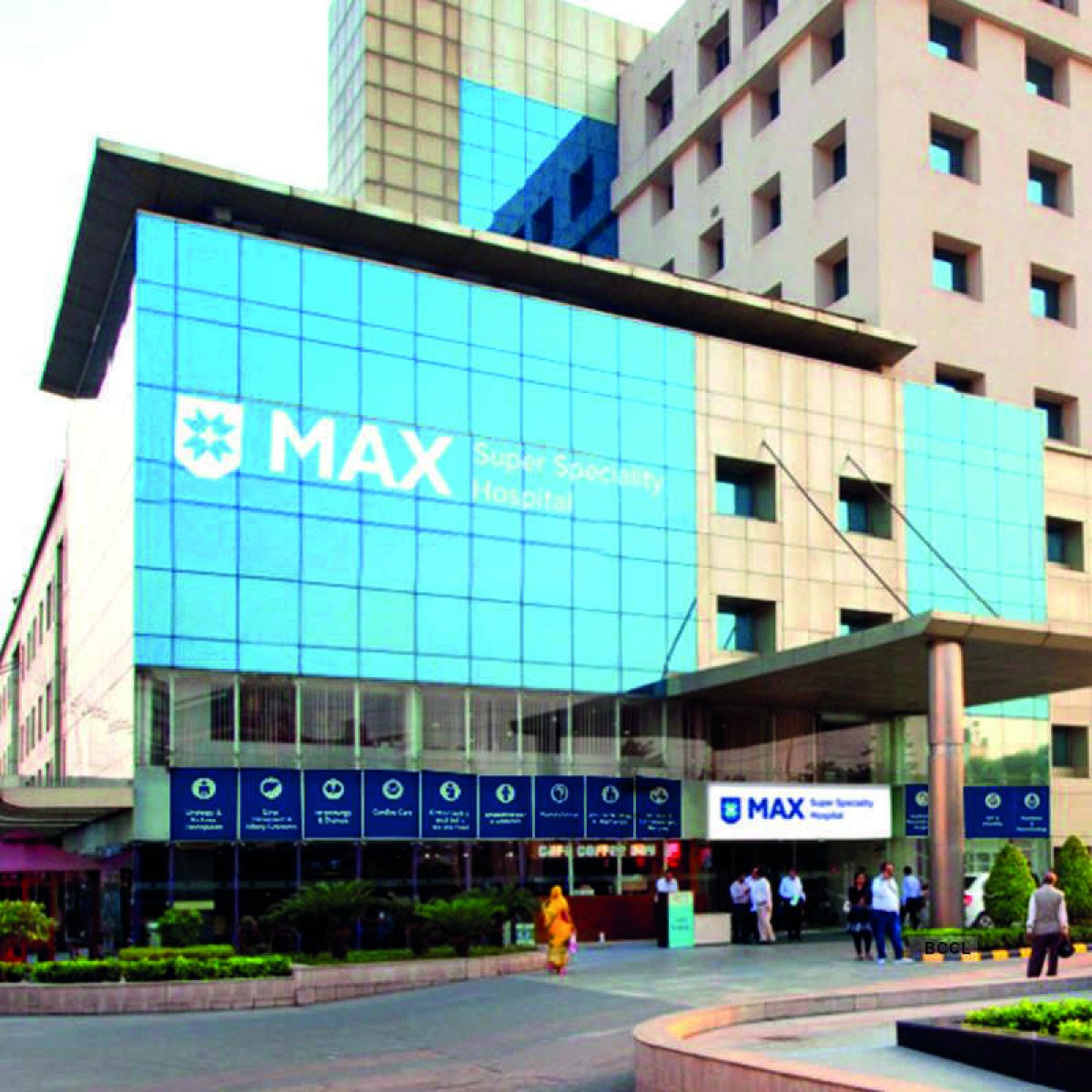
India provides high-quality nuclear medicine at NABH-accredited facilities like Max Vaishali. These centres offer advanced PET-CT imaging and targeted radionuclide therapies. Leading Indian hospitals manage high patient volumes. This means specialists are experienced in complex diagnostic scans and cancer treatments.

  • Clinical standards: Max Vaishali maintains high standards with NABH and NABL accreditations.
  • Infrastructure: Facilities like Max Vaishali feature 14 modular theatres and 128 critical care beds.
  • Advanced therapy: Premier centres provide PRRT, PSMA, and radio-iodine treatments for cancer.
  • Diagnostic volume: Quality departments typically conduct over 50 gamma camera cases monthly.

Bookimed Expert Insight: Data shows that top Indian centres like Max Vaishali integrate nuclear medicine within broader oncology and cardiac departments. This setup allows immediate transition from diagnostic imaging to specialised surgery or therapy. Choosing a facility with over 25 clinical specialties provides comprehensive support for complex cases.

Patient Consensus: Patients in India recommend choosing cancer-specialised hospitals for the most thorough nuclear medicine care. They note that premier institutions combine diagnostic imaging with active therapy programs in a single location.

احصل على استشارة مجانية

حدد أفضل طريقة للاتصال بك

