علاج الألم المزمن بعد جراحة الفتق في ألمانيا — احصل على 3 عيادات مطابقة مع التكاليف


تمت مراجعة المقالة طبيا من قبل
فهد مولود
ما هي تكلفة علاج الألم المزمن بعد جراحة الفتق في ألمانيا؟ اكتشف الآن
يتراوح متوسط تكلفة علاج الألم المزمن بعد جراحة الفتق في ألمانيا بين $4,200 و $7,500. تعتمد التكلفة النهائية على الفحوصات المطلوبة، والتقنية العلاجية المستخدمة، ومستوى المركز الطبي. يشمل العلاج استشارات تخصصية، وتصويراً طبياً متطوراً، وبروتوكولات علاج الألم الموجهة.
- استشارات تخصصية: تشكل التقييمات الأولية التي يجريها كبار الجراحين أو جراحي الأعصاب جزءاً من التكاليف الأساسية.
- تشخيصات متقدمة: قد يؤدي التصوير بالرنين المغناطيسي للبطن أو التصوير التخصصي إلى زيادة التكاليف عن الحد الأدنى.
- الإجراءات التدخلية: تزيد تقنيات مثل حقن فوق الجافية أو قسطرة راكز من التكاليف نظراً لتعقيدها.
- الاختلافات الإقليمية: تفرض المراكز الكبرى مثل برلين وميونخ وفرانكفورت زيادة في الأسعار تتراوح بين 10-20 %.
رأي خبراء Bookimed: يوفر اختيار مركز معتمد مثل عيادة نوردويست في فرانكفورت رعاية متعددة التخصصات ذات قيمة عالية. يقدم المركز الطبي في سولينغن خبرات عالمية تحت إشراف أخصائيين مثل بيتر شينكر. يتخصص بيتر شينكر في جراحات الفتق المتقدمة والأساليب الروبوتية. تشير البيانات إلى أن العيادات الجامعية الألمانية تحقق أعلى معدلات نجاح عالمياً. وهذا ما يؤكد تميزها عن الوجهات الأوروبية الأخرى في حالات آلام الأعصاب المعقدة.
المزايا الرئيسية
لماذا يجب التفكير في ألمانيا لعلاج الألم المزمن بعد جراحة الفتق؟
- عيادات معتمدة: تشتهر العيادات الألمانية بتميزها، حيث تحمل شهادات من منظمات مثل KTQ، مما يضمن معايير عالية من الرعاية.
- تقنيات مبتكرة: أثبتت تقنيات مثل علاج حجب الأعصاب واستخدام الأجهزة الحديثة مثل PainShield MD فعاليتها في إدارة الألم بعد الجراحة.
- نسب نجاح عالية: يمكن أن تصل فعالية العلاج إلى 85% في تخفيف أعراض الألم المزمن، مما يحسن بشكل كبير من جودة حياة المرضى.
- جراحون خبراء: تتميز ألمانيا بجراحين رائدين غالبًا ما يحملون شهادات في إدارة الألم والجراحة طفيفة التوغل. لقد نجحوا في علاج العديد من الحالات، مما يعكس الخبرة والتجربة.
احصل على حلول متقدمة لعلاج الألم المزمن بعد جراحة الفتق في عيادات موثوقة من $4,200.
| تركيا | إسبانيا | ألمانيا | |
|---|---|---|---|
| علاج الألم المزمن بعد جراحة الفتق | من $350 | ≈ $2,400 | ≈ $4,200 |
| العلاج مكركرنت | ≈ $450 | ≈ $450 | ≈ $450 |
مزاياك وضماناتك مع Bookimed
أسعار مباشرة
Bookimed لا يضيف رسوماً إضافية على أسعار علاج الألم المزمن بعد جراحة الفتق. الأسعار مأخوذة من قوائم الأسعار الرسمية للعيادات. تدفع مباشرة في العيادة مقابل علاج الألم المزمن بعد جراحة الفتق عند وصولك.
عيادات وأطباء معتمدون فقط
Bookimed ملتزم بسلامتك. نحن نعمل فقط مع المؤسسات الطبية التي تحافظ على معايير دولية عالية في علاج الألم المزمن بعد جراحة الفتق ولديها التراخيص اللازمة لخدمة المرضى الدوليين في جميع أنحاء العالم.
مساعدة مجانية على مدار الساعة
Bookimed يقدم مساعدة خبراء مجانية. منسق طبي شخصي يدعمك قبل وأثناء وبعد العلاج، ويحل أي مشاكل. لن تكون وحيداً أبداً في رحلة علاج الألم المزمن بعد جراحة الفتق.

منسقك الطبي الشخصي في Bookimed
- يدعمك في كل مرحلة
- المساعدة في اختيار العيادة الطبية المناسبة والطبيب المناسب
- يضمن الوصول السريع والمريح إلى المعلومات
اكتشف أفضل علاج الألم المزمن بعد جراحة الفتق العيادات في ألمانيا: 2 خيارات معتمدة والأسعار
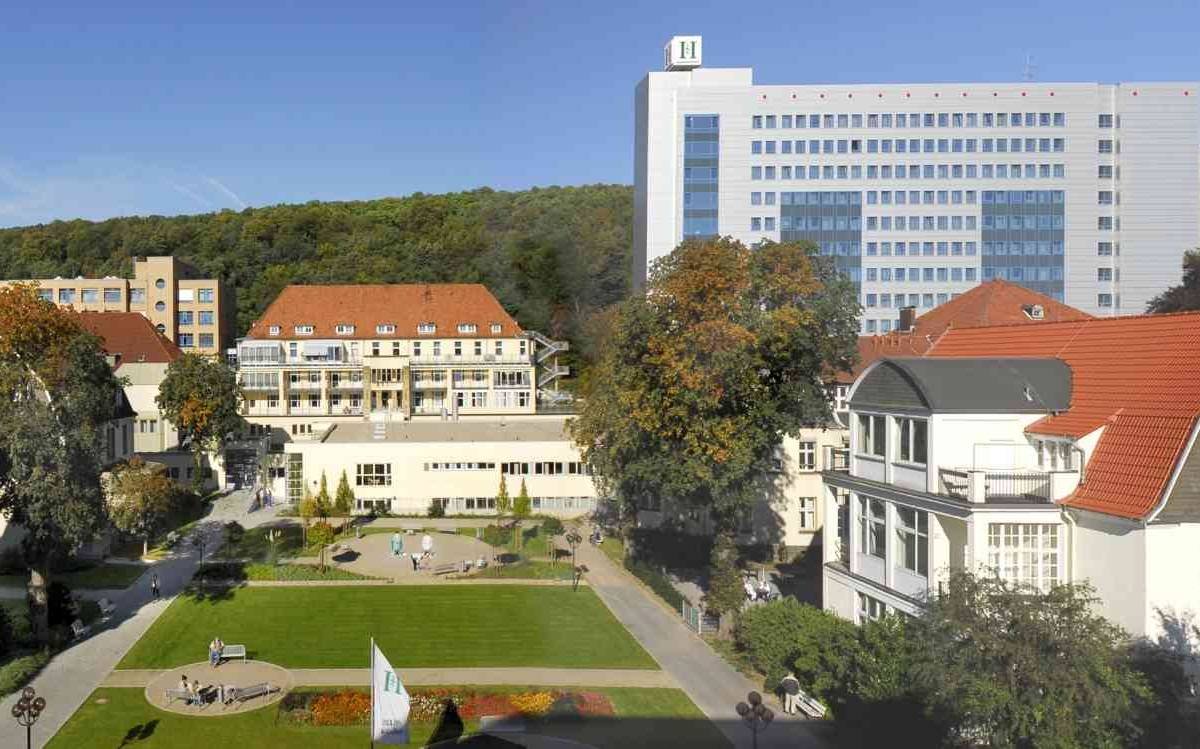


نظرة عامة على علاج الألم المزمن بعد جراحة الفتق في ألمانيا
- إيداع Bookimed: 200 دولار أو 200 يورو.
- وديعة العيادة: ادفع نسبة محددة مقدمًا.
احصل على تقييم طبي لـ علاج الألم المزمن بعد جراحة الفتق في ألمانيا: اختر أخصائيك من بين الأفضل في هذا المجال
عرض جميع الأطباء
Viola Fox
تتخصص الدكتورة فيولا فوكس في العلاج الشامل لأمراض الأورام، بما في ذلك العلاجات المبتكرة للألم المزمن بعد جراحات الفتق.
- 14 سنة من الخبرة في أمراض الدم والأورام والمناعة
- كبير الأطباء في مركز السرطان متعدد التخصصات المعتمد BKZ Solingen
- أخصائية مؤهلة في علم الوراثة مع التركيز على التشخيص الجزيئي
- نشطة في أبحاث البيولوجيا الجزيئية للعلاجات المبتكرة

Marcel Dihne
يتخصص البروفيسور ديني في اضطرابات الجهاز العصبي، ويتمتع بخبرة تزيد عن _doctor_6627_ عاماً في طب الأعصاب، بما في ذلك إدارة الألم المزمن.
- خبير في تجديد الجهاز العصبي – وهو أمر أساسي لتلف الأعصاب بعد الجراحة
- حائز على جائزة بحثية للدراسات السريرية للخلايا الجذعية
- مؤلف للعديد من المنشورات في المجلات الطبية الأوروبية الرائدة
- رئيس سابق لقسم الأعصاب في عيادة سانت لوكاس في سولينجن

Peter Schenker
متخصص في الجراحة طفيفة التوغل وجراحة الفتق – أدخل تقنيات حديثة في عيادة سولينجن.
- تخصص سريري إضافي في الجراحة طفيفة التوغل وجراحة الفتق
- كبير الجراحين في قسم الجراحة في سولينجن
- منسق مركز سرطان البنكرياس (Oncocert)
- باحث ومحاضر نشط في الأساليب الجراحية
قصص فيديو من مرضى Bookimed
المراجعات
جميع المراجعاتمشاركة المحتوى
 Anna Leonova
أسئلة متكررة حول علاج الألم المزمن بعد جراحة الفتق في ألمانيا
ما الذي يحدد الألم المزمن بعد جراحة الفتق؟
يُعرَّف الألم المزمن بعد جراحة الفتق، أو متلازمة الألم بعد رأب الفتق، سريريًا بأنه انزعاج يستمر من 3 إلى 6 أشهر بعد العملية. وينتج عن انحباس الأعصاب، أو تهيج الشبكة، أو تشكل الأنسجة الندبية، وغالبًا ما يظهر على شكل إحساس بالحرقان، أو الوخز، أو الألم الموضعي.
- الإطار الزمني: ألم يستمر من 3 إلى 6 أشهر بعد التئام موقع الجراحة.
- الألم العصبي: إحساس حاد أو حارق ينتشر على طول مسارات عصبية تشريحية محددة.
- الألم الجسدي (النووسيسيبتيف): ألم مكتوم وموضعي لا علاقة له بالأعصاب، وغالبًا ما يتم تحفيزه عن طريق الحركة البدنية.
- تأثير الميشوما (Meshoma): انزعاج ناتج عن تجعد الشبكة أو إزاحتها أو التهابها بالقرب من مكان الإصلاح.
رؤية خبير Bookimed: تحتل ألمانيا المرتبة الثانية كأكثر الوجهات طلبًا عالميًا لعمليات مراجعة الفتق المعقدة. وتُظهر بيانات مستشفيات مثل المستشفى الأكاديمي في سولينجن تركيزًا عاليًا للمتخصصين، مثل الدكتور بيتر شينكر، الحاصلين على شهادات إضافية في الجراحة الحشوية وجراحات التدخل المحدود. هذا العمق الجراحي أمر بالغ الأهمية لأن علاج الألم المزمن يتطلب غالبًا تخفيف الضغط بدقة عن الأعصاب أو إزالة الشبكة، وهو ما يتطلب خبرة أعلى من إجراء الإصلاح الأولي.
ما هي الأسباب الشائعة للألم المزمن بعد جراحة الفتق؟
ينتج الألم المزمن بعد جراحة الفتق بشكل أساسي عن انحصار الأعصاب، أو مضاعفات مرتبطة بالشبكة، أو تكوين نسيج ندبي مفرط. تسبب إصابة العصب الحرقفي الإربي أو العصب الحرقفي الخثلي أثناء تثبيت الشبكة إحساسًا بالحرقان أو الطعن، مما يؤثر على حوالي 10-12% من المرضى بعد عمليات إصلاح الفتق الإربي.
- انحصار العصب: يتم ضغط الأعصاب بواسطة دبابيس جراحية أو خيوط أثناء وضع الشبكة.
- تكون ورم الشبكة (Meshoma): قد تتجعد مواد الشبكة أو تتجمع، مما يخلق كتلًا مؤلمة تهيج الأنسجة.
- التندب الليفي: يخلق النسيج الندبي الكثيف إحساسًا مستمرًا بالشد يحد من حركة الجذع.
- التهيج الميكانيكي: يمكن لأدوات التثبيت مثل الدبابيس أن تسبب ألمًا حادًا وموضعيًا أثناء الحركة البدنية.
رؤية خبراء Bookimed: تُصنف ألمانيا كثاني أكثر وجهة مطلوبة عالميًا لمراجعات الفتق المعقدة. تُظهر البيانات أن عيادات مثل المركز الطبي في سولينغن توظف فرقًا متعددة التخصصات، بما في ذلك أطباء أعصاب وجراحين في أحشاء البطن مثل البروفيسور بيتر شينكر. يسمح هذا المزيج المحدد بتخطيط الأعصاب المتخصص وإزالة الشبكة بمساعدة الروبوت، مما يحل غالبًا الألم الذي قد لا تكتشفه تقنيات التصوير القياسية.
إجماع المرضى: غالبًا ما يصف المرضى الألم بأنه إحساس بالشد أو الصعق الكهربائي الذي يزداد سوءًا مع النشاط. أفاد الكثيرون أن الحصول على رأي ثانٍ من متخصص كشف في النهاية عن تلف عصبي أو إزاحة في الشبكة لم يتم تشخيصها من قبل.
ما هي نسبة نجاح جراحة علاج الألم المزمن بعد جراحة الفتق؟
تُظهر الجراحة التصحيحية لعلاج الألم المزمن بعد الفتق معدلات نجاح تتراوح بين 70% و100% اعتماداً على النهج الجراحي. تحقق الجراحة العصبية الثلاثية، التي تتضمن إزالة ثلاثة أعصاب إربية، نجاحاً بنسبة 90% تقريباً، بينما تسجل الجراحة العصبية الانتقائية عادةً نتائج أقل تقترب من 50%.
- الجراحة العصبية الثلاثية: توفر معدل نجاح بنسبة 90% من خلال إزالة الأعصاب الإربية الثلاثة الرئيسية.
- الجراحة العصبية الانتقائية: توفر معدلات نجاح أقل بحوالي 50% عند إزالة عصب واحد محدد فقط.
- تحفيز العقدة الجذرية الظهرية (DRG): تظهر نجاحاً بنسبة 90% تقريباً للحالات المقاومة للإزالة الجراحية التقليدية للأعصاب.
- التعقيد الجراحي: تقدم أفضل العيادات في ألمانيا خدمات متخصصة لإزالة الشبكة (mesh) وإجراء مراجعات للمشاكل الميكانيكية.
رؤية خبراء Bookimed: يعتمد النجاح في ألمانيا غالباً على اختيار جراحين ذوي مؤهلات محددة في كل من جراحة الأحشاء وجراحة الأعصاب. على سبيل المثال، الدكتور بيتر شنكر في المستشفى الأكاديمي في سولينجن حاصل على شهادة في جراحة الأحشاء والفتق. خبرته المزدوجة حاسمة لأن الألم غالباً ما ينبع من انحباس عصبي معقد داخل أنسجة ندبية قديمة أو شبكات جراحية.
إجماع المرضى: يجد العديد من المرضى أن الجراحة تستعيد الوظيفة اليومية حتى لو ظل هناك انزعاج طفيف. ويؤكدون أن تحديد سبب ميكانيكي واضح، مثل انحباس العصب، يؤدي إلى أكثر طرق تقليل الألم موثوقية.
متى يجب أن أراجع مختصاً في ألمانيا إذا كنت أعاني من آلام مزمنة بعد جراحة الفتق؟
يجب عليك مراجعة مختص في ألمانيا إذا استمر الألم لأكثر من 3 إلى 6 أشهر بعد الجراحة. تشير هذه المدة إلى الانتقال إلى مرحلة الألم المزمن بعد جراحة الفتق (CPHP). الاستشارة الفورية ضرورية في حالة التورم المفاجئ، أو الحمى، أو الألم الذي يعيق الحركة أو العمل أو النوم.
- تقييم متخصص: استشر مركز فتق متخصص (Hernienzentrum) لمشاكل الأعصاب المعقدة أو طويلة الأمد.
- جراحون خبراء: ابحث عن متخصصين مثل الدكتور بيتر شنكر الذين يركزون على إصلاح الفتق طفيف التوغل.
- إدارة الألم: الإحالة إلى معالج ألم (Schmerztherapeut) ضرورية لحقن الأعصاب أو العلاج متعدد التخصصات.
- أعراض تحذيرية: الألم الحارق أو الطاعن أو ألم الأعصاب يشير إلى احتمال تهيج العصب أو انحباس الشبكة.
رؤية خبير Bookimed: بينما ينتظر العديد من المرضى شهوراً، تتعامل المستشفيات الجامعية الألمانية مثل هيليوس فوبرتال (Helios Wuppertal) مع أكثر من 150,000 مريض سنوياً، مما يوفر وصولاً أسرع إلى فرق متعددة التخصصات. إذا قلل الجراح الأساسي من شأن الانزعاج المستمر واعتبره طبيعياً، فاطلب رأياً ثانياً في مركز معتمد. غالباً ما تسد هذه المؤسسات الفجوة بين الجراحة العامة وطب الأعصاب فيما يخص الألم المرتبط بالأعصاب.
إجماع المرضى: يبلغ العديد من المرضى أنه قيل لهم في البداية إن ألمهم طبيعي، ليجدوا الراحة لاحقاً من خلال تدخل متخصص. لا تعتمد فقط على التصوير، لأن الألم المزمن غالباً ما يكون موجوداً حتى عندما تظهر نتائج الاختبارات الروتينية سليمة.
ما هي المستشفيات في ألمانيا التي تحظى بأعلى التقييمات في جراحة الأعصاب؟
تضم ألمانيا بعضًا من أرقى أقسام جراحة الأعصاب في العالم، بقيادة مستشفى شاريتيه الجامعي في برلين ومستشفى جامعة هايدلبرغ. وتتميز هذه المراكز بخبرتها الواسعة في علاج أورام الدماغ المعقدة وأمراض الأوعية الدموية الدماغية. ولتحقيق أقصى قدر من الفعالية في عملياتها، تستخدم هذه المراكز أحدث التقنيات، مثل التصوير بالرنين المغناطيسي أثناء الجراحة والتوجيه العصبي بمساعدة الحاسوب.
- مستشفى شاريتيه برلين: يُجري أكثر من 5000 عملية جراحية سنوياً. ويرأس العيادة جراح الأعصاب الشهير الدكتور بيتر فايكوتشي.
- المركز الطبي في سولينجن: أجرى الدكتور رالف بوهل أكثر من 4000 عملية جراحية، بما في ذلك جراحات العمود الفقري طفيفة التوغل.
- عيادة أسكليبيوس نورد: مجهزة بنظام التصوير بالرنين المغناطيسي الثنائي الوحيد في ألمانيا أثناء الجراحة لضمان الدقة الجراحية في الوقت الحقيقي أثناء إزالة الورم.
- عيادة نوردويست: تم الاعتراف بها من قبل مجلة نيوزويك كمستشفى رائد في مجال الابتكار في تكنولوجيا الموجات فوق الصوتية ثلاثية الأبعاد.
رأي خبراء بوكيمد: تشير البيانات إلى أن اختيار المراكز ذات الحجم الجراحي الكبير غالبًا ما يؤدي إلى توصيات علاجية أكثر تحفظًا. ففي مركز سولينجن الطبي، الذي يعالج أكثر من 60,000 مريض
ما هي نسب نجاح العمليات الجراحية العصبية المعقدة في ألمانيا؟
في ألمانيا، تتميز العمليات الجراحية العصبية بالغة التعقيد بمستوى أمان استثنائي. تصل نسبة نجاح عمليات دمج الفقرات إلى 99%، بينما تبلغ نسبة النجاة بعد استئصال أورام الدماغ الأولية 97%. كما يتمتع المرضى بقدرة عالية على الاعتماد على أنفسهم في أداء وظائفهم اليومية، حيث يغادر أكثر من 82% منهم المستشفى مباشرةً بعد العلاج. وتولي المراكز الألمانية اهتماماً بالغاً بالحفاظ على الوظائف العصبية باستخدام أحدث تقنيات التخطيط العصبي.
- استئصال الورم: يحقق الجراحون استئصالًا كاملاً للورم في 87.2% من حالات النقائل الدماغية.
- النجاح في علاج أمراض الأوعية الدموية: أفادت المستشفيات الألمانية بنسبة نجاة بلغت 98.7% لحالات تمدد الأوعية الدموية غير الممزقة.
- تحسن الحالة العصبية: يشهد ما يقرب من 43% من المرضى تحسناً في المعايير الوظيفية بعد عمليات الاستئصال المعقدة.
- سلامة التدخلات الجراحية: في المراكز الجراحية الكبيرة، تتراوح معدلات بقاء المرضى على قيد الحياة بعد جراحة العمود الفقري بين 98-99%.
رأي خبراء بوكيمد: يُجري جراحون ذوو خبرة، مثل الدكتور أوفه كولر من عيادة أسكليبيوس ألتونا، أكثر من 2000 عملية جراحية سنويًا. تُشير البيانات إلى أن هؤلاء المتخصصين يحافظون على معدلات نجاح تصل إلى 90%، حتى
ما هي التقنيات المتقدمة المتوفرة عادةً في عيادات جراحة الأعصاب الألمانية؟
تُدخل عيادات جراحة الأعصاب الألمانية بانتظام أدوات رقمية عالية الدقة وتقنيات تصوير فوري في الممارسة الجراحية. تشمل التقنيات الرئيسية الملاحة العصبية الحاسوبية لجراحات الدماغ والحبل الشوكي. تستخدم مؤسسات مثل عيادة أسكليبيوس نورد التصوير بالرنين المغناطيسي أثناء الجراحة للتحقق من استئصال الورم في الوقت الفعلي. توفر هذه الأنظمة للجراحين نظام ملاحة ثلاثي الأبعاد.
- الملاحة العصبية: توفر تصورًا ثلاثي الأبعاد وتتبعًا فوريًا للأدوات لتحقيق دقة جراحية تصل إلى مستوى أقل من المليمتر.
- التصوير أثناء العملية: تسمح أنظمة مثل التصوير بالرنين المغناطيسي أثناء العملية (iMRI) والتصوير المقطعي المحوسب ذي الذراع O (O-arm CT) بالتأكيد الفوري على نجاح عملية الاستئصال.
- المراقبة العصبية: تراقب الوظائف الحركية والحسية أثناء الجراحة لحماية الجهاز العصبي.
- التشخيص الفلوري: يتم استخدام صبغة 5-ALA لتسليط الضوء على حدود الورم من أجل إزالته بشكل أكثر اكتمالاً.
- المساعدة الروبوتية: تعمل أنظمة مثل نظام دافنشي على تحسين الدقة في الإجراءات المعقدة ذات التدخل الجراحي البسيط.
رأي خبراء بوكيمد: تُجري مراكز طبية كبيرة، مثل مستشفى شاريتيه الج
ما هي التدريبات المتخصصة التي يتلقاها جراحو الأعصاب الممارسون في ألمانيا؟
في ألمانيا، يتعين على جراحي الأعصاب إكمال برنامج إقامة تخصصي لمدة ست سنوات بعد التخرج من كلية الطب. يشمل هذا البرنامج المنظم العناية المركزة، والتدريب السريري، وكتابة مقالات في مجلة جراحية إلزامية. بعد ذلك، يجتاز المرشحون امتحانًا حكوميًا للحصول على لقب طبيب مقيم (Facharzt für Neurochirurgie).
- الإقامة السريرية: تتطلب من 48 إلى 72 شهرًا من الممارسة المتخصصة في جراحة الأعصاب.
- العناية المركزة: تتضمن فترة تدريب إلزامية لمدة 6 أشهر في وحدة العناية المركزة لجراحة الأعصاب.
- المجلة الجراحية: يوثق الجراحون مئات العمليات الجراحية، بما في ذلك عمليات فتح الجمجمة وجراحات العمود الفقري.
- امتحان الترخيص: يجب على المتقدمين اجتياز امتحان طبي شفوي وعملي تديره الدولة.
رأي خبراء بوكيميد: يركز التدريب الألماني في جراحة الأعصاب على الخبرة الجراحية الواسعة. فعلى سبيل المثال، أجرى الدكتور رالف بول من المركز الطبي في سولينجن أكثر من 4000 عملية جراحية. ويتمتع الدكتور يورغن كيويت من مستشفى ميوكلينيك بخبرة تزيد عن 25 عامًا. يضمن هذا النظام الدقيق أن يتعامل المتخصصون في المراكز الكبرى مع الحالات المعقدة بدقة مثبتة.
آراء المرضى: يشع
ما هي متطلبات اللغة والترخيص المطلوبة للجراحين الأجانب الراغبين في التدرب أو مراقبة العمليات الجراحية العصبية في ألمانيا؟
يجب على جراحي الأعصاب الأجانب استيفاء متطلبات لغوية وترخيصية صارمة للالتحاق بالتدريب أو فترة التدريب العملي في ألمانيا. يتطلب التدريب رخصة طبية سارية أو تصريحًا مؤقتًا. أما المتدربون، فيجب عليهم الحصول على إذن من مستشفى محدد. ويتطلب كلا الخيارين إتقانًا عاليًا للغة الألمانية للمشاركة في المناقشات السريرية وإجراء العمليات الجراحية المعقدة بأمان.
- المهارات اللغوية: مطلوب مستوى عام في اللغة الألمانية B2 ومستوى في اللغة الطبية C1 (Fachsprachprüfung) للتدريب السريري.
- الترخيص السريري: يحتاج الجراحون إلى تصريح لممارسة دائمة (Approbation) أو تصريح مهني (Berufserlaubnis) للتدريب الداخلي المؤقت الخاضع للإشراف.
- حالة المراقبة: يسمح دخول المستشفى بمراقبة العمليات الجراحية دون تحمل المسؤولية الطبية أو الحصول على ترخيص رسمي.
- تقييم المؤهلات: غالباً ما يتعين على خريجي الطب من خارج الاتحاد الأوروبي الخضوع لعملية التحقق من صحة الشهادة في غضون 3-6 أشهر.
رأي خبراء بوكيمد: غالبًا ما تُعطي العيادات الألمانية ذات الأعداد الكبيرة من المرضى، مثل عيادة نوردويست أو أسكليبيوس نورد، الأولوية للمرشحين الذين خضعوا بالفعل لتقييم أولي للوثائق. تُظهر بياناتنا أن أساتذة مثل الدكتور أوفه كولر والدكتور
هل يوجد عدد كافٍ من جراحي الأعصاب في ألمانيا لعلاج المرضى المحليين والدوليين على حد سواء؟
تضم ألمانيا أعلى نسبة من جراحي الأعصاب في أوروبا، حيث يبلغ عددهم 2.94 متخصصًا لكل 100,000 نسمة. وبفضل 184 قسمًا متخصصًا، تستطيع هذه الكفاءات المتميزة التعامل بسهولة مع تدفق المرضى الدوليين. وتُجري مراكز طبية رئيسية، مثل مستشفى شاريتيه برلين، أكثر من 4,000 عملية جراحية سنويًا. ويُوفر هذا العدد الكبير من المتخصصين قدرة إضافية على التعامل مع الحالات الدولية المعقدة.
- الكثافة التخصصية: يوجد في ألمانيا 2.94 جراح أعصاب لكل 100000 شخص، وهو ضعف المتوسط الأوروبي.
- البنية التحتية السريرية: أكثر من 182 قسمًا متخصصًا في جراحة الأعصاب تضمن سهولة الوصول الجغرافي على نطاق واسع في جميع أنحاء ألمانيا.
- الخبرة الجراحية: يقوم البروفيسور الدكتور بيتر فايكوتشي من مستشفى شاريتيه برلين بإجراء أكثر من 4000 عملية جراحية سنوياً.
- التكنولوجيا المتطورة: تستخدم عيادات مثل عيادة أسكليبيوس نورد التصوير بالرنين المغناطيسي أثناء الجراحة والتوجيه العصبي الحاسوبي.
رأي خبراء بوكيمد: على الرغم من وجود العديد من المتخصصين ذوي الكفاءة العالية في ألمانيا، إلا أن أساتذةً مثل الدكتور رالف بول أو الدكتور أوفه كولر يتركزون غالبًا في مراكز طبية كبيرة مثل هامبورغ أو سولينغن. تُظهر بياناتنا أن هذه المراكز الكبيرة