الجراحة المجسمة في ألمانيا — احصل على 3 عيادات مطابقة مع التكاليف


تمت مراجعة المقالة طبيا من قبل
فهد مولود
ما هي تكلفة الجراحة المجسمة في ألمانيا؟ اكتشف الآن
تتراوح تكلفة الجراحات التجسيمية في ألمانيا عادةً بين $14,500 و $25,500. يعتمد السعر النهائي على التقنية الجراحية، تخصص العيادة، والفحوصات المطلوبة. تشمل الرسوم غالباً التصوير قبل العملية، أتعاب الجراح، وتكاليف الإقامة في المستشفى.
- الجراحة الإشعاعية التجسيمية: تكون التكاليف أعلى بكثير عند استخدام تقنيات Gamma Knife أو CyberKnife.
- الخزعة التجسيمية: تبدأ أسعار الإجراءات التشخيصية عادةً بانخفاض يتراوح بين 40 و 50 % عن التدخلات الجراحية الكاملة.
- جراحة الأعصاب الوظيفية: تتطلب الإجراءات المعقدة مثل التحفيز العميق للدماغ (DBS) معدات متخصصة ومكثفة.
- المراكز الإقليمية: تخدم المراكز الرئيسية في برلين، سولينغن، وبريمن أعداداً كبيرة من المرضى الدوليين.
رأي خبراء Bookimed: يمنح اختيار مستشفى جامعي وصولاً إلى أحدث الأبحاث بأسعار موحدة. تعالج المراكز الرائدة مثل سولينغن و بريمن-ميته ما يصل إلى 60,000 مريض سنوياً. غالباً ما تحصل هذه المؤسسات على شهادات الجمعية الألمانية للسرطان. تعمل العديد من العيادات ضمن شبكات أكبر مثل Gesundheit Nord لتقديم رعاية متكاملة. تترجم هذه الخبرة الواسعة غالباً إلى نتائج أكثر دقة وبروتوكولات تشخيصية فعالة.
المزايا الرئيسية
لماذا تختار ألمانيا لإجراء جراحات الستيريوتاكسيس؟
- عيادات معتمدة: تحصل العيادات في ألمانيا على شهادات من KTQ ومنظمات مرموقة أخرى. يضمن ذلك معايير عالية من الرعاية ويعطي الأولوية لسلامة المرضى.
- أحدث التقنيات: تستخدم ألمانيا أدوات مبتكرة مثل Leksell Gamma Knife® Icon™ ونظام ROSA® الروبوتي. تعزز هذه الأدوات الدقة وتحسن النتائج في جراحات الستيريوتاكسيس.
- نسب نجاح عالية: تتمتع جراحات الستيريوتاكسيس في ألمانيا بمعدل فعالية يتراوح بين 85-95% لمختلف الحالات العصبية. تشمل هذه الحالات مرض باركنسون والصرع، كما أبرزتها الدراسات الحديثة.
- جراحون خبراء: تعد ألمانيا موطنًا لأبرز جراحي الأعصاب المعتمدين من قبل الجمعية الأوروبية لجمعيات جراحة الأعصاب (EANS). وقد أجروا أكثر من 2000 عملية ستيريوتاكسيس، مما يظهر خبرتهم الواسعة وكفاءتهم.
احصل على حلول متقدمة لجراحات الستيريوتاكسيس في عيادات موثوقة من $14,500.
| تركيا | إسبانيا | ألمانيا | |
|---|---|---|---|
| الجراحة المجسمة | من $6,000 | من $13,700 | ≈ $14,500 |
مزاياك وضماناتك مع Bookimed
أسعار مباشرة
Bookimed لا يضيف رسوماً إضافية على أسعار الجراحة المجسمة. الأسعار مأخوذة من قوائم الأسعار الرسمية للعيادات. تدفع مباشرة في العيادة مقابل الجراحة المجسمة عند وصولك.
عيادات وأطباء معتمدون فقط
Bookimed ملتزم بسلامتك. نحن نعمل فقط مع المؤسسات الطبية التي تحافظ على معايير دولية عالية في الجراحة المجسمة ولديها التراخيص اللازمة لخدمة المرضى الدوليين في جميع أنحاء العالم.
مساعدة مجانية على مدار الساعة
Bookimed يقدم مساعدة خبراء مجانية. منسق طبي شخصي يدعمك قبل وأثناء وبعد العلاج، ويحل أي مشاكل. لن تكون وحيداً أبداً في رحلة الجراحة المجسمة.

منسقك الطبي الشخصي في Bookimed
- يدعمك في كل مرحلة
- المساعدة في اختيار العيادة الطبية المناسبة والطبيب المناسب
- يضمن الوصول السريع والمريح إلى المعلومات
اكتشف أفضل الجراحة المجسمة العيادات في ألمانيا: 4 خيارات معتمدة والأسعار
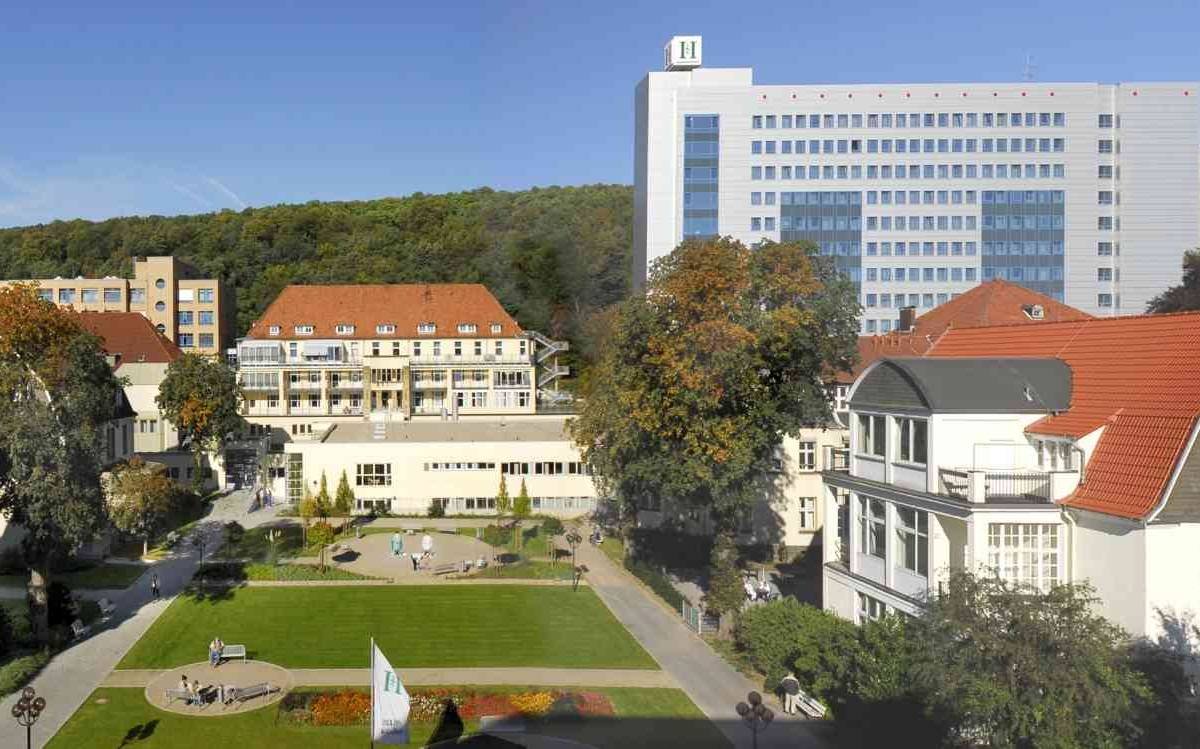





نظرة عامة على الجراحة المجسمة في ألمانيا
- إزالة ورم في المخ - من $20,000
تستخلص الجراحة الزيادات الضارة في الدماغ ، وتعزز صحة المريض وتقلل الأعراض مثل الصداع أو النوبات.
- استئصال ورم عبر الأنف - من $20,000
هذه العملية تزيل الأورام عن طريق الأنف وتقلل من وقت الشفاء وتقلل من الندبات الجراحية.
- الجراحة المجسمة - من $14,500
يستخدم الإجراء إحداثيات دقيقة للعمل في مناطق الدماغ الصغيرة ، مما يعزز الدقة ويقلل من المضاعفات.
- استئصال الورم السحائي - من $33,800
تهدف العملية إلى استئصال ورم حميد بالمخ جراحيًا ، وتعزيز الوظيفة العصبية وتقليل الأعراض.
- استئصال ورم دبقي - من $30,000
تزيل العملية أورام المخ ، وتعزز بقاء المريض وتقلل الأعراض بدقة وبأقل قدر من الضرر.
- استئصال ورم أرومي دبقي - من $24,000
يزيل هذا الإجراء أورام المخ ، ويحسن الأعراض والبقاء على قيد الحياة. إنها تنطوي على جراحة ، وتتطلب خبرة ، ويمكن أن تكون معقدة.
- استئصال ورم في قاعدة الجمجمة - من $45,000
يزيل الإجراء النتوءات بالقرب من قاع الجمجمة ، باستخدام التقنيات الجراحية ، مما يحسن صحة المريض وعمره.
اليوم 1
- وصوله الى البلاد.
- نقل من المطار إلى الفندق.
اليوم الثاني
- استشارة جراح أعصاب.
- يخضع للتصوير بالرنين المغناطيسي.
يوم 3
- تحضير ما قبل العملية.
- استشارة طبيب التخدير.
اليوم الرابع
- جراحة التوضيع التجسيمي ، وتستمر من 2-6 ساعات.
- مراقبة ما بعد العملية في العيادة.
يوم 5
- التعافي بعد الجراحة في العيادة.
- نقل إلى الفندق لمزيد من التعافي.
الأسبوع 1-2
- التعافي في الفندق مع الفحوصات المنتظمة.
- العودة التدريجية إلى الأنشطة اليومية الخفيفة.
الأسبوع 3-4
- التعافي المستمر مع زيادة النشاط.
- العودة إلى العمل إذا وافق عليها الطبيب.
الأسبوع 5-6
- العودة التدريجية لممارسة الرياضة والأنشطة الشاقة الأخرى.
- تصبح النتائج النهائية واضحة.
يرجى ملاحظة أن هذا دليل عام وقد تختلف التجارب الفردية.
- إيداع Bookimed: 200 دولار أو 200 يورو.
- وديعة العيادة: ادفع نسبة محددة مقدمًا.
بصفتنا المنصة العالمية الرائدة في مجال السياحة العلاجية ، فإننا نتحمل مسؤولية كبيرة أمام عملائنا - سواء المرضى أو المراكز الطبية في ألمانيا. تستند جميع المعلومات المقدمة على Bookimed.com إلى البحث والاستبصار والخبرة وتفي بالاهتمام الكبير المتعلق بالمنتج وما يلي:
نظام التصنيف التلقائي الذكي لعمليات جراحات التوضيع التجسيمي في ألمانيا
نحن نشكل قوائمنا للعيادات والأطباء مع لوائح صارمة لنظام التصنيف التلقائي الذكي الخاص بنا لجراحات التوضيع التجسيمي في ألمانيا. يعتمد النظام على أسعار Bookimed الحقيقية للمرضى لتوفير المعلومات الأكثر موضوعية وشفافية حول العيادات والخدمات الطبية هناك.
يجمع عالم البيانات ذو الخبرة لدينا البيانات يوميًا ، ويراقب ويحسن نظام التصنيف باستخدام التعلم الآلي والذكاء الاصطناعي لضمان تحديث نظام التصنيف وتقديم نتائج دقيقة.
تجربة الناس الحقيقية فقط في جراحات التوضيع التجسيمي في ألمانيا
نحن نجمع آراء عملاء Bookimed فقط بعد الحصول على خبرة طبية مع العيادة - لذلك يمكن للجميع على المنصة الوثوق بالمنشأة التي يختارونها لإجراء العمليات الجراحية بالتصوير التجسيمي في ألمانيا. نحن نسعى جاهدين لجعل المحتوى على منصتنا مفيدًا قدر الإمكان ونضمن حرية التعبير عن الآراء النقدية. وبالتالي ، ننشر مراجعات إيجابية وسلبية ، بهدف أن نكون مصدرًا لاتخاذ قرارات مستنيرة لعملائنا في المستقبل.
مواضيع ذات مستويات عالية من الخبرة والسلطة والجدارة بالثقة في جراحات التوضيع التجسيمي في ألمانيا
قد تجد على Bookimed.com الاختيار والراحة للعثور على أفضل الحلول الطبية من كبار مزودي الخدمات الطبية في ألمانيا في مكان واحد فقط ، وغالبًا بأسعار تنافسية. للتأكد من تقديم أحدث المعلومات ، يقوم ممثلو العيادة بتحديث السير الذاتية للأطباء ، وقدرات العيادات ، والصور قبل وبعد ، والأسعار ، والحزم ، والعروض الخاصة بأنفسهم قريبًا. يمكنك مقابلة ممثل العيادة والتحقق من تاريخ المحتوى المحدث في صفحة كل عيادة للتأكد من مصداقيتها.
تم إنشاء مدونتنا والقطع الداعمة من قبل مؤلفين محترفين يتمتعون بخبرة لا تقل عن 3 سنوات في الكتابة الطبية ويتم تحريرها بواسطة متخصصين طبيين يتمتعون بخبرة إكلينيكية وبحثية ذات صلة - تم تعيينهم جميعًا بعناية في فريق جراحات التوضيع التجسيمي في ألمانيا. نحن نسعى جاهدين لتعزيز وصول المريض إلى المعلومات الصحية ، مما يجعلها خبيرة ولكن يسهل فهمها. تتبع جميع القطع إرشادات التحرير الخاصة بـ Bookimed.
القيم المحجوزة لجراحات التوضيع التجسيمي في ألمانيا
نحن مصنوعون من الناس ومن أجلهم - وهذه هي قيمتنا الأساسية. هذا هو السبب في أن جميع البيانات المقدمة على المنصة يتم جمعها وتحريرها ومراجعتها وتحديثها بانتظام من قبل مرضانا وعياداتنا الشريكة وفريقنا ، بما في ذلك المجلس الاستشاري الطبي Bookimed ، الذي يتكون من أطباء مشهورين عالميًا يتمتعون بخبرة قيمة في أكثر من 20 عاما من الممارسة وسمعة طيبة. تعلم المزيد عنا وعن مهمتنا .
في حال وجدت أي خطأ أو لديك أي أسئلة حول المعلومات المقدمة على Bookimed.com ، فلا تتردد في الاتصال بنا على marketing@bookimed.com .
احصل على تقييم طبي لـ الجراحة المجسمة في ألمانيا: اختر أخصائيك من بين الأفضل في هذا المجال
عرض جميع الأطباء
Sam Zaboli
D. J. W. Skutta
Götz Lütjens
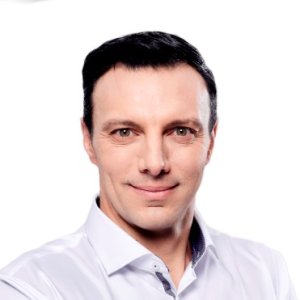
Elias Lemonas
قصص فيديو من مرضى Bookimed
المراجعات
جميع المراجعاتمشاركة المحتوى
 Anna Leonova
أسئلة متكررة حول الجراحة المجسمة في ألمانيا
ما هي المخاطر الرئيسية للجراحة التجسيمية (stereotaxic) في ألمانيا؟
تحمل الجراحة التجسيمية في ألمانيا خطراً منخفضاً يتراوح بين 2% إلى 3% لحدوث نزيف في الدماغ أو التهاب، بينما تحدث مضاعفات كبيرة في أقل من 1% من الحالات. تحافظ المراكز المتخصصة على دقة عالية من خلال المراقبة المزدوجة من قبل جراحي الأعصاب وأطباء الأعصاب وفقاً لإرشادات اللجنة الاتحادية المشتركة.
- النزيف داخل الجمجمة: تحدث تمزقات وعائية صغيرة في أقل من 5% من إجراءات المسبار الغازية.
- خطر العدوى: يؤثر التهاب موقع البزل أو الأنسجة على ما يقرب من 1% إلى 3% من المرضى.
- العجز العصبي: يمكن أن تسبب الحركة الجراحية ضعفاً مؤقتاً في الكلام أو الرؤية أو المهارات الحركية.
- آثار الإشعاع: قد تسبب الطرق غير الغازية مثل CyberKnife تورماً مؤقتاً في الدماغ أو نخراً متأخراً.
رؤية خبراء Bookimed: تظهر العيادات الألمانية مثل Bremen-Mitte و Medical Center Solingen غالباً في تصنيفات مجلة Focus خصيصاً لعلاج أورام الدماغ. تظهر البيانات أن هذه المراكز ذات الحجم الكبير تدمج بروتوكولات معتمدة من ISO والتي ترتبط بمعدلات مضاعفات أقل. اختيار مراكز تضم أكثر من 500 جراح، مثل مستشفى هيليوس الجامعي في فوبرتال، يضمن الوصول إلى خبرة واسعة في الروبوتات والجراحة التجسيمية.
إجماع المرضى: يشعر العديد من المرضى بالقلق أكثر بشأن أخطاء الاستهداف المحتملة أو هجرة الأجهزة. يبلغ معظمهم أن الصداع المؤقت والدوخة أمر شائع خلال مرحلة التعافي الأولية.
ما هي الحالات التي يتم علاجها بالتقنيات التجسيمية (Stereotactic) في ألمانيا؟
تعالج العيادات الألمانية مجموعة واسعة من الحالات العصبية والأورام باستخدام التقنيات التجسيمية مثل جاما نايف (Gamma Knife)، سايبر نايف (CyberKnife)، والتحفيز العميق للدماغ. تستهدف هذه الأساليب عالية الدقة أورام داخل الجمجمة، واضطرابات الحركة، والآفات خارج الجمجمة بدقة دون مليمترية للحفاظ على الأنسجة السليمة وتقليل وقت التعافي.
- أورام داخل الجمجمة: تعالج بأمان نقائل الدماغ، الأورام السحائية، أورام العصب السمعي، وأورام الغدة النخامية.
- اضطرابات الحركة: تعالج مرض باركنسون، الرعاش الأساسي، وخلل التوتر العضلي عبر التحفيز العميق للدماغ.
- العلاج الإشعاعي للجسم: تستخدم تقنية SBRT لعلاج سرطانات الرئة والبروستاتا والكبد والعظام في مراحلها المبكرة.
- التشوهات الوعائية: تعالج بشكل غير جراحي التشوهات الشريانية الوريدية (AVMs) والورم الكهفي في المناطق الحساسة.
رؤية خبير Bookimed: تحتل ألمانيا المرتبة الثالثة عالمياً في هذه الإجراءات المعقدة نظراً لارتفاع حجم العمل المؤسسي. تتعامل مراكز مثل مستشفى هيليوس الجامعي في فوبرتال وعيادة بريمن-ميتي مع ما بين 40,000 إلى 150,000 مريض سنوياً. غالباً ما تؤدي هذه الخبرة الواسعة إلى معايير أهلية أكثر دقة لجراحة الأعصاب الوظيفية مقارنة بالمرافق الدولية الأصغر.
إجماع المرضى: يؤكد المرضى أن مرض باركنسون والرعاش الأساسي هما أكثر الأسباب شيوعاً للبحث عن هذه التقنيات. يسلط معظمهم الضوء على أهمية توضيح ما إذا كان الإجراء يهدف إلى تقليل الأعراض أو الوصول إلى تشخيص نهائي.
كيف تضمن ألمانيا دقة وأماناً فائقين أثناء التدخلات التجسيمية (stereotaxic)؟
تضمن ألمانيا دقة دون المليمتر في التدخلات التجسيمية من خلال فرض المعايير الصناعية DIN 6875-1 وإرشادات السلامة الخاصة بـ DEGRO. تستخدم العيادات أنظمة استهداف صلبة قائمة على الإطار، والتنظير الفلوري ثلاثي الأبعاد (C-arm)، وإجماعاً متعدد التخصصات إلزامياً للحفاظ على انحرافات الهدف تحت 0.6 مم، مما يقلل بشكل كبير من المخاطر أثناء الإجراءات العصبية أو الأورام المعقدة.
- المعايرة الصناعية: تفرض قوانين DIN 6875-1 اختبارات شاملة للنظام لجميع الأجهزة والبرامج.
- العتبات الهندسية: تتطلب بروتوكولات DEGRO دقة جرعة مكانية ضمن 1.0 مم للجراحة الإشعاعية.
- صرامة التصوير: تستخدم أجهزة محاكاة الرنين المغناطيسي نطاقات تردد بكسل عالية للقضاء على تشوهات المجال المغناطيسي.
- التحقق أثناء الجراحة: يقوم الجراحون بدمج عمليات المسح ثلاثي الأبعاد المباشرة مع الخطط قبل الجراحة للحصول على دقة في الوقت الفعلي.
رؤية خبير Bookimed: تنبع السلامة الألمانية من ثقافة المحافظة الشديدة في اختيار المرضى والتخطيط. تظهر البيانات أن عيادات مثل المركز الطبي في سولينغن أو عيادة بريمن-ميته تعطي الأولوية لحلقات التحقق المتكررة على السرعة. يفسر هذا النهج الدقيق سبب بقاء معدلات المضاعفات الرئيسية تحت 2.4% لهذه التدخلات الروبوتية عالية الدقة.
إجماع المرضى: غالباً ما يصف المرضى العملية بأنها متكررة وحذرة بدلاً من كونها عالية السرعة. ويذكرون أن التخطيط المكثف قبل الجراحة وفحوصات التصوير المتعددة تجعل الإجراء الفعلي يبدو روتينياً وآمناً.
ما الفرق بين الجراحة التجسيمية (ستيريوتاكتيك) ذات الإطار وبدون إطار؟
تستخدم الجراحة التجسيمية ذات الإطار إطارًا صلبًا للرأس يتم تثبيته بمسامير في الجمجمة للحصول على دقة دون المليمتر. تستخدم الجراحة بدون إطار الملاحة العصبية الرقمية وعلامات السطح لراحة أكبر للمريض. تضمن كلتا الطريقتين دقة تشخيصية عالية لخزعات الدماغ أو علاجات الأورام في مراكز جراحة الأعصاب الألمانية.
- طريقة الاستقرار: تستخدم الجراحة ذات الإطار حلقة معدنية ثابتة للتثبيت الجسدي المطلق.
- نظام الملاحة: تستخدم الجراحة بدون إطار كاميرات الأشعة تحت الحمراء وبرامج ثلاثية الأبعاد لتتبع الأدوات الجراحية.
- الجدول الزمني للتصوير: تحدث عمليات المسح بدون إطار قبل أيام، بينما تتطلب عمليات المسح ذات الإطار تثبيت الإطار في نفس اليوم.
- دقة الاستهداف: تظل الأنظمة ذات الإطار هي المعيار الذهبي للآفات التي يقل حجمها عن 10 مليمترات.
رؤية خبراء Bookimed: غالبًا ما تحتفظ العيادات الألمانية مثل المركز الطبي في سولينغن أو عيادة بريمن-ميتي بكلا النظامين ليتناسبا مع علم الأمراض المحدد. في حين أن الخيارات بدون إطار تحظى بشعبية للراحة، يعطي الجراحون الأولوية للأنظمة ذات الإطار للخزعات العميقة حيث يجب أن يكون انحراف الأداة صفرًا. يضمن اختيار منشأة تمتلك كلتا التقنيتين أن النهج يتناسب مع عمق الورم بدلاً من توافر المعدات.
إجماع المرضى: غالبًا ما يُشار إلى إطار الرأس الصلب على أنه الجزء الأكثر إزعاجًا في العملية بسبب الضغط والقلق. يفضل المرضى الخيارات بدون إطار عندما يكون ذلك ممكنًا ولكنهم يجدون أي طريقة يمكن إدارتها بمجرد بدء التخدير الجراحي.
ما هي الجراحة الإشعاعية التجسيمية (SRS) وهل هي متاحة في جميع أنحاء ألمانيا؟
الجراحة الإشعاعية التجسيمية (SRS) هي علاج إشعاعي غير جراحي يوجه حزمًا عالية الجرعة إلى أهداف دقيقة في الدماغ أو الرقبة دون الحاجة إلى شقوق جراحية. هذه التكنولوجيا المتقدمة متاحة على نطاق واسع في ألمانيا من خلال شبكة من المستشفيات الجامعية، ومراكز CyberKnife المتخصصة، والمرافق الأورام المعتمدة.
- دقة الاستهداف: تستخدم التصوير ثلاثي الأبعاد بدقة دون مليمترية لتدمير الأورام مع الحفاظ على الأنسجة السليمة.
- مدة العلاج: عادة ما تكون الإجراءات خارجية، وتتطلب جلسة واحدة فقط أو ما يصل إلى 5 كسور إشعاعية.
- نطاق الشبكة: يمكن الوصول إليها في المراكز الرئيسية مثل ميونيخ وبرلين وكذلك في المراكز الصحية الإقليمية.
- معايير الجودة: تتبع العيادات بروتوكولات صارمة للجمعية الألمانية لعلم الأورام الإشعاعي (DEGRO) لضمان سلامة المرضى.
رؤية خبراء Bookimed: بينما يعتقد الكثيرون أن SRS تقتصر على المدن الكبرى، فإن البنية التحتية في ألمانيا فريدة من نوعها. تمتلك المراكز ذات التصنيف العالي مثل عيادة بريمن-ميتي أو المركز الطبي في سولينجن شهادات ISO وشهادات الجمعية الألمانية للسرطان. وهذا يسمح للمرضى بالوصول إلى جراحة إشعاعية عالمية المستوى خارج العيادات الجامعية الحضرية الأكثر تكلفة دون التضحية بجودة العلاج.
إجماع المرضى: يقدر المرضى SRS كبديل سريع للجراحة المفتوحة التي تتجنب التخدير والإقامات الطويلة في المستشفى. ينصح معظمهم بالتأكد مما إذا كان مجلس الأورام متعدد التخصصات قد راجع حالتك لضمان أن SRS هي الخيار الأمثل.
ما هي المستشفيات الألمانية المعترف بها عالمياً في جراحة الأعصاب التجسيمية؟
تستضيف ألمانيا مراكز مشهورة عالمياً لجراحة الأعصاب التجسيمية، بما في ذلك مستشفى شاريتيه برلين، ومستشفى جامعة هايدلبرغ، وعيادة بريمن-ميته. تستخدم هذه المؤسسات تقنيات متخصصة مثل جاما نايف (Gamma Knife) وسايبر نايف (CyberKnife). تتصدر معظم هذه المؤسسات قائمة أفضل مستشفيات العالم وفقاً لمجلة نيوزويك، مع التركيز على الأورام متعددة التخصصات والتدخلات الدماغية الوظيفية المعقدة.
- أعلى الشهادات: تحمل عيادة بريمن-ميته معايير الأيزو (ISO) وتصنيفات من الدرجة الأولى من مجلة فوكوس.
- التميز الأكاديمي: تُعد شاريتيه برلين واحدة من أكبر المراكز في أوروبا لرعاية جراحة الأعصاب متعددة التخصصات.
- التخصص التقني: يقدم مستشفى جامعة هايدلبرغ تعاوناً متقدماً في مجال الأورام لحالات الدماغ الصعبة.
- الحجم السريري: يخدم المركز الطبي في سولينغن 60,000 مريض سنوياً وهو معتمد من قبل الجمعية الألمانية للسرطان.
رؤية خبير Bookimed: ركز على المراكز الأكاديمية مثل بريمن-ميته أو شاريتيه بدلاً من المستشفيات العامة. تُظهر البيانات أن هذه المؤسسات تحافظ على معدلات نجاح أعلى من خلال تخصيص فرق لجراحة الأعصاب الوظيفية فقط. تحقق مما إذا كانت العيادة تحمل ختم الجمعية الألمانية للسرطان، حيث يضمن ذلك جودة جراحية موحدة.
إجماع المرضى: يعطي المرضى الأولوية للجراحين في العيادات الجامعية الكبيرة لقدرتهم على التعامل مع حالات الدماغ المعقدة. يسلط الإجماع الضوء على أن خبرة الجراح الفردية غالباً ما تفوق سمعة العلامة التجارية للمستشفى بشكل عام.
هل الأطفال مؤهلون لإجراءات التوضيع التجسيمي (Stereotactic) في ألمانيا؟
الأطفال من جميع الأعمار مؤهلون تمامًا لإجراءات التوضيع التجسيمي في ألمانيا. تقوم المستشفيات الجامعية المتخصصة بإجراء هذه التدخلات طفيفة التوغل لعلاج صرع الأطفال وأورام المخ والخراجات باستخدام أنظمة ملاحة موجهة بالروبوت وبروتوكولات مكيفة تعطي الأولوية لسلامة دماغ وجمجمة الطفل النامية.
- الإجراءات المتاحة: يقوم الجراحون بإجراء الخزعات، وتصريف الخراجات، وتخطيط كهربية الدماغ التجسيمي لحالات الأطفال.
- التكنولوجيا المستخدمة: تعمل الروبوتات بدون إطار مثل Neuromate على التخلص من الحاجة إلى إطارات الرأس المادية الغازية.
- بروتوكول التخدير: يتلقى مرضى الأطفال تخديرًا عامًا لضمان السكون التام أثناء الملاحة عالية الدقة.
- المعدات المتخصصة: تستخدم العيادات هالات Leksell المعدلة لمراعاة جمجمة الطفل الرقيقة.
رؤية خبير Bookimed: توفر المستشفيات الجامعية الألمانية مثل Helios Wuppertal ميزة أمان كبيرة من خلال دمج جراحة أعصاب الأطفال مع معايير الأورام التداخلية. في حين تركز العديد من العيادات الدولية على البالغين، تحتفظ هذه المراكز بأقسام متخصصة للأطفال. تدعم هذه البنية التحتية الحالات المعقدة مثل أورام الخط الأوسط العميقة التي تتطلب خزعات تجسيمية عالية الدقة والتي غالبًا ما تكون غير متوفرة في المراكز الجراحية العامة.
ما هي المستشفيات في ألمانيا التي تحظى بأعلى التقييمات في جراحة الأعصاب؟
تضم ألمانيا بعضًا من أرقى أقسام جراحة الأعصاب في العالم، بقيادة مستشفى شاريتيه الجامعي في برلين ومستشفى جامعة هايدلبرغ. وتتميز هذه المراكز بخبرتها الواسعة في علاج أورام الدماغ المعقدة وأمراض الأوعية الدموية الدماغية. ولتحقيق أقصى قدر من الفعالية في عملياتها، تستخدم هذه المراكز أحدث التقنيات، مثل التصوير بالرنين المغناطيسي أثناء الجراحة والتوجيه العصبي بمساعدة الحاسوب.
- مستشفى شاريتيه برلين: يُجري أكثر من 5000 عملية جراحية سنوياً. ويرأس العيادة جراح الأعصاب الشهير الدكتور بيتر فايكوتشي.
- المركز الطبي في سولينجن: أجرى الدكتور رالف بوهل أكثر من 4000 عملية جراحية، بما في ذلك جراحات العمود الفقري طفيفة التوغل.
- عيادة أسكليبيوس نورد: مجهزة بنظام التصوير بالرنين المغناطيسي الثنائي الوحيد في ألمانيا أثناء الجراحة لضمان الدقة الجراحية في الوقت الحقيقي أثناء إزالة الورم.
- عيادة نوردويست: تم الاعتراف بها من قبل مجلة نيوزويك كمستشفى رائد في مجال الابتكار في تكنولوجيا الموجات فوق الصوتية ثلاثية الأبعاد.
رأي خبراء بوكيمد: تشير البيانات إلى أن اختيار المراكز ذات الحجم الجراحي الكبير غالبًا ما يؤدي إلى توصيات علاجية أكثر تحفظًا. ففي مركز سولينجن الطبي، الذي يعالج أكثر من 60,000 مريض
ما هي نسب نجاح العمليات الجراحية العصبية المعقدة في ألمانيا؟
في ألمانيا، تتميز العمليات الجراحية العصبية بالغة التعقيد بمستوى أمان استثنائي. تصل نسبة نجاح عمليات دمج الفقرات إلى 99%، بينما تبلغ نسبة النجاة بعد استئصال أورام الدماغ الأولية 97%. كما يتمتع المرضى بقدرة عالية على الاعتماد على أنفسهم في أداء وظائفهم اليومية، حيث يغادر أكثر من 82% منهم المستشفى مباشرةً بعد العلاج. وتولي المراكز الألمانية اهتماماً بالغاً بالحفاظ على الوظائف العصبية باستخدام أحدث تقنيات التخطيط العصبي.
- استئصال الورم: يحقق الجراحون استئصالًا كاملاً للورم في 87.2% من حالات النقائل الدماغية.
- النجاح في علاج أمراض الأوعية الدموية: أفادت المستشفيات الألمانية بنسبة نجاة بلغت 98.7% لحالات تمدد الأوعية الدموية غير الممزقة.
- تحسن الحالة العصبية: يشهد ما يقرب من 43% من المرضى تحسناً في المعايير الوظيفية بعد عمليات الاستئصال المعقدة.
- سلامة التدخلات الجراحية: في المراكز الجراحية الكبيرة، تتراوح معدلات بقاء المرضى على قيد الحياة بعد جراحة العمود الفقري بين 98-99%.
رأي خبراء بوكيمد: يُجري جراحون ذوو خبرة، مثل الدكتور أوفه كولر من عيادة أسكليبيوس ألتونا، أكثر من 2000 عملية جراحية سنويًا. تُشير البيانات إلى أن هؤلاء المتخصصين يحافظون على معدلات نجاح تصل إلى 90%، حتى
ما هي التقنيات المتقدمة المتوفرة عادةً في عيادات جراحة الأعصاب الألمانية؟
تُدخل عيادات جراحة الأعصاب الألمانية بانتظام أدوات رقمية عالية الدقة وتقنيات تصوير فوري في الممارسة الجراحية. تشمل التقنيات الرئيسية الملاحة العصبية الحاسوبية لجراحات الدماغ والحبل الشوكي. تستخدم مؤسسات مثل عيادة أسكليبيوس نورد التصوير بالرنين المغناطيسي أثناء الجراحة للتحقق من استئصال الورم في الوقت الفعلي. توفر هذه الأنظمة للجراحين نظام ملاحة ثلاثي الأبعاد.
- الملاحة العصبية: توفر تصورًا ثلاثي الأبعاد وتتبعًا فوريًا للأدوات لتحقيق دقة جراحية تصل إلى مستوى أقل من المليمتر.
- التصوير أثناء العملية: تسمح أنظمة مثل التصوير بالرنين المغناطيسي أثناء العملية (iMRI) والتصوير المقطعي المحوسب ذي الذراع O (O-arm CT) بالتأكيد الفوري على نجاح عملية الاستئصال.
- المراقبة العصبية: تراقب الوظائف الحركية والحسية أثناء الجراحة لحماية الجهاز العصبي.
- التشخيص الفلوري: يتم استخدام صبغة 5-ALA لتسليط الضوء على حدود الورم من أجل إزالته بشكل أكثر اكتمالاً.
- المساعدة الروبوتية: تعمل أنظمة مثل نظام دافنشي على تحسين الدقة في الإجراءات المعقدة ذات التدخل الجراحي البسيط.
رأي خبراء بوكيمد: تُجري مراكز طبية كبيرة، مثل مستشفى شاريتيه الج