جراحة الجنف في ألمانيا — احصل على 3 عيادات مطابقة مع التكاليف


تمت مراجعة المقالة طبيا من قبل
فهد مولود
ما هي تكلفة جراحة الجنف في ألمانيا؟ اكتشف الآن
| تركيا | إسبانيا | ألمانيا | |
|---|---|---|---|
| جراحة الجنف | من $22,400 | ≈ $26,000 | ≈ $38,000 |
مزاياك وضماناتك مع Bookimed
أسعار مباشرة
Bookimed لا يضيف رسوماً إضافية على أسعار جراحة الجنف. الأسعار مأخوذة من قوائم الأسعار الرسمية للعيادات. تدفع مباشرة في العيادة مقابل جراحة الجنف عند وصولك.
عيادات وأطباء معتمدون فقط
Bookimed ملتزم بسلامتك. نحن نعمل فقط مع المؤسسات الطبية التي تحافظ على معايير دولية عالية في جراحة الجنف ولديها التراخيص اللازمة لخدمة المرضى الدوليين في جميع أنحاء العالم.
مساعدة مجانية على مدار الساعة
Bookimed يقدم مساعدة خبراء مجانية. منسق طبي شخصي يدعمك قبل وأثناء وبعد العلاج، ويحل أي مشاكل. لن تكون وحيداً أبداً في رحلة جراحة الجنف.

منسقك الطبي الشخصي في Bookimed
- يدعمك في كل مرحلة
- المساعدة في اختيار العيادة الطبية المناسبة والطبيب المناسب
- يضمن الوصول السريع والمريح إلى المعلومات
اكتشف أفضل جراحة الجنف العيادات في ألمانيا: 1 خيار معتمدة والأسعار
نظرة عامة على جراحة الجنف في ألمانيا
- العلاج الجراحي للجنف - من $35,000
يصحح هذا العلاج انحناء العمود الفقري ، ويتضمن وضع المسامير والقضبان ويحسن الوضع والتنفس.
- العلاج المحافظ لحالات الجنف - من $2,200
يهدف هذا العلاج إلى إدارة انحناء العمود الفقري بدون جراحة ، وذلك باستخدام الأقواس والعلاج الطبيعي والتمارين الرياضية. إنها أقل خطورة وخطورة.
- زرع نظام ApiFix - من $22,000
يتضمن الإجراء جراحة طفيفة التوغل لتصحيح انحناء العمود الفقري باستخدام قضيب مرن للحركة الطبيعية.
- إيداع Bookimed: 200 دولار أو 200 يورو.
- وديعة العيادة: ادفع نسبة محددة مقدمًا.
قصص فيديو من مرضى Bookimed
المراجعات
جميع المراجعاتمشاركة المحتوى
 Anna Leonova
أسئلة متكررة حول جراحة الجنف في ألمانيا
لماذا تختار ألمانيا لإجراء جراحة الجنف؟
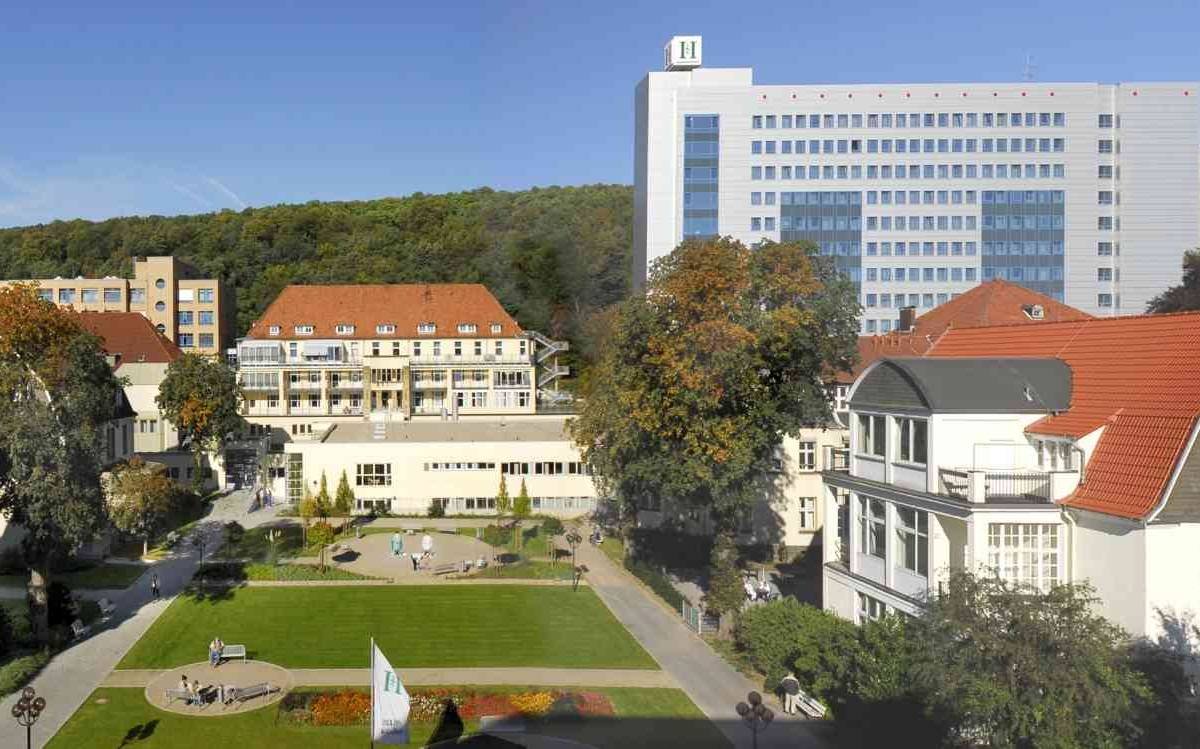
تعد ألمانيا وجهة أولى لجراحات الجنف بفضل مراكزها العظام المتخصصة مثل مستشفى هيليوس الجامعي في فوبرتال. يستفيد المرضى من المراقبة العصبية المتقدمة، وجراحة العمود الفقري طفيفة التوغل (MISS)، والجراحين ذوي الخبرة المعتمدين من الجمعية الألمانية لجراحة العظام. تضمن هذه المعايير معدلات نجاح عالية للتشوهات المعقدة في العمود الفقري.
- الإقامة في المستشفى: تستغرق رعاية المرضى الداخليين عادةً من 3 إلى 5 أيام للمراقبة الدقيقة والتحريك المبكر.
- التكنولوجيا المتقدمة: يستخدم الجراحون المساعدة الروبوتية والقضبان المغناطيسية الملائمة للنمو مثل MAGEC لحالات الأطفال.
- التعافي السريع: غالبًا ما تمكن البروتوكولات المتخصصة المرضى من البدء في المشي بحلول مساء اليوم الأول بعد الجراحة.
- إعادة التأهيل الشامل: توفر المرافق طريقة شروث لتقوية عضلات العمود الفقري وتحسين المحاذاة على المدى الطويل.
رأي خبير Bookimed: توفر العيادات الألمانية وصولاً أسرع بكثير إلى العلاج مقارنة بالعديد من الأنظمة المحلية. بينما توجد في بعض البلدان قوائم انتظار تصل إلى سنتين، توفر عيادات مثل هيليوس جدولة أسرع. تعتبر هذه السرعة حيوية للجنف المتطور، حيث يؤدي التأخير إلى زيادة تعقيد الجراحة وتقليل إمكانية التصحيح.
إجماع المرضى: يقدر المرضى الخدمات اللوجستية الخالية من المتاعب والمراقبة المكثفة بعد الجراحة. يذكر الكثيرون شعورهم بمزيد من الأمان لمعرفتهم بوجود متابعات أسبوعية وإمكانية الوصول الفوري إلى التصوير خلال الشهر الأول.
ما هي أنواع جراحات الجنف المتاحة في ألمانيا؟
توفر ألمانيا جراحات متقدمة للجنف، بما في ذلك دمج الفقرات الخلفي التقليدي وتصحيح الجنف الأمامي الذي يحافظ على الحركة. يستخدم الجراحون المراقبة العصبية أثناء الجراحة وتكنولوجيا الملاحة لضمان السلامة. تقدم مراكز متخصصة مثل مستشفى هيليوس الجامعي في فوبرتال هذه الإجراءات للمرضى من الأطفال والبالغين.
- دمج الفقرات: يستخدم قضبانًا معدنية لتقويم الانحناءات وتثبيت العمود الفقري بشكل دائم.
- التصحيح الأمامي: المعروف باسم ربط جسم الفقرة، يحافظ هذا على المرونة لدى الأطفال في مرحلة النمو.
- النهج طفيف التوغل: يستخدم تقنيات عن طريق الجلد لتقليل تلف العضلات وتسريع التعافي.
- إزالة ضغط الفقرات: يخفف الضغط على الأعصاب مع تصحيح الاختلالات الهيكلية للعمود الفقري والانحناء.
رأي خبير Bookimed: بينما تركز العديد من العيادات العالمية فقط على الدمج، تتميز المستشفيات الجامعية الألمانية بتقديم تصحيح الجنف الأمامي بدون دمج. هذا النهج المتخصص متاح منذ عام 2018. وهو مفيد بشكل خاص للمرضى الأصغر سنًا الذين يحتاجون إلى الحفاظ على حركة العمود الفقري لممارسة الرياضة.
إجماع المرضى: يؤكد المرضى أن الجراحين يعطون الأولوية لإيقاف تقدم الانحناء على تخفيف الألم وحده. يشير معظمهم إلى أن العلاج الطبيعي بعد الجراحة هو جزء قياسي وأساسي من عملية التعافي الألمانية.
متى يُنصح بإجراء جراحة الجنف في ألمانيا؟
يوصي متخصصو العمود الفقري في ألمانيا بإجراء الجراحة عندما يصل انحناء العمود الفقري إلى زاوية كوب (Cobb) بين 40 و 50 درجة. يتم إعطاء الأولوية للتدخل في حالات التطور السريع أو فشل العلاجات التحفظية مثل طريقة شروث (Schroth Method). يستخدم المتخصصون دمج العمود الفقري أو قضبان ملائمة للنمو لمنع الضغط على الأعضاء الداخلية وتثبيت الجذع.
- عتبة الانحناء: يُشار إلى الجراحة عادةً للانحناءات التي تتجاوز 45 إلى 50 درجة.
- مرحلة النمو: غالبًا ما يجدول الجراحون الإجراءات قبل وقت قصير من وصول المريض إلى مرحلة النضج الهيكلي الكامل.
- الأعراض الجسدية: تشمل المؤشرات مشاكل التنفس، أو الألم المزمن، أو بروزات الأضلاع التجميلية الكبيرة.
- التقنيات المتقدمة: توفر عيادات مثل مستشفى Helios الجامعي في فوبرتال خيارات تصحيح العمود الفقري الاصطناعي بدون دمج.
رؤية خبير Bookimed: غالبًا ما تؤجل العيادات الألمانية الجراحة للانحناءات الأقل من 45 درجة. إنهم يعطون الأولوية للعلاج الطبيعي المكثف وفقًا لطريقة شروث أولاً. تظهر البيانات أن المرضى يمكنهم تقليل الانحناءات بمقدار 15 درجة من خلال هذه الطريقة. يتجنب هذا النهج الدمج الغازي للحالات الحدودية. تدير المراكز المتخصصة مثل مستشفى Helios الجامعي في فوبرتال أكثر من 150,000 مريض سنويًا. ويركزون على الحفاظ على الحركة من خلال تقنيات طفيفة التوغل كلما أمكن ذلك.
إجماع المرضى: يؤكد المرضى أن الجراحة تهدف إلى إيقاف التطور بدلاً من مجرد القضاء على الألم. يوصي الكثيرون بالالتزام بستة أشهر من العلاج المتخصص قبل اختيا
ما الذي تتضمنه الحزمة الطبية الألمانية للجنف؟
توفر حزم الجنف الألمانية رعاية شاملة تغطي استشارات المتخصصين، والتصوير التشخيصي ثلاثي الأبعاد، والتدخل الجراحي المتقدم. تتضمن الحزم عادةً غرسات التيتانيوم عالية الجودة، والتخدير، وإقامة ممتدة في المستشفى. تدمج العيادات المتخصصة مثل مستشفى Helios الجامعي في فوبرتال تقنيات مساعدة بالروبوت ورعاية تمريضية بعد العملية الجراحية للبالغين والأطفال.
- تكاليف الجراحة: تتراوح الأسعار بين من $35,000 لتثبيت العمود الفقري المعقد.
- الإقامة في المستشفى: تشمل الحزم حوالي 10 أيام من المراقبة داخل المستشفى وإدارة الألم.
- الأجهزة المتقدمة: تغطي الرسوم قضبان التيتانيوم عالية الدقة والغرسات الجراحية المتخصصة التي تحافظ على الحركة.
- الدعم الدولي: غالبًا ما تشمل الخدمات المقدمة مساعدة في الترجمة وتنسيقًا مخصصًا للمرضى الدوليين.
رؤية خبير Bookimed: تتعامل العيادات الألمانية مثل Helios Wuppertal مع أعداد هائلة من المرضى، حيث تعالج 150,000 شخص سنويًا. يؤدي هذا التردد العالي غالبًا إلى أسعار أفضل تفاوضًا على غرسات التيتانيوم عالية الجودة. على الرغم من شمولية الجراحة، يجب على المرضى الدوليين تخصيص ميزانية لإقامة المرافق. تبلغ تكلفة ذلك عادةً حوالي 70 يورو يوميًا ونادرًا ما يتم تضمينها في السعر الأساسي.
إجماع المرضى: يقدر المرضى الطبيعة الشاملة للرعاية الألمانية، والتي تغطي العلاج الطبيعي المكثف بعد العملية. يوصي الكثيرون بالبقاء في البلاد لمدة شهر واحد للتعامل مع لوجستيات التعافي بأمان.
كم تستغرق فترة التعافي وهل يشمل ذلك إعادة التأهيل؟
تستغرق فترات التعافي في المستشفيات الألمانية عادة من 5 إلى 7 أيام. يعود معظم المرضى إلى الأنشطة الخفيفة في غضون أسابيع، ولكن الوصول إلى الراحة الكاملة يستغرق من سنة إلى سنتين. في حين أن التعبئة المبكرة مشمولة في إقامتك، يتم تنظيم إعادة التأهيل طويل الأمد عادةً بشكل منفصل من خلال العلاج الطبيعي الخارجي.
- الجدول الزمني للتعبئة: يبدأ المشي في اليوم الثاني. تعود الاستقلالية الأساسية لارتداء الملابس والاستحمام في غضون أسبوع واحد.
- قيود النشاط: يتم تقييد رفع الأثقال والرياضات ذات التأثير العالي لمدة 3 إلى 6 أشهر بعد الجراحة.
- الإقامة في المستشفى: توقع قضاء 5 إلى 7 أيام في أقسام العظام الألمانية المتخصصة مثل مستشفى Helios الجامعي.
- هيكل إعادة التأهيل: تشمل الإقامة في المستشفى الحركة المبكرة. يعتمد التعافي طويل الأمد على الجلسات الخارجية والتمارين المنزلية.
رؤية خبير Bookimed: يركز الجراحون الألمان في مراكز مثل مستشفى Helios الجامعي على الحفاظ على الحركة. إنهم يعطون الأولوية لدمج أقل عدد ممكن من الفقرات. غالبًا ما يؤدي هذا النهج إلى استعادة المرضى لاستقلاليتهم اليومية، مثل صعود الدرج، بشكل أسرع بكثير مقارنة بعمليات الدمج الموسعة التقليدية.
إجماع المرضى: الأسبوعان الأولان هما الأكثر تحديًا. يوصي المرضى بالبقاء في ألمانيا لمدة شهر واحد لضمان متابعة آمنة قبل السفر إلى الوطن.
ما هي الأسئلة التي يجب أن أطرحها على جراح العمود الفقري في ألمانيا؟
استفسر عن تخصص الجراح؛ حيث يتم إجراء جراحات العمود الفقري في ألمانيا من قبل جراحي الأعصاب أو جراحي الإصابات أو جراحي العظام. تأكد من استخدامهم للملاحة أثناء الجراحة والتصوير ثلاثي الأبعاد لضمان وضع البراغي بدقة. اسأل عن مستويات الدمج المحددة والتأثير المتوقع على مرونة عمودك الفقري على المدى الطويل.
- تخصص الجراح: اسأل عما إذا كان جراحك جراح أعصاب أو جراح عظام لحالات العمود الفقري.
- معايير التكنولوجيا: تأكد من استخدام وضع المسامير المعتمد على الماسح الضوئي لتقليل تضرر العضلات.
- مستويات الدمج: تحقق من الفقرات التي سيتم دمجها وكيف يؤثر ذلك على الحركة اليومية.
- بروتوكول الألم: اسأل عن قسطرة الجرح، التي يشير المرضى الألمان إلى أنها تساعد خلال الأيام من 1 إلى 3.
رؤية خبير Bookimed: تتعامل المستشفيات الجامعية الألمانية مثل Helios Wuppertal مع أعداد هائلة من المرضى، تصل غالبًا إلى 150,000 مريض سنويًا. هذا النطاق يعني أنهم يتبعون مسارات تعافي موحدة للغاية. اسأل دائمًا عما إذا كان جراحك يقوم شخصيًا بإجراء العملية بأكملها. في المراكز التعليمية الكبيرة، قد يتولى متخصصون مختلفون مراحل محددة من حالات الجنف المعقدة.
إجماع المرضى: يؤكد العديد من المرضى أن أصعب الأيام هي تلك التي تسبق البدء بالمشي في اليوم الثالث. يوصون بالسؤال عن العلاج الطبيعي الفوري وتقوية الجذع قبل الجراحة لتسريع التعافي.
ما هي المستشفيات في ألمانيا التي تحظى بأعلى التقييمات في جراحة الأعصاب؟
تضم ألمانيا بعضًا من أرقى أقسام جراحة الأعصاب في العالم، بقيادة مستشفى شاريتيه الجامعي في برلين ومستشفى جامعة هايدلبرغ. وتتميز هذه المراكز بخبرتها الواسعة في علاج أورام الدماغ المعقدة وأمراض الأوعية الدموية الدماغية. ولتحقيق أقصى قدر من الفعالية في عملياتها، تستخدم هذه المراكز أحدث التقنيات، مثل التصوير بالرنين المغناطيسي أثناء الجراحة والتوجيه العصبي بمساعدة الحاسوب.
- مستشفى شاريتيه برلين: يُجري أكثر من 5000 عملية جراحية سنوياً. ويرأس العيادة جراح الأعصاب الشهير الدكتور بيتر فايكوتشي.
- المركز الطبي في سولينجن: أجرى الدكتور رالف بوهل أكثر من 4000 عملية جراحية، بما في ذلك جراحات العمود الفقري طفيفة التوغل.
- عيادة أسكليبيوس نورد: مجهزة بنظام التصوير بالرنين المغناطيسي الثنائي الوحيد في ألمانيا أثناء الجراحة لضمان الدقة الجراحية في الوقت الحقيقي أثناء إزالة الورم.
- عيادة نوردويست: تم الاعتراف بها من قبل مجلة نيوزويك كمستشفى رائد في مجال الابتكار في تكنولوجيا الموجات فوق الصوتية ثلاثية الأبعاد.
رأي خبراء بوكيمد: تشير البيانات إلى أن اختيار المراكز ذات الحجم الجراحي الكبير غالبًا ما يؤدي إلى توصيات علاجية أكثر تحفظًا. ففي مركز سولينجن الطبي، الذي يعالج أكثر من 60,000 مريض
ما هي نسب نجاح العمليات الجراحية العصبية المعقدة في ألمانيا؟
في ألمانيا، تتميز العمليات الجراحية العصبية بالغة التعقيد بمستوى أمان استثنائي. تصل نسبة نجاح عمليات دمج الفقرات إلى 99%، بينما تبلغ نسبة النجاة بعد استئصال أورام الدماغ الأولية 97%. كما يتمتع المرضى بقدرة عالية على الاعتماد على أنفسهم في أداء وظائفهم اليومية، حيث يغادر أكثر من 82% منهم المستشفى مباشرةً بعد العلاج. وتولي المراكز الألمانية اهتماماً بالغاً بالحفاظ على الوظائف العصبية باستخدام أحدث تقنيات التخطيط العصبي.
- استئصال الورم: يحقق الجراحون استئصالًا كاملاً للورم في 87.2% من حالات النقائل الدماغية.
- النجاح في علاج أمراض الأوعية الدموية: أفادت المستشفيات الألمانية بنسبة نجاة بلغت 98.7% لحالات تمدد الأوعية الدموية غير الممزقة.
- تحسن الحالة العصبية: يشهد ما يقرب من 43% من المرضى تحسناً في المعايير الوظيفية بعد عمليات الاستئصال المعقدة.
- سلامة التدخلات الجراحية: في المراكز الجراحية الكبيرة، تتراوح معدلات بقاء المرضى على قيد الحياة بعد جراحة العمود الفقري بين 98-99%.
رأي خبراء بوكيمد: يُجري جراحون ذوو خبرة، مثل الدكتور أوفه كولر من عيادة أسكليبيوس ألتونا، أكثر من 2000 عملية جراحية سنويًا. تُشير البيانات إلى أن هؤلاء المتخصصين يحافظون على معدلات نجاح تصل إلى 90%، حتى
ما هي التقنيات المتقدمة المتوفرة عادةً في عيادات جراحة الأعصاب الألمانية؟
تُدخل عيادات جراحة الأعصاب الألمانية بانتظام أدوات رقمية عالية الدقة وتقنيات تصوير فوري في الممارسة الجراحية. تشمل التقنيات الرئيسية الملاحة العصبية الحاسوبية لجراحات الدماغ والحبل الشوكي. تستخدم مؤسسات مثل عيادة أسكليبيوس نورد التصوير بالرنين المغناطيسي أثناء الجراحة للتحقق من استئصال الورم في الوقت الفعلي. توفر هذه الأنظمة للجراحين نظام ملاحة ثلاثي الأبعاد.
- الملاحة العصبية: توفر تصورًا ثلاثي الأبعاد وتتبعًا فوريًا للأدوات لتحقيق دقة جراحية تصل إلى مستوى أقل من المليمتر.
- التصوير أثناء العملية: تسمح أنظمة مثل التصوير بالرنين المغناطيسي أثناء العملية (iMRI) والتصوير المقطعي المحوسب ذي الذراع O (O-arm CT) بالتأكيد الفوري على نجاح عملية الاستئصال.
- المراقبة العصبية: تراقب الوظائف الحركية والحسية أثناء الجراحة لحماية الجهاز العصبي.
- التشخيص الفلوري: يتم استخدام صبغة 5-ALA لتسليط الضوء على حدود الورم من أجل إزالته بشكل أكثر اكتمالاً.
- المساعدة الروبوتية: تعمل أنظمة مثل نظام دافنشي على تحسين الدقة في الإجراءات المعقدة ذات التدخل الجراحي البسيط.
رأي خبراء بوكيمد: تُجري مراكز طبية كبيرة، مثل مستشفى شاريتيه الج
ما هي التدريبات المتخصصة التي يتلقاها جراحو الأعصاب الممارسون في ألمانيا؟
في ألمانيا، يتعين على جراحي الأعصاب إكمال برنامج إقامة تخصصي لمدة ست سنوات بعد التخرج من كلية الطب. يشمل هذا البرنامج المنظم العناية المركزة، والتدريب السريري، وكتابة مقالات في مجلة جراحية إلزامية. بعد ذلك، يجتاز المرشحون امتحانًا حكوميًا للحصول على لقب طبيب مقيم (Facharzt für Neurochirurgie).
- الإقامة السريرية: تتطلب من 48 إلى 72 شهرًا من الممارسة المتخصصة في جراحة الأعصاب.
- العناية المركزة: تتضمن فترة تدريب إلزامية لمدة 6 أشهر في وحدة العناية المركزة لجراحة الأعصاب.
- المجلة الجراحية: يوثق الجراحون مئات العمليات الجراحية، بما في ذلك عمليات فتح الجمجمة وجراحات العمود الفقري.
- امتحان الترخيص: يجب على المتقدمين اجتياز امتحان طبي شفوي وعملي تديره الدولة.
رأي خبراء بوكيميد: يركز التدريب الألماني في جراحة الأعصاب على الخبرة الجراحية الواسعة. فعلى سبيل المثال، أجرى الدكتور رالف بول من المركز الطبي في سولينجن أكثر من 4000 عملية جراحية. ويتمتع الدكتور يورغن كيويت من مستشفى ميوكلينيك بخبرة تزيد عن 25 عامًا. يضمن هذا النظام الدقيق أن يتعامل المتخصصون في المراكز الكبرى مع الحالات المعقدة بدقة مثبتة.
آراء المرضى: يشع