تحفيز العصب العجزي (SNS) (التعديل العصبي العجزي (SNM)) في ألمانيا: 1 عيادة


تمت مراجعة المقالة طبيا من قبل
فهد مولود
ما هي تكلفة تحفيز العصب العجزي (SNS) (التعديل العصبي العجزي (SNM)) في ألمانيا؟ اكتشف الآن
تتراوح تكلفة تحفيز العصب العجزي في ألمانيا عادة بين $15,500 و $24,000. يعتمد السعر الإجمالي على تقنية وضع الأقطاب وطراز جهاز التحفيز العصبي المختار. تغطي الباقات عادةً المرحلة التجريبية، والزراعة الدائمة، والأجهزة، والبرمجة الأولية للجهاز.
- اختيار الأجهزة: تزيد تكلفة أجهزة التحفيز المتطورة القابلة لإعادة الشحن بنسبة 20% عن الطرازات غير القابلة لإعادة الشحن.
- الإعداد السريري: تكلفة مراحل الاختبار الخارجية أقل بكثير من الإقامة في المستشفى لعدة أيام.
- حالة التأمين: تتبع الفواتير الخاصة جدول الرسوم الطبية الألماني للأطباء (GOÄ).
- المراكز الطبية الرئيسية: تتركز مراكز العلاج بشكل أساسي في مدن مثل فوبرتال وبرلين.
رأي خبراء Bookimed: يوفر اختيار شبكة كبيرة مثل هيليوس جيزوندهايت قيمة متميزة. تعالج الشبكة 5.5 مليون مريض سنوياً في جميع أنحاء ألمانيا. يضمن هذا العدد الكبير تمتع الجراحين بخبرة عالية في وضع الأقطاب. مستشفياتهم، مثل مستشفى فوبرتال، حاصلة على شهادات ISO واعتماد ACS. تؤكد هذه الشهادات الالتزام الصارم ببروتوكولات السلامة والمعايير التقنية. وهذا يقلل من احتمالية الحاجة لإعادة وضع الجهاز لاحقاً.
| تركيا | إسبانيا | ألمانيا | |
|---|---|---|---|
| تحفيز العصب العجزي (SNS) (التعديل العصبي العجزي (SNM)) | من $26,000 | من $36,400 | ≈ $15,500 |
مزاياك وضماناتك مع Bookimed
أسعار مباشرة
Bookimed لا يضيف رسوماً إضافية على أسعار تحفيز العصب العجزي (SNS) (التعديل العصبي العجزي (SNM)). الأسعار مأخوذة من قوائم الأسعار الرسمية للعيادات. تدفع مباشرة في العيادة مقابل تحفيز العصب العجزي (SNS) (التعديل العصبي العجزي (SNM)) عند وصولك.
عيادات وأطباء معتمدون فقط
Bookimed ملتزم بسلامتك. نحن نعمل فقط مع المؤسسات الطبية التي تحافظ على معايير دولية عالية في تحفيز العصب العجزي (SNS) (التعديل العصبي العجزي (SNM)) ولديها التراخيص اللازمة لخدمة المرضى الدوليين في جميع أنحاء العالم.
مساعدة مجانية على مدار الساعة
Bookimed يقدم مساعدة خبراء مجانية. منسق طبي شخصي يدعمك قبل وأثناء وبعد العلاج، ويحل أي مشاكل. لن تكون وحيداً أبداً في رحلة تحفيز العصب العجزي (SNS) (التعديل العصبي العجزي (SNM)).

منسقك الطبي الشخصي في Bookimed
- يدعمك في كل مرحلة
- المساعدة في اختيار العيادة الطبية المناسبة والطبيب المناسب
- يضمن الوصول السريع والمريح إلى المعلومات
اكتشف أفضل تحفيز العصب العجزي (SNS) (التعديل العصبي العجزي (SNM)) العيادات في ألمانيا: 1 خيار معتمدة والأسعار
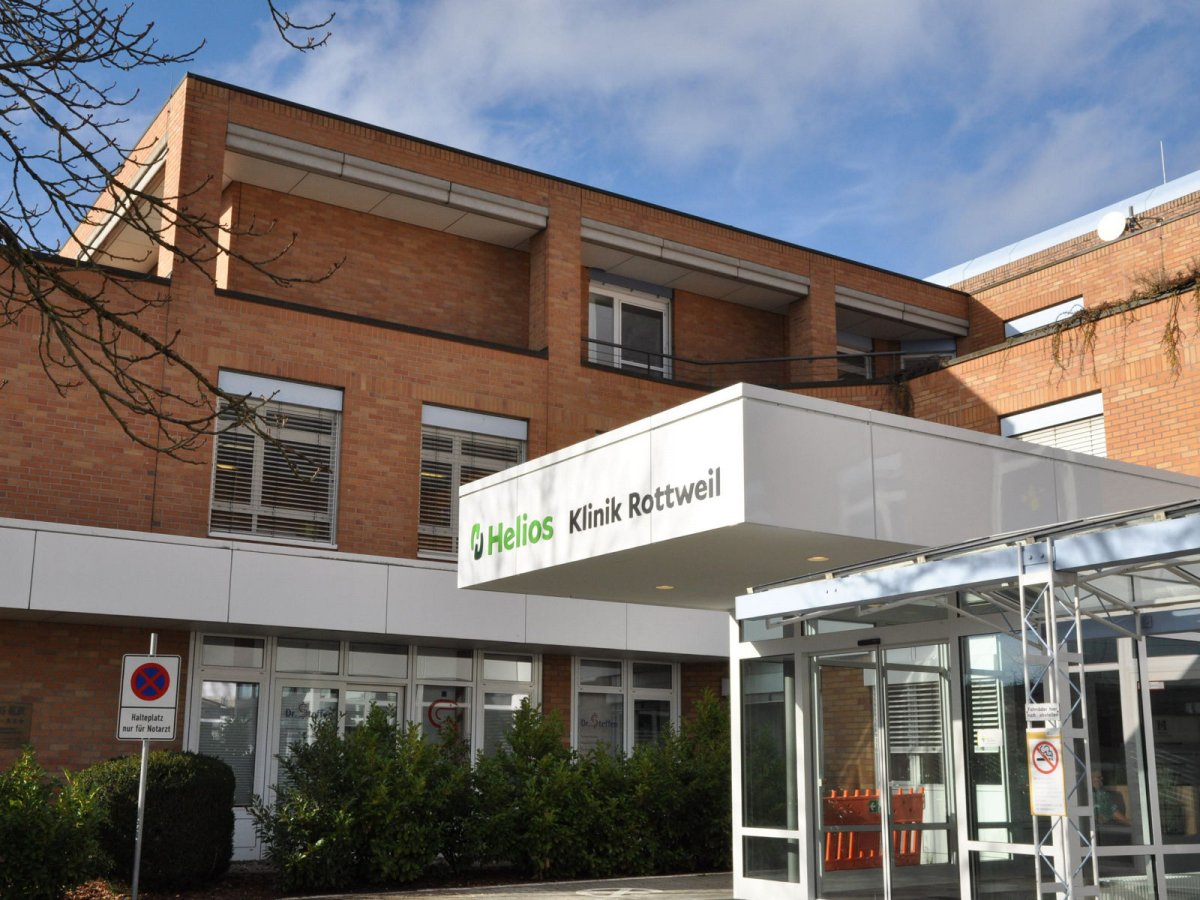




نظرة عامة على تحفيز العصب العجزي (SNS) (التعديل العصبي العجزي (SNM)) في ألمانيا
- إيداع Bookimed: 200 دولار أو 200 يورو.
- وديعة العيادة: ادفع نسبة محددة مقدمًا.
قصص فيديو من مرضى Bookimed
المراجعات
جميع المراجعاتمشاركة المحتوى
 Anna Leonova
أسئلة متكررة حول تحفيز العصب العجزي (SNS) (التعديل العصبي العجزي (SNM)) في ألمانيا
ما هو معدل نجاح تحفيز العصب العجزي في ألمانيا؟
تصل معدلات نجاح تحفيز العصب العجزي في ألمانيا إلى 70% إلى 90% للمرضى الذين يتلقون غرسات دائمة. تُظهر البيانات السريرية أن 78% إلى 84% من المرضى يجتازون مرحلة التجربة بنجاح. تظل النتائج طويلة المدى مرتفعة، حيث يحافظ 88.2% من المرضى على التحكم في الأمعاء بعد خمس سنوات من العلاج.
- نجاح التجربة: عادةً ما يكون 84% من المرضى الألمان مؤهلين للزرع الدائم بعد الاختبار.
- الفعالية على المدى الطويل: يحافظ 72.2% من المرضى على تخفيف ناجح للأعراض بعد 4 سنوات.
- تقليل الأعراض: غالبًا ما يحقق المرضى تحسنًا بنسبة 50% أو أكثر في نوبات سلس البول.
- معدل الشمول: تحافظ المستشفيات الجامعية الألمانية على معايير عالية لمعايير وضع الجهاز الدائم.
رؤية خبير Bookimed: غالبًا ما يعتمد النجاح في ألمانيا على حجم قسم المستشفى والشهادات المتخصصة. يعالج مستشفى هيليوس الجامعي في فوبرتال 150,000 مريض سنويًا ويحمل اعتماد الجمعية الألمانية للسرطان. يضمن هذا الحجم تمتع الجراحين بخبرة واسعة في إعادة برمجة قاع الحوض المعقدة. عادةً ما تقدم المراكز ذات الحجم الكبير إدارة أفضل للبطارية على المدى الطويل ودعمًا للمراجعات.
إجماع المرضى: غالبًا ما يُنظر إلى النجاح على أنه تحقيق السيطرة على الأعراض وليس علاجًا كاملاً. يؤكد المرضى أن مرحلة التجربة يجب أن تعكس الوظيفة الحقيقية قبل الالتزام بالجراحة.
ما هي الآثار الجانبية أو المضاعفات الشائعة لـ SNS؟
يعد تحفيز العصب العجزي آمناً ولكنه ينطوي على مخاطر مثل الألم في موقع الزرع وهجرة السلك. تشمل المضاعفات الشائعة أحاسيس غير مريحة، أو عدوى، أو خلل في وظيفة الجهاز. تعمل معظم المستشفيات الجامعية الألمانية على تقليل هذه المخاطر من خلال رسم الخرائط الدقيق وتقنيات تثبيت الأسلاك المتخصصة أثناء جراحة الزرع الأولية.
- الألم في موقع الزرع: المشكلة الأكثر شيوعاً، والتي تحدث عادةً في موقع جيب المحفز العصبي.
- هجرة السلك: قد تؤدي حركة القطب الكهربائي إلى فقدان العلاج أو تتطلب مراجعة جراحية.
- أحاسيس متغيرة: قد يشعر المرضى بصدمات مؤقتة، أو وخزات، أو ضغط عصبي مشع.
- مخاطر العدوى: قد يحدث احمرار أو إفرازات في موقع الشق.
- تراجع الفعالية العلاجية: يحتاج بعض المرضى إلى إعادة برمجة تقنية إذا انخفضت الفعالية بمرور الوقت.
رؤية خبير Bookimed: تدير المراكز الألمانية مثل مستشفى هيليوس الجامعي في فوبرتال أكثر من 150,000 مريض سنوياً. غالباً ما يعاملون مرحلة الاختبار كنافذة تشخيصية متميزة. يشير هذا الحجم الكبير إلى أن العيادات تعطي الأولوية لاستقرار السلك منذ البداية. إنهم يستخدمون ملاحظات التجربة لمنع جراحات المراجعة المستقبلية بسبب إزاحة السلك.
إجماع المرضى: توقع فترة من التكيف العاطفي إذا كانت الغرسة الدائمة تبدو مختلفة عن التجربة. يجد معظم الناس أن جلسات البرمجة المتعددة هي جزء طبيعي من عملية الحصول على الراحة.
ما الذي تنطوي عليه مرحلة الاختبار قبل الزرع؟
تحدد مرحلة اختبار تحفيز العصب العجزي ما إذا كان التعديل العصبي يعالج خلل المثانة أو الأمعاء بفعالية. يقوم الجراحون بوضع سلك مؤقت بالقرب من العصب العجزي. يستخدم المرضى محفزاً خارجياً لمدة 7 إلى 14 يوماً لمراقبة انخفاض الأعراض قبل الزرع الدائم.
- وضع السلك: يقوم الجراحون بإدخال سلك رفيع بالقرب من الأعصاب العجزية تحت التخدير الموضعي.
- المحفز الخارجي: يحمل المرضى جهازاً صغيراً يعمل بالبطارية للتحكم في النبضات الكهربائية.
- مفكرة الأعراض: يتتبع المرضى تكرار دخول الحمام، والإلحاح، والتسريب لقياس مدى التحسن.
- عتبة النجاح: يتطلب الأطباء عادةً تحسناً بنسبة 50% في الأعراض لإجراء الجراحة الدائمة.
رؤية خبير Bookimed: تستخدم المستشفيات الجامعية الألمانية مثل هيليوس فوبرتال معايير تدخلية حديثة لضمان دقة الوضع. يعتمد نجاح التجربة بشكل كبير على استقرار السلك. تجنب الالتواء أو رفع الأشياء الثقيلة خلال أسبوع الاختبار. حتى الحركات الصغيرة يمكن أن تحرك السلك وتؤدي إلى نتائج سلبية كاذبة.
إجماع المرضى: يجد العديد من المرضى نتائج التجربة سريعة بشكل مدهش ولكنهم يصفون الأحاسيس الأولية بأنها غير عادية. الاتساق هو المفتاح عند تسجيل أنماط دخول الحمام اليومية لإثبات الحاجة السريرية للجهاز الدائم.
هل يمكن للمرضى الخضوع لفحوصات التصوير بالرنين المغناطيسي (MRI) بعد تلقي جهاز تحفيز العصب العجزي؟
يمكن للمرضى الخضوع لفحوصات التصوير بالرنين المغناطيسي بأمان باستخدام أجهزة تحفيز العصب العجزي الحديثة. غالباً ما تتميز الأجهزة المصنعة بعد عام 2019 بتوافق كامل مع أجهزة 1.5T و 3T Tesla. يعتمد النجاح على نوع السلك المحدد وطراز الغرسة. يجب على أخصائيي الأشعة التحقق من إعدادات الجهاز قبل بدء الفحص.
- توافق الجهاز: تسمح الأنظمة الأحدث بالتصوير لكامل الجسم تحت قوى مجال محددة.
- قيود الماسح الضوئي: تقتصر بعض النماذج القديمة على تصوير الرأس فقط بالرنين المغناطيسي.
- بروتوكول ما قبل الفحص: تتطلب الأجهزة عادةً التبديل إلى وضع الرنين المغناطيسي المخصص.
- التحقق التقني: يجب على المرضى تقديم بطاقة تعريف الغرسة للحصول على موافقة قسم الأشعة.
رؤية خبير Bookimed: تستخدم المستشفيات الجامعية الألمانية مثل هيليوس فوبرتال بروتوكولات تشخيصية متقدمة للأجهزة المزروعة. تظهر بياناتنا أن هذه المراكز تدير أكثر من 150,000 مريض سنوياً. إنهم يعطون الأولوية لأنواع معينة من الأسلاك أثناء الجراحة لضمان الوصول المستقبلي للتصوير بالرنين المغناطيسي. اختيار مركز يحتوي على أقسام مسالك بولية معتمدة من ISO يضمن أن تكون أحدث التقنيات الآمنة للرنين المغناطيسي هي المعيار.
إجماع المرضى: يشعر العديد من المرضى بالارتياح لأن الغرسات الأحدث لا تحد من التشخيصات المستقبلية. يؤكدون على أهمية الاحتفاظ ببطاقة تعريف الغرسة في متناول اليد لجميع المواعيد الطبية.
كم تدوم البطارية ومتى يجب استبدال جهاز تحفيز العصب العجزي (SNS)؟
عادةً ما تدوم أجهزة تحفيز العصب العجزي ما بين 3 إلى 15 عاماً حسب التقنية المستخدمة. تتطلب النماذج غير القابلة لإعادة الشحن عادةً استبدالاً جراحياً كل 5 إلى 7 سنوات. توفر الأنظمة القابلة لإعادة الشحن الأحدث فترات أداء ممتدة تصل إلى 15 عاماً قبل الحاجة إلى بطارية جديدة.
- عمر البطاريات غير القابلة لإعادة الشحن: تدوم معظم الوحدات القياسية من 5 إلى 7 سنوات حسب إعدادات التحفيز اليومية.
- طول عمر البطاريات القابلة لإعادة الشحن: تعمل مولدات النبض القابلة لإعادة الشحن المتطورة بفعالية لمدة 15 عاماً قبل الاستبدال.
- إجراء الاستبدال: يقوم الجراحون بإجراء جراحة صغرى تستغرق من 20 إلى 30 دقيقة تحت التخدير الموضعي.
- الحفاظ على الأسلاك: يقوم الأطباء عادةً باستبدال حزمة البطارية فقط مع ترك الأسلاك الموجودة في مكانها.
رؤية خبير Bookimed: يختلف عمر البطارية بشكل كبير بناءً على إعدادات التحفيز المحددة الخاصة بك. تظهر بياناتنا من مراكز كبيرة مثل مستشفى هيليوس الجامعي في فوبرتال أن أعداد المرضى الكبيرة تسمح بمعايرة دقيقة للجهاز. يمكن للبرمجة الأولية الصحيحة أن تمنع استنزاف البطارية المبكر وتؤخر جراحة الاستبدال الأولى لسنوات.
إجماع المرضى: يشير المرضى إلى أن عودة الأعراض أو انخفاض فعالية الجهاز غالباً ما تدل على استنفاد البطارية. يوصي الكثيرون بالمراقبة الاستباقية لمؤشر البطارية لجدولة عمليات الاستبدال قبل أن يتوقف الجهاز عن العمل تماماً.
ما هو تحفيز العصب العجزي وكيف يعمل؟
تحفيز العصب العجزي هو علاج طفيف التوغل لعلاج خلل وظائف المثانة والأمعاء الشديد. يرسل جهاز صغير مزروع نبضات كهربائية خفيفة إلى الأعصاب العجزية. وهذا ينظم التواصل بين الدماغ وأعضاء الحوض لتصحيح الإلحاح والتردد وسلس البول.
- وظيفة الجهاز: يعمل المحفز المزروع كمنظم لضربات أعصاب وعضلات الحوض.
- التعديل العصبي: تعدل النبضات الكهربائية الإشارات غير الطبيعية التي تسبب احتباس البول أو سلس البراز.
- عملية من مرحلتين: يخضع المرضى لتجربة لمدة 7-14 يومًا قبل زرع المولد الدائم.
- نهج طفيف التوغل: يقوم الجراحون بإجراء شقوق صغيرة بالقرب من الجزء العلوي من الأرداف لوضع السلك.
رأي خبراء Bookimed: بينما تستخدم الأجهزة الأساسية بطاريات غير قابلة لإعادة الشحن تدوم 7 سنوات، توفر المستشفيات الجامعية مثل هيليوس فوبرتال بدائل سريرية حديثة. تعد مرحلة التجربة أهم مؤشر للجودة. لا تشرع في الزرع الدائم إلا إذا لاحظت تحسنًا في الأعراض بنسبة تزيد عن 50% خلال أسبوع الاختبار.
إجماع المرضى: يجد الكثيرون راحة من الحوادث المزمنة، على الرغم من أن البعض يذكر شعورًا بالوخز في منطقة الورك. إنه يوفر الحرية من جداول الحمام التقييدية، ولكنه يتطلب التزامًا طويل الأمد بإدارة الجهاز.
أين يمكنني العثور على مراكز متخصصة لزرع محفز العصب العجزي (SNM) في ألمانيا؟
يمكنك العثور على مراكز متخصصة في تحفيز العصب العجزي (SNM) في المستشفيات الجامعية الألمانية وعيادات المسالك البولية المتخصصة في مدن مثل دوسلدورف وميونخ ولايبزيغ. توفر هذه المرافق تقييمًا للأعصاب عن طريق الجلد وعمليات زرع دائمة لعلاج خلل وظائف المثانة المزمن وسلس البراز وفقًا للمعايير الطبية الأوروبية.
- شبكة المستشفيات الجامعية: توفر مراكز مثل مستشفى هيليوس الجامعي في فوبرتال رعاية جراحية ومسالك بولية متكاملة.
- المراكز الطبية الرئيسية: تتركز خدمات طب الجهاز العصبي للمسالك البولية في برلين وميونخ وهامبورغ وفرانكفورت.
- عيادات المسالك البولية المتخصصة: تركز مرافق مثل عيادة Urologische Klinik München-Planegg على تشخيصات قاع الحوض المتقدمة.
- معايير الاعتماد: تحتفظ المراكز الكبرى بشهادات IASIOS أو شهادات الجمعية الألمانية للسرطان للإجراءات التداخلية.
رأي خبراء Bookimed: تعد المستشفيات الجامعية الألمانية الخيار الأكثر موثوقية لأنها تدير المسار السريري بالكامل داخليًا. بينما تقوم بعض العيادات الخاصة بمرحلة الاختبار الأولية، يتولى مستشفى هيليوس الجامعي في فوبرتال والمؤسسات التعليمية المماثلة إجراء كل من التحفيز التجريبي والزرع الجراحي الدائم. يقلل هذا الاستمرار من مخاطر الحاجة إلى الإحالة إلى مكان آخر في منتصف العلاج.
إجماع المرضى: يوصي المرضى بالبحث عن مراكز قاع الحوض أو مراكز علاج سلس البول بدلاً من المستشفيات العامة. وغالبًا ما ينصحون بالتأكد مما إذا كانت المنشأة تقوم بكل من وضع سلك التحفيز وزرع الجهاز الدائم قبل زيارتك الأو
ما هي المستشفيات في ألمانيا التي تحظى بأعلى التقييمات في جراحة الأعصاب؟
تضم ألمانيا بعضًا من أرقى أقسام جراحة الأعصاب في العالم، بقيادة مستشفى شاريتيه الجامعي في برلين ومستشفى جامعة هايدلبرغ. وتتميز هذه المراكز بخبرتها الواسعة في علاج أورام الدماغ المعقدة وأمراض الأوعية الدموية الدماغية. ولتحقيق أقصى قدر من الفعالية في عملياتها، تستخدم هذه المراكز أحدث التقنيات، مثل التصوير بالرنين المغناطيسي أثناء الجراحة والتوجيه العصبي بمساعدة الحاسوب.
- مستشفى شاريتيه برلين: يُجري أكثر من 5000 عملية جراحية سنوياً. ويرأس العيادة جراح الأعصاب الشهير الدكتور بيتر فايكوتشي.
- المركز الطبي في سولينجن: أجرى الدكتور رالف بوهل أكثر من 4000 عملية جراحية، بما في ذلك جراحات العمود الفقري طفيفة التوغل.
- عيادة أسكليبيوس نورد: مجهزة بنظام التصوير بالرنين المغناطيسي الثنائي الوحيد في ألمانيا أثناء الجراحة لضمان الدقة الجراحية في الوقت الحقيقي أثناء إزالة الورم.
- عيادة نوردويست: تم الاعتراف بها من قبل مجلة نيوزويك كمستشفى رائد في مجال الابتكار في تكنولوجيا الموجات فوق الصوتية ثلاثية الأبعاد.
رأي خبراء بوكيمد: تشير البيانات إلى أن اختيار المراكز ذات الحجم الجراحي الكبير غالبًا ما يؤدي إلى توصيات علاجية أكثر تحفظًا. ففي مركز سولينجن الطبي، الذي يعالج أكثر من 60,000 مريض
ما هي نسب نجاح العمليات الجراحية العصبية المعقدة في ألمانيا؟
في ألمانيا، تتميز العمليات الجراحية العصبية بالغة التعقيد بمستوى أمان استثنائي. تصل نسبة نجاح عمليات دمج الفقرات إلى 99%، بينما تبلغ نسبة النجاة بعد استئصال أورام الدماغ الأولية 97%. كما يتمتع المرضى بقدرة عالية على الاعتماد على أنفسهم في أداء وظائفهم اليومية، حيث يغادر أكثر من 82% منهم المستشفى مباشرةً بعد العلاج. وتولي المراكز الألمانية اهتماماً بالغاً بالحفاظ على الوظائف العصبية باستخدام أحدث تقنيات التخطيط العصبي.
- استئصال الورم: يحقق الجراحون استئصالًا كاملاً للورم في 87.2% من حالات النقائل الدماغية.
- النجاح في علاج أمراض الأوعية الدموية: أفادت المستشفيات الألمانية بنسبة نجاة بلغت 98.7% لحالات تمدد الأوعية الدموية غير الممزقة.
- تحسن الحالة العصبية: يشهد ما يقرب من 43% من المرضى تحسناً في المعايير الوظيفية بعد عمليات الاستئصال المعقدة.
- سلامة التدخلات الجراحية: في المراكز الجراحية الكبيرة، تتراوح معدلات بقاء المرضى على قيد الحياة بعد جراحة العمود الفقري بين 98-99%.
رأي خبراء بوكيمد: يُجري جراحون ذوو خبرة، مثل الدكتور أوفه كولر من عيادة أسكليبيوس ألتونا، أكثر من 2000 عملية جراحية سنويًا. تُشير البيانات إلى أن هؤلاء المتخصصين يحافظون على معدلات نجاح تصل إلى 90%، حتى
ما هي التقنيات المتقدمة المتوفرة عادةً في عيادات جراحة الأعصاب الألمانية؟
تُدخل عيادات جراحة الأعصاب الألمانية بانتظام أدوات رقمية عالية الدقة وتقنيات تصوير فوري في الممارسة الجراحية. تشمل التقنيات الرئيسية الملاحة العصبية الحاسوبية لجراحات الدماغ والحبل الشوكي. تستخدم مؤسسات مثل عيادة أسكليبيوس نورد التصوير بالرنين المغناطيسي أثناء الجراحة للتحقق من استئصال الورم في الوقت الفعلي. توفر هذه الأنظمة للجراحين نظام ملاحة ثلاثي الأبعاد.
- الملاحة العصبية: توفر تصورًا ثلاثي الأبعاد وتتبعًا فوريًا للأدوات لتحقيق دقة جراحية تصل إلى مستوى أقل من المليمتر.
- التصوير أثناء العملية: تسمح أنظمة مثل التصوير بالرنين المغناطيسي أثناء العملية (iMRI) والتصوير المقطعي المحوسب ذي الذراع O (O-arm CT) بالتأكيد الفوري على نجاح عملية الاستئصال.
- المراقبة العصبية: تراقب الوظائف الحركية والحسية أثناء الجراحة لحماية الجهاز العصبي.
- التشخيص الفلوري: يتم استخدام صبغة 5-ALA لتسليط الضوء على حدود الورم من أجل إزالته بشكل أكثر اكتمالاً.
- المساعدة الروبوتية: تعمل أنظمة مثل نظام دافنشي على تحسين الدقة في الإجراءات المعقدة ذات التدخل الجراحي البسيط.
رأي خبراء بوكيمد: تُجري مراكز طبية كبيرة، مثل مستشفى شاريتيه الج