إعادة زرع الحالب الروبوتية في ألمانيا — احصل على 3 عيادات مطابقة مع التكاليف


تمت مراجعة المقالة طبيا من قبل
فهد مولود
ما هي تكلفة إعادة زرع الحالب الروبوتية في ألمانيا؟ اكتشف الآن
| تركيا | إسبانيا | ألمانيا | |
|---|---|---|---|
| إعادة زرع الحالب الروبوتية | من $22,600 | ≈ $11,000 | ≈ $18,000 |
مزاياك وضماناتك مع Bookimed
أسعار مباشرة
Bookimed لا يضيف رسوماً إضافية على أسعار إعادة زرع الحالب الروبوتية. الأسعار مأخوذة من قوائم الأسعار الرسمية للعيادات. تدفع مباشرة في العيادة مقابل إعادة زرع الحالب الروبوتية عند وصولك.
عيادات وأطباء معتمدون فقط
Bookimed ملتزم بسلامتك. نحن نعمل فقط مع المؤسسات الطبية التي تحافظ على معايير دولية عالية في إعادة زرع الحالب الروبوتية ولديها التراخيص اللازمة لخدمة المرضى الدوليين في جميع أنحاء العالم.
مساعدة مجانية على مدار الساعة
Bookimed يقدم مساعدة خبراء مجانية. منسق طبي شخصي يدعمك قبل وأثناء وبعد العلاج، ويحل أي مشاكل. لن تكون وحيداً أبداً في رحلة إعادة زرع الحالب الروبوتية.

منسقك الطبي الشخصي في Bookimed
- يدعمك في كل مرحلة
- المساعدة في اختيار العيادة الطبية المناسبة والطبيب المناسب
- يضمن الوصول السريع والمريح إلى المعلومات
اكتشف أفضل إعادة زرع الحالب الروبوتية العيادات في ألمانيا: 1 خيار معتمدة والأسعار
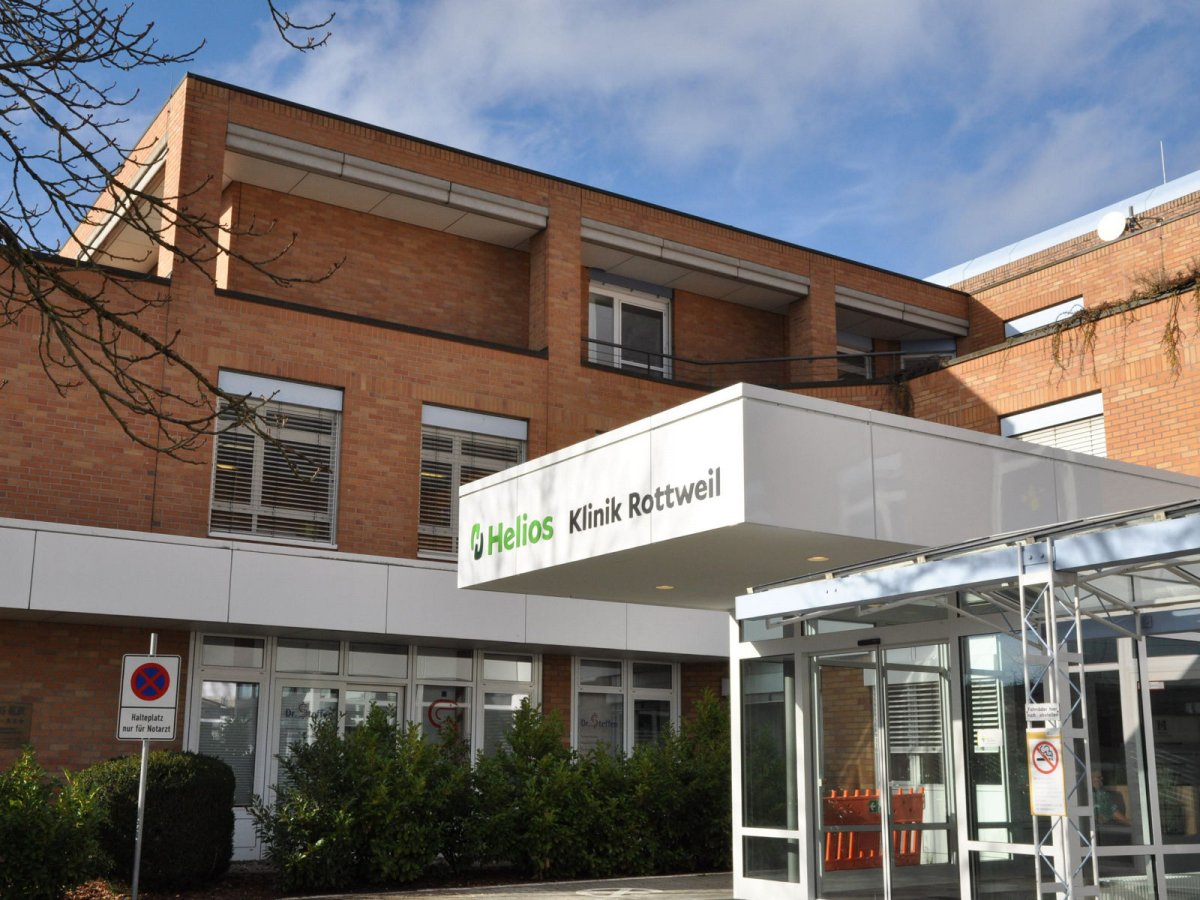

نظرة عامة على إعادة زرع الحالب الروبوتية في ألمانيا
- إيداع Bookimed: 200 دولار أو 200 يورو.
- وديعة العيادة: ادفع نسبة محددة مقدمًا.
قصص فيديو من مرضى Bookimed
المراجعات
جميع المراجعاتمشاركة المحتوى
 Anna Leonova
أسئلة متكررة حول إعادة زرع الحالب الروبوتية في ألمانيا
هل إعادة زرع الحالب الروبوتية في ألمانيا آمنة وما هي المخاطر الرئيسية؟
تعد جراحة إعادة زرع الحالب الروبوتية في ألمانيا إجراءً آمنًا بنسب نجاح تتجاوز 90%. تستخدم المستشفيات الجامعية الألمانية نظام "دا فينشي" (da Vinci) لإجراء عمليات ترميم عالية الدقة. توفر هذه الجراحات طفيفة التوغل ملفات أمان تعادل الجراحة المفتوحة مع تقليل أوقات التعافي وتقليل المضاعفات.
- نسب النجاح: تحافظ الإجراءات التي تعالج الانسداد أو الارتجاع على نسب نجاح تزيد عن 90%.
- جراحة طفيفة التوغل: تعزز تقنية "دا فينشي" مهارة الجراح في حالات الترميم المعقدة.
- المخاطر الشائعة: تشمل المشكلات المحتملة تسرب البول المؤقت أو التضيق لدى أقل من 10% من الحالات.
- معايير المستشفيات: تتبع مراكز مثل مستشفى هيليوس الجامعي في فوبرتال معايير أوروبية صارمة.
رؤية خبير Bookimed: على الرغم من تقدم التكنولوجيا الروبوتية، يعتمد النجاح بشكل كبير على عدد العمليات التي أجراها الجراح. تعالج المراكز الأكاديمية في ألمانيا غالبًا 150,000 مريض سنويًا. هذا الحجم الكبير يضمن قدرة أطباء المسالك البولية على إدارة المضاعفات النادرة مثل الفتق في موقع المنفذ بشكل أكثر فعالية مقارنة بالعيادات ذات الحجم المنخفض. تأكد دائمًا من عدد حالات الترميم المحددة التي أجراها الجراح.
إجماع المرضى: يؤكد المرضى أنه على الرغم من أن النهج الروبوتي أقل توغلاً، إلا أن التعافي يتطلب التعامل مع الانزعاج الناتج عن الدعامات ووقت استخدام القسطرة. يعبر معظم المرضى عن ثقتهم في معايير الاعتماد الصارمة الموجودة في المستشفيات الأكاديمية الألمانية.
ما هي المستشفيات أو الجراحون الألمان الأكثر شهرة في إجراء إعادة زرع الحالب الروبوتية وما هي المؤهلات التي يجب أن يبحث عنها المرضى؟
تعتبر مستشفى St. Antonius-Hospital Gronau ومستشفى Helios Universitätsklinikum Wuppertal مراكز ألمانية رائدة في إعادة زرع الحالب الروبوتية. يجب على المرضى إعطاء الأولوية للجراحين الحاصلين على شهادة المجلس الأوروبي للمسالك البولية (EBU) والخبرة المتخصصة في تقنيات الترميم مثل رفرف Boari أو psoas hitch باستخدام نظام DaVinci Xi.
- منشآت متخصصة: تدير مستشفى St. Antonius-Hospital Gronau مركزًا أوروبيًا رائدًا للطب الروبوتي.
- جراحون خبراء: يتخصص الدكتور أندرياس شوت والدكتور كريستيان فاغنر في إعادة بناء المسالك البولية العلوية المعقدة.
- المعايير السريرية: ابحث عن الجراحين الذين يجرون حالات ترميمية متكررة، وليس حصريًا استئصال البروستاتا أو الكلية الروبوتية.
- معايير الجودة: تمتلك مستشفى Helios Universitätsklinikum Wuppertal شهادة IASIOS للمعايير التداخلية الدولية.
رؤية خبير Bookimed: تشير البيانات إلى التركيز على الجراحين المتخصصين في مراكز كبيرة مثل Helios Universitätsklinikum Wuppertal. على الرغم من أن هذه المستشفيات تعالج 150,000 مريض سنويًا، إلا أن أفضل النتائج تأتي من الجراحين المكرسين للترميم. غالبًا ما تحدد الخبرة المحددة في ureteroneocystostomy النجاح أكثر من تصنيفات المستشفيات العامة أو العلامات التجارية.
إجماع المرضى: يؤكد المرضى على أهمية التحقق من العدد الدقيق لإجراءات الحالب الروبوتية التي أجراها الجراح. يوصي الكثيرون بإعطاء الأولوية لأطباء المسالك البولية الترميمية على الجراحين الروبوتيين العامين لضمان نتائج أفضل ع
ما هو جدول التعافي المتوقع بعد إعادة زرع الحالب الروبوتية ومتى يمكن استئناف الأنشطة العادية؟
يتطلب التعافي بعد إعادة زرع الحالب الروبوتية في ألمانيا من 4 إلى 6 أسابيع لالتئام الأنسجة بالكامل. يبقى المرضى عادة في المستشفى لمدة 2 إلى 3 ليالٍ. يمكن استئناف الأنشطة الخفيفة والعمل المكتبي في غضون 2 إلى 3 أسابيع، بينما تتطلب التمارين الشاقة ما لا يقل عن 4 إلى 6 أسابيع.
- الإقامة في المستشفى: توقع البقاء لمدة 2 إلى 3 ليالٍ للمراقبة في منشآت مثل Helios Universitätsklinikum Wuppertal.
- النشاط الأولي: يتم تشجيع المشي فورًا لمنع تجلط الدم وتحسين وظيفة الجهاز الهضمي.
- جدول العمل: يعود معظم المرضى إلى وظائفهم المكتبية غير البدنية في غضون 14 إلى 21 يومًا.
- القيود البدنية: تجنب رفع أكثر من 9 كجم أو التمارين الرياضية الهوائية الشاقة لمدة 6 أسابيع.
رؤية خبير Bookimed: تتعامل العيادات الألمانية مثل Helios Wuppertal مع أحجام ضخمة من المرضى، حيث تعالج 150,000 شخص سنويًا. غالبًا ما يؤدي هذا التردد العالي إلى بروتوكولات تعافي موحدة وفعالة. يجب على المرضى إعطاء الأولوية للعيادات الحاصلة على شهادات الجمعية الألمانية للسرطان لأنها غالبًا ما تستخدم أنظمة روبوتية متقدمة تقلل من الندبات الداخلية.
إجماع المرضى: يجد الكثيرون أن دعامة الحالب هي الجزء الأكثر تحديًا في التعافي بسبب تشنجات المثانة. تشمل الأسبوعان الأولان تعبًا كبيرًا، مما يجعل حتى الجلوس لفترات طويلة أمرًا صعبًا بشكل مفاجئ.
ما الذي تتضمنه عادةً باقة الجراحة الشاملة للمرضى الدوليين في ألمانيا؟
توفر باقات الجراحة الشاملة في ألمانيا لإعادة زرع الحالب الروبوتية تكلفة واحدة شفافة تغطي الرحلة الطبية بأكملها. تتضمن هذه الباقات عادةً الإجراء الجراحي، ورسوم المعدات الروبوتية المتخصصة، والتصوير التشخيصي مثل التصوير بالرنين المغناطيسي أو الأشعة المقطعية، والإقامة في المستشفى، وخدمات الترجمة الطبية الاحترافية للمرضى الدوليين.
- الخدمات الطبية: تغطي أتعاب الجراح، والتخدير، واستخدام نظام الجراحة الروبوتية.
- الاختبارات التشخيصية: تشمل جميع فحوصات الدم اللازمة قبل الجراحة ومسحات التصوير الأساسية.
- الإقامة في المستشفى: تشمل تكاليف الغرفة، ورعاية التمريض، والأدوية أثناء التعافي.
- الدعم اللوجستي: توفر انتقالات المطار، والترجمة الطبية، والمساعدة في وثائق التأشيرة.
رؤية خبير Bookimed: تتعامل المستشفيات الجامعية الألمانية مثل Helios Wuppertal مع أحجام ضخمة من المرضى، حيث تعالج غالبًا 150,000 شخص سنويًا. تسمح لهم هذه الترددات العالية بتقديم نماذج شاملة تجمع بين الجراحة الروبوتية المعقدة والإقامة المحلية بالقرب من العيادة. عادةً ما تحدد هذه الباقات سعر الاختبارات التشخيصية، مما يمنع التكاليف غير المتوقعة إذا كانت هناك حاجة إلى فحوصات دم أو تصوير إضافية بعد الوصول.
إجماع المرضى: يقدر المسافرون نموذج التسعير الموحد لأنه يزيل ضغوط إدارة الفواتير المنفصلة للأدوية أو الاختبارات. يجد معظمهم أن وجود مترجم طبي مخصص أمر ضروري للتواصل الواضح مع الفريق الجراحي.
كم من الوقت يجب أن يخطط المريض الدولي للبقاء في ألمانيا لإجراء عملية إعادة زرع الحالب الروبوتية؟
يجب على المرضى الدوليين التخطيط للبقاء في ألمانيا لمدة تتراوح بين 14 إلى 21 يومًا. تغطي هذه الفترة الإقامة في المستشفى لمدة 2-3 ليالٍ وتسمح ببدء الشفاء. يطلب معظم الجراحين فترة تتراوح بين 7 إلى 14 يومًا قبل إزالة القسطرة وإجراء فحوصات السلامة للسفر الجوي الدولي.
- مدة الإقامة في المستشفى: تتطلب الجراحة الروبوتية عادةً الإقامة لمدة 2 إلى 3 ليالٍ كمريض داخلي.
- إدارة القسطرة: عادةً ما تظل القسطرة البولية في مكانها لمدة 7 إلى 14 يومًا.
- فحوصات ما بعد الجراحة: يجب أن يبقى المرضى في مكان قريب حتى يقوم الفريق الجراحي بإجراء فحوصات المتابعة الأولية.
- سلامة الطيران: يوصي الجراحون بفترة انتظار مدتها أسبوعان لإدارة المخاطر المحتملة مثل تجلط الأوردة العميقة.
رؤية خبير Bookimed: في حين أن عيادات المسالك البولية الأساسية شائعة، فإن اختيار مستشفى جامعي مثل Helios Universitätsklinikum Wuppertal يوفر مزايا متميزة. تعالج هذه المراكز أكثر من 150,000 مريض سنويًا وتدمج شهادات جمعية السرطان في بروتوكولاتها المسالك البولية. غالبًا ما ترتبط أحجام المرضى الأعلى في المستشفيات التعليمية الألمانية بدقة روبوتية أكثر دقة لعمليات إعادة بناء الحالب المعقدة.
إجماع المرضى: يؤكد المرضى أن محاولة السفر جواً إلى المنزل في نفس أسبوع الجراحة أمر غير واقعي. يوصي معظمهم بفترة انتظار مدتها 10-14 يومًا لضمان إزالة القسطرة قبل الصعود إلى الطائرة.
هل ستكون هناك ندبات مرئية بعد إعادة زرع الحالب الروبوتية؟
تؤدي عملية إعادة زرع الحالب الروبوتية في ألمانيا إلى حدوث ندبات طفيفة لأن الجراحين يستخدمون شقوقاً صغيرة للمنافذ بدلاً من الشقوق البطنية الكبيرة. عادة ما يقل قياس كل منها عن 1 سم. يجد معظم المرضى أن هذه العلامات الصغيرة تتلاشى بشكل كبير أو يصعب رؤيتها في غضون بضعة أشهر.
- حجم الشق: عادة ما يقوم الجراحون بعمل عدة مواقع للمنافذ يقل قياس كل منها عن 10 مم.
- استراتيجية التموضع: غالباً ما توضع شقوق المنافذ تحت خط الخصر لتبقى مخفية تحت الملابس.
- النتائج التجميلية: توفر التقنيات الروبوتية نتائج تجميلية متفوقة مقارنة بطرق الجراحة المفتوحة الغازية.
- التئام الجروح: تلتئم الشقوق الصغيرة بشكل أسرع وتحمل خطراً أقل لتكون ندبات الجدرة (Keloid) المرئية.
رؤية خبير Bookimed: في حين تستخدم العيادات الجامعية الألمانية مثل Helios Wuppertal أنظمة DaVinci المتقدمة لخياطة دقيقة، فإن وضوح الندبة يعتمد على تخطيط المنافذ. يمكن لبعض الجراحين دمج الشقوق أو وضعها في مستوى أدنى لتكون أكثر خفاءً. يجب على المرضى السؤال عما إذا كان من المخطط استخدام إعداد بـ 4 أو 5 منافذ، لأن ذلك يؤثر بشكل مباشر على المظهر النهائي.
إجماع المرضى: غالباً ما يذكر المرضى أن الندبات الخارجية الصغيرة تصبح غير مرئية تقريباً بمجرد التئامها. يركز معظمهم على إدارة تشنجات المثانة المؤقتة أو عدم الراحة الناتجة عن الدعامة (Stent) أكثر من تركيزهم على المظهر التجميلي للشقوق.
ما هي المستشفيات في ألمانيا التي تحظى بأعلى التقييمات في جراحة الأعصاب؟
تضم ألمانيا بعضًا من أرقى أقسام جراحة الأعصاب في العالم، بقيادة مستشفى شاريتيه الجامعي في برلين ومستشفى جامعة هايدلبرغ. وتتميز هذه المراكز بخبرتها الواسعة في علاج أورام الدماغ المعقدة وأمراض الأوعية الدموية الدماغية. ولتحقيق أقصى قدر من الفعالية في عملياتها، تستخدم هذه المراكز أحدث التقنيات، مثل التصوير بالرنين المغناطيسي أثناء الجراحة والتوجيه العصبي بمساعدة الحاسوب.
- مستشفى شاريتيه برلين: يُجري أكثر من 5000 عملية جراحية سنوياً. ويرأس العيادة جراح الأعصاب الشهير الدكتور بيتر فايكوتشي.
- المركز الطبي في سولينجن: أجرى الدكتور رالف بوهل أكثر من 4000 عملية جراحية، بما في ذلك جراحات العمود الفقري طفيفة التوغل.
- عيادة أسكليبيوس نورد: مجهزة بنظام التصوير بالرنين المغناطيسي الثنائي الوحيد في ألمانيا أثناء الجراحة لضمان الدقة الجراحية في الوقت الحقيقي أثناء إزالة الورم.
- عيادة نوردويست: تم الاعتراف بها من قبل مجلة نيوزويك كمستشفى رائد في مجال الابتكار في تكنولوجيا الموجات فوق الصوتية ثلاثية الأبعاد.
رأي خبراء بوكيمد: تشير البيانات إلى أن اختيار المراكز ذات الحجم الجراحي الكبير غالبًا ما يؤدي إلى توصيات علاجية أكثر تحفظًا. ففي مركز سولينجن الطبي، الذي يعالج أكثر من 60,000 مريض
ما هي نسب نجاح العمليات الجراحية العصبية المعقدة في ألمانيا؟
في ألمانيا، تتميز العمليات الجراحية العصبية بالغة التعقيد بمستوى أمان استثنائي. تصل نسبة نجاح عمليات دمج الفقرات إلى 99%، بينما تبلغ نسبة النجاة بعد استئصال أورام الدماغ الأولية 97%. كما يتمتع المرضى بقدرة عالية على الاعتماد على أنفسهم في أداء وظائفهم اليومية، حيث يغادر أكثر من 82% منهم المستشفى مباشرةً بعد العلاج. وتولي المراكز الألمانية اهتماماً بالغاً بالحفاظ على الوظائف العصبية باستخدام أحدث تقنيات التخطيط العصبي.
- استئصال الورم: يحقق الجراحون استئصالًا كاملاً للورم في 87.2% من حالات النقائل الدماغية.
- النجاح في علاج أمراض الأوعية الدموية: أفادت المستشفيات الألمانية بنسبة نجاة بلغت 98.7% لحالات تمدد الأوعية الدموية غير الممزقة.
- تحسن الحالة العصبية: يشهد ما يقرب من 43% من المرضى تحسناً في المعايير الوظيفية بعد عمليات الاستئصال المعقدة.
- سلامة التدخلات الجراحية: في المراكز الجراحية الكبيرة، تتراوح معدلات بقاء المرضى على قيد الحياة بعد جراحة العمود الفقري بين 98-99%.
رأي خبراء بوكيمد: يُجري جراحون ذوو خبرة، مثل الدكتور أوفه كولر من عيادة أسكليبيوس ألتونا، أكثر من 2000 عملية جراحية سنويًا. تُشير البيانات إلى أن هؤلاء المتخصصين يحافظون على معدلات نجاح تصل إلى 90%، حتى
ما هي التقنيات المتقدمة المتوفرة عادةً في عيادات جراحة الأعصاب الألمانية؟
تُدخل عيادات جراحة الأعصاب الألمانية بانتظام أدوات رقمية عالية الدقة وتقنيات تصوير فوري في الممارسة الجراحية. تشمل التقنيات الرئيسية الملاحة العصبية الحاسوبية لجراحات الدماغ والحبل الشوكي. تستخدم مؤسسات مثل عيادة أسكليبيوس نورد التصوير بالرنين المغناطيسي أثناء الجراحة للتحقق من استئصال الورم في الوقت الفعلي. توفر هذه الأنظمة للجراحين نظام ملاحة ثلاثي الأبعاد.
- الملاحة العصبية: توفر تصورًا ثلاثي الأبعاد وتتبعًا فوريًا للأدوات لتحقيق دقة جراحية تصل إلى مستوى أقل من المليمتر.
- التصوير أثناء العملية: تسمح أنظمة مثل التصوير بالرنين المغناطيسي أثناء العملية (iMRI) والتصوير المقطعي المحوسب ذي الذراع O (O-arm CT) بالتأكيد الفوري على نجاح عملية الاستئصال.
- المراقبة العصبية: تراقب الوظائف الحركية والحسية أثناء الجراحة لحماية الجهاز العصبي.
- التشخيص الفلوري: يتم استخدام صبغة 5-ALA لتسليط الضوء على حدود الورم من أجل إزالته بشكل أكثر اكتمالاً.
- المساعدة الروبوتية: تعمل أنظمة مثل نظام دافنشي على تحسين الدقة في الإجراءات المعقدة ذات التدخل الجراحي البسيط.
رأي خبراء بوكيمد: تُجري مراكز طبية كبيرة، مثل مستشفى شاريتيه الج
ما هي التدريبات المتخصصة التي يتلقاها جراحو الأعصاب الممارسون في ألمانيا؟
في ألمانيا، يتعين على جراحي الأعصاب إكمال برنامج إقامة تخصصي لمدة ست سنوات بعد التخرج من كلية الطب. يشمل هذا البرنامج المنظم العناية المركزة، والتدريب السريري، وكتابة مقالات في مجلة جراحية إلزامية. بعد ذلك، يجتاز المرشحون امتحانًا حكوميًا للحصول على لقب طبيب مقيم (Facharzt für Neurochirurgie).
- الإقامة السريرية: تتطلب من 48 إلى 72 شهرًا من الممارسة المتخصصة في جراحة الأعصاب.
- العناية المركزة: تتضمن فترة تدريب إلزامية لمدة 6 أشهر في وحدة العناية المركزة لجراحة الأعصاب.
- المجلة الجراحية: يوثق الجراحون مئات العمليات الجراحية، بما في ذلك عمليات فتح الجمجمة وجراحات العمود الفقري.
- امتحان الترخيص: يجب على المتقدمين اجتياز امتحان طبي شفوي وعملي تديره الدولة.
رأي خبراء بوكيميد: يركز التدريب الألماني في جراحة الأعصاب على الخبرة الجراحية الواسعة. فعلى سبيل المثال، أجرى الدكتور رالف بول من المركز الطبي في سولينجن أكثر من 4000 عملية جراحية. ويتمتع الدكتور يورغن كيويت من مستشفى ميوكلينيك بخبرة تزيد عن 25 عامًا. يضمن هذا النظام الدقيق أن يتعامل المتخصصون في المراكز الكبرى مع الحالات المعقدة بدقة مثبتة.
آراء المرضى: يشع