استئصال الورم العضلي الروبوتي في ألمانيا — احصل على 3 عيادات مطابقة مع التكاليف


تمت مراجعة المقالة طبيا من قبل
فهد مولود
ما هي تكلفة استئصال الورم العضلي الروبوتي في ألمانيا؟ اكتشف الآن
تتراوح تكلفة استئصال الورم الليفي الروبوتي في ألمانيا عادةً من $14,000 إلى $20,000. تختلف الأسعار حسب المستشفى، وخبرة الجراح في استخدام نظام دافنشي الروبوتي، وعدد وحجم الأورام الليفية التي تتم إزالتها.
عادةً ما تشمل المستشفيات الألمانية في السعر المعلن الفحوصات قبل العملية، والتخدير العام، والإجراء الروبوتي الكامل، والإقامة في المستشفى (1–3 ليالٍ)، والأدوية، وزيارات المتابعة الروتينية. في الولايات المتحدة، من الشائع وجود فواتير منفصلة للتخدير، والإقامة في المستشفى، والرعاية بعد العملية. يجب دائمًا التأكد من تفاصيل ما يشمله العرض في كل عيادة قبل الحجز.
| تركيا | إسبانيا | ألمانيا | |
|---|---|---|---|
| استئصال الورم العضلي الروبوتي | من $9,100 | ≈ $6,200 | ≈ $14,000 |
مزاياك وضماناتك مع Bookimed
أسعار مباشرة
Bookimed لا يضيف رسوماً إضافية على أسعار استئصال الورم العضلي الروبوتي. الأسعار مأخوذة من قوائم الأسعار الرسمية للعيادات. تدفع مباشرة في العيادة مقابل استئصال الورم العضلي الروبوتي عند وصولك.
عيادات وأطباء معتمدون فقط
Bookimed ملتزم بسلامتك. نحن نعمل فقط مع المؤسسات الطبية التي تحافظ على معايير دولية عالية في استئصال الورم العضلي الروبوتي ولديها التراخيص اللازمة لخدمة المرضى الدوليين في جميع أنحاء العالم.
مساعدة مجانية على مدار الساعة
Bookimed يقدم مساعدة خبراء مجانية. منسق طبي شخصي يدعمك قبل وأثناء وبعد العلاج، ويحل أي مشاكل. لن تكون وحيداً أبداً في رحلة استئصال الورم العضلي الروبوتي.

منسقك الطبي الشخصي في Bookimed
- يدعمك في كل مرحلة
- المساعدة في اختيار العيادة الطبية المناسبة والطبيب المناسب
- يضمن الوصول السريع والمريح إلى المعلومات
اكتشف أفضل استئصال الورم العضلي الروبوتي العيادات في ألمانيا: 1 خيار معتمدة والأسعار
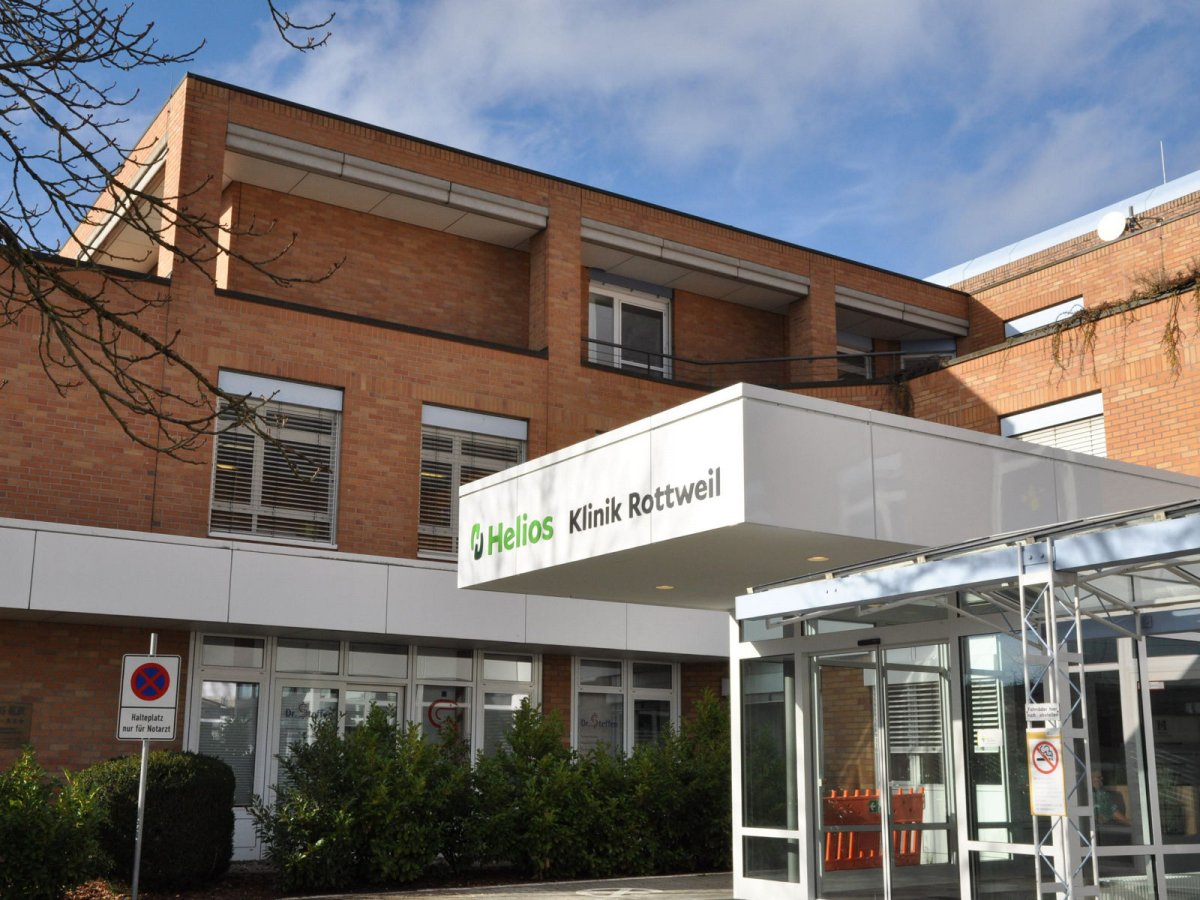

نظرة عامة على استئصال الورم العضلي الروبوتي في ألمانيا
- إيداع Bookimed: 200 دولار أو 200 يورو.
- وديعة العيادة: ادفع نسبة محددة مقدمًا.
قصص فيديو من مرضى Bookimed
مشاركة المحتوى
 Anna Leonova
أسئلة متكررة حول استئصال الورم العضلي الروبوتي في ألمانيا
ما هي الفوائد الرئيسية للجراحة الروبوتية للأورام الليفية في ألمانيا؟
توفر جراحة الأورام الليفية الروبوتية في ألمانيا دقة فائقة من خلال التصوير ثلاثي الأبعاد عالي الدقة وتقنية إلغاء الاهتزاز. يحافظ هذا النهج طفيف التوغل على الخصوبة من خلال ضمان إغلاق جدار الرحم متعدد الطبقات. يستفيد المرضى من معدلات نجاح تصل إلى 90%، وفقدان دم أقل بكثير، وفترة تعافي تتراوح بين أسبوع إلى أسبوعين.
- الحفاظ على الخصوبة: الخياطة الدقيقة تبقي الرحم سليماً لحالات الحمل المستقبلية وتقلل من التندب.
- الدقة الجراحية: يسمح نظام da Vinci بإزالة الأورام الليفية المعقدة أو المغروسة بعمق.
- التعافي السريع: تسمح الشقوق الصغيرة للمرضى بالعودة إلى أنشطتهم اليومية في غضون 7-10 أيام.
- السلامة السريرية: تضمن المعايير الأورام الألمانية وشهادة IASIOS مستويات عالية من سلامة المرضى.
رأي خبراء Bookimed: على الرغم من أن تكاليف الجراحة الروبوتية قد تصل إلى $20,000، إلا أن العديد من المستشفيات الجامعية الألمانية مثل Helios Wuppertal تقدم جدولة أسرع للمرضى الذين يدفعون تكاليفهم بأنفسهم. يشير حجم مرضاهم الضخم الذي يبلغ 150,000 مريض سنوياً إلى سير عمل جراحي متطور للغاية. غالباً ما تترجم هذه التجربة إلى إقامات أقصر في المستشفى مقارنة بالمراكز الإقليمية الصغيرة.
إجماع المرضى: يقدر المرضى كيف تسمح هذه `الجراحة البسيطة` بالعودة السريعة للعمل. يختار الكثيرون هذا المسار خصيصاً لتجنب تأخير علاجات الخصوبة بعد إزالة الأورام الليفية الكبيرة.
من هو المرشح المناسب لعملية استئصال الورم العضلي الروبوتية؟
المرشحون المثاليون لعملية استئصال الورم العضلي الروبوتية هم المرضى الذين يعانون من أورام ليفية رحمية مصحوبة بأعراض والذين يعطون الأولوية للحفاظ على الخصوبة. تشمل المعايير الرئيسية وجود أقل من 15 ورمًا ليفيًا، بحيث يكون حجم كل منها أقل من 15 سم. غالبًا ما يوصي المتخصصون بهذا النهج طفيف التوغل لأولئك الذين يسعون إلى تعافٍ أسرع ودقة في الخياطة الترميمية.
- الأورام الليفية المصحوبة بأعراض: معالجة نزيف الحيض الغزير، أو ضغط الحوض، أو الألم المزمن.
- معايير الورم الليفي: مثالي للأورام الليفية المفردة التي يقل حجمها عن 15 سم أو الزيادات المتعددة الأصغر.
- أهداف الخصوبة: مخصص للمرضى الذين يرغبون في الحفاظ على رحمهم للحمل في المستقبل.
- الصحة الجراحية: الأنسب للمرضى الذين يتمتعون بلياقة وصحة جيدة دون وجود تضخم عضني منتشر حاد.
رؤية خبير Bookimed: توفر المستشفيات الجامعية الألمانية مثل هيليوس فوبرتال مزايا متميزة للحالات المعقدة. غالبًا ما يتم التعامل مع الأورام الليفية الكبيرة (~ 10 سم) التي تتطلب عادةً جراحة مفتوحة هنا عن طريق تنظير البطن. يستخدم الجراحون في هذه المرافق التي تضم 500 طبيب خبرة عالية لتقليل معدلات التحويل إلى إجراءات مفتوحة.
إجماع المرضى: تؤكد العديد من المريضات أن العثور على أخصائي مبكرًا أمر حيوي لتحقيق أهداف الخصوبة. غالبًا ما يذكرن القدرة على المشي في غضون 24 ساعة والشعور بالقدرة على أداء الوظائف بشكل جيد قبل علامة الأسابيع الستة.
كم من الوقت أحتاج للبقاء في المستشفى بعد استئصال الورم العضلي بالروبوت؟
عادةً ما تبقى المريضات اللاتي يخضعن لعملية استئصال الورم العضلي بالروبوت في ألمانيا في المستشفى لمدة تتراوح بين يومين إلى 4 أيام. تسمح هذه الفترة الزمنية للفرق الطبية بمراقبة تقدم التعافي، والتحكم في مستويات الألم، وضمان وظيفة المثانة المناسبة بعد الجراحة الروبوتية طفيفة التوغل قبل السماح للمريضات بالعودة إلى المنزل للتعافي.
- معايير المستشفيات الألمانية: تتطلب معظم المرافق الألمانية بقاء المريضة من ليلتين إلى 4 ليالٍ للمراقبة الداخلية ولضمان السلامة.
- المعايير السريرية للخروج: يتطلب الخروج القدرة على المشي بشكل مستقل، والتحكم في الألم، والقدرة على التبول أو الأكل.
- التركيز على المراقبة الطبية: يعطي الجراحون الأولوية لمراقبة فقدان الدم والتحكم في الغثيان خلال فترة الإقامة الأولية في المستشفى.
- التعافي في المنزل: توقعي فترة تتراوح من 4 إلى 6 أسابيع قبل العودة إلى جميع الأنشطة الطبيعية.
رؤية خبراء بوكيميد (Bookimed): تعطي الثقافة الطبية الألمانية الأولوية للمراقبة لفترة أطول مقارنة بالممارسات الخارجية في الولايات المتحدة. تستفيد معظم المريضات في مراكز مثل مستشفى هيليوس الجامعي في فوبرتال (Helios University Hospital Wuppertal) من هذا النهج الخاص بالإقامة الداخلية. تضمن هذه الإقامة لمدة 2 إلى 4 أيام إدارة أي مضاعفات فورية بعد الجراحة من قبل موظفين متخصصين.
إجماع المرضى: تجد المريضات أن البقاء لمدة يومين إلى 3 أيام يوفر الراحة. وهن يقدرن الحصول على دعم مهني للألم والحركة مباشرة بعد الإجراء الروبوتي.
ما هي المستشفيات في ألمانيا المشهورة باستئصال الأورام الليفية بالروبوت؟
تشمل المستشفيات الألمانية الرائدة لاستئصال الأورام الليفية بالروبوت عيادة بريمن-ميتي، ومستشفى شاريتيه الجامعي في برلين، ومستشفى مدينة سولينغن. تستخدم هذه المؤسسات نظام دافنشي الجراحي للإزالة الدقيقة للأورام الليفية مع الحفاظ على الخصوبة. تدمج المراكز المتخصصة، مثل مستشفى هيليوس الجامعي في فوبرتال، المنصات الروبوتية في أقسام أمراض النساء الشاملة.
- عيادة بريمن-ميتي: تقدم جراحة نسائية روبوتية متقدمة بقيادة خبراء دافنشي.
- مستشفى مدينة سولينغن: يجري عمليات أورام نسائية روبوتية كبيرة مع الحفاظ على الخصوبة.
- المراكز الأكاديمية: يوفر مستشفى شاريتيه في برلين وجامعة ميونخ التقنية خبرة عالية المستوى في إعادة بناء الرحم المعقدة.
- معايير الاعتماد: غالبًا ما تمتلك المراكز الرائدة شهادات من الجمعية الألمانية للسرطان أو IASIOS.
رأي خبراء Bookimed: غالبًا ما تتطلب العيادات الألمانية إقامة إلزامية في المستشفى للإجراءات الروبوتية. على الرغم من أن العملية طفيفة التوغل، إلا أن العديد من المؤسسات تخطط لفترة تعافي مدتها 3 أيام. وهذا يضمن المراقبة الفورية بعد الجراحة لخياطة الرحم متعددة الطبقات، وهو أمر حيوي للحمل في المستقبل.
رأي المرضى: غالبًا ما يوصي المرضى بالبحث عن أقسام متخصصة في الجراحة طفيفة التوغل في بافاريا. يؤكد الكثيرون على ضرورة الاستعداد لألم الكتف الناتج عن الغاز وتهيج الحلق المؤقت بعد الجراحة الروبوتية.
ما هي المستشفيات في ألمانيا التي تحظى بأعلى التقييمات في جراحة الأعصاب؟
تضم ألمانيا بعضًا من أرقى أقسام جراحة الأعصاب في العالم، بقيادة مستشفى شاريتيه الجامعي في برلين ومستشفى جامعة هايدلبرغ. وتتميز هذه المراكز بخبرتها الواسعة في علاج أورام الدماغ المعقدة وأمراض الأوعية الدموية الدماغية. ولتحقيق أقصى قدر من الفعالية في عملياتها، تستخدم هذه المراكز أحدث التقنيات، مثل التصوير بالرنين المغناطيسي أثناء الجراحة والتوجيه العصبي بمساعدة الحاسوب.
- مستشفى شاريتيه برلين: يُجري أكثر من 5000 عملية جراحية سنوياً. ويرأس العيادة جراح الأعصاب الشهير الدكتور بيتر فايكوتشي.
- المركز الطبي في سولينجن: أجرى الدكتور رالف بوهل أكثر من 4000 عملية جراحية، بما في ذلك جراحات العمود الفقري طفيفة التوغل.
- عيادة أسكليبيوس نورد: مجهزة بنظام التصوير بالرنين المغناطيسي الثنائي الوحيد في ألمانيا أثناء الجراحة لضمان الدقة الجراحية في الوقت الحقيقي أثناء إزالة الورم.
- عيادة نوردويست: تم الاعتراف بها من قبل مجلة نيوزويك كمستشفى رائد في مجال الابتكار في تكنولوجيا الموجات فوق الصوتية ثلاثية الأبعاد.
رأي خبراء بوكيمد: تشير البيانات إلى أن اختيار المراكز ذات الحجم الجراحي الكبير غالبًا ما يؤدي إلى توصيات علاجية أكثر تحفظًا. ففي مركز سولينجن الطبي، الذي يعالج أكثر من 60,000 مريض
ما هي نسب نجاح العمليات الجراحية العصبية المعقدة في ألمانيا؟
في ألمانيا، تتميز العمليات الجراحية العصبية بالغة التعقيد بمستوى أمان استثنائي. تصل نسبة نجاح عمليات دمج الفقرات إلى 99%، بينما تبلغ نسبة النجاة بعد استئصال أورام الدماغ الأولية 97%. كما يتمتع المرضى بقدرة عالية على الاعتماد على أنفسهم في أداء وظائفهم اليومية، حيث يغادر أكثر من 82% منهم المستشفى مباشرةً بعد العلاج. وتولي المراكز الألمانية اهتماماً بالغاً بالحفاظ على الوظائف العصبية باستخدام أحدث تقنيات التخطيط العصبي.
- استئصال الورم: يحقق الجراحون استئصالًا كاملاً للورم في 87.2% من حالات النقائل الدماغية.
- النجاح في علاج أمراض الأوعية الدموية: أفادت المستشفيات الألمانية بنسبة نجاة بلغت 98.7% لحالات تمدد الأوعية الدموية غير الممزقة.
- تحسن الحالة العصبية: يشهد ما يقرب من 43% من المرضى تحسناً في المعايير الوظيفية بعد عمليات الاستئصال المعقدة.
- سلامة التدخلات الجراحية: في المراكز الجراحية الكبيرة، تتراوح معدلات بقاء المرضى على قيد الحياة بعد جراحة العمود الفقري بين 98-99%.
رأي خبراء بوكيمد: يُجري جراحون ذوو خبرة، مثل الدكتور أوفه كولر من عيادة أسكليبيوس ألتونا، أكثر من 2000 عملية جراحية سنويًا. تُشير البيانات إلى أن هؤلاء المتخصصين يحافظون على معدلات نجاح تصل إلى 90%، حتى
ما هي التقنيات المتقدمة المتوفرة عادةً في عيادات جراحة الأعصاب الألمانية؟
تُدخل عيادات جراحة الأعصاب الألمانية بانتظام أدوات رقمية عالية الدقة وتقنيات تصوير فوري في الممارسة الجراحية. تشمل التقنيات الرئيسية الملاحة العصبية الحاسوبية لجراحات الدماغ والحبل الشوكي. تستخدم مؤسسات مثل عيادة أسكليبيوس نورد التصوير بالرنين المغناطيسي أثناء الجراحة للتحقق من استئصال الورم في الوقت الفعلي. توفر هذه الأنظمة للجراحين نظام ملاحة ثلاثي الأبعاد.
- الملاحة العصبية: توفر تصورًا ثلاثي الأبعاد وتتبعًا فوريًا للأدوات لتحقيق دقة جراحية تصل إلى مستوى أقل من المليمتر.
- التصوير أثناء العملية: تسمح أنظمة مثل التصوير بالرنين المغناطيسي أثناء العملية (iMRI) والتصوير المقطعي المحوسب ذي الذراع O (O-arm CT) بالتأكيد الفوري على نجاح عملية الاستئصال.
- المراقبة العصبية: تراقب الوظائف الحركية والحسية أثناء الجراحة لحماية الجهاز العصبي.
- التشخيص الفلوري: يتم استخدام صبغة 5-ALA لتسليط الضوء على حدود الورم من أجل إزالته بشكل أكثر اكتمالاً.
- المساعدة الروبوتية: تعمل أنظمة مثل نظام دافنشي على تحسين الدقة في الإجراءات المعقدة ذات التدخل الجراحي البسيط.
رأي خبراء بوكيمد: تُجري مراكز طبية كبيرة، مثل مستشفى شاريتيه الج
ما هي التدريبات المتخصصة التي يتلقاها جراحو الأعصاب الممارسون في ألمانيا؟
في ألمانيا، يتعين على جراحي الأعصاب إكمال برنامج إقامة تخصصي لمدة ست سنوات بعد التخرج من كلية الطب. يشمل هذا البرنامج المنظم العناية المركزة، والتدريب السريري، وكتابة مقالات في مجلة جراحية إلزامية. بعد ذلك، يجتاز المرشحون امتحانًا حكوميًا للحصول على لقب طبيب مقيم (Facharzt für Neurochirurgie).
- الإقامة السريرية: تتطلب من 48 إلى 72 شهرًا من الممارسة المتخصصة في جراحة الأعصاب.
- العناية المركزة: تتضمن فترة تدريب إلزامية لمدة 6 أشهر في وحدة العناية المركزة لجراحة الأعصاب.
- المجلة الجراحية: يوثق الجراحون مئات العمليات الجراحية، بما في ذلك عمليات فتح الجمجمة وجراحات العمود الفقري.
- امتحان الترخيص: يجب على المتقدمين اجتياز امتحان طبي شفوي وعملي تديره الدولة.
رأي خبراء بوكيميد: يركز التدريب الألماني في جراحة الأعصاب على الخبرة الجراحية الواسعة. فعلى سبيل المثال، أجرى الدكتور رالف بول من المركز الطبي في سولينجن أكثر من 4000 عملية جراحية. ويتمتع الدكتور يورغن كيويت من مستشفى ميوكلينيك بخبرة تزيد عن 25 عامًا. يضمن هذا النظام الدقيق أن يتعامل المتخصصون في المراكز الكبرى مع الحالات المعقدة بدقة مثبتة.
آراء المرضى: يشع
ما هي متطلبات اللغة والترخيص المطلوبة للجراحين الأجانب الراغبين في التدرب أو مراقبة العمليات الجراحية العصبية في ألمانيا؟
يجب على جراحي الأعصاب الأجانب استيفاء متطلبات لغوية وترخيصية صارمة للالتحاق بالتدريب أو فترة التدريب العملي في ألمانيا. يتطلب التدريب رخصة طبية سارية أو تصريحًا مؤقتًا. أما المتدربون، فيجب عليهم الحصول على إذن من مستشفى محدد. ويتطلب كلا الخيارين إتقانًا عاليًا للغة الألمانية للمشاركة في المناقشات السريرية وإجراء العمليات الجراحية المعقدة بأمان.
- المهارات اللغوية: مطلوب مستوى عام في اللغة الألمانية B2 ومستوى في اللغة الطبية C1 (Fachsprachprüfung) للتدريب السريري.
- الترخيص السريري: يحتاج الجراحون إلى تصريح لممارسة دائمة (Approbation) أو تصريح مهني (Berufserlaubnis) للتدريب الداخلي المؤقت الخاضع للإشراف.
- حالة المراقبة: يسمح دخول المستشفى بمراقبة العمليات الجراحية دون تحمل المسؤولية الطبية أو الحصول على ترخيص رسمي.
- تقييم المؤهلات: غالباً ما يتعين على خريجي الطب من خارج الاتحاد الأوروبي الخضوع لعملية التحقق من صحة الشهادة في غضون 3-6 أشهر.
رأي خبراء بوكيمد: غالبًا ما تُعطي العيادات الألمانية ذات الأعداد الكبيرة من المرضى، مثل عيادة نوردويست أو أسكليبيوس نورد، الأولوية للمرشحين الذين خضعوا بالفعل لتقييم أولي للوثائق. تُظهر بياناتنا أن أساتذة مثل الدكتور أوفه كولر والدكتور
هل يوجد عدد كافٍ من جراحي الأعصاب في ألمانيا لعلاج المرضى المحليين والدوليين على حد سواء؟
تضم ألمانيا أعلى نسبة من جراحي الأعصاب في أوروبا، حيث يبلغ عددهم 2.94 متخصصًا لكل 100,000 نسمة. وبفضل 184 قسمًا متخصصًا، تستطيع هذه الكفاءات المتميزة التعامل بسهولة مع تدفق المرضى الدوليين. وتُجري مراكز طبية رئيسية، مثل مستشفى شاريتيه برلين، أكثر من 4,000 عملية جراحية سنويًا. ويُوفر هذا العدد الكبير من المتخصصين قدرة إضافية على التعامل مع الحالات الدولية المعقدة.
- الكثافة التخصصية: يوجد في ألمانيا 2.94 جراح أعصاب لكل 100000 شخص، وهو ضعف المتوسط الأوروبي.
- البنية التحتية السريرية: أكثر من 182 قسمًا متخصصًا في جراحة الأعصاب تضمن سهولة الوصول الجغرافي على نطاق واسع في جميع أنحاء ألمانيا.
- الخبرة الجراحية: يقوم البروفيسور الدكتور بيتر فايكوتشي من مستشفى شاريتيه برلين بإجراء أكثر من 4000 عملية جراحية سنوياً.
- التكنولوجيا المتطورة: تستخدم عيادات مثل عيادة أسكليبيوس نورد التصوير بالرنين المغناطيسي أثناء الجراحة والتوجيه العصبي الحاسوبي.
رأي خبراء بوكيمد: على الرغم من وجود العديد من المتخصصين ذوي الكفاءة العالية في ألمانيا، إلا أن أساتذةً مثل الدكتور رالف بول أو الدكتور أوفه كولر يتركزون غالبًا في مراكز طبية كبيرة مثل هامبورغ أو سولينغن. تُظهر بياناتنا أن هذه المراكز الكبيرة