استئصال جزء من الرئة باستخدام الروبوت في ألمانيا — احصل على 3 عيادات مطابقة مع التكاليف


تمت مراجعة المقالة طبيا من قبل
فهد مولود
ما هي تكلفة استئصال جزء من الرئة باستخدام الروبوت في ألمانيا؟ اكتشف الآن
تتراوح تكلفة استئصال جزء من الرئة بمساعدة الروبوت في ألمانيا عادةً من $17,500 إلى $25,500. قد تختلف الأسعار حسب المستشفى، وخبرة الجراح في استخدام الأنظمة الروبوتية، وتعقيد حالتك الرئوية.
غالبًا ما تشمل الباقات الألمانية التصوير قبل العملية، والتخدير، والإجراء الروبوتي نفسه، واستخدام المواد الجراحية المتقدمة، والإقامة في المستشفى، والرعاية القياسية بعد العملية. في الولايات المتحدة، قد يغطي السعر المعلن فقط أتعاب الجراح، مع رسوم إضافية للتخدير، واستخدام المعدات الروبوتية، والإقامة في المستشفى. يجب دائمًا التأكد من تفاصيل ما هو مشمول مع كل عيادة ألمانية.
| تركيا | إسبانيا | ألمانيا | |
| استئصال جزء من الرئة باستخدام الروبوت | من $24,900 | ≈ $16,500 | ≈ $17,500 |
مزاياك وضماناتك مع Bookimed
أسعار مباشرة
Bookimed لا يضيف رسوماً إضافية على أسعار استئصال جزء من الرئة باستخدام الروبوت. الأسعار مأخوذة من قوائم الأسعار الرسمية للعيادات. تدفع مباشرة في العيادة مقابل استئصال جزء من الرئة باستخدام الروبوت عند وصولك.
عيادات وأطباء معتمدون فقط
Bookimed ملتزم بسلامتك. نحن نعمل فقط مع المؤسسات الطبية التي تحافظ على معايير دولية عالية في استئصال جزء من الرئة باستخدام الروبوت ولديها التراخيص اللازمة لخدمة المرضى الدوليين في جميع أنحاء العالم.
مساعدة مجانية على مدار الساعة
Bookimed يقدم مساعدة خبراء مجانية. منسق طبي شخصي يدعمك قبل وأثناء وبعد العلاج، ويحل أي مشاكل. لن تكون وحيداً أبداً في رحلة استئصال جزء من الرئة باستخدام الروبوت.

منسقك الطبي الشخصي في Bookimed
- يدعمك في كل مرحلة
- المساعدة في اختيار العيادة الطبية المناسبة والطبيب المناسب
- يضمن الوصول السريع والمريح إلى المعلومات
اكتشف أفضل استئصال جزء من الرئة باستخدام الروبوت العيادات في ألمانيا: 1 خيار معتمدة والأسعار
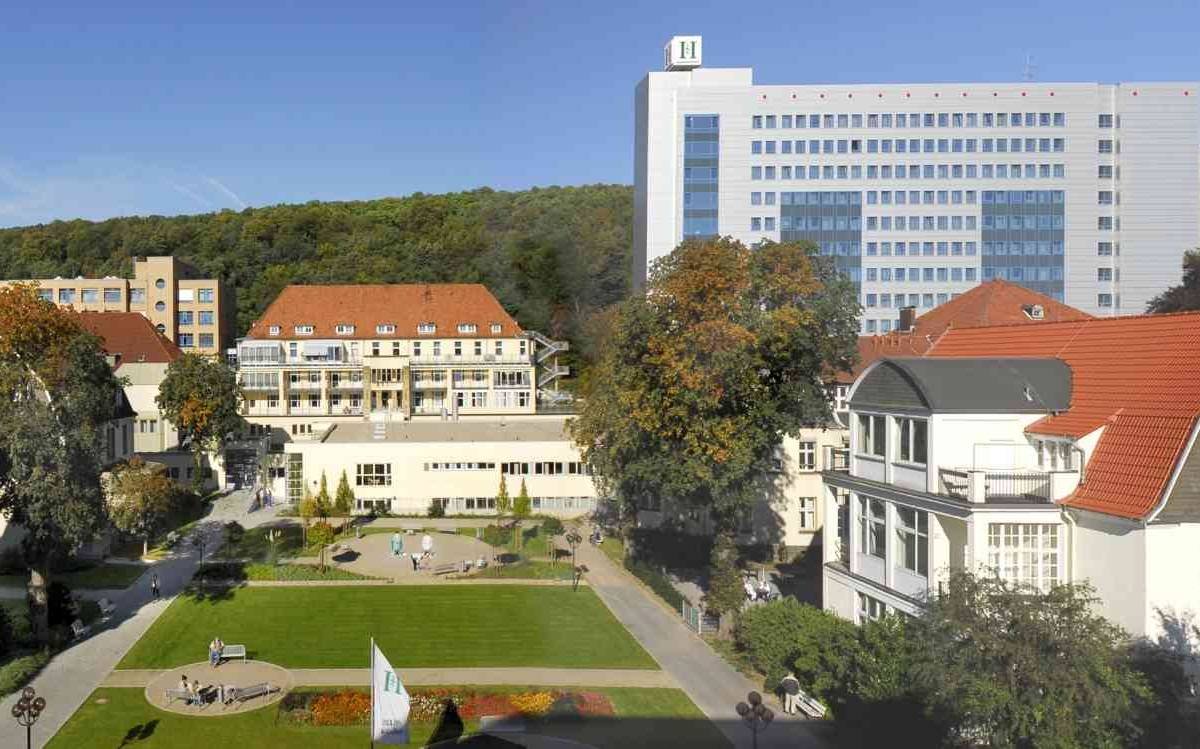


نظرة عامة على استئصال جزء من الرئة باستخدام الروبوت في ألمانيا
- إيداع Bookimed: 200 دولار أو 200 يورو.
- وديعة العيادة: ادفع نسبة محددة مقدمًا.
احصل على تقييم طبي لـ استئصال جزء من الرئة باستخدام الروبوت في ألمانيا: اختر أخصائيك من بين الأفضل في هذا المجال
عرض جميع الأطباء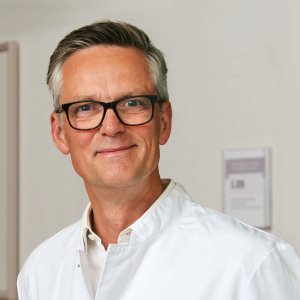
Wolfgang Schröder
قصص فيديو من مرضى Bookimed
المراجعات
جميع المراجعاتمشاركة المحتوى
 Anna Leonova
أسئلة متكررة حول استئصال جزء من الرئة باستخدام الروبوت في ألمانيا
هل استئصال جزء من الرئة باستخدام الروبوت آمن وما مدى فعاليته مقارنة بالطرق الأخرى؟
يعد استئصال جزء من الرئة بمساعدة الروبوت بديلاً آمناً وأقل تدخلاً جراحياً عن الجراحة التقليدية لعلاج السرطان في مراحله المبكرة والآفات الحميدة. فهو يوفر دقة فائقة ومعدلات تحويل أقل إلى الجراحة المفتوحة مقارنة بالطرق القياسية المساعدة بالفيديو. يستفيد المرضى من شقوق جراحية أصغر، وتقليل الألم، وخروج أسرع من المستشفى.
- الفعالية الأورامية: يوفر تشريحاً للعقد الليمفاوية مكافئاً أو أفضل، وهو أمر بالغ الأهمية لتحديد مراحل السرطان بدقة.
- ملف الأمان: يظهر معدلات وفيات منخفضة ومضاعفات أقل من إجراءات بضع الصدر المفتوح التقليدية.
- سرعة التعافي: معظم المرضى مؤهلون للخروج من المستشفى في غضون 24 إلى 48 ساعة بعد العملية.
- الدقة الجراحية: تسمح الأنظمة الروبوتية بالتصوير ثلاثي الأبعاد وبراعة أكبر في مساحات الصدر الضيقة.
رؤية خبير بوكيميد (Bookimed): تستخدم المستشفيات الجامعية الألمانية مثل هيليوس فوبرتال (Helios Wuppertal) معايير أورام معتمدة من IASIOS تعطي الأولوية للحفاظ على أنسجة الرئة. في حين تضمن التكنولوجيا الروبوتية دقة عالية، فإن سعة طاقم الأطباء المكون من 500 طبيب في هذه المراكز تضمن مراقبة شاملة بعد العملية. هذه البنية التحتية حيوية لأن الروبوتات توفر الدقة التقنية، ولكن الخبرة الأورامية في جميع أنحاء المستشفى هي التي تدير التعافي على المدى الطويل.
إجماع المرضى: يقدر المرضى الندوب الأصغر والقدرة على البدء بالمشي بسرعة. يؤكد الكثيرون أنه على الرغم من أن الروبوت يحسن الدقة، إلا أن إدارة التعب بعد العملية المبكر والحفاظ على سعة
من يعتبر المرشح المثالي لعملية استئصال جزء من الرئة بمساعدة الروبوت؟
المرشح المثالي لعملية استئصال جزء من الرئة بمساعدة الروبوت هو مريض مصاب بسرطان الرئة ذو الخلايا غير الصغيرة في مرحلة مبكرة (المرحلة الأولى أ) مع وجود أورام محيطية يقل قطرها عن 2 سم. يمنح هذا الإجراء الأولوية للمرضى الذين يحتاجون إلى الحفاظ على الرئة بسبب محدودية احتياطي الرئة، أو أولئك الذين يعانون من آفات حميدة مثل السل التي تتطلب إزالة دقيقة تحافظ على الأنسجة.
- حجم الورم: آفات صغيرة وموضعية يبلغ قطرها الإجمالي أقل من 2 سم.
- موقع العقد: أورام محيطية تقع في أجزاء الرئة الخارجية التي يمكن الوصول إليها عن طريق الملاحة الروبوتية.
- وظيفة الرئة: المرضى الأكثر عرضة للمخاطر والذين لا يستطيعون تحمل استئصال الفص الكامل بسبب ضعف الاحتياطي الرئوي.
- الحالة اللمفاوية: تأكيد سلبية العقد اللمفاوية لضمان عدم انتقال السرطان إلى المركز.
رؤية خبراء Bookimed: تستفيد المستشفيات الجامعية الألمانية مثل هيليوس فوبرتال من شهادات في طب الأورام التداخلي لضمان أخذ عينات دقيقة من العقد اللمفاوية. وفي حين أن استئصال جزء من الرئة يحافظ على المزيد من الأنسجة السليمة، تظهر البيانات أن الجراحين يؤكدون على الإزالة الكاملة للعقد اللمفاوية. يحافظ هذا النهج على السلامة الأورام بينما يستخدم ميزة العرض "لأعلى" (looking-up) في النظام الروبوتي لأجزاء الفص السفلي.
إجماع المرضى: يقدر المرضى الحفاظ الكبير على الرئة الذي توفره هذه الجراحة، لكنهم يؤكدون أنها تظل عملية كبرى. أشار الكثيرون إلى أن التحقق من مواقع الآفات المحيطية مبكراً أمر بالغ الأهمية للتأهل لهذا ا
ما هي الفوائد المحددة التي توفرها المساعدة الروبوتية مقارنة بالتقنيات التقليدية المفتوحة أو جراحة الصدر بمساعدة الفيديو (VATS)؟
توفر المساعدة الروبوتية لاستئصال مقطع الرئة رؤية ثلاثية الأبعاد عالية الدقة ومحسنة، مما يلغي الارتجاف الفسيولوجي لتحقيق دقة جراحية فائقة. على عكس أدوات VATS الصلبة، تتميز الأدوات الروبوتية بمفاصل تشبه المعصم تحاكي حركات اليد البشرية. وهذا يسمح بإجراء تشريح أكثر أماناً حول الأوعية الدموية الدقيقة وتوفير وصول أفضل إلى مقاطع الرئة التي يصعب الوصول إليها.
- رؤية محسنة: يستخدم الجراحون عرضاً ثلاثي الأبعاد مكبراً 10 مرات لزيادة الدقة أثناء تحديد التشريح المعقد.
- قدرة فائقة على المناورة: توفر الأدوات ذات المفاصل نطاقاً أوسع من الحركة مقارنة بأدوات VATS المستقيمة.
- تقليل صدمة الأنسجة: تؤدي الشقوق الصغيرة إلى فقدان أقل للدم وتقليل المضاعفات بعد الجراحة.
- تعافي أسرع: تؤدي الأساليب طفيفة التوغل عادةً إلى فترات إقامة أقصر في المستشفى وعودة أسرع للحركة.
رؤية خبير Bookimed: على الرغم من أن الجراحة الروبوتية توفر دقة عالية، إلا أن حجم عمليات الجراح هو المؤشر الحقيقي للنجاح. يعالج مستشفى هيليوس الجامعي في فوبرتال 150,000 مريض سنوياً، مما يضمن خبرة مؤسسية عميقة. بالنسبة لآفات الرئة المعقدة، توفر قدرة الروبوت على التنقل في التشريح المتندب أو الصعب بيئة خاضعة للرقابة غالباً ما تمنع الحاجة للتحويل إلى جراحة مفتوحة.
إجماع المرضى: يقدر المرضى الشقوق الصغيرة وتقليل صدمات العضلات، لكنهم يؤكدون أن التعافي يظل عملية جادة. يذكر معظمهم أنه على الرغم من أن الروبوتات تقلل الألم، إلا أن وجود أنبوب الصدر يحدد إلى حد كبير سرعة خروجهم من المستشفى.
ما هي المدة المتوقعة لفترة التعافي بعد استئصال قطعة الرئة الروبوتية في ألمانيا؟
تتطلب فترة التعافي بعد استئصال قطعة الرئة الروبوتية في ألمانيا عادةً من يومين إلى 5 أيام في المستشفى. يعود معظم المرضى إلى أنشطتهم اليومية الطبيعية في غضون 3 إلى 6 أسابيع. يستخدم هذا النهج طفيف التوغل الدقة الروبوتية لتقليل الصدمات العضلية وتسريع الشفاء الوظيفي.
- خروج المريض من المستشفى: يغادر المرضى عادةً المستشفى في غضون 3 إلى 5 أيام.
- إزالة الأنابيب (المصارف): يقوم الجراحون عادةً بإزالة مصارف الصدر في غضون أسبوع واحد بعد العملية.
- الأنشطة اليومية: غالباً ما يتم استئناف المشي والمهام الخفيفة خلال الأسبوعين الأولين.
- المجهود البدني: يعود معظم المرضى إلى ممارسة الرياضة أو الأنشطة الشاقة بعد 6 أسابيع.
رؤية خبير Bookimed: تعالج المستشفيات الجامعية الألمانية مثل مستشفى هيليوس فوبرتال 150,000 مريض سنوياً باستخدام طب الأورام التداخلي. غالباً ما يؤدي هذا الحجم الكبير إلى بروتوكولات تعبئة قياسية بعد الجراحة. يركز التعافي السريع هنا على المشي المبكر لمنع الالتهاب الرئوي وتحسين توسع الرئة.
إجماع المرضى: يجد العديد من المرضى أن قدرتهم على التحمل تتأخر عن شفائهم الجسدي. النجاح يتضمن تناول وجبات غنية بالبروتين وتجنب الرياضات العنيفة بشكل صارم لمدة 6 أسابيع على الأقل.
ما هي عملية استئصال قطعة الرئة الروبوتية بالضبط؟
استئصال قطعة الرئة الروبوتية هو جراحة طفيفة التوغل. يتم فيها إزالة قطعة تشريحية محددة من الرئة مع الحفاظ على الأنسجة السليمة. يستخدم الجراحون أذرعاً روبوتية وتصويراً ثلاثي الأبعاد لتحقيق دقة عالية. تُستخدم هذه التقنية عادةً في العيادات الألمانية المتخصصة لعلاج السرطان في مراحله المبكرة أو الأورام الحميدة.
- الحفاظ على الأنسجة: إزالة القطعة المصابة فقط لتعظيم وظيفة الرئة المتبقية.
- الدقة الروبوتية: استخدام التصوير ثلاثي الأبعاد عالي الدقة وأدوات مفصلية للتعامل مع التشريح المعقد.
- النهج الجراحي: تُجرى من خلال شقوق صغيرة بين الأضلاع لتقليل الصدمات الجسدية.
- معايير الأورام: تتضمن تشريح العقد الليمفاوية لضمان تحديد مرحلة السرطان بشكل دقيق.
رؤية خبير Bookimed: تدمج المستشفيات الجامعية الألمانية مثل مستشفى هيليوس الجامعي في فوبرتال جراحة الصدر الروبوتية في وحدات أورام متعددة التخصصات. يضمن هذا الإعداد تحديد الحدود التشريحية لعملية الاستئصال باستخدام التصوير قبل الجراحة. يستخدم جراحون مثل الدكتور فولفغانغ شرودر سير عمل متخصصاً للتمييز بين عمليات الاستئصال الإسفينية البسيطة وعمليات استئصال القطع التشريحية الحقيقية.
إجماع المرضى: يذكر المرضى أنه على الرغم من أن التعافي يستغرق أسابيع، إلا أنه يتم تشجيع المشي المبكر لتعزيز سعة الرئة. يؤكدون على أهمية التأكد مما إذا كان الجراح يخطط لاستئصال قطعة أو استئصال فص كامل قبل بدء العملية.
كيف يمكنني التعرف على جراح صدر روبوتي ذي خبرة في ألمانيا؟
للتعرف على جراح صدر روبوتي ذي خبرة في ألمانيا، أعط الأولوية للمتخصصين المعتمدين في المراكز الأكاديمية أو العيادات المعتمدة من قبل الجمعية الألمانية للسرطان. ابحث عن الجراحين الذين لديهم معدلات سنوية عالية في إجراءات "دا فينشي" (da Vinci) وعضوية في الجمعية الألمانية لجراحة الصدر.
- التحقق من الشهادات: تحقق من اعتماد الجمعية الألمانية للسرطان (DKG) لضمان جودة رعاية الأورام المتخصصة.
- حجم الحالات المؤسسية: اختر العيادات الجامعية مثل مستشفى هيليوس فوبرتال التي تعالج أكثر من 150,000 مريض سنوياً.
- التخصص الجراحي: اختر جراحي صدر متخصصين بدلاً من الجراحين العامين الذين يقومون بمهام روبوتية عرضية.
- الخبرة الفنية: تأكد من أن الجراح يحافظ على عدد كبير من الحالات لإجراءات استئصال قطعة الرئة الروبوتية بشكل خاص.
رؤية خبير Bookimed: توفر المستشفيات الجامعية ذات الحجم الكبير في ألمانيا نتائج أكثر استقراراً لحالات الصدر الروبوتية المعقدة. تجمع عيادات مثل مستشفى هيليوس الجامعي في فوبرتال بين البحث الأكاديمي والبنية التحتية الضخمة للمرضى. وهذا يضمن وجود فرق تمريض وتخدير متخصصة لكل سير عمل روبوتي.
إجماع المرضى: يوصي المرضى بسؤال الجراحين مباشرة عن خبرتهم الشخصية في التحول من الحالات الروبوتية إلى الجراحة المفتوحة. هذه الشفافية تبني الثقة فيما يتعلق بالسلامة أثناء إزالة الأورام المعقدة.
ما هي المدن أو المستشفيات في ألمانيا الأكثر شهرة في جراحة استئصال قطعة الرئة الروبوتية؟
تعتبر برلين وهايدلبرغ ودوسلدورف من المدن الألمانية الرائدة في مجال جراحة استئصال قطعة الرئة الروبوتية. يتخصص مستشفى هيليوس الجامعي في فوبرتال ومركز Thoraxklinik في هايدلبرغ في جراحة الصدر الروبوتية. تتميز هذه المراكز بحصولها على شهادة الجمعية الألمانية للسرطان وتوفر الفرق متعددة التخصصات اللازمة لاستئصال أجزاء الرئة المعقدة والتصوير الورمي.
- أفضل العيادات: يوفر مستشفى شاريتيه في برلين وهيليوس في فوبرتال منصات جراحية صدرية روبوتية متطورة.
- جراحون خبراء: يقوم الدكتور فولفغانغ شرودر في هيليوس فوبرتال بإجراء جراحات أورام متخصصة.
- الاعتمادات: ابحث عن شهادات الجمعية الألمانية للسرطان (DKG) وشهادات IASIOS لمعايير الأورام.
- مراكز متخصصة: يركز مركز Thoraxklinik في هايدلبرغ حصرياً على أمراض الرئة والتقنيات الروبوتية.
رؤية خبير Bookimed: بينما تمتلك العديد من المستشفيات الجامعية الألمانية روبوتات، تخدم مراكز الدرجة الأولى مثل هيليوس فوبرتال 150,000 مريض سنوياً. هذا الحجم الكبير يضمن بقاء الفريق الجراحي بأكمله على مستوى عالٍ من الكفاءة. توفر الأقسام الكبيرة المكونة من 28 وحدة متخصصة الدعم الحرج في العناية المركزة المطلوب لإجراءات الرئة.
إجماع المرضى: يوصي المرضى باختيار المراكز التي تقدم خيارات روبوتية وتداخلية طفيفة. كما يفضلون الجراحين الذين يجرون عملية استئصال القطعة مع فحص شامل للعقد الليمفاوية على الاعتماد على تصنيفات المستشفيات العامة.
ما هي المستشفيات في ألمانيا التي تحظى بأعلى التقييمات في جراحة الأعصاب؟
تضم ألمانيا بعضًا من أرقى أقسام جراحة الأعصاب في العالم، بقيادة مستشفى شاريتيه الجامعي في برلين ومستشفى جامعة هايدلبرغ. وتتميز هذه المراكز بخبرتها الواسعة في علاج أورام الدماغ المعقدة وأمراض الأوعية الدموية الدماغية. ولتحقيق أقصى قدر من الفعالية في عملياتها، تستخدم هذه المراكز أحدث التقنيات، مثل التصوير بالرنين المغناطيسي أثناء الجراحة والتوجيه العصبي بمساعدة الحاسوب.
- مستشفى شاريتيه برلين: يُجري أكثر من 5000 عملية جراحية سنوياً. ويرأس العيادة جراح الأعصاب الشهير الدكتور بيتر فايكوتشي.
- المركز الطبي في سولينجن: أجرى الدكتور رالف بوهل أكثر من 4000 عملية جراحية، بما في ذلك جراحات العمود الفقري طفيفة التوغل.
- عيادة أسكليبيوس نورد: مجهزة بنظام التصوير بالرنين المغناطيسي الثنائي الوحيد في ألمانيا أثناء الجراحة لضمان الدقة الجراحية في الوقت الحقيقي أثناء إزالة الورم.
- عيادة نوردويست: تم الاعتراف بها من قبل مجلة نيوزويك كمستشفى رائد في مجال الابتكار في تكنولوجيا الموجات فوق الصوتية ثلاثية الأبعاد.
رأي خبراء بوكيمد: تشير البيانات إلى أن اختيار المراكز ذات الحجم الجراحي الكبير غالبًا ما يؤدي إلى توصيات علاجية أكثر تحفظًا. ففي مركز سولينجن الطبي، الذي يعالج أكثر من 60,000 مريض
ما هي نسب نجاح العمليات الجراحية العصبية المعقدة في ألمانيا؟
في ألمانيا، تتميز العمليات الجراحية العصبية بالغة التعقيد بمستوى أمان استثنائي. تصل نسبة نجاح عمليات دمج الفقرات إلى 99%، بينما تبلغ نسبة النجاة بعد استئصال أورام الدماغ الأولية 97%. كما يتمتع المرضى بقدرة عالية على الاعتماد على أنفسهم في أداء وظائفهم اليومية، حيث يغادر أكثر من 82% منهم المستشفى مباشرةً بعد العلاج. وتولي المراكز الألمانية اهتماماً بالغاً بالحفاظ على الوظائف العصبية باستخدام أحدث تقنيات التخطيط العصبي.
- استئصال الورم: يحقق الجراحون استئصالًا كاملاً للورم في 87.2% من حالات النقائل الدماغية.
- النجاح في علاج أمراض الأوعية الدموية: أفادت المستشفيات الألمانية بنسبة نجاة بلغت 98.7% لحالات تمدد الأوعية الدموية غير الممزقة.
- تحسن الحالة العصبية: يشهد ما يقرب من 43% من المرضى تحسناً في المعايير الوظيفية بعد عمليات الاستئصال المعقدة.
- سلامة التدخلات الجراحية: في المراكز الجراحية الكبيرة، تتراوح معدلات بقاء المرضى على قيد الحياة بعد جراحة العمود الفقري بين 98-99%.
رأي خبراء بوكيمد: يُجري جراحون ذوو خبرة، مثل الدكتور أوفه كولر من عيادة أسكليبيوس ألتونا، أكثر من 2000 عملية جراحية سنويًا. تُشير البيانات إلى أن هؤلاء المتخصصين يحافظون على معدلات نجاح تصل إلى 90%، حتى
ما هي التقنيات المتقدمة المتوفرة عادةً في عيادات جراحة الأعصاب الألمانية؟
تُدخل عيادات جراحة الأعصاب الألمانية بانتظام أدوات رقمية عالية الدقة وتقنيات تصوير فوري في الممارسة الجراحية. تشمل التقنيات الرئيسية الملاحة العصبية الحاسوبية لجراحات الدماغ والحبل الشوكي. تستخدم مؤسسات مثل عيادة أسكليبيوس نورد التصوير بالرنين المغناطيسي أثناء الجراحة للتحقق من استئصال الورم في الوقت الفعلي. توفر هذه الأنظمة للجراحين نظام ملاحة ثلاثي الأبعاد.
- الملاحة العصبية: توفر تصورًا ثلاثي الأبعاد وتتبعًا فوريًا للأدوات لتحقيق دقة جراحية تصل إلى مستوى أقل من المليمتر.
- التصوير أثناء العملية: تسمح أنظمة مثل التصوير بالرنين المغناطيسي أثناء العملية (iMRI) والتصوير المقطعي المحوسب ذي الذراع O (O-arm CT) بالتأكيد الفوري على نجاح عملية الاستئصال.
- المراقبة العصبية: تراقب الوظائف الحركية والحسية أثناء الجراحة لحماية الجهاز العصبي.
- التشخيص الفلوري: يتم استخدام صبغة 5-ALA لتسليط الضوء على حدود الورم من أجل إزالته بشكل أكثر اكتمالاً.
- المساعدة الروبوتية: تعمل أنظمة مثل نظام دافنشي على تحسين الدقة في الإجراءات المعقدة ذات التدخل الجراحي البسيط.
رأي خبراء بوكيمد: تُجري مراكز طبية كبيرة، مثل مستشفى شاريتيه الج