الاستئصال الأمامي المنخفض الروبوتي في ألمانيا — احصل على 3 عيادات مطابقة مع التكاليف


تمت مراجعة المقالة طبيا من قبل
فهد مولود
ما هي تكلفة الاستئصال الأمامي المنخفض الروبوتي في ألمانيا؟ اكتشف الآن
عادةً ما تتراوح تكلفة استئصال المستقيم الأمامي السفلي الروبوتي (LAR) في ألمانيا من $17,500 إلى $26,500. تعتمد الأسعار على المستشفى، وخبرة الجراح في الأنظمة الروبوتية (مثل da Vinci)، وتعقيد موقع الورم.
عادةً ما تشمل المستشفيات الألمانية الفحوصات قبل العملية، والتخدير، والإجراء الروبوتي، والإقامة في المستشفى (غالبًا من 5 إلى 7 أيام)، والفحوصات الباثولوجية، والرعاية بعد العملية. في الولايات المتحدة، غالبًا ما يغطي السعر الأساسي أتعاب الجراح فقط، مع رسوم إضافية للتخدير، والروبوتات، والإقامة في المستشفى، والفحوصات الباثولوجية. يجب دائمًا التأكد من تفاصيل ما يتضمنه العرض في كل عيادة.
| تركيا | إسبانيا | ألمانيا | |
|---|---|---|---|
| الاستئصال الأمامي المنخفض الروبوتي | من $27,200 | ≈ $14,500 | ≈ $17,500 |
مزاياك وضماناتك مع Bookimed
أسعار مباشرة
Bookimed لا يضيف رسوماً إضافية على أسعار الاستئصال الأمامي المنخفض الروبوتي. الأسعار مأخوذة من قوائم الأسعار الرسمية للعيادات. تدفع مباشرة في العيادة مقابل الاستئصال الأمامي المنخفض الروبوتي عند وصولك.
عيادات وأطباء معتمدون فقط
Bookimed ملتزم بسلامتك. نحن نعمل فقط مع المؤسسات الطبية التي تحافظ على معايير دولية عالية في الاستئصال الأمامي المنخفض الروبوتي ولديها التراخيص اللازمة لخدمة المرضى الدوليين في جميع أنحاء العالم.
مساعدة مجانية على مدار الساعة
Bookimed يقدم مساعدة خبراء مجانية. منسق طبي شخصي يدعمك قبل وأثناء وبعد العلاج، ويحل أي مشاكل. لن تكون وحيداً أبداً في رحلة الاستئصال الأمامي المنخفض الروبوتي.

منسقك الطبي الشخصي في Bookimed
- يدعمك في كل مرحلة
- المساعدة في اختيار العيادة الطبية المناسبة والطبيب المناسب
- يضمن الوصول السريع والمريح إلى المعلومات
اكتشف أفضل الاستئصال الأمامي المنخفض الروبوتي العيادات في ألمانيا: 1 خيار معتمدة والأسعار

نظرة عامة على الاستئصال الأمامي المنخفض الروبوتي في ألمانيا
- إيداع Bookimed: 200 دولار أو 200 يورو.
- وديعة العيادة: ادفع نسبة محددة مقدمًا.
احصل على تقييم طبي لـ الاستئصال الأمامي المنخفض الروبوتي في ألمانيا: اختر أخصائيك من بين الأفضل في هذا المجال
عرض جميع الأطباء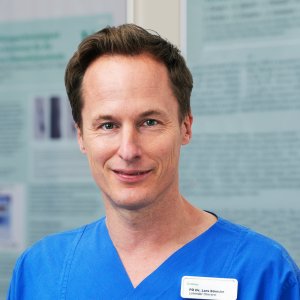
Lars Bönicke
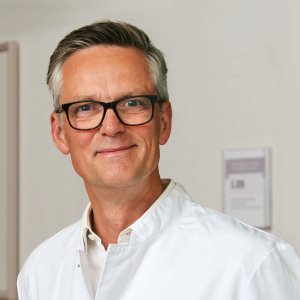
Wolfgang Schröder
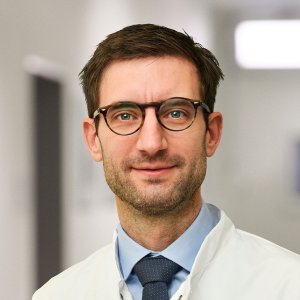
Florian Gebauer Chief Of General And Visceral Surgery
قصص فيديو من مرضى Bookimed
مشاركة المحتوى
 Anna Leonova
أسئلة متكررة حول الاستئصال الأمامي المنخفض الروبوتي في ألمانيا
هل يمكن لجراحة LAR الروبوتية إنقاذ العضلة العاصرة الشرجية وتجنب فغرة القولون الدائمة؟
تعمل جراحة استئصال المستقيم الأمامي المنخفض (LAR) الروبوتية على الحفاظ على العضلة العاصرة الشرجية من خلال استخدام رؤية ثلاثية الأبعاد وأدوات دقيقة لإزالة سرطان المستقيم. يقلل هذا النهج الروبوتي بشكل كبير من معدلات فغرة القولون الدائمة مقارنة بالطرق التقليدية. يمكن للجراحين تحقيق هوامش واضحة في مساحات الحوض الضيقة مع حماية الأعصاب الدقيقة.
- الحفاظ على العضلة العاصرة: توفر الأنظمة الروبوتية مهارة فائقة لعمليات تشريح الحوض العميقة بالقرب من فتحة الشرج.
- تقليل المخاطر: تظهر الدراسات أن الحالات الروبوتية تقلل بشكل كبير من حدوث الفغرة الدائمة مقارنة بجراحة المناظير.
- هوامش دقيقة: تضمن الرؤية المحسنة إزالة الورم دون الإضرار بالعضلة العاصرة أو عضلات الرافعة الشرجية.
- فغرة مؤقتة: يستخدم العديد من المرضى فغرة مؤقتة للشفاء قبل إجراء عملية عكسية مخططة لها.
رؤية خبير بوكيميد (Bookimed): غالباً ما تدمج المستشفيات الجامعية الألمانية مثل هيليوس فوبرتال الأورام التداخلية والجراحة الحشوية للحالات المعقدة. يستخدم جراحون خبراء مثل الدكتور فلوريان جيبور معايير معتمدة من IASIOS لتحديد ما إذا كانت الدقة الروبوتية تسمح بالحفاظ على العضلة العاصرة. بالنسبة للأورام الموجودة على ارتفاع 10 سم أو أكثر، تزداد احتمالية تجنب فغرة القولون الدائمة بشكل كبير من خلال هذه المنصات الروبوتية المتقدمة.
إجماع المرضى: يجد العديد من المرضى أنه على الرغم من إنقاذ العضلة العاصرة، فإن التعافي يتضمن التعامل مع أعراض متلازمة استئصال المستقيم الأمامي المنخفض. وغالبا
ما هي المؤهلات التي يجب أن أبحث عنها لدى الجراحين في ألمانيا؟
بالنسبة للجراحين في ألمانيا، ابحث عن أخصائي معتمد (Facharzt) في الجراحة الحشوية مع ترخيص مزاولة المهنة (Approbation). تشمل المؤهلات عالية المستوى شهادة من الجمعية الألمانية للسرطان وخبرة في المستشفيات الجامعية المعتمدة من JCI أو IASIOS والتي تدير أعداداً كبيرة من حالات القولون والمستقيم.
- لقب Facharzt: يشير إلى إتمام 5-6 سنوات من التدريب الجراحي التخصصي بعد التخرج واجتياز الامتحانات.
- تخصص الجراحة الحشوية: يضمن تركيز الجراح بشكل خاص على أعضاء البطن وحالات الأورام المعقدة.
- الجمعية الألمانية للسرطان: تؤكد الشهادة أن الجراح والعيادة يفيان بمعايير علاج الأورام الوطنية الصارمة.
- سجل الجمعية الطبية: يضمن التحقق عبر غرفة الأطباء الإقليمية (Landesärztekammer) وجود ترخيص نشط وغير مقيد.
رؤية خبير بوكيميد (Bookimed): تعالج المستشفيات الجامعية الألمانية مثل هيليوس فوبرتال 150,000 مريض سنوياً لأنها تعمل على مركزية الرعاية المتخصصة. عند اختيار جراح لإجراء جراحة LAR روبوتية معقدة، أعط الأولوية لمن يحملون لقب رئيس الجراحة الحشوية. يدير هؤلاء القادة عادةً أقساماً ذات حجم حالات مرتفع ويحملون أوراق اعتماد متخصصة من الجمعية الألمانية للسرطان لا يمتلكها الجراحون العامون.
إجماع المرضى: يؤكد المرضى أن حجم الحالات الخاصة للجراح في جراحات استئصال المستقيم الأمامي المنخفض أكثر أهمية من المعدات الروبوتية المستخدمة. ويوصون بالسؤال عن قدرات الحفاظ على الأعصاب ومعدلات إعادة الجراحة المحددة لضمان جودة حياة عالية بعد الجراحة.
كيف يحسن النظام الروبوتي السلامة والنتائج أثناء جراحة LAR؟
تعمل الأنظمة الروبوتية على تحسين السلامة والنتائج أثناء استئصال المستقيم الأمامي المنخفض (LAR) من خلال توفير رؤية ثلاثية الأبعاد فائقة ودقة في استخدام الأدوات داخل الحوض الضيق. يقلل هذا النهج من المضاعفات أثناء الجراحة بنحو 30 بالمائة. كما يسهل التحكم المحسن تقنيات الحفاظ على الأعصاب، مما يحمي وظائف الأمعاء والمسالك البولية بشكل أكثر فعالية من الطرق التقليدية.
- دقة محسنة: توفر الأذرع الروبوتية تحكماً أدق للخياطة الحساسة بالقرب من أعصاب المستقيم.
- رؤية فائقة: توفر تقنية التصوير ثلاثي الأبعاد عالي الدقة رؤية مستقرة لمساحة الحوض الضيقة.
- معدلات تحويل أقل: تساعد المساعدة الروبوتية الجراحين على تجنب التحول من الجراحة طفيفة التوغل إلى الجراحة المفتوحة.
- تعافي أسرع: يستفيد المرضى من شقوق أصغر، وألم أقل، وإقامة أقصر في المستشفى.
رؤية خبير بوكيميد (Bookimed): تستفيد المستشفيات الجامعية الألمانية مثل هيليوس فوبرتال من شهادة IASIOS في الأورام التداخلية. وهذا يضمن استيفاء الجراحين للمعايير الأوروبية الصارمة لاستئصال الحوض المعقد. على الرغم من أن الجراحة الروبوتية قد تستغرق وقتاً أطول، إلا أن ميزتها الأساسية هي التعامل الفني في الحالات الصعبة. نحن نرى هذه الخبرة المتخصصة لدى جراحين كبار مثل فلوريان جيبور.
إجماع المرضى: يقدّر المرضى الحفاظ على الوظائف الجنسية والبولية التي تسمح بها الدقة الروبوتية. وغالباً ما يبلغون عن ألم أقل بعد العملية وعودة أسرع للأنشطة اليومية مما كان متوقعاً.
ما هي المستشفيات الألمانية الأعلى تصنيفاً لجراحة استئصال المستقيم الأمامي المنخفض (LAR) الروبوتية؟
تشمل المستشفيات الألمانية الأعلى تصنيفاً لجراحة استئصال المستقيم الأمامي المنخفض (LAR) الروبوتية مستشفى هيليوس الجامعي في فوبرتال، ومستشفى شاريتيه الجامعي، ومستشفى أسكليبيوس بارمبيك. تستخدم هذه المراكز أنظمة دافنشي وتحمل شهادات من الجمعية الألمانية للسرطان، مما يضمن دقة عالية لعمليات سرطان المستقيم المعقدة مع إعطاء الأولوية للحفاظ على الأعصاب.
- شهادة متخصصة: يحمل مستشفى هيليوس الجامعي في فوبرتال شهادات أورام من الجمعية الألمانية للسرطان و IASIOS.
- قيادة جراحية خبيرة: يقود الدكتور فلوريان جيبور قسم الجراحة العامة والجراحة الحشوية في مستشفى هيليوس الجامعي.
- مراكز التكنولوجيا الإقليمية: يُعد مستشفى ريشتس دير إيزار الجامعي ومستشفى جامعة لودفيغ ماكسيميليان في ميونيخ مراكز روبوتية رائدة.
- الحجم السريري: يدير مستشفى هيليوس فوبرتال وحده 150,000 مريض سنوياً عبر 28 قسماً متخصصاً.
رؤية خبير بوكيميد (Bookimed): غالباً ما توفر المستشفيات الجامعية الألمانية هوامش أمان أعلى لجراحة LAR الروبوتية لأنها تعمل كمراكز أورام معتمدة. على سبيل المثال، يدمج هيليوس فوبرتال معايير الأورام التداخلية مباشرة في بروتوكولاته الجراحية. يجب على المرضى إعطاء الأولوية للعيادات التي تحمل هذه الأختام المحددة للجمعية الألمانية للسرطان بدلاً من مجرد النظر إلى الوصول للتكنولوجيا.
إجماع المرضى: يؤكد المرضى ذوو الخبرة أن حجم العمليات الجراحية والتخصص في سرطان المستقيم أكثر أهمية من الروبوت نفسه. وينصح الكثيرون بمناقشة احتمالية وجود فغرة (stoma) مؤقتة ووظيفة ا
ما هو ملف التعافي النموذجي بعد استئصال المستقيم الأمامي المنخفض (LAR) الروبوتي في ألمانيا؟
يتبع التعافي من استئصال المستقيم الأمامي المنخفض (LAR) الروبوتي في ألمانيا بروتوكول التعافي المعزز بعد الجراحة (ERAS). يغادر المرضى المستشفى عادةً في غضون يومين. تقلل دقة الأدوات الروبوتية من الصدمات الداخلية، مما يسمح بالعودة إلى العمل المكتبي في غضون 3 أسابيع والنشاط الكامل بحلول الأسبوع السادس.
- الإقامة في المستشفى: يتم خروج المرضى عادةً في غضون يوم إلى يومين بعد الإجراء.
- التعبئة المبكرة: تعطي العيادات الألمانية الأولوية للمشي في غضون 24 ساعة لمنع المضاعفات بعد الجراحة.
- الانتقال الغذائي: ينتقل المرضى من السوائل إلى الأطعمة الصلبة بسرعة تحت إشراف البروتوكولات الغذائية الألمانية.
- الجدول الزمني للعمل: يعود معظمهم إلى الوظائف المكتبية في غضون 3 إلى 6 أسابيع بعد العملية.
رؤية خبير Bookimed: تستخدم المستشفيات الجامعية الألمانية مثل هيليوس فوبرتال فرقاً متعددة التخصصات تحمل شهادات من جمعية السرطان الألمانية. هذا حيوي لأن الدقة الروبوتية تقلل الألم في موقع الجراحة، لكن مدة التعافي تعتمد بشدة على إدارة وظيفة الأمعاء. تضمن المراكز ذات الحجم الكبير في دوسلدورف حفاظ الجراحين على الكفاءة التقنية المطلوبة لتحسين هذه النتائج الوظيفية على المدى الطويل.
إجماع المرضى: في حين أن الشفاء الجراحي الأولي سريع، يذكر المرضى أن تعديل وظيفة الأمعاء يستغرق حوالي 3 إلى 6 أشهر. يؤكد الكثيرون أن فغر الأمعاء المؤقت غالباً ما يكون أكثر قابلية للإدارة من الإلحاح الأولي الذي يتم تجربته خلال مرحلة إعادة تدريب الأمعاء.
ما هو استئصال المستقيم الأمامي المنخفض (LAR) الروبوتي؟
استئصال المستقيم الأمامي المنخفض (LAR) الروبوتي هو جراحة طفيفة التوغل تستخدم لعلاج سرطان المستقيم. يستخدم الجراحون نظاماً روبوتياً لإزالة الجزء المصاب بالسرطان من المستقيم مع الحفاظ على العضلة العاصرة الشرجية. يسهل هذا النهج حركات دقيقة داخل الحوض الضيق، مما يدعم وظيفة الأمعاء الطبيعية بعد التعافي.
- المناورة الدقيقة: توفر الأذرع الروبوتية رؤية ثلاثية الأبعاد ومرونة محسنة في مساحات الحوض العميقة.
- الحفاظ على العضلة العاصرة: تعطي هذه التقنية الأولوية لإنقاذ العضلات لتجنب الحاجة إلى كيس فغر القولون الدائم.
- استئصال المساريق المستقيمي: يقوم الجراحون بإجراء استئصال كامل للمساريق المستقيمي (TME) لإزالة الورم والأنسجة الدهنية المحيطة.
- المفاغرة الداخلية: يتم إعادة توصيل أطراف الأمعاء السليمة داخلياً، وغالباً ما تتضمن فقط شقوقاً صغيرة في البطن.
رؤية خبير Bookimed: تدمج المستشفيات الجامعية الألمانية مثل هيليوس فوبرتال إجراء LAR الروبوتي في وحدات الأورام متعددة التخصصات. تعالج هذه العيادة المحددة 150,000 مريض سنوياً وتحمل شهادة IASIOS للأورام التداخلية. يستخدم جراحون مثل د. فلوريان جيباور هذا الحجم الكبير من المرضى لصقل التقنيات الروبوتية، وهو أمر حيوي لأن دقة الحوض تؤثر بشكل مباشر على الحفاظ على الأعصاب على المدى الطويل.
إجماع المرضى: يجد العديد من المرضى أن النهج الروبوتي أقل ألماً لكنهم يؤكدون على الاستعداد لمتلازمة استئصال المستقيم الأمامي المنخفض (LARS). توقع تغيرات كبيرة في عادات الأمعاء، مثل الإلحاح أو التكرار، مباشرة ب
ما هي المستشفيات في ألمانيا التي تحظى بأعلى التقييمات في جراحة الأعصاب؟
تضم ألمانيا بعضًا من أرقى أقسام جراحة الأعصاب في العالم، بقيادة مستشفى شاريتيه الجامعي في برلين ومستشفى جامعة هايدلبرغ. وتتميز هذه المراكز بخبرتها الواسعة في علاج أورام الدماغ المعقدة وأمراض الأوعية الدموية الدماغية. ولتحقيق أقصى قدر من الفعالية في عملياتها، تستخدم هذه المراكز أحدث التقنيات، مثل التصوير بالرنين المغناطيسي أثناء الجراحة والتوجيه العصبي بمساعدة الحاسوب.
- مستشفى شاريتيه برلين: يُجري أكثر من 5000 عملية جراحية سنوياً. ويرأس العيادة جراح الأعصاب الشهير الدكتور بيتر فايكوتشي.
- المركز الطبي في سولينجن: أجرى الدكتور رالف بوهل أكثر من 4000 عملية جراحية، بما في ذلك جراحات العمود الفقري طفيفة التوغل.
- عيادة أسكليبيوس نورد: مجهزة بنظام التصوير بالرنين المغناطيسي الثنائي الوحيد في ألمانيا أثناء الجراحة لضمان الدقة الجراحية في الوقت الحقيقي أثناء إزالة الورم.
- عيادة نوردويست: تم الاعتراف بها من قبل مجلة نيوزويك كمستشفى رائد في مجال الابتكار في تكنولوجيا الموجات فوق الصوتية ثلاثية الأبعاد.
رأي خبراء بوكيمد: تشير البيانات إلى أن اختيار المراكز ذات الحجم الجراحي الكبير غالبًا ما يؤدي إلى توصيات علاجية أكثر تحفظًا. ففي مركز سولينجن الطبي، الذي يعالج أكثر من 60,000 مريض
ما هي نسب نجاح العمليات الجراحية العصبية المعقدة في ألمانيا؟
في ألمانيا، تتميز العمليات الجراحية العصبية بالغة التعقيد بمستوى أمان استثنائي. تصل نسبة نجاح عمليات دمج الفقرات إلى 99%، بينما تبلغ نسبة النجاة بعد استئصال أورام الدماغ الأولية 97%. كما يتمتع المرضى بقدرة عالية على الاعتماد على أنفسهم في أداء وظائفهم اليومية، حيث يغادر أكثر من 82% منهم المستشفى مباشرةً بعد العلاج. وتولي المراكز الألمانية اهتماماً بالغاً بالحفاظ على الوظائف العصبية باستخدام أحدث تقنيات التخطيط العصبي.
- استئصال الورم: يحقق الجراحون استئصالًا كاملاً للورم في 87.2% من حالات النقائل الدماغية.
- النجاح في علاج أمراض الأوعية الدموية: أفادت المستشفيات الألمانية بنسبة نجاة بلغت 98.7% لحالات تمدد الأوعية الدموية غير الممزقة.
- تحسن الحالة العصبية: يشهد ما يقرب من 43% من المرضى تحسناً في المعايير الوظيفية بعد عمليات الاستئصال المعقدة.
- سلامة التدخلات الجراحية: في المراكز الجراحية الكبيرة، تتراوح معدلات بقاء المرضى على قيد الحياة بعد جراحة العمود الفقري بين 98-99%.
رأي خبراء بوكيمد: يُجري جراحون ذوو خبرة، مثل الدكتور أوفه كولر من عيادة أسكليبيوس ألتونا، أكثر من 2000 عملية جراحية سنويًا. تُشير البيانات إلى أن هؤلاء المتخصصين يحافظون على معدلات نجاح تصل إلى 90%، حتى
ما هي التقنيات المتقدمة المتوفرة عادةً في عيادات جراحة الأعصاب الألمانية؟
تُدخل عيادات جراحة الأعصاب الألمانية بانتظام أدوات رقمية عالية الدقة وتقنيات تصوير فوري في الممارسة الجراحية. تشمل التقنيات الرئيسية الملاحة العصبية الحاسوبية لجراحات الدماغ والحبل الشوكي. تستخدم مؤسسات مثل عيادة أسكليبيوس نورد التصوير بالرنين المغناطيسي أثناء الجراحة للتحقق من استئصال الورم في الوقت الفعلي. توفر هذه الأنظمة للجراحين نظام ملاحة ثلاثي الأبعاد.
- الملاحة العصبية: توفر تصورًا ثلاثي الأبعاد وتتبعًا فوريًا للأدوات لتحقيق دقة جراحية تصل إلى مستوى أقل من المليمتر.
- التصوير أثناء العملية: تسمح أنظمة مثل التصوير بالرنين المغناطيسي أثناء العملية (iMRI) والتصوير المقطعي المحوسب ذي الذراع O (O-arm CT) بالتأكيد الفوري على نجاح عملية الاستئصال.
- المراقبة العصبية: تراقب الوظائف الحركية والحسية أثناء الجراحة لحماية الجهاز العصبي.
- التشخيص الفلوري: يتم استخدام صبغة 5-ALA لتسليط الضوء على حدود الورم من أجل إزالته بشكل أكثر اكتمالاً.
- المساعدة الروبوتية: تعمل أنظمة مثل نظام دافنشي على تحسين الدقة في الإجراءات المعقدة ذات التدخل الجراحي البسيط.
رأي خبراء بوكيمد: تُجري مراكز طبية كبيرة، مثل مستشفى شاريتيه الج
ما هي التدريبات المتخصصة التي يتلقاها جراحو الأعصاب الممارسون في ألمانيا؟
في ألمانيا، يتعين على جراحي الأعصاب إكمال برنامج إقامة تخصصي لمدة ست سنوات بعد التخرج من كلية الطب. يشمل هذا البرنامج المنظم العناية المركزة، والتدريب السريري، وكتابة مقالات في مجلة جراحية إلزامية. بعد ذلك، يجتاز المرشحون امتحانًا حكوميًا للحصول على لقب طبيب مقيم (Facharzt für Neurochirurgie).
- الإقامة السريرية: تتطلب من 48 إلى 72 شهرًا من الممارسة المتخصصة في جراحة الأعصاب.
- العناية المركزة: تتضمن فترة تدريب إلزامية لمدة 6 أشهر في وحدة العناية المركزة لجراحة الأعصاب.
- المجلة الجراحية: يوثق الجراحون مئات العمليات الجراحية، بما في ذلك عمليات فتح الجمجمة وجراحات العمود الفقري.
- امتحان الترخيص: يجب على المتقدمين اجتياز امتحان طبي شفوي وعملي تديره الدولة.
رأي خبراء بوكيميد: يركز التدريب الألماني في جراحة الأعصاب على الخبرة الجراحية الواسعة. فعلى سبيل المثال، أجرى الدكتور رالف بول من المركز الطبي في سولينجن أكثر من 4000 عملية جراحية. ويتمتع الدكتور يورغن كيويت من مستشفى ميوكلينيك بخبرة تزيد عن 25 عامًا. يضمن هذا النظام الدقيق أن يتعامل المتخصصون في المراكز الكبرى مع الحالات المعقدة بدقة مثبتة.
آراء المرضى: يشع