جراحة نزيف المستقيم في ألمانيا — احصل على 3 عيادات مطابقة مع التكاليف


تمت مراجعة المقالة طبيا من قبل
فهد مولود
ما هي تكلفة جراحة نزيف المستقيم في ألمانيا؟ اكتشف الآن
تتراوح تكلفة جراحة نزيف المستقيم في ألمانيا عادةً من _price_from_ إلى _price_to_. تعتمد الأسعار على العيادة، وخبرة الجراح، وتعقيد الحالة الأساسية (مثل البواسير أو الشقوق أو الزوائد اللحمية)، وما إذا كانت تُستخدم تقنيات متقدمة مثل الجراحة طفيفة التوغل.
عادةً ما تشمل أسعار المستشفيات الألمانية الاستشارات قبل العملية، والتخدير، والجراحة الفعلية، والمواد الجراحية، والإقامة في المستشفى، والأدوية، والرعاية بعد العملية. في الولايات المتحدة، غالبًا ما تغطي التكلفة المدرجة أتعاب الجراح فقط، بينما يتم احتساب التخدير ورسوم المستشفى والرعاية اللاحقة بشكل منفصل. يجب دائمًا التأكد من تفاصيل ما يشمله العرض مع العيادة.
مزاياك وضماناتك مع Bookimed
أسعار مباشرة
Bookimed لا يضيف رسوماً إضافية على أسعار جراحة نزيف المستقيم. الأسعار مأخوذة من قوائم الأسعار الرسمية للعيادات. تدفع مباشرة في العيادة مقابل جراحة نزيف المستقيم عند وصولك.
عيادات وأطباء معتمدون فقط
Bookimed ملتزم بسلامتك. نحن نعمل فقط مع المؤسسات الطبية التي تحافظ على معايير دولية عالية في جراحة نزيف المستقيم ولديها التراخيص اللازمة لخدمة المرضى الدوليين في جميع أنحاء العالم.
مساعدة مجانية على مدار الساعة
Bookimed يقدم مساعدة خبراء مجانية. منسق طبي شخصي يدعمك قبل وأثناء وبعد العلاج، ويحل أي مشاكل. لن تكون وحيداً أبداً في رحلة جراحة نزيف المستقيم.

منسقك الطبي الشخصي في Bookimed
- يدعمك في كل مرحلة
- المساعدة في اختيار العيادة الطبية المناسبة والطبيب المناسب
- يضمن الوصول السريع والمريح إلى المعلومات
اكتشف أفضل جراحة نزيف المستقيم العيادات في ألمانيا: 1 خيار معتمدة والأسعار
نظرة عامة على جراحة نزيف المستقيم في ألمانيا
تُصلح العملية انتفاخًا بالقرب من السرة ، مما يقلل الانزعاج ويمنع حدوث مضاعفات خطيرة.
- استئصال المعدة - من $19,000
يتضمن الإجراء إزالة جزء من المعدة لعلاج حالات مثل السرطان ، مما يوفر نتائج علاجية محتملة.
- البتر - من $25,000
يتضمن الإجراء إزالة جزء من الجسم لإنقاذ الأرواح أو تخفيف الألم أو معالجة تقدم المرض.
- جراحة الفتق الإربي - من $10,200
يعالج هذا الإجراء انتفاخًا في منطقة الفخذ عن طريق دفعه للخلف وتقوية جدار البطن.
- إصلاح فتق الحجاب الحاجز - من $7,200
يقوم الإجراء بإصلاح نتوءات أنسجة البطن من خلال الحجاب الحاجز ، مما يحسن الهضم ويقلل الانزعاج.
- استئصال المرارة بالمنظار - من $8,500
تزيل العملية المرارة لعلاج حصوات المرارة والالتهابات والسرطان مع تندب أقل وشفاء أسرع.
- الجراحة - من $4,500
يتضمن الإجراء تصحيح عيوب الجسم أو الأمراض من خلال العمليات اليدوية ، وعادة ما تكون تحت التخدير.
- Atherectomy - من $9,500
يزيل هذا الإجراء الترسبات من الشرايين ، ويحسن تدفق الدم ، ويقلل من مخاطر الإصابة بأمراض القلب ، مع إجراء جراحات طفيفة التوغل.
- إيداع Bookimed: 200 دولار أو 200 يورو.
- وديعة العيادة: ادفع نسبة محددة مقدمًا.
احصل على تقييم طبي لـ جراحة نزيف المستقيم في ألمانيا: اختر أخصائيك من بين الأفضل في هذا المجال
عرض جميع الأطباء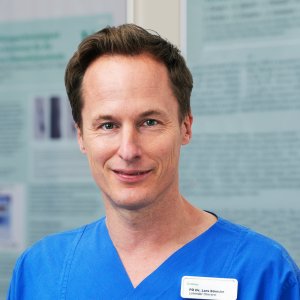
Lars Bönicke
مشاركة المحتوى
قصص فيديو من مرضى Bookimed
 Anna Leonova
أسئلة متكررة حول جراحة نزيف المستقيم في ألمانيا
ما هي الأسباب الشائعة لنزيف المستقيم التي تتطلب جراحة في ألمانيا؟
تشمل الأسباب الشائعة لنزيف المستقيم التي تتطلب جراحة في ألمانيا البواسير من الدرجة 3 أو 4، والشقوق الشرجية المزمنة، وأورام القولون والمستقيم. تعطي المراكز الجراحية المتخصصة مثل مستشفى هيليوس الجامعي في فوبرتال الأولوية لتشخيص تنظير القولون للتمييز بين الحالات الحميدة وأمراض الأمعاء الالتهابية أو سرطانات القولون والمستقيم الخبيثة قبل المتابعة.
- مرض البواسير: يستخدم الجراحون تقنية HAL-RAR أو الاستئصال للحالات المتقدمة من الدرجة 3 و 4.
- الشقوق الشرجية المزمنة: الإصلاح الجراحي مثل استئصال الشق هو المعيار عند فشل الكريمات والحمامات المحافظة.
- سرطان القولون والمستقيم: استئصال الأورام الخبيثة أو الزوائد اللحمية هو التدخل الجراحي الأولي لعلاج الأورام.
- الناسور الشرجي: تعالج الجراحة الخراجات الملتهبة أو النواسير المعقدة التي تسبب نزيفاً مستقيماً متكرراً.
- الأمراض الالتهابية: قد يتطلب التهاب القولون التقرحي الحاد إزالة جزئية أو كلية للقولون في حالات الطوارئ.
رؤية خبير Bookimed: غالباً ما يعطي أطباء المستقيم الألمان مثل الدكتور لارس بونيكي في هيليوس فوبرتال الأولوية لاستئصال الشق على بضع العضلة العاصرة التقليدي. يستهدف هذا الاختيار التقني الشفاء مع خفض خطر الإصابة بسلس البول على المدى الطويل. تظهر بيانات Bookimed أن المرضى يبحثون بشكل متكرر عن هذه المراكز الأكاديمية لحجم حالاتهم السنوي المرتفع البالغ 150,000 حالة.
إجماع المرضى: يؤكد المرضى أن الجراحة هي عادة الملاذ الأخير بعد فشل استخدام ملينات البراز و
ما هي مخاطر جراحة المستقيم؟
تشمل مخاطر جراحة المستقيم تسرب المفاغرة (anastomotic leaks)، والعدوى، وتلف الأعصاب المحتمل الذي يؤثر على وظيفة المثانة أو الوظيفة الجنسية. قد يعاني المرضى أيضاً من متلازمة الاستئصال الأمامي المنخفض (LARS). تستخدم المراكز المتخصصة في ألمانيا تقنيات الحفاظ على الأعصاب وبروتوكولات الأورام المعتمدة من IASIOS لتقليل هذه المضاعفات التي تغير مجرى الحياة.
- تسرب المفاغرة: فشل خطير في الوصلة يحدث في حوالي 4% من الحالات المعقدة.
- إمكانية الفغرة (Stoma): تتطلب بعض إجراءات المستقيم كيساً مؤقتاً أو دائماً لتحويل مسار الأمعاء.
- التغيرات الوظيفية: قد يحدث إلحاح مزمن في الأمعاء، أو تكرار، أو إسهال بعد جراحة الحفاظ على العضلة العاصرة.
- إصابة الأعصاب: قد يسبب صدمة الأعصاب الحوضية ضعف الانتصاب أو مشاكل في احتباس البول.
رؤية خبير Bookimed: غالباً ما تدمج المستشفيات الجامعية الألمانية بين علاج الأورام التداخلي وطب المستقيم لتقليل مخاطر التسرب. على سبيل المثال، يحمل مستشفى هيليوس الجامعي في فوبرتال شهادة IASIOS لالتزامه بالمعايير الأوروبية الصارمة. يرتبط هذا الاعتماد عالي المستوى غالباً بمعدلات مضاعفات أقل في جراحات المستقيم المعقدة مقارنة بالمراكز الإقليمية الأصغر.
إجماع المرضى: النجاح يعني أكثر من مجرد إزالة الأنسجة. يؤكد العديد من المرضى أن التعافي يستغرق شهوراً ويتطلب استعداداً ذهنياً لتغييرات دائمة في عادات الأمعاء.
ما هي التقنيات المتخصصة ذات التوغل البسيط المستخدمة في ألمانيا؟
تستخدم ألمانيا تقنيات متطورة ذات توغل بسيط مثل الجراحة المجهرية عبر الشرج (TEM) واستئصال الغشاء المخاطي بالمنظار (ESD) لجراحة المستقيم. تسمح هذه الأساليب للجراحين بإزالة الآفات من الجهاز الهضمي دون الحاجة إلى شقوق خارجية. هذا النهج الدقيق يقلل من الصدمات ويسرع تعافي المرضى.
- التكنولوجيا الجراحية: توفر أنظمة التنظير بالبطن المساعدة بالروبوت رؤية ثلاثية الأبعاد لتشريح الأمعاء بدقة.
- الحالات التي تشمل الأمعاء: تتعامل فرق متعددة التخصصات تضم جراحي القولون والمستقيم مع الحالات المعقدة التي تنطوي على الأمعاء.
- بروتوكولات التصوير: يتم إجراء رسم خرائط تشخيصي بالرنين المغناطيسي أو الموجات فوق الصوتية قبل أي تدخل جراحي بالمنظار.
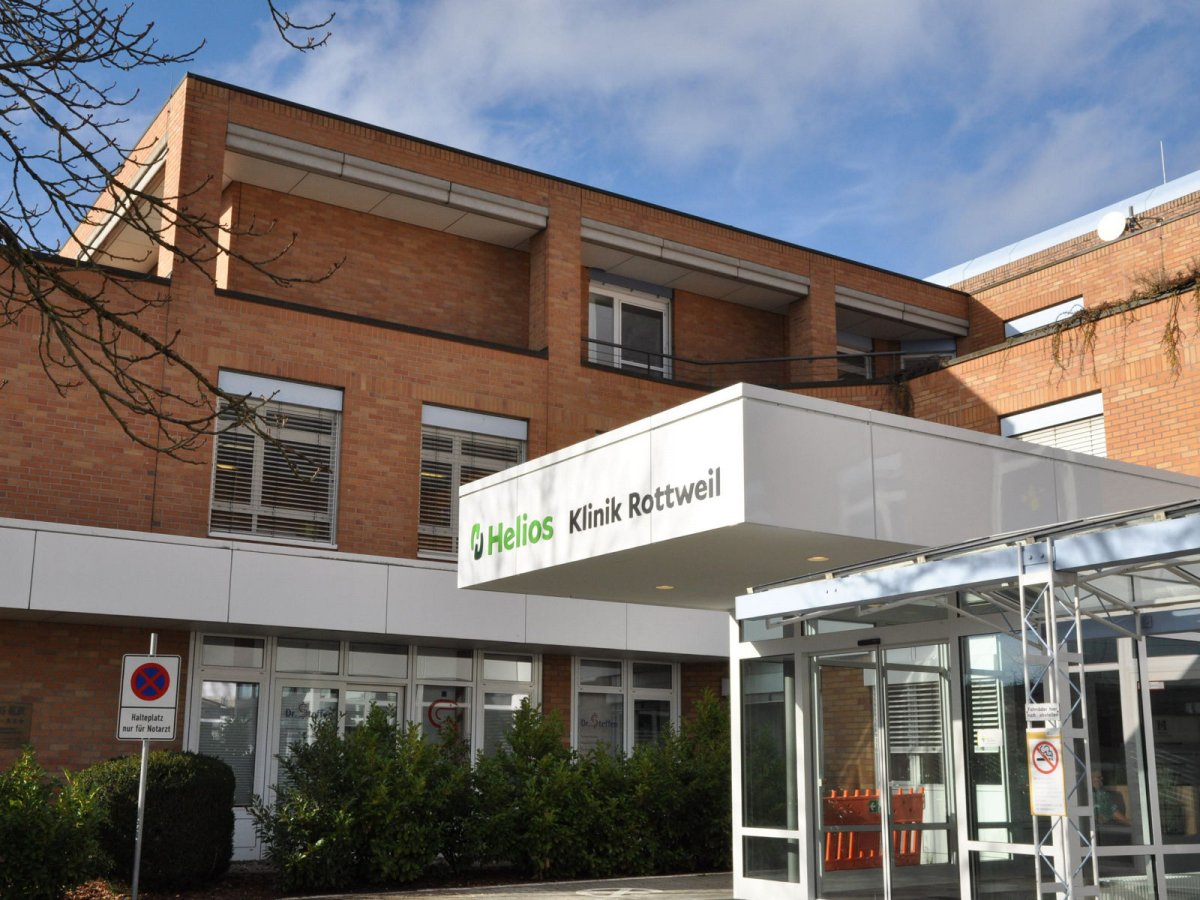
- اعتماد العيادات: تحمل مرافق مثل مستشفى هيليوس الجامعي في فوبرتال شهادة الجمعية الألمانية للسرطان.
رؤية خبير Bookimed: تظهر البيانات أن أخصائيي القولون والمستقيم الألمان يفضلون جراحة حاسمة واحدة بدلاً من عدة إجراءات أصغر. على الرغم من أن التقنيات ذات التوغل البسيط تقلل من الصدمات، إلا أن الحالات التي تشمل الأمعاء لا تزال تتطلب إقامة أطول في المستشفى لعدة أيام. هذا يعطي الأولوية للنجاح على المدى الطويل بدلاً من الخروج السريع فقط.
إجماع المرضى: تشير الأبحاث إلى أن المرضى يشعرون بأمان أكبر مع جراحة الاستئصال مقارنة بالطرق التقليدية. غالباً ما يؤكدون أن خبرة الجراح المتخصص في المدن الكبيرة تفوق الراحة الجغرافية.
كيف أختار عيادة أو أخصائياً لجراحة المستقيم في ألمانيا؟
اختر عيادة في ألمانيا من خلال إعطاء الأولوية للمراكز المعتمدة من قبل الجمعية الألمانية للسرطان (DKG) والأخصائيين في جراحة الأحشاء أو طب المستقيم. ركز على المستشفيات الجامعية ذات الحجم الكبير التي تستخدم الأنظمة الروبوتية لإجراءات المستقيم الدقيقة وتوفر بدء العلاج في غضون 14 يوماً من التشخيص.
- الشهادات التخصصية: ابحث عن مراكز حاصلة على اعتماد علاج الأورام من الجمعية الألمانية للسرطان أو IASIOS.
- خبرة الجراح: اختر أطباء مثل لارس بونيكي المتخصصين تحديداً في طب المستقيم والأورام.
- الوصول إلى التكنولوجيا: امنح الأولوية للمنشآت التي تقدم الجراحة بمساعدة الروبوت لتحسين الحفاظ على الأعصاب والتعافي.
- عدد المرضى: تعالج المراكز ذات السعة العالية مثل مستشفى هيليوس الجامعي في فوبرتال 150,000 مريض سنوياً.
رؤية خبير Bookimed: تخلق البنية التحتية الطبية الألمانية فجوة أداء فريدة بين جراحي البطن العامين وأخصائيي المستقيم المتخصصين. تظهر البيانات من مراكز مثل هيليوس أن المرافق التي تضم أكثر من 25 قسماً متخصصاً توفر رعاية متعددة التخصصات متفوقة لحالات المستقيم. يضمن اختيار مستشفى تابع لجامعة الوصول إلى أحدث التجارب السريرية وبروتوكولات التشخيص الموحدة.
إجماع المرضى: يؤكد المرضى أن النتائج الناجحة تعتمد على جراحين يناقشون بوضوح الحفاظ على الأعصاب ومخاطر الفغرة (stoma). يقترح الكثيرون الحصول على رأي ثانٍ للتأكد من النظر في جميع الخيارات الأقل توغلاً أولاً.
ما هي فترة التعافي والرعاية اللاحقة للعملية الجراحية بعد جراحة النزيف الشرجي في ألمانيا؟
يتضمن التعافي بعد جراحة النزيف الشرجي في ألمانيا عادةً إقامة في المستشفى لمدة 3 أيام، مع استغراق الشفاء التام من 6 إلى 10 أسابيع. غالباً ما يعود المرضى إلى العمل المكتبي في غضون 7 إلى 14 يوماً. تركز الرعاية على بروتوكولات التعافي المعزز بعد الجراحة (ERAS)، والتحريك المبكر، والإدارة الصارمة للبراز.
- الإقامة في المستشفى: توقع 3 أيام من الرعاية الداخلية في منشآت مثل مستشفى هيليوس الجامعي في فوبرتال للمراقبة.
- الجدول الزمني للشفاء: تعود الوظائف الأساسية في غضون أيام؛ يتطلب شفاء الأنسجة التام من 6 إلى 10 أسابيع.
- حدود النشاط: تجنب رفع أثقال تزيد عن 5 كجم لمدة لا تقل عن 3 إلى 4 أسابيع بعد الجراحة.
- العناية بالجروح: حمامات المقعدة الدافئة اليومية والنظافة اللطيفة تمنع العدوى وتسيطر على الألم المحلي.
- إدارة البراز: الحميات الغنية بالألياف والملينات مثل ماكروغول ضرورية لتجنب الإجهاد.
رؤية خبير Bookimed: غالباً ما يعطي أطباء أمراض الشرج الألمان الأولوية للإقامة في المستشفى لمدة 3 أيام حتى في الحالات الروتينية. وهذا يضمن إزالة المصارف بشكل صحيح والمراقبة المهنية للعناية بالجروح قبل الخروج. تدمج مراكز مثل مستشفى هيليوس الجامعي في فوبرتال بين خبرة الأورام وأمراض الشرج المتخصصة. يساعد هذا التركيز المزدوج في تحديد الأسباب الكامنة مع الحفاظ على معدلات نجاح عالية في إصلاح النواسير أو الشقوق المعقدة.
إجماع المرضى: يفيد المرضى بأن جراحة الشقوق غالباً ما تبدو أقل إيلاماً من الحالة الأصلية. يجب أن تتوقع بعض النزي
ما هي المدة التي أحتاجها للبقاء في المستشفى بعد جراحة النزيف الشرجي في ألمانيا؟
تتراوح مدة الإقامة في المستشفى لجراحة النزيف الشرجي في ألمانيا عادةً بين يوم واحد و 7 أيام. تسمح الإجراءات البسيطة مثل علاجات البواسير بالخروج في غضون يوم إلى يومين. تتطلب عمليات استئصال المستقيم الكبرى من 3 إلى 7 أيام لضمان استقرار وظيفة الأمعاء والتحكم المناسب في الألم.
- الإجراءات البسيطة: يتم الخروج في غضون 24-48 ساعة لربط البواسير أو عمليات الاستئصال البسيطة.
- عمليات الاستئصال الكبرى: يبقى المرضى من 3 إلى 7 أيام بعد الجراحة المعقدة للمراقبة من أجل حدوث عدوى.
- بروتوكولات التعافي السريع (ERAS): تهدف هذه البروتوكولات إلى خروج المريض في غضون 2-3 أيام بعد العملية.
- معايير الخروج: تعتمد فترة الإقامة على التحكم في الألم، والحركة المستقلة، وعودة وظيفة الأمعاء.
رؤية خبير Bookimed: غالباً ما تعطي العيادات الألمانية، مثل مستشفى هيليوس الجامعي في فوبرتال، الأولوية للسلامة على السرعة. في حين تضغط بعض الدول من أجل الخروج خلال 48 ساعة، يقترح الجراحون الألمان غالباً إقامة لمدة 5 ليالٍ. وهذا يسمح للفرق الطبية بمراقبة إزالة المصارف (drains) ونشاط الأمعاء شخصياً قبل مغادرتك.
إجماع المرضى: توقع البقاء حتى تتم إزالة المصارف الجراحية بالكامل وتستقر وظيفة الأمعاء. يفيد العديد من المرضى بأن المستشفيات الألمانية توفر أيام تعافٍ إضافية لضمان عدم ظهور أي مضاعفات بعد الجراحة.
هل يمكن للمرضى الأجانب إجراء جراحة النزيف الشرجي في ألمانيا؟
يمكن للمرضى الأجانب إجراء جراحة النزيف الشرجي في ألمانيا عن طريق الحجز من خلال المنصات الطبية الخاصة أو المستشفيات الجامعية. توفر العيادات الألمانية جراحة بطن متقدمة ورعاية في أمراض الشرج. توفر منشآت مثل مستشفى هيليوس الجامعي في فوبرتال علاجات متخصصة للبواسير، والشقوق الشرجية، وسرطان القولون والمستقيم باستخدام تقنيات عالية المستوى.
- مراكز معتمدة: ابحث عن العيادات الحاصلة على شهادات الجمعية الألمانية للسرطان أو شهادات الأيزو (ISO) لضمان السلامة.
- جراحون متخصصون: يركز خبراء مثل لارس بونيك على أمراض الشرج والأورام داخل أقسام كبيرة.
- الوصول للمرضى على نفقتهم الخاصة: يستخدم المرضى الدوليون القنوات الخاصة لأنهم لا يستطيعون الوصول إلى نظام الصحة العامة.
- متطلبات التشخيص: تعالج الجراحة أسباباً محددة مثل القرحة، أو أمراض الأمعاء، أو البواسير الحادة.
رؤية خبير Bookimed: غالباً ما تعالج المستشفيات الجامعية الألمانية كلاً من البالغين والأطفال داخل نفس القسم الجراحي. يدير مستشفى هيليوس الجامعي في فوبرتال أكثر من 150,000 مريض سنوياً باستخدام هذا النهج المتكامل. تُظهر الأبحاث أن المنشآت من الدرجة الأولى قد تحد من قبول المرضى الدوليين بسبب الطلب المحلي المرتفع. نوصي بطلب تقدير مكتوب يغطي علم الأمراض والتخدير مسبقاً.
إجماع المرضى: يفيد المرضى بأنه على الرغم من أن جودة الرعاية استثنائية، إلا أن التكاليف الخاصة لغير المقيمين كبيرة. يوصي الكثيرون بالتأكد مما إذا كان متخصص معين يقبل المرضى الأجانب على نفقتهم الخاصة قبل إجراء ترتيبات السف
ما هي المستشفيات في ألمانيا التي تحظى بأعلى التقييمات في جراحة الأعصاب؟
تضم ألمانيا بعضًا من أرقى أقسام جراحة الأعصاب في العالم، بقيادة مستشفى شاريتيه الجامعي في برلين ومستشفى جامعة هايدلبرغ. وتتميز هذه المراكز بخبرتها الواسعة في علاج أورام الدماغ المعقدة وأمراض الأوعية الدموية الدماغية. ولتحقيق أقصى قدر من الفعالية في عملياتها، تستخدم هذه المراكز أحدث التقنيات، مثل التصوير بالرنين المغناطيسي أثناء الجراحة والتوجيه العصبي بمساعدة الحاسوب.
- مستشفى شاريتيه برلين: يُجري أكثر من 5000 عملية جراحية سنوياً. ويرأس العيادة جراح الأعصاب الشهير الدكتور بيتر فايكوتشي.
- المركز الطبي في سولينجن: أجرى الدكتور رالف بوهل أكثر من 4000 عملية جراحية، بما في ذلك جراحات العمود الفقري طفيفة التوغل.
- عيادة أسكليبيوس نورد: مجهزة بنظام التصوير بالرنين المغناطيسي الثنائي الوحيد في ألمانيا أثناء الجراحة لضمان الدقة الجراحية في الوقت الحقيقي أثناء إزالة الورم.
- عيادة نوردويست: تم الاعتراف بها من قبل مجلة نيوزويك كمستشفى رائد في مجال الابتكار في تكنولوجيا الموجات فوق الصوتية ثلاثية الأبعاد.
رأي خبراء بوكيمد: تشير البيانات إلى أن اختيار المراكز ذات الحجم الجراحي الكبير غالبًا ما يؤدي إلى توصيات علاجية أكثر تحفظًا. ففي مركز سولينجن الطبي، الذي يعالج أكثر من 60,000 مريض
ما هي نسب نجاح العمليات الجراحية العصبية المعقدة في ألمانيا؟
في ألمانيا، تتميز العمليات الجراحية العصبية بالغة التعقيد بمستوى أمان استثنائي. تصل نسبة نجاح عمليات دمج الفقرات إلى 99%، بينما تبلغ نسبة النجاة بعد استئصال أورام الدماغ الأولية 97%. كما يتمتع المرضى بقدرة عالية على الاعتماد على أنفسهم في أداء وظائفهم اليومية، حيث يغادر أكثر من 82% منهم المستشفى مباشرةً بعد العلاج. وتولي المراكز الألمانية اهتماماً بالغاً بالحفاظ على الوظائف العصبية باستخدام أحدث تقنيات التخطيط العصبي.
- استئصال الورم: يحقق الجراحون استئصالًا كاملاً للورم في 87.2% من حالات النقائل الدماغية.
- النجاح في علاج أمراض الأوعية الدموية: أفادت المستشفيات الألمانية بنسبة نجاة بلغت 98.7% لحالات تمدد الأوعية الدموية غير الممزقة.
- تحسن الحالة العصبية: يشهد ما يقرب من 43% من المرضى تحسناً في المعايير الوظيفية بعد عمليات الاستئصال المعقدة.
- سلامة التدخلات الجراحية: في المراكز الجراحية الكبيرة، تتراوح معدلات بقاء المرضى على قيد الحياة بعد جراحة العمود الفقري بين 98-99%.
رأي خبراء بوكيمد: يُجري جراحون ذوو خبرة، مثل الدكتور أوفه كولر من عيادة أسكليبيوس ألتونا، أكثر من 2000 عملية جراحية سنويًا. تُشير البيانات إلى أن هؤلاء المتخصصين يحافظون على معدلات نجاح تصل إلى 90%، حتى
ما هي التقنيات المتقدمة المتوفرة عادةً في عيادات جراحة الأعصاب الألمانية؟
تُدخل عيادات جراحة الأعصاب الألمانية بانتظام أدوات رقمية عالية الدقة وتقنيات تصوير فوري في الممارسة الجراحية. تشمل التقنيات الرئيسية الملاحة العصبية الحاسوبية لجراحات الدماغ والحبل الشوكي. تستخدم مؤسسات مثل عيادة أسكليبيوس نورد التصوير بالرنين المغناطيسي أثناء الجراحة للتحقق من استئصال الورم في الوقت الفعلي. توفر هذه الأنظمة للجراحين نظام ملاحة ثلاثي الأبعاد.
- الملاحة العصبية: توفر تصورًا ثلاثي الأبعاد وتتبعًا فوريًا للأدوات لتحقيق دقة جراحية تصل إلى مستوى أقل من المليمتر.
- التصوير أثناء العملية: تسمح أنظمة مثل التصوير بالرنين المغناطيسي أثناء العملية (iMRI) والتصوير المقطعي المحوسب ذي الذراع O (O-arm CT) بالتأكيد الفوري على نجاح عملية الاستئصال.
- المراقبة العصبية: تراقب الوظائف الحركية والحسية أثناء الجراحة لحماية الجهاز العصبي.
- التشخيص الفلوري: يتم استخدام صبغة 5-ALA لتسليط الضوء على حدود الورم من أجل إزالته بشكل أكثر اكتمالاً.
- المساعدة الروبوتية: تعمل أنظمة مثل نظام دافنشي على تحسين الدقة في الإجراءات المعقدة ذات التدخل الجراحي البسيط.
رأي خبراء بوكيمد: تُجري مراكز طبية كبيرة، مثل مستشفى شاريتيه الج