عملية تثبيت الخصية في ألمانيا — احصل على 3 عيادات مطابقة مع التكاليف


تمت مراجعة المقالة طبيا من قبل
فهد مولود
ما هي تكلفة عملية تثبيت الخصية في ألمانيا؟ اكتشف الآن
تتراوح تكلفة عملية تثبيت الخصية في ألمانيا عادة بين $3,200 و $5,200. تعتمد التكاليف الإجمالية على التقنية الجراحية، ونوع المنشأة، وعمر المريض. تشمل الباقات القياسية الفحوصات قبل الجراحة، والتخدير، والعملية الجراحية، ورعاية المتابعة الأولية.
- النهج التنظيري: تتراوح بين $3,200 و $5,200 للجراحة طفيفة التوغل.
- تقنية الإربية: تتراوح بين $3,200 و $5,200 للإصلاح التقليدي المفتوح.
- العيادات الجامعية: غالباً ما تكون الأسعار أعلى من المراكز الإقليمية نظراً للخبرة الأكاديمية المتخصصة.
- رسوم المنشآت الخاصة: قد تفرض المراكز المتخصصة زيادة بنسبة 15-20% مقابل الإقامة المميزة وخدمات الكونسيرج.
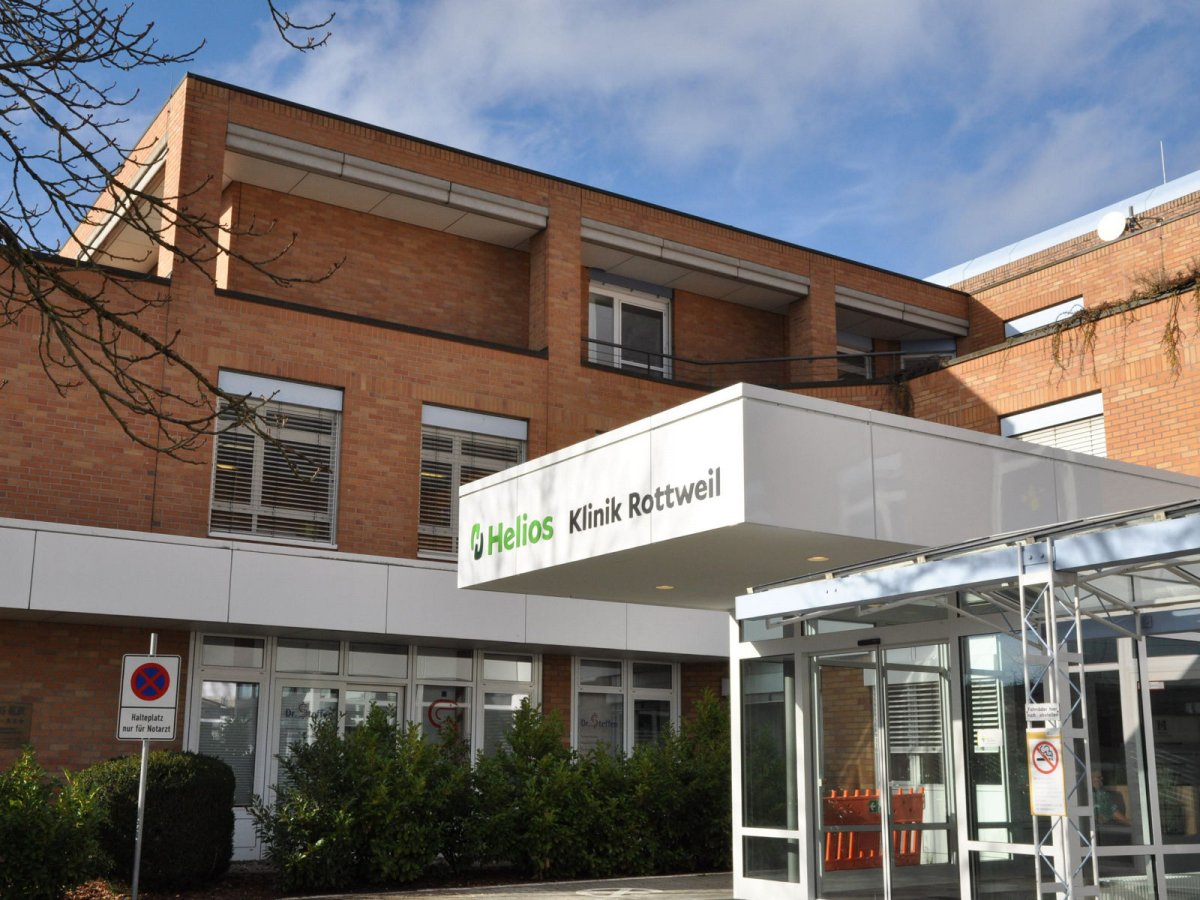
رأي خبراء Bookimed: توفر ألمانيا قيمة استثنائية من خلال شبكات مستشفيات ضخمة مثل هيليوس جيزوندهايت. تعالج هذه المجموعة أكثر من 5.5 مليون مريض سنوياً. تعد منشأتهم في فوبرتال مستشفى تعليمياً رئيسياً. يضمن اختيار مراكز ذات طاقة استيعابية عالية الحصول على رعاية متخصصة للأطفال. كما توفر معايير جودة معتمدة من ISO. غالباً ما يحافظ هذا النطاق على استقرار التكاليف للمرضى الدوليين الذين يدفعون على نفقتهم الخاصة.
| تركيا | إسبانيا | ألمانيا | |
|---|---|---|---|
| عملية تثبيت الخصية | ≈ $1,300 | من $4,500 | ≈ $3,200 |
مزاياك وضماناتك مع Bookimed
أسعار مباشرة
Bookimed لا يضيف رسوماً إضافية على أسعار عملية تثبيت الخصية. الأسعار مأخوذة من قوائم الأسعار الرسمية للعيادات. تدفع مباشرة في العيادة مقابل عملية تثبيت الخصية عند وصولك.
عيادات وأطباء معتمدون فقط
Bookimed ملتزم بسلامتك. نحن نعمل فقط مع المؤسسات الطبية التي تحافظ على معايير دولية عالية في عملية تثبيت الخصية ولديها التراخيص اللازمة لخدمة المرضى الدوليين في جميع أنحاء العالم.
مساعدة مجانية على مدار الساعة
Bookimed يقدم مساعدة خبراء مجانية. منسق طبي شخصي يدعمك قبل وأثناء وبعد العلاج، ويحل أي مشاكل. لن تكون وحيداً أبداً في رحلة عملية تثبيت الخصية.

منسقك الطبي الشخصي في Bookimed
- يدعمك في كل مرحلة
- المساعدة في اختيار العيادة الطبية المناسبة والطبيب المناسب
- يضمن الوصول السريع والمريح إلى المعلومات
اكتشف أفضل عملية تثبيت الخصية العيادات في ألمانيا: 1 خيار معتمدة والأسعار

نظرة عامة على عملية تثبيت الخصية في ألمانيا
- الختان - من $750
تزيل هذه العملية القلفة ، غالبًا لأسباب صحية أو دينية أو صحية ، مما يؤدي إلى تقليل مخاطر الإصابة بالعدوى.
- إيداع Bookimed: 200 دولار أو 200 يورو.
- وديعة العيادة: ادفع نسبة محددة مقدمًا.
قصص فيديو من مرضى Bookimed
المراجعات
جميع المراجعاتمشاركة المحتوى
 Anna Leonova
أسئلة متكررة حول عملية تثبيت الخصية في ألمانيا
ما هو العمر الموصى به لتثبيت الخصية (Orchidopexy) في ألمانيا؟
توصي الإرشادات الطبية في ألمانيا بإجراء تثبيت الخصية بين عمر 6 و 12 شهراً. يهدف الجراحون إلى إكمال الإجراء قبل عيد الميلاد الأول للطفل. هذا التوقيت حاسم للحفاظ على الخصوبة المستقبلية وتقليل المخاطر طويلة المدى لسرطان الخصية.
- نافذة الجراحة: تستهدف البروتوكولات الألمانية التدخل بين عمر 6 و 12 شهراً.
- حماية الخصوبة: تحسن الجراحة المبكرة نمو الخصية وإنتاج الحيوانات المنوية في المستقبل بشكل كبير.
- الوقاية من السرطان: إكمال الإجراء قبل عمر سنة واحدة يقلل من مخاطر الإصابة بالأورام الخبيثة مستقبلاً.
- الرعاية المتخصصة: يدير أطباء مسالك الأطفال البولية في مراكز مثل مستشفى هيليوس الجامعي فوبرتال هذه الحالات.
رؤية خبير Bookimed: على الرغم من أن الإرشادات الألمانية تفرض الجراحة بحلول سن سنة واحدة، إلا أن المستشفيات الجامعية الكبرى غالباً ما تستقبل أطفالاً أكبر سناً. تعالج مرافق مثل مستشفى هيليوس الجامعي فوبرتال 150,000 مريض سنوياً بما في ذلك الحالات الدولية. إذا كان طفلك أكبر من 12 شهراً، اطلب استشارة فورية لمنع حدوث المزيد من تلف الخلايا.
إجماع المرضى: يذكر الآباء أن الجراحة عادة ما تتم مناقشتها إذا لم ينزل الخصية بحلول الشهر السادس. يشعر معظمهم بالارتياح بمجرد أن تنتقل الخطة من الانتظار إلى الحفاظ الجراحي النشط.
لماذا يتم التأكيد على الجراحة المبكرة (قبل 12 شهراً) في ألمانيا؟
يعطي الجراحون الألمان الأولوية لتثبيت الخصية قبل سن 12 شهراً لحماية الخصوبة المستقبلية وصحة الخصيتين. تمنع الجراحة خلال هذه الفترة الضرر الناتج عن الحرارة على الخلايا الجرثومية. يقلل هذا النهج الاستباقي من المخاطر طويلة المدى مثل الالتواء أو الأورام الخبيثة مع ضمان نتائج وظيفية مثالية للرضع.
- الحفاظ على الخصوبة: تمنع الجراحة قبل 12 شهراً التعرض الطويل لدرجات حرارة البطن المرتفعة.
- التوقيت الاستراتيجي: يؤكد الأطباء الألمان على نافذة زمنية ضيقة وحساسة للحصول على نتائج وظيفية متفوقة.
- تقليل المضاعفات: يبسط التدخل المبكر الإجراء ويقلل من مخاطر التواء الخصية في المستقبل.
- جودة البنية التحتية: تستخدم المراكز الأكاديمية مثل مستشفى هيليوس الجامعي فوبرتال معايير متخصصة في مسالك الأطفال البولية.
رؤية خبير Bookimed: تنبع كثافة قاعدة الـ 12 شهراً في ألمانيا من التركيز الشديد على كثافة الخلايا الجرثومية. بينما تنتظر بعض الدول لفترة أطول، تستخدم المستشفيات الجامعية الألمانية حجماً كبيراً من حالات الأطفال—حيث يستقبل هيليوس فوبرتال وحده 150,000 مريض سنوياً—لتبرير التدخل المبكر كمعيار ذهبي للصحة الإنجابية.
إجماع المرضى: غالباً ما يشعر الآباء بالضغط بسبب الجدول الزمني الصارم لمدة عام واحد. ومع ذلك، فهم يقدرون التركيز الطبي الواضح على الخصوبة طويلة المدى بدلاً من مجرد المظهر.
ما هو تثبيت الخصية (Orchidopexy)؟
تثبيت الخصية هو إجراء جراحي لنقل الخصية غير النازلة إلى كيس الصفن. يستخدم الجراحون الألمان خيوطاً جراحية دائمة للتثبيت في جدار الصفن لعلاج الخصية المعلقة أو التواء الخصية. تحافظ هذه العملية الضرورية على الخصوبة وتقلل المخاطر عن طريق تثبيت الخصية بشكل دائم في وضعها الصحيح.
- أهداف العلاج: تصحيح الخصيتين غير النازلتين (الخصية المعلقة) أو التواء الخصية الذي يهدد الحياة.
- التقنية الجراحية: يستخدم الجراحون غرزاً دائمة لتثبيت الخصية بجدار الصفن.
- إصلاح الفتق: غالباً ما يقوم الأطباء بإصلاح الفتق المرتبط أثناء نفس الجلسة الجراحية.
- الجدول الزمني للتعافي: عادةً ما يتغيب الأطفال عن المدرسة لمدة يومين إلى 3 أيام بعد الإجراء.
رؤية خبير Bookimed: تعالج المستشفيات الجامعية الألمانية مثل هيليوس فوبرتال 150,000 مريض سنوياً. إنهم يعطون الأولوية لتثبيت الخصية الوقائي في حالات تشوه "لسان الجرس". يمنع هذا التثبيت الجراحي الموجه حالات طوارئ الالتواء المستقبلية. وهو يحمي وظيفة الخصية بفعالية قبل حدوث مضاعفات.
إجماع المرضى: يجد الآباء أن التوقف عن السباحة لمدة أسبوعين أمر ضروري لالتئام الجرح. إدارة الألم باستخدام أدوية الأطفال القياسية تجعل التعافي سلساً لمعظم العائلات.
هل يتم إجراء تثبيت الخصية (Orchidopexy) لعلاج التواء الخصية؟
تثبيت الخصية هو العلاج الجراحي القياسي لالتواء الخصية. يقوم الجراحون بإجرائه لفك التواء الحبل المنوي وتثبيت الخصية بشكل دائم في كيس الصفن. يمنع هذا التثبيت أي التواء مستقبلي وعادة ما يتم إجراؤه على كلا الجانبين خلال نفس الإجراء الطارئ.
- التوقيت الجراحي: يوفر التدخل الطارئ في غضون 6 ساعات أعلى فرصة لإنقاذ الخصية.
- التثبيت الثنائي: يقوم الجراحون بتثبيت كلتا الخصيتين لأن الخطر التشريحي الكامن يؤثر عادةً على كلا الجانبين.
- إجراء وقائي: يظل التثبيت ضروريًا حتى لو عادت الخصية لوضعها الطبيعي تلقائيًا لتجنب تكرار الحالة.
- التصحيح التشريحي: يصحح الإجراء بنجاح تشوه "لسان الجرس" (bell-clapper) الذي يسمح للخصية بالدوران.
رؤية خبير Bookimed: تتعامل المستشفيات الجامعية الألمانية مثل هيليوس فوبرتال مع أعداد هائلة من المرضى، حيث تعالج 150,000 حالة سنويًا. تخلق هذه الكثافة العالية كفاءة حيوية في حالات الطوارئ المسالك البولية التي تتطلب سرعة في التدخل. تعطي أقسام المسالك البولية المتخصصة لديهم الأولوية للتثبيت الثنائي حتى لو كان جانب واحد فقط ملتوياً حالياً.
إجماع المرضى: يؤكد المرضى أن نتائج الموجات فوق الصوتية لا تستبعد دائمًا الالتواء. ويذكر الكثيرون أن الأطباء يوصون بشدة بجراحة التثبيت حتى في حالات الألم المتقطع لمنع فقدان العضو بشكل دائم.
ما هي المعايير التي تميز الخصية النطاطة (Retractile) عن الخصية غير النازلة (Undescended)؟
يعتمد التمييز بين الخصية النطاطة والخصية غير النازلة حقًا على الجس اليدوي ومظهر كيس الصفن. تتحرك الخصية النطاطة بحرية إلى كيس الصفن وتبقى هناك لفترة وجيزة. أما الخصية غير النازلة حقًا فتبقى مرتفعة في الأربية أو البطن ولا يمكنها الوصول إلى قاعدة كيس الصفن.
- الحركة اليدوية: يمكن للجراحين سحب الخصية النطاطة لأسفل. بينما تظل الخصية غير النازلة ثابتة أو تعود إلى الأعلى.
- مظهر كيس الصفن: تشير التجاعيد الطبيعية إلى وجود خصية نطاطة. أما كيس الصفن المسطح والأملس فيشير إلى الخصية الخفية.
- المنعكس المشمر (Cremasteric reflex): يحفز البرد أو اللمس حركة التراجع. ولا تستجيب الخصية غير النازلة بهذه الطريقة.
- تكرار الوضع: غالبًا ما تنزل الخصية النطاطة أثناء النوم أو الحمامات الدافئة. بينما لا تفعل الخصية غير النازلة ذلك أبدًا.
رؤية خبير Bookimed: تعالج المستشفيات الجامعية الألمانية مثل هيليوس فوبرتال 150,000 مريض سنويًا. إنهم يعطون الأولوية للمراقبة غير الجراحية لحالات الخصية النطاطة. ولا يوصون بعملية تثبيت الخصية إلا إذا توقفت الخصية عن النزول أثناء سن البلوغ. هذا النهج المحافظ يتجنب جراحات الأطفال غير الضرورية.
إجماع المرضى: يشعر الآباء بالارتياح عندما يوضح الأطباء أن الخصية تبقى في الأسفل بعد استرخاء العضلات. غالبًا ما يقلقون بشأن الخصوبة المستقبلية قبل أن يؤكد الأخصائي أن الخصية مجرد خصية شديدة الحركة.
كيف يبدو التعافي بعد الجراحة؟
يتطلب التعافي من عملية تثبيت الخصية في ألمانيا عادةً يومًا إلى يومين من البقاء في المستشفى للمراقبة. يعود المرضى عادةً إلى المدرسة أو العمل الخفيف في غضون 3 أيام. يستغرق الشفاء الكامل لشِق الصفن حوالي أسبوعين. خلال هذا الوقت، يجب على المرضى تجنب الرياضة والسباحة.
- إدارة الألم: مسكنات الألم التي لا تستلزم وصفة طبية مثل الباراسيتامول عادة ما تكون كافية للتعامل مع الانزعاج.
- النشاط البدني: تجنب الرياضة ورفع الأثقال والحركات العنيفة لمدة أسبوعين على الأقل.
- العناية بالجرح: حافظ على الشق جافًا وتجنب الاستحمام أو السباحة حتى يلتئم تمامًا.
- علامات الحركة: توقع حركات غير مريحة أو عرجًا طفيفًا خلال الأسبوع الأول بعد الجراحة.
رؤية خبير Bookimed: تعالج المستشفيات الجامعية الألمانية مثل هيليوس فوبرتال 150,000 مريض سنويًا. إنهم يعطون الأولوية للرعاية المتكاملة للأطفال والبالغين. تظهر بياناتنا أن هذه المراكز الكبيرة تقدم خبرة فائقة في أورام المسالك البولية وحالات الالتواء. يضمن حجم المرضى الكبير هذا أن يحافظ الجراحون على مهارات متخصصة للإجراءات الدقيقة للأطفال.
إجماع المرضى: يجد العديد من المرضى الأسبوع الأول أكثر صعوبة مما كان متوقعًا بسبب التورم والكدمات. يوصون بالتخطيط لمدة 14 يومًا من النشاط المقيد لضمان التئام الغرز الداخلية بشكل صحيح.
أين يتم إجراء عملية تثبيت الخصية (Orchidopexy) في ألمانيا؟
يتم إجراء عملية تثبيت الخصية في أقسام جراحة الأطفال المتخصصة وعيادات المسالك البولية الجامعية في جميع أنحاء ألمانيا. تشمل المراكز الطبية الرئيسية فرانكفورت وشتوتغارت وهامبورغ وفوبرتال. تتم العمليات في المستشفيات البلدية الكبيرة مثل مستشفى جامعة هيليوس فوبرتال والمراكز المتخصصة في طب الأطفال لضمان رعاية متخصصة.
- المواقع المتاحة: تشمل المرافق المراكز الطبية الجامعية في مانهايم وهامبورغ-إيبندورف ويينا.
- الإعدادات المتخصصة: يعمل الجراحون في مستشفى أولغا في شتوتغارت ومستشفى كارلسروه البلدي.
- الأقسام الرئيسية: يتلقى المرضى الرعاية في جراحة الأطفال أو وحدات جراحة المسالك البولية للأطفال المتخصصة.
- الوصول الإقليمي: توفر ولايات بادن-فورتمبيرغ وشمال الراين-وستفاليا تركيزًا عاليًا للخدمات الجراحية.
رؤية خبير Bookimed: بينما تتمتع المستشفيات الجامعية الكبيرة بالهيبة، تدير عيادات مثل مستشفى جامعة هيليوس فوبرتال 150,000 مريض سنويًا. يشير هذا الحجم إلى كفاءة جراحية عالية. ابحث عن المرافق التي تضم أقسامًا لجراحة المسالك البولية للبالغين والأطفال. غالبًا ما تضم هذه المراكز أكثر من 500 طبيب لإجراء مراقبة شاملة بعد الجراحة.
إجماع المرضى: يعد البحث عن إحالة من طبيب مسالك بولية هو الخطوة الأولى في النظام الألماني. يشير المرضى إلى أن الغرز الدائمة تستخدم للتثبيت وتظل محسوسة بعد التعافي.
ما هي المستشفيات في ألمانيا التي تحظى بأعلى التقييمات في جراحة الأعصاب؟
تضم ألمانيا بعضًا من أرقى أقسام جراحة الأعصاب في العالم، بقيادة مستشفى شاريتيه الجامعي في برلين ومستشفى جامعة هايدلبرغ. وتتميز هذه المراكز بخبرتها الواسعة في علاج أورام الدماغ المعقدة وأمراض الأوعية الدموية الدماغية. ولتحقيق أقصى قدر من الفعالية في عملياتها، تستخدم هذه المراكز أحدث التقنيات، مثل التصوير بالرنين المغناطيسي أثناء الجراحة والتوجيه العصبي بمساعدة الحاسوب.
- مستشفى شاريتيه برلين: يُجري أكثر من 5000 عملية جراحية سنوياً. ويرأس العيادة جراح الأعصاب الشهير الدكتور بيتر فايكوتشي.
- المركز الطبي في سولينجن: أجرى الدكتور رالف بوهل أكثر من 4000 عملية جراحية، بما في ذلك جراحات العمود الفقري طفيفة التوغل.
- عيادة أسكليبيوس نورد: مجهزة بنظام التصوير بالرنين المغناطيسي الثنائي الوحيد في ألمانيا أثناء الجراحة لضمان الدقة الجراحية في الوقت الحقيقي أثناء إزالة الورم.
- عيادة نوردويست: تم الاعتراف بها من قبل مجلة نيوزويك كمستشفى رائد في مجال الابتكار في تكنولوجيا الموجات فوق الصوتية ثلاثية الأبعاد.
رأي خبراء بوكيمد: تشير البيانات إلى أن اختيار المراكز ذات الحجم الجراحي الكبير غالبًا ما يؤدي إلى توصيات علاجية أكثر تحفظًا. ففي مركز سولينجن الطبي، الذي يعالج أكثر من 60,000 مريض
ما هي نسب نجاح العمليات الجراحية العصبية المعقدة في ألمانيا؟
في ألمانيا، تتميز العمليات الجراحية العصبية بالغة التعقيد بمستوى أمان استثنائي. تصل نسبة نجاح عمليات دمج الفقرات إلى 99%، بينما تبلغ نسبة النجاة بعد استئصال أورام الدماغ الأولية 97%. كما يتمتع المرضى بقدرة عالية على الاعتماد على أنفسهم في أداء وظائفهم اليومية، حيث يغادر أكثر من 82% منهم المستشفى مباشرةً بعد العلاج. وتولي المراكز الألمانية اهتماماً بالغاً بالحفاظ على الوظائف العصبية باستخدام أحدث تقنيات التخطيط العصبي.
- استئصال الورم: يحقق الجراحون استئصالًا كاملاً للورم في 87.2% من حالات النقائل الدماغية.
- النجاح في علاج أمراض الأوعية الدموية: أفادت المستشفيات الألمانية بنسبة نجاة بلغت 98.7% لحالات تمدد الأوعية الدموية غير الممزقة.
- تحسن الحالة العصبية: يشهد ما يقرب من 43% من المرضى تحسناً في المعايير الوظيفية بعد عمليات الاستئصال المعقدة.
- سلامة التدخلات الجراحية: في المراكز الجراحية الكبيرة، تتراوح معدلات بقاء المرضى على قيد الحياة بعد جراحة العمود الفقري بين 98-99%.
رأي خبراء بوكيمد: يُجري جراحون ذوو خبرة، مثل الدكتور أوفه كولر من عيادة أسكليبيوس ألتونا، أكثر من 2000 عملية جراحية سنويًا. تُشير البيانات إلى أن هؤلاء المتخصصين يحافظون على معدلات نجاح تصل إلى 90%، حتى
ما هي التقنيات المتقدمة المتوفرة عادةً في عيادات جراحة الأعصاب الألمانية؟
تُدخل عيادات جراحة الأعصاب الألمانية بانتظام أدوات رقمية عالية الدقة وتقنيات تصوير فوري في الممارسة الجراحية. تشمل التقنيات الرئيسية الملاحة العصبية الحاسوبية لجراحات الدماغ والحبل الشوكي. تستخدم مؤسسات مثل عيادة أسكليبيوس نورد التصوير بالرنين المغناطيسي أثناء الجراحة للتحقق من استئصال الورم في الوقت الفعلي. توفر هذه الأنظمة للجراحين نظام ملاحة ثلاثي الأبعاد.
- الملاحة العصبية: توفر تصورًا ثلاثي الأبعاد وتتبعًا فوريًا للأدوات لتحقيق دقة جراحية تصل إلى مستوى أقل من المليمتر.
- التصوير أثناء العملية: تسمح أنظمة مثل التصوير بالرنين المغناطيسي أثناء العملية (iMRI) والتصوير المقطعي المحوسب ذي الذراع O (O-arm CT) بالتأكيد الفوري على نجاح عملية الاستئصال.
- المراقبة العصبية: تراقب الوظائف الحركية والحسية أثناء الجراحة لحماية الجهاز العصبي.
- التشخيص الفلوري: يتم استخدام صبغة 5-ALA لتسليط الضوء على حدود الورم من أجل إزالته بشكل أكثر اكتمالاً.
- المساعدة الروبوتية: تعمل أنظمة مثل نظام دافنشي على تحسين الدقة في الإجراءات المعقدة ذات التدخل الجراحي البسيط.
رأي خبراء بوكيمد: تُجري مراكز طبية كبيرة، مثل مستشفى شاريتيه الج