عيادات استئصال الكلية في ألمانيا


تمت مراجعة المقالة طبيا من قبل
فهد مولود
كيف نعمل؟
ما هي تكلفة استئصال الكلية في ألمانيا؟ اكتشف الآن
من $13,500. يعتمد السعر النهائي على الأسلوب الجراحي، وتعقيد الحالة، وموقع العيادة في مدن مثل هامبورغ، فرانكفورت، أو برلين. تشمل العروض عادةً التشخيص، والتخدير، والجراحة، وفترة إقامة في المستشفى تصل إلى سبعة أيام.
- جراحة الحفاظ على الكلية: تتراوح تكلفتها من $14,500 إلى $21,000 لاستئصال جزء من العضو.
- استئصال الكلية باستخدام روبوت دافنشي: تكلفتها من $17,500 إلى $24,500 اعتماداً على المساعدة الروبوتية المتقدمة.
- الأسلوب التنظيري: عادةً ما تكون تكلفتها أغلى بنسبة 20-30 % من الجراحة المفتوحة القياسية بسبب المعدات المتخصصة.
- المراكز الطبية الكبرى: قد تكون باقات العلاج في برلين أو هامبورغ أغلى بنسبة 15-20 % مقارنة بالمراكز الإقليمية.
رأي خبراء Bookimed: يمنح اختيار مستشفى جامعي أفضل قيمة للحالات السرطانية المعقدة. تتميز عيادات مثل مستشفى أسكليبيوس بارمبيك وعيادة نوردويست بتصنيف Focus وتوفر علاجات للحفاظ على الأعضاء. يضمن هذا الاختيار الوصول إلى متخصصين مثل البروفيسور سيباستيان ميلكيور، الذي يمتلك خبرة تتجاوز 20 عاماً. تبدأ تكلفة الإجراءات الروبوتية في أسكليبيوس بارمبيك من حوالي 20,000 $، مما يوفر دقة عالمية بتكلفة أقل من المرافق الخاصة في السعودية.
| تركيا | إسبانيا | ألمانيا | |
|---|---|---|---|
| استئصال الكلية | من $6,600 | من $17,700 | من $13,500 |
| جراحة حفظ الكلى | من $7,000 | من $20,200 | ≈ $14,500 |
| استئصال الكلية مع دافنشي روبوت | من $18,500 | من $24,700 | ≈ $17,500 |
اكتشف أفضل استئصال الكلية العيادات في ألمانيا: 7 خيارات معتمدة والأسعار







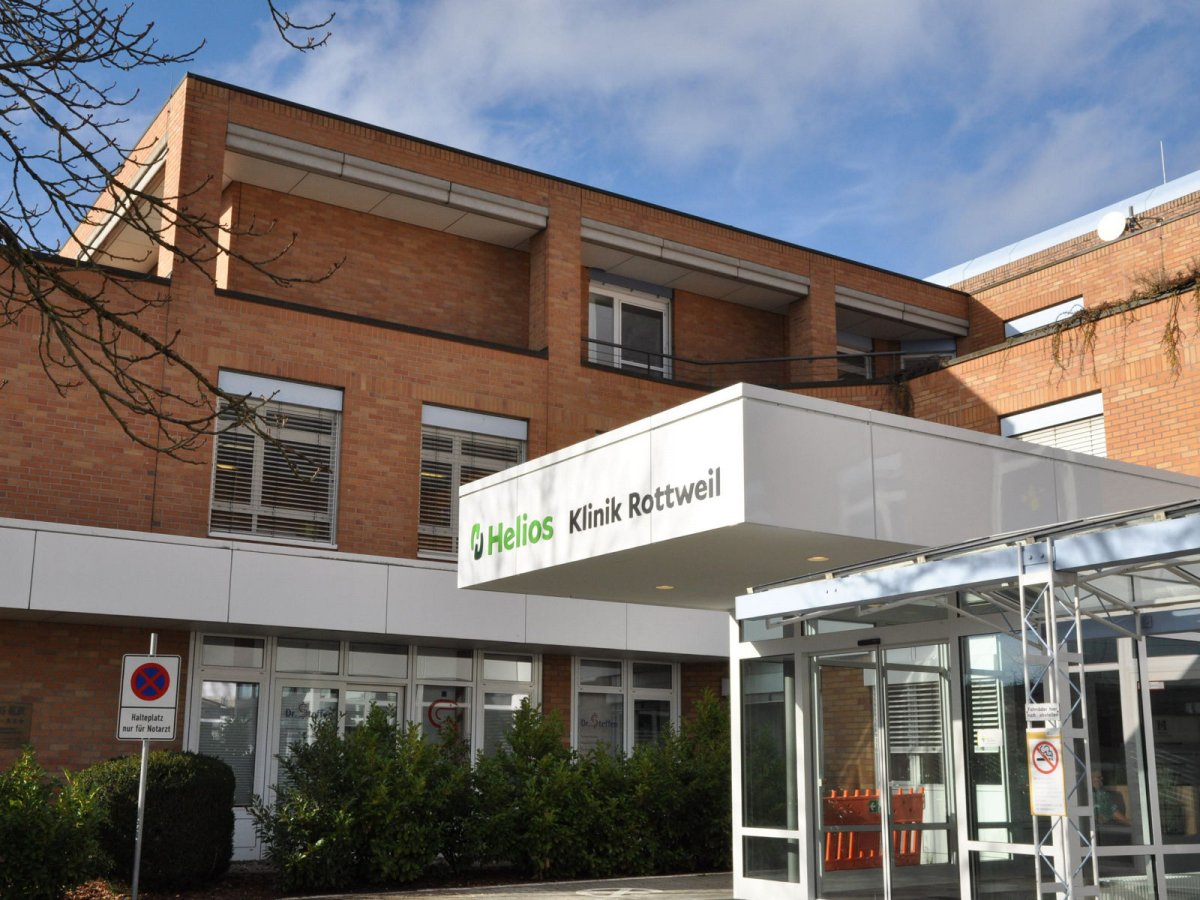








Lippe Detmold Clinic
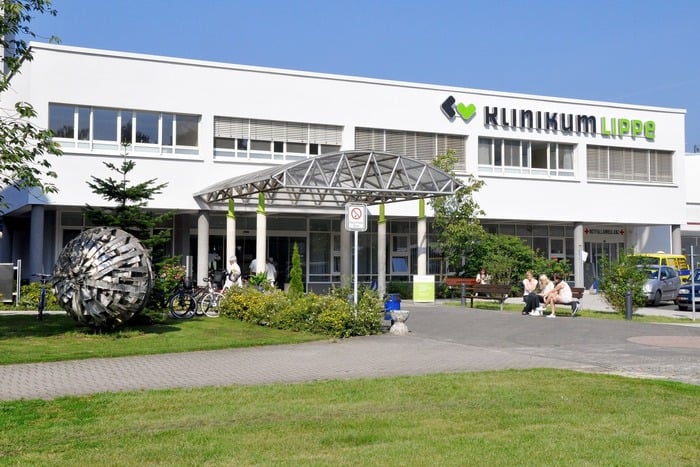
Lippe Lemgo Clinic
نظرة عامة على استئصال الكلية في ألمانيا
- استئصال الكلية - من $13,500
يتم استئصال الكلية لعلاج أمراض مثل السرطان ، مما يوفر علاجًا محتملًا ويحسن نوعية الحياة.
- استئصال الكلية مع دافنشي روبوت - من $17,500
يستخدم الإجراء المساعدة الروبوتية لإزالة الكلى ، مما يضمن الدقة ، والحد الأدنى من التدخل الجراحي ، والتعافي بشكل أسرع.
- جراحة حفظ الكلى - من $14,500
يزيل هذا الإجراء أورام الكلى مع الحفاظ على الأنسجة السليمة وتقليل المخاطر وتعزيز التعافي بشكل أسرع.
اليوم 1
- نقل من المطار إلى العيادة.
- استقر في غرفتك الفردية.
اليوم الثاني
- استشارة طبيب مسالك بولية وطبيب تخدير.
- استكمال الاختبارات والامتحانات اللازمة قبل الجراحة.
يوم 3
- التحضير للجراحة بما في ذلك الصيام من منتصف الليل.
اليوم الرابع
- عملية استئصال الكلية تحت تأثير التخدير العام.
- توقع أن تستغرق الجراحة ما بين 2-3 ساعات.
يوم 5-7
- رعاية ما بعد الجراحة في العيادة.
- مراقبة العلامات الحيوية والعناية بالجروح.
الأسبوع 2
- استأنف تدريجيًا الأنشطة الخفيفة.
- استشارة متابعة مع طبيب المسالك البولية.
الأسبوع 3-4
- تواصل مع الأنشطة الخفيفة.
- العودة التدريجية إلى العمل.
الأسبوع 5-6
- قد يستأنف الأنشطة المعتدلة.
- استشارة متابعة مع طبيب المسالك البولية.
الأسبوع 7-8
- العودة التدريجية إلى الروتين الطبيعي.
- من المتوقع أن نرى النتائج النهائية.
يرجى ملاحظة أن الجدول الزمني للتعافي لكل مريض قد يختلف تبعًا للظروف الصحية الفردية ومدى تعقيد الإجراء الجراحي.
- إيداع Bookimed: 200 دولار أو 200 يورو.
- وديعة العيادة: ادفع نسبة محددة مقدمًا.
بصفتنا المنصة العالمية الرائدة في مجال السياحة العلاجية ، فإننا نتحمل مسؤولية كبيرة أمام عملائنا - سواء المرضى أو المراكز الطبية في ألمانيا. تستند جميع المعلومات المقدمة على Bookimed.com إلى البحث والاستبصار والخبرة المتعلقة باستئصال الكلية وتفي باهتمام كبير يتعلق بالمنتج وما يلي:
نظام التصنيف التلقائي الذكي
نحن نشكل قوائمنا لعيادات وأطباء استئصال الكلية في ألمانيا مع لوائح صارمة لنظام التصنيف التلقائي الذكي الخاص بنا. يعتمد النظام على أسعار Bookimed الحقيقية للمرضى لتوفير المعلومات الأكثر موضوعية وشفافية حول العيادات والخدمات الطبية هناك.
يجمع عالم البيانات ذو الخبرة لدينا البيانات يوميًا ، ويراقب ويحسن نظام التصنيف باستخدام التعلم الآلي والذكاء الاصطناعي لضمان تحديث نظام التصنيف وتقديم نتائج دقيقة.
تجربة الناس الحقيقية فقط
نحن نجمع آراء عملاء Bookimed فقط بعد الحصول على خبرة طبية مع العيادة في ألمانيا - لذلك يمكن للجميع على المنصة الوثوق بالمنشأة التي يختارونها. نحن نسعى جاهدين لجعل المحتوى على منصتنا مفيدًا قدر الإمكان ونضمن حرية التعبير عن الآراء النقدية. وبالتالي ، ننشر مراجعات إيجابية وسلبية ، بهدف أن نكون مصدرًا لاتخاذ قرارات مستنيرة لعملائنا في المستقبل.
مواضيع ذات مستويات عالية من الخبرة والسلطة والجدارة بالثقة
قد تجد على Bookimed.com الاختيار والراحة للعثور على أفضل الحلول الطبية من كبار مزودي الخدمات الطبية في ألمانيا في مكان واحد فقط ، وغالبًا بأسعار تنافسية. للتأكد من تقديم أحدث المعلومات ، يقوم ممثلو العيادة بتحديث السير الذاتية للأطباء ، وقدرات العيادات ، والصور قبل وبعد ، والأسعار ، والحزم ، والعروض الخاصة بأنفسهم قريبًا. يمكنك مقابلة ممثل العيادة والتحقق من تاريخ المحتوى المحدث في صفحة كل عيادة للتأكد من مصداقيتها.
تم إنشاء مدونتنا والقطع الداعمة من قبل مؤلفين محترفين يتمتعون بخبرة لا تقل عن 3 سنوات في الكتابة الطبية ويتم تحريرها بواسطة متخصصين طبيين يتمتعون بخبرة إكلينيكية وبحثية ذات صلة - تم تعيينهم جميعًا بعناية في الفريق. نحن نسعى جاهدين لتعزيز وصول المريض إلى المعلومات الصحية ، مما يجعلها خبيرة ولكن يسهل فهمها. تتبع جميع القطع إرشادات التحرير الخاصة بـ Bookimed.
القيم المحجوزة
نحن مصنوعون من الناس ومن أجلهم - وهذه هي قيمتنا الأساسية. هذا هو السبب في أن جميع البيانات المقدمة على المنصة يتم جمعها وتحريرها ومراجعتها وتحديثها بانتظام من قبل مرضانا وعياداتنا الشريكة في ألمانيا وفريقنا ، بما في ذلك المجلس الاستشاري الطبي Bookimed ، الذي يتكون من الأطباء المشهورين عالميًا ذوي القيمة خبرة تزيد عن 20 عامًا من الممارسة ، وسمعة طيبة. تعلم المزيد عنا وعن مهمتنا .
في حال وجدت أي خطأ أو لديك أي أسئلة حول المعلومات المقدمة على Bookimed.com ، فلا تتردد في الاتصال بنا على marketing@bookimed.com .
احصل على تقييم طبي لـ استئصال الكلية في ألمانيا: اختر أخصائيك من بين الأفضل في هذا المجال
عرض جميع الأطباء
Wolfgang Schröder

Sebastian Melchior
البروفيسور سيباستيان ميلكيور هو أحد كبار أطباء المسالك البولية في ألمانيا، متخصص في الجراحة الروبوتية لاستئصال الكلية في عيادة بريمن-ميتي.
- _doctor_668_سنوات_ من الخبرة في جراحة الأورام
- تدرب في جامعة هارفارد وجامعة واشنطن
- مؤلف 10 منشورات علمية حول أورام الجهاز البولي التناسلي
- يرأس حالياً قسم المسالك البولية وأمراض الكلى في مستشفى بريمن-ميتي

Eduard Becht
يقوم البروفيسور الدكتور إدوارد بيشت بإجراء عمليات الحفاظ على الأعضاء لأورام الكلى - وهو نهج متخصص لاستئصال الكلية. مع من الخبرة في جراحة المسالك البولية، فإنه يقدم خبرة عميقة في الحالات المعقدة.
- رئيس جمعية 'طب الأورام البولية متعدد التخصصات في فرانكفورت أم ماين'
- يركز على طب الأورام البولية والتقنيات طفيفة التوغل
- دكتوراه فخرية من جامعة كابوديسترياس في أثينا
- مؤلف لأكثر من 100 ورقة علمية في جراحة المسالك البولية
- محاضر في جامعة غوته في فرانكفورت منذ عام 1994
قصص فيديو من مرضى Bookimed
المراجعات
جميع المراجعاتمشاركة المحتوى
 Anna Leonova
أسئلة متكررة حول استئصال الكلية في ألمانيا
ما الذي يتضمنه باقة السياحة العلاجية الألمانية لاستئصال الكلية؟
توفر باقات السياحة العلاجية الألمانية لاستئصال الكلية رعاية سريرية شاملة تشمل التشخيص قبل الجراحة، والإجراء الجراحي، والتخدير، والإقامة في المستشفى لعدة أيام. تغطي هذه الباقات غالبًا دعوات التأشيرة الإدارية، وخدمات الترجمة الطبية، وخدمات النقل من المطار لضمان تنسيق سلس للمرضى الدوليين المسافرين إلى مراكز متخصصة.
- الخدمات السريرية: تشمل تحاليل الدم المتخصصة، وتحليل البول، والتصوير مثل الأشعة المقطعية أو التصوير بالرنين المغناطيسي.
- الخيار الجراحي: تدعم الباقات الأساليب الجذرية أو الجزئية باستخدام أنظمة تنظير البطن أو أنظمة دافنشي الروبوتية.
- رعاية المرضى الداخليين: تغطي من 4 إلى 7 أيام في أجنحة المستشفى مع رعاية تمريضية مهنية ومراقبة.
- الدعم اللوجستي: يشمل مترجمين طبيين، وترجمة الوثائق، والمساعدة في خطابات دعوة التأشيرة الرسمية.
رؤية خبير Bookimed: بينما تسوق العديد من الدول لباقات شاملة بأسلوب العطلات، تعطي العيادات الألمانية مثل Nordwest أو Solingen الأولوية لباقة تنسيق الرعاية السريرية. تظهر البيانات أن هذه المؤسسات تركز على كفاءة الحجم الكبير، وغالبًا ما تدير أكثر من 60,000 مريض سنويًا. يجب على المرضى التأكد مما إذا كان عرض السعر يشمل مراجعات علم الأمراض والأدوية بعد الخروج، حيث يتم التعامل معها غالبًا كبنود منفصلة بدلاً من كونها مكونات ثابتة للباقة.
إجماع المرضى: يقدر المرضى الخدمات اللوجستية للمستشفى المنظمة للغاية ووجود مترجمين مخصصين لسد فجوة اللغة. يؤكد الكثيرون أنه على الرغم من أن الجودة الجراحية استثنائية،
هل استئصال الكلية في ألمانيا آمن ويتم إجراؤه بواسطة متخصصين مؤهلين؟
يعد استئصال الكلية في ألمانيا آمناً للغاية ويتم إجراؤه بواسطة متخصصين ضمن نظام رعاية صحية منظم بدقة. تحافظ المراكز ذات الحجم الكبير على معدلات نجاح تزيد عن 95% للحالات الحميدة. يستخدم الجراحون تكنولوجيا روبوتية متقدمة وتصويراً بالمنظار لضمان الدقة وتقليل تلف الأنسجة أثناء إزالة الكلية.
- مؤهلات المتخصصين: غالباً ما يتمتع الجراحون مثل البروفيسور سيباستيان ميلكيور في عيادة بريمن-ميتي بخبرة تزيد عن 20 عاماً.
- معايير المستشفيات: تحافظ المرافق الرائدة على شهادات KTQ أو TÜV، مما يضمن الامتثال الصارم للسلامة الوطنية.
- التكنولوجيا المتقدمة: يستخدم مستشفى هيليوس الجامعي في فوبرتال الجراحة الروبوتية لإجراءات طفيفة التوغل تحافظ على الأعضاء.
- الرقابة التنظيمية: يراقب معهد الجودة والشفافية في الرعاية الصحية جميع النتائج الجراحية.
رؤية خبير Bookimed: تشير البيانات إلى أن اختيار المستشفيات الجامعية مثل شاريتيه أو هيليوس فوبرتال يوفر ميزة أمان للحالات المعقدة. تعالج هذه المؤسسات أكثر من 150,000 مريض سنوياً وتجمع بين البحث الأكاديمي وأحجام الجراحات العالية. يرتبط هذا الحجم ارتباطاً مباشراً بانخفاض معدلات المضاعفات في عمليات استئصال الكلية بمساعدة الروبوت مقارنة بالعيادات المحلية الأصغر.
إجماع المرضى: يؤكد المرضى على احترافية الطاقم وأهمية الأساليب بالمنظار للتعافي بشكل أسرع. غالباً ما ينصحون بتأكيد الحجم السنوي للجراح لإجراءات الكلى المماثلة قبل الانتهاء من خطة العلاج.
ما هي مدة الإقامة المتوقعة في المستشفى والجدول الزمني للتعافي الكامل بعد استئصال الكلية؟
يتضمن استئصال الكلية في ألمانيا إقامة في المستشفى تتراوح من 2 إلى 4 أيام للتقنيات طفيفة التوغل الروبوتية أو بالمنظار. تتطلب الجراحة المفتوحة من 4 إلى 7 أيام من المراقبة. يستغرق التعافي الكامل عادةً من 8 إلى 12 أسبوعًا، حيث يعود معظم المرضى إلى العمل الخفيف في غضون 3 إلى 4 أسابيع.
- الإقامة في المستشفى: تسمح الإجراءات طفيفة التوغل بالخروج في غضون 2 إلى 4 أيام.
- حدود النشاط: تجنب رفع أكثر من 4.5 إلى 9 كجم (10-20 رطلاً) لمدة لا تقل عن 4 إلى 6 أسابيع.
- العودة إلى العمل: غالبًا ما يستأنف الموظفون المكتبيون مهامهم في غضون 3 إلى 4 أسابيع بعد الجراحة.
- القدرة الكاملة: عادةً ما تعود مستويات الطاقة وشفاء الأنسجة العميقة إلى طبيعتها بحلول الأسبوع الثاني عشر.
رؤية خبير Bookimed: تؤكد العيادات الألمانية مثل Nordwest وBremen-Mitte على التحرك المبكر في غضون 24 ساعة. تظهر البيانات أن المرضى الذين يبدأون في المشي الخفيف فورًا بعد الجراحة يحسنون وظيفة الأمعاء بشكل كبير. غالبًا ما يقلل هذا النهج الاستباقي من الإقامة القياسية في المستشفى إلى الحد الأدنى وهو يومان للحالات التي يتم إجراؤها بالمنظار.
إجماع المرضى: يبلغ العديد من المرضى أن التعب العميق يستمر لفترة أطول بكثير من الألم الجراحي نفسه. بينما تلتئم الشقوق الجسدية بسرعة، فإن التحدي الحقيقي هو إدارة مستويات الطاقة التي تتقلب في موجات لأسابيع.
ما هي المخاطر الصحية الرئيسية والمضاعفات المحتملة لاستئصال الكلية؟
تشمل المخاطر الرئيسية لاستئصال الكلية مضاعفات جراحية حادة مثل النزيف الشديد والعدوى، إلى جانب مخاطر طويلة الأمد مثل أمراض الكلى المزمنة وارتفاع ضغط الدم. تتراوح معدلات المضاعفات بين 10% للإجراءات بمساعدة الروبوت و20% لعمليات الاستئصال المفتوحة أو الجزئية في مراكز الأورام الألمانية.
- النزيف الجراحي: تدفق الدم المرتفع في الكلى يجعل النزيف خطراً أولياً أثناء إزالة الأنسجة.
- إصابة الأعضاء المجاورة: احتمال حدوث ضرر عرضي للطحال أو الكبد أو البنكرياس أثناء الوصول الجراحي.
- تدهور وظائف الكلى: قد يؤدي انخفاض معدل الترشيح الكبيبي إلى مرض الكلى المزمن على مدى عدة سنوات.
- الالتهاب الرئوي بعد الجراحة: الحركة المحدودة بعد جراحة البطن الكبرى تزيد من خطر الإصابة بالتهابات الرئة.
- الفتق الجراحي: خطر أعلى بعد الجراحة المفتوحة التقليدية مقارنة بتقنيات تنظير البطن طفيفة التوغل.
رؤية خبير Bookimed: تعطي المستشفيات الجامعية الألمانية مثل Charité أو Nordwest الأولوية لجراحة الحفاظ على الأعضاء، والتي لديها معدل مضاعفات إجمالي قدره 20% ولكن صحة كلوية أفضل بكثير على المدى الطويل. تظهر البيانات أن المرضى يختارون هذه المراكز خصيصاً لجراحين مثل البروفيسور إدوارد بيشت، المتخصص في الحفاظ على أقصى قدر من الأنسجة الوظيفية لمنع الاعتماد على غسيل الكلى في المستقبل.
إجماع المرضى: يجد العديد من المرضى أن التعافي أكثر إرهاقاً مما كان متوقعاً، حيث يبلغون عن انخفاض في الطاقة لعدة أسابيع. غالباً ما يكون هناك قلق كبير بشأن مستويات ال
ما هو التوجه الجراحي الحالي الذي يوجه قرارات استئصال الكلية بين أطباء المسالك البولية الألمان؟
يعطي أطباء المسالك البولية الألمان الآن الأولوية للجراحة المحافظة على النيفرون، مع التحول نحو استئصال الكلية الجزئي كمعيار لأورام الكلى الموضعية. يحافظ هذا النهج على وظائف الكلى مع الحفاظ على السلامة الأورام. تتبع القرارات السريرية إرشادات الجمعية الأوروبية لجراحة المسالك البولية، التي تفضل الحفاظ على العضو على الإزالة الجذرية لتحسين نتائج المرضى على المدى الطويل.
- التحول الجراحي: تضاعف استخدام استئصال الكلية الجزئي ثلاث مرات بينما انخفضت الإجراءات الجذرية بنسبة 40%.
- نتائج البقاء على قيد الحياة: يرتبط استئصال الكلية الجذري باحتمالية أعلى بمقدار 3.2 مرة للوفيات المحيطة بالجراحة خلال 30 يومًا.
- كفاءة التعافي: يقضي المرضى الذين يخضعون لاستئصال الكلية الجزئي في المتوسط 1.9 يومًا أقل في المستشفى.
- اعتماد التكنولوجيا: تستخدم المراكز ذات الحجم الكبير مثل مستشفى شاريتيه الجامعي في برلين أنظمة مساعدة روبوتية للحفاظ المعقد على الأعضاء.
رؤية خبير Bookimed: تظهر المراكز الألمانية الحاصلة على شهادة من جمعية السرطان الألمانية، مثل المركز الطبي في سولينغن أو عيادة نوردويست، ارتباطًا وثيقًا بين الاعتماد ومعدلات الحفاظ على الأعضاء. تشير البيانات إلى أن المرضى الذين يبحثون عن جراحة الحفاظ على الكلى يجب أن يستهدفوا العيادات ذات التخصصات المتعددة، مثل الدكتور إدوارد بيشت في نوردويست، الذي يتخصص تحديدًا في جراحة المسالك البولية الترميمية والمحافظة على الأعضاء.
إجماع المرضى: غالبًا ما يشعر المرضى بالارتياح لاكتشاف أن إنقاذ الكلية هو الآن
ما مدى سرعة عودتي إلى الأنشطة اليومية العادية بعد الجراحة؟
يعتمد التعافي على النهج الجراحي، حيث يعود المرضى إلى الروتين اليومي الخفيف في غضون أسبوع إلى 3 أسابيع بعد استئصال الكلية طفيف التوغل. يستغرق الشفاء الهيكلي الكامل والعودة إلى الأنشطة الشاقة عادةً من 6 إلى 12 أسبوعًا لإجراءات البطن المفتوحة الكبرى.
- النهج طفيف التوغل: تسمح الجراحة الروبوتية أو بالمنظار بالنشاط الروتيني في غضون 7 إلى 14 يومًا.
- مدة الإقامة في المستشفى: تتطلب العيادات الألمانية عادةً من 5 إلى 7 أيام للمراقبة بعد الجراحة.
- حدود النشاط البدني: تجنب تمامًا رفع أشياء تزيد عن 10 أرطال (حوالي 4.5 كجم) لمدة 4 إلى 6 أسابيع.
- قيود القيادة: يستأنف معظم المرضى القيادة بأمان في غضون أسبوعين إلى 4 أسابيع بعد التوقف عن تناول المخدرات.
رؤية خبير Bookimed: تعطي المستشفيات الجامعية الألمانية مثل Charite أو Nordwest الأولوية لأنظمة Da Vinci الروبوتية لتقليل الصدمات. تظهر البيانات أن هذه المراكز ذات الحجم الكبير تحقق تعبئة أسرع، وغالبًا ما تجعل المرضى يمشون في غضون 24 ساعة. هذه الحركة المبكرة هي المفتاح لمنع مضاعفات ما بعد الجراحة في أقسام المسالك البولية المتخصصة في ألمانيا.
إجماع المرضى: يجد العديد من المرضى أن التعب يمثل عقبة أكبر من الألم الجسدي خلال الشهر الأول. يوصون بالحصول على مساعدة في المنزل لأن الأعمال البسيطة تبدو مرهقة بشكل غير متوقع على الرغم من الشقوق الجراحية الصغيرة.
ما هي تغييرات نمط الحياة طويلة المدى التي يجب أن أتبعها بعد العيش بكلية واحدة؟
تتطلب الحياة بكلية واحدة بعد استئصال الكلية عادات مدى الحياة للحفاظ على وظائف الكلى ومنع إجهاد التعويض. يعيش معظم الأفراد حياة طبيعية من خلال إعطاء الأولوية للتحكم في ضغط الدم، ومراقبة مستويات الكرياتينين سنويًا، وتجنب المواد السامة للكلى التي يمكن أن ترهق العضو المتبقي أثناء عملية الترشيح.
- الفحص المنتظم: قم بإجراء اختبارات سنوية للكرياتينين في المصل، ومعدل الترشيح الكبيبي (eGFR)، وبروتين البول لتتبع الوظيفة.
- سلامة الأدوية: تجنب الأدوية المضادة للالتهابات غير الستيرويدية مثل الإيبوبروفين أو النابروكسين لمنع الإصابة الحادة.
- ضغط الدم: حافظ على قراءات ثابتة أقل من 130/80 مم زئبق لحماية الأوعية الدموية الدقيقة للكلية.
- الاعتدال الغذائي: قلل من الملح والأطعمة المصنعة مع الحفاظ على رطوبة الجسم أثناء السفر أو المرض.
- الحماية الجسدية: استخدم معدات واقية أثناء ممارسة الرياضة لحماية الكلية من الصدمات المباشرة.
رؤية خبير Bookimed: تؤكد المراكز الألمانية مثل عيادة نورث ويست أو بريمن-ميتي على استراتيجيات الحفاظ على الأعضاء والدقة الروبوتية. غالبًا ما تؤدي هذه الخبرة إلى وظيفة أساسية أعلى بعد الجراحة. يستفيد المرضى من بروتوكولات المتابعة الراسخة حيث تنسق الفرق متعددة التخصصات الرعاية بين أطباء المسالك البولية وأطباء الكلى لتحقيق الاستقرار على المدى الطويل.
إجماع المرضى: يجد العديد من المرضى أن الوضع الطبيعي الجديد يمكن إدارته ولكنهم يؤكدون على أهمية الترطيب. يوصون بإبلاغ كل طبيب أسنان أو صيدلي بحالتك قب
هل أنا مرشح لاستئصال الكلية طفيف التوغل (بالمنظار أو بمساعدة الروبوت)؟
أنت مرشح لاستئصال الكلية طفيف التوغل في ألمانيا إذا كان لديك كتلة كلوية موضعية أقل من 10 سم أو كلية حميدة غير وظيفية. تتطلب الأهلية صحة قلبية رئوية جيدة لتحمل نفخ غاز البطن وعدم وجود ندبات واسعة النطاق من جراحات البطن الكبرى السابقة.
- حجم الورم: الأورام التي يقل حجمها عن 7 سم مثالية لاستئصال الكلية الجزئي بالمنظار أو الروبوت مع الحفاظ على العضو.
- الصحة السريرية: يجب أن يتحمل المرضى التخدير العام والمتطلبات البدنية للجراحة الروبوتية بأمان.
- التاريخ الجراحي: يقوم الجراحون بتقييم الالتصاقات البطنية السابقة لضمان دخول آمن لأدوات المنظار.
- مرحلة المرض: كتل الكلى الموضعية التي لا تغزو الأوعية الدموية الكبيرة تفضل الأساليب طفيفة التوغل.
رؤية خبير Bookimed: تحتل ألمانيا المرتبة الثانية عالمياً في طلبات المسالك البولية لدينا لأن المستشفيات الجامعية مثل شاريتيه وبريمن-ميتي تركز خبرات عالية الحجم. على سبيل المثال، يركز البروفيسور سيباستيان ميلكيور في بريمن-ميتي بشكل خاص على جراحة الأورام الروبوتية داخل قسم يخدم 40,000 مريض سنوياً. يرتبط هذا الحجم الكبير عادةً بمعدلات تحويل أقل من الجراحة بالمنظار إلى الجراحة المفتوحة مقارنة بالمراكز الأصغر غير المتخصصة.
إجماع المرضى: يبلغ المرضى عن تعافٍ أسهل بكثير مع ندبات أصغر، لكنهم يلاحظون أن آلام الغازات والتعب تظل تحديات أولية شائعة. يؤكد الكثيرون على أهمية التأكد من عدد الإجراءات الروبوتية السنوية للجراح أثناء الاستشارات الأولية لضمان الكفاءة التقنية.
ما الذي يجب أن تتضمنه حزمة التقييم والتحضير قبل الجراحة؟
يتضمن تقييم استئصال الكلية قبل الجراحة في ألمانيا اختبارات متخصصة لوظائف الكلى، ومراجعة التصوير عالي الدقة، وتصريح التخدير لضمان سلامة المريض. عادةً ما تقوم المستشفيات الجامعية الألمانية بتجميع التحاليل الأيضية، والتقييمات القلبية الوعائية، ومراجعة مفصلة للأدوية في حزمة تحضير جراحية شاملة قبل إجراء العمليات الروبوتية أو بالمنظار.
- الاختبارات التشخيصية: تشمل تعداد الدم الكامل (CBC)، والكرياتينين، ونيتروجين يوريا الدم (BUN)، ودراسات التخثر، وتحليل البول، وفحوصات مزرعة البول.
- مراجعة التصوير: يقوم الجراحون بإعادة فحص الأشعة المقطعية أو الرنين المغناطيسي في غضون 30 يومًا لتأكيد التشريح الوعائي.
- فحص التخدير: يتضمن التاريخ القلبي الرئوي، وتقييم انقطاع النفس أثناء النوم، ومراجعة أي ردود فعل سابقة للتخدير.
- إدارة الأدوية: يقدم الأطباء تعليمات مكتوبة لإيقاف مضادات التخثر، ومضادات الالتهاب غير الستيرويدية، وأدوية السكري المحددة.
رؤية خبير Bookimed: غالبًا ما يقدم المتخصصون الألمان مثل البروفيسور سيباستيان ميلكيور آراء ثانية عن بُعد حول فحوصات الرنين المغناطيسي أو الأشعة المقطعية الموجودة. تساعد هذه الخطوة المحددة المرضى على تجنب تكاليف التصوير الزائدة عند الوصول إلى ألمانيا. إنها تضمن الانتهاء من خطتك الجراحية، سواء كانت استئصالًا جزئيًا أو كليًا للكلية، قبل سفرك.
إجماع المرضى: يؤكد المرضى على الحاجة إلى تعليمات واضحة حول إيقاف المكملات الغذائية ومميعات الدم. كما يوصون بترتيب رعاية منزلية لمدة 14 يومًا على الأقل بعد الخروج من
هل توجد ندوب مرئية، وأين يتم وضع الشقوق؟
تختلف شقوق استئصال الكلية في ألمانيا حسب التقنية ولكنها تستهدف عادةً مناطق غير واضحة. يستخدم الجراحون 3 إلى 5 شقوق صغيرة بالمنظار للإجراءات التنظيرية أو الروبوتية. تتطلب الجراحة المفتوحة شقًا أكبر في الخاصرة، بينما تضع الطرق الروبوتية غالبًا موقع الاستخراج بالقرب من ثنية أسفل البطن.
- الشقوق الروبوتية: عدة ندوب صغيرة للمنافذ بالإضافة إلى شق استخراج واحد بالقرب من أسفل البطن.
- منافذ المنظار: عادةً 3 إلى 5 علامات صغيرة موزعة عبر البطن والجانب.
- استئصال الكلية المفتوح: شق أفقي واحد أكبر على طول الخاصرة أو أعلى البطن.
- موقع الاستخراج: غالبًا ما يضع الجراحون هذه الندبة الأكبر في منطقة الخصر الطبيعية.
رؤية خبير Bookimed: غالبًا ما تعطي المستشفيات الجامعية الألمانية مثل Charité أو Helios Wuppertal الأولوية لاستئصال الكلية بمساعدة الروبوت da Vinci. تتجنب هذه التقنية قطع عضلات الخاصرة الكبير الشائع في الجراحة المفتوحة. عادةً ما يعاني المرضى الذين يختارون الخيارات الروبوتية من انزعاج أقل متعلق بالأعصاب ونضج أسرع للندوب بسبب نقاط الدخول الأصغر.
إجماع المرضى: أفاد معظم المرضى أن ندوب المنافذ الصغيرة تتلاشى بشكل كبير في غضون عام. موقع الاستخراج هو الأكثر وضوحًا، لذا يقترح المرضى سؤال الجراحين عن وضعه في أسفل البطن لإخفائه تحت الملابس.