عيادات تنظير الحالب المرن في ألمانيا


تمت مراجعة المقالة طبيا من قبل
فهد مولود
ما هي تكلفة تنظير الحالب المرن في ألمانيا؟ اكتشف الآن
تتراوح تكلفة تنظير الحالب المرن في ألمانيا ما بين $4,800 و $7,800. يعتمد السعر النهائي على مستوى العيادة، وخبرة الجراح، وتعقيد الحالة. تشمل الباقات عادةً التشخيص، وتفتيت الحصوات بالليزر، والتخدير، وإقامة قصيرة في مراكز طبية رئيسية بمدن مثل برلين، وميونخ، وهامبورغ.
- تصنيف العيادة: غالباً ما تكون أسعار المستشفيات الجامعية في المدن الكبرى أعلى بنسبة 10-15% من المراكز الإقليمية.
- الدرجة العلمية للجراح: يؤدي اختيار العلاج تحت إشراف رئيس أطباء إلى زيادة الرسوم وفقاً لنظام GOÄ التنظيمي.
- تعقيد الحالة: تؤثر الحصوات الكبيرة أو المتعددة التي تستدعي دعامات خاصة أو وقتاً إضافياً للجراحة على التكلفة الإجمالية.
- مدة الإقامة: تزيد فترات الإقامة الطويلة التي تتجاوز المدة المعيارية من يوم إلى ثلاثة أيام من قيمة الفاتورة النهائية.
رأي خبراء Bookimed: يعد اختيار مستشفى أكاديمي مثل المركز الطبي في سولينغن خياراً متوازناً وعالي القيمة. ويُصنف المركز كمستشفى أكاديمي تابع لجامعة كولونيا، كما ورد في مجلة فوكس. يضمن هذا المستوى الوصول إلى تقنيات جامعية متطورة دون تكاليف إضافية كما في مراكز برلين. تقدم هذه المراكز الكبيرة، التي تضم 400 طبيب و15 قسماً، نتائج موثوقة لـ 60,000 مريض سنوياً.
| تركيا | إسبانيا | ألمانيا | |
|---|---|---|---|
| تنظير الحالب المرن | ≈ $2,300 | ≈ $4,300 | ≈ $4,800 |
مزاياك وضماناتك مع Bookimed
أسعار مباشرة
Bookimed لا يضيف رسوماً إضافية على أسعار تنظير الحالب المرن. الأسعار مأخوذة من قوائم الأسعار الرسمية للعيادات. تدفع مباشرة في العيادة مقابل تنظير الحالب المرن عند وصولك.
عيادات وأطباء معتمدون فقط
Bookimed ملتزم بسلامتك. نحن نعمل فقط مع المؤسسات الطبية التي تحافظ على معايير دولية عالية في تنظير الحالب المرن ولديها التراخيص اللازمة لخدمة المرضى الدوليين في جميع أنحاء العالم.
مساعدة مجانية على مدار الساعة
Bookimed يقدم مساعدة خبراء مجانية. منسق طبي شخصي يدعمك قبل وأثناء وبعد العلاج، ويحل أي مشاكل. لن تكون وحيداً أبداً في رحلة تنظير الحالب المرن.

منسقك الطبي الشخصي في Bookimed
- يدعمك في كل مرحلة
- المساعدة في اختيار العيادة الطبية المناسبة والطبيب المناسب
- يضمن الوصول السريع والمريح إلى المعلومات
اكتشف أفضل تنظير الحالب المرن العيادات في ألمانيا: 3 خيارات معتمدة والأسعار
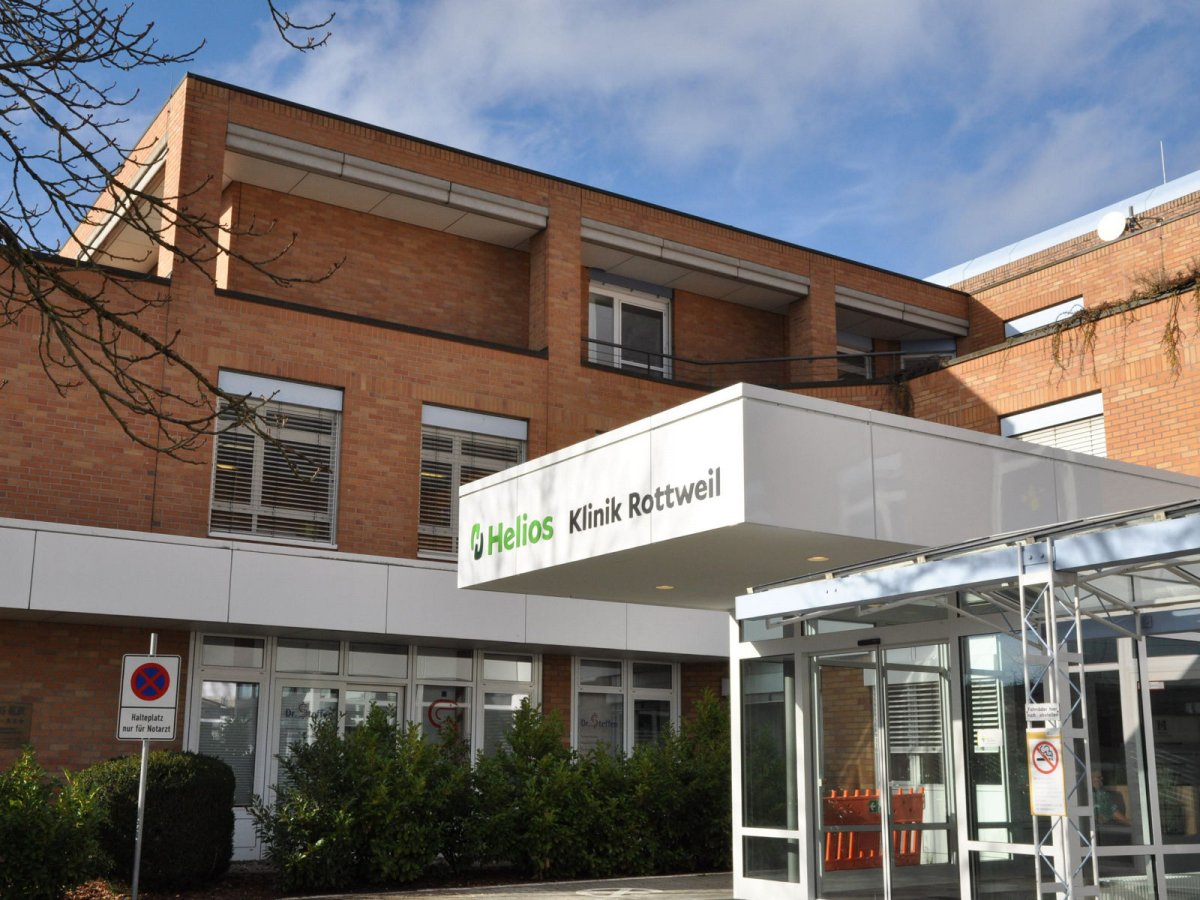

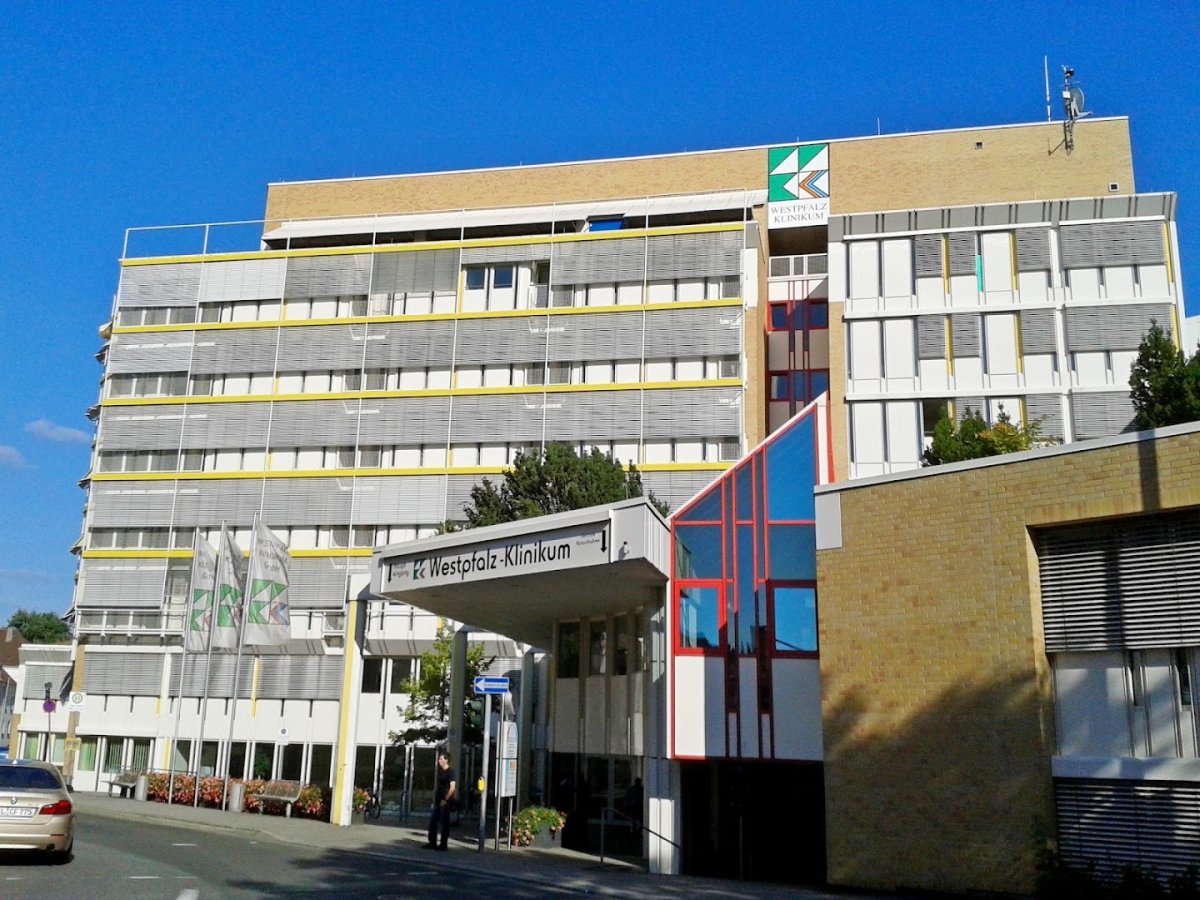
Westpfalz-Klinikum GmbH

نظرة عامة على تنظير الحالب المرن في ألمانيا
- تنظير الحالب المرن - من $4,800
تستخدم العملية أنبوبًا رفيعًا ومرنًا لتشخيص وعلاج أمراض الكلى والحالب بكفاءة وأمان.
- إيداع Bookimed: 200 دولار أو 200 يورو.
- وديعة العيادة: ادفع نسبة محددة مقدمًا.
قصص فيديو من مرضى Bookimed
المراجعات
جميع المراجعاتمشاركة المحتوى
 Anna Leonova
أسئلة متكررة حول تنظير الحالب المرن في ألمانيا
ما هو تنظير الحالب المرن (fURS) وكيف يتم إجراؤه في ألمانيا؟
تنظير الحالب المرن في ألمانيا هو إجراء تنظيري طفيف التوغل يعالج حصوات الكلى باستخدام منظار قابل للتوجيه ومزود بكاميرا. يقوم أطباء المسالك البولية الألمان بالتنقل عبر الإحليل والمثانة لتفتيت الحصوات بالليزر عالي الدقة. تتجنب هذه التقنية المتقدمة إجراء الشقوق الجراحية مع ضمان إزالة دقيقة للحصوات داخل المستشفيات الأكاديمية المتخصصة.
- التقنية الجراحية: يستخدم الجراحون مناظير مرنة رفيعة مقاس 7.5 F للوصول إلى كؤوس الكلى الصعبة.
- إدارة الحصوات: يستخدم تفتيت الحصوات بالليزر أليافاً مقاس 200 ميكرومتر لتفتيت الحصوات بدقة.
- أدوات الوصول: تعمل أغماد الوصول إلى الحالب على تقليل الضغط داخل الكلى وتسهيل إزالة حصوات متعددة بكفاءة.
- بروتوكولات السلامة: تفرض العيادات رقابة صارمة على عدوى المسالك البولية وتصوير ما قبل الجراحة قبل التدخل.
رؤية خبير بوكيميد (Bookimed): غالباً ما تستخدم المستشفيات الأكاديمية الألمانية مثل سولينجن أو هيليوس فوبرتال فرقاً مكونة من جراحين اثنين للحالات المعقدة. على الرغم من أن هذا يزيد من احتياجات التوظيف، إلا أنه يحسن الكفاءة بشكل كبير عند التعامل مع حصوات متعددة. يستفيد المرضى من فترات تخدير أقصر حيث يقوم أحد الجراحين بالتحكم في المنظار بينما يدير الآخر ألياف الليزر.
إجماع المرضى: يجد العديد من المرضى أن الإجراء نفسه سلس، لكنهم يشيرون إلى أن دعامة الحالب المؤقتة تسبب معظم الانزعاج بعد العملية. يتم وصف التعافي بأنه فعال ومنظم للغاية داخل النظام السريري الألماني.
ما هي المخاطر الرئيسية وكيف يتم تجنب العدوى؟
يحمل تنظير الحالب المرن في ألمانيا مخاطر أولية تتمثل في عدوى المسالك البولية والإنتان، على الرغم من أن معدلات النجاح لا تزال مرتفعة. يتجنب الجراحون المضاعفات من خلال ضمان سلبية مزارع البول قبل الجراحة، وإعطاء المضادات الحيوية الوقائية (قبل وأثناء الجراحة)، والحفاظ على ضغط ري منخفض داخل أقسام المسالك البولية المتخصصة مثل مستشفى هيليوس الجامعي في فوبرتال.
- الوقاية من العدوى: يقوم الجراحون بتأجيل الإجراءات حتى يتم القضاء تمامًا على أي عدوى نشطة في المسالك البولية.
- بروتوكول المضادات الحيوية: يتلقى المرضى مضادات حيوية وقائية روتينية لمنع انتقال البكتيريا أثناء الجراحة.
- التحكم في الضغط: يحافظ الأطباء على ضغط ري منخفض لمنع الارتجاع إلى الكلى.
- إدارة المدة: تحد الفرق الخبيرة من وقت الإجراء لتقليل التعرض الجهازي للبكتيريا.
رؤية خبير Bookimed: تعالج العيادات الألمانية مثل المركز الطبي في سولينجن أكثر من 60,000 مريض سنويًا وفقًا للمعايير الصارمة للجمعية الألمانية للسرطان. يسمح هذا الحجم الكبير للجراحين بإتقان تقنيات الضغط المنخفض. تظهر البيانات أن المرافق المتميزة تركز على التوقيت الدقيق. فالحفاظ على المنظار نشطًا لمدة تقل عن 60 دقيقة يقلل بشكل كبير من مخاطر العدوى الجهازية مقارنة بالجراحات الأطول.
إجماع المرضى: يؤكد المرضى أن الانزعاج الناتج عن الدعامة يشبه غالبًا الإصابة بعدوى. ويوصون بمراقبة القشعريرة أو البول ذي الرائحة الكريهة كعلامات تحذير حقيقية.
كم يستغرق الإجراء وما هو الجدول الزمني المعتاد للتعافي؟
يستغرق تنظير الحالب المرن في ألمانيا عمومًا من 30 إلى 90 دقيقة. يحقق المرضى عادةً تعافيًا كاملاً في غضون أسبوع إلى أسبوعين. غالبًا ما توفر المستشفيات الجامعية الألمانية خروج المريض في نفس اليوم أو في اليوم التالي، مع إعطاء الأولوية للمراقبة الدقيقة بعد الجراحة خلال أول 72 ساعة حرجة للمرضى الدوليين.
- مدة الجراحة: تستغرق الإجراءات عادةً أقل من 60 دقيقة لحالات حصوات الكلى الفردية والأصغر حجمًا.
- الإقامة في المستشفى: معظم المرضى مؤهلون للخروج في نفس اليوم أو للمراقبة الليلية لفترة وجيزة.
- التعافي الأولي: تبلغ أعراض مثل إلحاح التبول والانزعاج ذروتها خلال أول 24 إلى 72 ساعة.
- العودة للعمل: يعود العاملون في المكاتب عادةً إلى عملهم في غضون 3 إلى 7 أيام.
رؤية خبير Bookimed: تشير البيانات الصادرة عن مستشفى هيليوس الجامعي في فوبرتال وسولينجن إلى التركيز على الكفاءة في التعامل مع أعداد كبيرة من المرضى. تخدم هذه المراكز ما يصل إلى 150,000 مريض سنويًا. يشير هذا الحجم إلى أن الجراحين يتمتعون بكفاءة تقنية عالية، مما يقلل غالبًا من الوقت المستغرق تحت التخدير. ترتبط أوقات الإجراءات الأقصر مباشرة بتقليل الالتهاب بعد الجراحة وسرعة خروج المريض.
إجماع المرضى: الإجراء بحد ذاته سريع، لكن الدعامة المؤقتة تسبب الانزعاج الأكبر. غالبًا ما يذكر المرضى أن السيطرة على تشنجات المثانة هي التحدي الرئيسي خلال الأسبوع الأول.
هل يتم إدخال دعامة الحالب (Double-J) دائمًا، وكيف يتم التعامل معها؟
لا تُعد دعامة الحالب إلزامية لتنظير الحالب المرن في ألمانيا. يقوم الجراحون بإدخالها بشكل انتقائي لضمان تصريف البول، أو علاج تورم الحالب، أو منع الانسداد الناجم عن شظايا الحصوات. عند استخدامها، تبقى الدعامة لمدة تتراوح بين 5 إلى 14 يومًا وتتطلب إزالتها عبر تنظير المثانة أو باستخدام خيط خاص.
- معايير الإدخال: يعتمد القرار على حجم الحصوة، أو إصابة الحالب، أو مدى تعقيد الإجراء.
- إدارة الأعراض: يساعد شرب السوائل ومرخيات المثانة في إدارة كثرة التبول وآلام الخاصرة الخفيفة.
- مدة الدعامة: يحتاج معظم المرضى إلى دعامة مؤقتة لمدة تتراوح بين أسبوع إلى أسبوعين فقط.
- تقنية الإزالة: يقوم أطباء المسالك البولية بإزالة الدعامات باستخدام منظار مرن أو خيط سحب خارجي.
رؤية خبير Bookimed: تتبع المستشفيات الأكاديمية الألمانية مثل مستشفيات سولينجن أو هيليوس فوبرتال غالبًا بروتوكولات وضع الدعامات الانتقائية. تشير البيانات إلى أن العيادات التي تستقبل أعدادًا كبيرة من المرضى—أكثر من 60,000 سنويًا—تعطي الأولوية لتجنب الدعامات في حالات الحصوات الصغيرة غير المعقدة. يستفيد الجراحون في هذه المراكز من المناظير المرنة المتقدمة لتقليل إصابات الحالب التي تتطلب عادةً وجود دعامة.
إجماع المرضى: بينما يجد معظم المرضى أن عملية الإزالة سريعة، فإنهم يوصون بالاستعداد لبعض الانزعاج الخفيف خلال الأيام القليلة الأولى مع الدعامة. تعد مراقبة علامات العدوى أو أي ألم غير معتاد أمرًا بالغ الأهمية لضمان تعافٍ سلس.
أين يمكن العثور على المراكز الرائدة لـ fURS في ألمانيا؟
تقع المراكز الرائدة لعمليات fURS في ألمانيا داخل المستشفيات الجامعية ومراكز حصوات الكلى المتخصصة في مدن مثل سولينغن وميونخ ودوسلدورف. تستخدم هذه المرافق منظار حالب مرن رقمي وليزر ثوليوم أو هولميوم عالي الطاقة لعلاج حصوات الكلى والحالب المعقدة بأقل قدر من التدخل الجراحي.
- مراكز الحصوات المتخصصة: تتعامل المستشفيات الأكاديمية مثل سولينغن مع حجم كبير من إجراءات تنظير المسالك البولية التشخيصية والعلاجية.
- تكنولوجيا الليزر المتقدمة: تستخدم المراكز ليزر ألياف الثوليوم لتفتيت الحصوات بدقة أثناء fURS.
- مكانة المستشفى الجامعي: غالباً ما تعمل المرافق الرائدة كمراكز تعليم جامعي، مما يضمن علاجات مدعومة بالأبحاث.
- معايير المرافق المعتمدة: تحافظ المؤسسات المفضلة على شهادات الجمعية الألمانية للسرطان أو IASIOS لضمان السلامة.
رؤية خبراء Bookimed: تظهر بيانات المرضى ميزة واضحة في اختيار المستشفيات الأكاديمية مثل سولينغن أو هيليوس فوبرتال على العيادات الأصغر. تعالج هذه المراكز الكبيرة ما يصل إلى 150,000 مريض سنوياً وغالباً ما تضم وحدات تنظير مسالك بولية مخصصة. يرتبط هذا الحجم الكبير ارتباطاً مباشراً بتقنيات جراحية متطورة ومعدلات مضاعفات أقل لحالات الحصوات المعقدة.
إجماع المرضى: يعطي المرضى الأولوية لحجم الحالات الجراحية ومعدات الليزر المتخصصة على القرب السريري. تُفضل فرق الحصوات ذات الخبرة في المدن الأكاديمية الكبرى لاستخدامها الروتيني للتكنولوجيا الرقمية المرنة.
ما هي المستشفيات في ألمانيا التي تحظى بأعلى التقييمات في جراحة الأعصاب؟
تضم ألمانيا بعضًا من أرقى أقسام جراحة الأعصاب في العالم، بقيادة مستشفى شاريتيه الجامعي في برلين ومستشفى جامعة هايدلبرغ. وتتميز هذه المراكز بخبرتها الواسعة في علاج أورام الدماغ المعقدة وأمراض الأوعية الدموية الدماغية. ولتحقيق أقصى قدر من الفعالية في عملياتها، تستخدم هذه المراكز أحدث التقنيات، مثل التصوير بالرنين المغناطيسي أثناء الجراحة والتوجيه العصبي بمساعدة الحاسوب.
- مستشفى شاريتيه برلين: يُجري أكثر من 5000 عملية جراحية سنوياً. ويرأس العيادة جراح الأعصاب الشهير الدكتور بيتر فايكوتشي.
- المركز الطبي في سولينجن: أجرى الدكتور رالف بوهل أكثر من 4000 عملية جراحية، بما في ذلك جراحات العمود الفقري طفيفة التوغل.
- عيادة أسكليبيوس نورد: مجهزة بنظام التصوير بالرنين المغناطيسي الثنائي الوحيد في ألمانيا أثناء الجراحة لضمان الدقة الجراحية في الوقت الحقيقي أثناء إزالة الورم.
- عيادة نوردويست: تم الاعتراف بها من قبل مجلة نيوزويك كمستشفى رائد في مجال الابتكار في تكنولوجيا الموجات فوق الصوتية ثلاثية الأبعاد.
رأي خبراء بوكيمد: تشير البيانات إلى أن اختيار المراكز ذات الحجم الجراحي الكبير غالبًا ما يؤدي إلى توصيات علاجية أكثر تحفظًا. ففي مركز سولينجن الطبي، الذي يعالج أكثر من 60,000 مريض
ما هي نسب نجاح العمليات الجراحية العصبية المعقدة في ألمانيا؟
في ألمانيا، تتميز العمليات الجراحية العصبية بالغة التعقيد بمستوى أمان استثنائي. تصل نسبة نجاح عمليات دمج الفقرات إلى 99%، بينما تبلغ نسبة النجاة بعد استئصال أورام الدماغ الأولية 97%. كما يتمتع المرضى بقدرة عالية على الاعتماد على أنفسهم في أداء وظائفهم اليومية، حيث يغادر أكثر من 82% منهم المستشفى مباشرةً بعد العلاج. وتولي المراكز الألمانية اهتماماً بالغاً بالحفاظ على الوظائف العصبية باستخدام أحدث تقنيات التخطيط العصبي.
- استئصال الورم: يحقق الجراحون استئصالًا كاملاً للورم في 87.2% من حالات النقائل الدماغية.
- النجاح في علاج أمراض الأوعية الدموية: أفادت المستشفيات الألمانية بنسبة نجاة بلغت 98.7% لحالات تمدد الأوعية الدموية غير الممزقة.
- تحسن الحالة العصبية: يشهد ما يقرب من 43% من المرضى تحسناً في المعايير الوظيفية بعد عمليات الاستئصال المعقدة.
- سلامة التدخلات الجراحية: في المراكز الجراحية الكبيرة، تتراوح معدلات بقاء المرضى على قيد الحياة بعد جراحة العمود الفقري بين 98-99%.
رأي خبراء بوكيمد: يُجري جراحون ذوو خبرة، مثل الدكتور أوفه كولر من عيادة أسكليبيوس ألتونا، أكثر من 2000 عملية جراحية سنويًا. تُشير البيانات إلى أن هؤلاء المتخصصين يحافظون على معدلات نجاح تصل إلى 90%، حتى
ما هي التقنيات المتقدمة المتوفرة عادةً في عيادات جراحة الأعصاب الألمانية؟
تُدخل عيادات جراحة الأعصاب الألمانية بانتظام أدوات رقمية عالية الدقة وتقنيات تصوير فوري في الممارسة الجراحية. تشمل التقنيات الرئيسية الملاحة العصبية الحاسوبية لجراحات الدماغ والحبل الشوكي. تستخدم مؤسسات مثل عيادة أسكليبيوس نورد التصوير بالرنين المغناطيسي أثناء الجراحة للتحقق من استئصال الورم في الوقت الفعلي. توفر هذه الأنظمة للجراحين نظام ملاحة ثلاثي الأبعاد.
- الملاحة العصبية: توفر تصورًا ثلاثي الأبعاد وتتبعًا فوريًا للأدوات لتحقيق دقة جراحية تصل إلى مستوى أقل من المليمتر.
- التصوير أثناء العملية: تسمح أنظمة مثل التصوير بالرنين المغناطيسي أثناء العملية (iMRI) والتصوير المقطعي المحوسب ذي الذراع O (O-arm CT) بالتأكيد الفوري على نجاح عملية الاستئصال.
- المراقبة العصبية: تراقب الوظائف الحركية والحسية أثناء الجراحة لحماية الجهاز العصبي.
- التشخيص الفلوري: يتم استخدام صبغة 5-ALA لتسليط الضوء على حدود الورم من أجل إزالته بشكل أكثر اكتمالاً.
- المساعدة الروبوتية: تعمل أنظمة مثل نظام دافنشي على تحسين الدقة في الإجراءات المعقدة ذات التدخل الجراحي البسيط.
رأي خبراء بوكيمد: تُجري مراكز طبية كبيرة، مثل مستشفى شاريتيه الج
ما هي التدريبات المتخصصة التي يتلقاها جراحو الأعصاب الممارسون في ألمانيا؟
في ألمانيا، يتعين على جراحي الأعصاب إكمال برنامج إقامة تخصصي لمدة ست سنوات بعد التخرج من كلية الطب. يشمل هذا البرنامج المنظم العناية المركزة، والتدريب السريري، وكتابة مقالات في مجلة جراحية إلزامية. بعد ذلك، يجتاز المرشحون امتحانًا حكوميًا للحصول على لقب طبيب مقيم (Facharzt für Neurochirurgie).
- الإقامة السريرية: تتطلب من 48 إلى 72 شهرًا من الممارسة المتخصصة في جراحة الأعصاب.
- العناية المركزة: تتضمن فترة تدريب إلزامية لمدة 6 أشهر في وحدة العناية المركزة لجراحة الأعصاب.
- المجلة الجراحية: يوثق الجراحون مئات العمليات الجراحية، بما في ذلك عمليات فتح الجمجمة وجراحات العمود الفقري.
- امتحان الترخيص: يجب على المتقدمين اجتياز امتحان طبي شفوي وعملي تديره الدولة.
رأي خبراء بوكيميد: يركز التدريب الألماني في جراحة الأعصاب على الخبرة الجراحية الواسعة. فعلى سبيل المثال، أجرى الدكتور رالف بول من المركز الطبي في سولينجن أكثر من 4000 عملية جراحية. ويتمتع الدكتور يورغن كيويت من مستشفى ميوكلينيك بخبرة تزيد عن 25 عامًا. يضمن هذا النظام الدقيق أن يتعامل المتخصصون في المراكز الكبرى مع الحالات المعقدة بدقة مثبتة.
آراء المرضى: يشع
ما هي متطلبات اللغة والترخيص المطلوبة للجراحين الأجانب الراغبين في التدرب أو مراقبة العمليات الجراحية العصبية في ألمانيا؟
يجب على جراحي الأعصاب الأجانب استيفاء متطلبات لغوية وترخيصية صارمة للالتحاق بالتدريب أو فترة التدريب العملي في ألمانيا. يتطلب التدريب رخصة طبية سارية أو تصريحًا مؤقتًا. أما المتدربون، فيجب عليهم الحصول على إذن من مستشفى محدد. ويتطلب كلا الخيارين إتقانًا عاليًا للغة الألمانية للمشاركة في المناقشات السريرية وإجراء العمليات الجراحية المعقدة بأمان.
- المهارات اللغوية: مطلوب مستوى عام في اللغة الألمانية B2 ومستوى في اللغة الطبية C1 (Fachsprachprüfung) للتدريب السريري.
- الترخيص السريري: يحتاج الجراحون إلى تصريح لممارسة دائمة (Approbation) أو تصريح مهني (Berufserlaubnis) للتدريب الداخلي المؤقت الخاضع للإشراف.
- حالة المراقبة: يسمح دخول المستشفى بمراقبة العمليات الجراحية دون تحمل المسؤولية الطبية أو الحصول على ترخيص رسمي.
- تقييم المؤهلات: غالباً ما يتعين على خريجي الطب من خارج الاتحاد الأوروبي الخضوع لعملية التحقق من صحة الشهادة في غضون 3-6 أشهر.
رأي خبراء بوكيمد: غالبًا ما تُعطي العيادات الألمانية ذات الأعداد الكبيرة من المرضى، مثل عيادة نوردويست أو أسكليبيوس نورد، الأولوية للمرشحين الذين خضعوا بالفعل لتقييم أولي للوثائق. تُظهر بياناتنا أن أساتذة مثل الدكتور أوفه كولر والدكتور