علاج التحفيز فوق الجافية في ألمانيا — احصل على 3 عيادات مطابقة مع التكاليف


تمت مراجعة المقالة طبيا من قبل
فهد مولود
ما هي تكلفة علاج التحفيز فوق الجافية في ألمانيا؟ اكتشف الآن
تتراوح تكلفة علاج التحفيز فوق الجافية في ألمانيا عادةً من $14,000 إلى $26,000. تختلف الأسعار حسب العيادة، وخبرة الجراح، وتعقيد إصابة الحبل الشوكي، وما إذا كان يتم استخدام مراقبة متقدمة أثناء العملية.
عادةً ما تشمل العيادات الألمانية التشخيصات قبل العملية، وجهاز التحفيز فوق الجافية، والجراحة، والتخدير، وعدة أيام من الإقامة في المستشفى، والمتابعة بعد العملية. في الولايات المتحدة، غالبًا ما يتم احتساب تكاليف الجهاز والجراحة والتخدير وإعادة التأهيل بشكل منفصل. يجب دائمًا التأكد مع العيادة من العناصر المشمولة في الباقة الخاصة بك.
| تركيا | إسبانيا | ألمانيا | |
|---|---|---|---|
| علاج التحفيز فوق الجافية | ≈ $7,500 | ≈ $16,000 | ≈ $14,000 |
مزاياك وضماناتك مع Bookimed
أسعار مباشرة
Bookimed لا يضيف رسوماً إضافية على أسعار علاج التحفيز فوق الجافية. الأسعار مأخوذة من قوائم الأسعار الرسمية للعيادات. تدفع مباشرة في العيادة مقابل علاج التحفيز فوق الجافية عند وصولك.
عيادات وأطباء معتمدون فقط
Bookimed ملتزم بسلامتك. نحن نعمل فقط مع المؤسسات الطبية التي تحافظ على معايير دولية عالية في علاج التحفيز فوق الجافية ولديها التراخيص اللازمة لخدمة المرضى الدوليين في جميع أنحاء العالم.
مساعدة مجانية على مدار الساعة
Bookimed يقدم مساعدة خبراء مجانية. منسق طبي شخصي يدعمك قبل وأثناء وبعد العلاج، ويحل أي مشاكل. لن تكون وحيداً أبداً في رحلة علاج التحفيز فوق الجافية.

منسقك الطبي الشخصي في Bookimed
- يدعمك في كل مرحلة
- المساعدة في اختيار العيادة الطبية المناسبة والطبيب المناسب
- يضمن الوصول السريع والمريح إلى المعلومات
اكتشف أفضل علاج التحفيز فوق الجافية العيادات في ألمانيا: 1 خيار معتمدة والأسعار
نظرة عامة على علاج التحفيز فوق الجافية في ألمانيا
- إيداع Bookimed: 200 دولار أو 200 يورو.
- وديعة العيادة: ادفع نسبة محددة مقدمًا.
مشاركة المحتوى
قصص فيديو من مرضى Bookimed
 Anna Leonova
أسئلة متكررة حول علاج التحفيز فوق الجافية في ألمانيا
ما هو علاج التحفيز فوق الجافية في ألمانيا؟
التحفيز فوق الجافية في ألمانيا هو إجراء تعديل عصبي يستخدم نبضات كهربائية لعلاج الألم المزمن أو إصابات الحبل الشوكي. يقوم الجراحون بزراعة مصفوفة مكونة من 16 قطباً كهربائياً في الفراغ فوق الجافية. تستهدف هذه التقنية قطاعات محددة من العمود الفقري لاستعادة الوظيفة الحركية أو تجاوز المسارات العصبية التالفة.
- هدف العلاج: يقوم الإجراء بتعديل دوائر النخاع الشوكي لإدارة الألم أو استعادة حركة الأطراف.
- التطبيق السريري: يستخدمه المتخصصون لعلاج آلام الأعصاب المزمنة أو التعافي التجريبي من إصابات الحبل الشوكي.
- وضع الجهاز: يضع الأطباء مصفوفات الأقطاب الكهربائية بدقة بالقرب من العقدة الجذرية الظهرية أو الحبل الشوكي.
- اختيار المرضى: تتطلب البروتوكولات الألمانية فحصاً دقيقاً متعدد الوسائط وتشخيصاً بالتصوير، مثل صور الرنين المغناطيسي.
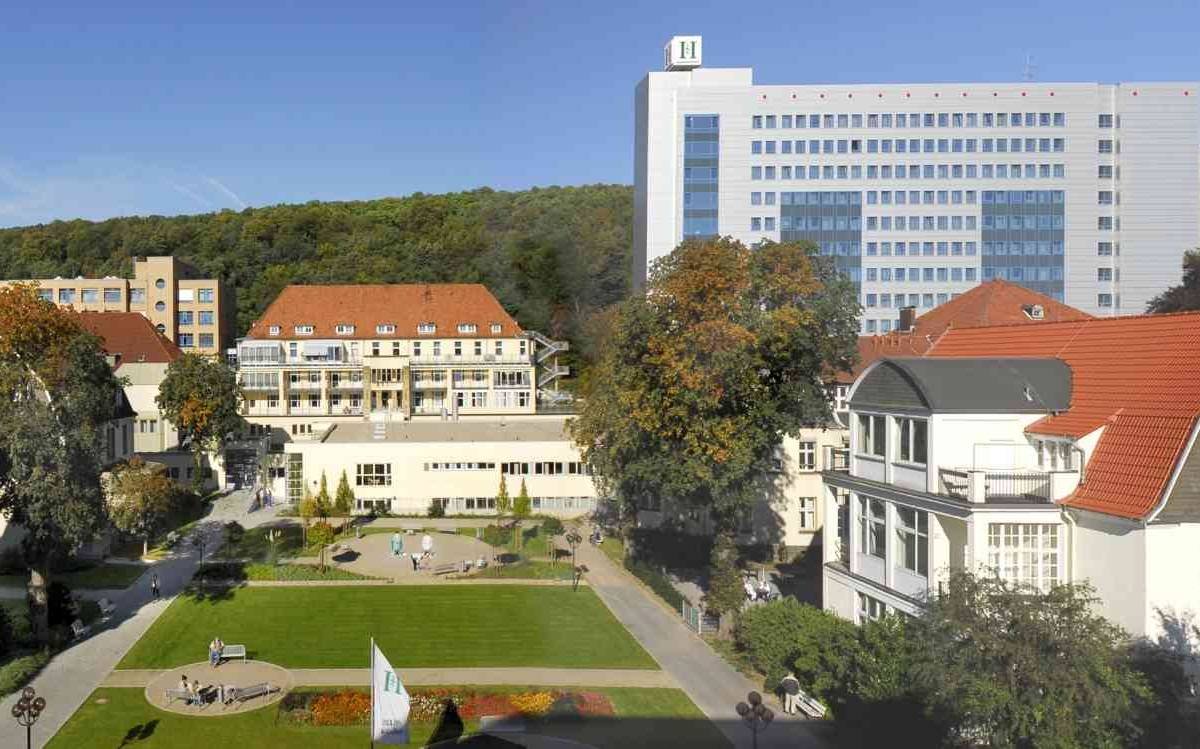
رؤية خبير Bookimed: تحتل ألمانيا المرتبة الثالثة عالمياً في الطلبات الطبية في هذا المجال بسبب المشاركة البحثية المكثفة. تخدم المراكز الكبيرة مثل مستشفى هيليوس الجامعي في فوبرتال 150,000 مريض سنوياً. هذا الحجم الكبير غالباً ما يمنح المرضى إمكانية الوصول إلى أحدث بروتوكولات التحفيز العصبي والخبرة الجراحية المتخصصة.
إجماع المرضى: يعتبر الكثيرون هذا العلاج تجريبياً للشلل ويركزون على إيجاد تجارب سريرية. يوصي المرضى بالتواصل مع المستشفيات الجامعية مثل مستشفى شاريتيه برلين أو فرايبورغ للتحقق من الأهلية لدراسات التحفيز النشطة.
ما هي التشخيصات والحالات التي تؤهل للحصول على التحفيز فوق الجافية بموجب الإرشادات الألمانية؟
تؤهل الإرشادات الألمانية للتحفيز فوق الجافية في المقام الأول المرضى الذين يعانون من آلام الأعصاب المزمنة وإصابات الحبل الشوكي. تشمل الحالات المؤهلة آلام الأعصاب السكرية، ألم الطرف الشبح، واقتلاع الضفيرة العصبية. يجب على المرشحين إثبات فشل العلاجات التحفظية قبل الانتقال إلى التعديل العصبي ضمن خطة رعاية متعددة الوسائط.
- الألم العصبي: يغطي الاعتلال العصبي السكري، الألم العصبي التالي للهربس، ومتلازمات الألم الناحي المركب.
- إصابة الحبل الشوكي: تعالج الألم المزمن والشلل الحركي للإصابات بين مستويات C5-T12.
- المتطلبات السريرية: تتطلب فشل جميع علاجات الألم الأقل توغلاً أو التحفظية أو متعددة الوسائط.
- التركيز التشخيصي: يركز على اقتلاع الضفيرة العصبية والمرضى الذين يعانون من إصابات غير كاملة في الحبل الشوكي.
رؤية خبير Bookimed: بينما توجد إرشادات وطنية للألم، غالباً ما تعطي المستشفيات الجامعية الألمانية مثل هيليوس فوبرتال الأولوية لتطبيقات التعافي الحركي. تظهر بياناتنا توجهاً حيث تقوم المراكز بتقييم مدى مزمنة الإصابة والمسارات العصبية المتبقية. وهي تستهدف بشكل خاص المكاسب الوظيفية مثل الوقوف أو المشي بدلاً من مجرد تخفيف الألم.
إجماع المرضى: يؤكد المرضى الذين يعانون من إصابات الحبل الشوكي أن الفحص الصارم لإمكانات إعادة التأهيل أمر شائع. غالباً ما يسلط المرشحون الناجحون الضوء على ضرورة تقديم تقارير رنين مغناطيسي مفصلة وملاحظات إعادة التأهيل السابقة لإثبات الأهلية.
من هو المؤهل للحصول على التحفيز فوق الجافية في ألمانيا؟
يعتمد التأهيل للتحفيز فوق الجافية (Epidural stimulation) في ألمانيا على الهدف الطبي. بالنسبة للألم المزمن، يجب أن يعاني المرشحون من حالات مستعصية مثل متلازمة فشل جراحة الظهر أو متلازمة الألم الناحي المركب. أما بالنسبة للتعافي الحركي بعد إصابة الحبل الشوكي، فعادة ما يحتاج المرشحون إلى تقييم جراحي عصبي متخصص والمشاركة في التجارب السريرية.
- إدارة الألم: الألم المستعصي الذي لا يستجيب للعلاجات التحفظية أو العمليات الجراحية السابقة.
- الحالة العصبية: إصابات الحبل الشوكي غير الكاملة غالباً ما تؤدي إلى نتائج إعادة تأهيل أكثر تفضيلاً.
- الاستقرار الطبي: يجب أن يكون المرضى خاليين من الالتهابات، قرح الفراش، وهشاشة العظام الشديدة.
- الالتزام بإعادة التأهيل: يجب أن يمتلك المرشحون القدرة البدنية للخضوع لعلاج مكثف يومي بعد الجراحة.
رؤية خبير Bookimed: تصنف ألمانيا ضمن أفضل 3 وجهات عالمية للجراحة العصبية المعقدة بسبب بنيتها التحتية الهائلة. تدير شبكات كبيرة مثل مستشفى هيليوس الجامعي في فوبرتال أكثر من 150,000 مريض سنويًا. يسمح هذا الحجم الكبير للمراكز بالحفاظ على فرق متعددة التخصصات ضرورية للفحص الانتقائي المطلوب لزراعة الأجهزة فوق الجافية.
إجماع المرضى: يعتمد النجاح بشكل كبير على مجهود إعادة التأهيل الشخصي وليس على الغرسة وحدها. يؤكد معظم المرضى أن وجود بعض الإحساس المحفوظ يحسن بشكل كبير فرص استعادة التحكم الحركي.
ما هي النتائج أو التحسينات التي يمكن للمرضى توقعها بشكل واقعي من التحفيز فوق الجافية؟
يُمكّن التحفيز فوق الجافية في ألمانيا المرضى الذين يعانون من إصابات الحبل الشوكي من استعادة السيطرة الحركية الطوعية والوقوف بشكل مستقل. يعاني معظم المستخدمين من انخفاض كبير في التشنج وآلام الاعتلال العصبي. غالباً ما تشمل التحسينات المنهجية وظائف المثانة والأمعاء والقلب والأوعية الدموية عند اقترانها ببروتوكولات إعادة التأهيل البدني المكثفة.
- الوظيفة الحركية: استعادة السيطرة الطوعية على العضلات المشلولة لبدء أو تعديل الحركة.
- مكاسب الحركة: تحقيق الوقوف والمشي بمساعدة باستخدام المشايات أو القضبان المتوازية.
- الصحة الذاتية: تحسين تنظيم ضغط الدم والدورة الدموية ووظائف الأعضاء الحيوية.
- دور إعادة التأهيل: التدريب اليومي الحاسم مطلوب لترجمة الإشارات الكهربائية إلى حركة وظيفية.
رؤية خبراء Bookimed: تعالج المستشفيات الجامعية الألمانية مثل هيليوس فوبرتال أكثر من 150,000 مريض سنوياً باستخدام فرق متعددة التخصصات. تظهر البيانات أن التحفيز يعمل كأداة وليس كآلية إصلاح. يجب على المرضى إعطاء الأولوية للعيادات التي تقدم برمجة متكاملة ودعم إعادة التأهيل طويل الأجل. غالباً ما تعتمد المكاسب على الحالة، مما يعني أن التحسينات تكون أكثر نشاطاً أثناء تشغيل الجهاز.
إجماع المرضى: يؤكد الكثيرون أنه على الرغم من ندرة المشي المستقل، إلا أن القدرة على الانتقال بأمان والوقوف لفترة أطول تغير الحياة اليومية. تبدو المكاسب الجسدية وكأنها أدوات تم اكتسابها بصعوبة وليست علاجاً كاملاً.
ما الذي توصي به المبادئ التوجيهية الوطنية الألمانية الحالية على وجه التحديد بشأن التحفيز فوق الجافية (Epidural) وتحفيز العقدة الجذرية الظهرية (DRG)؟
تمنح المبادئ التوجيهية الألمانية الحديثة توصيات من المستوى 1 للتحفيز فوق الجافية للحبل الشوكي لعلاج آلام العمود الفقري المستمرة، وأمراض الأوعية الدموية الطرفية، والذبحة الصدرية المستعصية. يوصى بتحفيز العقدة الجذرية الظهرية (DRG) بشكل خاص لآلام الاعتلال العصبي البؤري ومتلازمة الألم الإقليمي المركب ضمن أطر العلاج متعدد الوسائط.
- حالة متلازمة الألم: يدعم وضع المستوى 1 الاستخدام لآلام أسفل الظهر وآلام الساق بعد الجراحة.
- دواعي الاستعمال الوعائية: يوصى به لمرض الأوعية الدموية الطرفية من الدرجة فونتين 2ب و 3.
- تحفيز العقدة: يفضل لمتلازمة الألم الإقليمي المركب من النوعين 1 و 2.
- توجيهات الاعتلال العصبي: تنطبق توصية المستوى 2 على حالات الاعتلال العصبي السكري المؤلم.
رؤية خبراء Bookimed: تعالج المستشفيات الجامعية الألمانية مثل هيليوس فوبرتال (Helios Wuppertal) أكثر من 150,000 مريض سنوياً. يضمن هذا الحجم الكبير التزام الأطباء ببروتوكولات المستوى 1 الموحدة هذه بصرامة. يستفيد المرضى من هذا التوافق الصارم لأنه يضمن وضوح سداد التكاليف والمسارات السريرية المثبتة. غالباً ما تشير اختيار عيادة حاصلة على شهادات من الجمعية الألمانية للسرطان أو IASIOS إلى التزام أعلى بهذه المبادئ التوجيهية الوطنية.
ما هي المستشفيات في ألمانيا التي تحظى بأعلى التقييمات في جراحة الأعصاب؟
تضم ألمانيا بعضًا من أرقى أقسام جراحة الأعصاب في العالم، بقيادة مستشفى شاريتيه الجامعي في برلين ومستشفى جامعة هايدلبرغ. وتتميز هذه المراكز بخبرتها الواسعة في علاج أورام الدماغ المعقدة وأمراض الأوعية الدموية الدماغية. ولتحقيق أقصى قدر من الفعالية في عملياتها، تستخدم هذه المراكز أحدث التقنيات، مثل التصوير بالرنين المغناطيسي أثناء الجراحة والتوجيه العصبي بمساعدة الحاسوب.
- مستشفى شاريتيه برلين: يُجري أكثر من 5000 عملية جراحية سنوياً. ويرأس العيادة جراح الأعصاب الشهير الدكتور بيتر فايكوتشي.
- المركز الطبي في سولينجن: أجرى الدكتور رالف بوهل أكثر من 4000 عملية جراحية، بما في ذلك جراحات العمود الفقري طفيفة التوغل.
- عيادة أسكليبيوس نورد: مجهزة بنظام التصوير بالرنين المغناطيسي الثنائي الوحيد في ألمانيا أثناء الجراحة لضمان الدقة الجراحية في الوقت الحقيقي أثناء إزالة الورم.
- عيادة نوردويست: تم الاعتراف بها من قبل مجلة نيوزويك كمستشفى رائد في مجال الابتكار في تكنولوجيا الموجات فوق الصوتية ثلاثية الأبعاد.
رأي خبراء بوكيمد: تشير البيانات إلى أن اختيار المراكز ذات الحجم الجراحي الكبير غالبًا ما يؤدي إلى توصيات علاجية أكثر تحفظًا. ففي مركز سولينجن الطبي، الذي يعالج أكثر من 60,000 مريض
ما هي نسب نجاح العمليات الجراحية العصبية المعقدة في ألمانيا؟
في ألمانيا، تتميز العمليات الجراحية العصبية بالغة التعقيد بمستوى أمان استثنائي. تصل نسبة نجاح عمليات دمج الفقرات إلى 99%، بينما تبلغ نسبة النجاة بعد استئصال أورام الدماغ الأولية 97%. كما يتمتع المرضى بقدرة عالية على الاعتماد على أنفسهم في أداء وظائفهم اليومية، حيث يغادر أكثر من 82% منهم المستشفى مباشرةً بعد العلاج. وتولي المراكز الألمانية اهتماماً بالغاً بالحفاظ على الوظائف العصبية باستخدام أحدث تقنيات التخطيط العصبي.
- استئصال الورم: يحقق الجراحون استئصالًا كاملاً للورم في 87.2% من حالات النقائل الدماغية.
- النجاح في علاج أمراض الأوعية الدموية: أفادت المستشفيات الألمانية بنسبة نجاة بلغت 98.7% لحالات تمدد الأوعية الدموية غير الممزقة.
- تحسن الحالة العصبية: يشهد ما يقرب من 43% من المرضى تحسناً في المعايير الوظيفية بعد عمليات الاستئصال المعقدة.
- سلامة التدخلات الجراحية: في المراكز الجراحية الكبيرة، تتراوح معدلات بقاء المرضى على قيد الحياة بعد جراحة العمود الفقري بين 98-99%.
رأي خبراء بوكيمد: يُجري جراحون ذوو خبرة، مثل الدكتور أوفه كولر من عيادة أسكليبيوس ألتونا، أكثر من 2000 عملية جراحية سنويًا. تُشير البيانات إلى أن هؤلاء المتخصصين يحافظون على معدلات نجاح تصل إلى 90%، حتى
ما هي التقنيات المتقدمة المتوفرة عادةً في عيادات جراحة الأعصاب الألمانية؟
تُدخل عيادات جراحة الأعصاب الألمانية بانتظام أدوات رقمية عالية الدقة وتقنيات تصوير فوري في الممارسة الجراحية. تشمل التقنيات الرئيسية الملاحة العصبية الحاسوبية لجراحات الدماغ والحبل الشوكي. تستخدم مؤسسات مثل عيادة أسكليبيوس نورد التصوير بالرنين المغناطيسي أثناء الجراحة للتحقق من استئصال الورم في الوقت الفعلي. توفر هذه الأنظمة للجراحين نظام ملاحة ثلاثي الأبعاد.
- الملاحة العصبية: توفر تصورًا ثلاثي الأبعاد وتتبعًا فوريًا للأدوات لتحقيق دقة جراحية تصل إلى مستوى أقل من المليمتر.
- التصوير أثناء العملية: تسمح أنظمة مثل التصوير بالرنين المغناطيسي أثناء العملية (iMRI) والتصوير المقطعي المحوسب ذي الذراع O (O-arm CT) بالتأكيد الفوري على نجاح عملية الاستئصال.
- المراقبة العصبية: تراقب الوظائف الحركية والحسية أثناء الجراحة لحماية الجهاز العصبي.
- التشخيص الفلوري: يتم استخدام صبغة 5-ALA لتسليط الضوء على حدود الورم من أجل إزالته بشكل أكثر اكتمالاً.
- المساعدة الروبوتية: تعمل أنظمة مثل نظام دافنشي على تحسين الدقة في الإجراءات المعقدة ذات التدخل الجراحي البسيط.
رأي خبراء بوكيمد: تُجري مراكز طبية كبيرة، مثل مستشفى شاريتيه الج
ما هي التدريبات المتخصصة التي يتلقاها جراحو الأعصاب الممارسون في ألمانيا؟
في ألمانيا، يتعين على جراحي الأعصاب إكمال برنامج إقامة تخصصي لمدة ست سنوات بعد التخرج من كلية الطب. يشمل هذا البرنامج المنظم العناية المركزة، والتدريب السريري، وكتابة مقالات في مجلة جراحية إلزامية. بعد ذلك، يجتاز المرشحون امتحانًا حكوميًا للحصول على لقب طبيب مقيم (Facharzt für Neurochirurgie).
- الإقامة السريرية: تتطلب من 48 إلى 72 شهرًا من الممارسة المتخصصة في جراحة الأعصاب.
- العناية المركزة: تتضمن فترة تدريب إلزامية لمدة 6 أشهر في وحدة العناية المركزة لجراحة الأعصاب.
- المجلة الجراحية: يوثق الجراحون مئات العمليات الجراحية، بما في ذلك عمليات فتح الجمجمة وجراحات العمود الفقري.
- امتحان الترخيص: يجب على المتقدمين اجتياز امتحان طبي شفوي وعملي تديره الدولة.
رأي خبراء بوكيميد: يركز التدريب الألماني في جراحة الأعصاب على الخبرة الجراحية الواسعة. فعلى سبيل المثال، أجرى الدكتور رالف بول من المركز الطبي في سولينجن أكثر من 4000 عملية جراحية. ويتمتع الدكتور يورغن كيويت من مستشفى ميوكلينيك بخبرة تزيد عن 25 عامًا. يضمن هذا النظام الدقيق أن يتعامل المتخصصون في المراكز الكبرى مع الحالات المعقدة بدقة مثبتة.
آراء المرضى: يشع
ما هي متطلبات اللغة والترخيص المطلوبة للجراحين الأجانب الراغبين في التدرب أو مراقبة العمليات الجراحية العصبية في ألمانيا؟
يجب على جراحي الأعصاب الأجانب استيفاء متطلبات لغوية وترخيصية صارمة للالتحاق بالتدريب أو فترة التدريب العملي في ألمانيا. يتطلب التدريب رخصة طبية سارية أو تصريحًا مؤقتًا. أما المتدربون، فيجب عليهم الحصول على إذن من مستشفى محدد. ويتطلب كلا الخيارين إتقانًا عاليًا للغة الألمانية للمشاركة في المناقشات السريرية وإجراء العمليات الجراحية المعقدة بأمان.
- المهارات اللغوية: مطلوب مستوى عام في اللغة الألمانية B2 ومستوى في اللغة الطبية C1 (Fachsprachprüfung) للتدريب السريري.
- الترخيص السريري: يحتاج الجراحون إلى تصريح لممارسة دائمة (Approbation) أو تصريح مهني (Berufserlaubnis) للتدريب الداخلي المؤقت الخاضع للإشراف.
- حالة المراقبة: يسمح دخول المستشفى بمراقبة العمليات الجراحية دون تحمل المسؤولية الطبية أو الحصول على ترخيص رسمي.
- تقييم المؤهلات: غالباً ما يتعين على خريجي الطب من خارج الاتحاد الأوروبي الخضوع لعملية التحقق من صحة الشهادة في غضون 3-6 أشهر.
رأي خبراء بوكيمد: غالبًا ما تُعطي العيادات الألمانية ذات الأعداد الكبيرة من المرضى، مثل عيادة نوردويست أو أسكليبيوس نورد، الأولوية للمرشحين الذين خضعوا بالفعل لتقييم أولي للوثائق. تُظهر بياناتنا أن أساتذة مثل الدكتور أوفه كولر والدكتور