التجفيف الكهربائي للآفات الحميدة في ألمانيا: 1 عيادة


تمت مراجعة المقالة طبيا من قبل
فهد مولود
ما هي تكلفة التجفيف الكهربائي للآفات الحميدة في ألمانيا؟ اكتشف الآن
تتراوح تكلفة الكي الكهربائي للآفات الحميدة في ألمانيا عادةً من $150 إلى $450. قد تختلف الأسعار حسب العيادة، خبرة طبيب الجلدية، عدد وحجم الآفات، وما إذا كان التخدير الموضعي مطلوبًا.
عادةً ما تشمل العيادات الألمانية الاستشارة، التخدير الموضعي، الإجراء نفسه، وفحص المتابعة ضمن السعر. في الولايات المتحدة، غالبًا ما يغطي السعر المعلن الإجراء فقط، بينما يتم احتساب التخدير، الفحص النسيجي، والمتابعة بشكل منفصل. يجب دائمًا التأكد من التفاصيل المشمولة مع كل مقدم خدمة.
| تركيا | إسبانيا | ألمانيا | |
|---|---|---|---|
| التجفيف الكهربائي للآفات الحميدة | من $1,500 | ≈ $180 | ≈ $150 |
مزاياك وضماناتك مع Bookimed
أسعار مباشرة
Bookimed لا يضيف رسوماً إضافية على أسعار التجفيف الكهربائي للآفات الحميدة. الأسعار مأخوذة من قوائم الأسعار الرسمية للعيادات. تدفع مباشرة في العيادة مقابل التجفيف الكهربائي للآفات الحميدة عند وصولك.
عيادات وأطباء معتمدون فقط
Bookimed ملتزم بسلامتك. نحن نعمل فقط مع المؤسسات الطبية التي تحافظ على معايير دولية عالية في التجفيف الكهربائي للآفات الحميدة ولديها التراخيص اللازمة لخدمة المرضى الدوليين في جميع أنحاء العالم.
مساعدة مجانية على مدار الساعة
Bookimed يقدم مساعدة خبراء مجانية. منسق طبي شخصي يدعمك قبل وأثناء وبعد العلاج، ويحل أي مشاكل. لن تكون وحيداً أبداً في رحلة التجفيف الكهربائي للآفات الحميدة.

منسقك الطبي الشخصي في Bookimed
- يدعمك في كل مرحلة
- المساعدة في اختيار العيادة الطبية المناسبة والطبيب المناسب
- يضمن الوصول السريع والمريح إلى المعلومات
اكتشف أفضل التجفيف الكهربائي للآفات الحميدة العيادات في ألمانيا: 1 خيار معتمدة والأسعار
نظرة عامة على التجفيف الكهربائي للآفات الحميدة في ألمانيا
- إيداع Bookimed: 200 دولار أو 200 يورو.
- وديعة العيادة: ادفع نسبة محددة مقدمًا.
احصل على تقييم طبي لـ التجفيف الكهربائي للآفات الحميدة في ألمانيا: اختر أخصائيك من بين الأفضل في هذا المجال
عرض جميع الأطباء
Wolfgang Schröder
قصص فيديو من مرضى Bookimed
مشاركة المحتوى
 Anna Leonova
أسئلة متكررة حول التجفيف الكهربائي للآفات الحميدة في ألمانيا
ما هو التجفيف الكهربائي (Electrodessication) للآفات الحميدة؟
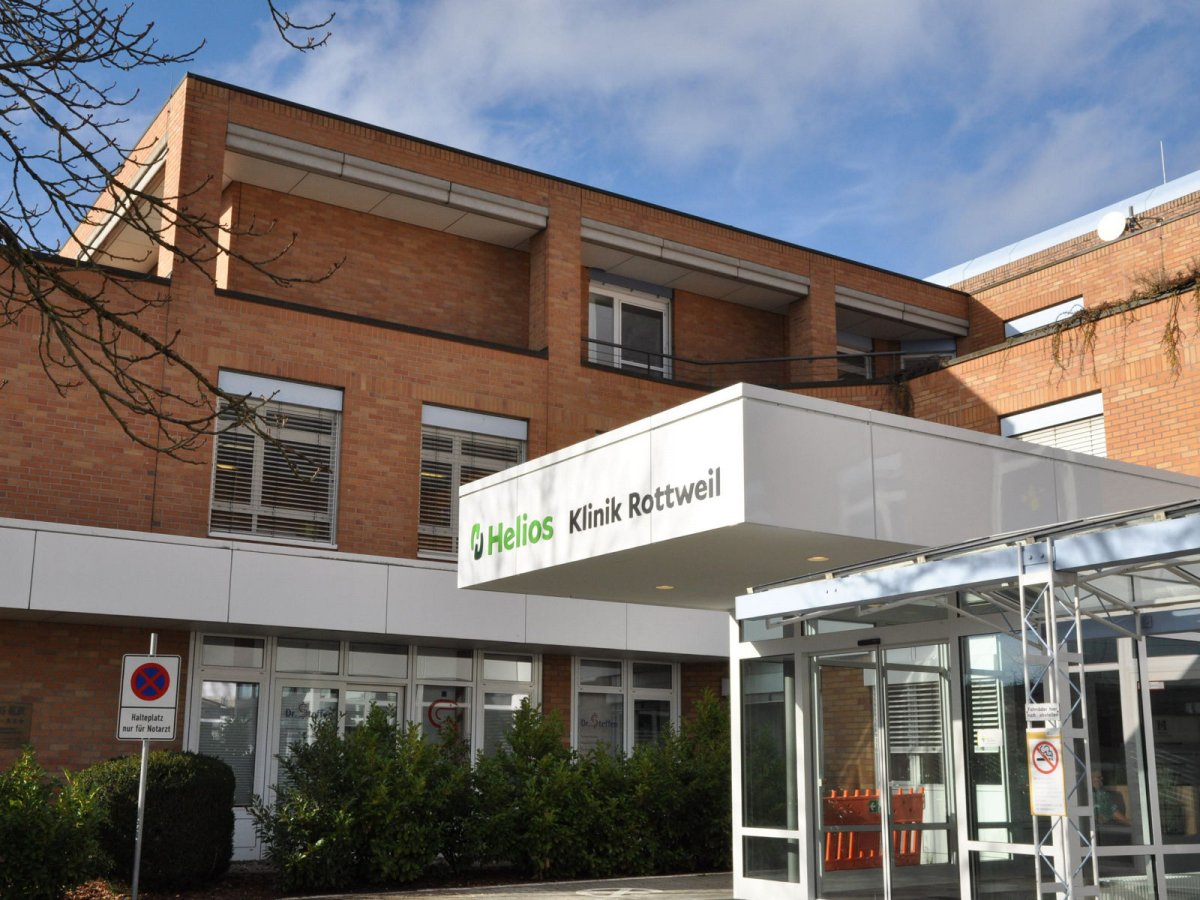
التجفيف الكهربائي هو إجراء جلدي طفيف التوغل يستخدم تيارات كهربائية عالية التردد لتدمير زوائد الجلد الحميدة. يُستخدم في العيادات الألمانية مثل مستشفى هيليوس الجامعي في فوبرتال، حيث يقوم بتجفيف الأنسجة لإزالة الزوائد الجلدية والثآليل الفيروسية والتقرنات بدقة وبأقل قدر من النزيف.
- آلية الإجراء: تقوم أقطاب كهربائية على شكل إبرة بتوصيل تيار مركز لتبخير أو حرق الأنسجة غير الطبيعية.
- التخدير المعتاد: يستخدم أطباء الجلد مخدراً موضعياً لضمان تجربة خالية من الألم أثناء العلاج.
- التعافي السريع: يستأنف معظم المرضى أنشطتهم الطبيعية فوراً مع ندبات طفيفة وغير مرئية تقريباً.
- نطاق التكلفة: تتراوح الأسعار في ألمانيا بين $150 و $450 للجلسة الواحدة.
رؤية خبير Bookimed: غالباً ما تعالج المستشفيات الجامعية الألمانية كلاً من البالغين والأطفال في حالات الآفات المتعددة. يخدم مستشفى هيليوس الجامعي في فوبرتال وحده 150,000 مريض سنوياً. يمكن لجراحيهم علاج عشرات النقاط في جلسة واحدة. تضمن هذه الخبرة عالية المستوى نتائج تجميلية ثابتة للآفات الوجهية.
إجماع المرضى: توقع ظهور قشور صغيرة واحمرار لعدة أيام بعد الجلسة. يقدر المرضى السرعة ولكنهم يلاحظون شعوراً طفيفاً بالوخز يمكن تحمله أثناء التخدير الموضعي.ما هي الآفات الحميدة التي يتم علاجها عادةً بهذه الطريقة؟
يعالج التجفيف الكهربائي (Electrodessication) في ألمانيا بفعالية آفات الجلد الحميدة الصغيرة والسطحية، بما في ذلك الجُدرات (Keloids)، والزوائد الجلدية، والثآليل الشائعة. يستخدم المتخصصون الألمان في مراكز مثل مستشفى هيليوس الجامعي في فوبرتال تيارات كهربائية عالية التردد لتجفيف وتدمير الأنسجة غير الطبيعية مع تقليل الضرر الذي يلحق بالجلد السليم المحيط.
- أنواع الآفات: تعالج عادةً النمو الصغير والسطحي مثل الجُدرات والثآليل والزوائد الجلدية.
- تركيز العلاج: يستهدف بشكل أساسي الآفات غير المرغوب فيها تجميلياً أو المزعجة جسدياً.
- البيئة السريرية: يتم إجراؤها في مراكز متعددة التخصصات مثل مستشفى هيليوس تحت التخدير الموضعي.
- معايير الاعتماد: غالباً ما تحمل العيادات الألمانية شهادات IASIOS أو شهادات من الجمعية الألمانية للسرطان.
رؤية خبير Bookimed: غالباً ما يعطي أطباء الأورام الألمان الأولوية لاستقرار الجلد على المدى الطويل بدلاً من مجرد الإزالة البسيطة. في مستشفى هيليوس الجامعي في فوبرتال، يجمع الجراحون بشكل متكرر بين التجفيف الكهربائي وحقن الستيرويد أو 5-FU. يعالج هذا النهج المزدوج على وجه التحديد تكرار الإصابة بالجُدرات، وهو مصدر قلق شائع للمرضى الذين يسعون لإزالة الآفات السطحية.
إجماع المرضى: يؤكد المرضى أن هذه الطريقة هي الأفضل للنمو الطفيف والسطحي بدلاً من الآفات العميقة. ينصح الكثيرون بمناقشة التغيرات في تصبغ الجلد بعد الإجراء وخطط منع التكرار مع جراحك مسبقاً.
هل الإجراء مؤلم وهل يتم استخدام التخدير؟
يعتبر التجفيف الكهربائي في ألمانيا إجراءً خارجيًا غير مؤلم عادةً لأن الجراحين يستخدمون التخدير الموضعي لتخدير منطقة العلاج. يعاني المرضى عمومًا من شعور بوخز خفيف أثناء حقن المخدر. بمجرد تخدير المنطقة، يسبب التيار الكهربائي عالي التردد حد أدنى من الانزعاج أثناء إزالة الآفات الحميدة.
- نوع التخدير: التخدير الموضعي هو المعيار لضمان بقاء العملية قابلة للتحمل وخالية من الألم.
- إدارة الألم: أفاد معظم المرضى أن حقنة التخدير الأولية هي الشعور الأكثر وضوحًا.
- راحة العلاج: ينتج التيار الكهربائي شعورًا بالحرارة بدلاً من ألم جراحي حاد.
- البيئة السريرية: تعطي الإجراءات في مرافق مثل مستشفى هيليوس الجامعي في فوبرتال الأولوية للتحكم الفعال في الألم.
رؤية خبير Bookimed: تعالج العيادات الألمانية مثل مستشفى هيليوس الجامعي في فوبرتال 150,000 مريض سنويًا بكفاءة عالية. غالبًا ما توحد المستشفيات الجامعية الكبيرة بروتوكولات الألم عبر جميع أقسام الجراحة البسيطة. هذا الحجم الكبير يعني أن الأطباء خبراء في إعطاء تخدير موضعي دقيق وبسرعة. يجب عليك التأكد مما إذا كان كريم التخدير متاحًا قبل الحقن الموضعي لمزيد من الراحة.
إجماع المرضى: يجد المرضى الإجراء مقبولًا للغاية عند استخدام التخدير الموضعي بشكل صحيح. عادة ما يكون وخز الإبرة هو الانزعاج المهم الوحيد الذي يتم الإبلاغ عنه طوال الزيارة.
ما هي فترة التعافي وما هي الرعاية اللاحقة؟
التعافي بعد التجفيف الكهربائي في ألمانيا سريع، حيث تغلق معظم الجروح في غضون 7 إلى 14 يومًا. يمكن للمرضى عادةً استئناف أنشطتهم اليومية على الفور. يستغرق الترميم الكامل للجلد وتلاشي الاحمرار الموضعي عادةً من شهر إلى 3 أشهر اعتمادًا على حجم الآفة.
- العناية بالجروح: حافظ على موقع العلاج نظيفًا وجافًا لمدة 24 إلى 48 ساعة.
- العلاج الموضعي: ضع المرهم المضاد للبكتيريا أو الستيرويد الموصوف لتعزيز شفاء الجلد بشكل صحي.
- الحماية من الشمس: احمِ المنطقة من أشعة الشمس المباشرة لمنع التصبغ طويل الأمد.
- الوقاية من الندبات: استخدم لاصقات الستيرويد لمدة 3 إلى 6 أشهر بمجرد انغلاق الجرح الأولي.
رؤية خبير Bookimed: بينما يسعى الكثيرون لهذا الإجراء للنموات الحميدة البسيطة، فإن اختيار مركز مثل مستشفى هيليوس الجامعي في فوبرتال يوفر راحة البال. يضمن اعتمادهم من جمعية السرطان الألمانية أن أي آفة مشبوهة تتلقى فحصًا أونكولوجيًا متخصصًا قبل الإزالة. هذا التركيز المزدوج على الجماليات والسلامة هو السمة المميزة لطب الجلد الألماني.
إجماع المرضى: يؤكد المرضى على ضرورة إبقاء المنطقة رطبة بالمرهم لتسريع عملية الشفاء. يوصي الكثيرون باستخدام لاصقات خصيصًا لتجنب الاحتكاك بالملابس خلال الأسبوع الأول.
كم يستغرق العلاج؟
يستغرق التجفيف الكهربائي للآفات الحميدة في ألمانيا عادةً من 15 إلى 30 دقيقة للموعد الكامل. الإجراء الفعلي يكاد يكون فوريًا، حيث يتطلب من دقيقة إلى 3 دقائق لكل آفة. يسمح هذا العلاج في العيادات الخارجية للمرضى بالعودة إلى أنشطتهم اليومية فورًا بعد الزيارة.
- مدة الإجراء: يعالج الفريق الطبي كل بقعة في غضون دقيقة إلى 3 دقائق إجمالاً.
- الوقت الإجمالي في العيادة: توقع قضاء 15 إلى 30 دقيقة للموافقة والتخدير وإرشادات الرعاية اللاحقة.
- تعدد الآفات: قد تؤدي معالجة عدة بقع إلى إطالة وقت الزيارة إلى 45 أو 60 دقيقة.
- الإقامة في المستشفى: لا حاجة للبقاء طوال الليل حيث إن هذا إجراء في العيادات الخارجية.
رؤية خبير Bookimed: بينما تتم إزالة الآفات الصغيرة في دقائق، تختلف كفاءة العيادة حسب نوع المنشأة. تدير المراكز الكبيرة مثل مستشفى هيليوس الجامعي في فوبرتال أكثر من 150,000 مريض سنويًا. بالنسبة للإزالات الحميدة البسيطة، غالبًا ما تستخدم هذه المستشفيات الألمانية ذات الحجم الكبير سير عمل مبسط يقلل من أوقات الانتظار للمهام الجراحية البسيطة.
إجماع المرضى: يصف المرضى العملية بأنها سريعة وغير مؤلمة بشكل مفاجئ عند استخدام التخدير الموضعي. إنهم يقدرون القدرة على مغادرة العيادة فورًا دون الحاجة إلى ضمادات معقدة أو فترة نقاهة.
ما الفرق بين التجفيف الكهربائي (Electrodessication) والعلاج بالتبريد (Cryotherapy)؟
يستخدم التجفيف الكهربائي حرارة كهربائية عالية التردد لتجفيف وتدمير الخلايا، بينما يستخدم العلاج بالتبريد النيتروجين السائل لتجميد الخلايا وتمزيقها. يعتبر التجفيف الكهربائي دقيقًا للغاية للنموات الصغيرة ويوفر تحكمًا فوريًا في النزيف. أما العلاج بالتبريد فهو أسرع ولا يتطلب عادةً تخديرًا موضعيًا أثناء التطبيق.
- الحرارة مقابل البرودة: يعمل التجفيف الكهربائي على تجفيف الأنسجة بالحرارة؛ بينما يدمر العلاج بالتبريد الخلايا عند درجة حرارة -196 مئوية.
- إدارة الألم: تتطلب الإزالة الكهربائية عادةً تخديرًا موضعيًا؛ وغالبًا ما يتم التجميد بدون حقن.
- عملية التعافي: تخلق الحرارة قشرة جافة؛ بينما يسبب التجميد نفطة مؤقتة قبل الشفاء.
- كفاءة الجلسة: غالبًا ما يزيل التجفيف الكهربائي الآفات في زيارة واحدة؛ بينما قد يتطلب العلاج بالتبريد جلسات متكررة.
رؤية خبير Bookimed: تعالج المستشفيات الجامعية الألمانية مثل هيليوس فوبرتال (Helios Wuppertal) 150,000 مريض سنويًا باستخدام بروتوكولات جلدية متقدمة. تشير البيانات إلى اختيار التجفيف الكهربائي للآفات الأكثر سمكًا وعنادًا حيث تكون الدقة أمرًا حيويًا. فهو يكوي الأنسجة فورًا، مما يجعله أكثر أمانًا للمرضى الذين يحتاجون إلى تحكم ممتاز في النزيف أثناء الإزالة.
إجماع المرضى: يجد المرضى أن الحرارة الكهربائية لها رائحة تشبه الحرق، لكنهم غالبًا ما يفضلونها للحصول على نتائج من المرة الأولى. يعتبر التجميد أسهل في التحمل في البداية، على الرغم من أن التنفط بعد العلاج يتطلب مزيدًا من الصبر أثناء الشفاء.
ما هي المستشفيات في ألمانيا التي تحظى بأعلى التقييمات في جراحة الأعصاب؟
تضم ألمانيا بعضًا من أرقى أقسام جراحة الأعصاب في العالم، بقيادة مستشفى شاريتيه الجامعي في برلين ومستشفى جامعة هايدلبرغ. وتتميز هذه المراكز بخبرتها الواسعة في علاج أورام الدماغ المعقدة وأمراض الأوعية الدموية الدماغية. ولتحقيق أقصى قدر من الفعالية في عملياتها، تستخدم هذه المراكز أحدث التقنيات، مثل التصوير بالرنين المغناطيسي أثناء الجراحة والتوجيه العصبي بمساعدة الحاسوب.
- مستشفى شاريتيه برلين: يُجري أكثر من 5000 عملية جراحية سنوياً. ويرأس العيادة جراح الأعصاب الشهير الدكتور بيتر فايكوتشي.
- المركز الطبي في سولينجن: أجرى الدكتور رالف بوهل أكثر من 4000 عملية جراحية، بما في ذلك جراحات العمود الفقري طفيفة التوغل.
- عيادة أسكليبيوس نورد: مجهزة بنظام التصوير بالرنين المغناطيسي الثنائي الوحيد في ألمانيا أثناء الجراحة لضمان الدقة الجراحية في الوقت الحقيقي أثناء إزالة الورم.
- عيادة نوردويست: تم الاعتراف بها من قبل مجلة نيوزويك كمستشفى رائد في مجال الابتكار في تكنولوجيا الموجات فوق الصوتية ثلاثية الأبعاد.
رأي خبراء بوكيمد: تشير البيانات إلى أن اختيار المراكز ذات الحجم الجراحي الكبير غالبًا ما يؤدي إلى توصيات علاجية أكثر تحفظًا. ففي مركز سولينجن الطبي، الذي يعالج أكثر من 60,000 مريض
ما هي نسب نجاح العمليات الجراحية العصبية المعقدة في ألمانيا؟
في ألمانيا، تتميز العمليات الجراحية العصبية بالغة التعقيد بمستوى أمان استثنائي. تصل نسبة نجاح عمليات دمج الفقرات إلى 99%، بينما تبلغ نسبة النجاة بعد استئصال أورام الدماغ الأولية 97%. كما يتمتع المرضى بقدرة عالية على الاعتماد على أنفسهم في أداء وظائفهم اليومية، حيث يغادر أكثر من 82% منهم المستشفى مباشرةً بعد العلاج. وتولي المراكز الألمانية اهتماماً بالغاً بالحفاظ على الوظائف العصبية باستخدام أحدث تقنيات التخطيط العصبي.
- استئصال الورم: يحقق الجراحون استئصالًا كاملاً للورم في 87.2% من حالات النقائل الدماغية.
- النجاح في علاج أمراض الأوعية الدموية: أفادت المستشفيات الألمانية بنسبة نجاة بلغت 98.7% لحالات تمدد الأوعية الدموية غير الممزقة.
- تحسن الحالة العصبية: يشهد ما يقرب من 43% من المرضى تحسناً في المعايير الوظيفية بعد عمليات الاستئصال المعقدة.
- سلامة التدخلات الجراحية: في المراكز الجراحية الكبيرة، تتراوح معدلات بقاء المرضى على قيد الحياة بعد جراحة العمود الفقري بين 98-99%.
رأي خبراء بوكيمد: يُجري جراحون ذوو خبرة، مثل الدكتور أوفه كولر من عيادة أسكليبيوس ألتونا، أكثر من 2000 عملية جراحية سنويًا. تُشير البيانات إلى أن هؤلاء المتخصصين يحافظون على معدلات نجاح تصل إلى 90%، حتى
ما هي التقنيات المتقدمة المتوفرة عادةً في عيادات جراحة الأعصاب الألمانية؟
تُدخل عيادات جراحة الأعصاب الألمانية بانتظام أدوات رقمية عالية الدقة وتقنيات تصوير فوري في الممارسة الجراحية. تشمل التقنيات الرئيسية الملاحة العصبية الحاسوبية لجراحات الدماغ والحبل الشوكي. تستخدم مؤسسات مثل عيادة أسكليبيوس نورد التصوير بالرنين المغناطيسي أثناء الجراحة للتحقق من استئصال الورم في الوقت الفعلي. توفر هذه الأنظمة للجراحين نظام ملاحة ثلاثي الأبعاد.
- الملاحة العصبية: توفر تصورًا ثلاثي الأبعاد وتتبعًا فوريًا للأدوات لتحقيق دقة جراحية تصل إلى مستوى أقل من المليمتر.
- التصوير أثناء العملية: تسمح أنظمة مثل التصوير بالرنين المغناطيسي أثناء العملية (iMRI) والتصوير المقطعي المحوسب ذي الذراع O (O-arm CT) بالتأكيد الفوري على نجاح عملية الاستئصال.
- المراقبة العصبية: تراقب الوظائف الحركية والحسية أثناء الجراحة لحماية الجهاز العصبي.
- التشخيص الفلوري: يتم استخدام صبغة 5-ALA لتسليط الضوء على حدود الورم من أجل إزالته بشكل أكثر اكتمالاً.
- المساعدة الروبوتية: تعمل أنظمة مثل نظام دافنشي على تحسين الدقة في الإجراءات المعقدة ذات التدخل الجراحي البسيط.
رأي خبراء بوكيمد: تُجري مراكز طبية كبيرة، مثل مستشفى شاريتيه الج
ما هي التدريبات المتخصصة التي يتلقاها جراحو الأعصاب الممارسون في ألمانيا؟
في ألمانيا، يتعين على جراحي الأعصاب إكمال برنامج إقامة تخصصي لمدة ست سنوات بعد التخرج من كلية الطب. يشمل هذا البرنامج المنظم العناية المركزة، والتدريب السريري، وكتابة مقالات في مجلة جراحية إلزامية. بعد ذلك، يجتاز المرشحون امتحانًا حكوميًا للحصول على لقب طبيب مقيم (Facharzt für Neurochirurgie).
- الإقامة السريرية: تتطلب من 48 إلى 72 شهرًا من الممارسة المتخصصة في جراحة الأعصاب.
- العناية المركزة: تتضمن فترة تدريب إلزامية لمدة 6 أشهر في وحدة العناية المركزة لجراحة الأعصاب.
- المجلة الجراحية: يوثق الجراحون مئات العمليات الجراحية، بما في ذلك عمليات فتح الجمجمة وجراحات العمود الفقري.
- امتحان الترخيص: يجب على المتقدمين اجتياز امتحان طبي شفوي وعملي تديره الدولة.
رأي خبراء بوكيميد: يركز التدريب الألماني في جراحة الأعصاب على الخبرة الجراحية الواسعة. فعلى سبيل المثال، أجرى الدكتور رالف بول من المركز الطبي في سولينجن أكثر من 4000 عملية جراحية. ويتمتع الدكتور يورغن كيويت من مستشفى ميوكلينيك بخبرة تزيد عن 25 عامًا. يضمن هذا النظام الدقيق أن يتعامل المتخصصون في المراكز الكبرى مع الحالات المعقدة بدقة مثبتة.
آراء المرضى: يشع