العلاج المحافظ للخلع المعتاد للكتف في ألمانيا — احصل على 3 عيادات مطابقة مع التكاليف


تمت مراجعة المقالة طبيا من قبل
فهد مولود
ما هي تكلفة العلاج المحافظ للخلع المعتاد للكتف في ألمانيا؟ اكتشف الآن
يتراوح تكلفة العلاج التحفظي لخلع الكتف المتكرر في ألمانيا بين $900 و $2,300. تعتمد التكلفة النهائية على دقة التشخيص، وعدد جلسات العلاج الطبيعي، وموقع العيادة. يشمل هذا النهج استشارات المتخصصين، والتصوير المتقدم، وبروتوكولات التأهيل الموجهة.
- استشارات المتخصصين: تمثل التقييمات الأولية التي يجريها كبار أطباء العظام تكلفة ثابتة غالباً.
- التصوير التشخيصي: تؤثر فحوصات الرنين المغناطيسي أو الأشعة المقطعية لتحليل استقرار المفصل على الميزانية الإجمالية.
- باقات العلاج الطبيعي: تكلف برامج التأهيل المكثف عادةً أكثر بكثير من الجلسات الخارجية الفردية.
- الاختلافات الإقليمية: قد تختلف الأسعار في مراكز طبية مثل هامبورغ أو برلين عن المدن الصغيرة.
رأي خبراء Bookimed: تقدم ألمانيا قيمة استثنائية عبر شبكات مستشفيات متكاملة مثل أسكليبيوس. تُصنف عيادات مثل مستشفى أسكليبيوس بارمبيك ضمن قائمة فوكوس لأفضل 10 مراكز للعظام. يضمن ذلك حصول المرضى على رعاية موثقة وفق معايير ISO و MTQUA الصارمة. يسمح اختيار مركز متعدد التخصصات في هامبورغ بانتقال سلس بين التشخيص والعلاج المتخصص. وغالباً ما يغني هذا التنسيق عن الحاجة لتدخلات جراحية أكثر تكلفة لاحقاً. تؤدي كثافة المرضى في هذه المراكز إلى بروتوكولات تحفظية دقيقة ومبنية على أسس علمية.
المزايا الرئيسية
لماذا تختار ألمانيا للعلاج المحافظ لخلع الكتف المتكرر؟
- عيادات معتمدة: تُعترف العيادات الألمانية من قبل KTQ (التعاون من أجل الشفافية والجودة في الرعاية الصحية). يضمن ذلك معايير عالية من الرعاية وسلامة المرضى.
- أحدث التقنيات: تستخدم ألمانيا تقنيات مبتكرة مثل نظام التثبيت الديناميكي وبروتوكولات العلاج الطبيعي المتخصصة. هذه التقنيات حاسمة في الإدارة غير الجراحية.
- معدلات نجاح عالية: تظهر طرق العلاج المحافظ فعالية بنسبة 85% في منع تكرار الخلع لدى المرضى الذين يعانون من حالات معينة.
- جراحون خبراء: يتولى أخصائيو العظام الرائدون في ألمانيا، المعتمدون من الجمعية الألمانية لجراحة العظام والإصابات، إدارة أكثر من 500 حالة من خلع الكتف المتكرر باستخدام الطرق المحافظة.
احصل على حلول علاج محافظ متقدم لخلع الكتف المتكرر في عيادات موثوقة من $900.
| تركيا | إسبانيا | ألمانيا | |
|---|---|---|---|
| العلاج المحافظ للخلع المعتاد للكتف | ≈ $450 | ≈ $900 | ≈ $900 |
مزاياك وضماناتك مع Bookimed
أسعار مباشرة
Bookimed لا يضيف رسوماً إضافية على أسعار العلاج المحافظ للخلع المعتاد للكتف. الأسعار مأخوذة من قوائم الأسعار الرسمية للعيادات. تدفع مباشرة في العيادة مقابل العلاج المحافظ للخلع المعتاد للكتف عند وصولك.
عيادات وأطباء معتمدون فقط
Bookimed ملتزم بسلامتك. نحن نعمل فقط مع المؤسسات الطبية التي تحافظ على معايير دولية عالية في العلاج المحافظ للخلع المعتاد للكتف ولديها التراخيص اللازمة لخدمة المرضى الدوليين في جميع أنحاء العالم.
مساعدة مجانية على مدار الساعة
Bookimed يقدم مساعدة خبراء مجانية. منسق طبي شخصي يدعمك قبل وأثناء وبعد العلاج، ويحل أي مشاكل. لن تكون وحيداً أبداً في رحلة العلاج المحافظ للخلع المعتاد للكتف.

منسقك الطبي الشخصي في Bookimed
- يدعمك في كل مرحلة
- المساعدة في اختيار العيادة الطبية المناسبة والطبيب المناسب
- يضمن الوصول السريع والمريح إلى المعلومات
اكتشف أفضل العلاج المحافظ للخلع المعتاد للكتف العيادات في ألمانيا: 1 خيار معتمدة والأسعار
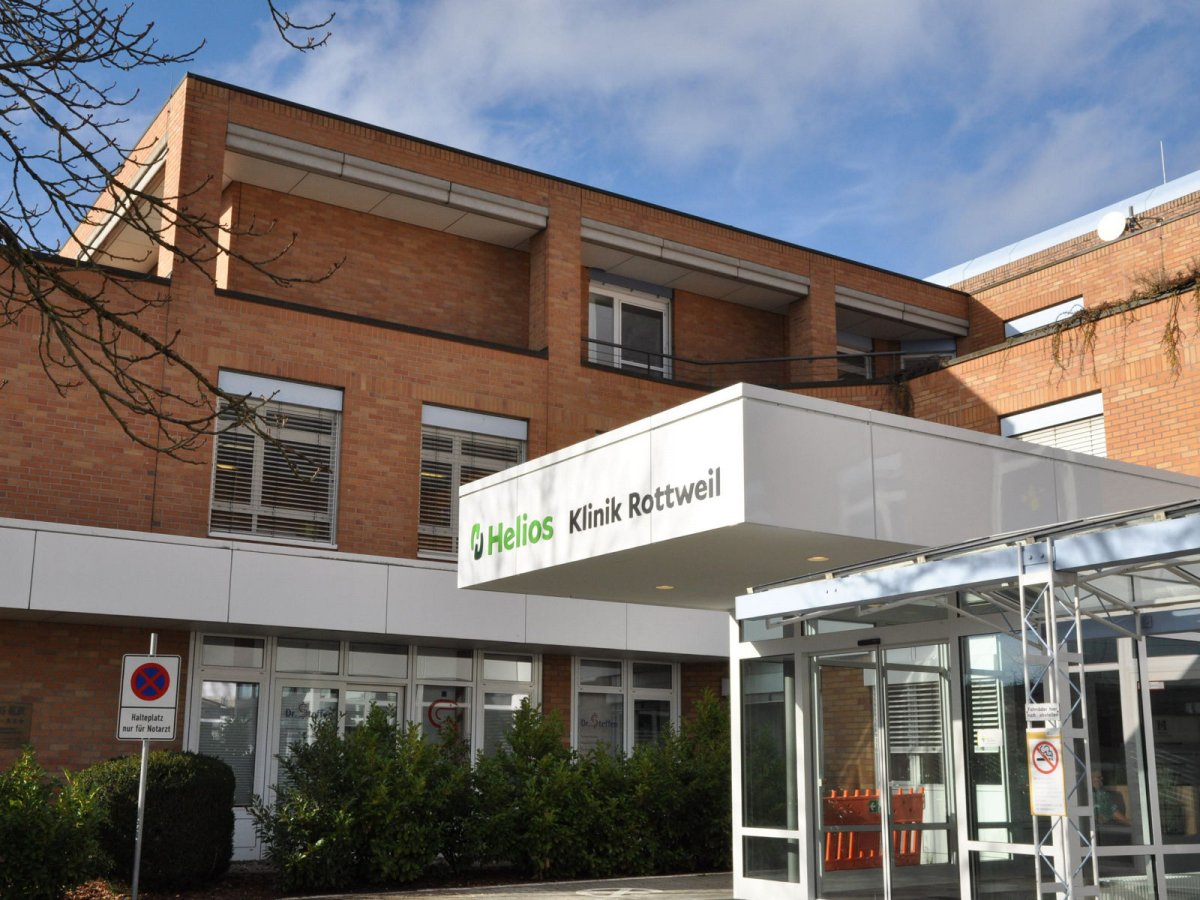

نظرة عامة على العلاج المحافظ للخلع المعتاد للكتف في ألمانيا
- جراحة إصلاح تمزق الكفة المدورة - من $6,200
يعمل هذا الإجراء على إصلاح أوتار الكتف التالفة وتحسين الحركة وتخفيف الألم عن طريق التدخل الجراحي منخفض الخطورة.
- استبدال مفصل الكتف - من $18,000
تتضمن هذه الجراحة استبدال أجزاء الكتف البالية بمكونات صناعية لتخفيف الألم وتحسين الوظيفة.
- العلاج المحافظ للخلع المعتاد للكتف - من $900
يهدف هذا العلاج إلى تثبيت الكتف باستخدام تمارين لتقوية العضلات دون الحاجة إلى جراحة.
- إصلاح Bankart - من $5,800
يعالج هذا الإجراء عدم استقرار الكتف عن طريق إصلاح الأربطة الممزقة لشد المفصل ، مما يقلل من مخاطر الخلع.
اليوم الأول: الوصول
- قم بالوصول إلى البلد واستقر في مكان إقامتك.
- قم بزيارة المستشفى للاستشارة الأولية والتسجيل.
اليوم الثاني: ما قبل العملية
- استشر جراح العظام لإجراء الفحص الطبي.
- الخضوع للفحوصات الطبية اللازمة مثل الأشعة السينية والتصوير بالرنين المغناطيسي.
- ناقش خطة العلاج مع الفريق الطبي.
اليوم الثالث: العلاج التحفظي
- ابدأ العلاج التحفظي مثل جلسات العلاج الطبيعي.
- تعرف على تمارين تقوية الكتف.
- احضر جلسات لتقنيات إدارة الألم.
من اليوم الرابع إلى اليوم السابع: ما بعد العملية
- تواصل مع جلسات العلاج الطبيعي يوميا.
- قم بإجراء فحوصات منتظمة مع جراح العظام.
- ابدأ بالعودة البطيئة والتدريجية إلى الأنشطة العادية.
الأسبوع 2
- تقدم مع تمارين الكتف الأكثر تقدمًا.
- حضور جلسات تصحيح الوضع وتقوية العضلات.
الأسبوع الثالث إلى الأسبوع السادس: إعادة التأهيل
- زيادة الأنشطة البدنية تدريجيًا تحت الإشراف.
- العودة إلى العمل أو المدرسة بعد 3 إلى 4 أسابيع.
الأسبوع السابع وما بعده
- استأنف الرياضة أو الأنشطة البدنية الشاقة بعد 6 أسابيع.
- شاهد النتيجة النهائية والشفاء التام بعد 8 أسابيع.
ملحوظة: يمكن أن تختلف هذه الجداول الزمنية اعتمادًا على سرعة تعافي الفرد ، وشدة الاضطراب ، والالتزام ببرنامج إعادة التأهيل.
- إيداع Bookimed: 200 دولار أو 200 يورو.
- وديعة العيادة: ادفع نسبة محددة مقدمًا.
يوفر موقع Bookimed.com معلومات عن العلاج المحافظ للخلع المعتاد للكتف في ألمانيا. بصفتنا المنصة العالمية الرائدة في مجال السياحة العلاجية ، فإننا نتحمل مسؤولية كبيرة أمام عملائنا - المرضى والمراكز الطبية على حد سواء. تستند جميع المعلومات المقدمة على Bookimed.com إلى البحث والاستبصار والخبرة وتفي بالاهتمام الكبير المتعلق بالمنتج وما يلي:
نظام التصنيف التلقائي الذكي
نحن نشكل قوائمنا للعيادات والأطباء مع لوائح صارمة لنظام التصنيف التلقائي الذكي الخاص بنا. يعتمد النظام على أسعار Bookimed الحقيقية للمرضى لتوفير المعلومات الأكثر موضوعية وشفافية حول العيادات والخدمات الطبية هناك.
يجمع عالم البيانات ذو الخبرة لدينا البيانات يوميًا ، ويراقب ويحسن نظام التصنيف باستخدام التعلم الآلي والذكاء الاصطناعي لضمان تحديث نظام التصنيف وتقديم نتائج دقيقة.
تجربة الناس الحقيقية فقط
نحن نجمع آراء عملاء Bookimed فقط بعد الحصول على خبرة طبية مع العيادة - لذلك يمكن للجميع على المنصة الوثوق بالمنشأة التي يختارونها. نحن نسعى جاهدين لجعل المحتوى على منصتنا مفيدًا قدر الإمكان ونضمن حرية التعبير عن الآراء النقدية. وبالتالي ، ننشر مراجعات إيجابية وسلبية ، بهدف أن نكون مصدرًا لاتخاذ قرارات مستنيرة لعملائنا في المستقبل.
مواضيع ذات مستويات عالية من الخبرة والسلطة والجدارة بالثقة
على موقع Bookimed.com ، قد تجد الاختيار والراحة للعثور على أفضل الحلول الطبية من كبار مزودي الخدمات الطبية في مكان واحد فقط ، وغالبًا بأسعار تنافسية. للتأكد من تقديم أحدث المعلومات ، يقوم ممثلو العيادة بتحديث السير الذاتية للأطباء ، وقدرات العيادات ، والصور قبل وبعد ، والأسعار ، والحزم ، والعروض الخاصة بأنفسهم قريبًا. يمكنك مقابلة ممثل العيادة والتحقق من تاريخ المحتوى المحدث في صفحة كل عيادة للتأكد من مصداقيتها.
تم إنشاء مدونتنا والقطع الداعمة من قبل مؤلفين محترفين يتمتعون بخبرة لا تقل عن 3 سنوات في الكتابة الطبية ويتم تحريرها بواسطة متخصصين طبيين يتمتعون بخبرة إكلينيكية وبحثية ذات صلة - تم تعيينهم جميعًا بعناية في الفريق. نحن نسعى جاهدين لتعزيز وصول المريض إلى المعلومات الصحية ، مما يجعلها خبيرة ولكن يسهل فهمها. تتبع جميع القطع إرشادات التحرير الخاصة بـ Bookimed.
القيم المحجوزة
نحن مصنوعون من الناس ومن أجلهم - وهذه هي قيمتنا الأساسية. هذا هو السبب في أن جميع البيانات المقدمة على المنصة يتم جمعها وتحريرها ومراجعتها وتحديثها بانتظام من قبل مرضانا وعياداتنا الشريكة وفريقنا ، بما في ذلك المجلس الاستشاري الطبي Bookimed ، الذي يتكون من أطباء مشهورين عالميًا يتمتعون بخبرة قيمة في أكثر من 20 عاما من الممارسة وسمعة طيبة. تعلم المزيد عنا وعن مهمتنا .
في حال وجدت أي خطأ أو لديك أي أسئلة حول المعلومات المقدمة على Bookimed.com ، فلا تتردد في الاتصال بنا على marketing@bookimed.com .
احصل على تقييم طبي لـ العلاج المحافظ للخلع المعتاد للكتف في ألمانيا: اختر أخصائيك من بين الأفضل في هذا المجال
عرض جميع الأطباء
Markus Granrath
المراجعات
جميع المراجعات
مشاركة المحتوى
قصص فيديو من مرضى Bookimed
 Anna Leonova
أسئلة متكررة حول العلاج المحافظ للخلع المعتاد للكتف في ألمانيا
ماذا يعني العلاج التحفظي لخلع الكتف المتكرر؟
يتضمن العلاج التحفظي لخلع الكتف المتكرر إدارة غير جراحية لتثبيت المفصل الحقاني العضدي. يركز هذا النهج على العلاج الطبيعي المكثف لتقوية الكفة المدورة وعضلات لوح الكتف. في ألمانيا، تعطي مراكز العظام المتخصصة الأولوية لبروتوكولات إعادة التأهيل هذه كخط دفاع أول قبل التفكير في التثبيت الجراحي.
- العلاج الطبيعي: يركز على تقوية الكفة المدورة وتثبيت عضلات لوح الكتف.
- التثبيت الأولي: يسمح الاستخدام قصير المدى لحمالة أو دعامة للأنسجة الرخوة بالشفاء.
- تعديل النشاط: يتجنب المرضى الحركات فوق الرأس أو رفع الأثقال التي تؤدي إلى عدم الاستقرار المتكرر.
- الدعم الدوائي: تعمل مضادات الالتهاب غير الستيرويدية (NSAIDs) على إدارة الالتهاب والألم الموضعي.
رؤية خبير Bookimed: بينما يفكر الكثيرون في ألمانيا للجراحات المعقدة، تدير عيادات مثل مستشفى هيليوس الجامعي في فوبرتال أكثر من 150,000 مريض سنويًا باستخدام بروتوكولات غير جراحية منظمة للغاية. تظهر بياناتنا أن أخصائيي العظام الألمان غالبًا ما يصفون تجربة لمدة 60 يومًا من العلاج الطبيعي الموجه. يساعد هذا النهج المرحلي في تحديد ما إذا كان التعويض العضلي يمكن أن يحل محل الإصلاحات الجراحية الهيكلية بفعالية.
إجماع المرضى: غالبًا ما ينظر المرضى إلى الرعاية التحفظية كفترة تجريبية عملية. يجد الكثيرون أنه على الرغم من أنها تستعيد الوظيفة اليومية، إلا أنه يجب عليهم البقاء يقظين بشأن حركات معينة لمنع حدوث نوبات أخرى.
من هو المرشح المثالي للعلاج التحفظي لخلع الكتف المتكرر في ألمانيا؟
المرشحون المثاليون لعلاج الكتف التحفظي في ألمانيا يشملون المرضى الذين يعانون من عدم استقرار متعدد الاتجاهات، وارتخاء المفاصل العام، وفقدان عظمي ضئيل أقل من 20%. هذا النهج غير الجراحي مناسب للأفراد ذوي المتطلبات المنخفضة أو أولئك الذين يعانون من خلع جزئي غير رضي والذين يمكنهم الالتزام بإعادة التأهيل العصبي العضلي المكثف في مراكز العظام الألمانية المتخصصة.
- نوع عدم الاستقرار: الأفضل لعدم الاستقرار متعدد الاتجاهات أو غير الرضي بدلاً من الأحداث الرضية الفردية.
- صحة العظام: يجب أن تؤكد التشخيصات أن فقدان عظم الحق يظل بدقة تحت حد 20%.
- مستوى النشاط: يوصى به للمرضى في منتصف العمر أو ذوي المتطلبات المنخفضة الذين لا يمارسون رياضات التلامس.
- حالة الأنسجة: مثالي للمرضى الذين يعانون من مفاصل مفرطة الحركة بدلاً من تمزقات الشفا الكبيرة.
رؤية خبير Bookimed: تدير العيادات الألمانية مثل مستشفى هيليوس الجامعي في فوبرتال أكثر من 150,000 مريض سنوياً باستخدام تشخيصات متقدمة. تظهر البيانات أن النجاح التحفظي يعتمد على محفزات محددة. يحدد المرضى الناجحون غير الجراحيين مواضع التحفيز الدقيقة للقيام بتقوية مستهدفة. تدمج العديد من البروتوكولات الألمانية الآن `منظمات ضربات الكتف` لإصلاح أنماط تنشيط العضلات بفعالية.
إجماع المرضى: يبلغ المرضى أن النجاح يتطلب انضباطاً صارماً والتزاماً طويل الأمد بإعادة التأهيل المنظم. يعمل هذا النهج بشكل أفضل عندما تكون حالات الخلع غير متكررة ولا تسببها حركات يومية بسيطة.
متى يفشل العلاج التحفظي، مما يجعل الجراحة ضرورية؟
يفشل علاج الكتف التحفظي عندما يتداخل عدم استقرار المفصل المستمر أو الخلع المتكرر مع الحياة اليومية على الرغم من 6-12 أسبوعاً من العلاج الطبيعي. تصبح الجراحة ضرورية إذا كان هناك ضرر هيكلي مثل آفات بانكارت أو تمزق الشفا، أو عندما لا يستطيع المرضى الاعتماد على الكتف في المهام الروتينية.
- عدم الاستقرار المتكرر: خلع جزئي أو كلي متكرر بعد إكمال بروتوكولات التقوية المستهدفة.
- الضرر الهيكلي: تمزق الشفا أو فقدان العظام المؤكد من خلال التصوير التشخيصي المتقدم.
- القيود الوظيفية: عدم القدرة على العمل أو ممارسة الرياضة أو النوم دون خوف من الخلع.
- ديموغرافية المريض: غالباً ما يحتاج المرضى الأصغر سناً والنشطون إلى تثبيت جراحي لمنع تلف المفاصل على المدى الطويل.
رؤية خبير Bookimed: تعطي مراكز العظام الألمانية مثل مستشفى هيليوس الجامعي في فوبرتال الأولوية للاستقرار الوظيفي على مستويات الألم وحدها. تشير البيانات إلى أنه على الرغم من أن الرعاية التحفظية تبدأ من $900، فإن تأخير الجراحة بعد ثلاث حالات خلع يزيد بشكل كبير من خطر فقدان العظام الدائم.
إجماع المرضى: يجد الكثيرون أن العلاج الطبيعي يساعد مؤقتاً، لكنهم يختارون الجراحة في النهاية بمجرد أن يحد الخوف المستمر من خلع الكتف من قدرتهم على القيادة أو ممارسة الرياضة.
ما هي مراحل بروتوكول إعادة التأهيل غير الجراحي في ألمانيا؟
يتبع إعادة التأهيل غير الجراحي في ألمانيا نظاماً موحداً من المراحل من A إلى F. يضمن هذا البروتوكول الاستقرار الطبي والتعافي الوظيفي. بالنسبة لخلع الكتف، تركز العلاجات على المراقبة المكثفة، والتعبئة النشطة، وتثبيت المفصل على المدى الطويل. تشمل البرامج الرئيسية رعاية T-RENA اللاحقة لضمان إعادة الاندماج الاجتماعي والمهني.
- المرحلة A (الحادة): تتطلب مراقبة طبية مستمرة في أجنحة المستشفيات الحادة أو وحدات العناية المركزة.
- المرحلة B-C (المرضى الداخليون): تركز على التعبئة المبكرة واستعادة العادات الوظيفية اليومية الأساسية.
- المرحلة D (المتابعة): تركز على أقصى قدر من استعادة القوة والتنقل الذاتي في العيادات.
- المرحلة E-F (الصيانة): توفر علاجاً داعماً طويل الأمد وإعادة اندماج مهني من خلال برامج التأمين.
رؤية خبير Bookimed: تتعامل المستشفيات الجامعية الألمانية مثل Helios Wuppertal مع 150,000 مريض سنوياً باستخدام هذه البروتوكولات الصارمة. بينما تبني المرحلة D القوة، فإن الانتقال إلى المرحلة E أمر بالغ الأهمية. تستخدم العيادات الألمانية برامج T-RENA رسمية هنا. تضمن هذه البرامج استمرار تعافيك إلى ما بعد الإقامة في المستشفى.
إجماع المرضى: تثبيت لوح الكتف أكثر أهمية من تحقيق أقصى نطاق للحركة. يجد الكثيرون أن التعافي أبطأ مما كان متوقعاً ولكنهم يؤكدون أن الصيانة المستمرة تمنع حدوث خلع في المستقبل.
ما هي التمارين المحددة التي يتم التأكيد عليها أثناء العلاج التحفظي في ألمانيا؟
يركز العلاج التحفظي في ألمانيا لخلع الكتف على التحكم الحركي النشط وإعادة التدريب العصبي العضلي المحدد. يعطي أخصائيو العلاج الطبيعي الألمان الأولوية لبروتوكولات تقوية الكفة المدورة وتثبيت لوح الكتف. تهدف هذه الأنظمة القائمة على الأدلة إلى استعادة تمركز المفصل من خلال العلاج بالتدريب الطبي المنظم وتمارين الحس العميق لتجنب التدخل الجراحي.
- عمل الكفة المدورة: تمارين الدوران الخارجي باستخدام الأربطة تحسن الاستقرار الديناميكي وتمركز المفصل.
- تثبيت لوح الكتف: تعمل الروتينات المستهدفة على تنشيط العضلة شبه المنحرفة السفلية والعضلة المنشارية الأمامية لدعم الكتف.
- تمارين الحس العميق: يعمل عمل الاستقرار في السلسلة المغلقة على إعادة تدريب الدماغ للحفاظ على المحاذاة الصحيحة للمفصل.
- العلاج بالتدريب الطبي: يؤكد تدريب المقاومة المدعوم بالأجهزة على الانقباضات اللامركزية لبناء تحكم آمن في المفصل.
رؤية خبير Bookimed: تدمج مراكز العظام الألمانية مثل مستشفى هيليوس الجامعي في فوبرتال 28 قسماً متخصصاً لعلاج الحالات المعقدة. تظهر البيانات أن النتائج التحفظية الناجحة تعتمد على الاستمرارية في التمارين ذات الحمل المنخفض والتكرار العالي بدلاً من التدريب المتقطع عالي الكثافة. غالباً ما تستخدم البروتوكولات الألمانية برامج منظمة مدتها 12 أسبوعاً لضمان تحكم حركي دائم قبل زيادة النشاط.
إجماع المرضى: أفاد المرضى أن الروتينات المنزلية الصغيرة اليومية أكثر فعالية من جلسات الصالة الرياضية الطويلة. يؤكد الكثيرون أن التركيز على الاستقرار وتجنب وضعيات اليد
ما هي المستشفيات في ألمانيا التي تحظى بأعلى التقييمات في جراحة الأعصاب؟
تضم ألمانيا بعضًا من أرقى أقسام جراحة الأعصاب في العالم، بقيادة مستشفى شاريتيه الجامعي في برلين ومستشفى جامعة هايدلبرغ. وتتميز هذه المراكز بخبرتها الواسعة في علاج أورام الدماغ المعقدة وأمراض الأوعية الدموية الدماغية. ولتحقيق أقصى قدر من الفعالية في عملياتها، تستخدم هذه المراكز أحدث التقنيات، مثل التصوير بالرنين المغناطيسي أثناء الجراحة والتوجيه العصبي بمساعدة الحاسوب.
- مستشفى شاريتيه برلين: يُجري أكثر من 5000 عملية جراحية سنوياً. ويرأس العيادة جراح الأعصاب الشهير الدكتور بيتر فايكوتشي.
- المركز الطبي في سولينجن: أجرى الدكتور رالف بوهل أكثر من 4000 عملية جراحية، بما في ذلك جراحات العمود الفقري طفيفة التوغل.
- عيادة أسكليبيوس نورد: مجهزة بنظام التصوير بالرنين المغناطيسي الثنائي الوحيد في ألمانيا أثناء الجراحة لضمان الدقة الجراحية في الوقت الحقيقي أثناء إزالة الورم.
- عيادة نوردويست: تم الاعتراف بها من قبل مجلة نيوزويك كمستشفى رائد في مجال الابتكار في تكنولوجيا الموجات فوق الصوتية ثلاثية الأبعاد.
رأي خبراء بوكيمد: تشير البيانات إلى أن اختيار المراكز ذات الحجم الجراحي الكبير غالبًا ما يؤدي إلى توصيات علاجية أكثر تحفظًا. ففي مركز سولينجن الطبي، الذي يعالج أكثر من 60,000 مريض
ما هي نسب نجاح العمليات الجراحية العصبية المعقدة في ألمانيا؟
في ألمانيا، تتميز العمليات الجراحية العصبية بالغة التعقيد بمستوى أمان استثنائي. تصل نسبة نجاح عمليات دمج الفقرات إلى 99%، بينما تبلغ نسبة النجاة بعد استئصال أورام الدماغ الأولية 97%. كما يتمتع المرضى بقدرة عالية على الاعتماد على أنفسهم في أداء وظائفهم اليومية، حيث يغادر أكثر من 82% منهم المستشفى مباشرةً بعد العلاج. وتولي المراكز الألمانية اهتماماً بالغاً بالحفاظ على الوظائف العصبية باستخدام أحدث تقنيات التخطيط العصبي.
- استئصال الورم: يحقق الجراحون استئصالًا كاملاً للورم في 87.2% من حالات النقائل الدماغية.
- النجاح في علاج أمراض الأوعية الدموية: أفادت المستشفيات الألمانية بنسبة نجاة بلغت 98.7% لحالات تمدد الأوعية الدموية غير الممزقة.
- تحسن الحالة العصبية: يشهد ما يقرب من 43% من المرضى تحسناً في المعايير الوظيفية بعد عمليات الاستئصال المعقدة.
- سلامة التدخلات الجراحية: في المراكز الجراحية الكبيرة، تتراوح معدلات بقاء المرضى على قيد الحياة بعد جراحة العمود الفقري بين 98-99%.
رأي خبراء بوكيمد: يُجري جراحون ذوو خبرة، مثل الدكتور أوفه كولر من عيادة أسكليبيوس ألتونا، أكثر من 2000 عملية جراحية سنويًا. تُشير البيانات إلى أن هؤلاء المتخصصين يحافظون على معدلات نجاح تصل إلى 90%، حتى
ما هي التقنيات المتقدمة المتوفرة عادةً في عيادات جراحة الأعصاب الألمانية؟
تُدخل عيادات جراحة الأعصاب الألمانية بانتظام أدوات رقمية عالية الدقة وتقنيات تصوير فوري في الممارسة الجراحية. تشمل التقنيات الرئيسية الملاحة العصبية الحاسوبية لجراحات الدماغ والحبل الشوكي. تستخدم مؤسسات مثل عيادة أسكليبيوس نورد التصوير بالرنين المغناطيسي أثناء الجراحة للتحقق من استئصال الورم في الوقت الفعلي. توفر هذه الأنظمة للجراحين نظام ملاحة ثلاثي الأبعاد.
- الملاحة العصبية: توفر تصورًا ثلاثي الأبعاد وتتبعًا فوريًا للأدوات لتحقيق دقة جراحية تصل إلى مستوى أقل من المليمتر.
- التصوير أثناء العملية: تسمح أنظمة مثل التصوير بالرنين المغناطيسي أثناء العملية (iMRI) والتصوير المقطعي المحوسب ذي الذراع O (O-arm CT) بالتأكيد الفوري على نجاح عملية الاستئصال.
- المراقبة العصبية: تراقب الوظائف الحركية والحسية أثناء الجراحة لحماية الجهاز العصبي.
- التشخيص الفلوري: يتم استخدام صبغة 5-ALA لتسليط الضوء على حدود الورم من أجل إزالته بشكل أكثر اكتمالاً.
- المساعدة الروبوتية: تعمل أنظمة مثل نظام دافنشي على تحسين الدقة في الإجراءات المعقدة ذات التدخل الجراحي البسيط.
رأي خبراء بوكيمد: تُجري مراكز طبية كبيرة، مثل مستشفى شاريتيه الج
ما هي التدريبات المتخصصة التي يتلقاها جراحو الأعصاب الممارسون في ألمانيا؟
في ألمانيا، يتعين على جراحي الأعصاب إكمال برنامج إقامة تخصصي لمدة ست سنوات بعد التخرج من كلية الطب. يشمل هذا البرنامج المنظم العناية المركزة، والتدريب السريري، وكتابة مقالات في مجلة جراحية إلزامية. بعد ذلك، يجتاز المرشحون امتحانًا حكوميًا للحصول على لقب طبيب مقيم (Facharzt für Neurochirurgie).
- الإقامة السريرية: تتطلب من 48 إلى 72 شهرًا من الممارسة المتخصصة في جراحة الأعصاب.
- العناية المركزة: تتضمن فترة تدريب إلزامية لمدة 6 أشهر في وحدة العناية المركزة لجراحة الأعصاب.
- المجلة الجراحية: يوثق الجراحون مئات العمليات الجراحية، بما في ذلك عمليات فتح الجمجمة وجراحات العمود الفقري.
- امتحان الترخيص: يجب على المتقدمين اجتياز امتحان طبي شفوي وعملي تديره الدولة.
رأي خبراء بوكيميد: يركز التدريب الألماني في جراحة الأعصاب على الخبرة الجراحية الواسعة. فعلى سبيل المثال، أجرى الدكتور رالف بول من المركز الطبي في سولينجن أكثر من 4000 عملية جراحية. ويتمتع الدكتور يورغن كيويت من مستشفى ميوكلينيك بخبرة تزيد عن 25 عامًا. يضمن هذا النظام الدقيق أن يتعامل المتخصصون في المراكز الكبرى مع الحالات المعقدة بدقة مثبتة.
آراء المرضى: يشع
ما هي متطلبات اللغة والترخيص المطلوبة للجراحين الأجانب الراغبين في التدرب أو مراقبة العمليات الجراحية العصبية في ألمانيا؟
يجب على جراحي الأعصاب الأجانب استيفاء متطلبات لغوية وترخيصية صارمة للالتحاق بالتدريب أو فترة التدريب العملي في ألمانيا. يتطلب التدريب رخصة طبية سارية أو تصريحًا مؤقتًا. أما المتدربون، فيجب عليهم الحصول على إذن من مستشفى محدد. ويتطلب كلا الخيارين إتقانًا عاليًا للغة الألمانية للمشاركة في المناقشات السريرية وإجراء العمليات الجراحية المعقدة بأمان.
- المهارات اللغوية: مطلوب مستوى عام في اللغة الألمانية B2 ومستوى في اللغة الطبية C1 (Fachsprachprüfung) للتدريب السريري.
- الترخيص السريري: يحتاج الجراحون إلى تصريح لممارسة دائمة (Approbation) أو تصريح مهني (Berufserlaubnis) للتدريب الداخلي المؤقت الخاضع للإشراف.
- حالة المراقبة: يسمح دخول المستشفى بمراقبة العمليات الجراحية دون تحمل المسؤولية الطبية أو الحصول على ترخيص رسمي.
- تقييم المؤهلات: غالباً ما يتعين على خريجي الطب من خارج الاتحاد الأوروبي الخضوع لعملية التحقق من صحة الشهادة في غضون 3-6 أشهر.
رأي خبراء بوكيمد: غالبًا ما تُعطي العيادات الألمانية ذات الأعداد الكبيرة من المرضى، مثل عيادة نوردويست أو أسكليبيوس نورد، الأولوية للمرشحين الذين خضعوا بالفعل لتقييم أولي للوثائق. تُظهر بياناتنا أن أساتذة مثل الدكتور أوفه كولر والدكتور