زرع العضلة العاصرة البولية في ألمانيا — احصل على 3 عيادات مطابقة مع التكاليف


تمت مراجعة المقالة طبيا من قبل
فهد مولود
ما هي تكلفة زرع العضلة العاصرة البولية في ألمانيا؟ اكتشف الآن
من $14,000. تعتمد التكلفة على مستوى العيادة، وخبرة الجراح، ونوع الجهاز المستخدم. تشمل معظم المراكز الطبية الألمانية فحوصات ما قبل الجراحة، والجهاز الطبي، والتخدير، والإقامة بالمستشفى لمدة ليلة أو ليلتين.
- تكلفة الجهاز الطبي: يشكل جهاز العضلة العاصرة جزءاً كبيراً من إجمالي الميزانية.
- أسعار المراكز الطبية الكبرى: غالباً ما تكون التكاليف في مدن مثل هامبورغ أعلى مقارنة بالمراكز الإقليمية.
- تنظيم الأسعار: تتبع التكاليف لائحة رسوم الأطباء الحكومية (GOÄ) لضمان تسعير عادل.
- الجراحة الروبوتية: عادة ما يضيف استخدام الأنظمة الروبوتية في الجراحة زيادة على السعر الأساسي.
رأي خبراء Bookimed: يُحقق اختيار مركز يستقبل أعداداً كبيرة من المرضى الدوليين أفضل قيمة. يُصنف مستشفى أسكليبيوس بارمبيك في هامبورغ ضمن أفضل العيادات للمرضى الأجانب. يستقبل المستشفى 80,000 مريض دولي سنوياً، وهو حاصل على شهادة تحالف جودة السفر الطبي (MTQUA). تضمن هذه الأعداد الكبيرة حفاظ الجراحين على أعلى مستويات الكفاءة في استخدام الجهاز. غالباً ما تؤدي هذه الخبرة إلى نتائج أفضل على المدى الطويل وتقليل الحاجة لتعديلات لاحقة.
المزايا الرئيسية
لماذا تختار ألمانيا لزراعة المصرّة البولية الاصطناعية؟
- عيادات معتمدة: تحظى العيادات الألمانية باعتراف من KTQ ومنظمات دولية أخرى. يضمن ذلك معايير عالية في رعاية المرضى والسلامة.
- أحدث التقنيات: تستخدم ألمانيا أنظمة مثل نظام التحكم البولي AMS 800™ والمصرّة البولية الاصطناعية ZSI 375. تُعرف هذه الأنظمة بمتانتها وفعاليتها.
- نسب نجاح عالية: تصل نسبة نجاح زراعة المصرّة البولية الاصطناعية في ألمانيا إلى 85-90%. يلاحظ المرضى الذين يعانون من السلس البولي الإجهادي تحسنًا كبيرًا في التحكم بالبول.
- جراحون خبراء: قام كبار أطباء المسالك البولية في ألمانيا بأكثر من 500 عملية زراعة ناجحة. يحملون شهادات من مؤسسات مرموقة مثل المجلس الأوروبي لجراحة المسالك البولية (EBU).
احصل على حلول متقدمة لزراعة المصرّة البولية الاصطناعية في عيادات موثوقة من $14,000.
| تركيا | إسبانيا | ألمانيا | |
|---|---|---|---|
| زرع العضلة العاصرة البولية | من $13,400 | ≈ $13,500 | من $14,000 |
مزاياك وضماناتك مع Bookimed
أسعار مباشرة
Bookimed لا يضيف رسوماً إضافية على أسعار زرع العضلة العاصرة البولية. الأسعار مأخوذة من قوائم الأسعار الرسمية للعيادات. تدفع مباشرة في العيادة مقابل زرع العضلة العاصرة البولية عند وصولك.
عيادات وأطباء معتمدون فقط
Bookimed ملتزم بسلامتك. نحن نعمل فقط مع المؤسسات الطبية التي تحافظ على معايير دولية عالية في زرع العضلة العاصرة البولية ولديها التراخيص اللازمة لخدمة المرضى الدوليين في جميع أنحاء العالم.
مساعدة مجانية على مدار الساعة
Bookimed يقدم مساعدة خبراء مجانية. منسق طبي شخصي يدعمك قبل وأثناء وبعد العلاج، ويحل أي مشاكل. لن تكون وحيداً أبداً في رحلة زرع العضلة العاصرة البولية.

منسقك الطبي الشخصي في Bookimed
- يدعمك في كل مرحلة
- المساعدة في اختيار العيادة الطبية المناسبة والطبيب المناسب
- يضمن الوصول السريع والمريح إلى المعلومات
اكتشف أفضل زرع العضلة العاصرة البولية العيادات في ألمانيا: 2 خيارات معتمدة والأسعار
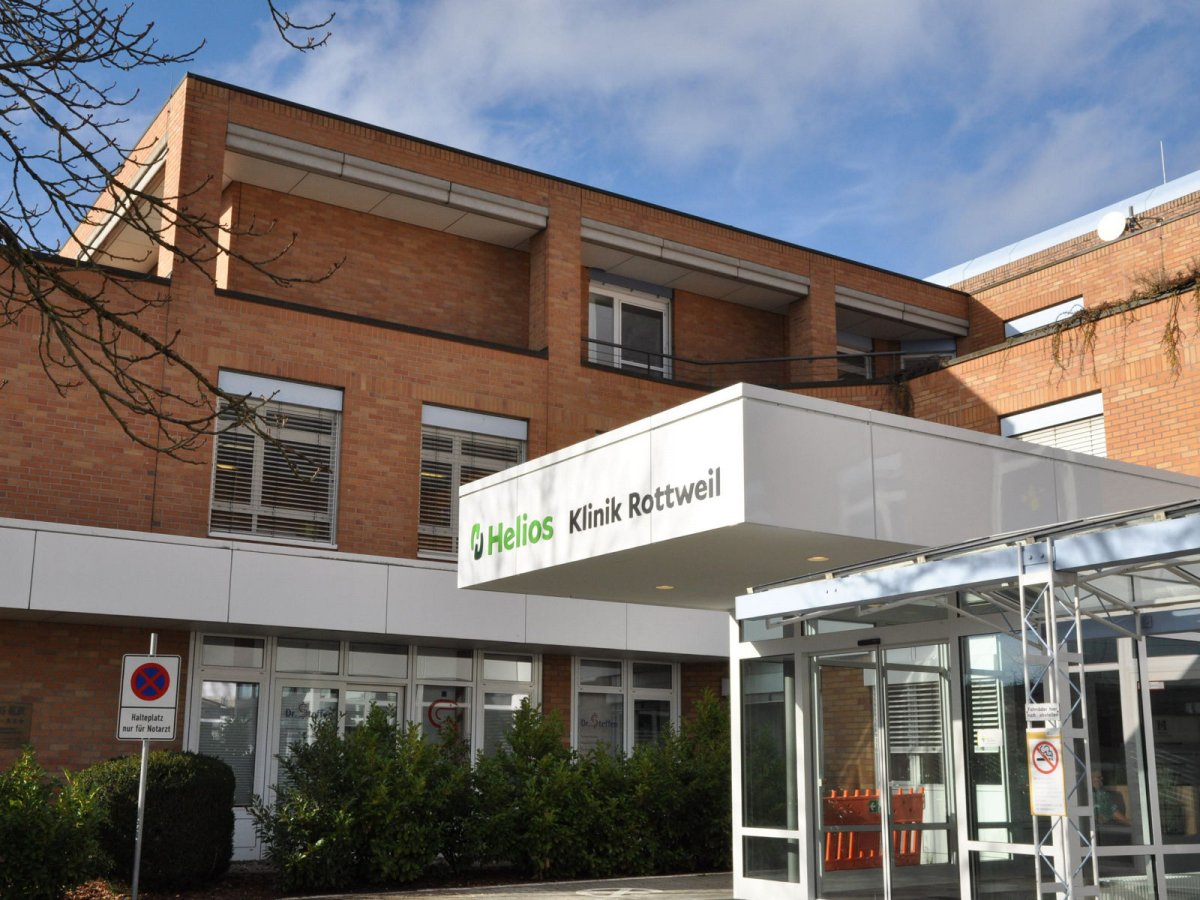



Lippe Detmold Clinic
نظرة عامة على زرع العضلة العاصرة البولية في ألمانيا
- زرع العضلة العاصرة البولية - من $14,000
يساعد هذا الإجراء في التحكم في سلس البول من خلال وضع جهاز ينظم تدفق البول من المثانة.
اليوم 1
- الوصول إلى المستشفى وتسجيل الوصول.
- قابل طبيب المسالك البولية للاستشارة.
- الخضوع للفحوصات الطبية اللازمة مثل فحوصات الدم وتحليل البول.
اليوم الثاني
- احصل على استشارة قبل الجراحة مع طبيب التخدير.
- تلقي تعليمات الصيام قبل الجراحة.
يوم 3
- اخضع لعملية زرع المصرة البولية الاصطناعية.
- تستغرق العملية حوالي 2-3 ساعات تحت التخدير العام.
- انتقل إلى غرفة الإنعاش للمراقبة الدقيقة.
يوم 4-7
- البقاء في العيادة للمراقبة والإجراءات البسيطة بعد العملية.
- ابدأ في تعلم كيفية تشغيل جهاز AUS.
الأسبوع 2-6
- استمر في التعافي في المنزل من خلال الفحوصات الدورية.
- استأنف الأنشطة اليومية الخفيفة تدريجيًا.
الأسبوع السابع
- العودة إلى العمل حسب طبيعة الوظيفة.
- تجنب الأنشطة الشاقة أو رفع الأشياء الثقيلة.
الأسبوع الثاني عشر
- استأنف جميع الأنشطة العادية بما في ذلك الرياضة.
- انظر النتيجة النهائية لزرع AUS.
عملية الشفاء لكل مريض فريدة وقد تختلف ، اتبع دائمًا نصيحة طبيبك.
- إيداع Bookimed: 200 دولار أو 200 يورو.
- وديعة العيادة: ادفع نسبة محددة مقدمًا.
بصفتها المنصة العالمية الرائدة في مجال السياحة الطبية ، يفخر موقع Bookimed.com بتقديم معلومات موثوقة للمرضى والمراكز الطبية. نحن نضمن أن جميع المعلومات المقدمة على موقعنا والمتعلقة بزراعة المصرة البولية الاصطناعية في ألمانيا تستند إلى البحث والاستبصار والخبرة. للحفاظ على الشفافية ، نتبع اللوائح الصارمة لنظام التصنيف التلقائي الذكي الخاص بنا ونجمع آراء عملاء Bookimed فقط بعد الحصول على خبرة طبية مع العيادة.
نظام التصنيف الآلي الذكي للعيادات في ألمانيا
يعتمد نظام التصنيف التلقائي الذكي الخاص بنا للعيادات في ألمانيا على معدلات Bookimed الحقيقية للمرضى ، والتي توفر المعلومات الأكثر موضوعية وشفافية حول العيادات والخدمات الطبية. يجمع عالم البيانات ذو الخبرة لدينا البيانات يوميًا ، ويراقب ويحسن نظام التصنيف باستخدام التعلم الآلي والذكاء الاصطناعي لضمان تحديث نظام التصنيف وتقديم نتائج دقيقة.
تجربة الناس الحقيقية فقط
نحن نجمع آراء عملاء Bookimed فقط بعد الحصول على خبرة طبية مع العيادة - لذلك يمكن للجميع على المنصة الوثوق بالمنشأة التي يختارونها. نحن نسعى جاهدين لجعل المحتوى على منصتنا مفيدًا قدر الإمكان ونضمن حرية التعبير عن الآراء النقدية. وبالتالي ، ننشر مراجعات إيجابية وسلبية ، بهدف أن نكون مصدرًا لاتخاذ قرارات مستنيرة لعملائنا في المستقبل.
مواضيع ذات مستويات عالية من الخبرة والسلطة والجدارة بالثقة
نحن نقدم الاختيار والراحة على Bookimed.com للعثور على أفضل الحلول الطبية من كبار مزودي الخدمات الطبية في ألمانيا في مكان واحد فقط ، وغالبًا بأسعار تنافسية. للتأكد من تقديم أحدث المعلومات ، يقوم ممثلو العيادة بتحديث السير الذاتية للأطباء ، وقدرات العيادات ، والصور قبل وبعد ، والأسعار ، والحزم ، والعروض الخاصة بأنفسهم قريبًا. يمكنك مقابلة ممثل العيادة والتحقق من تاريخ المحتوى المحدث في صفحة كل عيادة للتأكد من مصداقيتها.
تم إنشاء مدونتنا والقطع الداعمة من قبل مؤلفين محترفين يتمتعون بخبرة لا تقل عن 3 سنوات في الكتابة الطبية ويتم تحريرها بواسطة متخصصين طبيين يتمتعون بخبرة إكلينيكية وبحثية ذات صلة - تم تعيينهم جميعًا بعناية في الفريق. نحن نسعى جاهدين لتعزيز وصول المريض إلى المعلومات الصحية ، مما يجعلها خبيرة ولكن يسهل فهمها. تتبع جميع القطع إرشادات التحرير الخاصة بـ Bookimed.
القيم المحجوزة لزرع المصرة البولية الاصطناعية في ألمانيا
في Bookimed.com ، نحن مدفوعون بقيمتنا الأساسية المتمثلة في كوننا مكونين من أشخاص ومن أجل الناس. هذا هو السبب في أن جميع البيانات المقدمة على المنصة يتم جمعها وتحريرها ومراجعتها وتحديثها بانتظام من قبل مرضانا وعياداتنا الشريكة وفريقنا ، بما في ذلك المجلس الاستشاري الطبي Bookimed ، الذي يتكون من أطباء مشهورين عالميًا يتمتعون بخبرة قيمة في أكثر من 20 عاما من الممارسة وسمعة طيبة. تعلم المزيد عنا وعن مهمتنا .
إذا وجدت أي خطأ أو كان لديك أي أسئلة حول المعلومات المقدمة على Bookimed.com لزراعة المصرة البولية الاصطناعية في ألمانيا ، فلا تتردد في الاتصال بنا على marketing@bookimed.com .
قصص فيديو من مرضى Bookimed
المراجعات
جميع المراجعاتمشاركة المحتوى
 Anna Leonova
أسئلة متكررة حول زرع العضلة العاصرة البولية في ألمانيا
ما هو معدل نجاح جراحة العضلة العاصرة الاصطناعية للمثانة في ألمانيا؟
تحقق جراحة العضلة العاصرة الاصطناعية للمثانة في ألمانيا معدل نجاح يتراوح بين 85% إلى 90% لعلاج سلس البول الإجهادي الشديد. تستخدم مراكز المسالك البولية المتخصصة تكنولوجيا متقدمة مثل نظام Victo القابل للتعديل وAMS 800 لضمان معدلات عالية من التحكم الاجتماعي في البول وبقاء الجهاز لفترة طويلة.
- التحكم الاجتماعي: يصل حوالي 70% من المرضى إلى الهدف الصارم المتمثل في استخدام 0-1 فوطة يومياً.
- تقليل التسرب: يلاحظ حوالي 94% من المرضى انخفاضاً في وزن تسرب البول بأكثر من 50%.
- طول عمر الجهاز: تظل حوالي 75% من الغرسات الأولية تعمل بكامل طاقتها بعد 5 سنوات.
- معايير الجودة: تتبع العلاجات لوائح ISO وKTQ الصارمة في أقسام المسالك البولية التابعة للجامعات.
رؤية خبير Bookimed: بينما تتفوق ألمانيا في جراحة المسالك البولية المعقدة، تشير بيانات حجم المرضى إلى التركيز على المراكز الكبيرة متعددة التخصصات مثل مستشفى هيليوس الجامعي في فوبرتال. تدير هذه المرافق ذات الحجم الكبير 150,000 مريض سنوياً. وغالباً ما يكون لديهم معدلات نجاح أعلى لأن أطباء المسالك البولية لديهم يجرون هذه العمليات المحددة بشكل متكرر أكثر من العيادات العامة.
إجماع المرضى: يحقق العديد من الرجال نتائج تغير حياتهم، لكنهم يؤكدون أن النجاح يعني أن يكونوا جافين بما يكفي للأنشطة اليومية بدلاً من الجفاف التام. يعد التدريب المناسب على تشغيل المضخة من قبل الطاقم الطبي أمراً حيوياً للرضا والراحة على المدى الطويل.
ما هي مؤهلات أطباء المسالك البولية الألمان الذين يجرون هذا الإجراء؟
يجب أن يكون أطباء المسالك البولية الألمان الذين يجرون عملية زرع العضلة العاصرة البولية الاصطناعية متخصصين معتمدين (Facharzt für Urologie). يتطلب ذلك الحصول على شهادة في الطب لمدة 6 سنوات تليها 5 سنوات من الإقامة. يجب عليهم توثيق كتالوج محدد من التدخلات الجراحية التي يتم التحقق منها من قبل الغرفة الطبية الفيدرالية الألمانية (Bundesärztekammer) قبل الحصول على الشهادة.
- شهادة التخصص: يجب على الأطباء اجتياز امتحان شفهي صارم من قبل غرفة الأطباء في الولاية الإقليمية.
- التدريب السريري: تشمل الإقامة 60 شهرًا من التدريب المتخصص في عيادات مثل مستشفى هيليوس الجامعي في فوبرتال.
- الكفاءة الجراحية: يحتفظ الجراحون بسجل للأعداد الدنيا لإجراءات المسالك البولية التشخيصية والجراحية المعقدة.
- المؤهلات المتقدمة: يحمل الكثيرون المؤهل الدولي لزميل المجلس الأوروبي للمسالك البولية (FEBU).
رؤية خبير Bookimed: تضمن الألقاب الرسمية مثل Facharzt الكفاءة الأساسية، لكن حجم الحالات هو المفرق الحقيقي. البحث عن جراحين في مراكز تعليمية مثل مستشفى هيليوس الجامعي في فوبرتال هو خطوة ذكية. تتعامل هذه المرافق مع 150,000 مريض سنويًا وغالبًا ما تعمل كمراكز إحالة أولية للحالات الترميمية المعقدة.
إجماع المرضى: يؤكد المرضى على أهمية العثور على جراحين متخصصين تحديدًا في سلس البول الإجهادي لدى الرجال ورعاية ما بعد استئصال البروستاتا. يوصي الكثيرون بالسفر إلى مراكز جامعية ذات حجم كبير لضمان أن الجراح يتعامل مع عمليات زرع متعددة كل شهر.
كم يدوم العضلة العاصرة البولية الاصطناعية قبل الحاجة إلى مراجعة جراحية؟
تدوم العضلة العاصرة البولية الاصطناعية عادةً من 8 إلى 12 عاماً قبل أن تتطلب مراجعة جراحية. في حين أن بعض الأجهزة تعمل لمدة تصل إلى 20 عاماً، فإن حوالي 51% إلى 57% من المرضى يحتاجون إلى مراجعة أو استبدال في غضون 10 سنوات بسبب التآكل الميكانيكي أو تغيرات الأنسجة.
- الإطار الزمني للمراجعة: تتطلب معظم الغرسات صيانة أو استبدالاً كاملاً في غضون 7 إلى 10 سنوات.
- الفشل الميكانيكي: غالباً ما يحدث تلف في المضخة أو الأنابيب عند علامة 4 أو 5 سنوات.
- ضمور الإحليل: يمكن أن يؤدي ترقق الأنسجة تحت الكفة إلى تسرب متكرر على مدى عدة سنوات.
- البقاء على المدى الطويل: تظل حوالي 31% من الغرسات الأصلية تعمل بكامل طاقتها بعد 20 عاماً من الاستخدام.
رؤية خبير Bookimed: غالباً ما تتعامل المستشفيات الجامعية الألمانية مع هذه الحالات ضمن بيئات متعددة التخصصات كبيرة مثل مستشفى هيليوس الجامعي في فوبرتال. هذا أمر بالغ الأهمية لأن جراحة المراجعة أكثر تعقيداً بكثير من الغرس الأولي. غالباً ما تتطلب الأنسجة الندبية وتآكل الأنسجة جراحاً يتمتع بخبرة عالية في جراحة المسالك البولية الترميمية. عند اختيار عيادة، أعط الأولوية لتلك التي تعالج أكثر من 100,000 مريض سنوياً لضمان الوصول إلى تقنيات الإنقاذ المتقدمة.
إجماع المرضى: ينظر العديد من المرضى إلى الجهاز كدورة صيانة طويلة الأمد بدلاً من كونه حلاً دائماً. غالباً ما يؤكدون على مراقبة تراجع القدرة على التحكم في البول، مما يشير إلى الحاجة إلى مراجعة قبل حدوث فشل كامل.
ما هي التقنيات الجراحية المستخدمة لزراعة العضلة العاصرة البولية الاصطناعية (AUS) في ألمانيا؟
يستخدم أطباء المسالك البولية الألمان تقنيات متقدمة لزراعة العضلة العاصرة البولية الاصطناعية (AUS)، بما في ذلك الأساليب العجان والأساليب عبر كيس الصفن. يختار الجراحون طرقًا محددة مثل الوضع العجاني بشقين أو الزرع بالمنظار بمساعدة الروبوت للنساء. توفر هذه الإجراءات حلولاً طويلة الأمد لسلس البول الإجهادي الشديد في مراكز المسالك البولية الألمانية المتخصصة.
- النهج العجاني: الطريقة القياسية لعزل الإحليل البصلي عبر شق في خط الوسط العجاني.
- تقنية عبر كيس الصفن: تستخدم شقًا واحدًا لوضع الكفة والمضخة والخزان.
- الوضع عبر الجسم الكهفي: تقنية إنقاذ متخصصة تحمي الإحليل الهش باستخدام أنسجة انتصاب ذات تروية دموية جيدة.
- الجراحة بمساعدة الروبوت: توفر الأذرع الروبوتية طفيفة التوغل دقة متناهية لحالات عنق المثانة لدى النساء.
- الأنظمة القابلة للتعديل: تسمح الأجهزة الأوروبية الخاصة مثل VICTO بتعديلات الضغط دون جراحة إضافية.
رؤية خبير Bookimed: تستفيد العيادات الألمانية مثل مستشفى هيليوس الجامعي في فوبرتال من مشهد تنظيمي فريد. يستخدم الجراحون هنا بشكل متكرر أنظمة AUS القابلة للتعديل مثل VICTO أو ZSI 375 إلى جانب نظام AMS 800 القياسي. يسمح هذا التنوع للأطباء بضبط ضغط الجهاز عبر حقن الإبرة عن طريق الجلد. وهذا يوفر على المرضى جراحات المراجعة الثانوية إذا عاد سلس البول الطفيف بعد سنوات.
إجماع المرضى: يؤكد المرضى على أهمية العثور على جراحين لديهم حجم كبير من حالات المراجعة للتشريح المعقد. كما يسلطون الضوء على أن الجهاز ي
ما هي أجهزة العضلة العاصرة البولية الاصطناعية المتوفرة في العيادات الألمانية؟
توفر العيادات الألمانية بشكل أساسي نظام التحكم في البول AMS 800، إلى جانب حلول بديلة مثل ZSI 375 ونظام VICTO. تستخدم مراكز المسالك البولية المتخصصة في ألمانيا هذه الغرسات الهيدروليكية والقابلة للتعديل لعلاج سلس البول الإجهادي المتوسط إلى الشديد بمعدلات نجاح عالية.
- الجهاز المعياري الذهبي: يعد AMS 800 الخيار الأكثر شيوعاً في أقسام المسالك البولية الألمانية.
- خيار بدون جراحة في البطن: يتجنب ZSI 375 شقوق البطن عن طريق وضع المكونات بالكامل في كيس الصفن.
- أنظمة قابلة للتعديل: يسمح نظام VICTO للأطباء بضبط الضغط بدقة في العيادة دون الحاجة إلى جراحة إضافية.
- متغيرات متخصصة: يتضمن طراز VICTO+ بالوناً لتخفيف الضغط للحماية أثناء الحركات المفاجئة.
رؤية خبير Bookimed: على الرغم من وجود العديد من الأجهزة، فإن العيادات الألمانية مثل مستشفى هيليوس الجامعي في فوبرتال تعطي الأولوية للخبرة الناتجة عن حجم العمليات الكبير بدلاً من تنوع الأجهزة. تظهر بياناتنا أن المراكز الألمانية تركز على حجم العمليات الجراحية، حيث تجري غالباً مئات عمليات الزرع سنوياً. اختيار عيادة بناءً على خبرتها المحددة مع نظام واحد يؤدي غالباً إلى موثوقية ميكانيكية أفضل على المدى الطويل.
إجماع المرضى: يؤكد المرضى أن النجاح يعتمد بشكل كبير على التدريب العملي على المضخة بعد الجراحة. يتحول معظم التركيز في الرعاية إلى إتقان تشغيل الجهاز وضمان المتابعة طويلة الأمد لتعديلات الضغط.
كيف يبدو الجدول الزمني للتعافي بعد الجراحة؟
يتطلب التعافي بعد الجراحة لزراعة العضلة العاصرة الاصطناعية للمثانة في ألمانيا 6 أسابيع لالتئام الأنسجة قبل تفعيل الجهاز. يبقى المرضى عادةً في المستشفى لمدة تتراوح بين يومين إلى 4 أيام، مع التركيز على العناية بالجروح في أقسام المسالك البولية المعتمدة من قبل جمعية السرطان الألمانية مثل مستشفى هيليوس الجامعي في فوبرتال.
- التعافي المبكر: تصل حدة الانزعاج والتورم في منطقة الفخذ إلى ذروتها خلال أول 72 ساعة بعد الجراحة.
- حدود النشاط: تجنب رفع الأثقال وركوب الدراجات والنشاط الجنسي لمدة 6 أسابيع على الأقل.
- حالة الجهاز: تظل العضلة العاصرة غير مفعلة أثناء فترة الشفاء المبكرة للسماح للأنسجة بالاستقرار.
- المرحلة النهائية: يقوم أخصائي بتفعيل الجهاز بعد 6 أسابيع لاستعادة التحكم في البول.
رؤية خبير Bookimed: غالبًا ما يغفل المرضى عن حقيقة أن الجهاز يظل غير مفعل لمدة 6 أسابيع. تقوم المراكز الألمانية ذات الكثافة العالية، مثل عيادة ليبي ديتمولد، بجدولة التفعيل فقط بعد اكتمال الشفاء الداخلي. يضمن هذا التأخير بقاء طوق الأنسجة سليمًا ويمنع التآكل على المدى الطويل أو فشل الجهاز.
إجماع المرضى: توقع أن يتلاشى الانزعاج الجسدي بسرعة، لكن التعامل مع الفوط حتى موعد التفعيل غالبًا ما يكون محبطًا. يتطلب النجاح الصبر أثناء انتظار التئام موقع الجراحة تمامًا قبل استخدام الجهاز.
ما هي المستشفيات في ألمانيا التي تحظى بأعلى التقييمات في جراحة الأعصاب؟
تضم ألمانيا بعضًا من أرقى أقسام جراحة الأعصاب في العالم، بقيادة مستشفى شاريتيه الجامعي في برلين ومستشفى جامعة هايدلبرغ. وتتميز هذه المراكز بخبرتها الواسعة في علاج أورام الدماغ المعقدة وأمراض الأوعية الدموية الدماغية. ولتحقيق أقصى قدر من الفعالية في عملياتها، تستخدم هذه المراكز أحدث التقنيات، مثل التصوير بالرنين المغناطيسي أثناء الجراحة والتوجيه العصبي بمساعدة الحاسوب.
- مستشفى شاريتيه برلين: يُجري أكثر من 5000 عملية جراحية سنوياً. ويرأس العيادة جراح الأعصاب الشهير الدكتور بيتر فايكوتشي.
- المركز الطبي في سولينجن: أجرى الدكتور رالف بوهل أكثر من 4000 عملية جراحية، بما في ذلك جراحات العمود الفقري طفيفة التوغل.
- عيادة أسكليبيوس نورد: مجهزة بنظام التصوير بالرنين المغناطيسي الثنائي الوحيد في ألمانيا أثناء الجراحة لضمان الدقة الجراحية في الوقت الحقيقي أثناء إزالة الورم.
- عيادة نوردويست: تم الاعتراف بها من قبل مجلة نيوزويك كمستشفى رائد في مجال الابتكار في تكنولوجيا الموجات فوق الصوتية ثلاثية الأبعاد.
رأي خبراء بوكيمد: تشير البيانات إلى أن اختيار المراكز ذات الحجم الجراحي الكبير غالبًا ما يؤدي إلى توصيات علاجية أكثر تحفظًا. ففي مركز سولينجن الطبي، الذي يعالج أكثر من 60,000 مريض
ما هي نسب نجاح العمليات الجراحية العصبية المعقدة في ألمانيا؟
في ألمانيا، تتميز العمليات الجراحية العصبية بالغة التعقيد بمستوى أمان استثنائي. تصل نسبة نجاح عمليات دمج الفقرات إلى 99%، بينما تبلغ نسبة النجاة بعد استئصال أورام الدماغ الأولية 97%. كما يتمتع المرضى بقدرة عالية على الاعتماد على أنفسهم في أداء وظائفهم اليومية، حيث يغادر أكثر من 82% منهم المستشفى مباشرةً بعد العلاج. وتولي المراكز الألمانية اهتماماً بالغاً بالحفاظ على الوظائف العصبية باستخدام أحدث تقنيات التخطيط العصبي.
- استئصال الورم: يحقق الجراحون استئصالًا كاملاً للورم في 87.2% من حالات النقائل الدماغية.
- النجاح في علاج أمراض الأوعية الدموية: أفادت المستشفيات الألمانية بنسبة نجاة بلغت 98.7% لحالات تمدد الأوعية الدموية غير الممزقة.
- تحسن الحالة العصبية: يشهد ما يقرب من 43% من المرضى تحسناً في المعايير الوظيفية بعد عمليات الاستئصال المعقدة.
- سلامة التدخلات الجراحية: في المراكز الجراحية الكبيرة، تتراوح معدلات بقاء المرضى على قيد الحياة بعد جراحة العمود الفقري بين 98-99%.
رأي خبراء بوكيمد: يُجري جراحون ذوو خبرة، مثل الدكتور أوفه كولر من عيادة أسكليبيوس ألتونا، أكثر من 2000 عملية جراحية سنويًا. تُشير البيانات إلى أن هؤلاء المتخصصين يحافظون على معدلات نجاح تصل إلى 90%، حتى
ما هي التقنيات المتقدمة المتوفرة عادةً في عيادات جراحة الأعصاب الألمانية؟
تُدخل عيادات جراحة الأعصاب الألمانية بانتظام أدوات رقمية عالية الدقة وتقنيات تصوير فوري في الممارسة الجراحية. تشمل التقنيات الرئيسية الملاحة العصبية الحاسوبية لجراحات الدماغ والحبل الشوكي. تستخدم مؤسسات مثل عيادة أسكليبيوس نورد التصوير بالرنين المغناطيسي أثناء الجراحة للتحقق من استئصال الورم في الوقت الفعلي. توفر هذه الأنظمة للجراحين نظام ملاحة ثلاثي الأبعاد.
- الملاحة العصبية: توفر تصورًا ثلاثي الأبعاد وتتبعًا فوريًا للأدوات لتحقيق دقة جراحية تصل إلى مستوى أقل من المليمتر.
- التصوير أثناء العملية: تسمح أنظمة مثل التصوير بالرنين المغناطيسي أثناء العملية (iMRI) والتصوير المقطعي المحوسب ذي الذراع O (O-arm CT) بالتأكيد الفوري على نجاح عملية الاستئصال.
- المراقبة العصبية: تراقب الوظائف الحركية والحسية أثناء الجراحة لحماية الجهاز العصبي.
- التشخيص الفلوري: يتم استخدام صبغة 5-ALA لتسليط الضوء على حدود الورم من أجل إزالته بشكل أكثر اكتمالاً.
- المساعدة الروبوتية: تعمل أنظمة مثل نظام دافنشي على تحسين الدقة في الإجراءات المعقدة ذات التدخل الجراحي البسيط.
رأي خبراء بوكيمد: تُجري مراكز طبية كبيرة، مثل مستشفى شاريتيه الج
ما هي التدريبات المتخصصة التي يتلقاها جراحو الأعصاب الممارسون في ألمانيا؟
في ألمانيا، يتعين على جراحي الأعصاب إكمال برنامج إقامة تخصصي لمدة ست سنوات بعد التخرج من كلية الطب. يشمل هذا البرنامج المنظم العناية المركزة، والتدريب السريري، وكتابة مقالات في مجلة جراحية إلزامية. بعد ذلك، يجتاز المرشحون امتحانًا حكوميًا للحصول على لقب طبيب مقيم (Facharzt für Neurochirurgie).
- الإقامة السريرية: تتطلب من 48 إلى 72 شهرًا من الممارسة المتخصصة في جراحة الأعصاب.
- العناية المركزة: تتضمن فترة تدريب إلزامية لمدة 6 أشهر في وحدة العناية المركزة لجراحة الأعصاب.
- المجلة الجراحية: يوثق الجراحون مئات العمليات الجراحية، بما في ذلك عمليات فتح الجمجمة وجراحات العمود الفقري.
- امتحان الترخيص: يجب على المتقدمين اجتياز امتحان طبي شفوي وعملي تديره الدولة.
رأي خبراء بوكيميد: يركز التدريب الألماني في جراحة الأعصاب على الخبرة الجراحية الواسعة. فعلى سبيل المثال، أجرى الدكتور رالف بول من المركز الطبي في سولينجن أكثر من 4000 عملية جراحية. ويتمتع الدكتور يورغن كيويت من مستشفى ميوكلينيك بخبرة تزيد عن 25 عامًا. يضمن هذا النظام الدقيق أن يتعامل المتخصصون في المراكز الكبرى مع الحالات المعقدة بدقة مثبتة.
آراء المرضى: يشع