إستئصال الزائدة الدودية في ألمانيا — احصل على 3 عيادات مطابقة مع التكاليف


تمت مراجعة المقالة طبيا من قبل
فهد مولود
ما هي تكلفة إستئصال الزائدة الدودية في ألمانيا؟ اكتشف الآن
يتراوح متوسط تكلفة استئصال الزائدة الدودية في ألمانيا بين السعر عند الطلب و السعر عند الطلب. تعتمد التكاليف النهائية على التقنية الجراحية، ومستوى المستشفى، والمدينة. تغطي هذه الأسعار عادةً الجراحة، والتخدير، والرعاية التمريضية، والإقامة القياسية في المستشفى لمدة يوم أو يومين.
- التقنية الجراحية: تُعد جراحة المناظير المعيار السائد في ألمانيا، وتضيف عادةً 15-20% إلى تكاليف المعدات.
- تفاوت المدن: تشمل المراكز الطبية كلاً من برلين، وفرانكفورت، وميونخ، وهامبورغ، وسولينغن، وبريمن.
- مستوى المستشفى: قد تزيد أسعار المرافق الطبية المميزة في برلين بنسبة 15% مقارنة بالمدن الصغيرة.
- بنية العيادات: تفرض المستشفيات الجامعية تكاليف أعلى من العيادات الخاصة بسبب قدراتها البحثية التخصصية.
رأي خبراء Bookimed: غالباً ما يضمن دفع مبالغ إضافية في المستشفيات الجامعية الألمانية الوصول إلى تقنيات جراحية متطورة. على سبيل المثال، يُعد مستشفى أسكليبيوس بارمبيك وجهة رائدة للمرضى الدوليين الحاصلين على شهادة ISO. وبدوره، يقدم المركز الطبي في سولينغن رعاية عالية القيمة تحت إشراف نخبة من الخبراء مثل كبير الجراحين بيتر شنكر. تتعامل أقسامهم الجراحية مع حالات عديدة، مما يرتبط غالباً بنتائج أفضل في الإجراءات طفيفة التوغل.
المزايا الرئيسية
لماذا يختار المرضى ألمانيا لإجراء عملية استئصال الزائدة الدودية؟
- عيادات معتمدة: تحتضن ألمانيا مستشفيات معتمدة من KTQ، مما يضمن معايير عالية في رعاية المرضى والسلامة.
- أحدث التقنيات: تُستخدم تقنيات مثل طريقة الجراحة بالمنظار عبر شق واحد (SILS) وأجهزة مثل المشرط الهارموني. تتيح هذه الأدوات دقة عالية وتساعد في تقليل وقت التعافي.
- نسب نجاح عالية: تتميز عمليات استئصال الزائدة الدودية في ألمانيا بنسبة فعالية تصل إلى 98%. وهي معروفة بانخفاض معدلات المضاعفات وسرعة التعافي.
- جراحون خبراء: غالبًا ما يحمل الجراحون الألمان الرائدون شهادات من المجلس الأوروبي للجراحة. يقومون بأكثر من 500 عملية استئصال زائدة دودية سنويًا، مما يبرز خبرتهم وتجربتهم.
احصل على حلول متقدمة لاستئصال الزائدة الدودية في عيادات موثوقة .
مزاياك وضماناتك مع Bookimed
أسعار مباشرة
Bookimed لا يضيف رسوماً إضافية على أسعار إستئصال الزائدة الدودية. الأسعار مأخوذة من قوائم الأسعار الرسمية للعيادات. تدفع مباشرة في العيادة مقابل إستئصال الزائدة الدودية عند وصولك.
عيادات وأطباء معتمدون فقط
Bookimed ملتزم بسلامتك. نحن نعمل فقط مع المؤسسات الطبية التي تحافظ على معايير دولية عالية في إستئصال الزائدة الدودية ولديها التراخيص اللازمة لخدمة المرضى الدوليين في جميع أنحاء العالم.
مساعدة مجانية على مدار الساعة
Bookimed يقدم مساعدة خبراء مجانية. منسق طبي شخصي يدعمك قبل وأثناء وبعد العلاج، ويحل أي مشاكل. لن تكون وحيداً أبداً في رحلة إستئصال الزائدة الدودية.

منسقك الطبي الشخصي في Bookimed
- يدعمك في كل مرحلة
- المساعدة في اختيار العيادة الطبية المناسبة والطبيب المناسب
- يضمن الوصول السريع والمريح إلى المعلومات
اكتشف أفضل إستئصال الزائدة الدودية العيادات في ألمانيا: 4 خيارات معتمدة والأسعار





نظرة عامة على إستئصال الزائدة الدودية في ألمانيا
تُصلح العملية انتفاخًا بالقرب من السرة ، مما يقلل الانزعاج ويمنع حدوث مضاعفات خطيرة.
- استئصال المعدة - من $19,000
يتضمن الإجراء إزالة جزء من المعدة لعلاج حالات مثل السرطان ، مما يوفر نتائج علاجية محتملة.
- البتر - من $25,000
يتضمن الإجراء إزالة جزء من الجسم لإنقاذ الأرواح أو تخفيف الألم أو معالجة تقدم المرض.
- جراحة الفتق الإربي - من $10,200
يعالج هذا الإجراء انتفاخًا في منطقة الفخذ عن طريق دفعه للخلف وتقوية جدار البطن.
- إصلاح فتق الحجاب الحاجز - من $7,200
يقوم الإجراء بإصلاح نتوءات أنسجة البطن من خلال الحجاب الحاجز ، مما يحسن الهضم ويقلل الانزعاج.
- استئصال المرارة بالمنظار - من $8,500
تزيل العملية المرارة لعلاج حصوات المرارة والالتهابات والسرطان مع تندب أقل وشفاء أسرع.
- الجراحة - من $4,500
يتضمن الإجراء تصحيح عيوب الجسم أو الأمراض من خلال العمليات اليدوية ، وعادة ما تكون تحت التخدير.
- Atherectomy - من $9,500
يزيل هذا الإجراء الترسبات من الشرايين ، ويحسن تدفق الدم ، ويقلل من مخاطر الإصابة بأمراض القلب ، مع إجراء جراحات طفيفة التوغل.
اليوم الأول - الوصول
- نقل من المطار إلى الفندق.
- الراحة والتأقلم مع البيئة الجديدة.
اليوم 2 - ما قبل العملية
- الانتقال من الفندق إلى العيادة.
- استشارة جراح عام وطبيب تخدير.
- إجراء الفحوصات الطبية اللازمة مثل تحاليل الدم والبول.
- اخضعي لفحص البطن بالموجات فوق الصوتية أو الأشعة المقطعية إذا لزم الأمر.
اليوم الثالث - استئصال الزائدة الدودية
- نقل إلى غرفة العمليات.
- اخضع للتخدير العام.
- يتم إجراء عملية استئصال الزائدة الدودية ، وعادة ما تستغرق ساعة إلى ساعتين.
- نقل إلى غرفة الإنعاش بعد الجراحة.
يوم 4 إلى 6 - بعد العملية
- البقاء في العيادة للمراقبة والتعافي.
- فحوصات منتظمة لمتابعة التقدم.
- يتم توفير المواد الاستهلاكية حسب المتطلبات.
الأسبوع الأول - إعادة التأهيل
- نقل من مستشفى إلى فندق.
- العودة التدريجية للأنشطة الخفيفة.
- استشارة متابعة مع الجراح.
الأسبوع 2 إلى 4 - إعادة التأهيل
- تواصل مع الأنشطة الخفيفة.
- العودة التدريجية إلى العمل والأنشطة اليومية العادية.
الأسبوع الخامس وما بعده - إعادة التأهيل
- العودة إلى الرياضة والأنشطة الشاقة الأخرى.
- يمكن رؤية النتيجة النهائية في الأسبوع 6-8 بعد العملية.
يرجى ملاحظة أن كل حالة فردية وقد يختلف الجدول الزمني بناءً على حالة المريض.
- إيداع Bookimed: 200 دولار أو 200 يورو.
- وديعة العيادة: ادفع نسبة محددة مقدمًا.
تلتزم Bookimed، وهي منصة عالمية رائدة في مجال السياحة الطبية، بمساعدة العملاء الذين يبحثون عن استئصال الزائدة الدودية في ألمانيا من خلال تقديم مساعدة الخبراء والحلول الطبية الجديرة بالثقة لكل حالة. يُستخدم نظام التصنيف التلقائي الذكي لإنشاء قوائم عيادات شفافة، ويتم صيانتها بدقة بواسطة عالم بيانات يستخدم الذكاء الاصطناعي للتأكد من دقتها. تضمن المنصة الأصالة من خلال نشر مراجعات من مرضى حقيقيين بعد علاجهم. يقدم Bookimed حلولاً طبية شاملة، مع تحديثات من العيادات لضمان الثقة. المحتوى الخاص باستئصال الزائدة الدودية في ألمانيا، والذي وضعه مؤلفون طبيون ذوو خبرة ومراجعته من قبل متخصصين، يلتزم بإرشادات التحرير الخاصة بـ Bookimed ، مما يعكس التزام المنصة بتقديم معلومات صحية واضحة وعالية الجودة. لمزيد من التفاصيل أو الاستفسارات، لا تتردد في الاتصال بنا على Marketing@bookimed.com أو معرفة المزيد عنا وعن مهمتنا عن Bookimed .
احصل على تقييم طبي لـ إستئصال الزائدة الدودية في ألمانيا: اختر أخصائيك من بين الأفضل في هذا المجال
عرض جميع الأطباء
Viktor Alexander Krol
يرأس الدكتور فيكتور ألكسندر كرول أقسام أمراض الجهاز الهضمي والطب الباطني في مستشفى مارتينوس، وهو متخصص في علاجات الجهاز الهضمي المتقدمة.
- رئيس قسم أمراض الجهاز الهضمي مع خبرة واسعة في إجراءات استئصال الزائدة الدودية
- يدير مركزاً معتمداً لعلاج السمنة باستخدام تقنيات جراحية حديثة
- خبير في الإجراءات التنظيرية وجراحات السمنة للحالات المعقدة
- يقدم رعاية شاملة لاضطرابات الجهاز الهضمي والاضطرابات الأيضية

Peter Schenker
كبير الجراحين في عيادة سولينجن – متخصص في جراحة الجهاز الهضمي طفيفة التوغل، بما في ذلك استئصال الزائدة الدودية.
- خبير في جراحة الأورام والجراحة الحشوية
- أدخل تقنيات جراحية حديثة وطرق تعافي ما بعد الجراحة
- منسق مركز سرطان البنكرياس (Oncocert)
- كبير جراحي أول مركز معتمد لسرطان القولون والمستقيم في ألمانيا
Wolfgang Schröder
قصص فيديو من مرضى Bookimed
مشاركة المحتوى
 Anna Leonova
حقائق سريعة عن إستئصال الزائدة الدودية
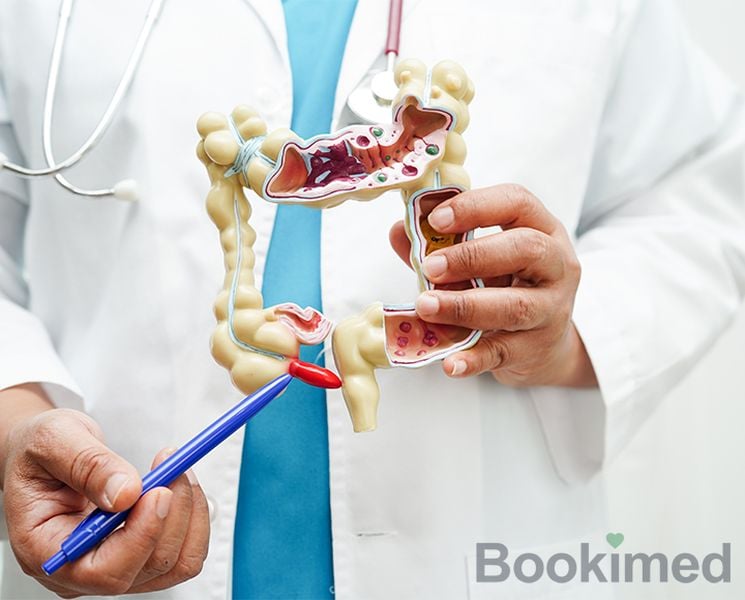
استئصال الزائدة الدودية
يتضمن هذا الإجراء الجراحي إزالة الزائدة الدودية، وعادةً ما يكون ذلك بسبب التهاب أو عدوى.
أسئلة متكررة حول إستئصال الزائدة الدودية في ألمانيا
ما هي التقنية الجراحية المعيارية الذهبية الحالية لاستئصال الزائدة الدودية في ألمانيا، وما مدى شيوعها؟
يُعد استئصال الزائدة الدودية بالمنظار هو التقنية الجراحية المعيارية الذهبية في ألمانيا، حيث يمثل أكثر من 95% من الحالات السنوية. يستخدم هذا النهج طفيف التوغل 3 شقوق صغيرة وهو المعيار لكل من التهاب الزائدة الدودية الحاد والمعقد. توفر المراكز الطبية الألمانية مثل ميونيخ وهامبورغ هذه الرعاية عالية الدقة من خلال أقسام متخصصة في الجراحة الحشوية.
- انتشار الإجراء: يقوم الجراحون بإجراء الاستئصال بالمنظار في أكثر من 95% من حالات التهاب الزائدة الدودية السنوية.
- المنهجية الجراحية: يستخدم الجراحون المنظار بمساعدة الروبوت أو الدباسات في أكثر من ثلاثة أرباع هذه العمليات.
- مدة الإقامة بالمستشفى: يحتاج معظم المرضى إلى يوم واحد إلى 3 أيام فقط من الإقامة في المستشفى بعد الجراحة.
- المعيار السريري: تظل الجراحة المفتوحة خيارًا احتياطيًا فقط للمضاعفات الشديدة أو التحويلات التشريحية الصعبة.
رؤية خبير Bookimed: على الرغم من أن الجراحة بالمنظار عالمية في ألمانيا، إلا أن اختيار العيادة يؤثر على بيئة التعافي الخاصة بك. تدير المراكز الكبيرة مثل مستشفى جامعة هيليوس فوبرتال 150,000 مريض سنويًا، مما يوفر خبرة سريرية هائلة. ومع ذلك، تتخصص مراكز معتمدة أصغر مثل سولينغن في الجراحة الحشوية وغالبًا ما توفر مراقبة أكثر تخصيصًا بعد الجراحة للمرضى الدوليين.
إجماع المرضى: يبلغ المرضى بشكل متكرر أن ألم طرف الكتف الناتج عن الغاز الجراحي أكثر وضوحًا من عدم الراحة في مكان الشق. يقدر معظم المرضى العودة إلى المنزل في غضون 48 ساعة والحد الأدنى من الندوب المرتبطة
ما هي المخاطر الشائعة لاستئصال الزائدة الدودية في ألمانيا؟
استئصال الزائدة الدودية في ألمانيا هو جراحة روتينية بنسبة نجاح تصل إلى 99%. على الرغم من أنها آمنة، قد يواجه المرضى مخاطر مثل التهابات الجروح، أو الخراجات داخل البطن، أو التهاب الصفاق، خاصة إذا كانت الزائدة الدودية قد انثقبت. تعمل العيادات الألمانية على تخفيف هذه المخاطر من خلال تقنيات المنظار وبروتوكولات السلامة الصارمة المعتمدة من قبل TÜV وISO.
- خطر الإصابة بالعدوى: احمرار أو تورم الجرح، وهو أمر مرجح بشكل خاص إذا انفجرت الزائدة الدودية قبل التدخل الجراحي.
- الخراج الداخلي: خطر ضئيل لتجمع السوائل في البطن يتطلب تصريفاً أو مضادات حيوية.
- مضاعفات التخدير: مشاكل التخدير العام مثل الغثيان أو الدوار تحدث في 1-2% من الحالات.
- انسداد الأمعاء: قد تتطور حالات نادرة من انسداد الأمعاء أو الالتصاقات خلال فترة التعافي طويلة الأمد.
- إصابة الأعضاء: خطر منخفض لحدوث ضرر عرضي للهياكل البطنية المجاورة أثناء الإجراء.
رؤية خبير بوكيميد: تميز المراكز الطبية الألمانية مثل مستشفى هيليوس الجامعي في فوبرتال وعيادة "نوردويست" المخاطر حسب العمر. تظهر البيانات أن الأطفال الذين تتراوح أعمارهم بين 1-12 عاماً يحققون نتائج أفضل في أقسام جراحة الأطفال المتخصصة. يستفيد المراهقون والبالغون أكثر من مراكز الجراحة العامة التي تستخدم الموجات فوق الصوتية ثلاثية الأبعاد لتحديد مرحلة المرض بدقة قبل الجراحة.
إجماع المرضى: يؤكد المرضى أن تأخير الجراحة هو الخطر الأكبر، لأنه يؤدي إلى الانثقاب. يبلغ المرضى بشكل عام عن تعافي سلس عند اختيار
كم سأبقى في المستشفى بعد استئصال الزائدة الدودية بالمنظار دون مضاعفات في ألمانيا؟
تتراوح فترات الإقامة القياسية في المستشفى لاستئصال الزائدة الدودية بالمنظار دون مضاعفات في ألمانيا بين يوم واحد ويومين. يخضع معظم المرضى للإجراء الروتيني ويبقون للمراقبة طوال الليل. عادةً ما يسمح الجراحون بالمغادرة بمجرد قدرة المريض على تحمل السوائل، والتحكم في الألم بالأدوية الفموية، والمشي بشكل مستقل.
- الإقامة الروتينية: يبقى معظم المرضى ليلة واحدة لمراقبة المضاعفات الفورية بعد الجراحة.
- معايير الخروج: يشترط الأطباء علامات حيوية طبيعية، ونجاح التبول، ووظيفة هضمية مستقرة.
- طفيفة التوغل: تقلل تقنيات المنظار في مراكز مثل عيادة "نوردويست" من وقت التعافي الإلزامي بشكل كبير.
- بروتوكول المراقبة: تعطي المستشفيات الألمانية الأولوية للمراقبة القصيرة داخل المستشفى على الخروج في نفس اليوم لضمان السلامة.
رؤية خبير بوكيميد: بينما تميل الاتجاهات العالمية نحو الجراحة في العيادات الخارجية، تفضل العيادات الألمانية غالباً فترة مراقبة مدتها 24 ساعة. يضمن هذا النهج الوصول الفوري إلى متخصصين مثل الدكتور بيتر شينكر في المركز الطبي في سولينغن في حال ظهور أي مشاكل. غالباً ما يضمن اختيار مستشفى جامعي الحصول على معدات روبوتية متقدمة لحركات أكثر دقة.
إجماع المرضى: يقدر المرضى الإقامة الروتينية لليلة واحدة لأنها توفر الطمأنينة المهنية قبل العودة إلى المنزل. يبلغ معظم المرضى عن شعورهم بالثقة للمغادرة بعد المشي بنجاح وإدارة آلام ما بعد الجراحة الأولية.
متى يمكنني العودة إلى العمل والأنشطة العادية بعد استئصال الزائدة الدودية في ألمانيا؟
يعود المرضى عادةً إلى العمل المكتبي في غضون أسبوع إلى أسبوعين بعد استئصال الزائدة الدودية بالمنظار في ألمانيا. وتتطلب الجراحة المفتوحة عادةً من أسبوعين إلى أربعة أسابيع للتعافي. تستخدم معظم العيادات، بما في ذلك مستشفى هيليوس الجامعي في فوبرتال، تقنيات طفيفة التوغل لتسريع الشفاء وتقليل مدة الإقامة في المستشفى.
- التعافي بعد المنظار: يستأنف معظم المرضى مهامهم المكتبية والأنشطة الخفيفة في غضون 7 إلى 14 يومًا.
- الجراحة المفتوحة: يتطلب التعافي بعد الشقوق التقليدية عادةً من أسبوعين إلى أربعة أسابيع لاستئناف النشاط الكامل.
- العمل البدني: تتطلب الوظائف التي تنطوي على رفع أحمال ثقيلة أو العمل اليدوي فترة راحة من 3 إلى 6 أسابيع.
- السلامة أثناء القيادة: يمكن للمرضى القيادة بمجرد التوقف عن تناول مسكنات الألم، وعادةً ما يكون ذلك بعد أسبوع واحد من الجراحة.
رؤية خبير Bookimed: تعطي المستشفيات الجامعية الألمانية مثل هيليوس فوبرتال الأولوية للنهج بالمنظار في أكثر من 90% من عمليات استئصال الزائدة الدودية الروتينية. هذا التركيز على الجراحة طفيفة التوغل يقلل بشكل كبير من خطر الإصابة بالفتق الجراحي. كما يسمح للمرضى الدوليين بالسفر جواً إلى ديارهم بأمان في غضون 7 إلى 10 أيام.
إجماع المرضى: يجد الكثيرون أن المشي والقيام بمهام منزلية خفيفة أمر ممكن في غضون أيام قليلة. ومع ذلك، يظل الشعور بالتعب شائعًا حتى بعد زوال الألم البدني، مما يجعل العودة التدريجية إلى العمل أمرًا ضروريًا.
ماذا يحدث إذا تم تحويل إجراء التنظير البطني إلى جراحة مفتوحة؟
يحدث التحويل عندما ينتقل الجراح من نهج طفيف التوغل إلى شق مفتوح تقليدي لضمان سلامة المريض. ينشأ هذا القرار عادةً بسبب تشريح معقد، أو التهاب حاد، أو نزيف يتطلب وصولًا يدويًا مباشرًا بدلاً من الأدوات المساعدة بالكاميرا أثناء استئصال الزائدة الدودية.
- التحول الجراحي: يستبدل الجراحون الثقوب الصغيرة بشق جراحي أكبر (فتح البطن) للوصول المباشر إلى الأعضاء.
- المؤشرات السريرية: تؤدي الالتصاقات القوية أو الاختلافات التشريحية أو النزيف غير المتوقع غالبًا إلى التحول الفوري.
- تأثير المريض: توقع فترات جراحية أطول، وفقدان دم أكبر، وإمكانيات أعلى لإصابة الجرح بالعدوى.
- تغيرات التعافي: تمتد فترة الإقامة في المستشفى لأكثر من 1-2 يوم المعتادة المطلوبة لحالات التنظير البطني.
رأي خبير Bookimed: تبلغ المراكز الألمانية مثل المركز الطبي في سولينغن وعيادة نوردويست عن أحجام كبيرة من الجراحات الحشوية، حيث تصل إلى أكثر من 60,000 مريض سنويًا. تظهر بياناتنا أن كبار الجراحين الألمان يضعون السلامة فوق السرعة. إنهم يفضلون التحول إلى الجراحة المفتوحة عندما يكون الالتهاب شديدًا جدًا بحيث لا تسمح أدوات التنظير بالتعامل معه. هذا الخيار الاستباقي في المرافق المعتمدة يحافظ على معدلات النجاح العالية في ألمانيا على الرغم من الحالات المعقدة.
إجماع المرضى: يشير المرضى إلى الاستيقاظ بوجود علامات صغيرة للتنظير وجرح أكبر. يقترح معظمهم الاستعداد لألم أكثر حدة والحاجة إلى مساعدة إضافية في المنزل أثناء فترة التعافي الطويلة.
ما هي الأدوات الجراحية الأكثر استخدامًا لعمليات استئصال الزائدة الدودية بالمنظار في ألمانيا؟
تستخدم عملية استئصال الزائدة الدودية بالمنظار في ألمانيا تقنيات تصوير عالية الدقة وأدوات متخصصة للوصول طفيف التوغل. تشمل الأدوات الرئيسية منظار البطن بزاوية 30 درجة للحصول على رؤية مثالية للبطن، وثلاثة مبازل قياسية، وملاقط بابكوك. كما تستخدم العيادات الألمانية بشكل متكرر مشارط هارمونيك وحلقات إندولووب للربط الآمن للقاعدة.
- معدات التصوير: يوفر منظار البطن بقطر 10 مم وزاوية 30 درجة رؤية فائقة أثناء تشريح الزائدة الدودية.
- الوصول عبر المنافذ: يستخدم الجراحون مبزلًا سريًا بقطر 10 مم ومنفذين بقطر 5 مم.
- معالجة الزائدة الدودية: تقوم ملاقط بابكوك غير الرضية أو الماسكات المتخصصة بتثبيت الأنسجة الملتهبة بإحكام.
- طرق الربط: تقوم حلقات رودر المربوطة مسبقًا أو الدباسات التنظيرية بإغلاق قاعدة الزائدة الدودية بأمان.
رأي خبير Bookimed: تتحول العيادات الألمانية مثل المركز الطبي في سولينغن وهيليوس فوبرتال بسرعة نحو الأنظمة المساعدة بالروبوت. وبينما يعد التنظير البطني القياسي أمرًا شائعًا، يقوم كبار الجراحين مثل الدكتور بيتر شينكر الآن بدمج الدقة الروبوتية لتحسين التعافي. هذا الاتجاه هو الأقوى في أقسام الجراحة الحشوية الألمانية التي تركز على الأورام والالتهابات المعقدة.
ما نوع التخدير المستخدم في جراحة استئصال الزائدة الدودية في ألمانيا؟
تُجرى عمليات استئصال الزائدة الدودية في ألمانيا تحت التخدير العام كمعيار سريري. هذا النهج مطلوب للجراحة بالمنظار، وهي التقنية الأكثر شيوعاً المستخدمة في المستشفيات الألمانية. يتلقى المرضى مهدئات عن طريق الوريد وتنبيباً رغامياً لضمان السلامة والراحة أثناء الإجراء طفيف التوغل.
- النهج القياسي: يسمح التخدير العام بالتنفس الخاضع للسيطرة واسترخاء العضلات أثناء تنظير البطن.
- التركيز على الجراحة طفيفة التوغل: تتخصص عيادات مثل المركز الطبي في سولينغن في طرق تنظير البطن الحديثة.
- الخيارات البديلة: لا يزال التخدير الشوكي خياراً عرضياً لحالات جراحية مفتوحة محددة.
- الرعاية المحيطة بالجراحة: عادةً ما تقوم الفرق الطبية بإعطاء مهدئات عن طريق الوريد أو مسكنات الألم قبل التحريض.
رؤية خبير Bookimed: تؤكد العيادات الألمانية على الخبرة الجراحية ذات الحجم الكبير لضمان السلامة. على سبيل المثال، يتعامل مستشفى هيليوس الجامعي في فوبرتال مع 150,000 مريض سنوياً. يسمح هذا النطاق الضخم للفرق الجراحية بتحسين بروتوكولات التخدير، مما يؤدي إلى نتائج متوقعة للغاية ومراحل تعافي مبسطة في مرافقهم التي تضم أكثر من 1,000 سرير.
إجماع المرضى: يبلغ معظم المرضى عن تجربة سلسة حيث ينامون بسرعة دون أي ذكريات عن الجراحة. تذكر التعليقات الشائعة الشعور بالخمول المؤقت أو التهاب طفيف في الحلق بسبب أنبوب التنفس بعد الاستيقاظ.
ما هي المستشفيات في ألمانيا التي تحظى بأعلى التقييمات في جراحة الأعصاب؟
تضم ألمانيا بعضًا من أرقى أقسام جراحة الأعصاب في العالم، بقيادة مستشفى شاريتيه الجامعي في برلين ومستشفى جامعة هايدلبرغ. وتتميز هذه المراكز بخبرتها الواسعة في علاج أورام الدماغ المعقدة وأمراض الأوعية الدموية الدماغية. ولتحقيق أقصى قدر من الفعالية في عملياتها، تستخدم هذه المراكز أحدث التقنيات، مثل التصوير بالرنين المغناطيسي أثناء الجراحة والتوجيه العصبي بمساعدة الحاسوب.
- مستشفى شاريتيه برلين: يُجري أكثر من 5000 عملية جراحية سنوياً. ويرأس العيادة جراح الأعصاب الشهير الدكتور بيتر فايكوتشي.
- المركز الطبي في سولينجن: أجرى الدكتور رالف بوهل أكثر من 4000 عملية جراحية، بما في ذلك جراحات العمود الفقري طفيفة التوغل.
- عيادة أسكليبيوس نورد: مجهزة بنظام التصوير بالرنين المغناطيسي الثنائي الوحيد في ألمانيا أثناء الجراحة لضمان الدقة الجراحية في الوقت الحقيقي أثناء إزالة الورم.
- عيادة نوردويست: تم الاعتراف بها من قبل مجلة نيوزويك كمستشفى رائد في مجال الابتكار في تكنولوجيا الموجات فوق الصوتية ثلاثية الأبعاد.
رأي خبراء بوكيمد: تشير البيانات إلى أن اختيار المراكز ذات الحجم الجراحي الكبير غالبًا ما يؤدي إلى توصيات علاجية أكثر تحفظًا. ففي مركز سولينجن الطبي، الذي يعالج أكثر من 60,000 مريض
ما هي نسب نجاح العمليات الجراحية العصبية المعقدة في ألمانيا؟
في ألمانيا، تتميز العمليات الجراحية العصبية بالغة التعقيد بمستوى أمان استثنائي. تصل نسبة نجاح عمليات دمج الفقرات إلى 99%، بينما تبلغ نسبة النجاة بعد استئصال أورام الدماغ الأولية 97%. كما يتمتع المرضى بقدرة عالية على الاعتماد على أنفسهم في أداء وظائفهم اليومية، حيث يغادر أكثر من 82% منهم المستشفى مباشرةً بعد العلاج. وتولي المراكز الألمانية اهتماماً بالغاً بالحفاظ على الوظائف العصبية باستخدام أحدث تقنيات التخطيط العصبي.
- استئصال الورم: يحقق الجراحون استئصالًا كاملاً للورم في 87.2% من حالات النقائل الدماغية.
- النجاح في علاج أمراض الأوعية الدموية: أفادت المستشفيات الألمانية بنسبة نجاة بلغت 98.7% لحالات تمدد الأوعية الدموية غير الممزقة.
- تحسن الحالة العصبية: يشهد ما يقرب من 43% من المرضى تحسناً في المعايير الوظيفية بعد عمليات الاستئصال المعقدة.
- سلامة التدخلات الجراحية: في المراكز الجراحية الكبيرة، تتراوح معدلات بقاء المرضى على قيد الحياة بعد جراحة العمود الفقري بين 98-99%.
رأي خبراء بوكيمد: يُجري جراحون ذوو خبرة، مثل الدكتور أوفه كولر من عيادة أسكليبيوس ألتونا، أكثر من 2000 عملية جراحية سنويًا. تُشير البيانات إلى أن هؤلاء المتخصصين يحافظون على معدلات نجاح تصل إلى 90%، حتى
ما هي التقنيات المتقدمة المتوفرة عادةً في عيادات جراحة الأعصاب الألمانية؟
تُدخل عيادات جراحة الأعصاب الألمانية بانتظام أدوات رقمية عالية الدقة وتقنيات تصوير فوري في الممارسة الجراحية. تشمل التقنيات الرئيسية الملاحة العصبية الحاسوبية لجراحات الدماغ والحبل الشوكي. تستخدم مؤسسات مثل عيادة أسكليبيوس نورد التصوير بالرنين المغناطيسي أثناء الجراحة للتحقق من استئصال الورم في الوقت الفعلي. توفر هذه الأنظمة للجراحين نظام ملاحة ثلاثي الأبعاد.
- الملاحة العصبية: توفر تصورًا ثلاثي الأبعاد وتتبعًا فوريًا للأدوات لتحقيق دقة جراحية تصل إلى مستوى أقل من المليمتر.
- التصوير أثناء العملية: تسمح أنظمة مثل التصوير بالرنين المغناطيسي أثناء العملية (iMRI) والتصوير المقطعي المحوسب ذي الذراع O (O-arm CT) بالتأكيد الفوري على نجاح عملية الاستئصال.
- المراقبة العصبية: تراقب الوظائف الحركية والحسية أثناء الجراحة لحماية الجهاز العصبي.
- التشخيص الفلوري: يتم استخدام صبغة 5-ALA لتسليط الضوء على حدود الورم من أجل إزالته بشكل أكثر اكتمالاً.
- المساعدة الروبوتية: تعمل أنظمة مثل نظام دافنشي على تحسين الدقة في الإجراءات المعقدة ذات التدخل الجراحي البسيط.
رأي خبراء بوكيمد: تُجري مراكز طبية كبيرة، مثل مستشفى شاريتيه الج