علاج التهاب المثانة في ألمانيا — احصل على 3 عيادات مختارة خصيصاً لك


تمت مراجعة المقالة طبيا من قبل
فهد مولود
كيف نعمل؟
ما هي تكلفة التهاب المثانة إجراءات التشخيص والعلاج في ألمانيا؟ اعرف الآن
تعتمد تكلفة علاج التهاب المثانة في ألمانيا بشكل عام على ما إذا كانت الحالة حادة أم مزمنة. من $60. تختلف النفقات الإجمالية بناءً على فئة العيادة والحاجة إلى دخول المستشفى. غالبًا ما يجد المرضى رعاية عالية الجودة في المراكز الطبية الكبرى مثل هامبورغ، وسولينغن، وفرانكفورت أم ماين.
تكاليف علاج التهاب المثانة النموذجية في ألمانيا
- تعداد الدم الكامل: من $60
- استشارة طبيب مسالك بولية: من $180
- استشارة طبيب نساء: من $160
- العلاج الدوائي لالتهاب المثانة: السعر عند الطلب
رؤية خبراء Bookimed: بالنسبة للحالات المزمنة أو المعقدة، توفر المراكز التابعة للجامعات رعاية شاملة في مجال المسالك البولية. يقدم المركز الطبي في سولينغن خبرة متخصصة من خلال كبيرة الأطباء سيفيرين إيبورا، الحاصلة على شهادات مزدوجة في طب المسالك البولية النسائية. وهذا مثالي للمرضى الذين يعانون من عدوى متكررة ويحتاجون إلى تقييم متعدد التخصصات. تخدم الشبكات الكبرى مثل مستشفى أسكليبيوس بارمبيك أكثر من 80,000 مريض سنويًا، مما يوفر سلامة قياسية وعالية المستوى للعلاجات الحادة الروتينية.
اكتشف أفضل التهاب المثانة العيادات في ألمانيا: 12 خيارات معتمدة والأسعار









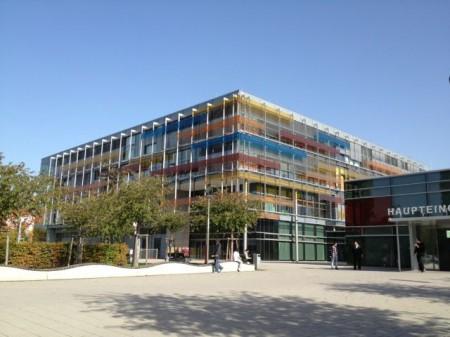
University Hospital in Haydelberge

Hospital in the Pfeiffer`s foundations




احصلوا على تقييم طبي لـ التهاب المثانة في ألمانيا: استشيروا أطباء ذوي خبرة الآن
عرض جميع الأطباء
Séverine Iborra
تقود الدكتورة سيفيرين إيبورا قسم أمراض النساء في مستشفى Städtisches Klinikum Solingen، مع تدريب متخصص في طب المسالك البولية النسائية وجراحة ترميم الحوض.
- حاصلة على شهادة في طب المسالك البولية النسائية من الرابطة المهنية لأطباء النساء
- خبيرة في العلاجات طفيفة التوغل لاضطرابات قاع الحوض
- عضو نشط في الجمعيات النسائية الألمانية الرائدة
- أبحاث ومنشورات مكثفة في مجال أورام النساء
مشاركة المحتوى
قصص فيديو من مرضى Bookimed
 Anna Leonova
أسئلة متكررة حول علاج التهاب المثانة في ألمانيا
ما هي المضادات الحيوية الموصى بها رسمياً لالتهاب المثانة الحاد غير المصحوب بمضاعفات في ألمانيا؟
توصي المبادئ التوجيهية الألمانية S3 بخمسة مضادات حيوية كخط علاج أول لالتهاب المثانة الحاد غير المصحوب بمضاعفات. وتشمل هذه فوسفوميسين-تروميتامول، ونيتروفورانتوين، ونيتروكسولين، وبيفميسيلينام، وتريميثوبريم. يعطي المتخصصون في مراكز مثل مجمع عيادات شمال الراين-وستفاليا الأولوية لهذه الخيارات لتقليل التأثير على الميكروبيوم وإدارة مقاومة المضادات الحيوية بفعالية في جميع أنحاء ألمانيا.
- فوسفوميسين-تروميتامول: يُعطى كجرعة واحدة 3000 مجم لضمان التزام المريض.
- نيتروفورانتوين: يُوصف بجرعة 100 مجم مرتين يومياً لمدة 5 أيام.
- نيتروكسولين: يُؤخذ بجرعة 250 مجم ثلاث مرات يومياً لمدة 5 أيام إجمالاً.
- بيفميسيلينام: نظام علاجي لمدة 3 أيام يتكون من 400 مجم مرتين إلى ثلاث مرات يومياً.
- تريميثوبريم: يُستخدم فقط عندما تظل مقاومة بكتيريا الإشريكية القولونية المحلية مؤكدة بأقل من 20%.
رؤية خبير Bookimed: على الرغم من أن قوائم المبادئ التوجيهية موحدة، إلا أن الاختيار غالباً ما يعتمد على حجم العمل في قسم المستشفى. تعالج المراكز الكبيرة مثل مستشفى جامعة دريسدن أكثر من 330,000 مريض سنوياً. وغالباً ما يكون لديهم بيانات مقاومة محلية في الوقت الفعلي. وهذا يساعد الأطباء على اختيار تريميثوبريم بأمان أو الانتقال مباشرة إلى بيفميسيلينام.
إجماع المرضى: يلاحظ المرضى أن الأطباء الألمان غالباً ما يطلبون مزرعة بول قبل وصف العلاج. يقترح الكثيرون استخدام وسادات التدفئة وشرب الكثير من السوائل أثناء انتظار نتائج المضادات الحيوية.
هل يمكن علاج التهاب المثانة بدون مضادات حيوية في ألمانيا؟
يتم علاج التهاب المثانة في ألمانيا بشكل متكرر بدون مضادات حيوية من خلال المبادئ التوجيهية الطبية المحدثة AWMF S3. يستخدم الأطباء الألمان العلاجات العشبية وإدارة الألم للحالات الحادة وغير المعقدة. حوالي 30% إلى 50% من هذه الالتهابات تشفى في غضون أسبوع واحد دون الحاجة إلى تدخل بالمضادات الحيوية الموصوفة.
- البدائل العشبية: Canephron و Angocin هي بدائل سريرية مستخدمة على نطاق واسع في الصيدليات الألمانية.
- تخفيف الأعراض: يوصي الأطباء بمضادات الالتهاب غير الستيرويدية مثل الإيبوبروفين للسيطرة على التهاب المثانة.
- الوقاية من البكتيريا: D-Mannose هو توصية قياسية بدون وصفة طبية لمنع التصاق البكتيريا بشكل طبيعي.
- التشخيص السريري: تقوم عيادات مثل مجمع عيادات شمال الراين-وستفاليا بإجراء فحوصات الدم واستشارات المسالك البولية.
رؤية خبير Bookimed: تؤكد الثقافة الطبية الألمانية على الاستخدام الرشيد للمضادات الحيوية مقارنة بالمناطق الأخرى. في حين تظهر بيانات Bookimed أن المراكز الكبيرة مثل عيادة Nordwest أو Asklepios تركز على الأورام المعقدة، يقوم الممارسون العامون المحليون بشكل روتيني بتأجيل المضادات الحيوية لمدة 48 ساعة للأعراض الخفيفة. يجب على المرضى توقع إجراء مزرعة بول أولاً، حيث يعطي الأطباء الأولوية لتحديد الحالات غير البكتيرية التي تستجيب بشكل أفضل للترطيب والبروتوكولات العشبية.
إجماع المرضى: يشير المرضى إلى أن الأطباء الألمان غالباً ما يرفضون طلبات المضادات الحيوية الأولية. وبدلاً من ذلك، يجدون نجاحاً في إدارة الأعراض باستخدا
هل أحتاج إلى وصفة طبية لأدوية التهاب المثانة في ألمانيا؟
تتطلب المضادات الحيوية لعلاج التهاب المثانة وصفة طبية من أخصائي طبي مرخص في ألمانيا. لا يمكن للصيادلة المحليين بيعها بدون وصفة طبية. يجب على المرضى استشارة طبيب أو استخدام خدمة الطب عن بعد. ومع ذلك، تظل العلاجات العشبية للأعراض متاحة بدون وصفة طبية في الصيدليات المحلية.
- متطلبات الوصفة الطبية: تتطلب المضادات الحيوية مثل فوسفوميسين أو نيتروفورانتوين وصفة طبية بشكل صارم.
- الوصول إلى الطبيب: غالبًا ما يوفر الممارسون العامون مواعيد في نفس اليوم للأعراض البولية العاجلة.
- خيارات الطب عن بعد: يمكن للتطبيقات الألمانية المعتمدة إصدار وصفات طبية رقمية صالحة بعد الاستشارات الافتراضية.
- بدائل بدون وصفة طبية: تتوفر العلاجات العشبية وD-Mannose لتخفيف الأعراض الخفيفة دون الحاجة إلى طبيب.
رؤية خبير Bookimed: بينما توفر العديد من الصيدليات علاجات عشبية، غالبًا ما تشمل التشخيصات المتخصصة في مراكز مثل مجمع عيادات شمال الراين-وستفاليا أو Meoclinic استشارات مع أطباء المسالك البولية وأمراض النساء. تظهر بياناتنا أن حزم الأدوية الشاملة لالتهاب المثانة في ألمانيا قد تكلف ما يقرب من 150 إلى 300 دولار. غالبًا ما يغطي هذا الزيارة الأولية للأخصائي والعمل المخبري اللازم لضمان اختيار المضاد الحيوي الصحيح على الفور.
إجماع المرضى: يشير المرضى إلى أن الحصول على موعد في نفس اليوم مع ممارس عام عادة ما يكون مباشرًا عند الإبلاغ عن الألم. يجد الكثيرون أن الصيادلة الألمان يوصون بشكل استباقي بمنتجات عشبية مثل Canephron مع تقديم المشورة بشأن ما إذا كانت الزي
متى يجب أن أرى طبيب مسالك بولية أو طبيب نساء بدلاً من طبيب عام؟
راجع متخصصاً في ألمانيا إذا أصبح التهاب المثانة مزمناً أو أصاب الرجال. يدير الأطباء العامون العدوى المعزولة بفعالية. انتقل إلى طبيب مسالك بولية في حالات تكرار الإصابة أو وجود دم في البول. ابحث عن طبيب نساء إذا كانت الأعراض مرتبطة بتغيرات هرمونية أو نشاط جنسي. يضمن المتخصصون تشخيصات مفصلة مثل التصوير.
- معايير المسالك البولية: قم بالزيارة في حالة وجود 3 إصابات أو أكثر سنوياً أو التهاب المثانة لدى الرجال.
- معايير أمراض النساء: استشر الطبيب للأعراض المرتبطة بانقطاع الطمث أو وسائل منع الحمل.
- طرق التشخيص: يوفر المتخصصون تنظير المثانة، والموجات فوق الصوتية الموجهة، والمزارع التفصيلية.
- دور الطبيب العام: تتولى الرعاية الأولية وصفات المضادات الحيوية القياسية والفرز الأولي.
رؤية خبير Bookimed: تدمج المراكز الطبية الألمانية مثل مجمع عيادات شمال الراين-وستفاليا بين المسالك البولية وأمراض النساء لعلاج الحالات المعقدة. تظهر البيانات أن الأقسام المتخصصة تجري أكثر من 45,000 علاج داخلي سنوياً. تعتبر مراكز طب المسالك البولية النسائية المتكاملة مثالية لالتهاب المثانة المزمن. تمتلك الدكتورة سيفيرين إيبورا في المركز الطبي في سولينغن خبرة مزدوجة في هذه المجالات. غالباً ما يكشف هذا النهج المشترك عن أسباب تشريحية قد يغفل عنها الأطباء العامون أثناء الفحوصات الروتينية.
إجماع المرضى: يشير المرضى إلى أن الاحتفاظ بمذكرات مفصلة للأعراض يساعد في تأمين إحالات المتخصصين المعتمدة من التأمين بشكل أسرع. ينصح الكثيرون بالإصرار مع الأطباء العامين إذا عا
كيف يمكن الوقاية من التهاب المثانة المتكرر وفقاً للممارسة الألمانية؟
تتبع الممارسة الطبية الألمانية إرشادات S3 للوقاية من التهاب المثانة المتكرر من خلال إعطاء الأولوية للاستراتيجيات غير المضادة للمضادات الحيوية. يبدأ العلاج بتغييرات سلوكية مثل زيادة تناول السوائل والتبول بعد الجماع. إذا استمرت العدوى، يستخدم الأطباء الوقاية المناعية أو D-mannose لمنع التصاق البكتيريا بجدار المثانة.
- التعديلات السلوكية: شرب أكثر من 1.5 لتر يومياً وضمان التبول الفوري بعد الجماع.
- الوقاية المناعية: تعتبر محاليل E. coli الفموية مثل OM-89 توصيات سريرية من الدرجة الأولى.
- المكملات البيولوجية: يمنع D-mannose اليومي البكتيريا من الالتصاق بالمسالك البولية.
- الخبرة المتخصصة: يقوم أطباء المسالك البولية وأمراض النساء في المراكز المعتمدة من JCI بتنسيق خطط الوقاية طويلة المدى.
رؤية خبير Bookimed: تشمل العيادات الألمانية مثل المركز الطبي في سولينغن كلاً من تخصص المسالك البولية وأمراض النساء للتعامل مع التكرار. تتخصص الدكتورة سيفيرين إيبورا في طب المسالك البولية النسائي لمعالجة مشاكل الحوض الكامنة. يساعد هذا النهج مزدوج التخصص في تحديد ما إذا كانت العوامل التشريحية تسبب معدل التكرار البالغ 25% الذي يظهر في الحالات المزمنة.
إجماع المرضى: يشير المرضى إلى أن تناول 1-2 جرام من D-mannose يومياً يغير قواعد اللعبة للبقاء خالياً من العدوى. يؤكد الكثيرون أن التحول إلى الملابس الداخلية القطنية وتجنب الصابون المعطر ضروري للراحة على المدى الطويل.
ما هي المستشفيات في ألمانيا التي تحظى بأعلى التقييمات في جراحة الأعصاب؟
تضم ألمانيا بعضًا من أرقى أقسام جراحة الأعصاب في العالم، بقيادة مستشفى شاريتيه الجامعي في برلين ومستشفى جامعة هايدلبرغ. وتتميز هذه المراكز بخبرتها الواسعة في علاج أورام الدماغ المعقدة وأمراض الأوعية الدموية الدماغية. ولتحقيق أقصى قدر من الفعالية في عملياتها، تستخدم هذه المراكز أحدث التقنيات، مثل التصوير بالرنين المغناطيسي أثناء الجراحة والتوجيه العصبي بمساعدة الحاسوب.
- مستشفى شاريتيه برلين: يُجري أكثر من 5000 عملية جراحية سنوياً. ويرأس العيادة جراح الأعصاب الشهير الدكتور بيتر فايكوتشي.
- المركز الطبي في سولينجن: أجرى الدكتور رالف بوهل أكثر من 4000 عملية جراحية، بما في ذلك جراحات العمود الفقري طفيفة التوغل.
- عيادة أسكليبيوس نورد: مجهزة بنظام التصوير بالرنين المغناطيسي الثنائي الوحيد في ألمانيا أثناء الجراحة لضمان الدقة الجراحية في الوقت الحقيقي أثناء إزالة الورم.
- عيادة نوردويست: تم الاعتراف بها من قبل مجلة نيوزويك كمستشفى رائد في مجال الابتكار في تكنولوجيا الموجات فوق الصوتية ثلاثية الأبعاد.
رأي خبراء بوكيمد: تشير البيانات إلى أن اختيار المراكز ذات الحجم الجراحي الكبير غالبًا ما يؤدي إلى توصيات علاجية أكثر تحفظًا. ففي مركز سولينجن الطبي، الذي يعالج أكثر من 60,000 مريض
ما هي نسب نجاح العمليات الجراحية العصبية المعقدة في ألمانيا؟
في ألمانيا، تتميز العمليات الجراحية العصبية بالغة التعقيد بمستوى أمان استثنائي. تصل نسبة نجاح عمليات دمج الفقرات إلى 99%، بينما تبلغ نسبة النجاة بعد استئصال أورام الدماغ الأولية 97%. كما يتمتع المرضى بقدرة عالية على الاعتماد على أنفسهم في أداء وظائفهم اليومية، حيث يغادر أكثر من 82% منهم المستشفى مباشرةً بعد العلاج. وتولي المراكز الألمانية اهتماماً بالغاً بالحفاظ على الوظائف العصبية باستخدام أحدث تقنيات التخطيط العصبي.
- استئصال الورم: يحقق الجراحون استئصالًا كاملاً للورم في 87.2% من حالات النقائل الدماغية.
- النجاح في علاج أمراض الأوعية الدموية: أفادت المستشفيات الألمانية بنسبة نجاة بلغت 98.7% لحالات تمدد الأوعية الدموية غير الممزقة.
- تحسن الحالة العصبية: يشهد ما يقرب من 43% من المرضى تحسناً في المعايير الوظيفية بعد عمليات الاستئصال المعقدة.
- سلامة التدخلات الجراحية: في المراكز الجراحية الكبيرة، تتراوح معدلات بقاء المرضى على قيد الحياة بعد جراحة العمود الفقري بين 98-99%.
رأي خبراء بوكيمد: يُجري جراحون ذوو خبرة، مثل الدكتور أوفه كولر من عيادة أسكليبيوس ألتونا، أكثر من 2000 عملية جراحية سنويًا. تُشير البيانات إلى أن هؤلاء المتخصصين يحافظون على معدلات نجاح تصل إلى 90%، حتى
ما هي التقنيات المتقدمة المتوفرة عادةً في عيادات جراحة الأعصاب الألمانية؟
تُدخل عيادات جراحة الأعصاب الألمانية بانتظام أدوات رقمية عالية الدقة وتقنيات تصوير فوري في الممارسة الجراحية. تشمل التقنيات الرئيسية الملاحة العصبية الحاسوبية لجراحات الدماغ والحبل الشوكي. تستخدم مؤسسات مثل عيادة أسكليبيوس نورد التصوير بالرنين المغناطيسي أثناء الجراحة للتحقق من استئصال الورم في الوقت الفعلي. توفر هذه الأنظمة للجراحين نظام ملاحة ثلاثي الأبعاد.
- الملاحة العصبية: توفر تصورًا ثلاثي الأبعاد وتتبعًا فوريًا للأدوات لتحقيق دقة جراحية تصل إلى مستوى أقل من المليمتر.
- التصوير أثناء العملية: تسمح أنظمة مثل التصوير بالرنين المغناطيسي أثناء العملية (iMRI) والتصوير المقطعي المحوسب ذي الذراع O (O-arm CT) بالتأكيد الفوري على نجاح عملية الاستئصال.
- المراقبة العصبية: تراقب الوظائف الحركية والحسية أثناء الجراحة لحماية الجهاز العصبي.
- التشخيص الفلوري: يتم استخدام صبغة 5-ALA لتسليط الضوء على حدود الورم من أجل إزالته بشكل أكثر اكتمالاً.
- المساعدة الروبوتية: تعمل أنظمة مثل نظام دافنشي على تحسين الدقة في الإجراءات المعقدة ذات التدخل الجراحي البسيط.
رأي خبراء بوكيمد: تُجري مراكز طبية كبيرة، مثل مستشفى شاريتيه الج
ما هي التدريبات المتخصصة التي يتلقاها جراحو الأعصاب الممارسون في ألمانيا؟
في ألمانيا، يتعين على جراحي الأعصاب إكمال برنامج إقامة تخصصي لمدة ست سنوات بعد التخرج من كلية الطب. يشمل هذا البرنامج المنظم العناية المركزة، والتدريب السريري، وكتابة مقالات في مجلة جراحية إلزامية. بعد ذلك، يجتاز المرشحون امتحانًا حكوميًا للحصول على لقب طبيب مقيم (Facharzt für Neurochirurgie).
- الإقامة السريرية: تتطلب من 48 إلى 72 شهرًا من الممارسة المتخصصة في جراحة الأعصاب.
- العناية المركزة: تتضمن فترة تدريب إلزامية لمدة 6 أشهر في وحدة العناية المركزة لجراحة الأعصاب.
- المجلة الجراحية: يوثق الجراحون مئات العمليات الجراحية، بما في ذلك عمليات فتح الجمجمة وجراحات العمود الفقري.
- امتحان الترخيص: يجب على المتقدمين اجتياز امتحان طبي شفوي وعملي تديره الدولة.
رأي خبراء بوكيميد: يركز التدريب الألماني في جراحة الأعصاب على الخبرة الجراحية الواسعة. فعلى سبيل المثال، أجرى الدكتور رالف بول من المركز الطبي في سولينجن أكثر من 4000 عملية جراحية. ويتمتع الدكتور يورغن كيويت من مستشفى ميوكلينيك بخبرة تزيد عن 25 عامًا. يضمن هذا النظام الدقيق أن يتعامل المتخصصون في المراكز الكبرى مع الحالات المعقدة بدقة مثبتة.
آراء المرضى: يشع
ما هي متطلبات اللغة والترخيص المطلوبة للجراحين الأجانب الراغبين في التدرب أو مراقبة العمليات الجراحية العصبية في ألمانيا؟
يجب على جراحي الأعصاب الأجانب استيفاء متطلبات لغوية وترخيصية صارمة للالتحاق بالتدريب أو فترة التدريب العملي في ألمانيا. يتطلب التدريب رخصة طبية سارية أو تصريحًا مؤقتًا. أما المتدربون، فيجب عليهم الحصول على إذن من مستشفى محدد. ويتطلب كلا الخيارين إتقانًا عاليًا للغة الألمانية للمشاركة في المناقشات السريرية وإجراء العمليات الجراحية المعقدة بأمان.
- المهارات اللغوية: مطلوب مستوى عام في اللغة الألمانية B2 ومستوى في اللغة الطبية C1 (Fachsprachprüfung) للتدريب السريري.
- الترخيص السريري: يحتاج الجراحون إلى تصريح لممارسة دائمة (Approbation) أو تصريح مهني (Berufserlaubnis) للتدريب الداخلي المؤقت الخاضع للإشراف.
- حالة المراقبة: يسمح دخول المستشفى بمراقبة العمليات الجراحية دون تحمل المسؤولية الطبية أو الحصول على ترخيص رسمي.
- تقييم المؤهلات: غالباً ما يتعين على خريجي الطب من خارج الاتحاد الأوروبي الخضوع لعملية التحقق من صحة الشهادة في غضون 3-6 أشهر.
رأي خبراء بوكيمد: غالبًا ما تُعطي العيادات الألمانية ذات الأعداد الكبيرة من المرضى، مثل عيادة نوردويست أو أسكليبيوس نورد، الأولوية للمرشحين الذين خضعوا بالفعل لتقييم أولي للوثائق. تُظهر بياناتنا أن أساتذة مثل الدكتور أوفه كولر والدكتور