علاج التهاب الجذور والأعصاب المتعدد في الصين — احصل على 3 عيادات مختارة خصيصاً لك


تمت مراجعة المقالة طبيا من قبل
فهد مولود
كيف نعمل؟
ما هي تكلفة التهاب الجذور والأعصاب المتعدد إجراءات التشخيص والعلاج في الصين؟ اعرف الآن
| الصين | تركيا | إسبانيا | |
|---|---|---|---|
| تبادل البلازما | ≈ $2,400 | ≈ $3,900 | ≈ $2,400 |
| الفصل العلاجي للدم | ≈ $900 | من $4,500 | ≈ $1,400 |
| البلازما | ≈ $2,200 | من $3,200 | من $12,300 |
اكتشف أفضل التهاب الجذور والأعصاب المتعدد العيادات في الصين: 2 خيارات معتمدة والأسعار


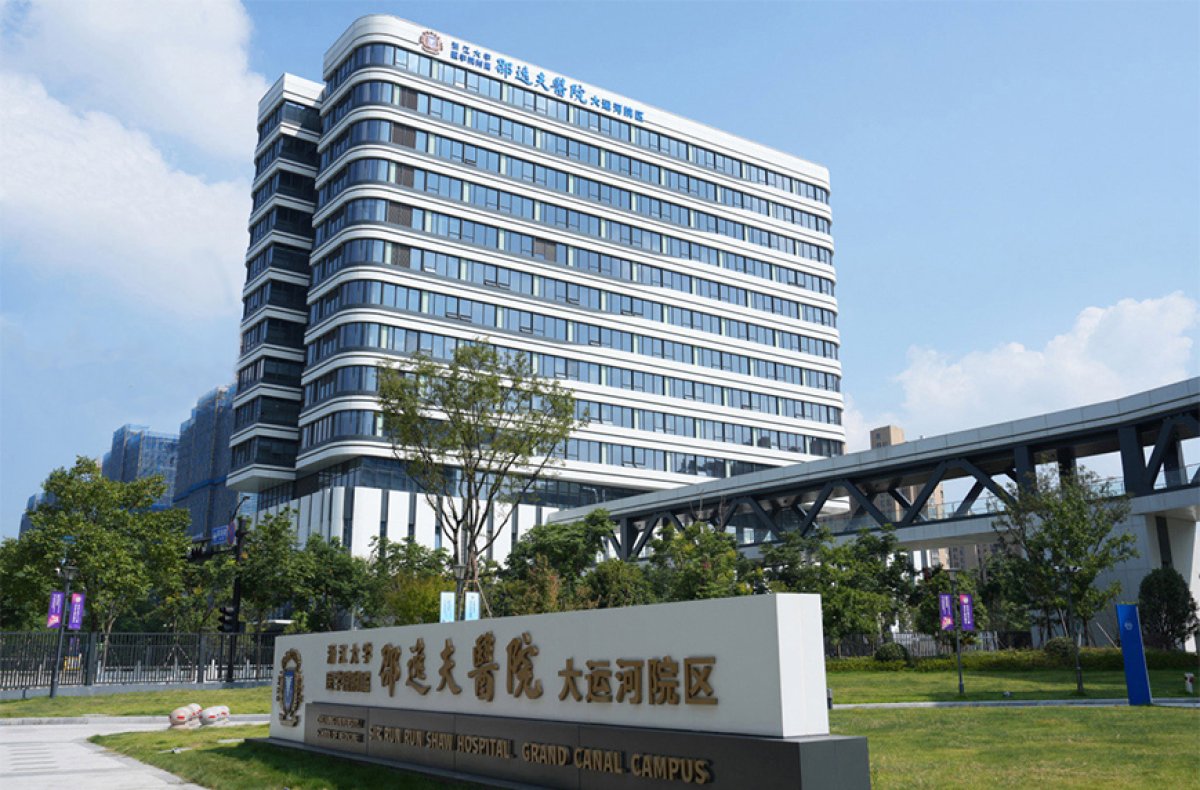
احصلوا على تقييم طبي لـ التهاب الجذور والأعصاب المتعدد في الصين: استشيروا أطباء ذوي خبرة الآن
عرض جميع الأطباء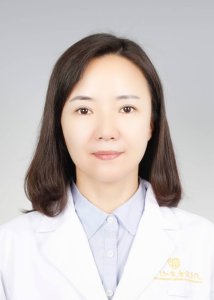
Liang Xiaoxiao
الأستاذة ليانغ شياوشياو مديرة القسم ورئيسة الأطباء في إعادة التأهيل العصبي. تحمل درجة الماجستير في طب الأعصاب. متمرسة في التعديل العصبي لاضطرابات الوعي والإدراك والحركة. يتركز عملها على حالات ناجمة عن أمراض الأوعية الدموية الدماغية، ومرض باركنسون، وحالات ذات صلة. كما تُجري حقن توكسين البوتولينوم بتوجيه الموجات فوق الصوتية لعلاج تشنج الجفن، وتشنج نصف الوجه، وتشنج الأطراف، وفرط سيلان اللعاب، وآلام الأعصاب.
الاعتمادات والمناصب: عضوة في لجان إعادة التأهيل العصبي، وإعادة تأهيل اضطرابات الإد
مشاركة المحتوى
قصص فيديو من مرضى Bookimed
 Anna Leonova
أسئلة متكررة حول علاج التهاب الجذور والأعصاب المتعدد في الصين
ما هي العلاجات القياسية الأولية لالتهاب الجذور العصبية الحاد في المستشفيات الصينية؟
في المستشفيات الصينية، تشمل العلاجات القياسية لالتهاب الجذور العصبية الحاد إعطاء الغلوبولين المناعي عن طريق الوريد وفصادة البلازما. وتبدأ المراكز المتخصصة الرائدة المعتمدة من قبل اللجنة الدولية المشتركة (JCI) هذه الإجراءات العلاجية المناعية في غضون 24 ساعة من التشخيص. وتهدف هذه البروتوكولات إلى تحييد الأجسام المضادة المسببة للمرض لمنع فشل الجهاز التنفسي وتلف الأعصاب غير القابل للعلاج.
- الغلوبولين المناعي الوريدي: الجرعة القياسية هي 0.4 غ/كغ يوميًا لمدة 5 أيام متتالية.
- Плазмаферез: В тяжелых случаях в больницах проводят от 4 до 5 процедур в течение двух недель.
- وحدة العناية المركزة العصبية: تقوم فرق وحدة العناية المركزة لحديثي الولادة بمراقبة العلامات الحيوية وإدارة تقلبات ضغط الدم في الجهاز العصبي اللاإرادي.
- العلاج العصبي التغذوي: تتضمن البروتوكولات السريرية ميكوبالامين وفيتامينات ب لتعزيز إصلاح غمد العصب.
رأي خبراء بوكيمد: بينما تركز العديد من المؤسسات على استقرار حالة المرضى في المرحلة الحادة، توفر عيادات المستوى الثالث المعتمدة من الفئة (أ) مثل مستشفى جاندا الدولي ميزةً واضحةً من خلال دمج بروتوكولات اللجنة الدولية المشتركة (JCI) مع أقسام إعادة التأهيل المتخصصة.
كيفية علاج الفشل التنفسي في التهاب الجذور العصبية المتعدد الذي يؤثر على التنفس؟
يتطلب الفشل التنفسي المصاحب لالتهاب الجذور العصبية المتعدد مراقبة دقيقة في وحدة العناية المركزة ودعمًا ميكانيكيًا. يهدف العلاج إلى استقرار التنفس مع معالجة التهاب الأعصاب في الوقت نفسه. يُعطي الأطباء الأولوية للتنبيب المبكر عند انخفاض سعة الرئة، إذ يمنع هذا النهج توقف القلب المفاجئ ويحمي مجرى الهواء من الاستنشاق.
- مراقبة وحدة العناية المركزة: تقوم الفرق الطبية بمراقبة السعة الحيوية القسرية وقوة العضلات.
- التهوية الاصطناعية: تتولى أجهزة التنفس الاصطناعي وظيفة التنفس من خلال أنابيب القصبة الهوائية أو فغر الرغامي.
- حماية مجرى الهواء: يمكن أن يساعد شفط المخاط بشكل متكرر واستخدام أدوات السعال في الوقاية من الالتهاب الرئوي.
- العلاج المناعي: تعمل عملية فصل البلازما أو تبادل البلازما على إزالة الأجسام المضادة الضارة، مما يمنع تلف الأعصاب.
رأي خبراء بوكيمد: مستشفى ياندا الدولي في بكين هو مستشفى من الفئة أ المستوى الثالث، وهو أعلى مستوى في الصين. تجمع هذه المستشفيات بين الرعاية العصبية الحرجة عالية الجودة وإعادة التأهيل المتقدمة. وبفضل سعتها البالغة 3000 سرير، تُعد هذه المراكز أكثر تجهيزًا للتعامل مع حالات الفطام المعقدة عن أجهزة التنفس الاصطناعي مقارنةً بالعيادات الأصغر. غالبً
ما هو دور الطب الصيني التقليدي في علاج التهاب الجذور العصبية المتعدد؟
يُستخدم الطب الصيني التقليدي كعلاج مساعد لالتهاب الجذور العصبية المتعدد خلال مراحل التعافي والتأهيل المزمن. ويهدف إلى استعادة وظيفة الأعصاب وتخفيف الألم بعد أن تعمل طرق العلاج المناعي الغربية، مثل الغلوبولين المناعي الوريدي، على تثبيت الاستجابة المناعية. ويتم دمج الطب الصيني التقليدي بشكل أساسي في أقسام الأعصاب والتأهيل المتخصصة.
- تسلسل المراحل: الطب الغربي يوقف الالتهاب الحاد، بينما يعزز الطب الصيني التقليدي استعادة الجهاز العصبي العضلي على المدى الطويل.
- تحفيز الوخز بالإبر: تعمل الإبر الدقيقة على تنشيط العوامل العصبية التي تعزز تجديد المحاور العصبية وتحسن الدورة الدموية.
- مغلي الأعشاب: تركيبات خاصة مثل Huangqi Guizhi Wuwu تساعد في علاج ضمور العضلات والألم العصبي.
- التكامل السريري: في المؤسسات الطبية المعتمدة من قبل اللجنة الدولية المشتركة، يتم نقل المرضى إلى العلاج المتكامل بمجرد استقرار الجهاز العصبي اللاإرادي.
رأي خبراء بوكيمد: غالبًا ما ترتبط مؤشرات جودة العلاج الشامل في الصين بتصنيف المستشفيات. فمؤسسات الفئة (أ) من المستوى الثالث، مثل مستشفى ياندا الدولي، تُقدم 28,500 تقنية إلى جانب الأساليب التقليدية. وهذا يضمن أعلى مستويات الأمان عند الجمع بين الطب العشبي وعلم
هل يُستخدم الوخز بالإبر لعلاج التهاب الجذور العصبية المتعدد في الصين؟
يُعدّ الوخز بالإبر طريقةً علاجيةً قياسيةً لالتهاب الجذور العصبية المتعدد في الصين. ويُستخدم بالتزامن مع علاجاتٍ حديثةٍ كالعلاج المناعي الوريدي أو فصادة البلازما. ويصفه الأطباء خلال مرحلة التعافي المستقرة. ويهدف هذا النهج الشامل إلى تسريع تجدد الأعصاب ومنع ضمور العضلات.
- تجديد الأعصاب: يحفز الوخز بالإبر الكهربائية خلايا شوان، مما يعزز استعادة غمد المايلين والمحاور العصبية.
- قوة العضلات: تركز الجلسات على استهداف النقاط الحركية للحفاظ على قوة العضلات وتقليل التشنج.
- تسكين الألم: يساعد الوخز بالإبر على تقليل نشاط مسارات الألم، مما يخفف من التنميل العصبي والخدر.
- بروتوكول العلاج: يبدأ العلاج فقط بعد استقرار الحالة الحادة والسيطرة عليها.
رأي خبراء بوكيمد: تجمع المراكز الصينية الرائدة، مثل مستشفى ياندا الدولي، بين البروتوكولات الدولية والأساليب التقليدية. ويضمن حجمها الهائل، الذي يسمح لها بعلاج 2,500,000 مريض سنويًا، تخصصًا دقيقًا في الحالات العصبية المعقدة. ويستفيد المرضى من هذا الكم الهائل من العمل، حيث يكون الأطباء أكثر قدرة على ملاحظة حالات الشفاء النادرة. وتساعدهم هذه الخبرة على تحديد التوقيت الأمثل للانتقال من الرعاية الطبية العاجلة إلى إعادة التأهيل المكثفة باستخدام ا
ما هي مراكز إعادة التأهيل الحديثة المتوفرة في الصين لعلاج التهاب الجذور العصبية المتعدد؟
تعتمد مراكز إعادة التأهيل الصينية الرائدة لعلاج التهاب الجذور العصبية المتعدد على عيادات معتمدة من اللجنة الدولية المشتركة ومراكز أبحاث وطنية. وتجمع هذه المرافق بين تقنيات الروبوتات العصبية والطب بالأكسجين عالي الضغط والوخز بالإبر التقليدي. وتقدم مراكز رئيسية، مثل مستشفى ياندا الدولي، خدمات طبية من المستوى الثالث (الفئة أ) لإعادة تأهيل شاملة للأعصاب الطرفية.
- العلاج الروبوتي: يستخدم الهياكل الخارجية لمحاكاة الحركات وإعادة توصيل الروابط العصبية.
- البروتوكولات التكاملية: الجمع بين العلاج الطبيعي الغربي والوخز بالإبر الموجه لتسريع التوصيل الحركي.
- معدات متخصصة: تشمل التحفيز العصبي العضلي وأدوات تدريب متعددة المفاصل عالية الجودة لمكافحة ضمور العضلات.
- الطب عالي الضغط: استخدام غرف الأكسجين عالية الضغط لتحفيز إصلاح الأنسجة العصبية والتمثيل الغذائي.
رأي خبراء بوكيميد: يعالج مستشفى ياندا الدولي 2,500,000 مريض سنويًا، مستخدمًا أكثر من 28,500 تقنية حديثة. تُظهر البيانات أن مستشفيات المستوى الثالث من الفئة (أ) في الصين تُقدم رعاية متعددة التخصصات عالية الجودة. وتُسهم هذه المراكز بفعالية في سد الفجوة بين الرعاية المركزة وإعادة التأهيل الحركي طويل الأمد.
ما هي العلاجات العشبية التي تُوصف عادةً أثناء إعادة التأهيل بعد التهاب الجذور العصبية المتعدد؟
يُدمج العلاج التأهيلي الصيني لالتهاب الجذور العصبية المتعدد الطب الصيني التقليدي لتسريع تجدد الأعصاب. غالبًا ما يصف الأطباء مركبات تحتوي على نبات الأستراغالوس وتركيبات تحتوي على المريمية الحمراء وجذر عرق السوس. تهدف هذه العلاجات إلى تحفيز الدورة الدموية، وتقليل التهاب الأعصاب، وتخفيف اضطرابات الحركة خلال فترة التعافي.
- الأعشاب الواقية للأعصاب: تعمل الأشواغاندا والبراهمي على تعزيز تجديد الخلايا وتحسين نقل الإشارات العصبية التالفة.
- منشطات الدورة الدموية: يعمل المريمية الحمراء (سالفيا) وجذر الفاوانيا الحمراء على تحسين تدفق الدم إلى المناطق المصابة.
- مضاد للالتهابات: يساعد الكركم والبوسويليا على تخفيف آلام الأعصاب وتقليل تصلب المفاصل.
- الأعشاب المخصصة: غالباً ما تتضمن الخلطات المخصصة الجينسنغ وجذر حشيشة الملاك لفوائد تعزيز الطاقة.
رأي خبراء بوكيمد: يُجسّد مستشفى ياندا الدولي في بكين اتجاهاً متنامياً في طب الأعصاب الصيني، إذ يجمع بين بروتوكولات السلامة الدولية المعتمدة من اللجنة الدولية المشتركة (JCI) والعلاجات العشبية التقليدية. ويتيح هذا التكامل للأخصائيين في هذه العيادات من الفئة (أ) والمستوى (3) مراقبة 2,500,000 مريض سنوياً لرصد أي تفاعلات محتملة بين العلاجات العشبية