Brain tumor treatment cost in China typically includes diagnostics like brain MRI with contrast ranging from $300 to $600. Major procedures such as brain tumor surgery run from $46,000 to $18,500, while non-invasive options like CyberKnife for brain tumor range from $13,500 to $23,500. Total expenses depend on hospital tier and tumor complexity. Patients can achieve 65-89% savings compared to the United States. Top medical hubs include Beijing, Shanghai, and Guangzhou.
Typical Brain Tumor Treatment Costs in China
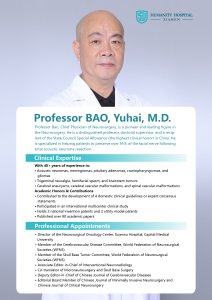
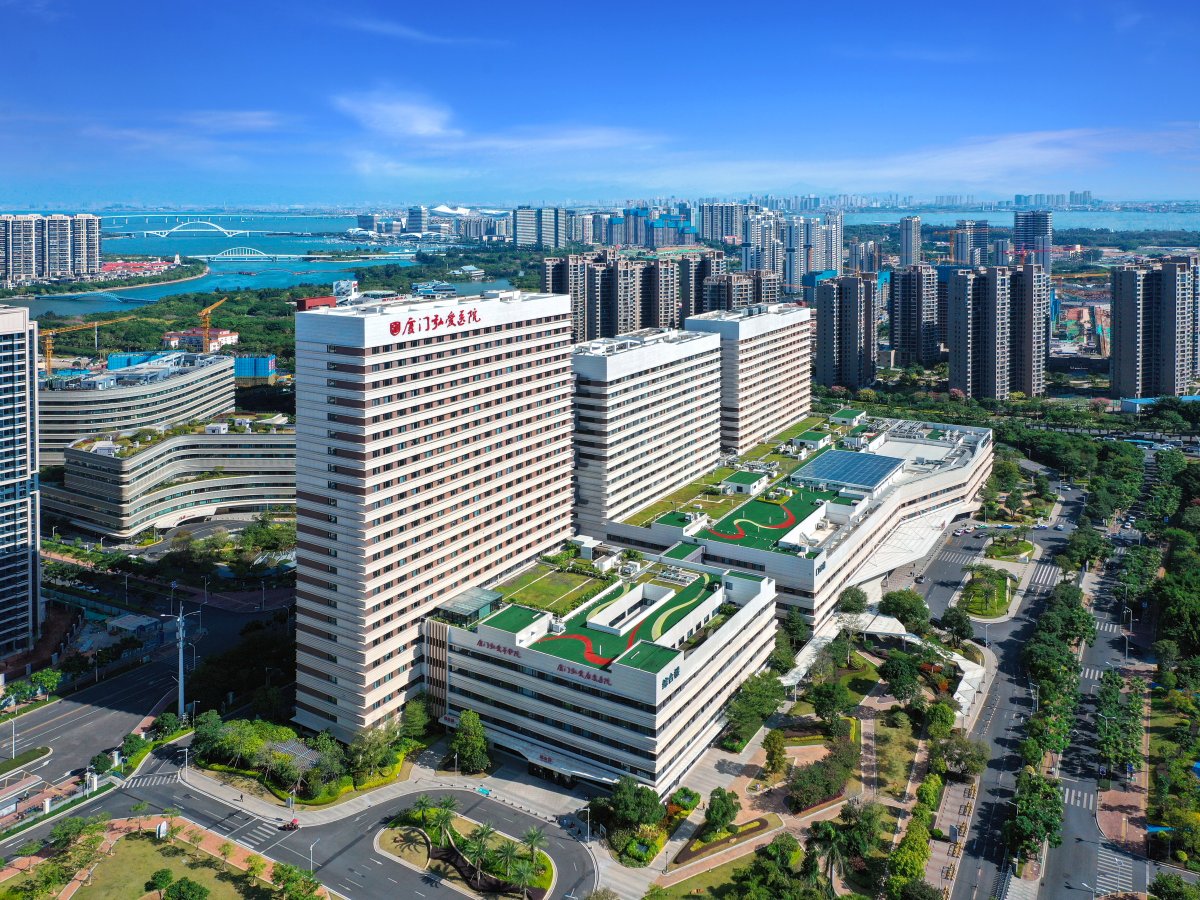
Bookimed Expert Insight: Patients requiring non-invasive treatment for localized lesions find high value in specialized radiosurgery teams. Jinshazhou Hospital offers CyberKnife M6 packages starting around $8,200 including consultation and hospitalization. For complex surgical cases like acoustic neuromas, tertiary centers in Beijing provide elite expertise. Professor Bao Yu Hai at Xiamen Humanity Hospital achieves over 95% facial nerve preservation. Tertiary hospitals like Xiamen Humanity serve over 1,000,000 annual patients, ensuring high surgical volumes.
| الصين | تركيا | إسبانيا | |
| غاما نايف لعلاج ورم الدماغ | من $8,500 | من $4,750 | من $20,000 |
| سايبر نايف لعلاج ورم الدماغ | من $13,500 | من $4,750 | من $30,000 |
| حج القحف | من $22,500 | من $5,650 | من $25,000 |
| جراحة ورم في المخ | من $18,500 | من $7,030 | من $11,392 |
| المعالجة المقطعية | من $17,500 | من $12,000 | من $35,000 |
Bookimed لا يضيف رسوماً إضافية على أسعار علاج ورم في المخ. الأسعار مأخوذة من قوائم الأسعار الرسمية للعيادات. تدفع مباشرة في العيادة مقابل علاجك عند وصولك إلى البلد.
Bookimed ملتزم بسلامتك. نحن نعمل فقط مع المؤسسات الطبية التي تحافظ على معايير دولية عالية في علاج ورم في المخ ولديها التراخيص اللازمة لخدمة المرضى الدوليين في جميع أنحاء العالم.
Bookimed يقدم مساعدة خبراء مجانية. منسق طبي شخصي يدعمك قبل وأثناء وبعد العلاج، ويحل أي مشاكل. لن تكون وحيداً أبداً في رحلة علاج ورم في المخ.
الدكتور باو يوهـاي أستاذ وكبير أطباء جراحة الأعصاب. يُعد رائدًا وقامة بارزة في هذا المجال، وأستاذًا متميزًا، ومشرف دكتوراه. حصل على المخصص الخاص من مجلس الدولة، وهو من أعلى التكريمات السريرية في الصين. يشغل منصب مدير مركز أورام جراحة الأعصاب في مستشفى شوانوو، ويعمل في لجان الاتحاد العالمي لجمعيات جراحة الأعصاب (WFNS). وهو نائب رئيس التحرير لمجلة Interventional Neuroradiology وعضو في هيئات تحرير عدة مجلات.
بخبرة تزيد على 40 عامًا، يتخصص في الورم الشفاني الدهليزي، وأورام السحايا، وأدينومات النخامى، والأورام القحفية البلعومية، والأورام الدبقية. ويعالج أيضًا ألم العصب ثلاثي التوائم، وتشنج نصف الوجه، وأورام جذع الدماغ. ويشمل عمله أمّهات الدم الدماغية، والتشوّهات الوعائية، والتشوّهات الوعائية الشوكية. وبعد الاستئصال الكلي للورم الشفاني الدهليزي، يحافظ على وظيفة العصب الوجهي في أكثر من 95% من الحالات.
ساهم في إعداد 4 دلائل سريرية وطنية، وشارك في دراسات دولية متعددة المراكز. يحمل براءتي اختراع و2 براءتي نموذج منفعة على المستوى الوطني، ونشر أكثر من 80 بحثًا علميًا.
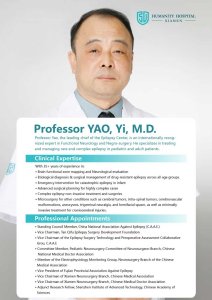
الأستاذ يي ياو، دكتور في الطب، رئيس مركز الصرع. وهو خبير معترفاً به دولياً في علم الأعصاب الوظيفي وجراحة الأعصاب. يتخصص في رعاية حالات الصرع المعقدة لدى الأطفال والبالغين. لديه خبرة تزيد على 35 عاماً.
الخبرات السريرية: رسم خرائط الدماغ؛ الصرع المقاوم للأدوية؛ الرعاية الطارئة لنوبات الصرع؛ التخطيط المتقدم لجراحة الأعصاب؛ الجراحة الميكروسكوبية للأورام وأمراض الأوعية الدموية.
القيادة المهنية: عضو المجلس الدائم، الجمعية الصينية لمكافحة الصرع؛ نائب الرئيس، مؤسسة جراحة الصرع؛ عضو لجنة جراحة الأعصاب للأطفال؛ نائب الرئيس، جمعية الصرع في فوجيان.
رائد في استخدام البروبوفول لاختبار وادا في الصين - مما عزز السلامة والكفاءة في جراحات أورام الدماغ في مستشفى تيانجين إيبر بيرينيال للدماغ.
Brain tumour treatment in China centres on precision radiotherapy and robotic systems. Specialist clinics in Beijing and Guangzhou offer CyberKnife M6 radiosurgery, Boron Neutron Capture Therapy, and intraoperative MRI. These tools help surgeons map tumours accurately and spare healthy brain tissue.
Bookimed Expert Insight: While many countries offer standard CyberKnife, Chinese centres like Jinshazhou Hospital bundle it into specific A$11,400 packages. These include remote video consultations. This allows Australian patients to have their scans reviewed by Chinese specialists before flying. It helps avoid unnecessary travel for ineligible cases.
Patient Consensus: Online discussions about brain tumour care in China are rare. Patients often note the focus on technology. They appreciate that leading specialists often have extensive training from major US institutions like Harvard.
Brain tumour outcomes in China align with international standards at major neurological centres. Results for high-grade gliomas often match or exceed Western protocols. Leading surgeons report 95% facial nerve preservation in complex acoustic neuroma resections. Specialists use intraoperative MRI and robotics to improve precision.
Bookimed Expert Insight: Chinese neurosurgery excels due to massive patient volumes and academic depth. Dr Shao Ming, an Asian representative for international neurophysiological monitoring, trained at Harvard and the University of Texas. This cross-pollination of elite Western training with China's high-volume caseload results in surgical precision. These results meet or exceed global benchmarks. Australian patients can find CyberKnife M6 radiosurgery packages in Guangzhou for approximately A$11,400. This reflects significant value for specialised technology.
China offers extensive clinical trial options for brain tumours. These include immune-cell therapies and boron neutron capture therapy (BNCT). Facilities such as Xiamen Humanity Hospital conduct Phase I to IV trials. These programmes focus on glioblastoma, CAR T-cell therapy, and precision radiation.
Bookimed Expert Insight: China adopts specific technologies like Boron Neutron Capture Therapy (BNCT) earlier than many Western countries. Clinics such as Xiamen Humanity Hospital treat over 1,000,000 patients annually. This volume allows Chinese specialists to complete trials and refine protocols quickly.
Patient Consensus: Patients should confirm if an experimental option is part of a formal, ethics-approved trial. Many suggest getting a second opinion from an Australian specialist to compare overseas protocols with local standards.
Beijing Tiantan Hospital is China’s leading neurosurgery centre. It performs the highest volume of brain tumour surgeries in Asia. Xiamen Humanity Hospital and Jinshazhou Hospital of Guangzhou University of Chinese Medicine also offer specialised technologies. These include Boron Neutron Capture Therapy and CyberKnife M6 radiosurgery.
Bookimed Expert Insight: China's top neurosurgery hubs rely on massive surgical volumes to drive success rates. Prof. Bao Yu Hai has over 40 years of experience. He has also contributed to 4 national clinical guidelines. This level of seniority is common in major Chinese centres. Patients should target doctors with 30+ years of experience for complex removals.
Patient Consensus: Patients recommend choosing university-affiliated hospitals. These sites host neurosurgery, oncology, and pathology teams on one campus. Multidisciplinary care is essential for coordinating biopsy, surgery, and radiation planning effectively in China.
Preparing for a brain tumour consultation in China requires gathering all medical documents. Include digital MRI or CT scans and pathology reports. Specialists often use tools like CyberKnife M6 and proton-beam therapy. Patients should arrange language support and check hospital rules for international medical records.
Bookimed Expert Insight: CyberKnife M6 packages in China start at approximately A$11,400. These often include telehealth consultations. This allows Australian patients to review cases with specialists like Dr Zhang Yanjun before travelling. Pre-screening confirms if the tumour type suits radiosurgery or traditional craniotomy.
Patient Consensus: Patients say it is essential to request a bilingual clinician or interpreter before the appointment. They also recommend writing a timeline of seizure activity and prior imaging dates. This helps to get a faster diagnosis in China.
Neurosurgeons in China do not always speak fluent English. Specialists in international departments often communicate well, but it is not a nationwide standard. Patients should seek facilities like Xiamen Humanity Hospital. These centres serve international patients from over 50 countries where English support is more common.
Bookimed Expert Insight: Do not judge a surgeon's English level by their academic credentials alone. Many Chinese specialists, like Dr Shao Ming, have published 30+ articles in international journals. This indicates a high level of written medical English. However, conversational fluency for complex surgical consent varies between clinics and individual specialists.
Patient Consensus: Patients note it is essential to confirm communication for the whole care team. Even if a surgeon speaks English, nurses or ICU staff in China may not. Most recommend hiring a professional medical interpreter for safety during complex brain tumour treatments.
International private health insurance typically covers brain tumour treatment in China if the policy includes oncology benefits. Coverage usually extends to surgery, chemotherapy, and therapies like CyberKnife M6 radiosurgery. Pre-authorisation from the insurer is essential for direct billing at private hospitals.
Bookimed Expert Insight: A CyberKnife M6 radiosurgery package in Guangzhou costs around A$11,400. Many international policies only reimburse for specific tech. Clinics like Xiamen Humanity Hospital use the Da Vinci Surgical System and Varian VitalBeam. Patients should check if their insurer approves these precision tools to avoid out-of-pocket costs.
Patient Consensus: Patients note insurers scrutinise oncology care heavily. Therefore, written pre-approval is vital before travelling to China. Experience shows that having comprehensive medical records ready helps speed up the insurance verification process.