
مستشفى شيامن هيومانيتي
الصين, شيامن


تمت مراجعة المقالة طبيا من قبل
فهد مولود
| الصين | تركيا | إسبانيا | |
|---|---|---|---|
| Gamma Knife جاما نايف | من $4,000 | من $5,500 | من $24,900 |
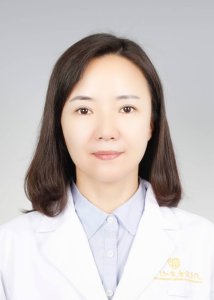
الأستاذة ليانغ شياوشياو مديرة القسم ورئيسة الأطباء في إعادة التأهيل العصبي. تحمل درجة الماجستير في طب الأعصاب. متمرسة في التعديل العصبي لاضطرابات الوعي والإدراك والحركة. يتركز عملها على حالات ناجمة عن أمراض الأوعية الدموية الدماغية، ومرض باركنسون، وحالات ذات صلة. كما تُجري حقن توكسين البوتولينوم بتوجيه الموجات فوق الصوتية لعلاج تشنج الجفن، وتشنج نصف الوجه، وتشنج الأطراف، وفرط سيلان اللعاب، وآلام الأعصاب.
الاعتمادات والمناصب: عضوة في لجان إعادة التأهيل العصبي، وإعادة تأهيل اضطرابات الإد
 Anna Leonova
يستخدم علاج الورم العصبي السمعي في الصين الاستئصال المجهري، والجراحة الإشعاعية التجسيمية، والمراقبة النشطة. تركز المراكز التخصصية الثالثة على بروتوكولات الحفاظ على الوظائف. تعطي هذه الطرق الأولوية للحفاظ على العصب الوجهي. تعتمد خيارات العلاج على حجم الورم ومعدل النمو والسمع الأساسي. المراقبة أثناء الجراحة هي المعيار للحالات الجراحية.
رؤية خبير Bookimed: توفر المراكز الثالثة ذات الحجم الكبير في الصين ميزة لوجستية فريدة للتعافي. على سبيل المثال، تشمل الحزم الجراحية في مستشفى شيامن الإنساني 21 يومًا من الإقامة في المستشفى. تسمح هذه الإقامة الممتدة بمراقبة مكثفة بعد الجراحة وإعادة تأهيل فورية. هذه المدة أطول بكثير من 3 إلى 5 ليالٍ التي يتم توفيرها عادةً في العيادات الأوروبية أو التركية.
إجماع المرضى: يؤكد المرضى أن اختيار جراح يقوم بإجراءات قاعدة الجمجمة بشكل متكرر أمر حيوي لسلامة الأعصاب. يلاحظ العديد من المسافرين أنه من المهم توضيح ما إذا كان الهدف هو السيطرة على الورم أو الإزالة الكاملة قبل الفحص الأول.
يستخدم جراحو الأعصاب الصينيون الجراحة المجهرية وجراحة غاما نايف الإشعاعية لعلاج ورم العصب السمعي. يختار الجراحون بين الأساليب خلف السيني (retrosigmoid)، أو عبر التيه (translabyrinthine)، أو عبر الحفرة المتوسطة. يعتمد الاختيار على حجم الورم، وحالة السمع، وموقع العصب الوجهي. تركز المراكز الرائدة مثل مستشفى شيامن الإنساني (Xiamen Humanity Hospital) على الحفاظ على وظيفة العصب.
رؤية خبير Bookimed: يعالج مستشفى شيامن الإنساني أكثر من 1,000,000 مريض سنويًا عبر 47 قسمًا. يسمح هذا الحجم الهائل للمتخصصين مثل الدكتور باو يو هاي بصقل الدقة الجراحية المجهرية. تشمل باقاتهم إقامة في المستشفى لمدة 21 يومًا. هذه الفترة الطويلة للتعافي أطول بكثير من المعايير الغربية. وهي تضمن مراقبة مكثفة لاستقرار العصب الوجهي ورعاية فورية بعد الجراحة.
إجماع المرضى: غالبًا ما يجد المرضى أن نتائج اختبارات السمع تغير الخطة الجراحية أكثر مما كان متوقعًا. يدرك الكثيرون أن الجراحين يعطون الأولوية لتجنب شلل الوجه على إزالة كل مليمتر من الورم.
يحدد الخبراء الصينيون الرائدون مثل الدكتور باو يو هاي والبروفيسور ليوي تشانغ المعايير الوطنية لرعاية الورم العصبي السمعي. يعمل هؤلاء المتخصصون في مراكز ثالثية ذات حجم كبير. وهم يركزون على جراحة قاعدة الجمجمة المعقدة، والحفاظ على العصب الوجهي، والاستراتيجيات متعددة التخصصات. غالبًا ما يتضمن العلاج الجراحة المجهرية أو تقنية جاما نايف.
رؤية خبير Bookimed: على الرغم من أن بكين هي المركز التقليدي لجراحة الأعصاب، فقد أصبحت مستشفى شيامن هيومانيتي وجهة رئيسية. تظهر بياناتنا أن الدكتور باو يو هاي يحقق نتائج جراحية متميزة هناك. يدير المستشفى 1,000,000 مريض سنويًا ويقدم خدمات متعددة اللغات متخصصة. وهذا يجعله خيارًا عمليًا للمرضى الدوليين الذين يبحثون عن خبرة على المستوى الوطني خارج بكين.
إجماع المرضى: يؤكد المرضى أن الحفاظ على وظيفة العصب الوجهي هو النتيجة الأكثر أهمية. ينصح الكثيرون باختيار المراكز ذات الحجم الكبير التي تقدم مسارات علاجية متعددة بدلاً من الجراحة فقط.
تتوفر الجراحة الإشعاعية التجسيمية على نطاق واسع في الصين في المراكز الطبية الكبرى. تبلغ منصات مثل Gamma Knife و CyberKnife عن معدلات تحكم في الورم تتراوح بين 90% و 96%. توفر هذه العلاجات غير الغازية معدل بقاء على قيد الحياة بنسبة 96% للآفات الموضعية. تحافظ المراكز المتخصصة على مستوى عالٍ من الأمان مع معدل مضاعفات يبلغ 3.8% فقط.
رؤية خبراء Bookimed: بينما تعد Gamma Knife و CyberKnife فعالتين، تظل الجراحة المجهرية المتخصصة بديلاً عالي القيمة لحالات معينة. يحافظ الدكتور باو يو هاي في مستشفى شيامن للإنسانية على وظيفة العصب الوجهي في 95% من إجمالي عمليات استئصال الورم العصبي السمعي. تخدم هذه العيادة 1,000,000 مريض سنويًا. يضمن اختيار مركز ذو حجم كبير أن يحافظ الجراحون على الدقة اللازمة للحفاظ على الأعصاب.
إجماع المرضى: يشير المرضى إلى أن الجراحة الإشعاعية هي استراتيجية للعلاج والمراقبة. فهي توقف نمو الورم ولكنها نادراً ما تستعيد السمع أو تقضي على طنين الأذن الموجود على الفور. يعطي الكثيرون الأولوية لخطر أقل لتلف العصب الوجهي مقارنة بالتعافي من بضع
تسمح الجراحة الإشعاعية بجهاز جاما نايف في الصين بالتعافي الفوري خلال يوم إلى يومين. تتطلب عملية الاستئصال بالجراحة المجهرية من 14 إلى 18 يوماً من المراقبة في المستشفى. توفر الجراحة استئصالاً فورياً للورم ولكنها تتضمن شهوراً من إعادة التأهيل. يتطلب جاما نايف سنوات من المراقبة لتراجع الورم.
رؤية خبير Bookimed: على الرغم من أن المراكز الصينية مثل مستشفى شيامن الإنساني تبلغ عن معدلات نجاح عالية، إلا أن الإقامة في المستشفى غالباً ما تكون أطول مما هي عليه في العيادات الغربية. على سبيل المثال، قد تشمل باقات الجراحة المجهرية في الصين ما يصل إلى 21 يوماً من الاستشفاء لضمان الحفاظ على العصب الوجهي بنسبة 95%. تعطي هذه المقاربة المحافظة الأولوية للاستقرار قبل السفر لمسافات طويلة، على عكس الخروج من المستشفى خلال 5 أيام الشائع في أوروبا.
إجماع المرضى: يلاحظ المرضى أن مشاكل التوازن شائعة وغالباً ما تكون أكثر إزعاجاً من الألم خلال الأسابيع القليلة الأولى بعد أي من الإجراءين. يقدر أولئك الذين يختارون جاما نايف سرعة الخروج من المستشفى لكنهم يذكرون الشعور بعدم اليقين العاطفي أثناء انتظا
لا يوجد دليل سريري عالي المستوى يؤكد أن الطب الصيني التقليدي يمكن أن يقلص أو يوقف نمو الورم العصبي السمعي. تظهر الدراسات المخبرية على المركبات النباتية مثل الهونوكيول والكركمين إمكانات في النماذج الحيوانية. ومع ذلك، فإن التجارب البشرية مفقودة حاليًا. تظل العلاجات القياسية هي الجراحة المجهرية والجراحة الإشعاعية.
رؤية خبير Bookimed: غالبًا ما يختار المرضى في الصين باقات الجراحة المجهرية في مراكز مثل مستشفى شيامن الإنساني. تكلف هذه الباقات حوالي 51,450 دولارًا. يحقق الدكتور باو يو هاي معدلات نجاح عالية هناك. وهو يحافظ على أكثر من 95% من وظيفة العصب الوجهي. يسلط هذا الضوء على اتجاه حيث يسعى المرضى للحصول على جراحة أعصاب متقدمة بدلاً من الطب البديل.
إجماع المرضى: يلاحظ المرضى أن الطب الصيني التقليدي مفيد لإدارة الدوار والقلق. ويؤكدون أن فحوصات التصوير بالرنين المغناطيسي المتسلسلة فقط هي التي توفر دليلًا حقيقيًا على السيطرة على الورم.